

Managing rental properties has never been easier thanks to modern bookkeeping and tax software. Many real estate investors can accurately track income, expenses, and deductions using digital tools throughout the year.
But when tax season arrives, one common question remains:
Is tax software enough, or is it time to hire a CPA?
The answer depends on the complexity of your investments. While tax software works well for many landlords, there are situations where the expertise of a Certified Public Accountant (CPA) can save you thousands of dollars—and help you avoid costly mistakes.
Let's look at when each option makes the most sense.
For many small landlords, tax software is perfectly capable of preparing an accurate tax return.
Tax software works well if you:
If your bookkeeping is organized and your finances are simple, modern tax software can usually guide you through filing Schedule E with confidence.
As your real estate portfolio grows, so does your tax complexity.
A CPA becomes increasingly valuable when you encounter situations that require planning—not just tax filing.
Managing several properties often involves:
A CPA can ensure everything is reported correctly while identifying deductions you might overlook.
Buying or selling investment property introduces several tax considerations, including:
These calculations can significantly affect your tax bill.
A CPA can help ensure they're handled correctly.
A 1031 exchange allows investors to defer capital gains taxes when replacing one investment property with another.
Because IRS rules are strict and deadlines are critical, professional guidance is strongly recommended.
Even a small mistake can disqualify the exchange.
Business entities often require additional tax filings.
Examples include:
These structures may involve separate tax returns and additional reporting requirements.
Short-term rentals can create tax situations that differ from traditional long-term rentals.
A CPA can help determine:
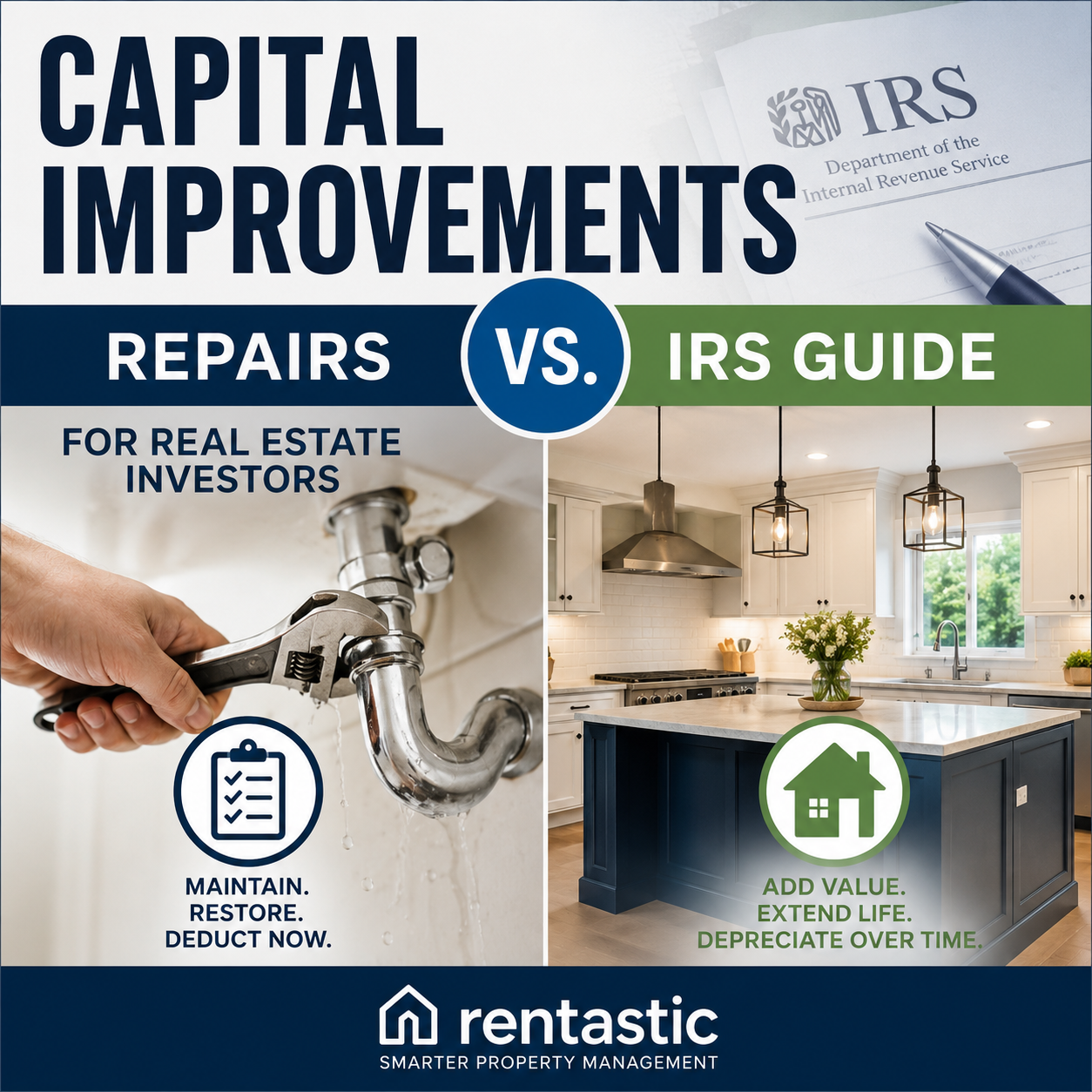
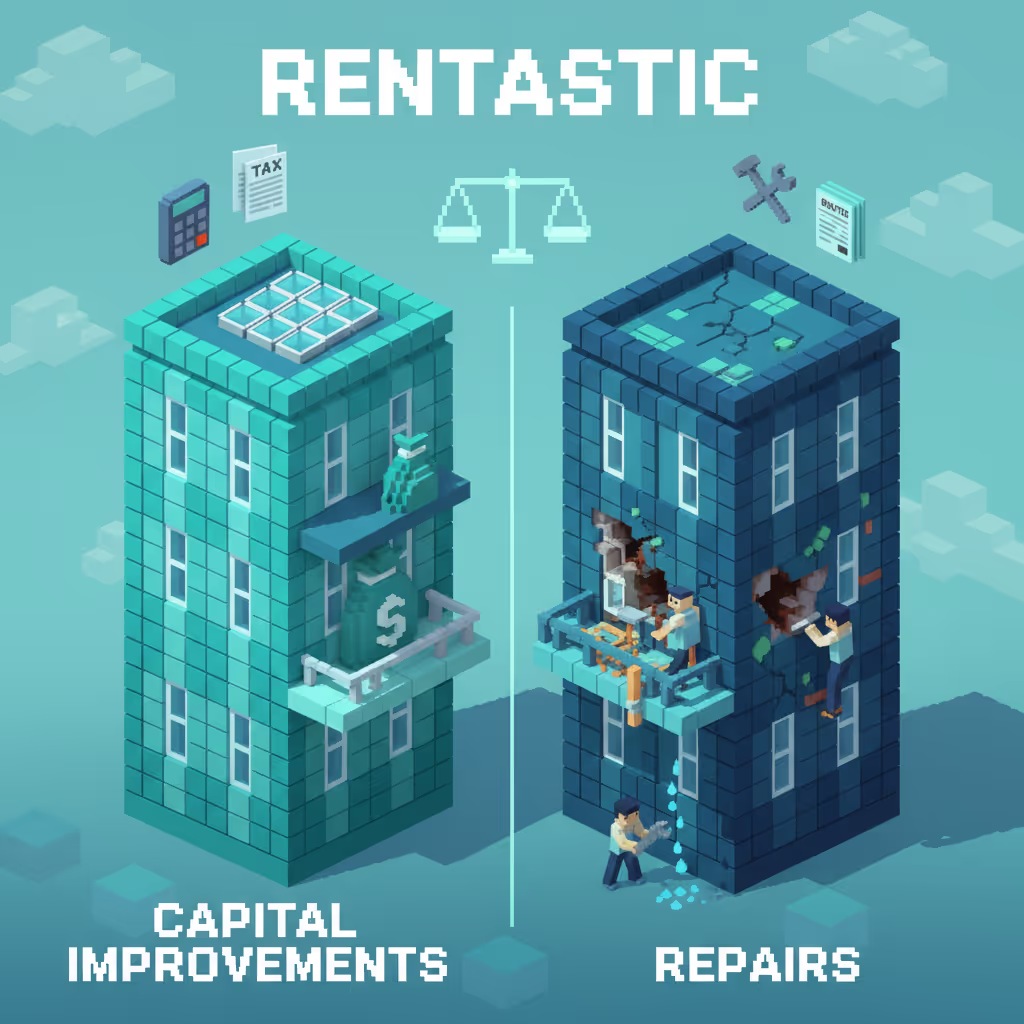
Large remodeling projects often create confusion between:
Misclassifying these expenses could result in lost deductions or IRS issues.
A CPA can help categorize them correctly.
If the IRS requests additional documentation, having organized records and professional guidance can make the process significantly less stressful.
Many CPAs also provide audit support and represent clients before the IRS.
Tax software follows rules based on the information you enter.
A CPA provides advice tailored to your financial situation.
A CPA can help you:
Rather than simply filing taxes, a CPA helps you make better financial decisions throughout the year.
Many successful investors use both.
A common approach is:
This combination reduces preparation time while improving accuracy.
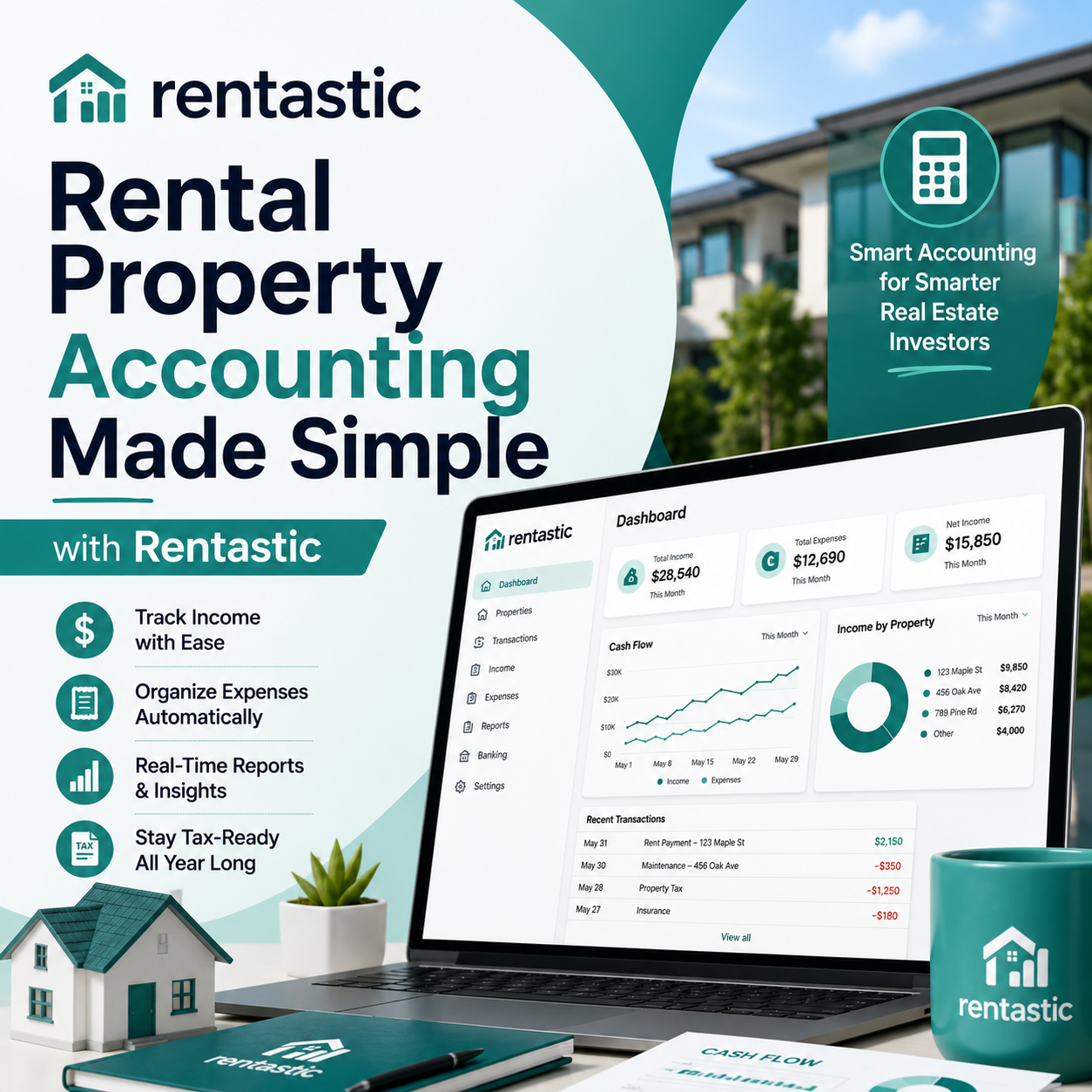
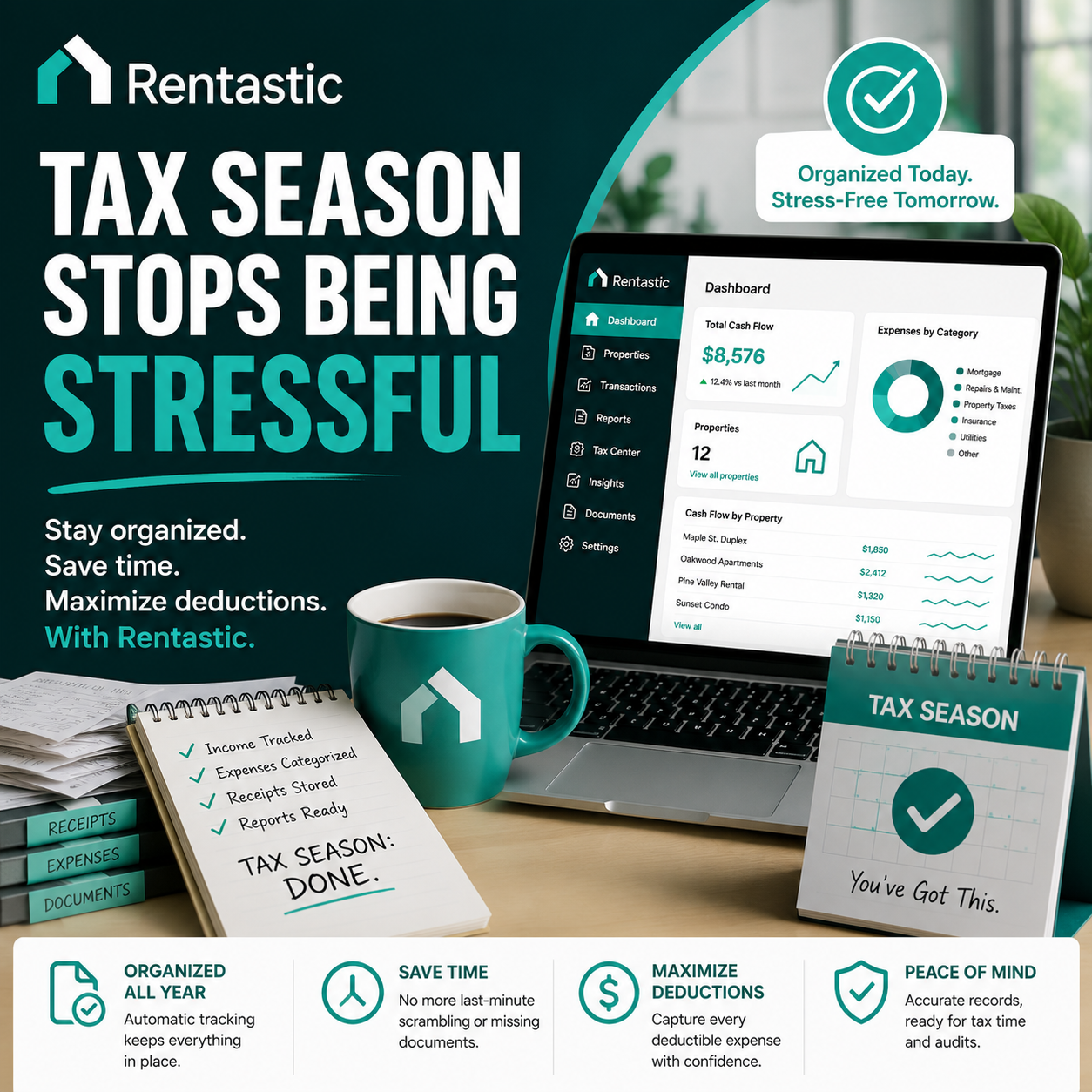
Whether you prepare your own taxes or work with a CPA, organized financial records are essential.
Rentastic helps investors stay tax-ready by allowing you to:
Instead of scrambling through paperwork in April, you can provide your CPA with organized records in minutes.
Yes. Many landlords with a single rental property successfully file their taxes using tax software, provided their financial situation is relatively straightforward.
For investors with multiple properties, business entities, property sales, or complex tax situations, a CPA can often identify savings that outweigh their fees while helping reduce the risk of costly filing errors.
Not necessarily. Some investors use a CPA during years with major transactions or significant tax changes, while relying on tax software during simpler years.
No. Bookkeeping software helps organize financial data, while a CPA provides tax planning, professional advice, and prepares complex tax filings when needed.
Tax software has made filing rental property taxes more accessible than ever, but it isn't the right solution for every investor.
If your rental business is straightforward, software may be all you need. However, as your portfolio grows or your tax situation becomes more complex, partnering with a CPA can provide valuable guidance, help maximize deductions, and reduce costly mistakes.
No matter which route you choose, maintaining accurate, organized financial records throughout the year is the key to a smoother tax season—and better long-term investment decisions.
RECENT POSTS


© 2025 Rentastic
Rentastic is registered as a trademark. Terms and conditions, features, support, pricing, and service options subject to change without notice.





.png)






















.png)

































Comments