
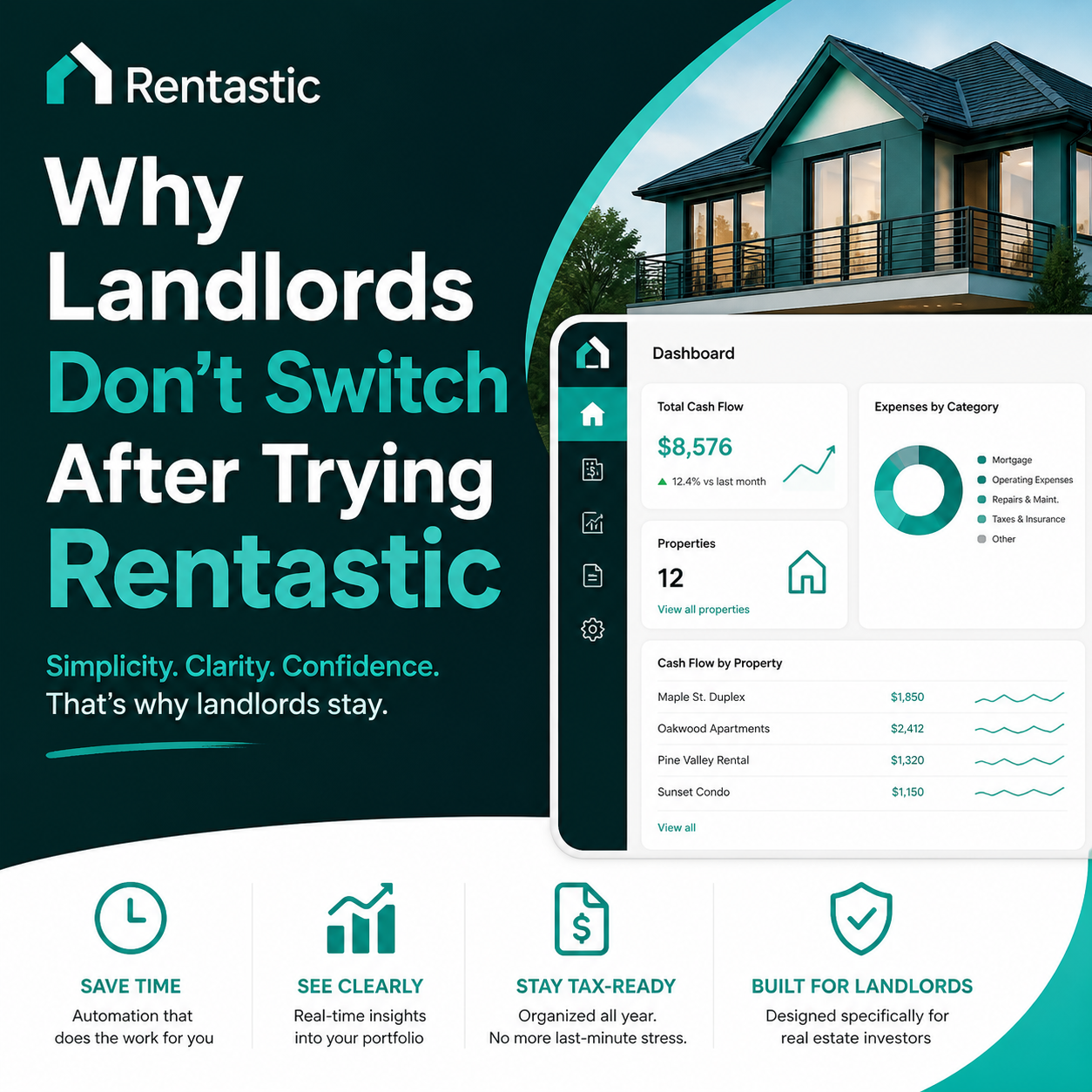
Most landlords don’t plan to “stick” with a tool forever when they first sign up. They’re usually testing options—trying to solve one problem: messy bookkeeping, scattered receipts, or stressful tax season.
But something interesting happens after they start using Rentastic.
They don’t leave.
Not because they can’t—but because switching back to old systems feels like a step backward.
Here’s why landlords tend to stay once they try Rentastic.
Before Rentastic, many landlords rely on spreadsheets, bank exports, or a mix of accounting tools that were never really built for real estate.
At first, it works… until it doesn’t.
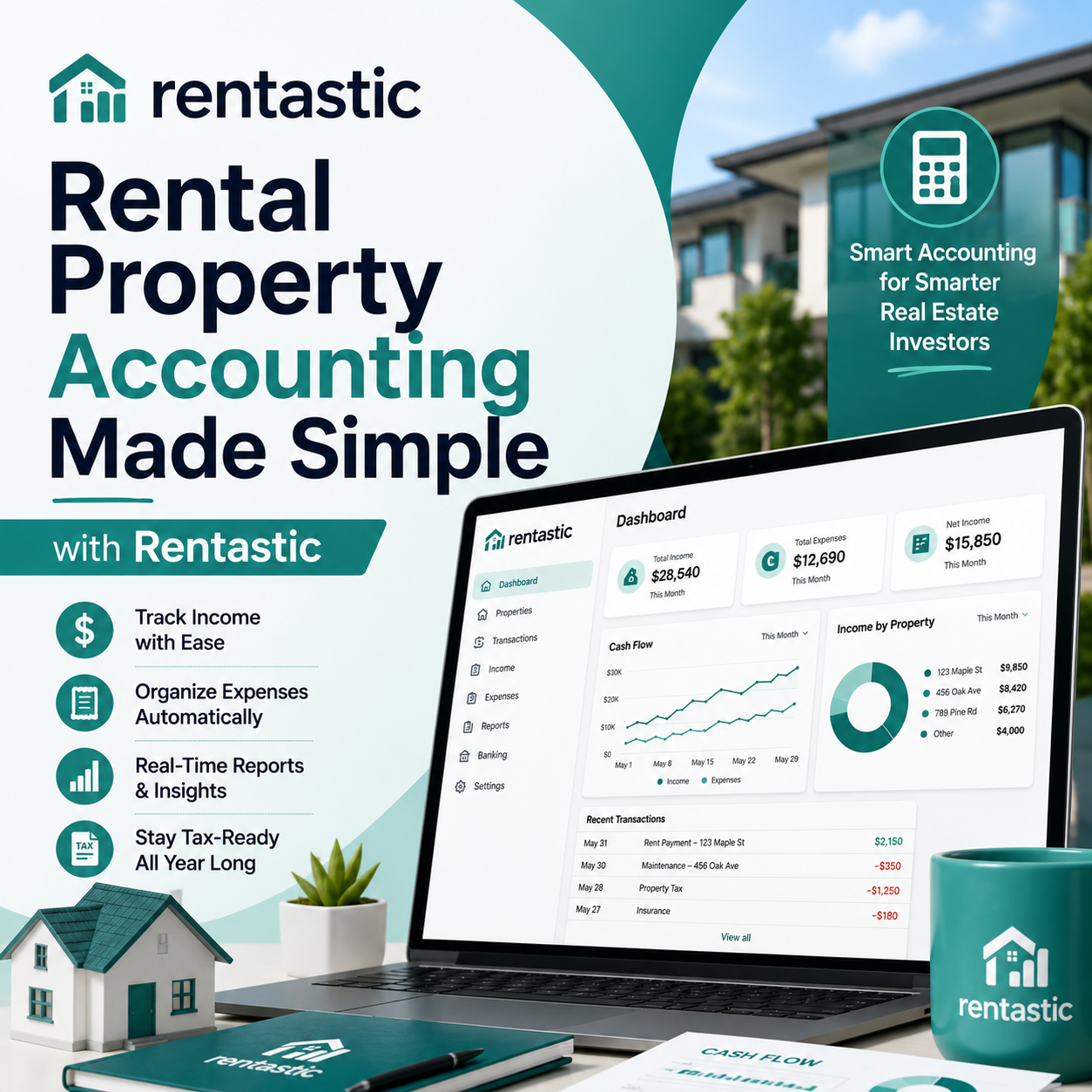
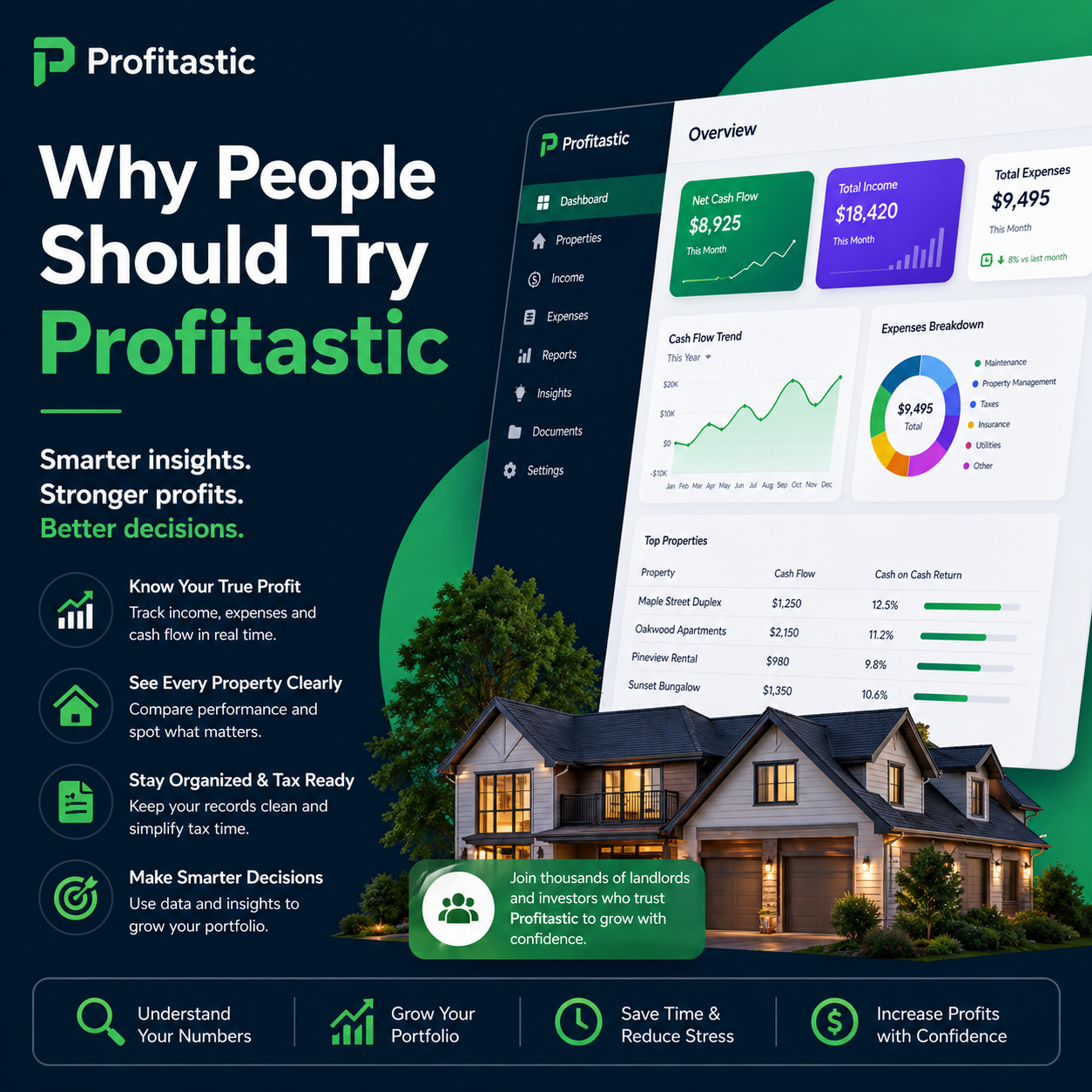
Rentastic simplifies this into a clean system designed specifically for landlords. Once users experience having everything organized automatically—income, expenses, and property-level breakdowns—it’s hard to go back to manual tracking.
Simplicity becomes the standard, not a feature.
One of the biggest “stick factors” is clarity.
Landlords often say they didn’t fully understand their portfolio performance until they saw it inside Rentastic.
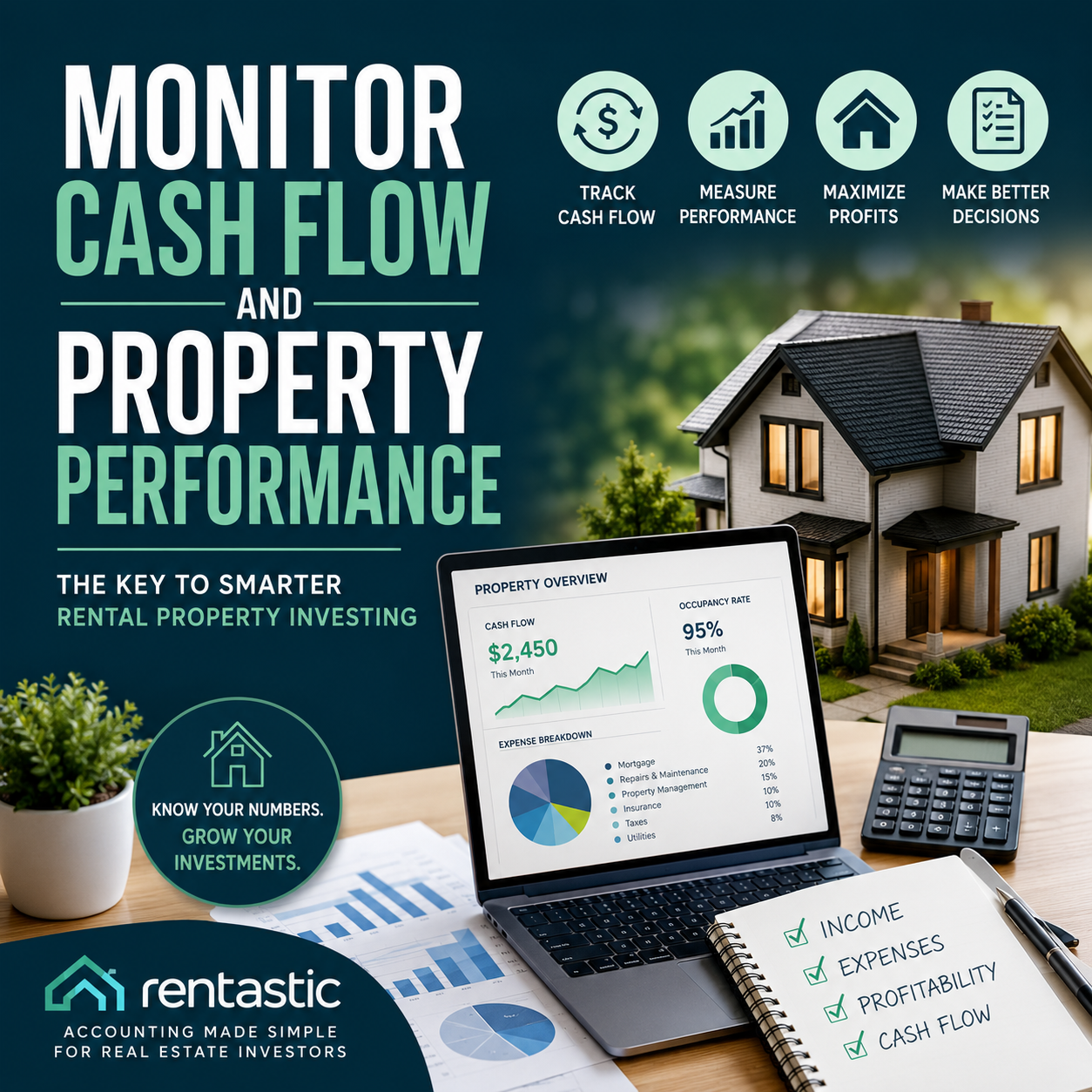
Instead of waiting for end-of-month reports or piecing things together manually, users can instantly see:
This real-time visibility changes decision-making. It shifts landlords from reactive to proactive.
Once you operate with that level of clarity, going back to uncertainty isn’t appealing.
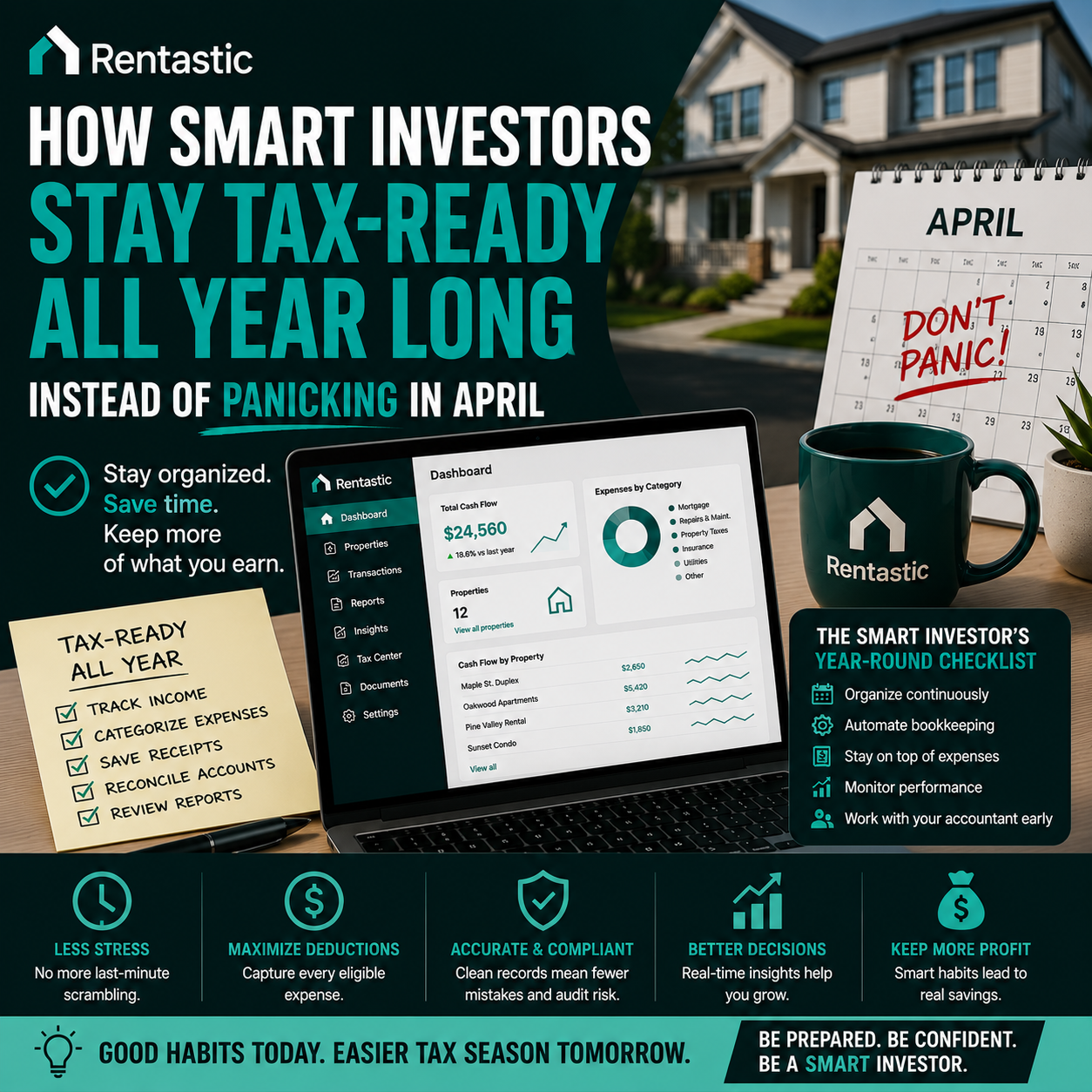
For many landlords, tax season is the breaking point.
Receipts are missing. Expenses are unorganized. Hours are spent trying to reconstruct months of financial activity.
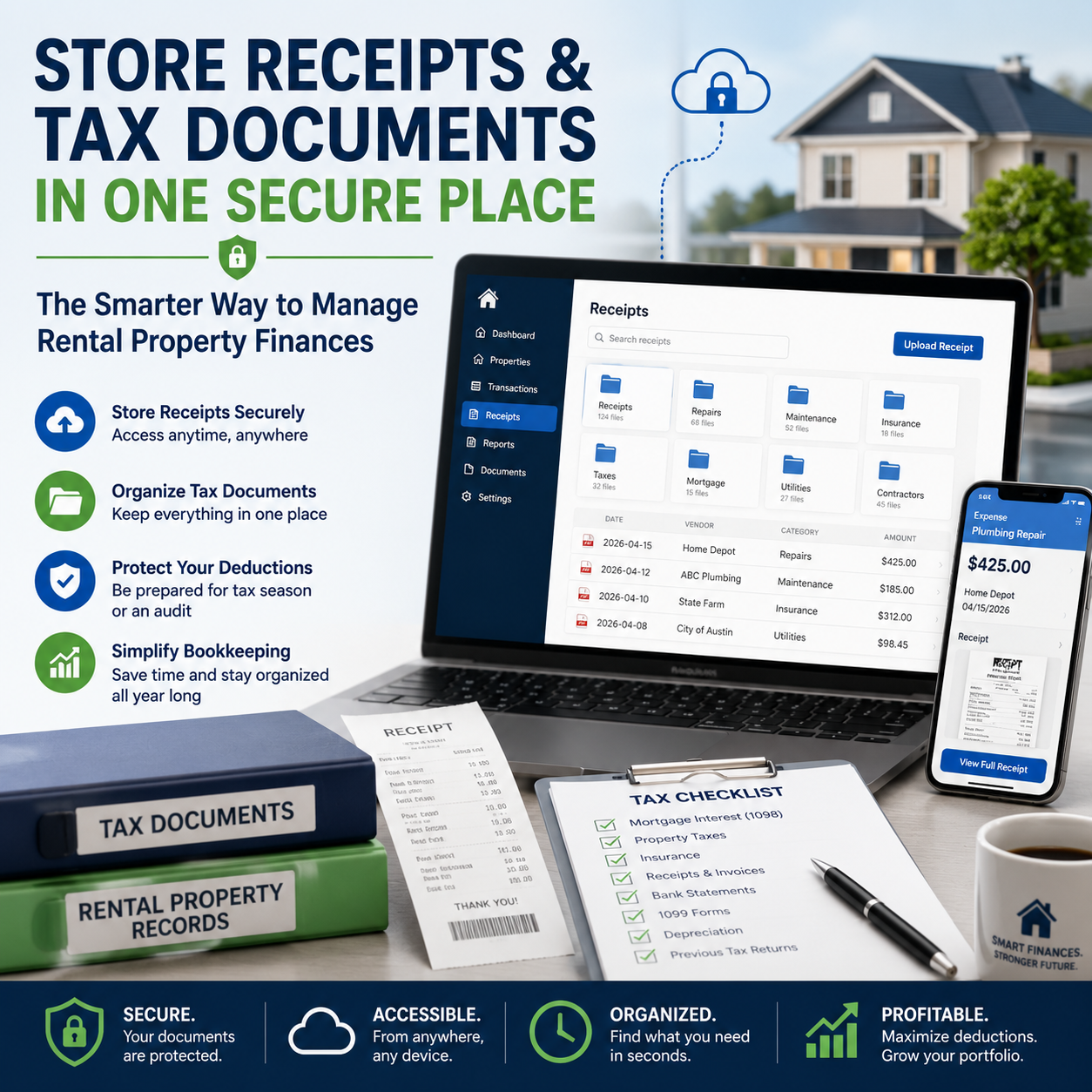
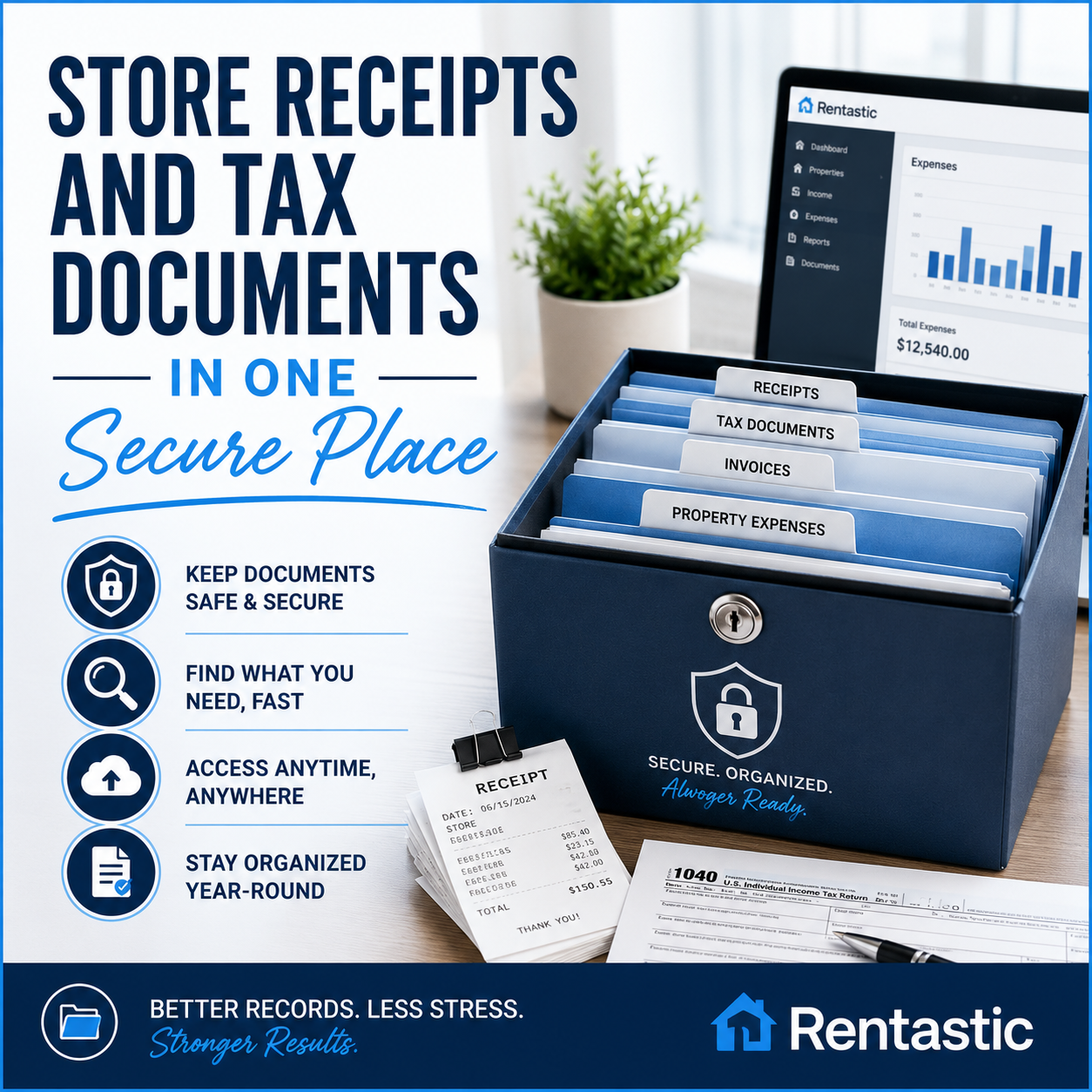
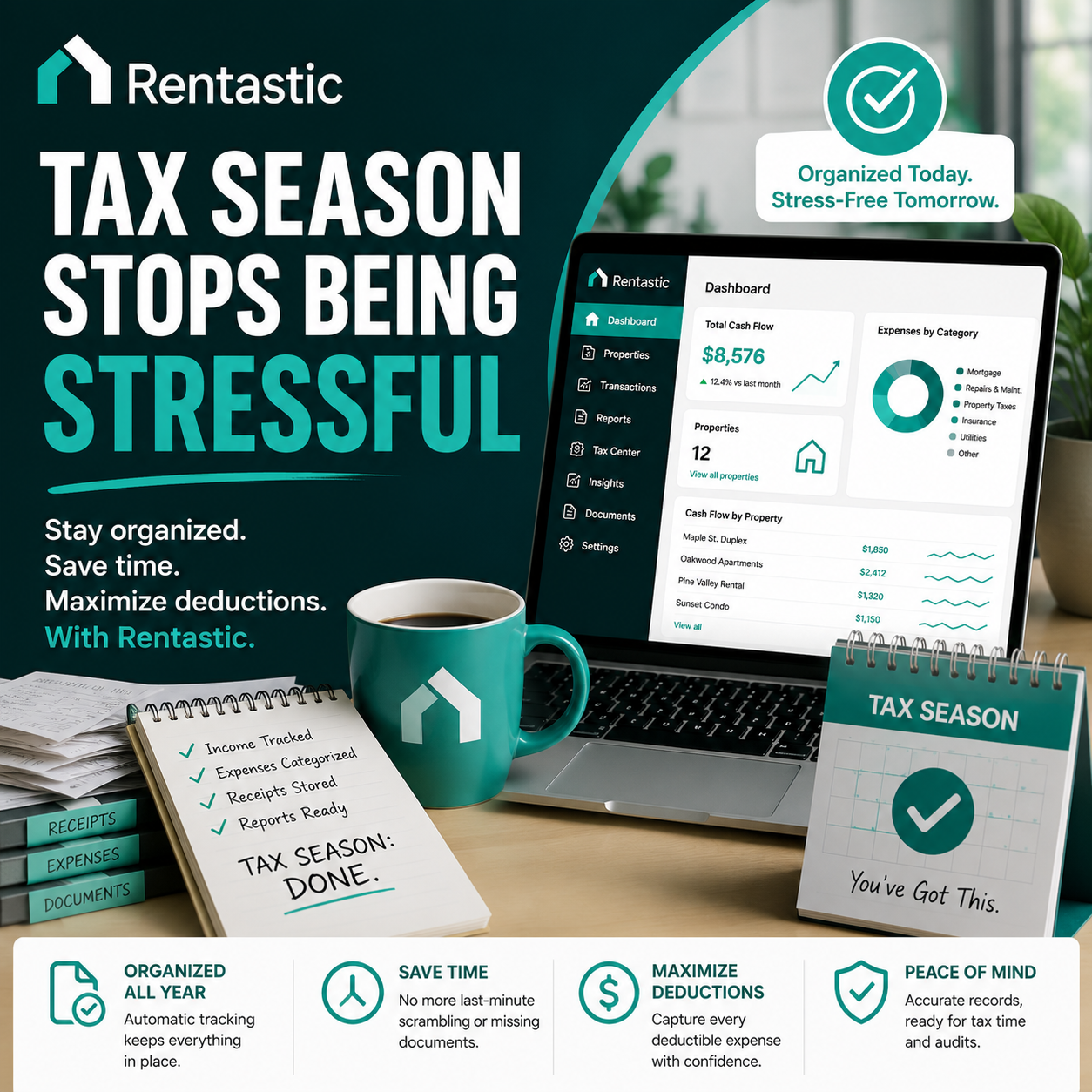
Rentastic removes most of that friction by keeping everything structured throughout the year.
So instead of scrambling, users already have:
What used to take days or weeks turns into minutes. And once landlords experience a stress-free tax season, it becomes a major reason they stay.
A big reason landlords don’t switch away is simple: most alternatives aren’t built for them.
General accounting tools try to serve everyone—freelancers, small businesses, corporations. That usually means landlords end up adapting their workflow to fit the software.
Rentastic flips that.
It’s designed around rental property workflows from the start:
When a tool actually matches how landlords think, switching away feels unnecessary.
Even if another tool offers similar features, switching has a hidden cost: starting over.
With Rentastic, users accumulate value over time:
So even if curiosity about another platform exists, the reality is simple:
Leaving means rebuilding everything from scratch.
And most landlords decide the effort isn’t worth losing the system they already rely on.
Landlords don’t stick with Rentastic because they’re forced to—they stick because it removes friction from every part of property management finance.
Once bookkeeping becomes automatic, tax season becomes easy, and portfolio performance becomes clear, going back to manual systems doesn’t feel like an upgrade. It feels like extra work.
And in real estate investing, anything that saves time, reduces stress, and improves clarity tends to become permanent.
RECENT POSTS


© 2025 Rentastic
Rentastic is registered as a trademark. Terms and conditions, features, support, pricing, and service options subject to change without notice.









.png)

























.png)




























Comments