
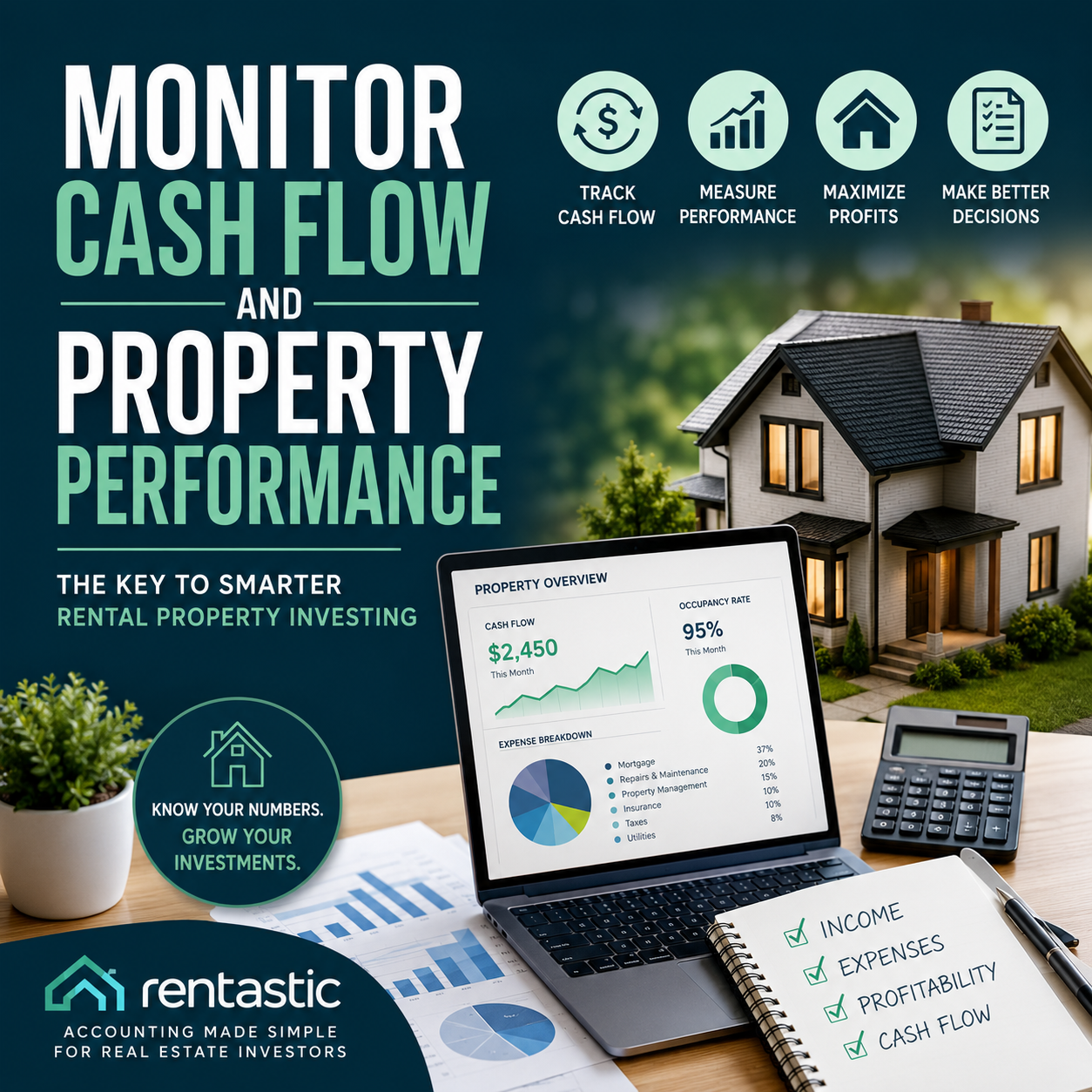
Managing rental properties successfully isn't just about collecting rent each month—it's about understanding how your investments are performing financially. Monitoring your cash flow and property performance allows you to make informed decisions, identify potential issues early, and maximize long-term profitability.
Whether you own a single rental property or a growing portfolio, keeping a close eye on your numbers is one of the most important habits you can develop.
Cash flow is the amount of money left over after all income and expenses have been accounted for.
A simple formula is:
Rental Income – Operating Expenses = Cash Flow
Positive cash flow means your property is generating more income than it costs to operate. Negative cash flow means your expenses exceed your rental income, requiring you to cover the difference out of pocket.
Understanding this number helps you determine whether your investment is actually producing a return.
Many landlords only review their finances during tax season. Unfortunately, this approach can cause small financial issues to become much larger problems.
Regularly monitoring your cash flow helps you:
Monthly reviews provide a much clearer picture of your property's financial health.
Cash flow is important, but it doesn't tell the whole story.
Other metrics can help you evaluate the success of each investment property.
NOI measures the property's profitability before mortgage payments and taxes.
Formula:
Rental Income – Operating Expenses = Net Operating Income
Investors frequently use NOI when comparing investment opportunities.
This measures the return you're earning based on the actual cash you've invested.
It helps answer an important question:
"Is my money working as hard as it could?"
High vacancy rates reduce cash flow quickly.
Tracking occupancy helps identify:
Keeping occupancy high is one of the fastest ways to improve profitability.
Understanding where your money goes each month helps identify unnecessary spending.
Common expense categories include:
Monitoring trends over time can reveal opportunities to reduce costs.
Financial reports often reveal problems before they become emergencies.
Pay attention if you notice:
Identifying these trends early gives you time to make adjustments before they significantly impact your returns.
If you own multiple rentals, comparing performance across your portfolio can reveal which properties are driving your success.
Questions to ask include:
These comparisons can guide decisions about renovations, rent increases, refinancing, or future acquisitions.
Successful investors don't just monitor current performance—they also plan ahead.
Forecasting helps prepare for:
Planning ahead prevents unexpected expenses from disrupting your finances.
Accurate reports provide valuable insights into your rental business.
Helpful reports include:
Reviewing these reports monthly helps you stay informed and make confident financial decisions.
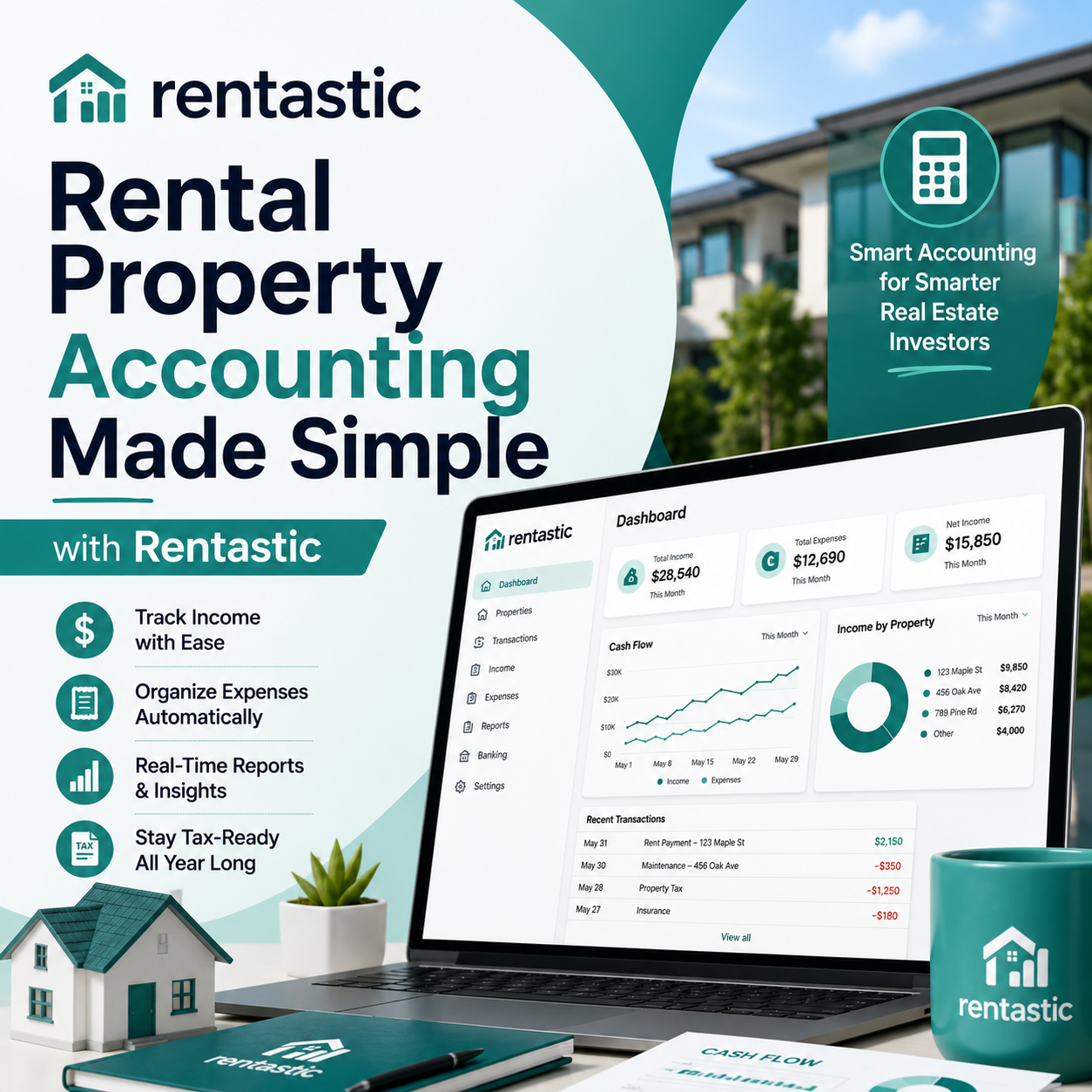
Tracking rental property performance manually can become overwhelming as your portfolio grows.
Rentastic helps landlords:
Instead of spending hours updating spreadsheets, you can focus on growing your investments while always knowing how your properties are performing.
To stay on top of your investments:
Consistent monitoring leads to better decisions and stronger financial outcomes over time.
The most successful real estate investors know their numbers. Monitoring cash flow and property performance helps you identify opportunities, reduce financial risk, and maximize the return on every investment.
With accurate financial reporting and organized bookkeeping, you can make smarter decisions, plan confidently for the future, and build a stronger rental property business.
RECENT POSTS


© 2025 Rentastic
Rentastic is registered as a trademark. Terms and conditions, features, support, pricing, and service options subject to change without notice.






.png)























.png)






























Comments