
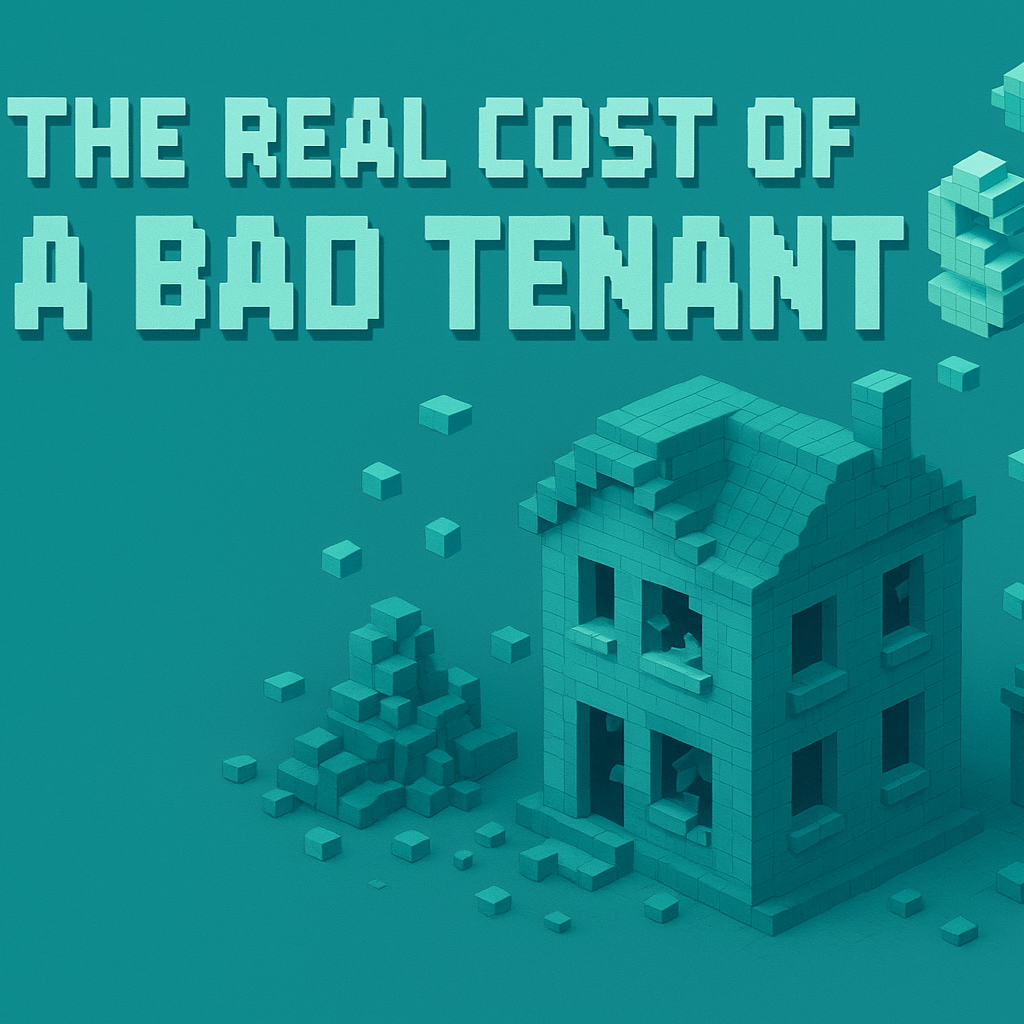
Nearly every landlord worries about late rent, property damage, and drama with neighbors. The real cost of a bad tenant is not just a few missed payments. It is months of stress, thousands in hidden expenses, and time you never get back. When you take tenant screening seriously, you are not being picky, you are protecting your investment and your sanity.
In this guide, you will see how red flags in applications connect directly to the real cost of a bad tenant. You will also get practical ways to spot those warning signs early so you can say no before someone expensive moves in.
A bad tenant rarely hurts you in just one way. The impact stacks up.
An ineffective tenant screening process increases the risk of renting to people who pay late or default entirely. That leaves you covering the mortgage, taxes, insurance, and maintenance out of pocket, as outlined in the Rentastic.io article on reducing rental property risks. If you manage multiple doors, one bad tenant can throw off your entire cash flow plan.
Then there is property damage. Tenants with a history of neglecting units or ignoring basic care can leave you with ruined flooring, broken appliances, pest issues, and even fines if they violate local codes or disturb neighbors. Those repairs are not just costly. They can also keep your unit offline for weeks.
When problems escalate to eviction, you add court fees, attorney costs, lost rent during the process, and the time it takes to find and onboard a replacement tenant. Poor tenant screening raises the likelihood of evictions and extended vacancies, and those empty months are where your profitability really erodes.
If you zoom out, the pattern is clear. Ineffective screening leads to:
That is why the red flags you catch at the application stage matter so much. Each one is a potential early signal of the real cost of a bad tenant.
The first red flag usually shows up right on the rental application.
When an applicant leaves big sections blank, “forgets” addresses, or gives work history that does not line up with dates, you should pause. Gaps and inconsistencies might be honest mistakes, but they can also signal someone hiding prior evictions, unpaid rent, or income instability.
Look closely at:
Your application is a legal document and a test of how someone handles basic paperwork. If they rush through it, refuse to clarify details, or get defensive when you ask simple follow up questions, you are getting an early look at how they may handle lease terms and communication later.
Instead of brushing it off, send a clear follow up. Ask for the missing details in writing and give a deadline. A strong applicant will fill the gaps quickly. A risky one will stall, dodge, or disappear, which is an answer in itself.
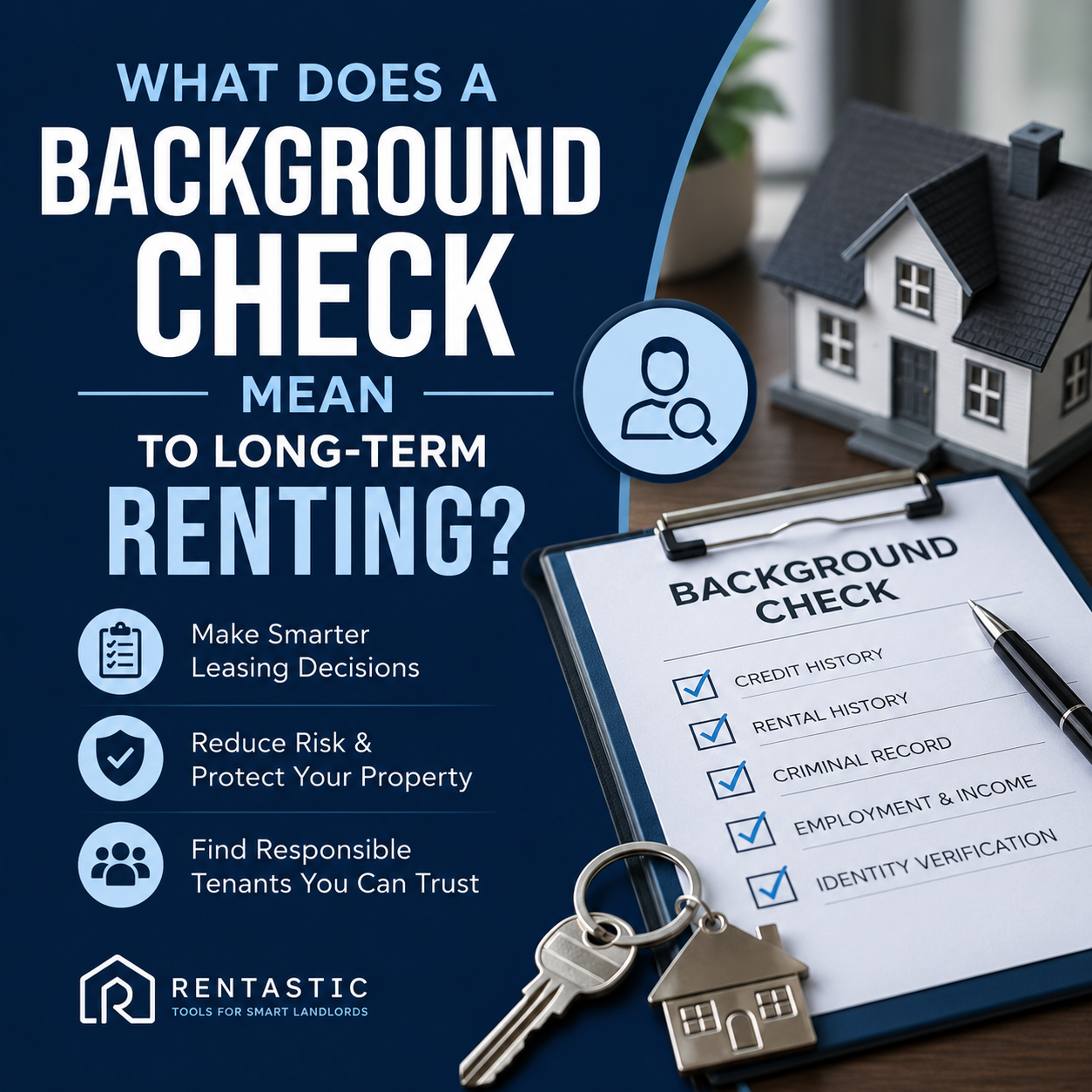
The second big warning sign is shaky income. Conducting detailed background checks, including income and employment verification, helps you avoid tenants with financial instability, such as poor credit scores or inconsistent job histories. Those patterns are strong predictors of missed rent and default.
You should be cautious if you see:
If the numbers do not add up, the risk is not just that rent might be a day or two late. Unstable income can push a tenant to prioritize other bills over housing. That turns your predictable monthly rent into a constant chase.
It is fine if someone is self employed or freelancing. In those cases, ask for several months of bank statements, tax returns, or 1099s. The goal is not perfection. It is a believable, consistent income story that shows they can afford your unit without gambling each month.
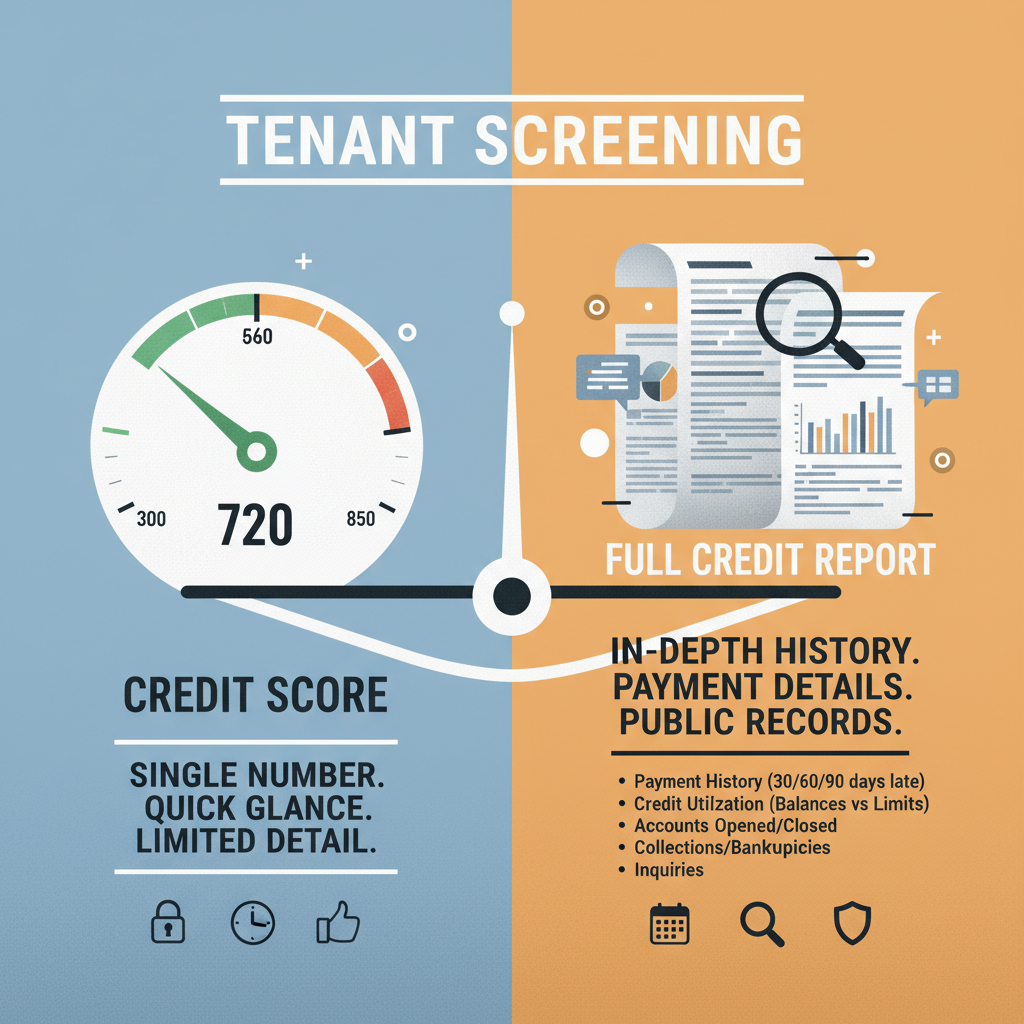
Credit is not about judging someone’s past life choices. It is one of the strongest signals you have about how they handle ongoing obligations.
A credit report that shows chronic late payments, collections, and high utilization tells you this person already struggles to keep up. That does not automatically make them a bad tenant, but it does raise the odds of late rent, partial payments, and long stories about why this month will be different.
When you review credit:
Tenant screening is also a critical fraud prevention measure. Credit scoring, combined with background checks, helps you identify red flags early and deter fraudulent applicants, as emphasized in the June 2025 Rentastic blog. An applicant who pushes you to skip the credit check or insists on paying several months in cash “today only” might be trying to hide a troubled history.
You can absolutely approve someone with less than perfect credit if everything else is strong. Just be honest with yourself about how much risk you are comfortable taking on and adjust your criteria consistently across all applicants to stay compliant.
If income tells you how someone manages money, rental history tells you how they treat housing.
Contacting previous landlords to obtain references about a tenant’s payment history and behavior provides critical insight to reduce the risk of accepting tenants who might cause financial or property damage issues. A quick call often reveals more than a polished application ever will.
Pay attention to:
Failure to properly screen tenants can lead to costly property damage. Past behavior is not a guarantee, but someone who left a prior rental in poor condition or ignored lease terms is more likely to repeat those patterns in your unit.
If an applicant cannot provide any previous landlord references, dig a little deeper. Maybe they were living with family, or they are a first time renter. That can be fine, but treat the lack of history as a signal to verify other areas carefully, like employment, credit, and personal references.
Your tenant interview is not just a formality. It is your chance to notice how someone communicates and respects boundaries.
Tenant interviews, including assessment of personality and non verbal cues, can help you identify tenants who will maintain a positive relationship and reduce rental property conflicts. Small signs at this stage often grow into bigger problems later.
Watch for:
You are looking for someone who understands that a lease is a two way agreement. If they respect your criteria, submit documents promptly, and ask thoughtful questions about the property, that is a positive sign. If they are combative, dismissive, or already looking for loopholes, imagine how they might react when you enforce the lease or increase rent in the future.
Good rapport is helpful, but do not let a friendly conversation override solid screening data. Charm does not pay for new flooring.
You also face risk when you get screening wrong.
Legal and compliance risks arise from renting to tenants without thorough background evaluation. You can face fines, penalties, and lawsuits related to housing violations or evictions documented in the tenant’s history. At the same time, you must comply with fair housing laws and treat every applicant consistently.
A red flag on your side is any informal shortcut, like:
Compliance with fair housing laws during tenant screening is essential to avoid legal penalties that can increase your financial burden. Screening must be both effective and legally compliant to minimize the real cost of a bad tenant.
If you manage multiple properties or feel uncertain about the legal side, employing licensed property managers can reduce legal liability related to issues like discrimination, disabilities, late rent, and evictions. A good manager knows the rules, keeps your process consistent, and protects you from avoidable lawsuits and fines.
Even with a strong tenant on paper, you can still lose money if your systems are easy to exploit.
Bad actors look for landlords who accept cash without receipts, who let others drop off rent, or who never reconcile what hits the bank with what the ledger shows. Regular auditing of financial transactions and staff training to recognize and report suspicious tenant behavior are essential strategies in fraud prevention that help you manage the real cost of bad tenants effectively.
Protect yourself by:
Tenant screening and payment security work together. Employment verification, background checks, and credit reports help you spot red flags before move in. Strong payment systems and audits keep you safe after the lease is signed.
If a prospect resists standard payment methods, insists on cash only, or pushes for side deals outside your usual process, that is a major warning sign. You want tenants who are comfortable with transparent, trackable payments.
One of the fastest ways to see the real cost of a bad tenant is to skip basic fraud prevention. A few missed or reversed payments can wipe out months of careful planning.
You cannot remove all risk. You can make it manageable and predictable.
A thorough tenant screening process that checks income, credit, rental history, references, and background does more than filter applicants. It saves you from the financial and operational consequences of retaining a bad tenant, which go far beyond missed rent. Those consequences include:
When you take screening seriously, you protect every part of your rental business, from cash flow to compliance. The upfront time and cost are tiny compared to an eviction, a trashed unit, or a fair housing complaint.
Before you list your next unit, set aside 30 minutes to tighten your screening process.
Once you have this in place, you can apply it consistently to every applicant. You will still meet people who seem like a good fit but do not clear your bar. When that happens, remind yourself of the real cost of a bad tenant and the years of income you are protecting with one careful “no.”
Your future self, and your bottom line, will thank you.
RECENT POSTS


© 2025 Rentastic
Rentastic is registered as a trademark. Terms and conditions, features, support, pricing, and service options subject to change without notice.
















.png)

























.png)





























Comments