

You probably rely on the income to rent ratio to judge how well a rental is performing. It is a simple, powerful metric, and it belongs in your toolkit. But like any shortcut, it sometimes hides important details. If you only follow the income to rent ratio, you can miss brewing problems in your portfolio and overestimate how healthy your cash flow really is.
In this guide, you will see where the income to rent ratio works, where it fails, and how to adjust your approach so you can protect your returns instead of chasing misleading numbers.
The income to rent ratio for landlords compares your net annual rental income to your total investment in a property. The basic formula looks like this:
Income to rent ratio = (Net annual rental income ÷ Total investment) × 100
Net annual rental income is your rental income after deducting operating expenses like maintenance, insurance, management, and property taxes. Total investment usually includes your purchase price plus closing costs and major upfront improvements.
In 2025, a solid income to rent ratio for long term holds generally falls between 8% and 12%. That range suggests the property can cover costs, service debt, and still produce a reasonable cash return over time.
You can dive deeper into how this metric works in the dedicated guide to the income to rent ratio, but for now, keep the 8% to 12% benchmark in mind. Next, you will see when that simple number starts to give you the wrong impression.
On paper, your income to rent ratio might look healthy. In your bank account, the story can be very different.
If you use accrual based accounting, you record rent as income when it is due, not when it actually arrives. The IRS expects this treatment for landlords who use the accrual method, which means you can end up reporting income from tenants who never paid. That inflates your net annual income and your income to rent ratio, even though your cash flow is under pressure.
A 2023 National Apartment Association report found that 15% of renters miss at least one payment each year, and some markets see delinquency rates as high as 25%. When that happens, your ratio based on billed rent stops matching reality.
Vacancies create a similar gap. The U.S. Census Bureau reported a national rental vacancy rate of 6.5% in Q1 2025, and markets like San Francisco reached 8%. Those empty months drag down the actual cash you collect. If you calculate your income to rent ratio assuming 12 full months of rent, you are ignoring the real hit to cash flow and your ability to cover fixed costs.
To keep your ratio grounded in reality, you can:
Tools that link directly to your bank accounts and pull in actual cash activity can help a lot here. Rentastic’s financial automation tools let you track income and expenses in real time and generate accurate profit and loss statements, which you can then use to calculate a more realistic income to rent ratio.
Your income to rent ratio rises or falls with rent, so pricing mistakes show up quickly. The problem is that the ratio will not tell you whether your rent level is strategically sound. It only reflects the outcome.
If you underprice a unit, your income to rent ratio drops, and you might assume the property is underperforming. In reality, your operations might be solid, but you are simply charging below market.
According to Zillow’s 2025 rental market analysis, median rents in high demand cities like Austin and Miami have risen 8% to 12% year over year. If you have not adjusted your rents in those markets, your ratio will lag, and you will also miss out on tax benefits. Lower rental income limits your ability to claim deductions such as repairs and depreciation to their full potential.
A Rentastic example shows the power of a small increase. Raising monthly rent from 1,800 dollars to 1,890 dollars, which is a 5% bump, lifted net annual income from 13,700 dollars to 14,780 dollars. On a 289,000 dollar total investment, that single change improved the income to rent ratio noticeably, without any extra capital.
On the other hand, aggressively pricing your units can temporarily boost your income to rent ratio, but at a cost. Overpricing tends to increase vacancy, shorten lease terms, and raise turnover costs. Those factors do not always show up right away in a simple annual ratio, especially if you are using rosy assumptions for occupancy.
Rentastic reminds landlords that accurate rent estimates are crucial for attracting tenants quickly, keeping them longer, and maintaining steady cash flow. When your asking rent reflects real market demand and local incomes, you protect both your occupancy and your income to rent ratio over time.
You can avoid misreading your ratio by:
Your total investment is the other half of the income to rent ratio equation. How you finance the property can dramatically change this number, and if you ignore those details, you will misread your performance.
Financing reduces the capital you put into a property upfront. That can make your total investment look smaller, which pushes your ratio higher. However, mortgages and other loans also add ongoing costs in the form of interest payments. If your rent does not rise enough to cover both operating expenses and higher debt service, your actual cash return will suffer even if your income to rent ratio looks good.
Rentastic’s 2025 guidance stresses that financing costs need to be part of your total investment. Otherwise, you are comparing your net income to an artificially low denominator and getting a misleading picture.
Financing can also work in your favor if you use it wisely. A 2024 Rentastic user survey found that landlords who adopted financial automation tools made decisions 30% faster and reduced borrowing costs from 8% to 4.1% in a high interest rate environment. On a 235,000 dollar property, this improvement added about 60,000 dollars to their margins over time. Lower interest payments mean more net income for the same level of investment, which legitimately boosts your income to rent ratio.
The lesson is not that leverage is bad. It is that you need to see the full effect of financing on both your income and your investment before you trust the ratio.
When you calculate and interpret your income to rent ratio, you should:
The income side of your ratio often gets more attention than your expense side. That is where hidden problems creep in.
Rentastic advises landlords to set aside 1% to 3% of property value every year for maintenance. That range covers routine fixes plus the long term wear and tear that leads to big capital expenses like roofs and HVAC systems.
If you only count what you actually spent on maintenance in a “quiet” year instead of what you should be reserving over the property’s life, your net income looks higher and your income to rent ratio is artificially inflated. Careless tenants can make this worse by accelerating the need for major replacements, which arrives as an unpleasant surprise.
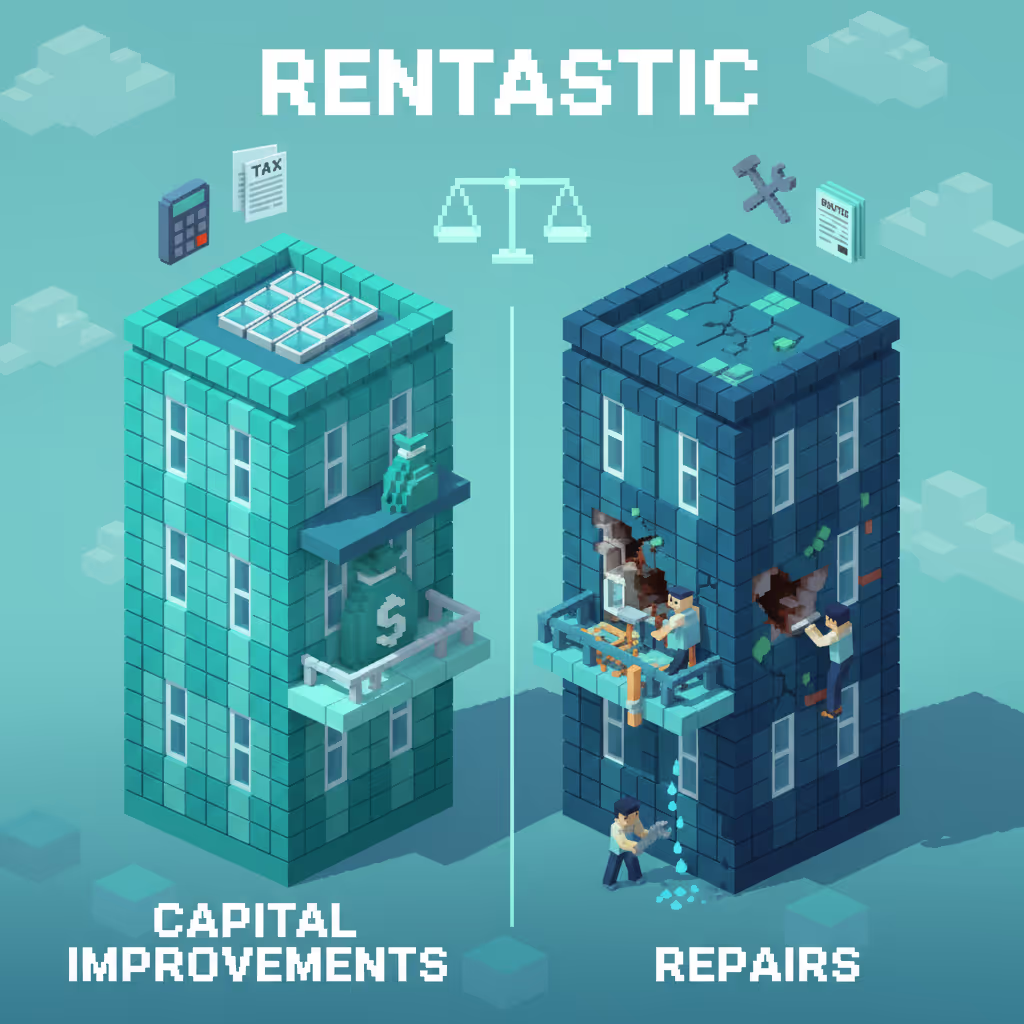
Many landlords treat large improvements as isolated events rather than as part of the ongoing cost of owning the property. If you install new windows or redo the plumbing, you might not spread those costs across future years in your calculations. Your ratio for this year looks great, but your long term average is lower once those capital expenses are included.
This is another place where automation helps. Tools that tag and categorize expenses consistently give you a more accurate net income figure, which means a more honest income to rent ratio.
To avoid being blindsided by expenses, you can:
The income to rent ratio is often discussed as a tenant screening rule of thumb from the renter’s side, like the “three times the rent” rule. For landlords, it also tells you how your property is performing. Where it fails is when tenant quality undermines the relationship between rent due and rent collected.
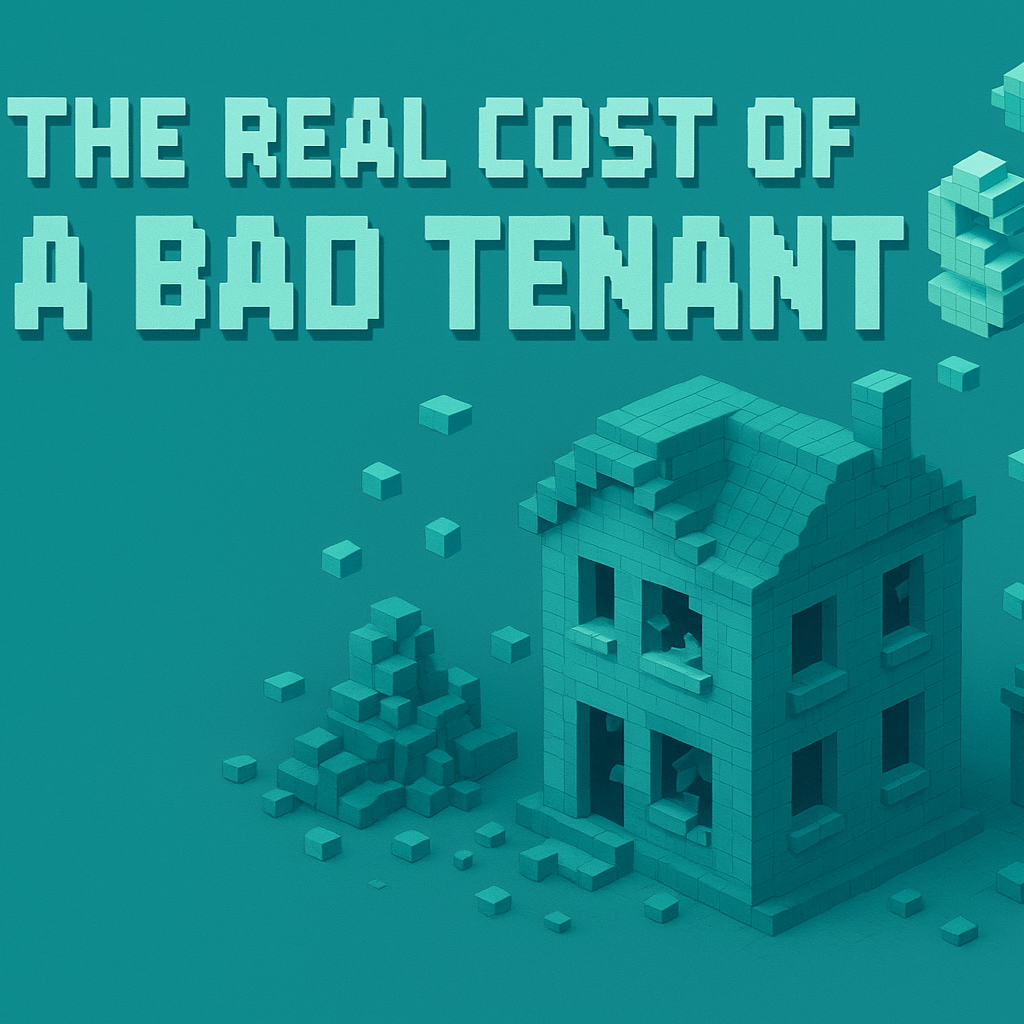
Rentastic’s 2025 analysis notes that uncollected rent from bad tenants causes damage far beyond the immediate loss. It can delay property upgrades, push back refinancing plans, and choke long term cash flow. On a spreadsheet, you might have budgeted for full occupancy at market rent and a healthy income to rent ratio. In practice, frequent evictions and collections destroy those projections.
The same analysis highlights that weak tenant screening can push vacancy rates up to 30% in high turnover situations. Each turnover brings cleaning, repairs, advertising, and lost rent days. All of these costs erode your net income, but if you only recalculate your ratio annually, you might not connect poor screening to your shrinking returns.
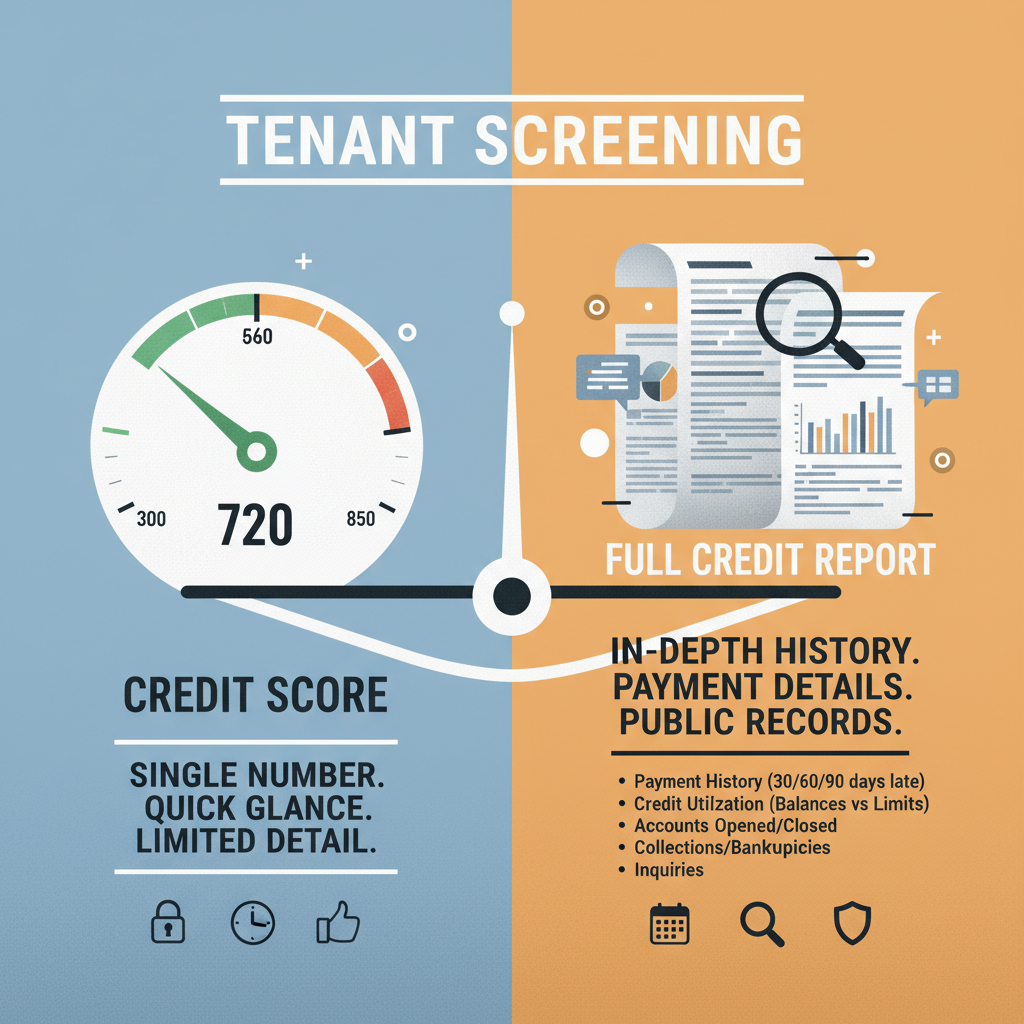
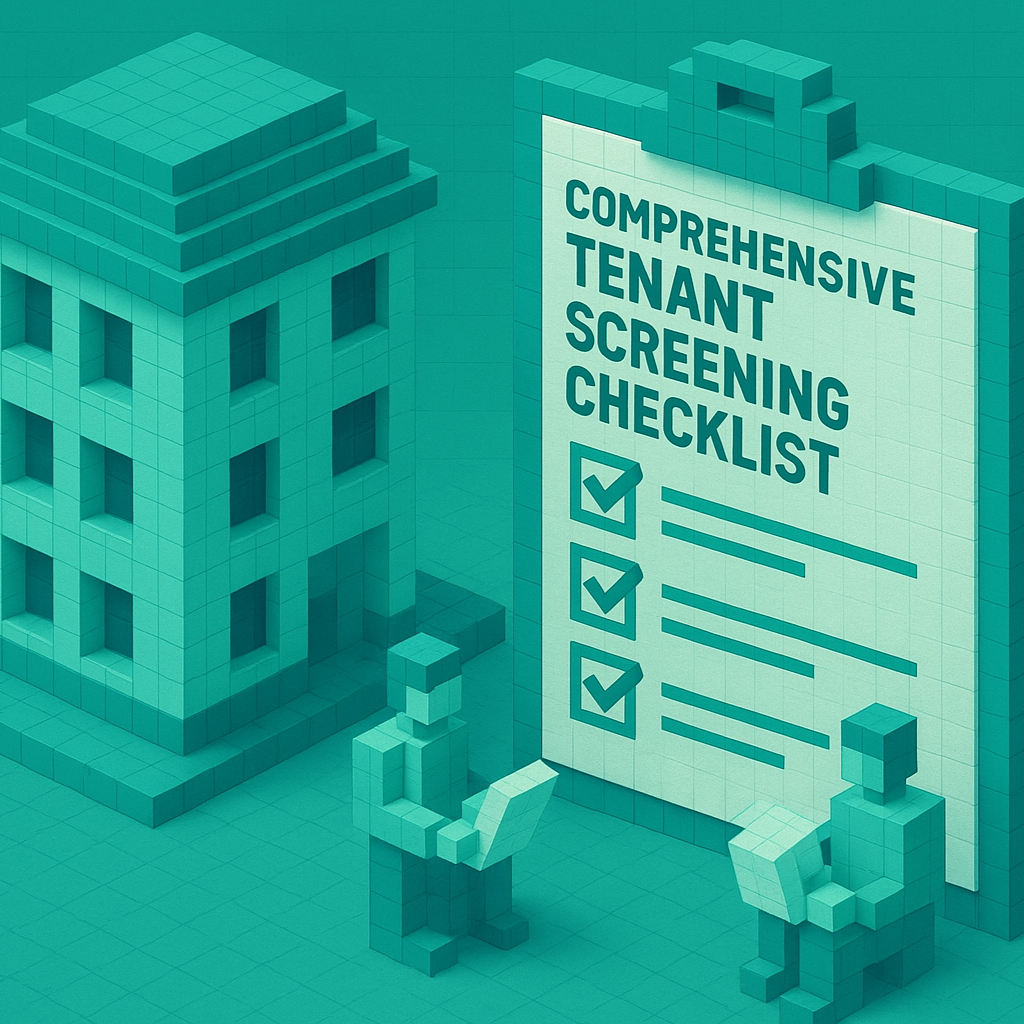
Rentastic’s guidance points out that tenants with steady jobs and solid credit scores are strong predictors of on time payments. The income to rent ratio, when used from the tenant side, helps you judge whether a prospective renter truly can afford your unit. Combined with employment and credit checks, this reduces the odds of delinquency and protects your cash flow.
Here is the key idea:
The income to rent ratio is not just a performance metric for your property, it is also a guardrail for the kind of tenants you accept.
If you ignore this, you can end up chasing occupancy numbers while your actual collection rate falls, and your income to rent ratio becomes a fiction.
To connect tenant quality and your ratio, you can:
Consider a property with a total investment of 289,000 dollars and net annual income of 11,000 dollars. The income to rent ratio is about 3.8%, which is well below the healthy 8% to 12% range. By itself, that number tells you the property is underperforming, but not why.
Once you look deeper, several issues might appear:
Each of these problems sits in one of the five failure zones you just walked through. As you adjust rent gradually, tighten screening, plan for real maintenance, and improve your financing, the same property can move closer to the 8% to 12% benchmark without needing a complete overhaul.
This is why the income to rent ratio is useful but incomplete. You should treat it as a starting point for investigation, not a final verdict.
Used wisely, the income to rent ratio becomes a fast, reliable check on your rentals, not a trap. Here are practical ways to make it work for you.
If you want a step by step walk through of the calculation itself, plus more examples, you can review the main income to rent ratio guide. It will help you anchor the formula and then apply what you have learned here about when to trust it and when to dig deeper.
The goal is not a perfect metric. The goal is a portfolio that pays for itself, grows your equity, and leaves you with the freedom to choose your next move. Used with a clear view of its blind spots, the income to rent ratio can help you get there.
RECENT POSTS


© 2025 Rentastic
Rentastic is registered as a trademark. Terms and conditions, features, support, pricing, and service options subject to change without notice.






.png)
































.png)





































Comments