

Managing security deposits is a crucial part of rental property ownership, but it's also one of the most misunderstood areas of landlord accounting. Many landlords accidentally treat security deposits as rental income, which can create bookkeeping errors, inaccurate financial reports, and potential tax headaches.
Whether you own a single rental property or a large portfolio, understanding how to properly track security deposits can help you stay organized, remain compliant, and simplify tax preparation.
In this guide, we'll cover the accounting side of security deposits and show how Rentastic can help streamline the process.
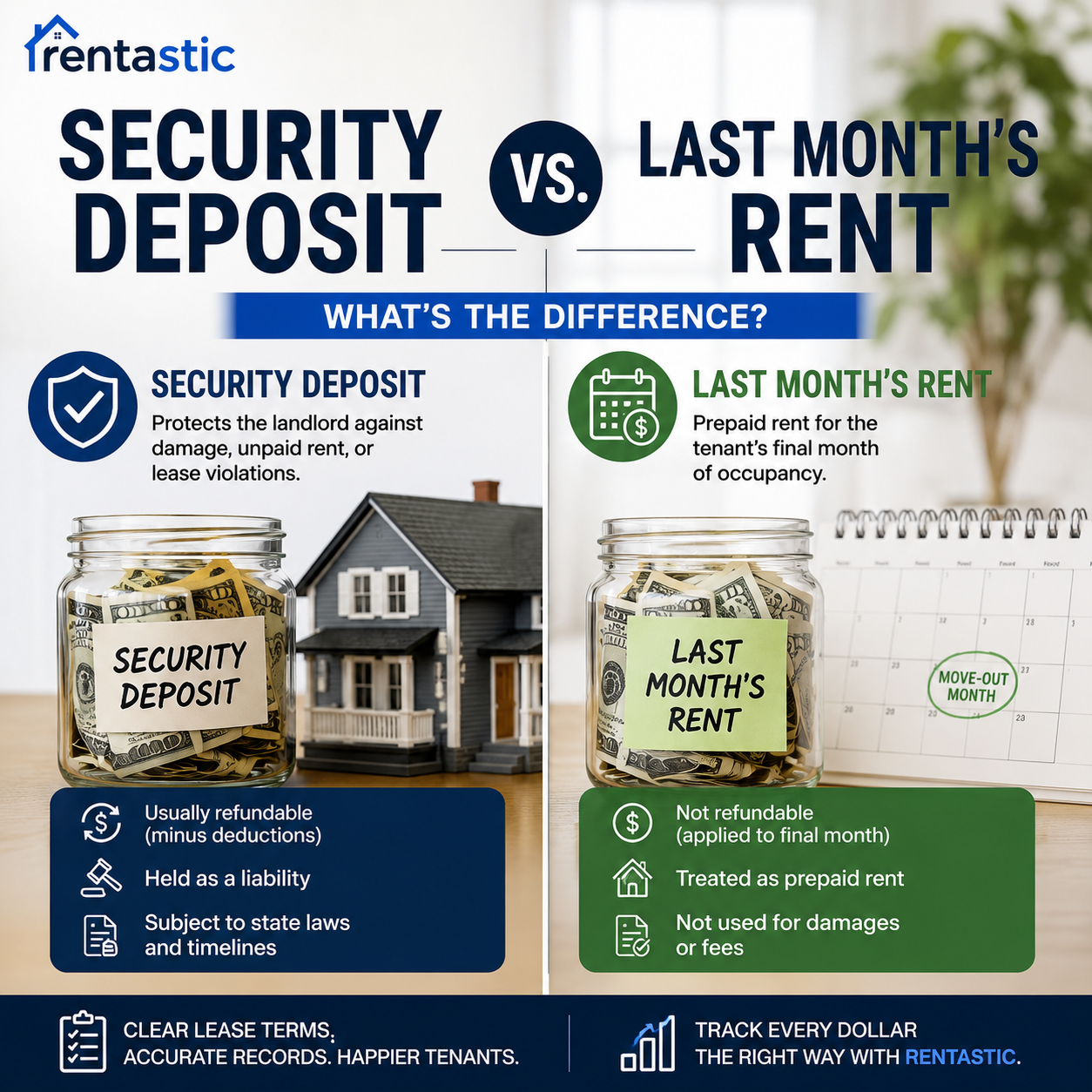
One of the most important concepts in security deposit bookkeeping is understanding that security deposits are generally not income when received.
When a tenant gives you a security deposit, you are essentially holding their money in trust until the lease ends. Since you may be required to return those funds, they represent a liability rather than revenue.
Think of it this way:
Proper classification helps ensure your financial statements accurately reflect your rental property's performance.
Misclassifying security deposits can create several problems:
Recording deposits as income can artificially inflate your rental income and distort cash flow reports.
If deposits are incorrectly categorized, your tax records may not accurately reflect your property's true income.
Without clear records, it can become difficult to justify deductions or prove how much deposit money was received and returned.
For landlords managing multiple properties, poor tracking can quickly become a bookkeeping nightmare.
This is why having a dedicated system for rental property accounting is so important.
The best practice is to create a separate category specifically for security deposits.
When a tenant pays a deposit:
Keeping security deposits separate from rent payments makes it easier to track balances and avoid accounting mistakes.
A security deposit isn't a one-time bookkeeping task.
Throughout the tenancy, landlords should maintain records showing:
Maintaining a clear audit trail protects both landlords and tenants.
At the end of a lease, many tenants will receive all or part of their security deposit back.
When issuing a refund:
Keeping accurate refund records is essential for tax documentation and dispute prevention.
In some situations, landlords may need to retain a portion of the deposit to cover legitimate expenses.
Examples include:
A tenant paid a $2,000 security deposit.
After moving out, the landlord determines:
The landlord returns $1,600 to the tenant and retains $400 for documented expenses.
In this situation:
Always maintain detailed documentation supporting any deductions.
Proper documentation is one of the most important aspects of landlord accounting.
For every security deposit, keep:
Your lease should clearly outline deposit terms and conditions.
Document the property's condition before occupancy.
Compare the property's condition at lease termination.
Visual evidence can help support deductions.
Keep copies of all expenses related to deposit deductions.
Maintain proof of returned funds and tenant communications.
Strong documentation can significantly reduce disputes and simplify tax preparation.
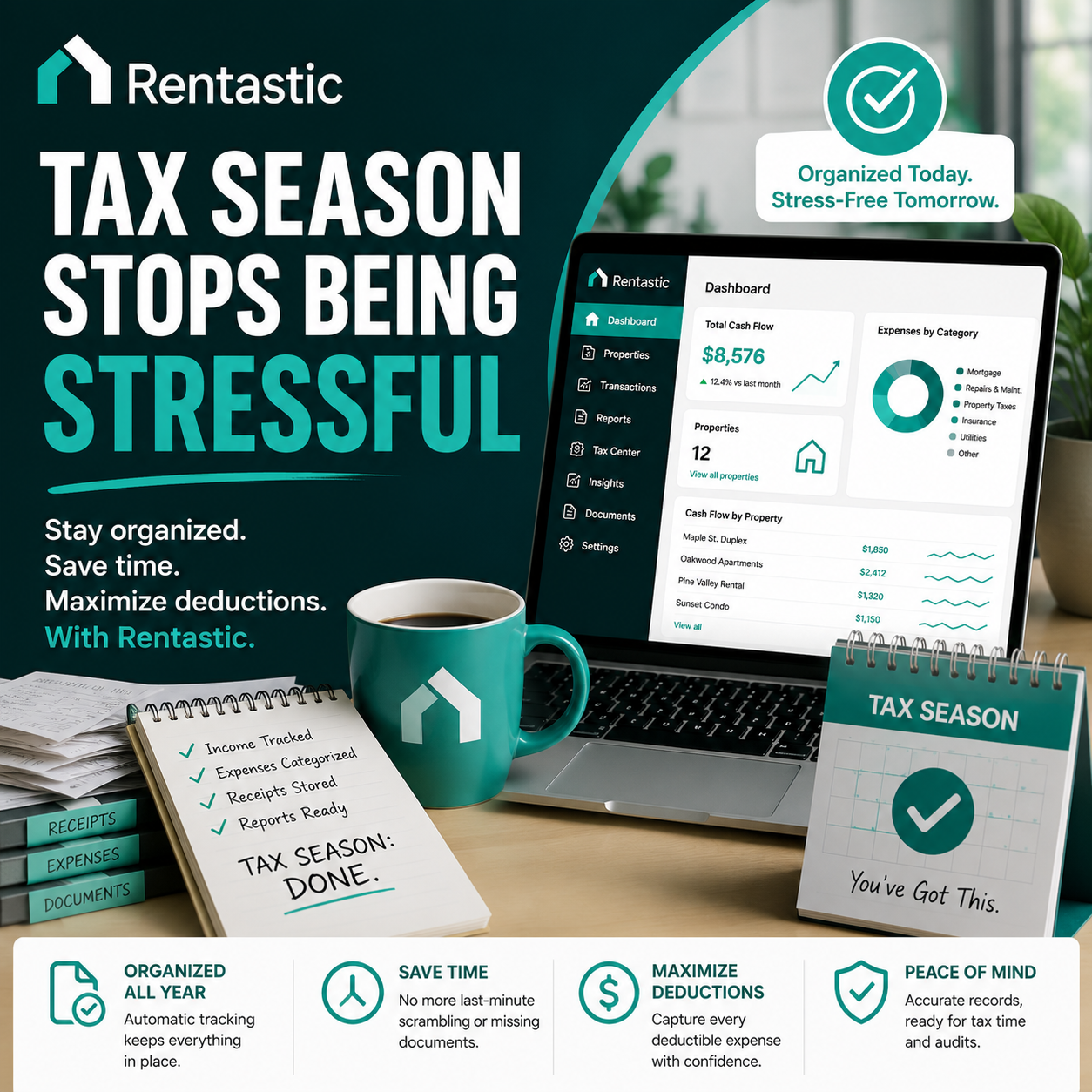
Security deposits often create confusion during tax season.
In general:
Because tax treatment can vary, landlords should consult a qualified tax professional regarding their specific situation.
However, accurate bookkeeping throughout the year makes tax preparation much easier.
Combining deposits and rental income makes tracking difficult.
Each property should have clearly identifiable deposit records.
Without receipts and inspection reports, defending deductions becomes challenging.
Many states require landlords to return deposits within specific timeframes.
Manual spreadsheets often become difficult to maintain as a portfolio grows.
For many landlords, security deposit bookkeeping becomes complicated because information is scattered across spreadsheets, bank accounts, folders, and emails.
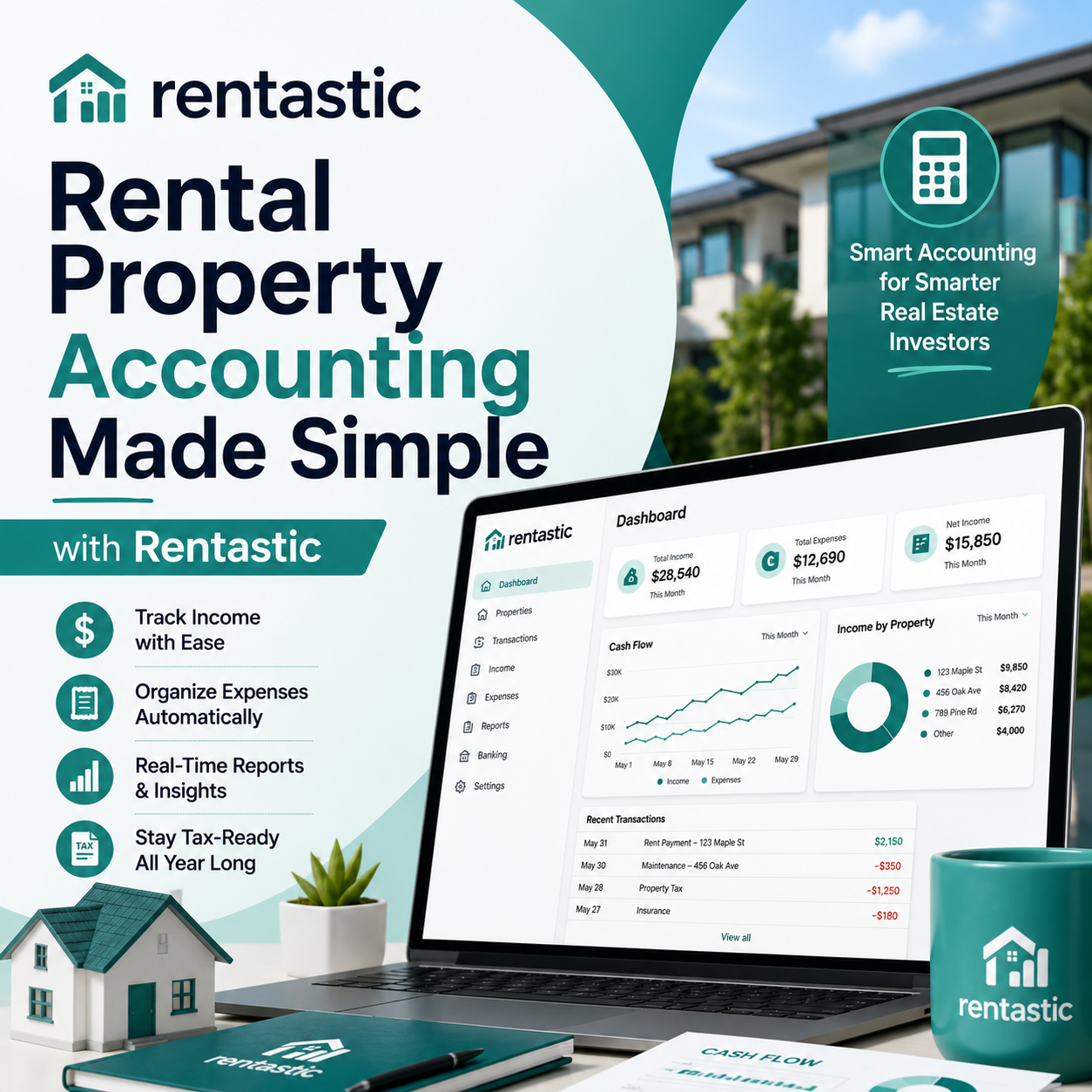
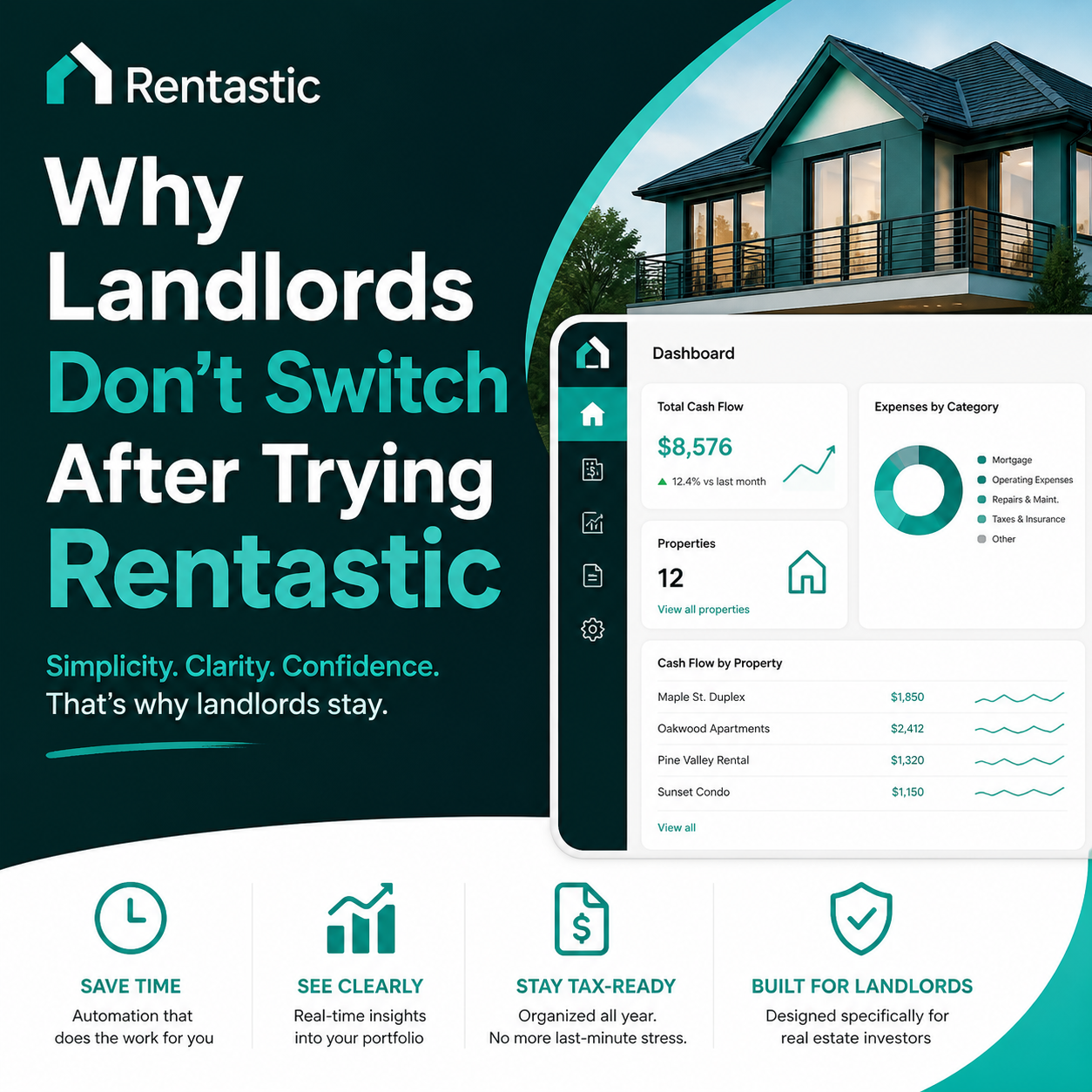
Rentastic helps investors stay organized by providing a centralized system for managing rental property finances.
With Rentastic, landlords can:
Instead of spending hours sorting through spreadsheets during tax season, landlords can access organized financial data in one place.
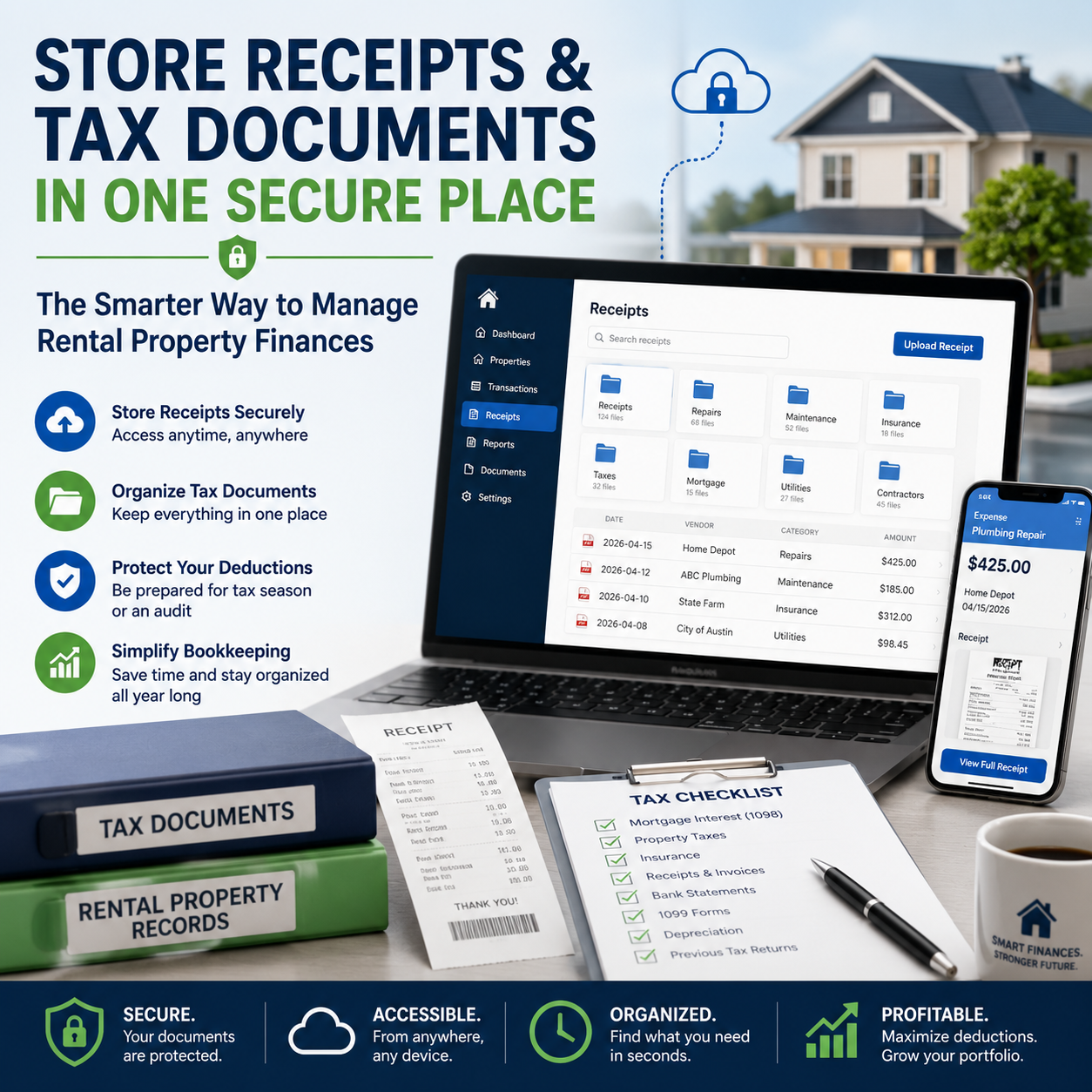
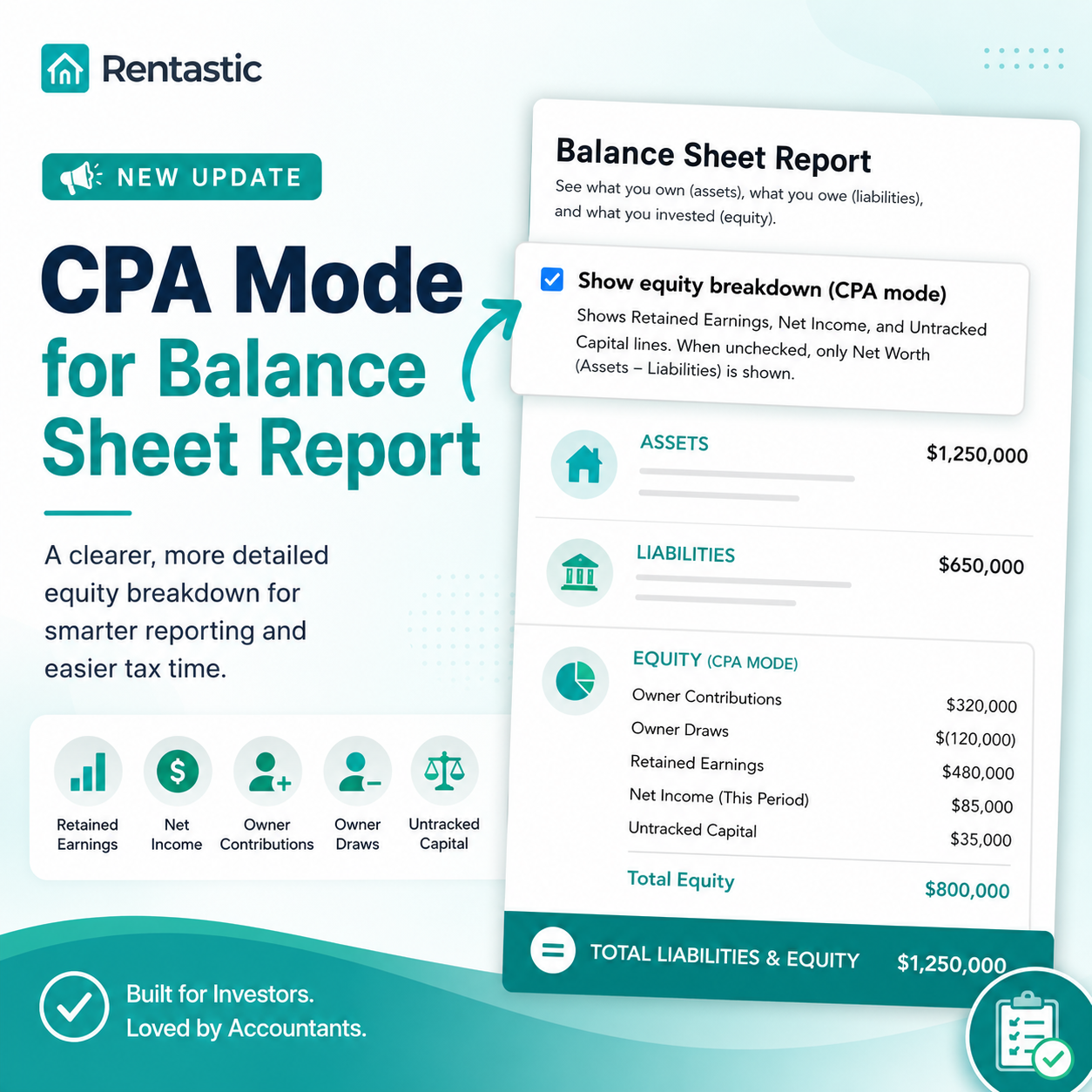
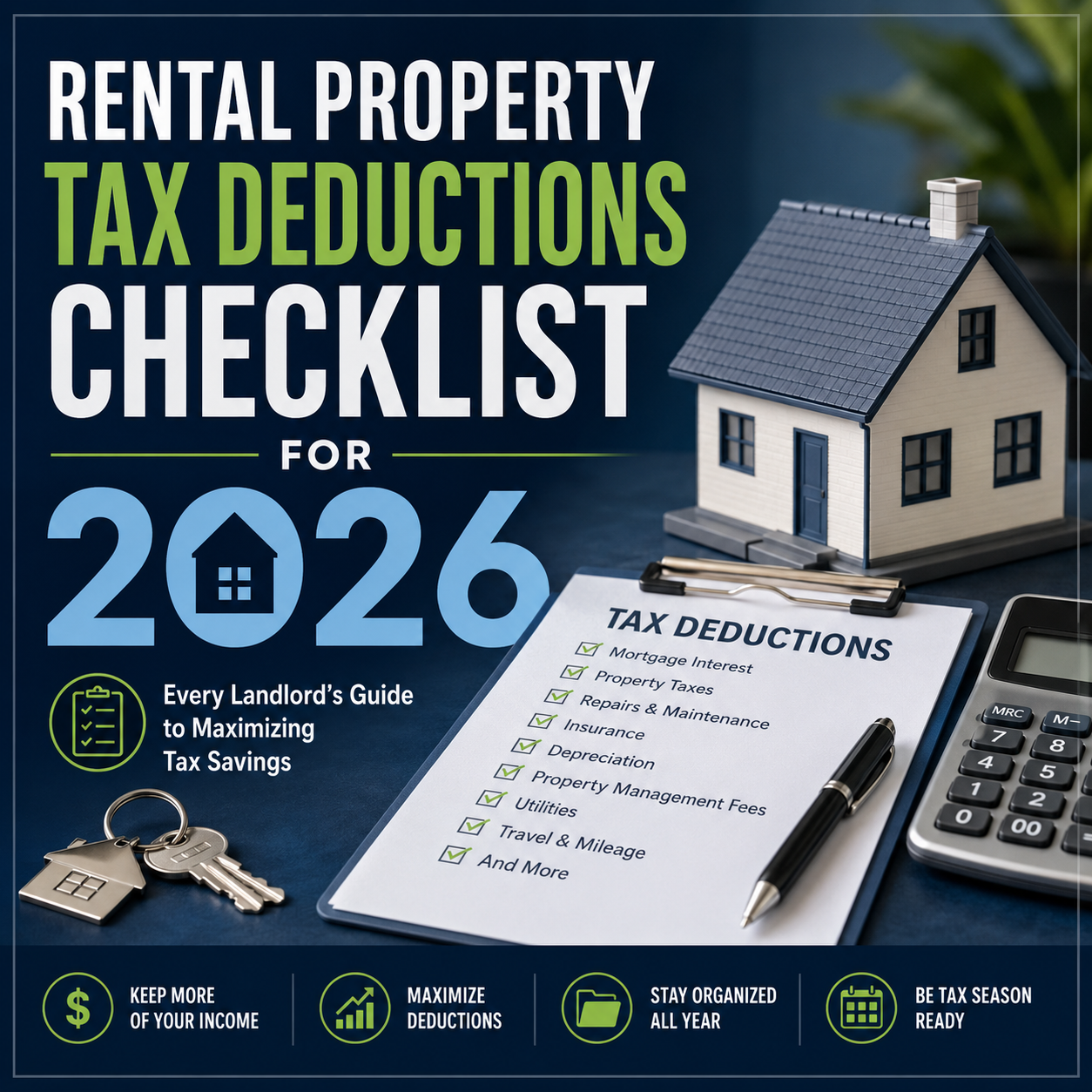
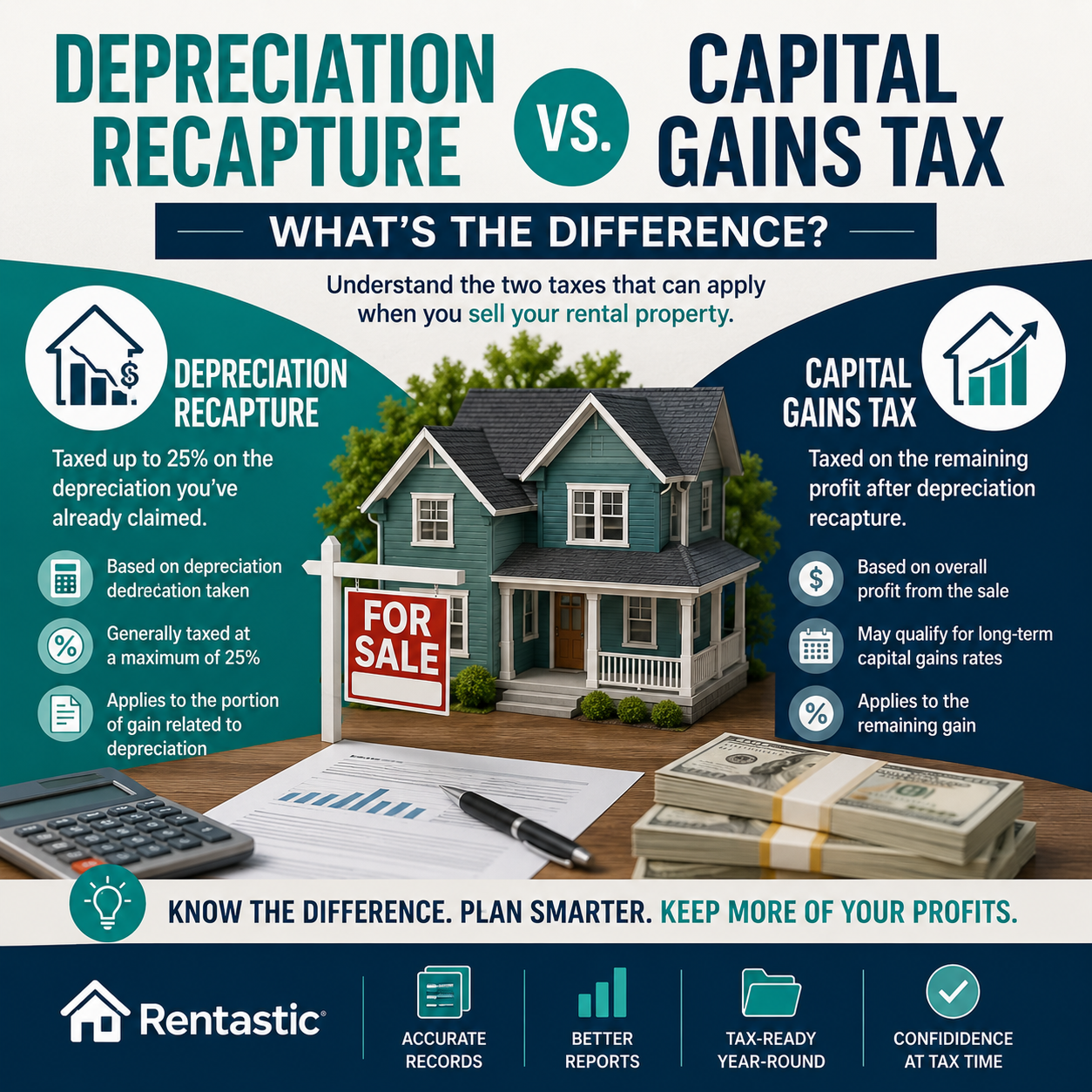
To improve your rental property bookkeeping practices, check out these helpful resources from Rentastic:
Learning how to properly track security deposits is an essential skill for every landlord and real estate investor. Since security deposits are liabilities rather than income, accurate bookkeeping is critical for maintaining reliable financial records and avoiding tax-time surprises.
By recording deposits correctly, tracking refunds, documenting deductions, and maintaining organized records, landlords can protect themselves from disputes while improving the overall health of their rental business.
Whether you manage one property or one hundred, having a dedicated accounting system like Rentastic can make security deposit bookkeeping significantly easier, helping you stay organized and focused on growing your portfolio.
RECENT POSTS


© 2025 Rentastic
Rentastic is registered as a trademark. Terms and conditions, features, support, pricing, and service options subject to change without notice.













.png)































.png)

































Comments