

If you invest in triple net leases, tracking performance is not a “nice to have.” It is the only way to know if your properties are doing what you bought them to do, deliver predictable cash flow with fewer headaches.
A tool like Rentastic keeps all your triple net lease income and expenses in one place so you are not digging through spreadsheets or bank portals every time you want an answer. Rentastic links your bank accounts, tags transactions by property, and automates key calculations like NOI and cap rate, so you can see how each NNN asset is really performing in 2025 and beyond (Rentastic).
In this guide, you will walk through the core metrics that matter for NNN deals, how to track them consistently, and how Rentastic helps you move from “I think this property is fine” to “I know exactly what is working and what needs fixing.”
If you want a quick starting point, you can always explore rentastic and follow along as you read.
Before you track triple net lease performance, you need a clear mental model of how these deals generate returns.
In a standard triple net lease, your tenant pays:
In theory, that leaves you with:
In practice, performance still depends on:
Rentastic is built specifically for these moving parts. It tracks income, expenses, and reimbursement flows so your financial statements reflect the real structure of NNN and gross leases, not a simplified guess (Rentastic).
For most triple net properties, your long term results come from three levers:
Tracking performance is about measuring these levers with real data, not just waiting for your CPA to tell you how last year went.
You do not need 50 KPIs to run a strong triple net portfolio. You need a small set of metrics that are accurate, current, and consistent.
Here are the essentials for NNN performance:
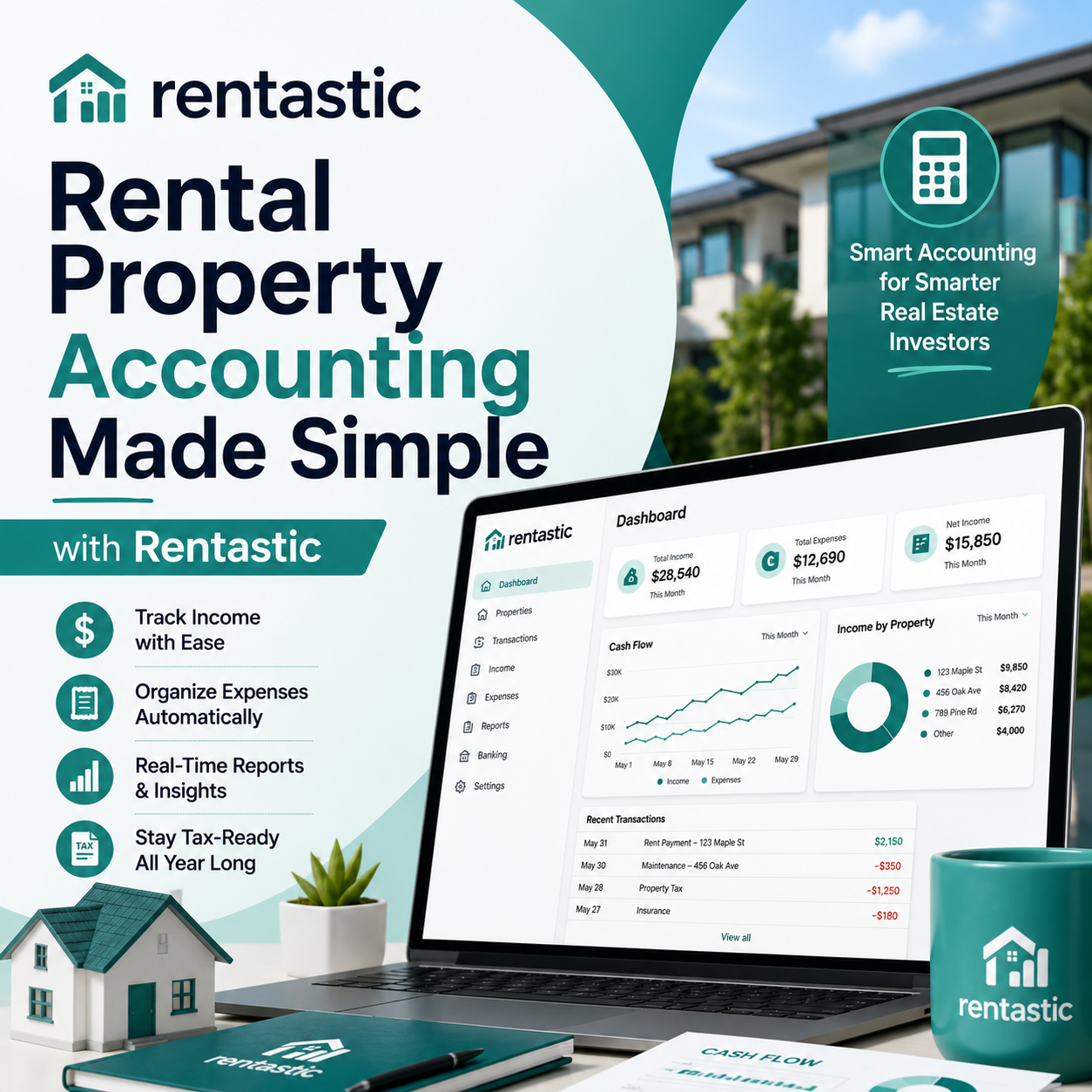
Rentastic pulls these numbers into a unified dashboard, so you can view profit and loss, cash flow, and cap rate in real time, without manually stitching everything together (Rentastic).
Triple net leases are not only about dollars. They are also about stability. Track:
Rentastic centralizes transactions and maps them to properties and categories, which reduces friction and confusion in these areas. This clarity helps prevent and resolve disputes more quickly (Rentastic).
Once you know what to measure, you need a system that keeps everything clean, current, and shareable.
The biggest shift is moving from scattered records to one trusted source of truth.
With Rentastic, you link your bank accounts so income and expenses flow into a centralized system automatically (Rentastic Blog). Instead of manually entering transactions into a spreadsheet, you:
This kind of organization gives you clean records that support your numbers whenever tenants question CAM reconciliations or reimbursements (Rentastic).
If you want to try this out in your own portfolio, you can start by connecting one property in rentastic and practicing with a month of data.
Triple net lease performance is highly property specific. A single tenant logistics facility behaves very differently from a multi tenant retail strip.
Rentastic lets you tag each transaction to:
This tagging makes it easy to:
When you look at your dashboards, you are not seeing averages. You are seeing property level performance that you can act on.
A metric is only useful if you look at it regularly.
Rentastic emphasizes the value of consistent reporting schedules and shared dashboards, so every stakeholder is working from the same live data (Rentastic). A simple rhythm could look like:
Because Rentastic automates the heavy lifting, running these reports becomes a ten minute habit, not a weekend project.
Manual calculations are fine when you own one property. Once you manage a portfolio, they become a source of delay and mistakes.
Rentastic automates key financial calculations so you can stop double checking spreadsheet formulas and start focusing on decisions. The platform:
This is particularly powerful when you are comparing deals across markets or property types. You can quickly see which asset delivers the best risk adjusted return instead of relying on back of the envelope math.
Good NNN investors ask “what happens if” questions:
Rentastic includes cap rate calculators and stress testing tools that let you run multiple what if scenarios on NNN deals. You can model how changes in rent, expenses, or property values affect your cap rate and cash flow before you commit to a deal (Rentastic).
This kind of forward looking analysis turns you from a bookkeeper into a portfolio manager. You are not just recording what already happened, you are testing your plan against different futures.
Triple net leases shift many costs to tenants, but they also introduce complexity. If you are not tracking reimbursements carefully, you may be absorbing costs that should be passed through.
Tenants are more likely to accept CAM charges when you can show where the numbers came from.
By linking your bank accounts, Rentastic automatically tracks:
These transactions are stored in a centralized record, organized by property and category (Rentastic). When it is time for CAM reconciliation, you can:
This transparency not only saves you time at year end, it also builds trust and reduces disputes (Rentastic).
Analysis is only as good as your data on who has paid and who has not.
Rentastic maintains a current, centralized record of:
That clarity improves bookkeeping accuracy for triple net leases and gives you an instant view of where cash is getting stuck (Rentastic). Instead of sorting through old emails or paper statements, you can:
Good reporting is not just about individual metrics. It is about seeing your whole portfolio clearly.
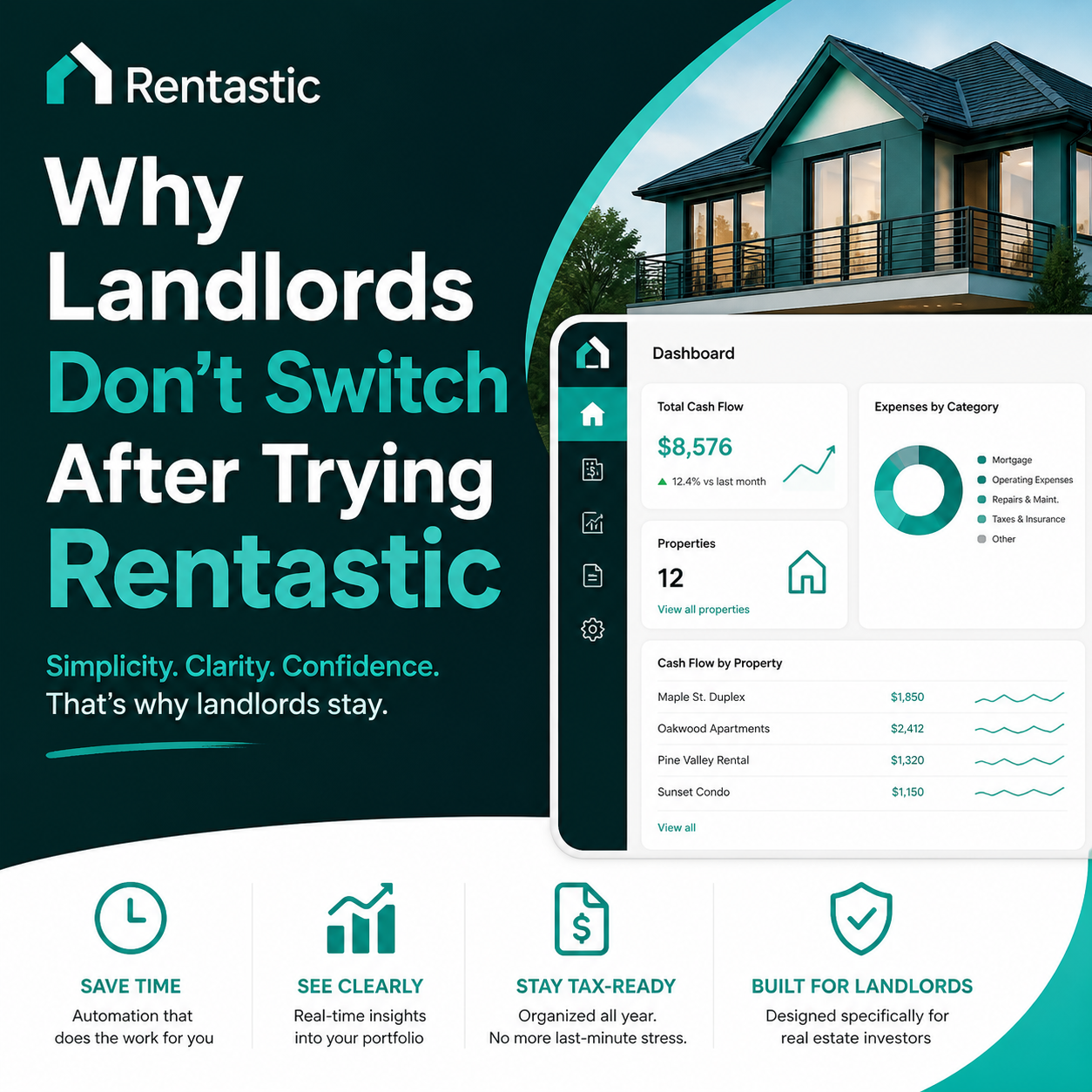
Rentastic offers a dashboard tool that brings your key real estate metrics together in one view. You can track, in real time:
It also supports custom dashboards, so you can highlight the metrics that matter most to your specific portfolio (Rentastic). For example, you might:
Instead of flipping between files, you get a living snapshot of performance.
Because Rentastic stores historical data and emphasizes regular reporting, it helps you track trends over time, such as:
When you see these patterns early, you can act:
Rentastic notes that consistent use of its reporting tools can prevent revenue loss and drive incremental improvements that lead to fuller buildings and healthier cash flow (Rentastic).
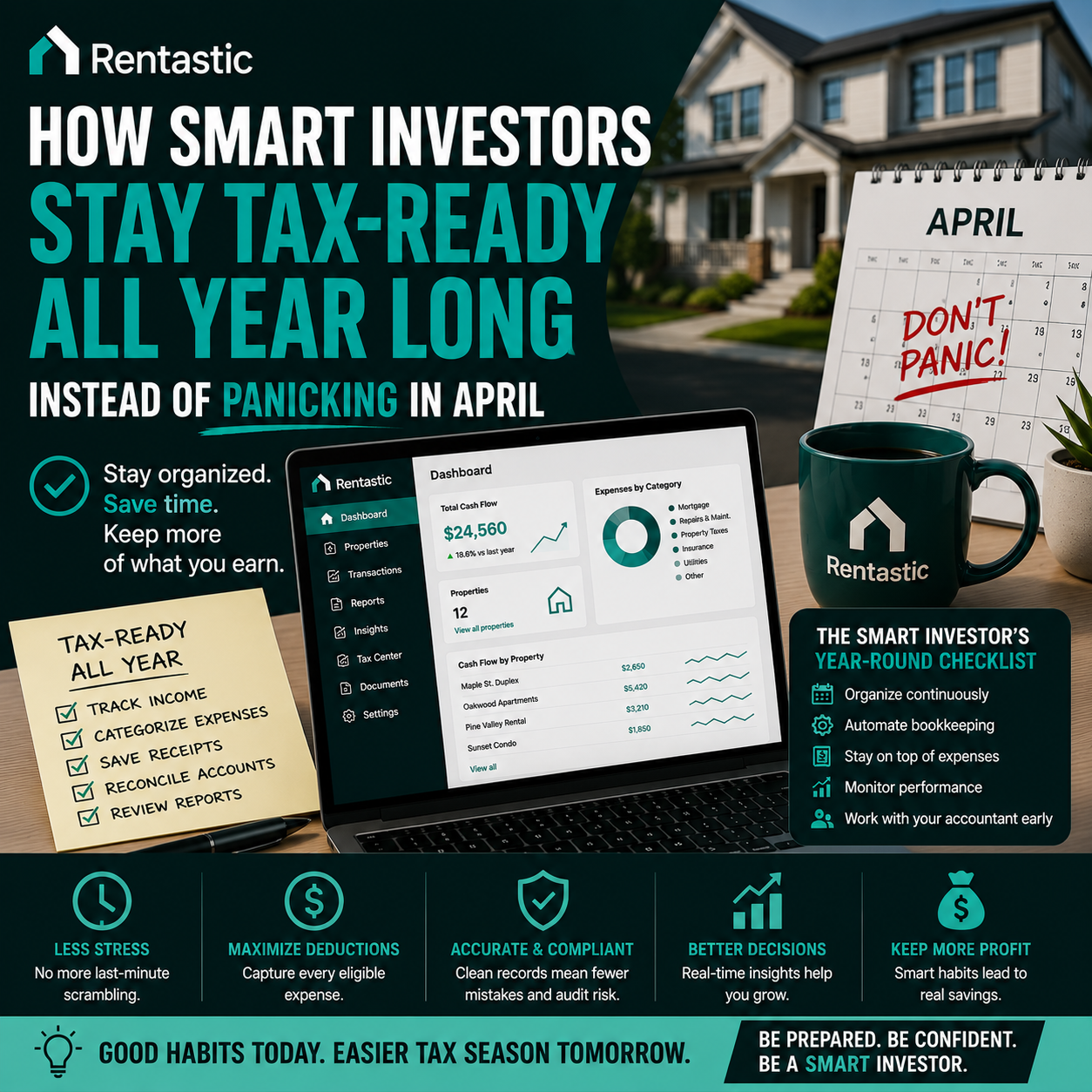
For many triple net investors, tax season is when they finally see a clear picture of performance. That delay creates stress and missed opportunities.
Rentastic streamlines tax management for NNN investors by making profit and loss statements a click away instead of a scramble. The platform:
Instead of chasing down old invoices or reconstructing spreadsheets, you can send your accountant a clean package and focus on higher value work, like planning your next acquisition.
Every time you key in numbers by hand, you risk mistakes. For NNN leases, small errors in expense allocation or reimbursements can snowball into:
By automatically importing transactions and keeping them organized, Rentastic reduces those risks and keeps your bookkeeping aligned with the real structure of your leases (Rentastic). Over time, that accuracy protects your relationships, your reputation, and your bottom line.
Triple net investors are often on the move, touring properties or meeting with brokers and lenders. Your tracking system should travel with you.
Rentastic offers a user friendly mobile app that lets you:
You do not need advanced technical or accounting knowledge. Rentastic is designed to be more intuitive than general accounting tools like QuickBooks, especially for real estate workflows (Rentastic, Rentastic Blog). That ease of use means you are more likely to keep your data current, which improves every decision you make.
If you want to see what this looks like in practice, you can set up a demo property inside rentastic and experiment with a few sample transactions while you are away from your desk.
Performance tracking is not an end in itself. It is there to support smarter moves in your NNN strategy.
Rentastic provides guidance and tools to help you evaluate commercial deals, including triple net properties. The platform encourages you to:
Because the same system handles both underwriting and day to day tracking, you can see exactly where reality diverges from your initial projections and adjust accordingly.
With clear, up to date data across properties, you can:
Rentastic’s unified dashboard makes it simple to compare properties side by side and spot where small adjustments will create the biggest gains (Rentastic). Over time, those incremental decisions compound into a more stable and profitable triple net portfolio.
You do not need a complicated system to track triple net lease performance. You need a clear view of:
Rentastic is designed to give you that clarity with less effort and less spreadsheet chaos. It:
If you want to make your NNN tracking lighter and sharper, a simple way to start is:
From there, you can roll the same system across the rest of your portfolio and let your tracking finally match the quality of your investments.
RECENT POSTS


© 2025 Rentastic
Rentastic is registered as a trademark. Terms and conditions, features, support, pricing, and service options subject to change without notice.



.png)




























.png)





































Comments