

Nearly every problem landlord story begins the same way. A rushed decision, a “seems nice” handshake, and a missing paper trail. Solid tenant screening is how you avoid that stress while still filling your place fast and fair.
In this guide, you will turn tenant screening from a vague worry into a clear process you can repeat for every vacancy. You will see where to tighten your criteria, which checks truly matter, and how to stay compliant while you protect your cash flow.
Before you post a listing or answer a single inquiry, you need written, objective tenant screening criteria. This keeps you consistent, protects you under fair housing laws, and makes decisions feel calm instead of personal.
According to Rentastic’s 2026 guide for first time landlords, your criteria should be drafted in advance and used for every applicant so you can show you followed fair, measurable standards each time (Rentastic). You are not judging people, you are checking whether they fit the risk and reliability profile you set.
At a minimum, define clear rules around:
Rentastic’s 2025 guidance stresses that these rules must avoid any factor tied to protected classes like race, color, religion, sex, national origin, disability, or familial status to comply with the Fair Housing Act (Rentastic). Keep your list focused on behavior, ability to pay, and risk.
Once you have your criteria, keep them in a simple one page document. You will refer to that document at every step of your tenant screening process so you do not improvise under pressure.
Your rental application is where good tenant screening really starts. A weak form leads to guesswork and back and forth emails. A strong one gives you nearly everything you need up front.
The 2026 tenant screening checklist from Rentastic emphasizes a thorough application that you reuse for every vacancy, so your process stays consistent over time (Rentastic). That application should capture:
Include a section where the applicant signs to authorize background and credit checks. Rentastic notes that written consent is a standard step in compliant tenant screening and it protects you if anyone questions your process later (Rentastic).
Spend time improving this one form. Every strong application you receive will feel easier to analyze because your questions and your criteria match.
Most landlords use some version of an income to rent ratio. It is quick, it is objective, and it lowers the odds you get stuck with a tenant who is constantly stretched too thin.
Rentastic defines the standard as the “3x rent rule,” which means your applicant’s gross monthly income should be at least three times the monthly rent, for example 5,400 dollars for 1,800 dollars in rent (Rentastic). This gives your tenant room to cover other bills, emergencies, and still pay you on time.
You verify this income requirement with:
Rentastic highlights that verifying employment and stable income through pay stubs and employer contact is critical for protecting your cash flow as a landlord who depends on rent to cover mortgage and maintenance costs (Rentastic).
Treat the 3x rule as a filter, not an iron law. Rentastic’s 2025 guidance notes that some tenants who earn a little under 3x may still be strong fits if they have low debt, savings, or a co signer, especially in expensive markets (Rentastic). If you make an exception, document why so you stay consistent and fair.
On paper, nearly anyone can hit a number. Your job in tenant screening is to check that the number is real and likely to continue.
Rentastic’s 2025 checklist recommends a simple, repeatable flow to verify employment and stable income (Rentastic):
This is not about interrogating people. It is about matching clear data to the standards you set. When you do this consistently, you quickly spot red flags like sudden jumps in income, mismatched employer names, or a history of very short term jobs.
Proper income verification, paired with the income to rent ratio, is one of the best protections you have against late payments, eviction risk, and financial losses, as Rentastic’s 2025 analysis makes clear (Rentastic).
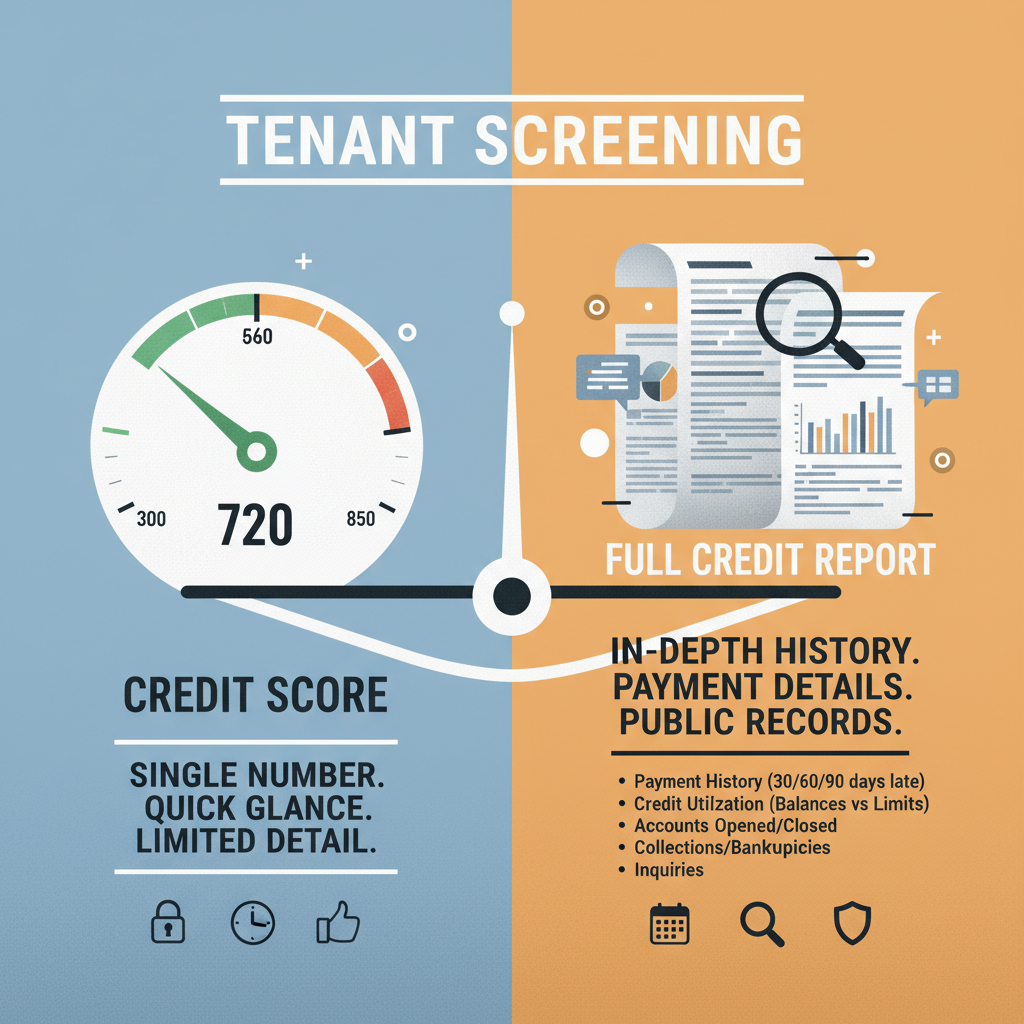
Credit and background reports are powerful tools, but they only help you if you know what you are looking for and where the legal lines sit.
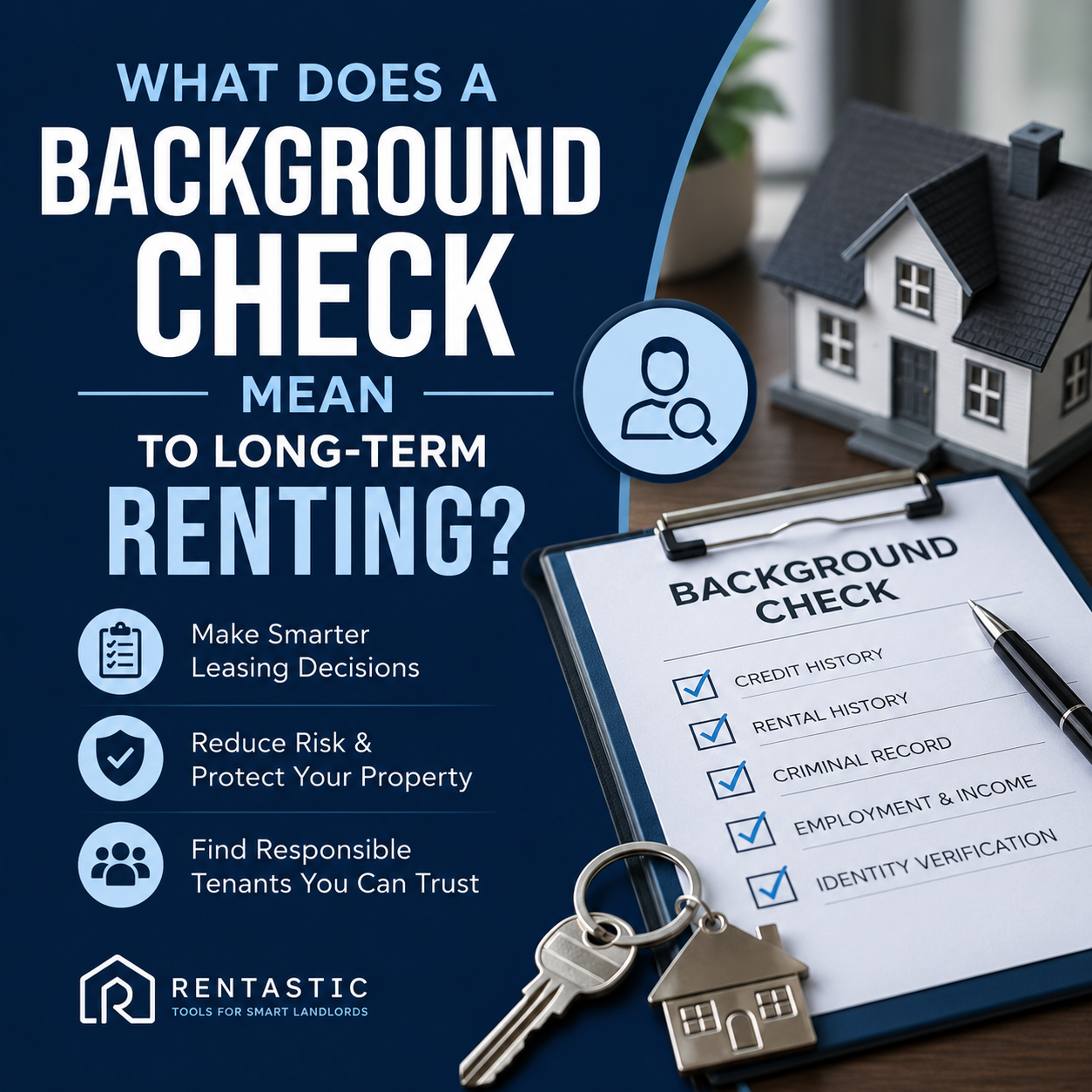
According to Rentastic’s 2025 guidance, standard tenant screening should include credit, background, and eviction checks with written consent from the applicant (Rentastic). Use one trusted screening service or property management platform instead of hunting for separate sites each time.
For credit reports, focus on:
For background checks, your goal is safety and risk management, not punishment. Rentastic notes that criminal history must be handled carefully to avoid discrimination and to match local jurisdiction rules (Rentastic). Many cities and states restrict how and when you can use arrest records or certain convictions.
Eviction reports are usually straightforward. Look for patterns rather than a single incident, and compare what you see with what the applicant disclosed. If anything does not line up, treat that as a signal to dig deeper, not an automatic denial.
Always apply the same rules to every applicant. Consistency is one of your strongest protections if someone challenges your decision.
A five minute call with a previous landlord can tell you more than a twenty page application. The key is asking focused, factual questions and checking the landlord is who they say they are.
The 2026 tenant screening checklist advises contacting previous landlords and personal references with short, targeted interviews, and cross checking the landlord’s identity through public records or tax data when possible (Rentastic). You are looking for confirmation, not gossip.
When you call, keep it simple:
If the person hesitates on that last question, pause and listen. Tone often tells you as much as the words. Then compare their answers with what the applicant wrote in your form. Consistency builds trust. Mismatches are a signal to slow down and investigate before you approve.
By making these calls part of your standard tenant screening checklist, you reduce surprises and learn how your future tenant behaves once the lease is signed.
Software will not choose your tenant for you, but it can remove the most tedious parts of the process and highlight risks you might miss.
Rentastic’s 2026 guide encourages landlords to use AI powered tenant screening tools that automate credit checks and analyze payment data to flag risky patterns, predict late payments, and build more complete tenant profiles (Rentastic). The trick is staying in the driver’s seat.
You can rely on tools to:
You should still make the final decision. Check that your criteria are correctly set inside any tool, and confirm that it aligns with your fair housing obligations. Think of AI as your assistant in tenant screening, not your replacement.
You can run a perfect background check and still get into trouble if your process is unfair. Fair housing compliance is not just legal protection, it is how you ensure every applicant gets the same shot.
Rentastic’s 2025 recommendations stress that you must apply uniform criteria, avoid questions about protected characteristics, and consult local housing agencies or attorneys to confirm your rules fit all applicable laws (Rentastic). Your written criteria and your consistent use of them are your best defense.
In practice, this means:
Fair housing rules can vary city by city. When in doubt, get a short consult with a local attorney or housing agency. That small investment is cheap compared to the cost of a complaint or lawsuit.
Even experienced landlords fall into patterns that quietly raise their risk. Rentastic’s 2025 analysis highlights several pitfalls around the income to rent ratio and general tenant screening process (Rentastic). You can sidestep them by watching for a few traps.
Avoid:
Rentastic warns that a weak or inconsistent screening process carries real financial risk, especially for landlords who rely on rent for mortgage and upkeep, and stresses that a simple, repeatable checklist is your best safeguard (Rentastic).
The good news is that once you see these mistakes, you will catch yourself before you repeat them.
A calm, consistent tenant screening process does not slow you down. It speeds up the right decisions and filters out the wrong ones before they land in your lap.
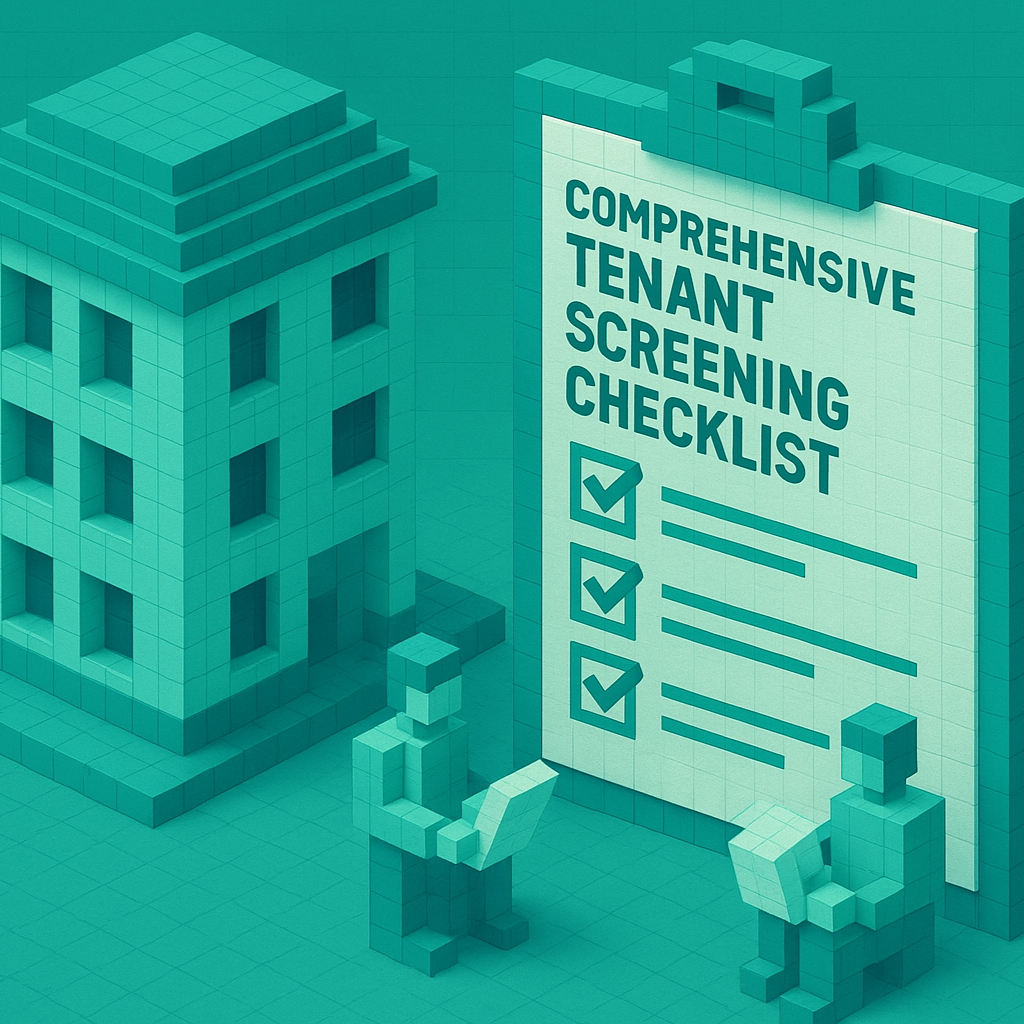
You have a lot of moving parts in tenant screening, but you do not need a complex system. You need a short, repeatable checklist that you follow every time.
Here is a process you can adapt:
You can manage this in a spreadsheet, a notebook, or a property management app. What matters is that you use the same steps for every applicant and keep your records tidy.
When you do, renting stops feeling like a gamble. The right tenants rise to the top, your risk drops, and your properties become less of a headache and more of the reliable asset you meant them to be.
Choose one improvement to your tenant screening process today, for example tightening your rental application or formalizing your 3x rent rule. Put it in writing, use it on your next vacancy, and you will feel the stress level drop with every lease you sign.
RECENT POSTS


© 2025 Rentastic
Rentastic is registered as a trademark. Terms and conditions, features, support, pricing, and service options subject to change without notice.








.png)

























.png)



































Comments