

Nearly every landlord has one story they never want to repeat.
On paper the tenant looked fine. In reality, they left you with unpaid rent, a wrecked unit, and months of stress.
That is the real cost of a bad tenant. It is rarely just one missed payment. It is a chain reaction that hits your cash flow, your time, and even your long term returns.
In this guide, you will see how those costs actually add up, and how better screening and smarter systems help you avoid them.
When you think about a risky renter, you probably picture skipped payments or a messy move out. The truth is tougher.
Ineffective tenant screening can lead to:
The 2025 Rentastic analysis notes that each of these hits your bottom line in different ways, and together they can quietly erase a big chunk of your expected profit.
A bad tenant is not just a headache. It is a compounding cost center that you can measure, plan for, and mostly prevent.
Late or unpaid rent is the most visible part of the real cost of a bad tenant, but it is only the surface.
If a tenant misses one month on a 1,500 dollar unit, your first instinct is to count that as a 1,500 dollar loss. In practice, the damage is higher.
Uncollected rent impacts:
Rentastic’s 2025 guidance explains that uncollected rent does not just delay income. It disrupts your entire financial plan around the property.
Over time, that disruption snowballs. You push back upgrades. You delay refinancing. You spend more of your mental energy on chasing money and less on growing your portfolio.
Behind every missed payment, there are indirect costs that do not show up on the rent roll:
Rentastic highlights that the total loss from uncollected rent can quickly escalate into the thousands once you factor in these side effects.
A single bad tenant can turn a year that looked profitable on paper into one that barely breaks even.
Most leases assume normal wear and tear. Bad tenants push far beyond that line.
When a tenant is careless or openly neglectful, you pay in three ways at the same time:
The 2025 Rentastic article notes that renting to tenants without solid screening can lead to costly property damage and expensive repairs, which cut straight into profitability. You are not just covering paint and carpet. You are often fixing appliances, flooring, doors, sometimes even plumbing or electrical issues that come from misuse.
Even with decent tenants, you expect some make ready costs at move out. With a bad tenant, those costs spike.
Rentastic’s 2025 analysis points out that every turnover often triggers maintenance expenses in the 1,000 to 3,000 dollar range for cleaning, repairs, and making the unit ready again. With a high risk tenant, you are far more likely to hit the top of that band or go beyond it.
You also risk emergency work. A broken window that cannot wait. A leak that has to be fixed before it damages the next unit. Emergency pricing is almost always higher, and it rarely shows up in your original spreadsheet.
If you have to remove a tenant, the costs stack up quickly.
Poor screening increases the odds that you end up in court. Along the way you absorb:
According to Rentastic, evictions and forced move outs are not just emotionally draining. They are expensive and time consuming, and they result in lost rental income for as long as the unit sits empty during and after the process.
Even if your local rules are landlord friendly, you rarely get all of those costs back. The net hit stays with you.
High risk tenants also create more frequent vacancies. Every time someone leaves, your meter starts running:
Rentastic warns that weak screening increases tenant turnover, which in turn raises vacancy rates, sometimes up to 30 percent in tough scenarios. That means nearly one third of the year with no income from that unit while expenses keep going.
Even in more typical markets, vacancy rates often sit between 5 and 10 percent. If you are not building that into your cash flow plan, your spreadsheet is lying to you.
Bad tenants do not just threaten your cash flow or walls. They can pull you into legal and regulatory trouble.
If you do not properly assess background and rental history, you might:
Rentastic’s 2025 guide notes that failure to properly assess tenant background and rental history can result in legal and compliance problems, including fines, penalties, and lawsuits under local housing regulations.
Each of those adds legal costs, lost time, and in some cases formal marks against your record as a landlord or property owner.
A rushed or incomplete screening process might also miss required disclosures or documentation in your area. That can lead to:
These are not one time annoyances. They can damage your reputation in the community, and make it harder to attract strong tenants later. The more you focus on quality screening up front, the less likely you are to face these issues.
Even when tenants pay on time and do not trash the unit, too much turnover is still expensive. With a bad tenant, you often get the worst of both worlds: trouble during the lease and a costly exit.
Every turnover triggers a familiar list of costs:
Rentastic points out that each turnover often results in 1,000 to 3,000 dollars of maintenance and prep costs, plus the lost rent during vacancy. Add a late or non paying tenant into the mix, and your effective annual return takes a serious hit.
High turnover also disrupts your cash flow. The 2025 Rentastic article notes that frequent move outs cause periods of lost income that break the steady rhythm investors rely on. Your mortgage and taxes do not stop just because your tenant moved out.
If you keep cycling through marginal tenants, your vacancy rate can spike. Rentastic highlights data showing vacancy rates climbing as high as 30 percent in some high turnover situations.
That kind of vacancy crushes returns. A property that looked strong at full occupancy suddenly struggles to break even once you factor in the empty months and repeated make ready work.
The takeaway is simple. Retaining solid tenants is one of the easiest ways to protect your investment. Chasing any applicant who can move in fast is rarely worth it.
Even with perfect renters, your property needs ongoing care. With bad tenants, you hit those expenses sooner and harder.
Rentastic notes that nearly one in four landlords reported unexpected expenses wiping out part of their rental income in 2023. Most of those bills were related to deferred or emergency maintenance.
As a rule of thumb, you should plan to allocate 1 to 3 percent of your property’s value each year to maintenance. A 250,000 dollar property would need 2,500 to 7,500 dollars annually set aside for repairs and upkeep.
In a 2022 case study highlighted by Rentastic, preventive maintenance cut emergency repair costs by 23 percent. Bad tenants tend to ignore early signs of problems or fail to report them, so you lose the chance to fix issues cheaply. A small leak becomes a major water damage claim. A wobbly stair becomes a safety hazard.
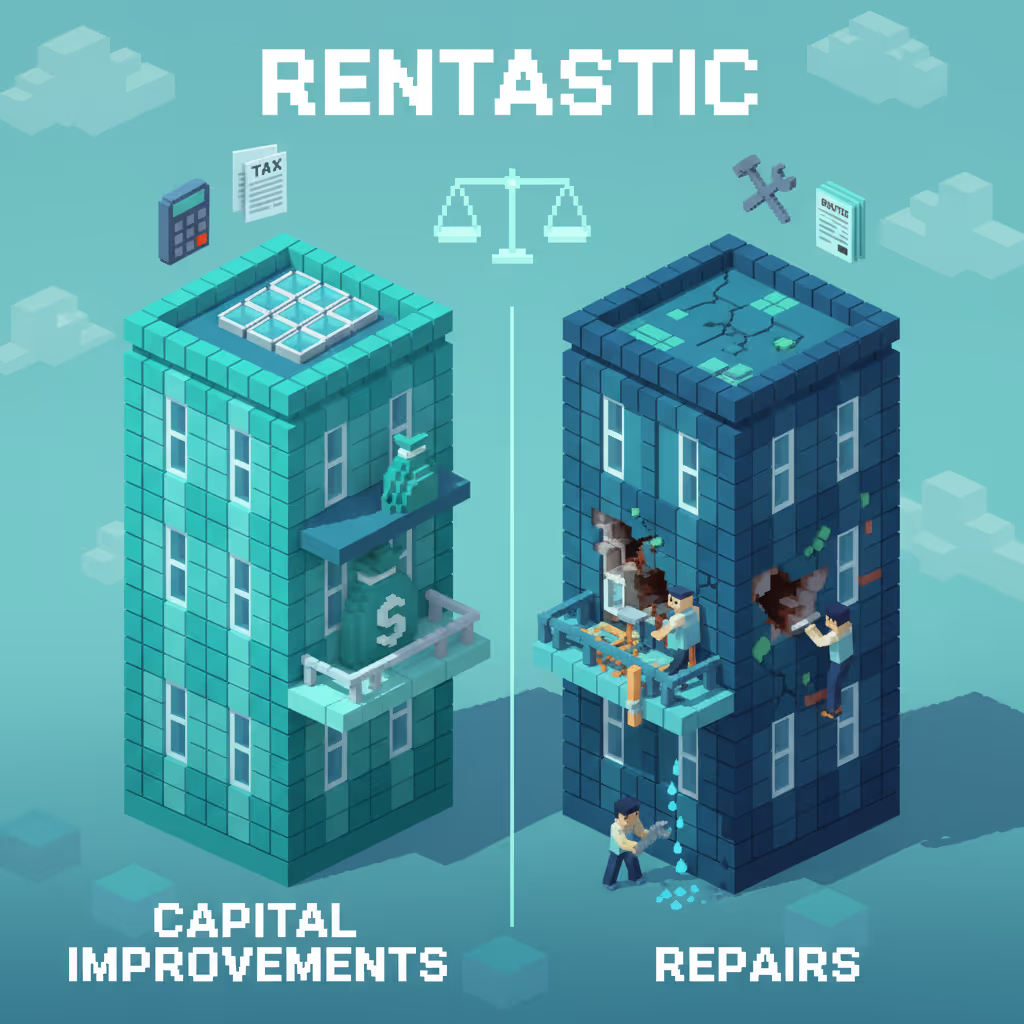
Some costs are bigger and less frequent. Roofs, HVAC systems, major appliances. Rentastic notes that you should expect capital expenditures at an average of around 1,571 dollars per unit per year when you smooth them out.
A careless tenant can shorten the useful life of those systems. Slamming doors, misusing appliances, blocking vents, or ignoring simple maintenance requests all add up. You replace or overhaul big ticket items years earlier than planned.
That is another layer of the real cost of a bad tenant. You are not just paying to repair what they broke. You are bringing forward costs that should have been years away.
The good news is you are not helpless. Strong screening is your first and best defense.
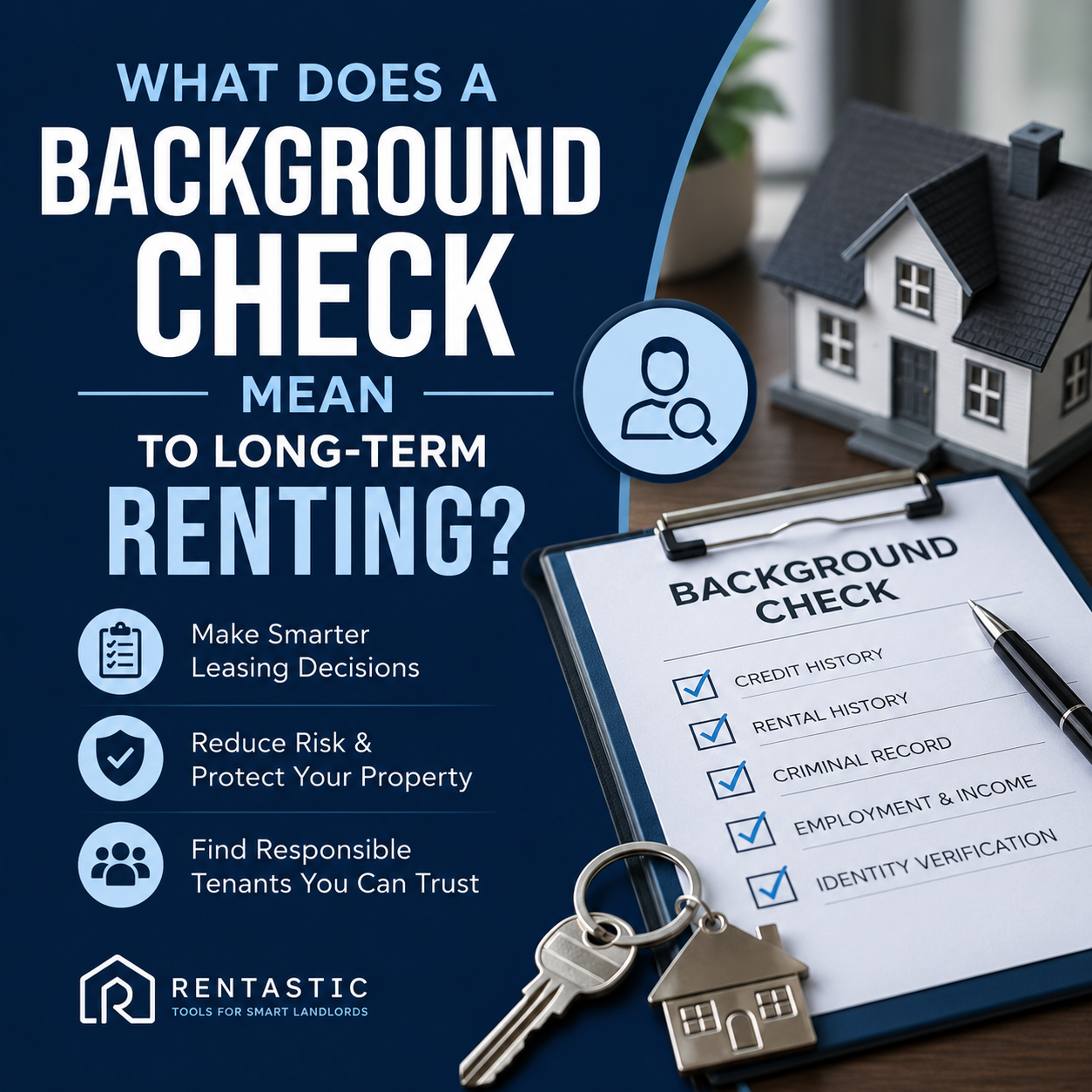
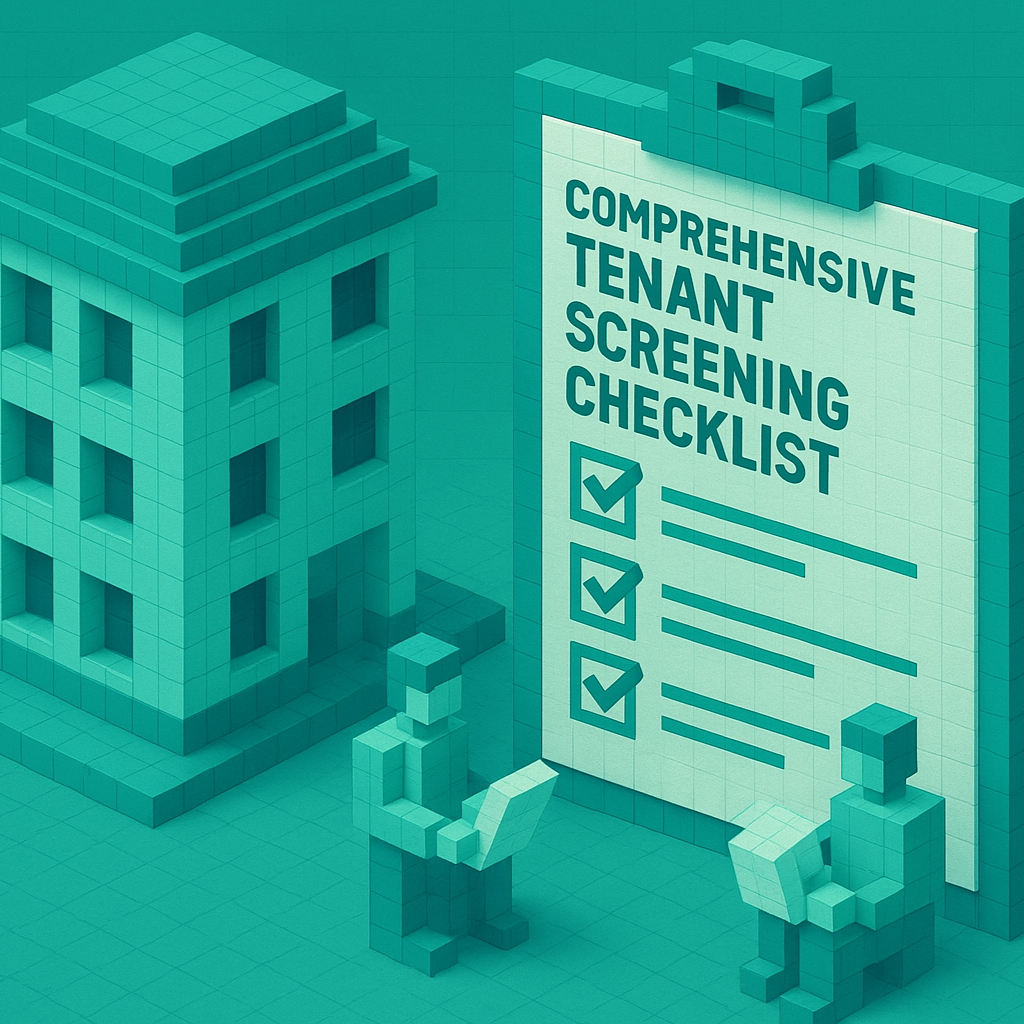
According to Rentastic’s 2025 tenant screening advice, thorough checks reduce your risk of late payments, damage, and costly evictions. At a minimum, you want to:
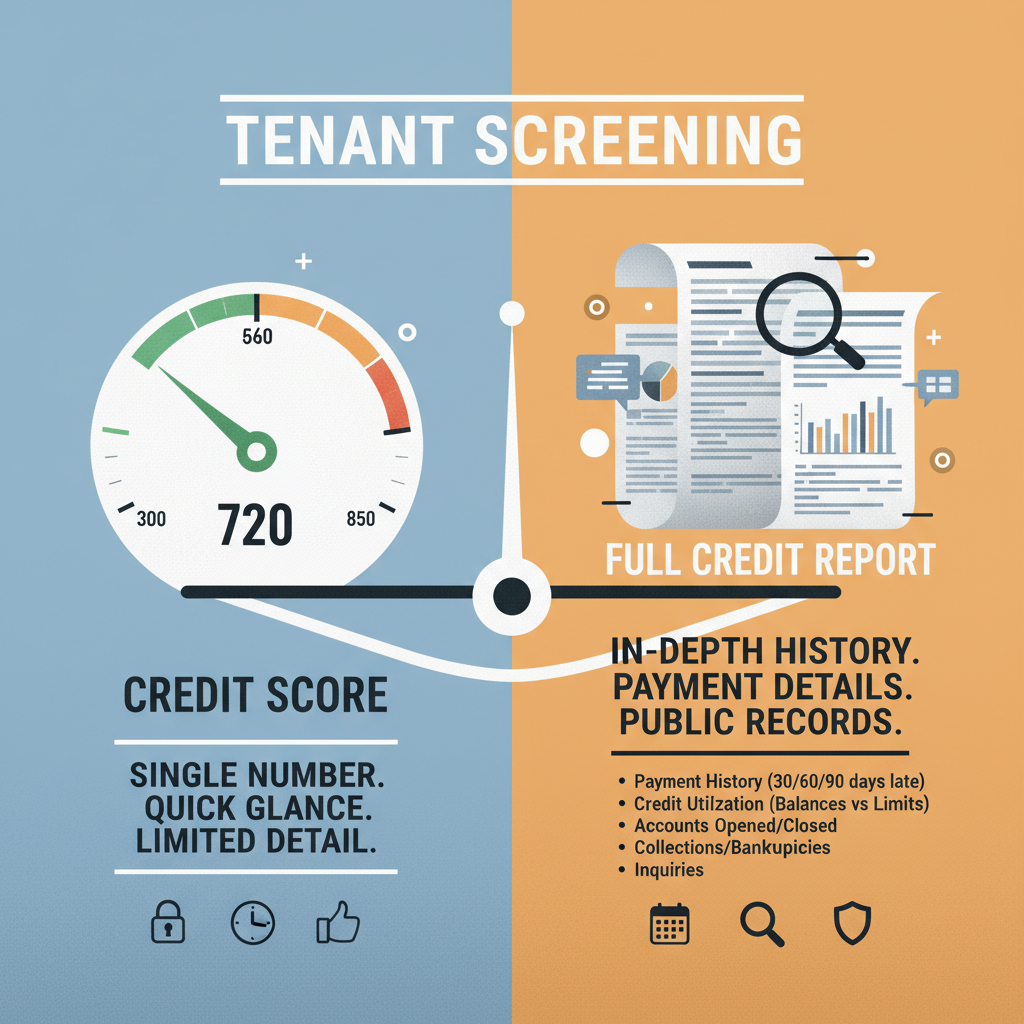
A tenant’s financial stability, shown by a steady job and solid credit score, is one of the best predictors that they will keep rent current. That stability makes your own planning much easier.
Background and credit checks help you spot patterns, not just one mistake years ago. You are looking for consistent problems with payment, property respect, or neighbor relations.
Rentastic stresses a few warning signs that should make you slow down or decline an applicant:
These red flags do not guarantee disaster, but they significantly raise the odds that you will face the kinds of issues outlined earlier, from unpaid rent to legal disputes.
Being firm at this stage is not unfair. It protects both you and your existing tenants, and it keeps your property financially healthy.
Numbers on a report matter, but so does how a tenant shows up in conversation.
Rentastic’s 2025 guide highlights the value of interviews for assessing personality fit and attitude. A tenant who becomes defensive, dismissive, or vague when you ask normal questions is sending you a clear signal.
In an interview, you can look for:
A tenant who cares about where they live is more likely to report issues early, follow community rules, and treat your unit as a home instead of a disposable stop along the way.
Create a simple checklist of questions you ask every applicant. That helps you stay compliant with fair housing laws while still learning what you need. Focus on:
You are not looking for perfection. You are looking for stability and reasonable expectations. That balance is what keeps your property calm and your books predictable.
Avoiding bad tenants is only half of the real cost of a bad tenant story. The other half is keeping your good tenants happy so they stay.
Rentastic’s 2025 guidance emphasizes a few practical retention strategies that reduce turnover and its costs:
When you do these basics well, solid tenants have fewer reasons to move. That means fewer vacancies, fewer make ready projects, and more predictable cash flow.
Lease renewal incentives do not have to be huge to work. Rentastic highlights ideas like:
Combined with strong communication, these small touches increase satisfaction and loyalty. Over a few years, the savings from lower turnover and reduced risk of bad tenants dwarf the cost of the incentives.
Retention is a margin booster. Every year a good tenant stays is a year you skip make ready pain and advertising spend.
Even with solid screening and retention, you still need to monitor what is happening in real time.
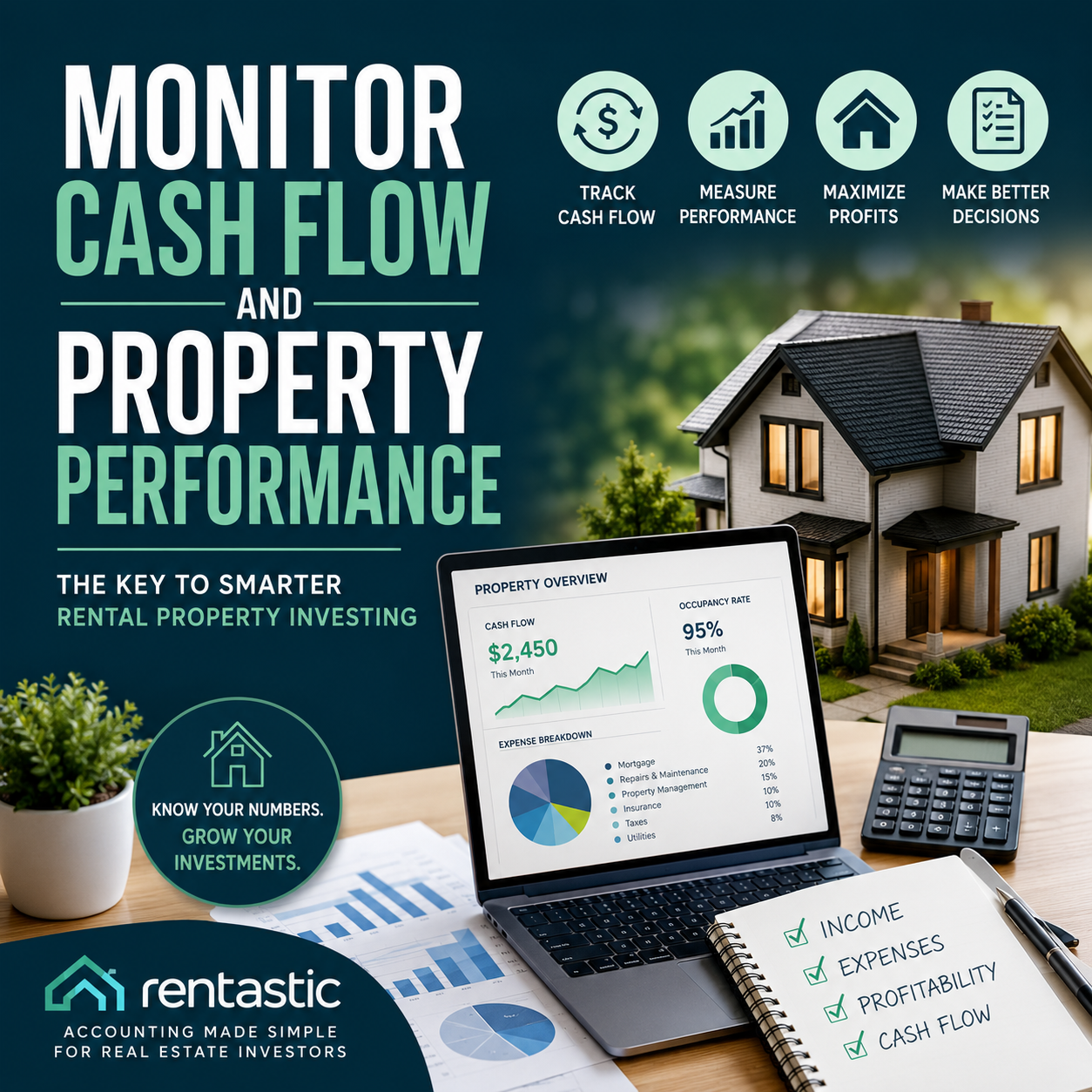
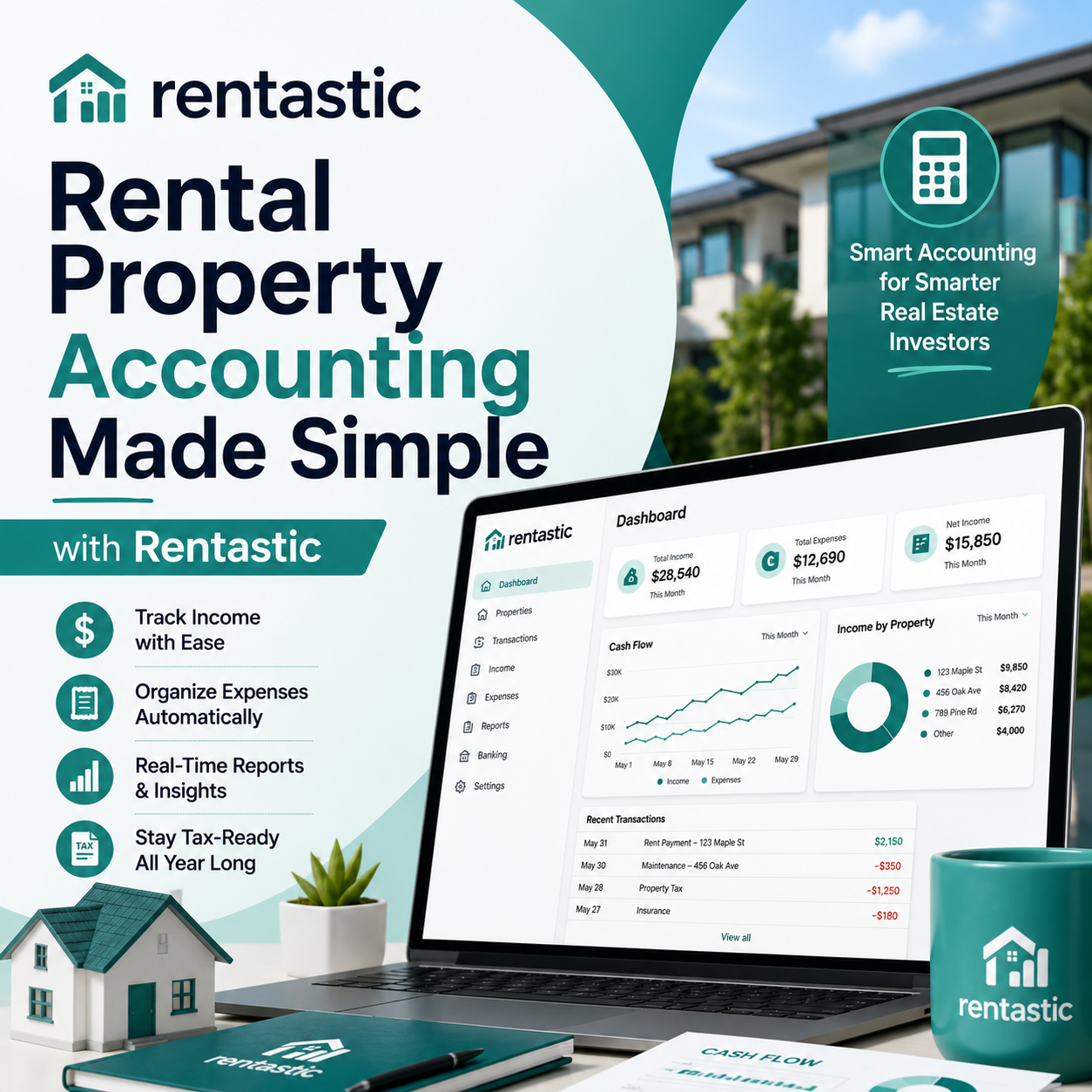
Financial automation tools such as Rentastic let you link your bank accounts and see rental income and expenses in real time. According to a 2024 user survey shared by Rentastic, landlords using automation made decisions 30 percent faster, which helped them react to late payments within hours instead of weeks.
Fast visibility means you can:
In a high interest rate environment in 2025, landlords using Rentastic’s automation reduced some borrowing costs from 8 percent to 4.1 percent, unlocking 60,000 dollars in equity on a 235,000 dollar property purchase. That kind of margin improvement is only possible when you understand your numbers clearly and early.
Rentastic recommends managing uncollected rent with a mix of prevention, communication, professional support, and ongoing improvement. In practice, that looks like:
Automation keeps this loop running without constant manual effort. You are not checking spreadsheets at midnight. You are getting alerts and clear dashboards that show where to focus.
Over time, that discipline helps you avoid more bad tenancy situations because you can see trouble coming before it explodes.
By now, you can see that the real cost of a bad tenant is much larger than a single missed check. It includes:
The flip side is encouraging. Each step you take to improve screening, interviewing, communication, and automation directly reduces these risks. Thorough background and credit checks, honest conversations, and clear systems help you avoid high cost tenants before they sign, and they help you keep your best tenants for longer.
If you want to dig even deeper into how all these pieces fit together, you can explore the real cost of a bad tenant and use it as a checklist for your own portfolio.
Start with one upgrade: tighten your screening criteria, refine your interview questions, or plug in a financial automation tool. The next time an application makes you uneasy, you will be ready to trust the process instead of guessing.
Your future self, and your future cash flow, will thank you.
RECENT POSTS


© 2025 Rentastic
Rentastic is registered as a trademark. Terms and conditions, features, support, pricing, and service options subject to change without notice.










.png)



















.png)


























Comments