

When landlords think about saving money, they usually focus on the obvious things:
But one of the biggest sources of financial loss is often hidden in everyday operations.
Disorganized bookkeeping, missed deductions, wasted hours, inaccurate records, and poor financial visibility quietly drain money from a portfolio over time.
That’s where Rentastic makes a major difference.
At first glance, it may seem like a bookkeeping and financial tracking platform. But for many property owners, Rentastic becomes something much more valuable:
A system that helps reduce costly inefficiencies across their entire business.
And once investors realize how much time, money, and stress it saves them, it becomes incredibly difficult to replace.
One of the biggest hidden expenses in property management is time.
Manual bookkeeping may not seem expensive initially, but the hours add up quickly:
For landlords managing multiple properties, these tasks can consume hours every single week.
Rentastic automates much of that workload.
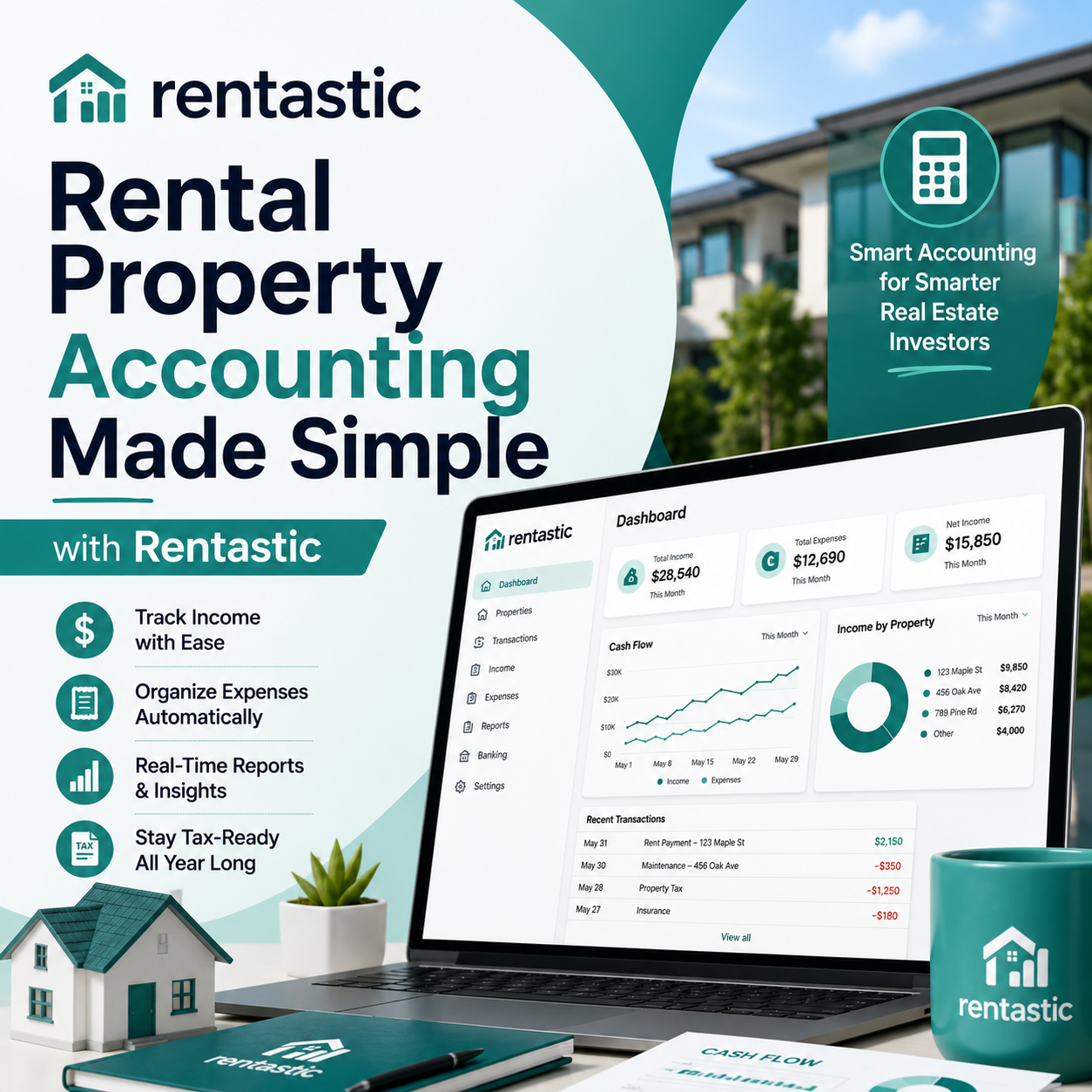
Transactions import automatically, records stay organized, and financial tracking becomes dramatically faster.
The result isn’t just convenience—it’s recovered time that investors can use to:
And over the course of a year, those saved hours become a massive operational advantage.
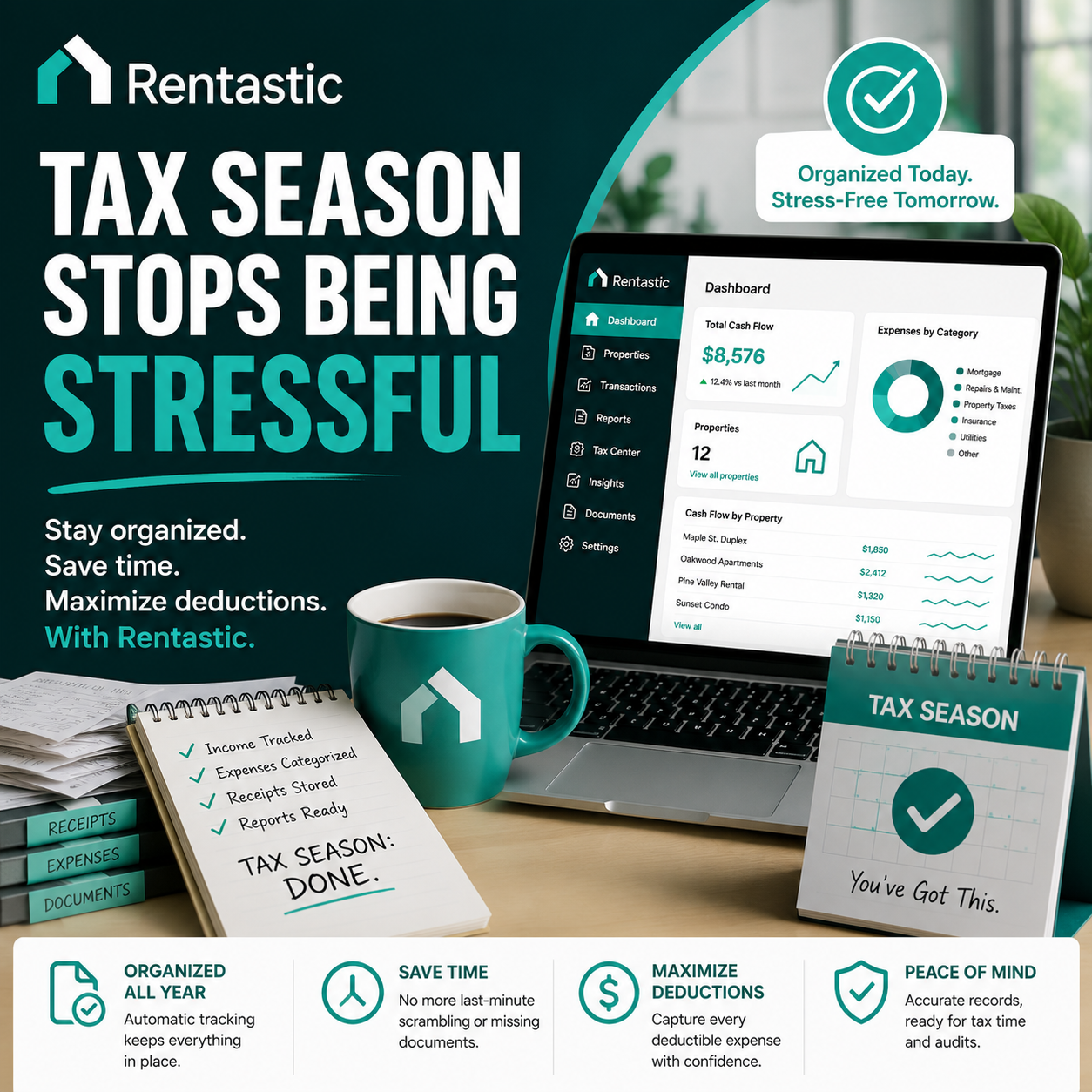
Many landlords lose money during tax season without realizing it.
Why?
Because incomplete bookkeeping leads to overlooked deductible expenses.
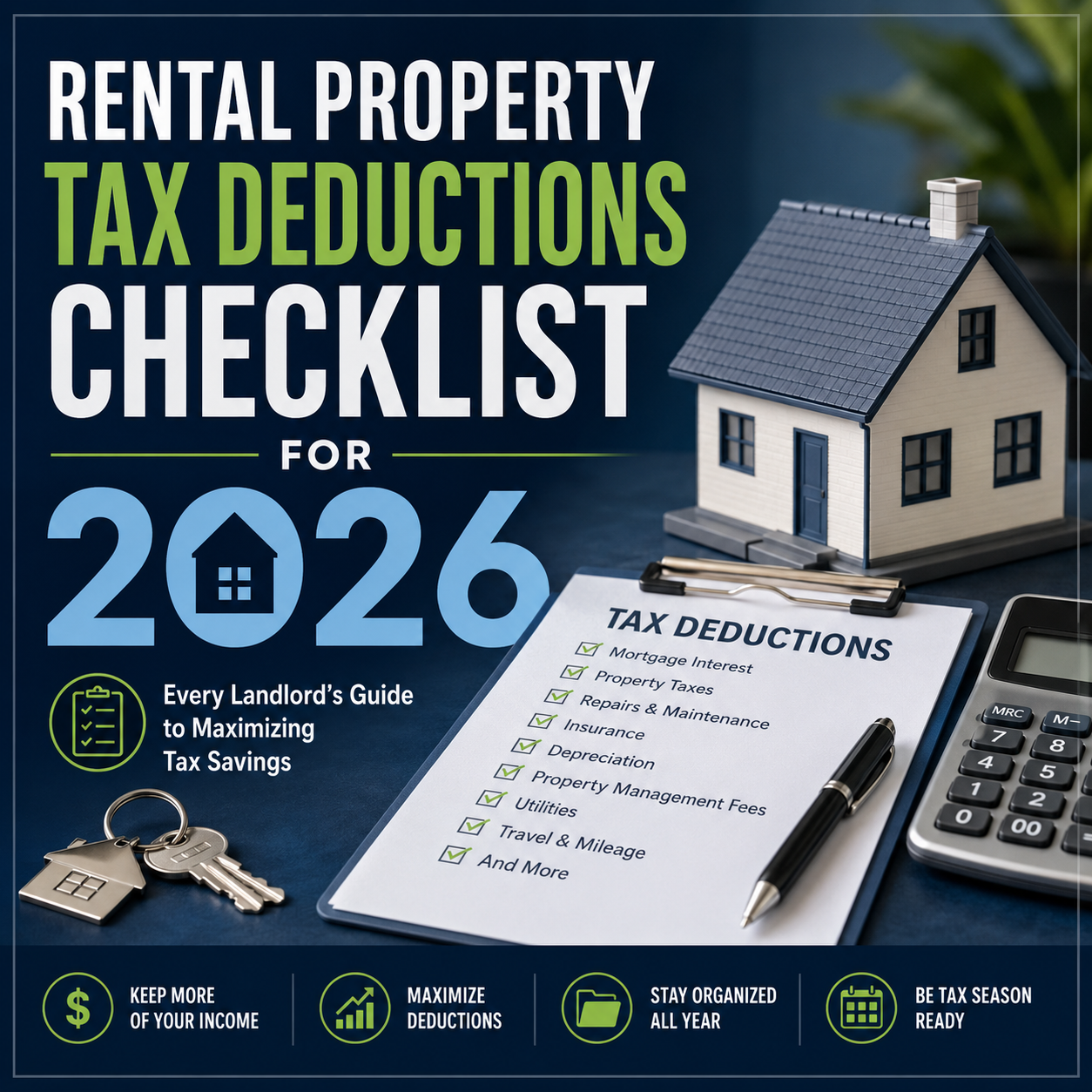
When receipts are missing or expenses aren’t categorized properly, investors may fail to claim legitimate deductions related to:
Even small missed deductions add up over time.
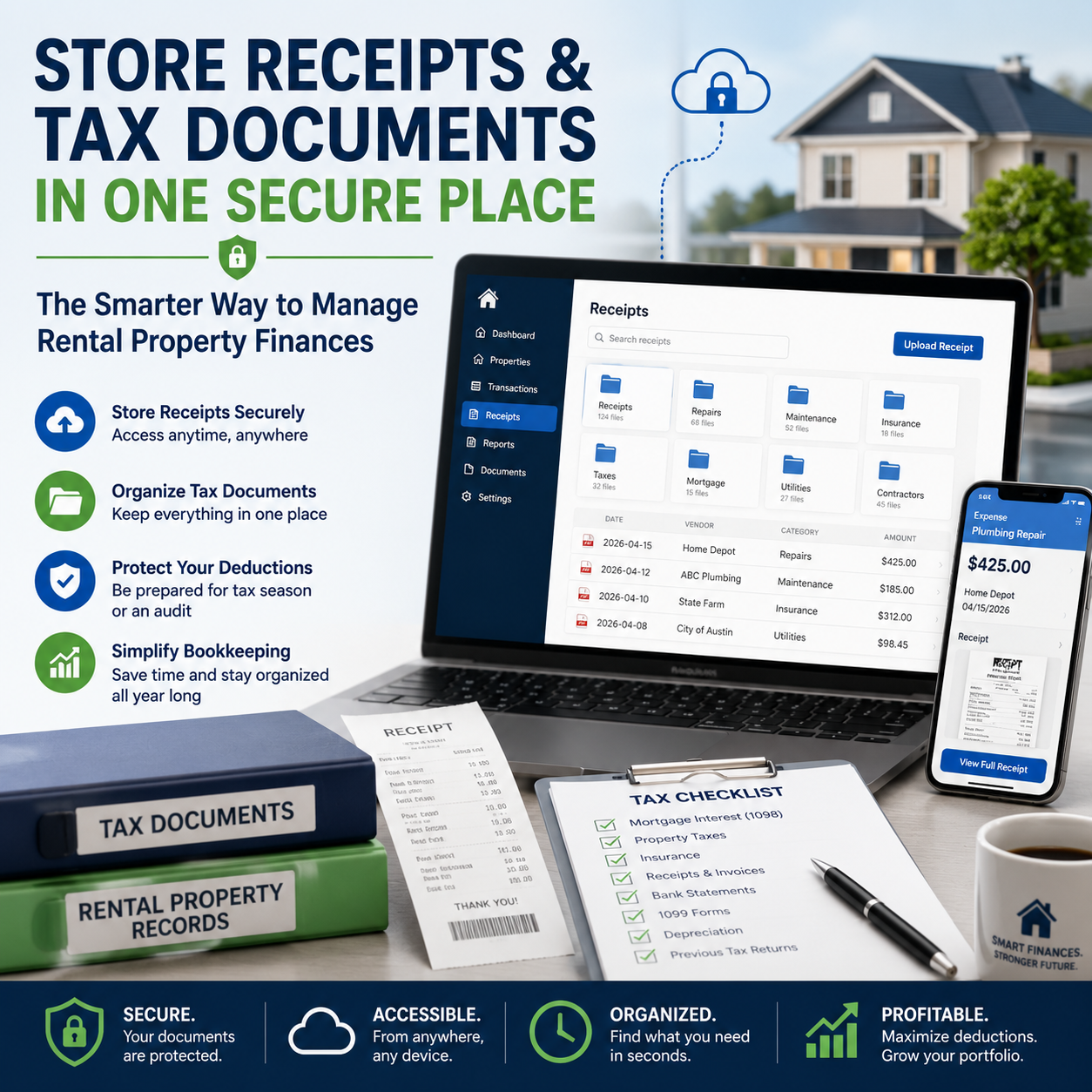
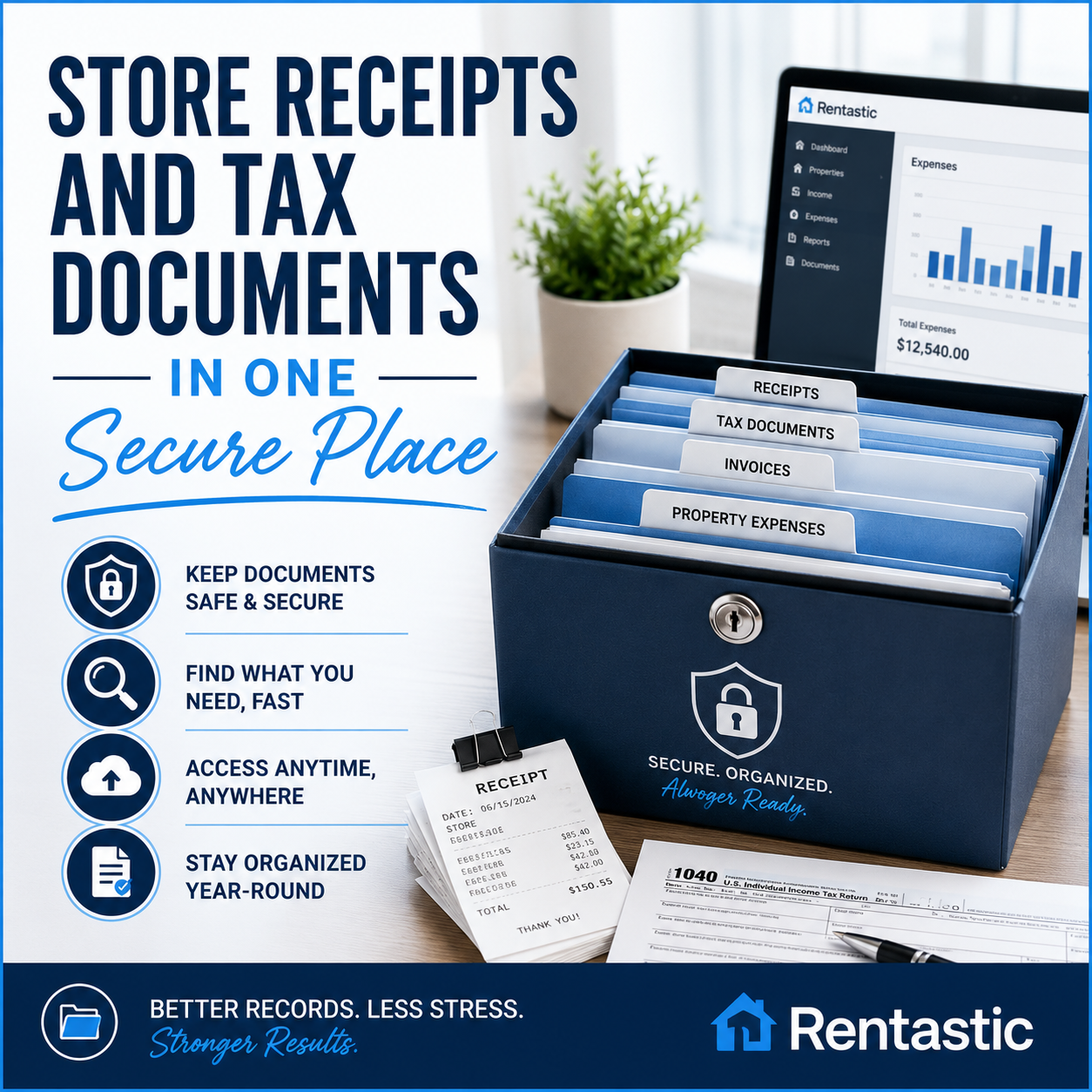
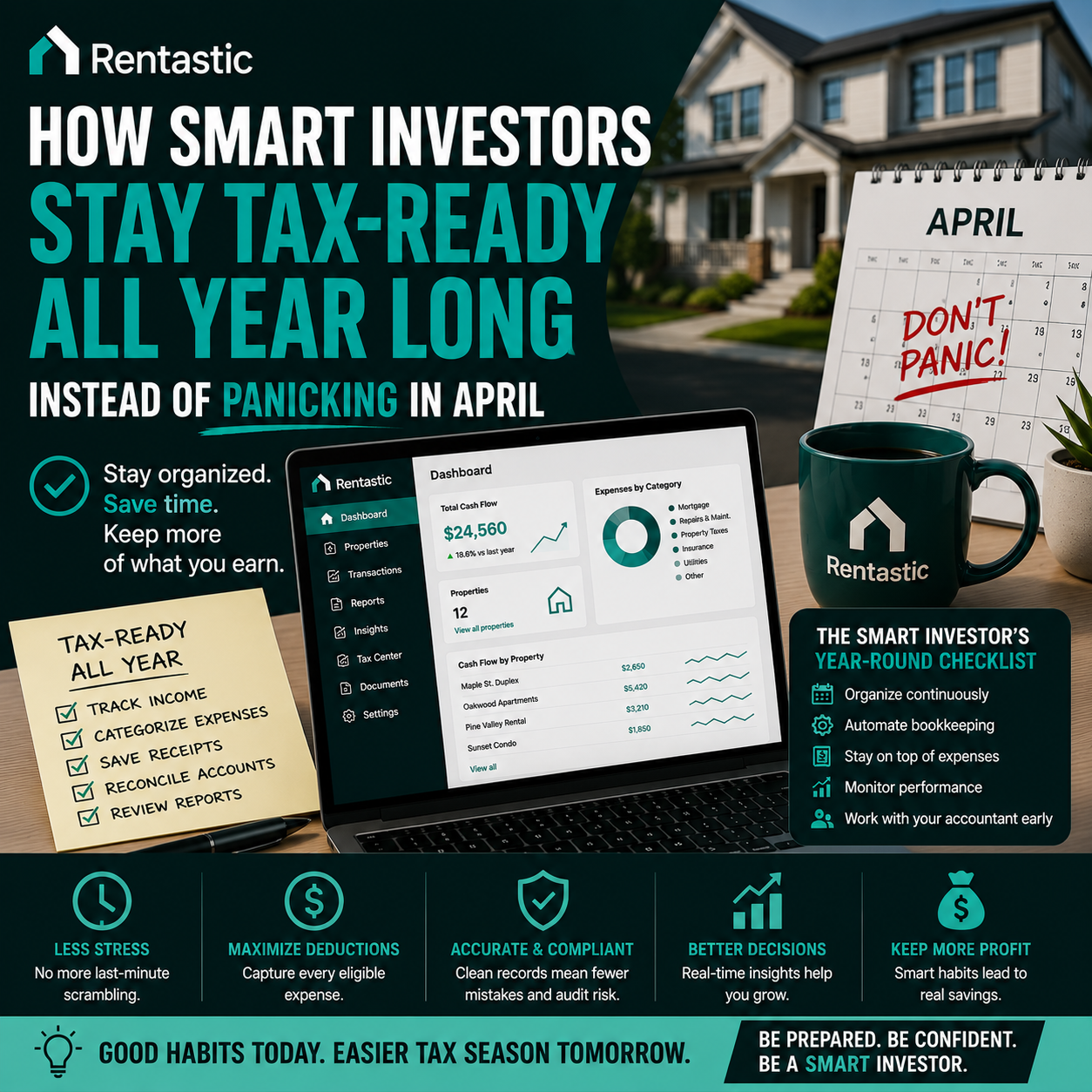
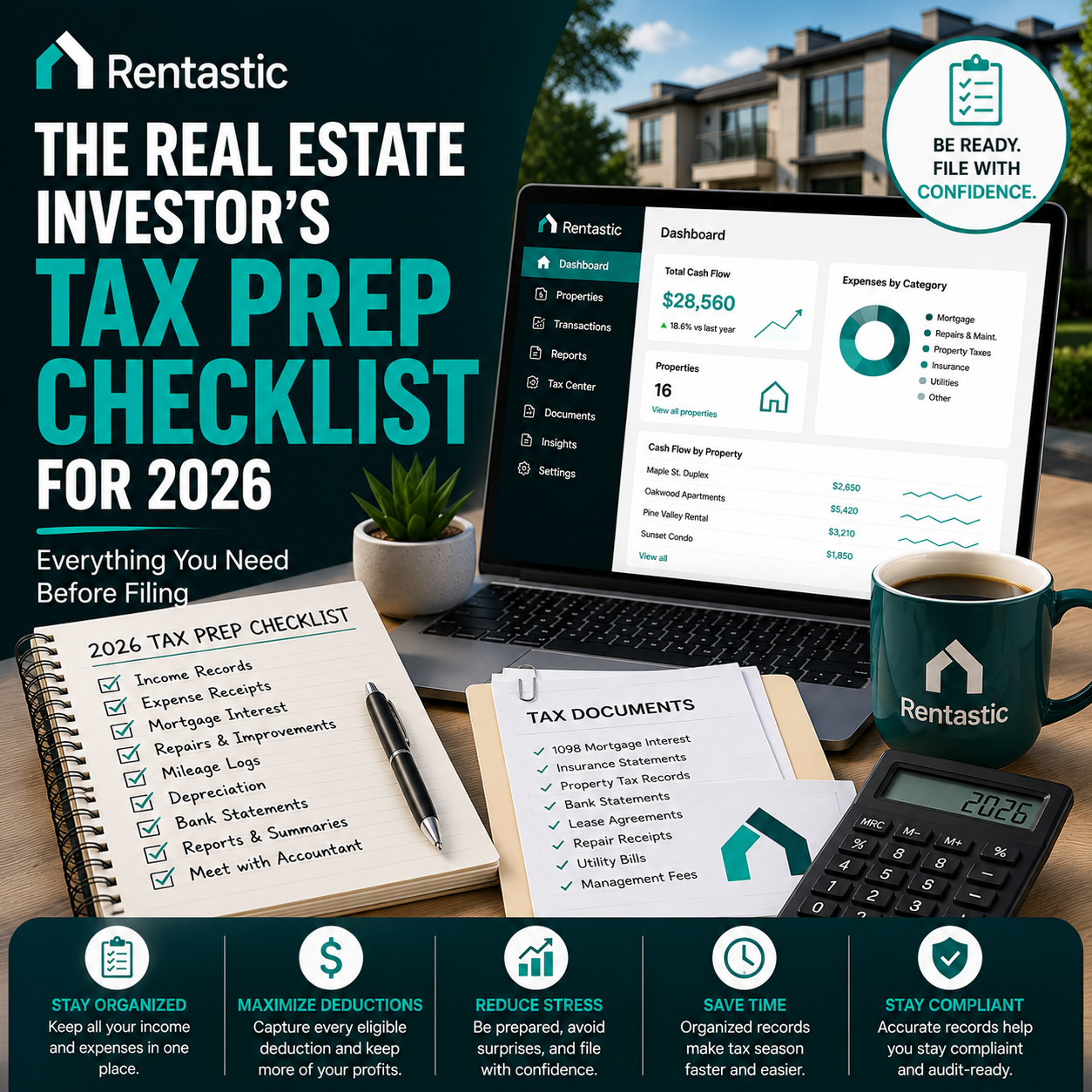
Rentastic helps property owners stay organized year-round so expenses are easier to track, categorize, and review when tax season arrives.
That organization can help investors maintain more complete financial records—and potentially reduce unnecessary tax costs.
Spreadsheet-based bookkeeping introduces risk.
A single formula error, duplicate entry, or missing transaction can distort an investor’s financial picture.
The problem is that many of these mistakes go unnoticed until they create larger issues later.
Poor financial data can lead to:
Rentastic reduces these risks by centralizing and automating financial tracking.
Clean, structured records help investors operate with greater accuracy and confidence.
One of the most underrated benefits of organized financial tracking is awareness.
When investors can clearly see where money is going, they naturally make better decisions.
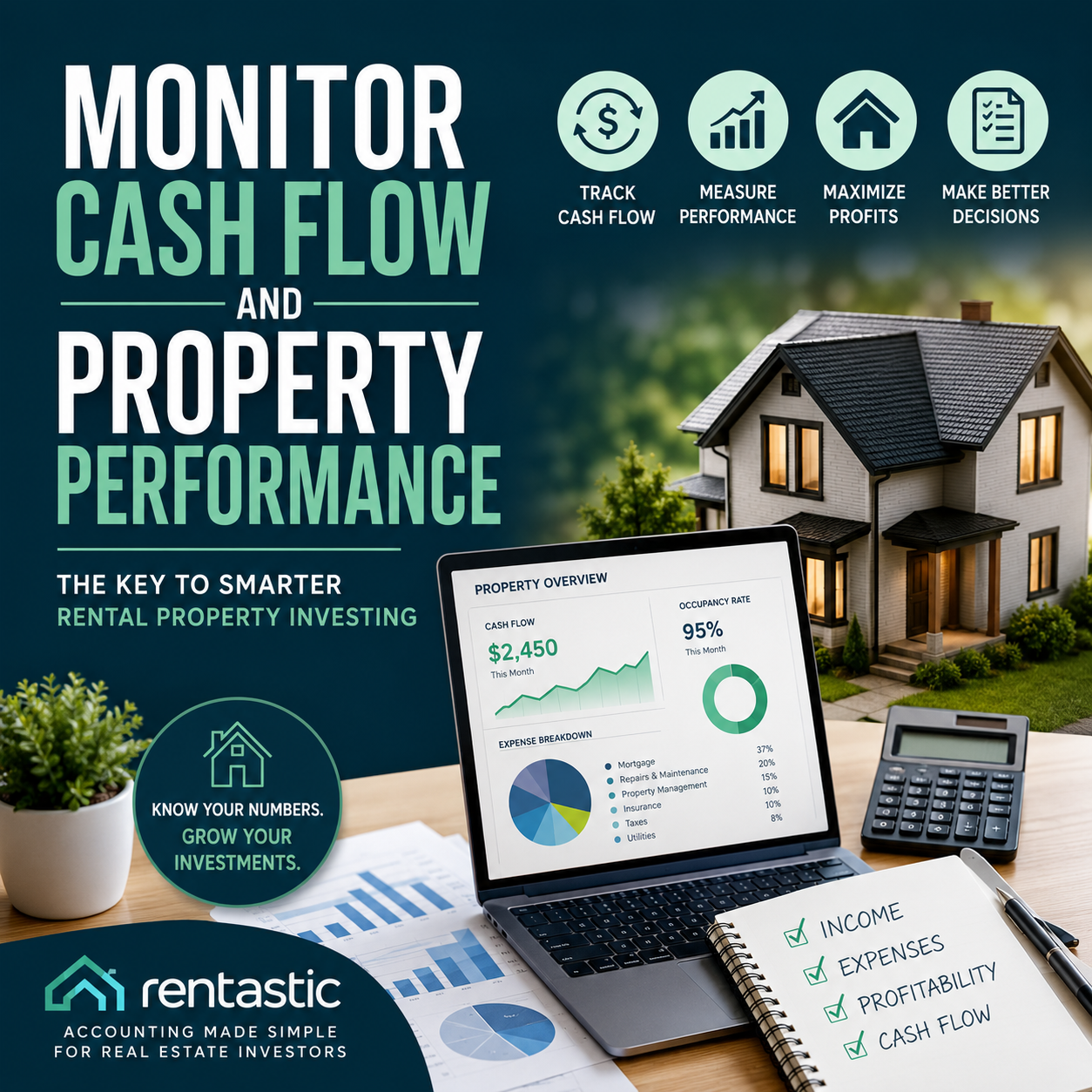
Rentastic gives property owners real-time visibility into:
That visibility makes it easier to identify unnecessary expenses before they become long-term financial leaks.
Without clear reporting, overspending often happens quietly in the background.
With Rentastic, investors stay informed and proactive.
Stress may not appear on a financial statement, but it has a real cost.
Disorganized records create constant mental pressure:
That stress affects productivity, decision-making, and overall business performance.
Rentastic simplifies financial management so investors spend less time worrying about bookkeeping and more time focusing on growth.
For many users, that peace of mind alone becomes invaluable.
Many systems work when investors own one or two properties.
The real challenge comes when portfolios grow.
As more units are added, bookkeeping complexity increases dramatically:
Spreadsheets and manual systems often break down under that pressure.
Rentastic is built to scale alongside investors.
Instead of becoming harder to manage as portfolios grow, financial tracking stays organized and streamlined.
That scalability prevents operational chaos and allows investors to expand more confidently.
Bad decisions are expensive.
And poor financial visibility often leads to poor decisions.
When investors don’t fully understand their numbers, they may:
Rentastic gives investors clearer financial insight so they can make smarter, data-driven decisions about their portfolio.
Better information leads to better outcomes.
And over time, those improved decisions can have a major impact on profitability.
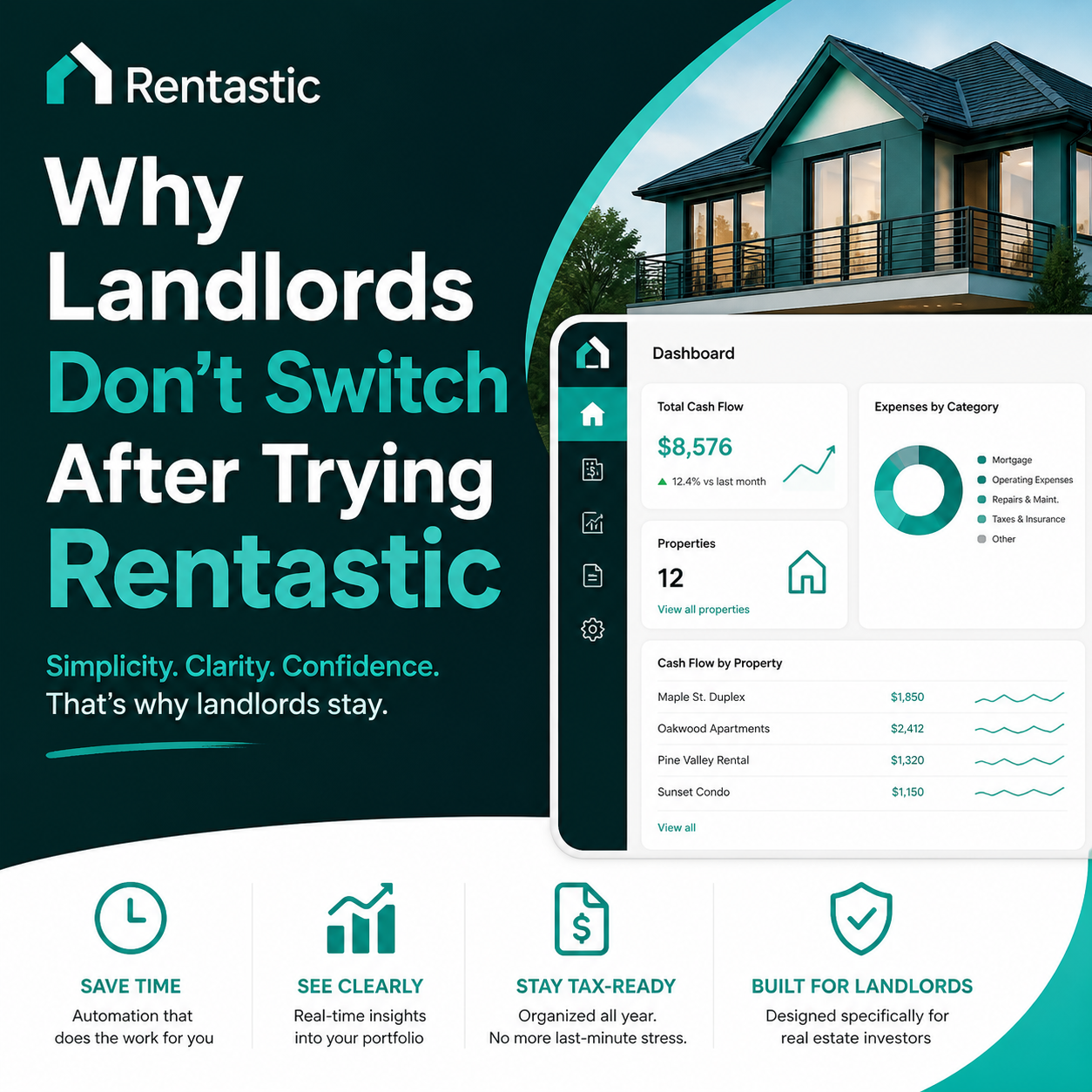
The true value of Rentastic goes far beyond bookkeeping.
It helps property owners recover time, reduce costly errors, improve financial clarity, and stay organized as their portfolios grow.
Many of the savings it creates are invisible at first—but they compound over time in powerful ways.
Less wasted time.
Fewer financial mistakes.
Better tax organization.
Smarter decisions.
Reduced stress.
That’s why so many landlords don’t just use Rentastic—they rely on it.
Because once investors experience what organized, automated financial management feels like, going back to manual systems no longer makes sense.
RECENT POSTS


© 2025 Rentastic
Rentastic is registered as a trademark. Terms and conditions, features, support, pricing, and service options subject to change without notice.









.png)























.png)





























Comments