

Nearly every landlord worries about missed rent or a trashed unit. What often gets missed is the bigger picture: the real cost of a bad tenant is not just one late payment or one repair bill. It is the way those problems quietly shred your annual cash flow, slow your long term goals, and add risk to every decision you make.
You feel this most clearly when you run the numbers. One bad lease choice can mean months of lost rent, surprise legal fees, repair overruns, and extra vacancy time. By the end of the year you might technically have a “fully rented” property on paper, but your bank account tells a very different story.
In this guide you will see how a single bad tenant can wipe out your yearly profit, where the biggest hidden costs live, and how better screening plus simple financial tools help you prevent a repeat.
You probably budget assuming things go mostly right. A couple of days late here and there, a minor repair, maybe a brief vacancy between leases. The problem is that one poor tenant can break almost every assumption in that neat spreadsheet at once.
Instead of a clean rent check on the first, you get partial payments, promises, and excuses. Instead of normal wear and tear, you face neglected damage that multiplies. Instead of a smooth move out, you get an eviction process that drags on while bills keep rolling in.
That chain reaction hits you in three main ways:
Understanding each of these pieces is the first step to controlling the real cost of a bad tenant.
When you think about vacancy you probably picture an empty unit with no rent coming in. That is part of the story, but not all of it.
Vacancy loss is the rent you miss when a unit sits empty. It is the gap between your Gross Scheduled Income, what you should collect if every unit is full and paying, and your actual collected rent. For a 100 unit building with a GSI of 4.8 million dollars per year and a 5 percent vacancy rate, that loss comes to 240,000 dollars in a single year. Even on a smaller scale, the same math applies.
You should also pay attention to economic vacancy. This is a more complete measure than physical vacancy because it includes rent you lose while a unit is technically “occupied.” Free rent offers, move in discounts, and tenants who do not pay on time or at all all reduce your real income. A unit can look full in your property management system while silently bleeding cash.
If you do not plan for vacancy, your cash flow forecast will always look better than reality. A common rule of thumb is to include a 5 to 10 percent vacancy rate in your income projections. This range covers months without a tenant and time lost chasing nonpayers. When you underwrite a deal with that buffer in place, one rough tenant hurts less because you already allowed for some bumps.
The key point is simple. Vacancy, in all its forms, is not an exception. It is a recurring cost of doing business, and bad tenants push that line item higher than it needs to be.
Uncollected rent might be the most dangerous part of the real cost of a bad tenant because it is easy to underestimate. A missed payment is not just one month of lost income. It affects your entire cash flow chain.
When tenants fail to pay on time or skip payments, your Net Operating Income drops. Lower NOI can reduce your property valuation and weaken your position with lenders. If your mortgage, taxes, and utilities still need to be paid, you might dip into reserves or take on expensive short term debt. Over time, this strains your ability to maintain the property and to invest in new deals.
A 2025 Rentastic guide describes uncollected rent as a “silent profit killer” because the loss does not always show up in one big event. Instead, it quietly erodes your ability to fund repairs, handle emergencies, or seize opportunities. The missed payments pile up with late fees, legal costs, and extra vacancy when you finally remove the tenant.
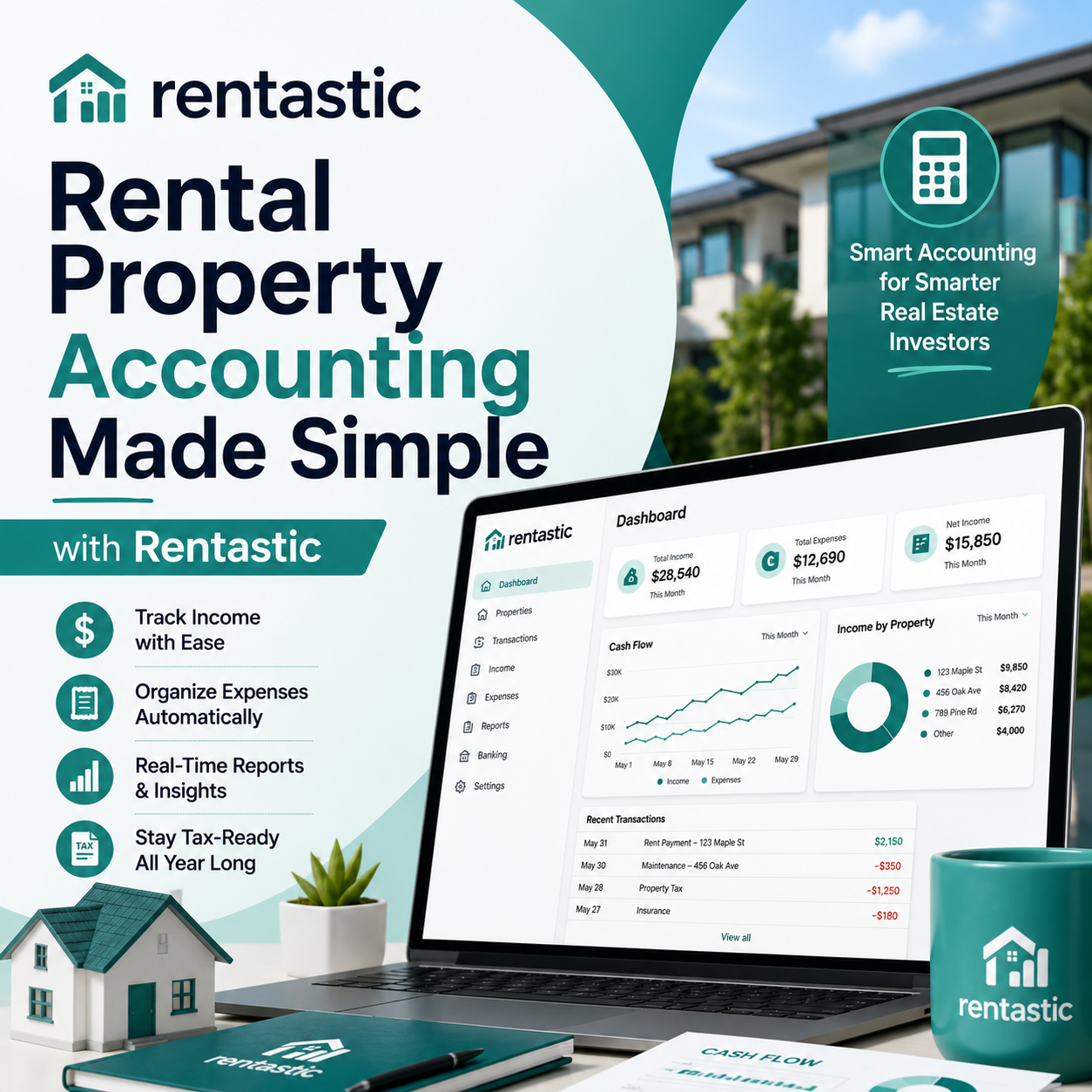
Automation can help you catch these issues earlier. Rentastic’s automated transaction imports can cut manual data entry by up to 80 percent, which makes it easier to see the true pattern of late or missed payments. When you combine that with customizable dashboards and real time alerts, you spot financial red flags quickly and can act before a minor delay becomes a serious default.
According to a 2024 user survey cited by Rentastic, investors who use automated reporting tools make decisions 30 percent faster. Faster decisions matter when you are deciding whether to work with a tenant on a payment plan, start the eviction process, or adjust your screening criteria for the next lease.
Every property needs upkeep. That part is normal. What changes with a bad tenant is the scale, timing, and surprise factor of your work orders.
A solid rule of thumb is to budget 1 to 3 percent of your property value each year for repairs and maintenance. If you skip routine checks, small issues can quickly turn into big ones. A slow leak becomes structural damage. A dirty filter becomes a burned out HVAC. When you add in tenant neglect or abuse, that damage curve steepens.
Problem tenants tend to:
That behavior drives your upkeep costs above your planned 1 to 3 percent range and eats into your annual cash flow. It also raises the risk of emergency repairs. These one off expenses, such as middle of the night plumbing work or rush electrical jobs, arrive with premium pricing and zero warning.
Nearly one in four landlords reported that unexpected expenses wiped out part of their rental income in a 2023 Rentastic analysis. Many of those surprises trace back to poor tenant behavior, from unreported leaks to unauthorized pets to overcrowding.
If you track repair costs by unit and by tenant, you will usually see a pattern. A small share of leases generate a large share of your maintenance headaches. That pattern is exactly what better screening aims to fix.
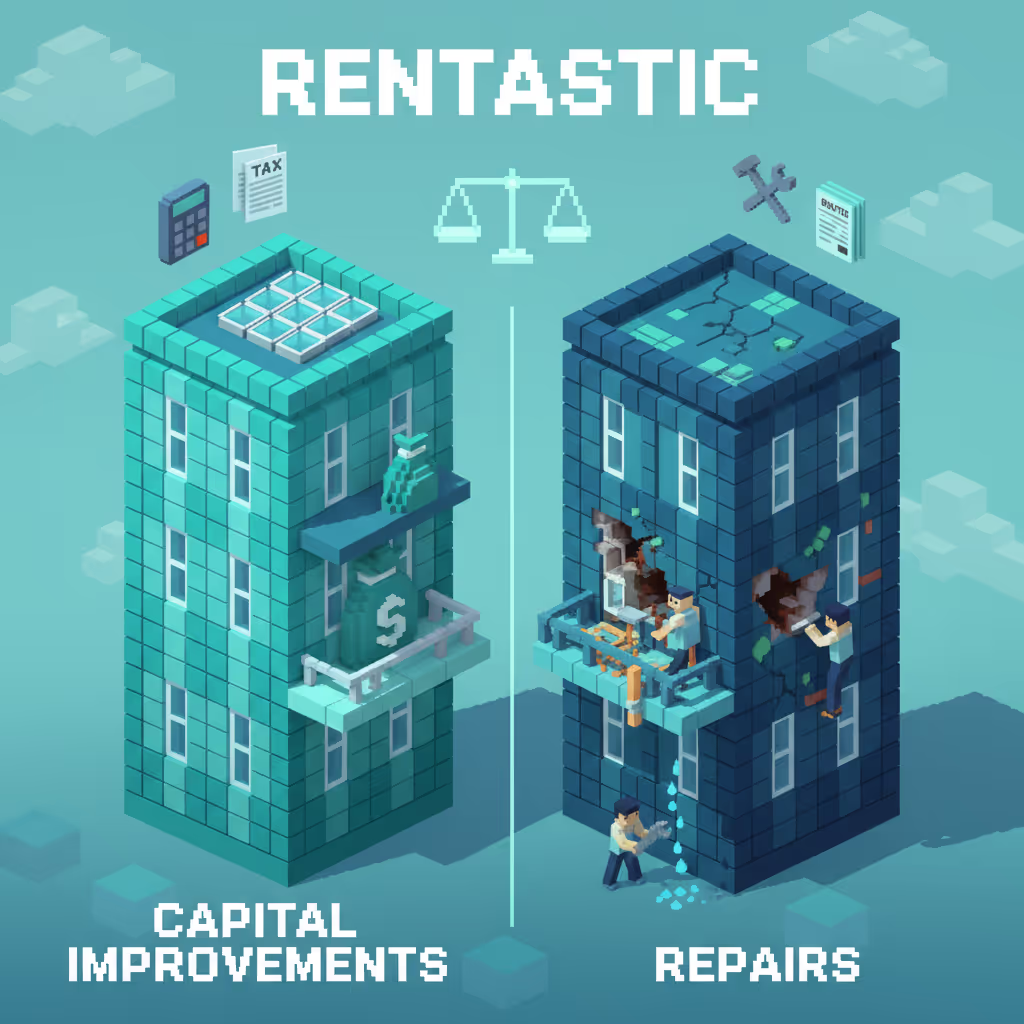
Repairs are the ongoing tune ups. Capital expenditures are the big ticket items like roofs, windows, and complete appliance packages. These do not show up every year, but when they do, the bill is large.
You can smooth this out by setting aside a reserve for capital expenses. One common example is to save about 1,571 dollars per unit per year for long term upgrades and replacements. When a bad tenant accelerates wear and tear, you draw on this fund instead of scrambling for new money.
Without reserves, you face a tough choice. Defer the project and risk further damage or pay for it with high interest debt or cash that was meant for the next investment. During a high interest rate period in 2025, some Rentastic users were able to reduce their borrowing costs from 8 percent to 4.1 percent and unlock 60,000 dollars in equity on a 235,000 dollar purchase by managing income and expenses more tightly through automation. Strong reserves and better data made those moves possible.
Bad tenants pull those timelines forward. A roof that could have lasted five more years ends up leaking because of neglected gutters. Appliances that should run for a decade fail early because of misuse. You cannot control every variable, but with solid screening and regular inspections you can protect your reserves from the worst of that early damage.
Evictions are expensive even when they go smoothly. Court filing fees, attorney time, sheriff costs, and unit turnover all stack up. When you factor in the rent you lose during the process and the extra vacancy afterward, a single eviction can erase a year of profit on that unit.
Ineffective tenant screening raises the odds that you face this situation. Renting to people without reviewing background and rental history increases your risk of late or non payment, as well as property damage and conflicts with neighbors. You might also face legal and compliance issues from renting to someone with a history of housing violations or disruptive behavior.
The real drag on your cash flow is not just the direct legal bill, it is the timeline. If a slow process keeps a nonpaying tenant in place for months, you lose income while your expenses continue. When you finally gain possession, you often face extra repairs, cleaning, and marketing to find a new renter. That means an extended vacancy on top of the original loss.
If you track your legal costs alongside rent performance by tenant, you will see quickly that the cheapest time to “pay” for a better tenant is before they ever move in.
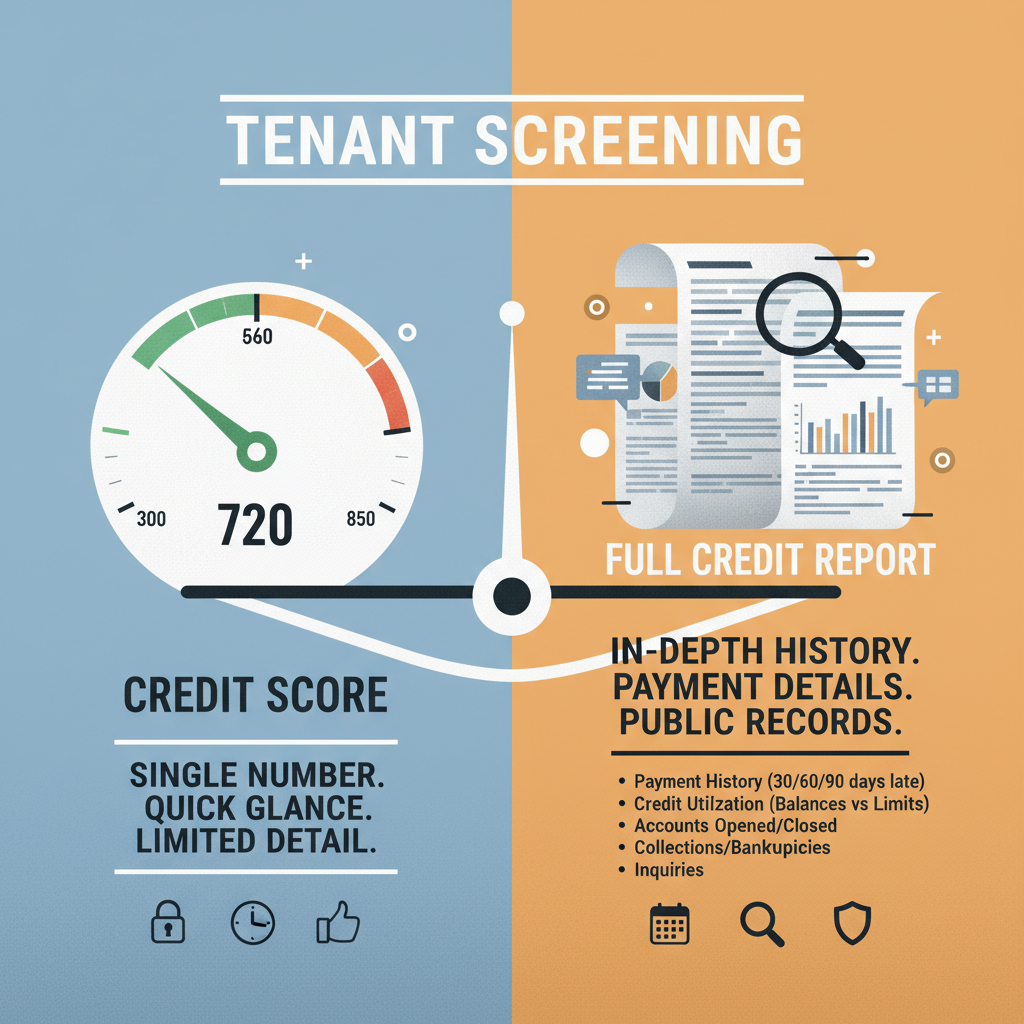
Screening is your first line of defense against the real cost of a bad tenant. A lax process does not just slightly increase your risk. It multiplies it across almost every expense category.
When you skip or rush key checks, you invite:
Rentastic’s 2025 content highlights how poorly screened tenants can lead to costly evictions and extended vacancies. You absorb marketing costs to find replacements, cover utilities in empty units, and sometimes offer concessions just to fill space again. That cycle lowers your overall profitability and makes your rental business feel less predictable.
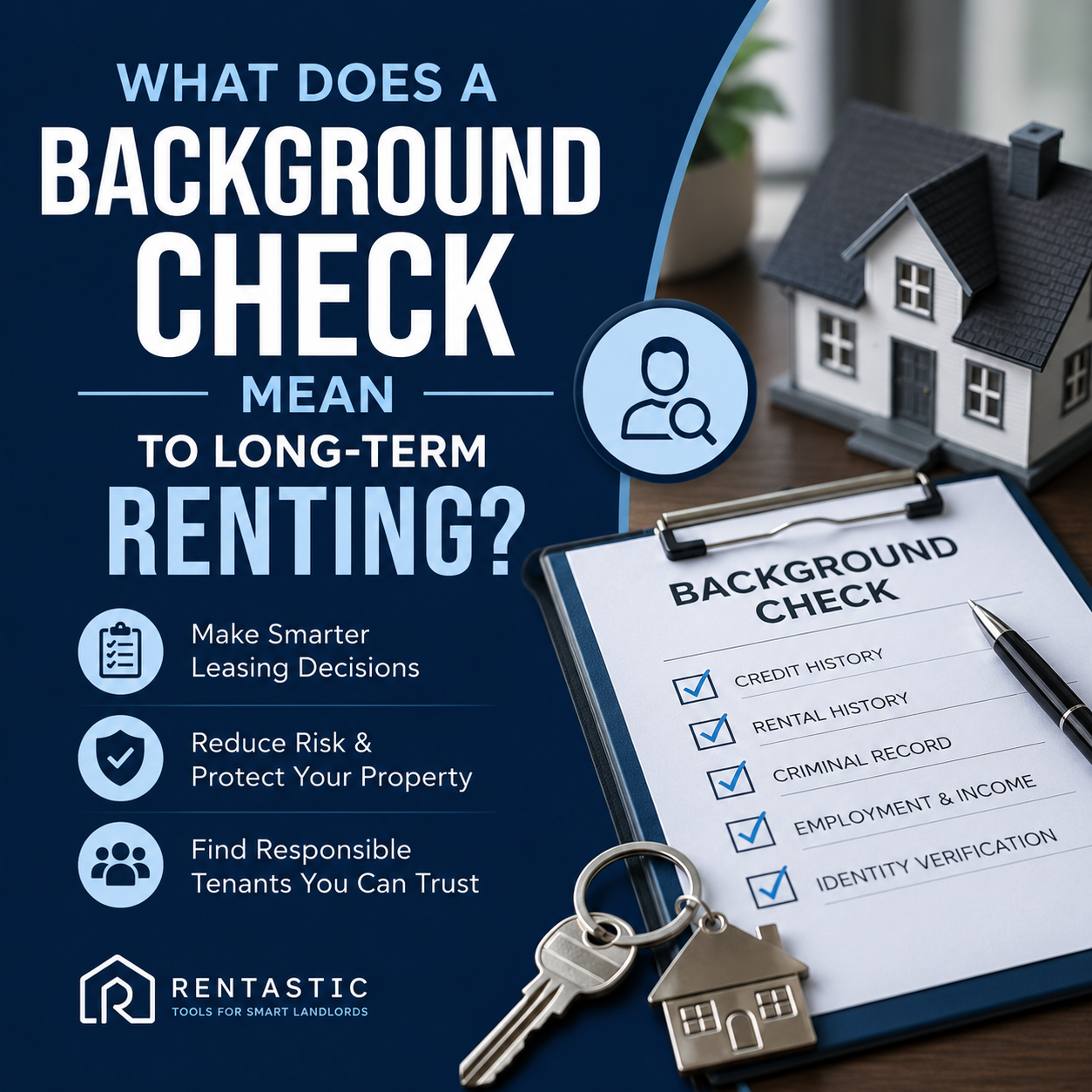
The good news is that strong screening does not have to be complicated or cold. It simply means you use a consistent, fair process that checks the right things every time, then documents what you found and why you approved or declined.
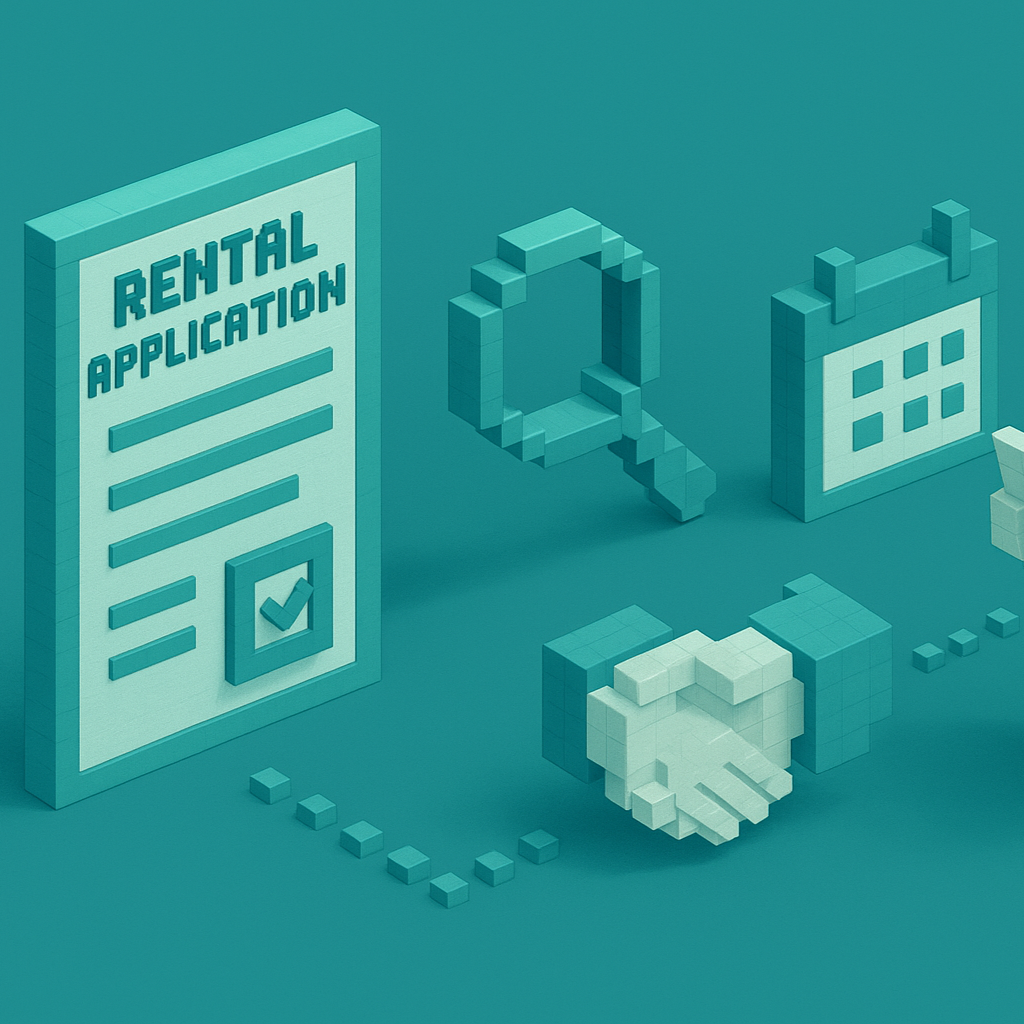
You do not need an army of analysts to screen well. You do need a repeatable system so you are not guessing from one application to the next.
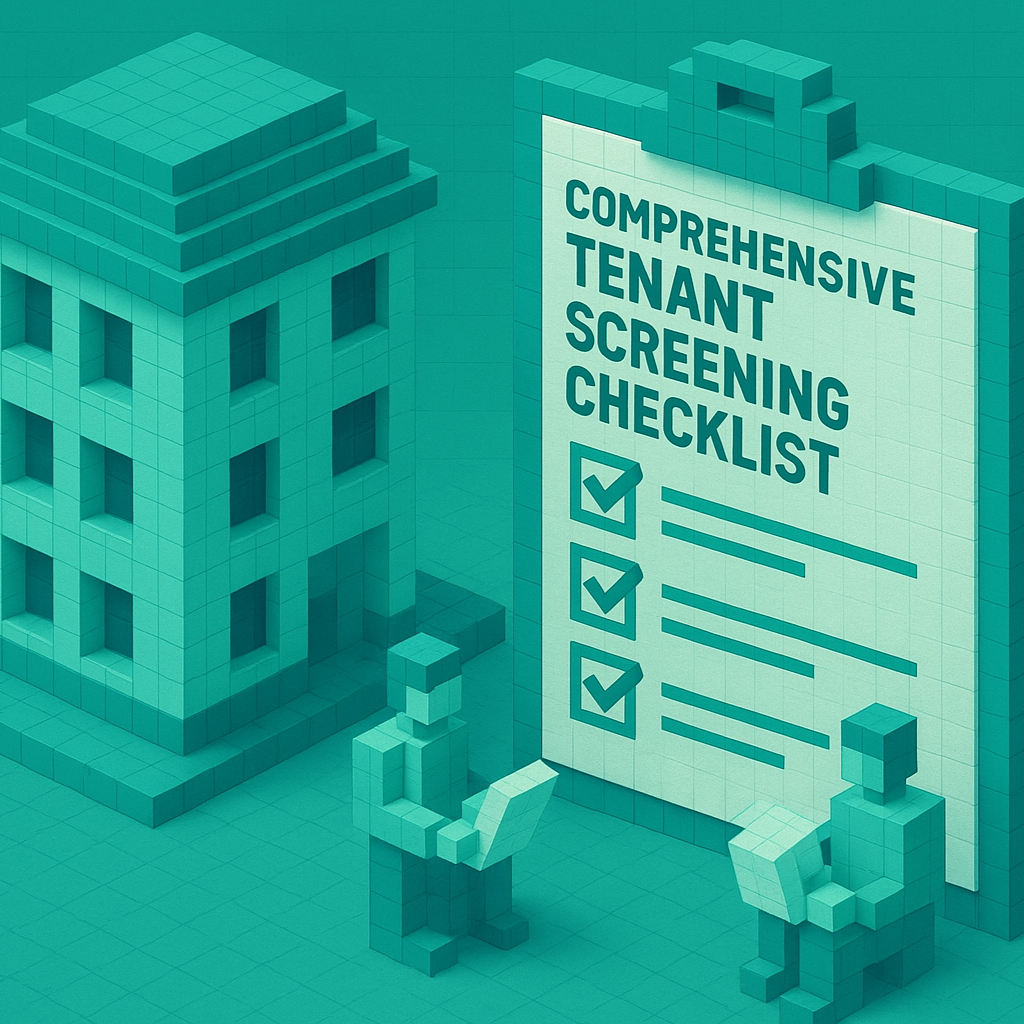
Here is a clear checklist you can adapt:
Strong screening does not guarantee perfection, but it significantly lowers the odds that you end up funding someone else’s mistakes out of your own pocket.
Most of the financial damage from a bad tenant grows in the dark. You only feel the full hit when the year ends and your tax preparer shows you the real numbers. Automation helps you turn on the lights much sooner.
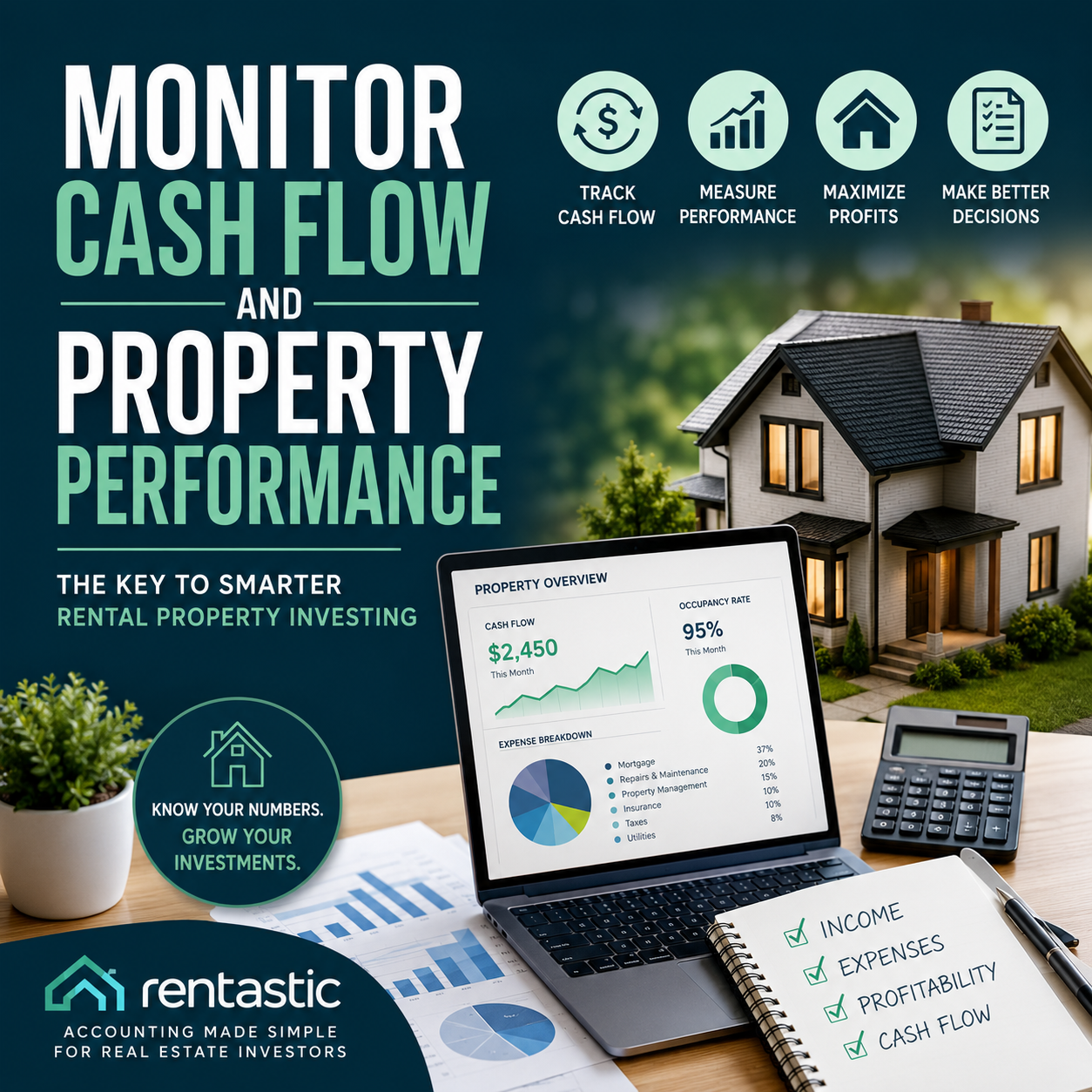
Rentastic’s automated transaction imports can reduce manual data entry by up to 80 percent. That means your income and expense data stays current with less effort. Once your data is flowing in cleanly, you can use customizable dashboards and real time alerts to watch for:
Rentastic’s Real Estate Cash Flow Report and profit and loss statements give you a clear view of how each property and even each unit is performing. When you see uncollected rent or high repair costs starting to cluster, you can adjust screening, leases, or management practices before the trend becomes permanent.
Effective management of uncollected rent also benefits from professional support. Working with property managers, attorneys, and tax advisors who understand your local landscape can help you design leases, notices, and processes that protect your rights while staying compliant. The 2025 Rentastic guide emphasizes that it is the mix of strong screening, clear agreements, automated tracking, and expert help that keeps your cash flow healthy.
You cannot remove all risk. Market shifts, job losses, and life events will always play a role in how tenants pay and how long they stay. What you can do is build resilience into your numbers and your systems so that one rough lease does not wipe out your year.
Here are practical moves you can start now:
The more you treat vacancy, uncollected rent, and surprise expenses as normal, predictable costs, the less power any one bad tenant has over your bottom line.
You work hard for your rental income. You deserve a portfolio that grows steadily instead of lurching from crisis to crisis. When you understand the real cost of a bad tenant, you can design your screening, budgeting, and systems so that even when a lease goes wrong, your annual cash flow, and your long term plans, stay on track.
RECENT POSTS


© 2025 Rentastic
Rentastic is registered as a trademark. Terms and conditions, features, support, pricing, and service options subject to change without notice.









.png)





















.png)


























Comments