
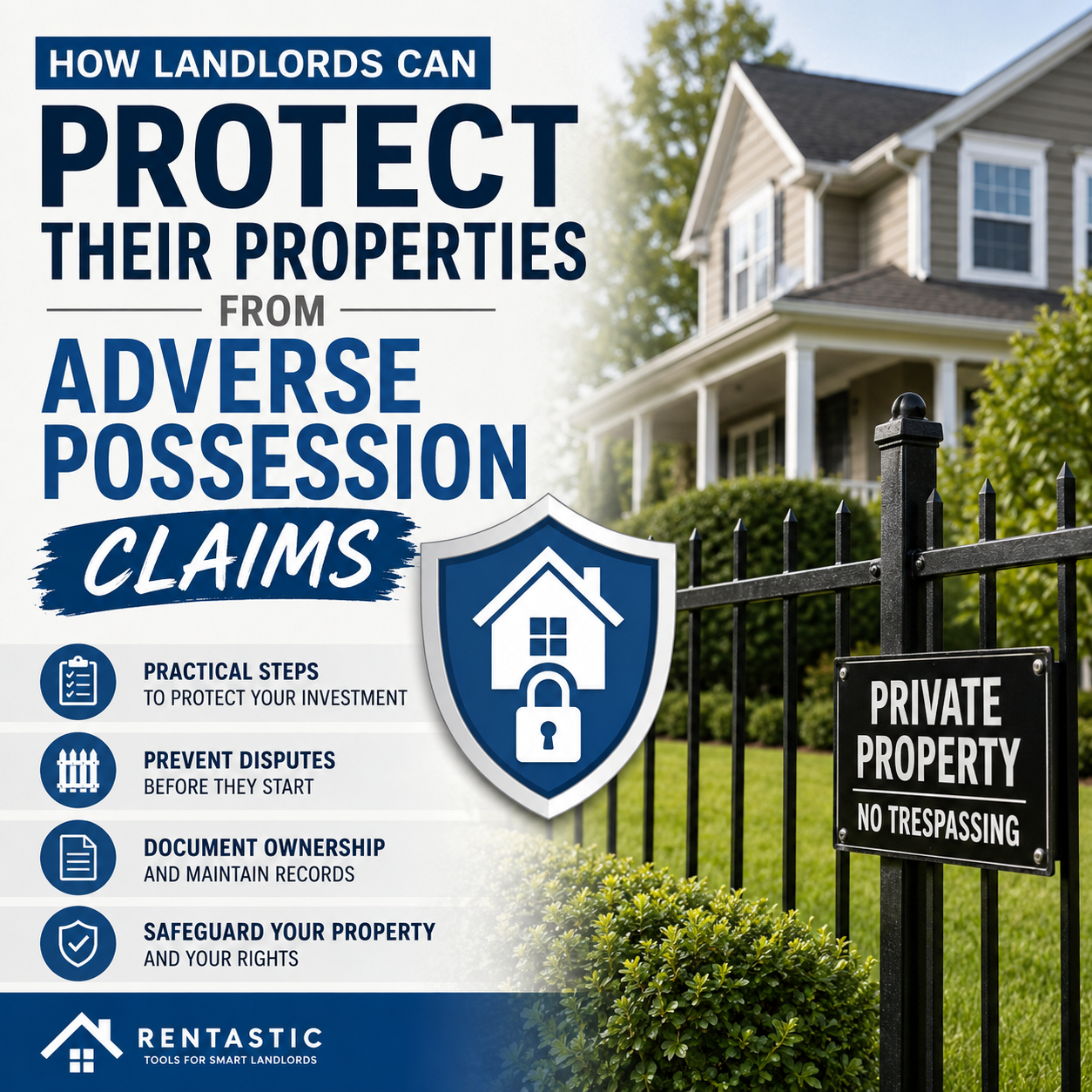
Property ownership comes with many responsibilities, but one risk that often goes unnoticed is adverse possession. While it may sound like an obscure legal concept, adverse possession can potentially impact landlords who neglect or fail to monitor their properties over extended periods.
Understanding how adverse possession works—and more importantly, how to prevent it—can help landlords protect their investments and maintain clear ownership rights. Fortunately, a few proactive property management habits can significantly reduce the risk.
Adverse possession is a legal doctrine that allows someone who occupies another person's property without permission to eventually claim ownership under certain circumstances. The specific rules vary by state, but adverse possession claims generally require the occupant to use the property openly, continuously, and without the owner's consent for a legally defined period of time.
For landlords and real estate investors, this means that abandoned, vacant, or poorly monitored properties may become vulnerable if unauthorized individuals begin occupying or using them.
The good news is that most adverse possession claims can be prevented through consistent property management and proper documentation.
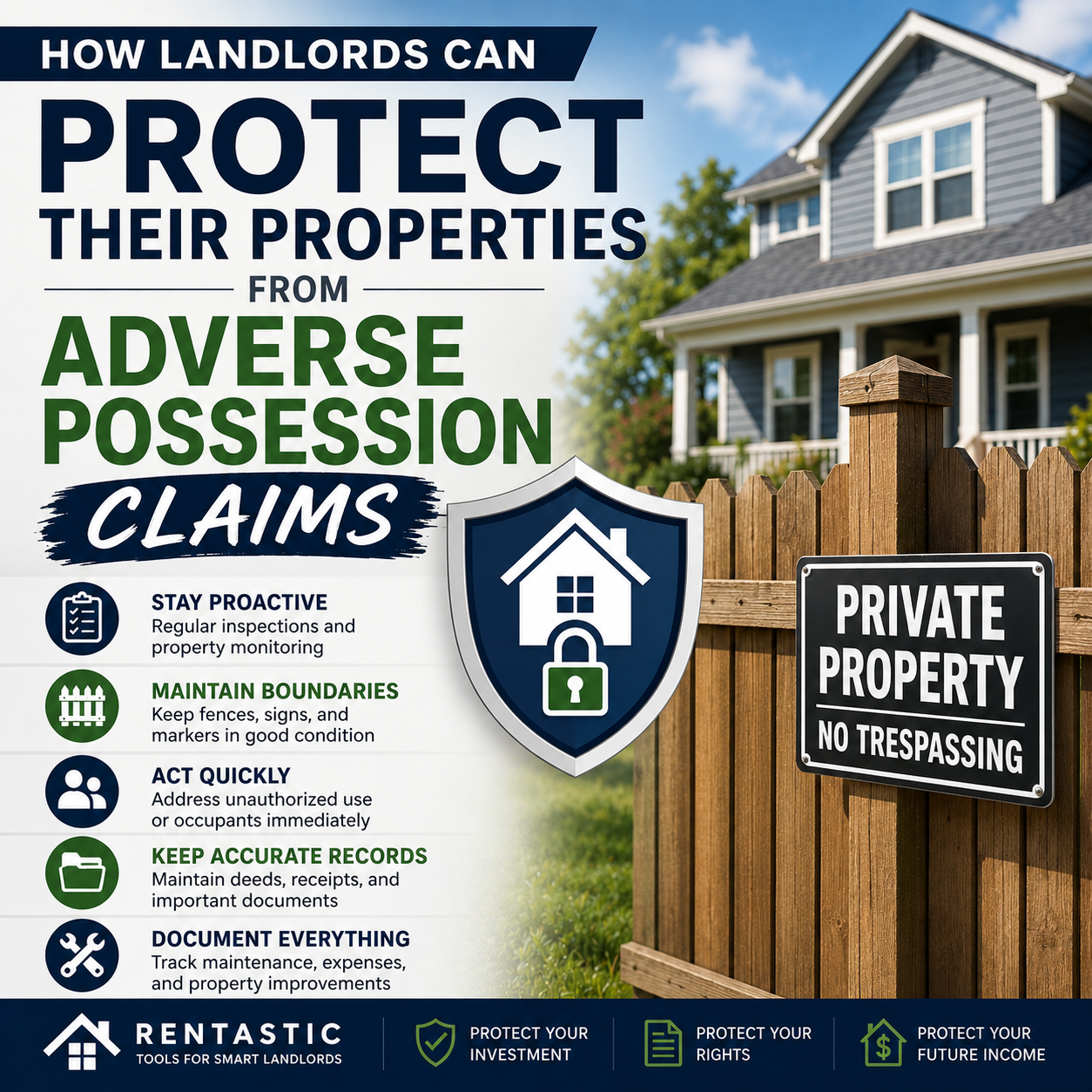
One of the most effective ways to prevent adverse possession is by routinely inspecting your properties.
Properties that sit vacant for extended periods are often the most vulnerable. Unauthorized occupants may move into vacant homes, use portions of land, or establish the appearance of ownership without the landlord immediately noticing.
Regular inspections help landlords:
Even if you use a property manager, it's important to establish a consistent inspection schedule and maintain records of inspection dates and findings.
Boundary disputes are a common source of adverse possession claims.
Over time, neighboring property owners may begin using portions of your land for parking, gardening, storage, or other purposes. If these situations go unaddressed for many years, they can potentially strengthen an adverse possession claim.
Landlords should:
Maintaining visible and accurate boundaries makes it much harder for others to claim they believed the property belonged to them.
Speed matters when dealing with unauthorized occupants.
If someone begins using or occupying your property without permission, taking immediate action can prevent future legal complications.
Landlords should:
Ignoring unauthorized occupancy can unintentionally strengthen a future adverse possession claim by allowing continuous use of the property.
The sooner an issue is addressed, the easier it typically is to resolve.
Clear documentation is one of the strongest defenses against property ownership disputes.
Landlords should maintain organized records that demonstrate ongoing ownership and management of the property.
Important documents include:
Having easy access to these records can help establish ownership if questions ever arise.
Digital record-keeping systems make it much easier to store and retrieve important documentation when needed.
Maintenance records can play a surprisingly important role in protecting property rights.
Every repair, improvement, inspection, and maintenance activity helps demonstrate that the property is actively owned and managed.
Examples include:
Detailed records create a timeline showing continuous involvement with the property.
This is one reason many landlords choose to use dedicated property bookkeeping software. Organized financial records not only simplify tax preparation but also create a documented history of property ownership and maintenance activity.
For landlords managing multiple properties, consistent expense tracking can become a valuable asset when defending ownership rights.
Vacant properties often face the highest risk of unauthorized use.
Whether a property is between tenants, undergoing renovations, or being held for future development, landlords should take extra precautions.
Recommended steps include:
A property that appears abandoned is far more likely to attract unauthorized occupants than one that clearly shows signs of active ownership.
For landlords who own multiple properties or invest from a distance, professional property management can provide an additional layer of protection.
Property managers can:
The more consistently a property is monitored, the lower the likelihood of an adverse possession issue developing unnoticed.
Many adverse possession disputes become battles over documentation.
Being able to quickly produce evidence of ownership, maintenance, tax payments, inspections, and property management activity can significantly strengthen a landlord's position.
This is why organized financial and operational records are essential for long-term real estate investing.
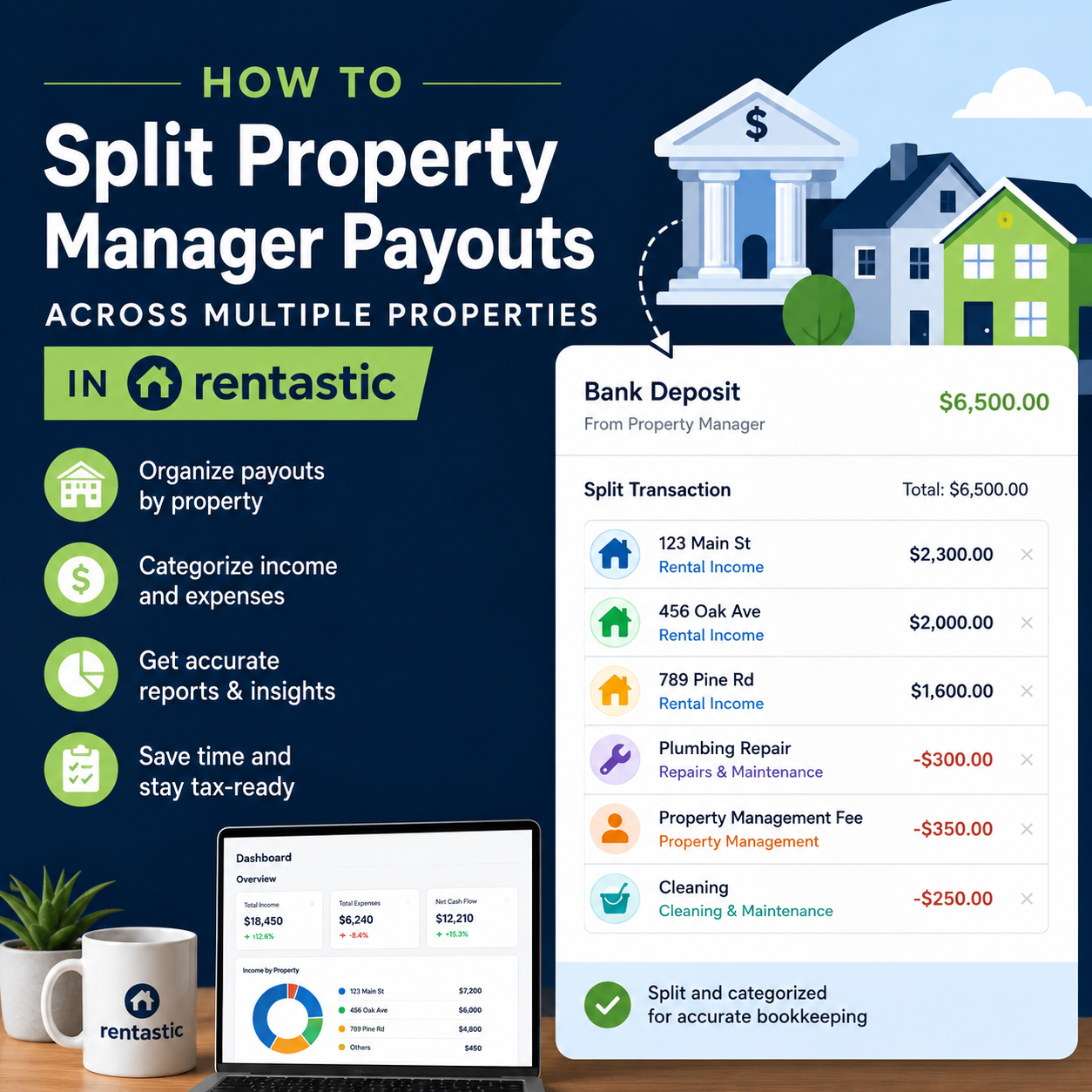
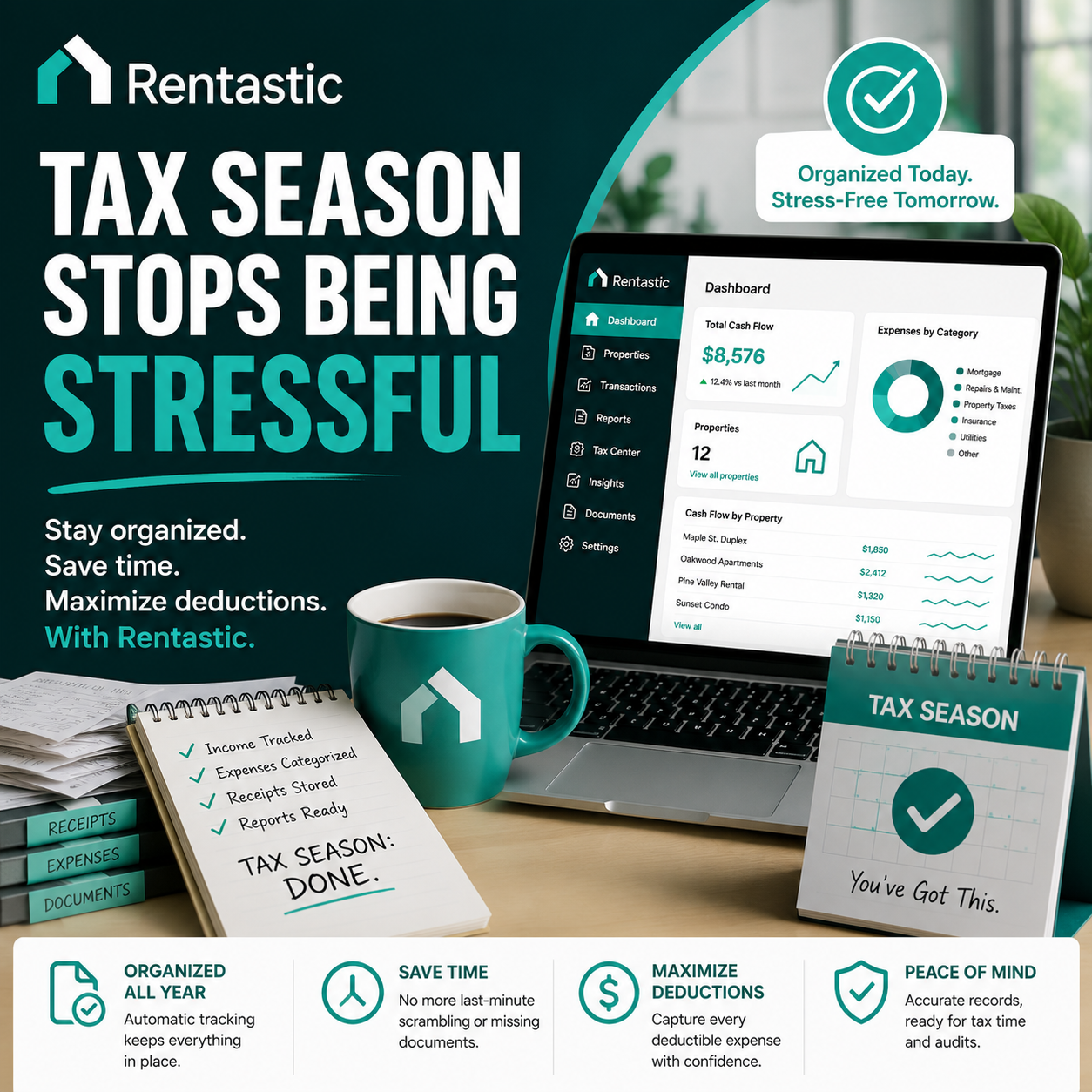
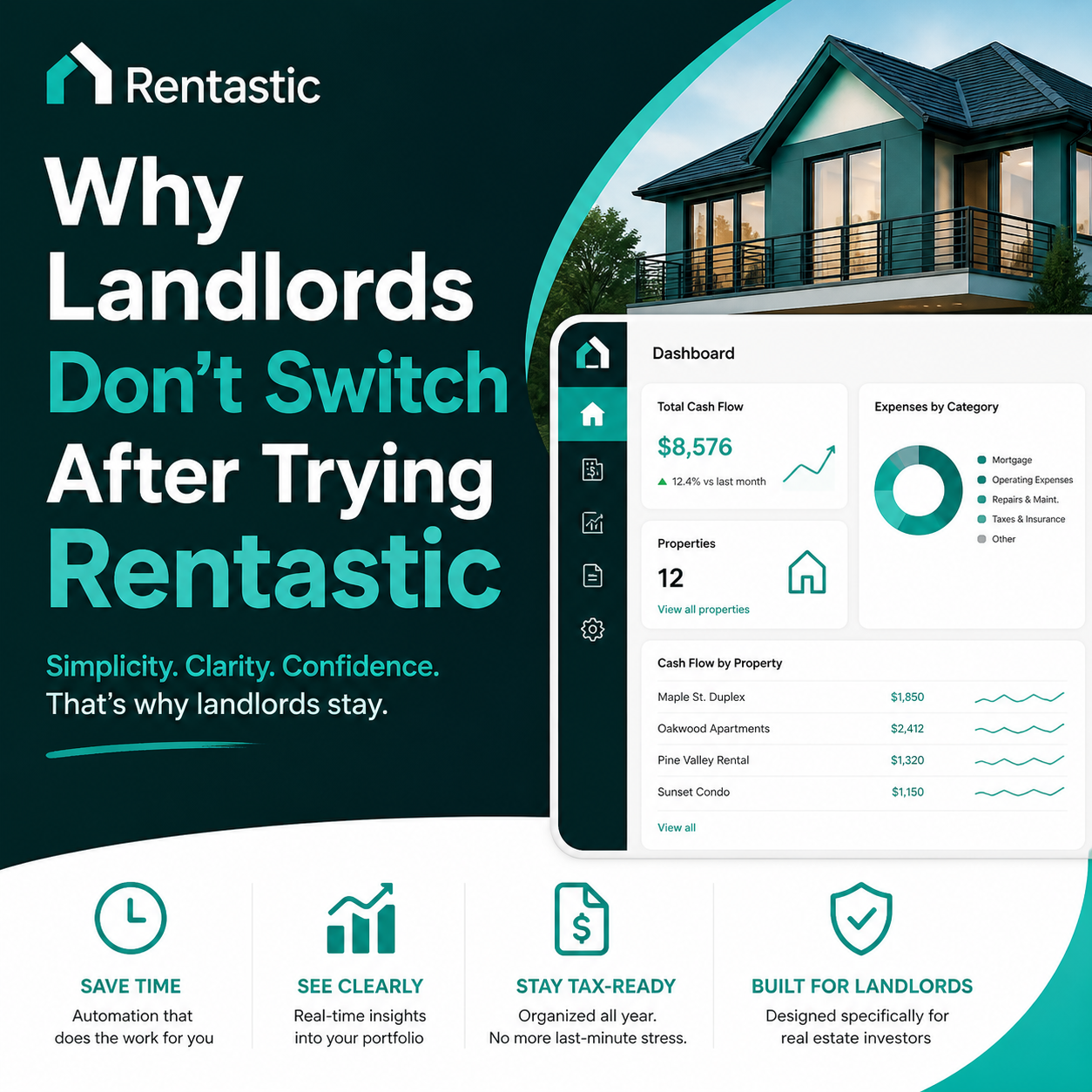
Tools like Rentastic help landlords maintain detailed records of expenses, maintenance costs, and property performance throughout the year. While bookkeeping software cannot prevent adverse possession directly, it creates an organized history of ownership activity that can support property protection efforts.
Adverse possession claims are relatively uncommon, but they can become costly and complicated when they occur. Fortunately, landlords can dramatically reduce their risk by staying actively involved with their properties.
Regular inspections, clear boundary maintenance, prompt action against unauthorized occupants, accurate ownership records, and detailed documentation all contribute to stronger landlord property protection.
The most effective strategy is simple: treat every property as an actively managed asset. Consistent oversight and thorough record-keeping not only help prevent adverse possession but also support better financial management, smoother operations, and stronger long-term investment performance.
RECENT POSTS


© 2025 Rentastic
Rentastic is registered as a trademark. Terms and conditions, features, support, pricing, and service options subject to change without notice.












.png)



























.png)

































Comments