

Owning rental property is an excellent way to build long-term wealth, but every real estate investor should also have a plan for what happens to those properties after they're gone. Without proper estate planning, beneficiaries may face legal delays, tax complications, and uncertainty about managing tenants and ongoing expenses.
Whether you own one rental home or an entire portfolio, understanding what happens to your investment properties after your death can help protect your family and preserve the value of your real estate investments.
The first step depends on how the property is owned.
Ownership structure determines who has legal authority over the property and whether it must go through probate.
Common ownership structures include:
Each option has different legal and tax implications, making estate planning an important part of owning rental real estate.
When a rental property is owned solely in the owner's name, it generally becomes part of the owner's estate.
The estate's executor or personal representative is responsible for:
In many cases, the property must pass through probate, a court-supervised process that can take several months or longer.
During probate, tenants typically continue living in the property and should continue paying rent to the estate.
Many experienced investors place rental properties into a revocable living trust.
Benefits include:
The successor trustee can immediately manage the property according to the trust instructions, minimizing disruption for tenants.
If the rental property is jointly owned with rights of survivorship, ownership generally transfers automatically to the surviving owner.
This avoids probate for that property.
However, ownership rules vary by state and by the way the deed is written, so investors should review their title documents carefully.
One common misconception is that tenants must immediately move out if the landlord dies.
In most cases, existing leases remain legally enforceable.
Tenants continue to:
The executor, trustee, or new owner assumes the landlord's responsibilities until ownership officially changes.
Good communication during this transition helps maintain positive tenant relationships and consistent rental income.
A mortgage doesn't disappear when the property owner dies.
The estate or new owner is generally responsible for:
Missing payments during estate administration could place the property at risk of foreclosure.
One major benefit beneficiaries often receive is the step-up in basis.
Instead of inheriting the property's original purchase price, heirs usually receive a tax basis equal to the property's fair market value at the owner's date of death.
This can significantly reduce future capital gains taxes if the property is eventually sold.
However, tax laws can be complex, so beneficiaries should consult a qualified tax professional before making major decisions.
Once ownership transfers, heirs typically have several choices.
Some beneficiaries decide to keep the rental property as an investment.
This allows them to:
Proper bookkeeping becomes especially important after ownership changes.
Others may choose to sell.
Reasons include:
The stepped-up tax basis often makes selling more tax-efficient than expected.
Beneficiaries may also transfer ownership into:
The right option depends on family goals, liability protection, and long-term investment plans.
Without an estate plan, families may experience:
Creating a clear estate plan helps ensure rental income continues with minimal disruption.
One of the greatest gifts investors can leave their heirs is organized financial documentation.
Maintain records such as:
Accurate records make it much easier for executors, trustees, accountants, and beneficiaries to manage inherited rental properties.
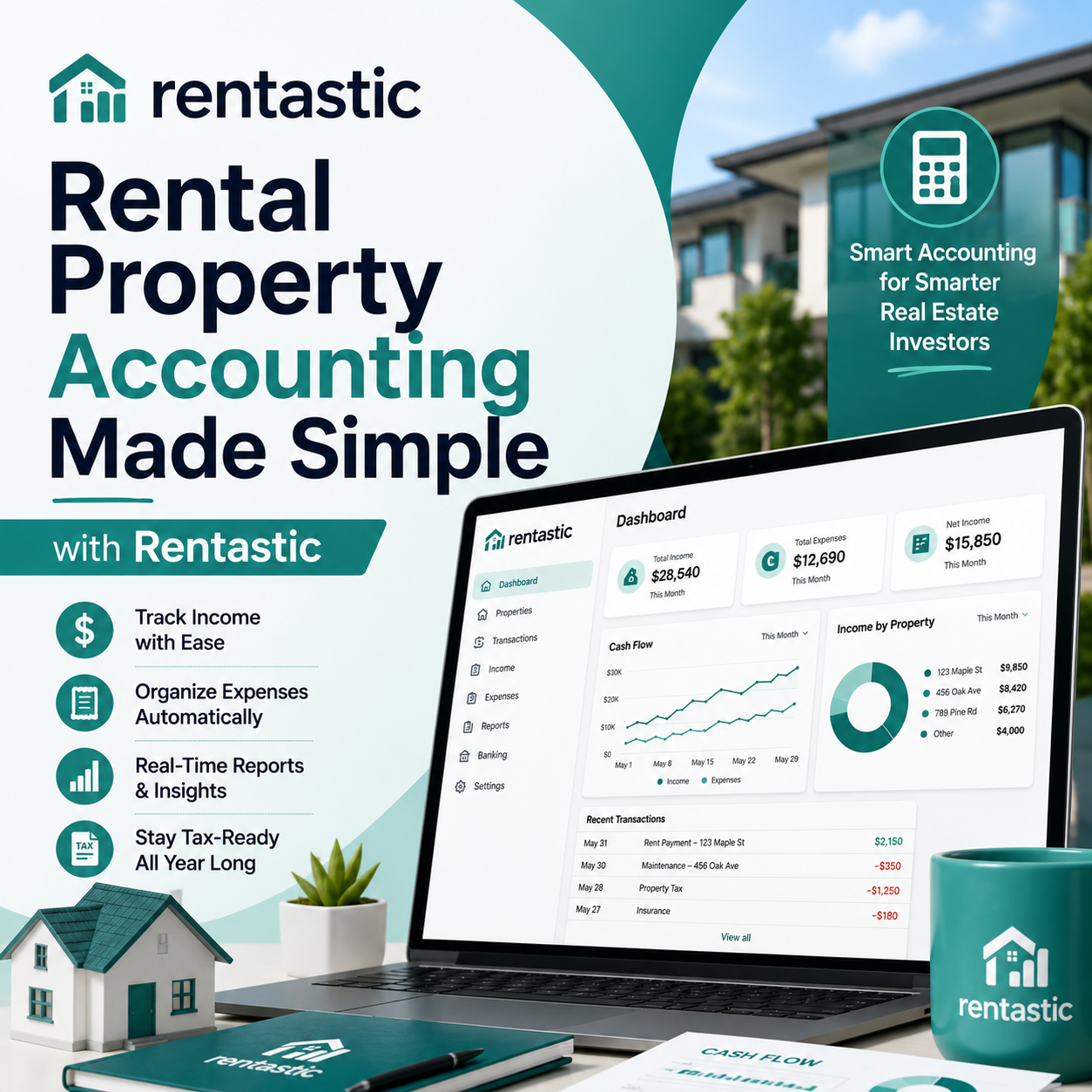
Using a rental property accounting platform like Rentastic allows investors to organize income, expenses, reports, receipts, and property records in one place, making estate administration far less stressful for loved ones.
No one likes thinking about end-of-life planning, but preparing for the future is one of the most responsible things a rental property owner can do. Whether your goal is to keep properties in the family, simplify the transfer process, or minimize legal complications, having a clear estate plan can make all the difference.
By understanding how rental properties transfer after an owner's death and maintaining accurate financial records throughout ownership, investors can protect both their legacy and the people who will inherit it.
RECENT POSTS


© 2025 Rentastic
Rentastic is registered as a trademark. Terms and conditions, features, support, pricing, and service options subject to change without notice.





.png)






















.png)


































Comments