
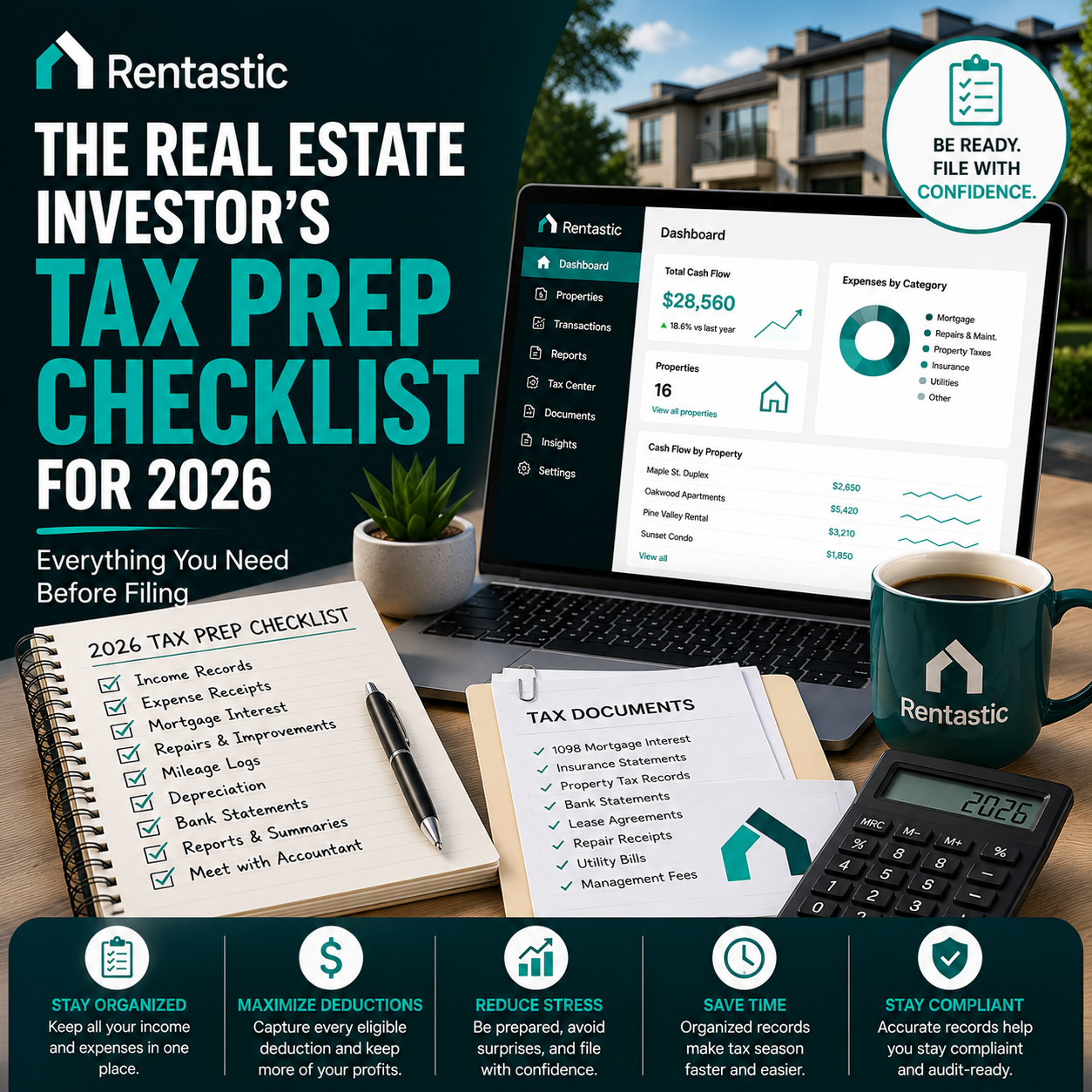
Tax season can either be a smooth process—or a complete nightmare.
For many real estate investors, the difference comes down to one thing:
Preparation.
Waiting until the last minute to organize receipts, categorize expenses, or gather reports often leads to stress, missed deductions, and costly mistakes.
But investors who stay organized throughout the year can file faster, reduce headaches, and approach tax season with confidence.
If you want a smoother filing experience in 2026, here’s the ultimate tax prep checklist every real estate investor should follow before filing.
The first step in preparing for tax season is making sure all rental income is properly tracked and documented.
This includes:
Investors should ensure their records match their bank deposits and financial reports.
Missing or inaccurate income reporting can create major problems later, especially during audits or financial reviews.
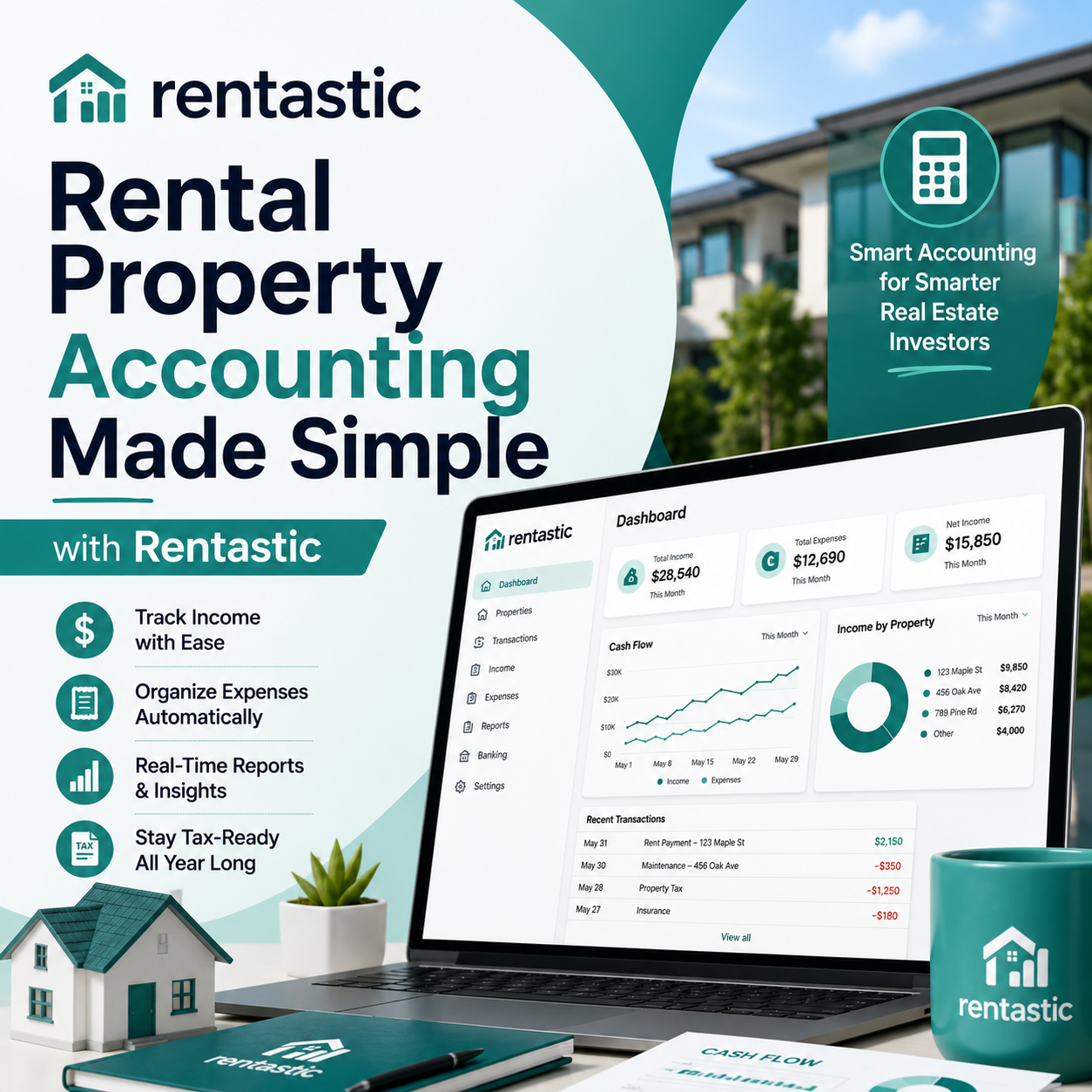
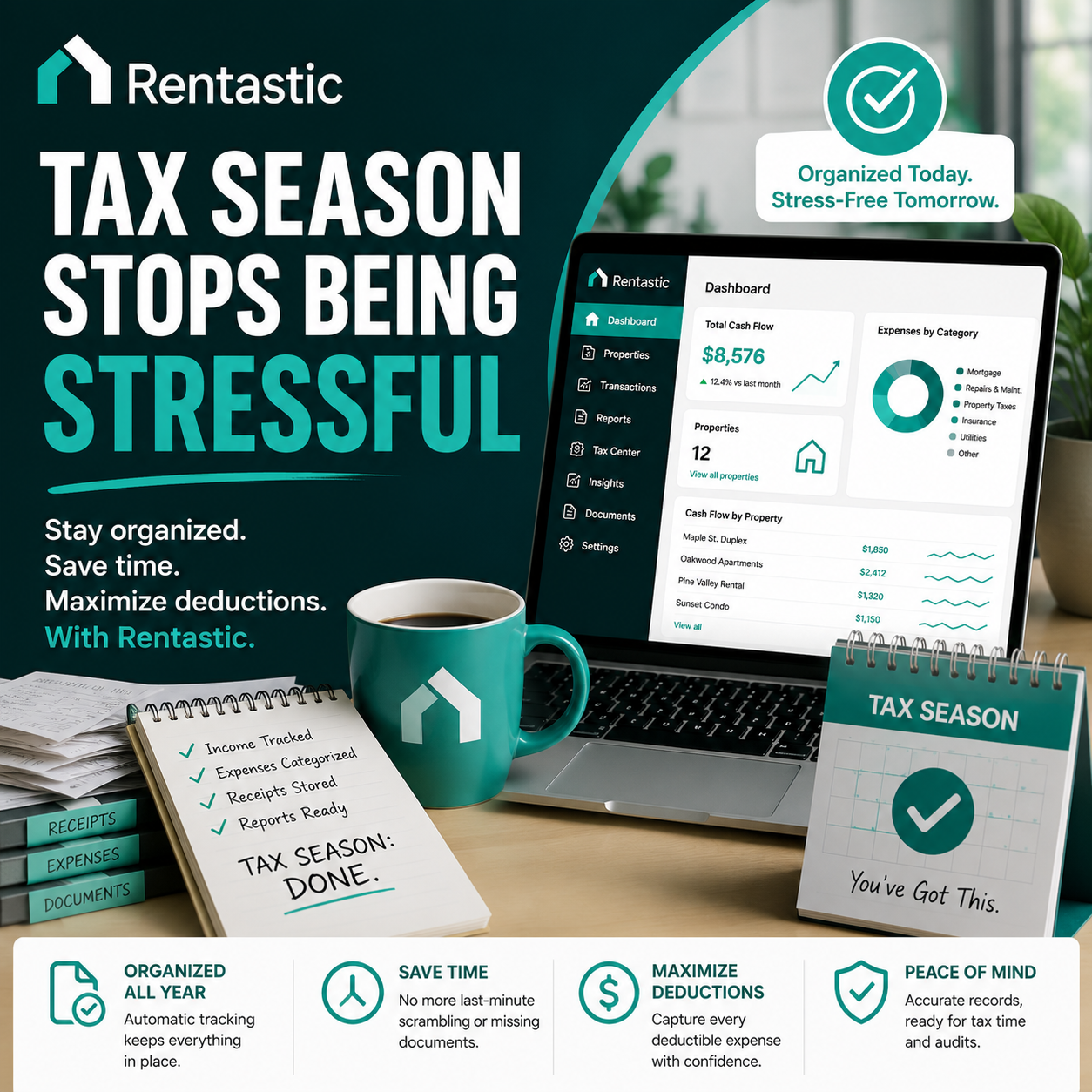
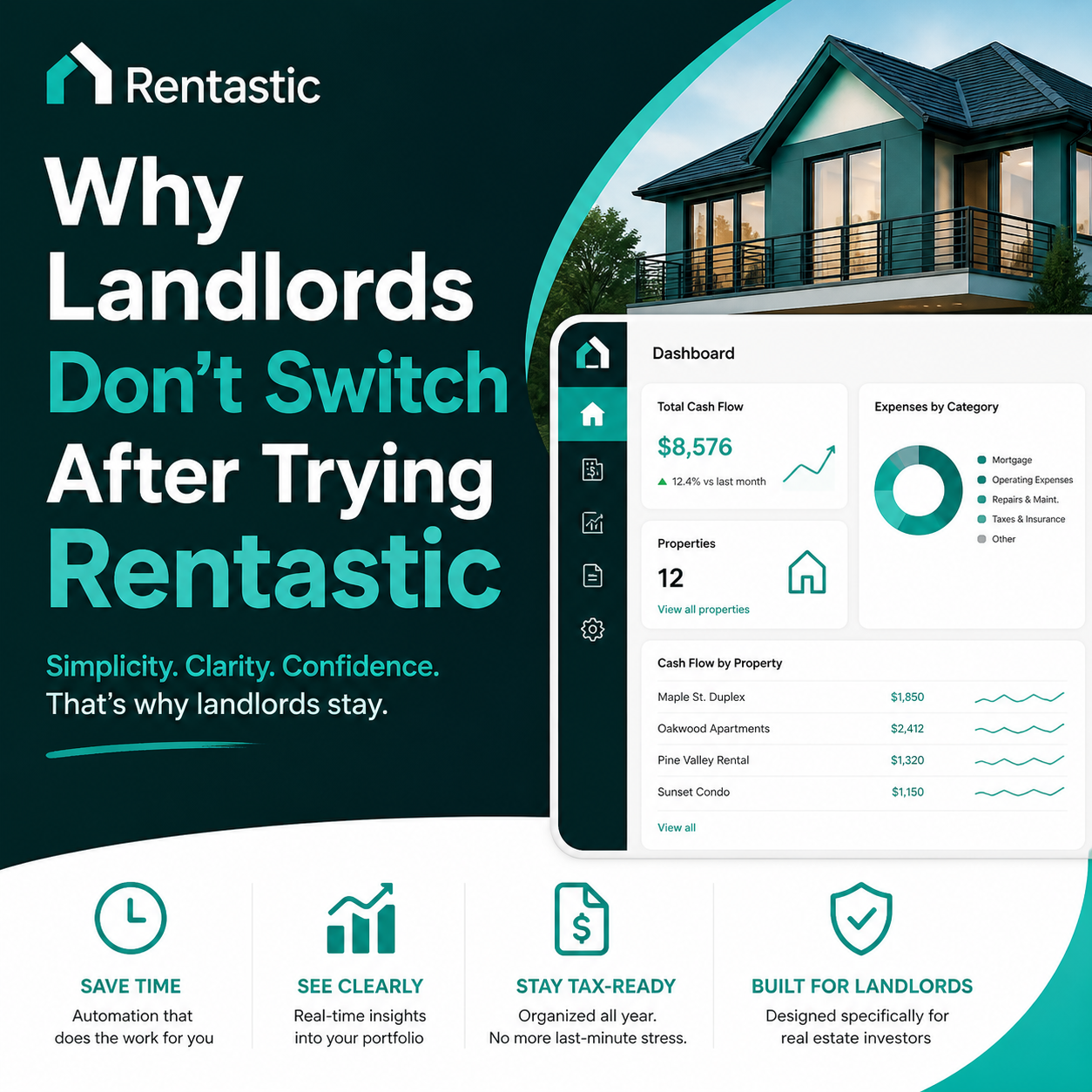
Keeping everything centralized inside a system like Rentastic makes this process significantly easier because income tracking stays updated year-round.
One of the biggest tax mistakes investors make is failing to properly categorize expenses.
Accurate categorization is critical because it helps:
Before filing, review expenses related to:
Clean bookkeeping throughout the year dramatically reduces stress during this step.
Mortgage interest is often one of the largest deductions available to real estate investors.
Be sure to collect:
Review these carefully to ensure amounts are accurate and properly reflected in your financial records.
Missing mortgage interest deductions can significantly impact taxable income.
As portfolios grow, it becomes increasingly important to evaluate performance property by property.
Before filing taxes, investors should review:
This helps identify inconsistencies, missing data, or unusual expenses before filing.
Platforms like Rentastic simplify this process by automatically organizing reports around individual properties.
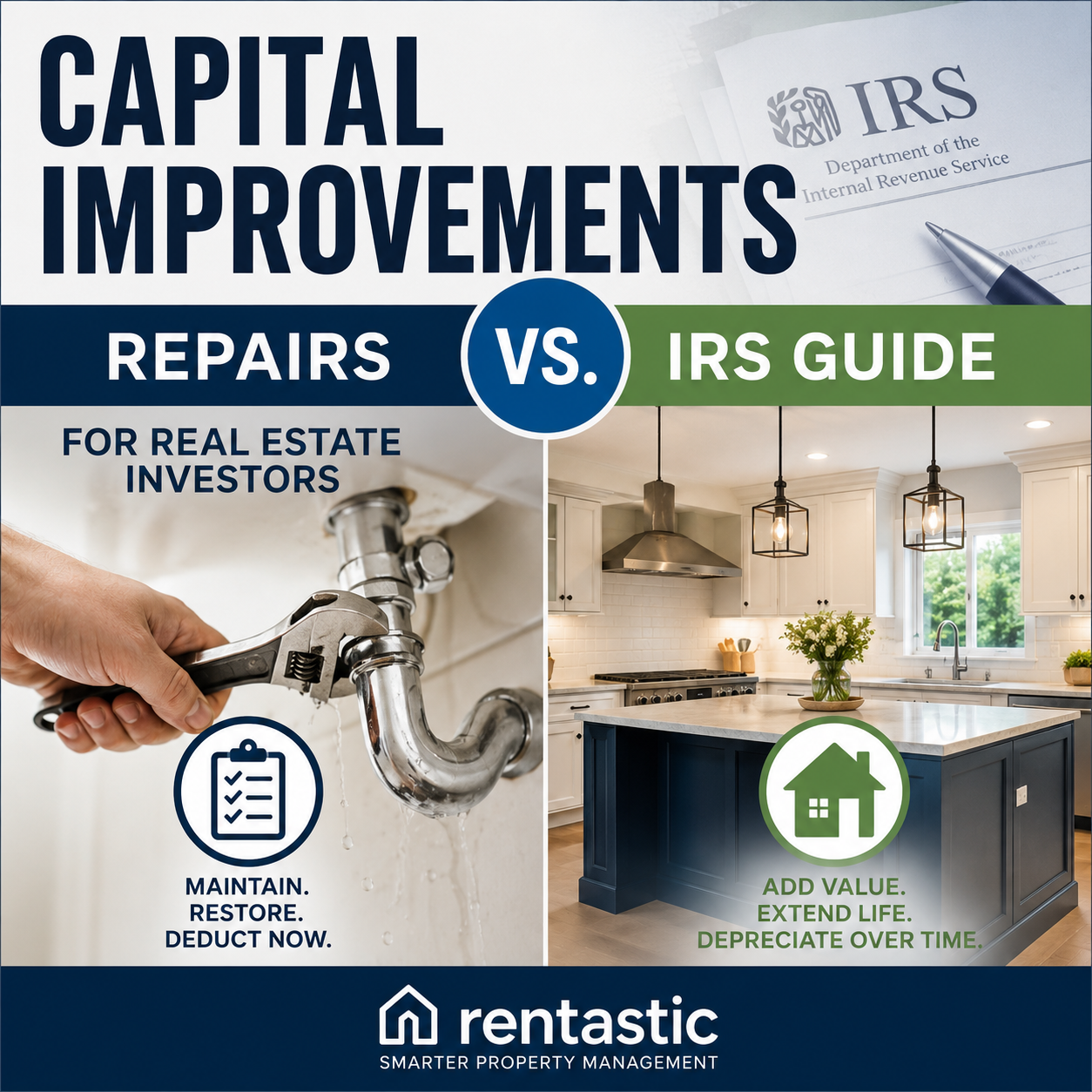
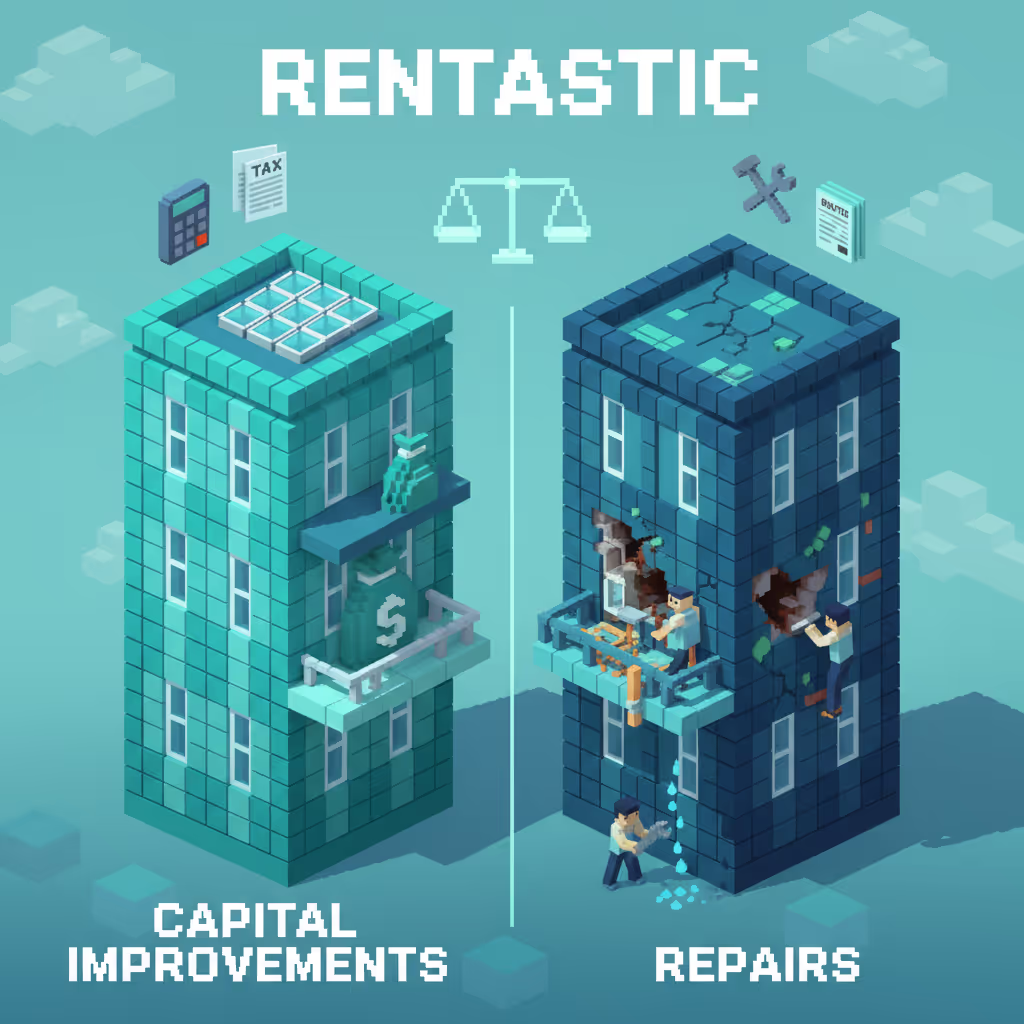
One of the most important distinctions investors need to understand is the difference between:
Repairs are generally deductible in the current year, while improvements are often depreciated over time.
Examples of repairs:
Examples of improvements:
Proper classification is essential for accurate tax reporting.
Many real estate investors forget to track mileage and travel-related expenses tied to managing their properties.
Potential deductible travel expenses may include:
Before filing, ensure mileage logs and supporting documentation are complete and accurate.
Small overlooked deductions can add up quickly over the course of a year.
Depreciation is one of the most valuable tax benefits available to real estate investors.
Before filing, review:
Accurate depreciation tracking helps ensure investors fully benefit from available deductions while maintaining proper compliance.
Before submitting tax information, investors should reconcile all financial accounts.
This means verifying that:
Unreconciled accounts can create reporting inaccuracies and tax complications later.
Automated transaction imports inside Rentastic help reduce many of these issues by keeping records consistently updated throughout the year.
Documentation matters.
Even if expenses are already categorized, investors should maintain organized supporting records for:
Digital storage makes this much easier compared to relying on paper files and folders.
Having organized documentation also helps investors feel more prepared in case questions arise later.
One of the smartest things investors can do is avoid waiting until the filing deadline approaches.
Meeting with an accountant early allows time to:
The earlier financial records are prepared, the smoother the filing process becomes.
And when books are already organized inside a platform like Rentastic, accountants can work more efficiently with cleaner data.
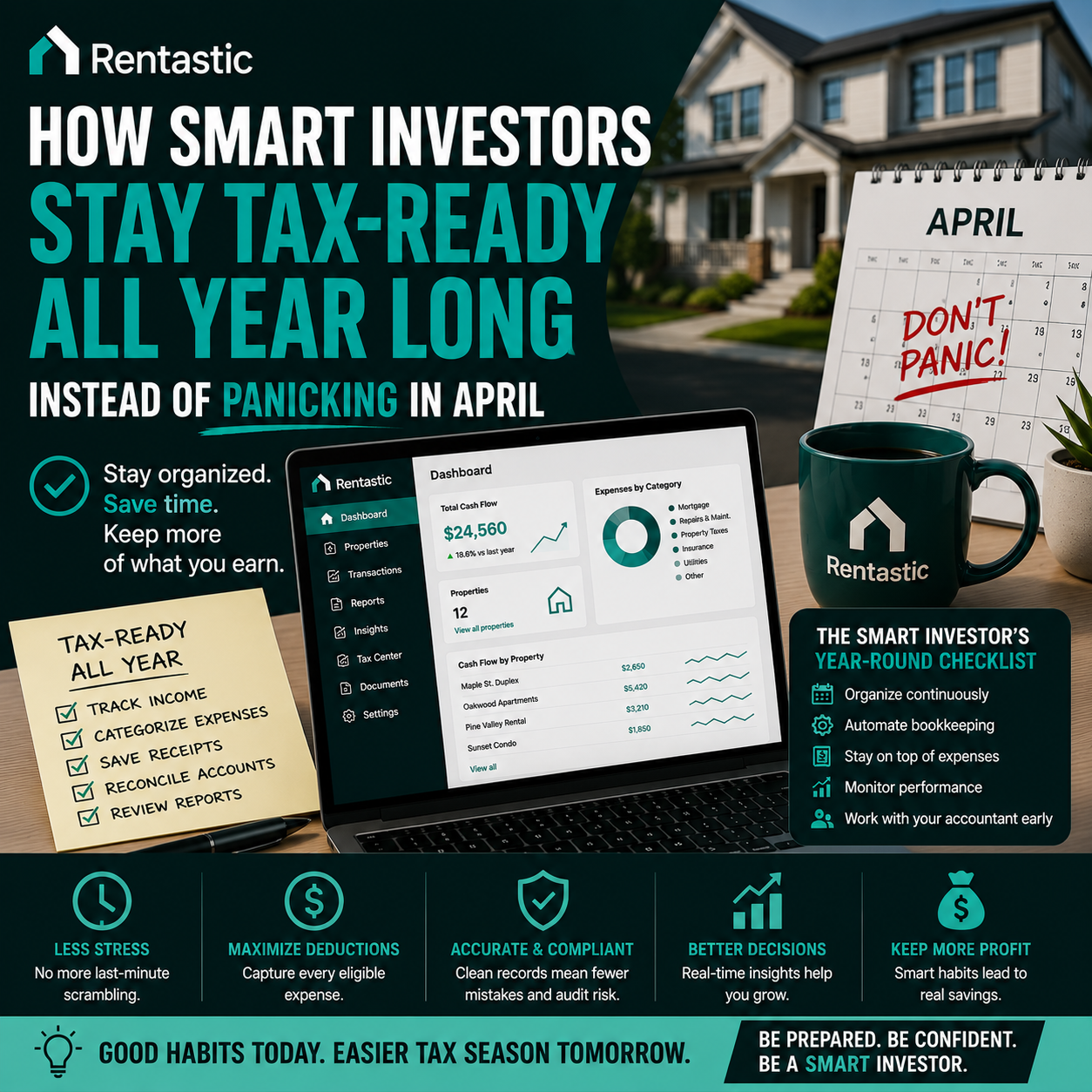
The biggest secret to stress-free tax preparation isn’t working harder during tax season.
It’s staying organized before tax season even begins.
When bookkeeping is handled consistently throughout the year:
That’s why more landlords and real estate investors are moving away from spreadsheets and manual bookkeeping systems.
Automation and organized financial tracking save enormous amounts of time and stress.
Tax season doesn’t have to feel overwhelming.
With the right preparation, real estate investors can simplify the filing process, reduce costly mistakes, and stay fully organized heading into 2026.
The key is consistency:
Because when your books are already clean and your reports are ready…
Tax season becomes far less stressful—and far more manageable.
RECENT POSTS


© 2025 Rentastic
Rentastic is registered as a trademark. Terms and conditions, features, support, pricing, and service options subject to change without notice.



.png)




























.png)








































Comments