
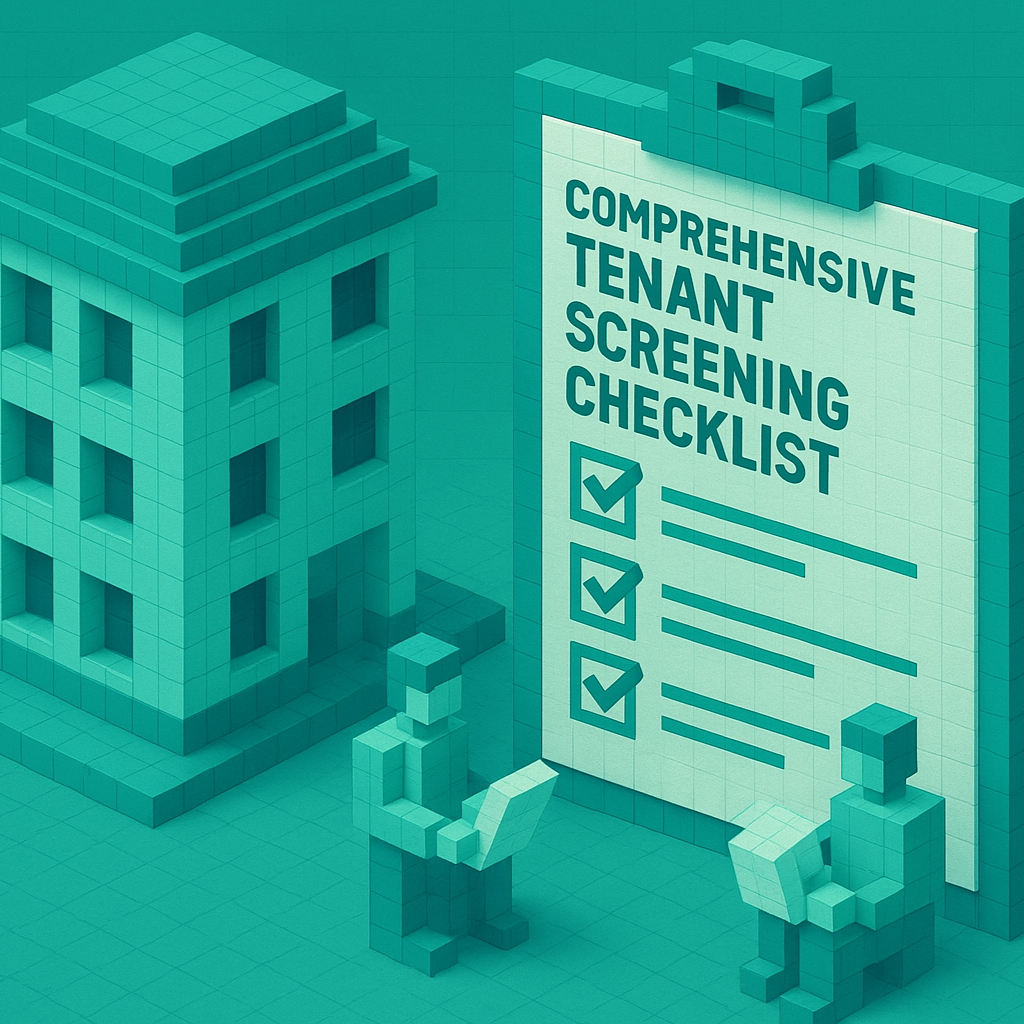
Nearly every first-time landlord worries about the same thing: what if you pick the wrong tenant and it blows up your numbers?
An ineffective tenant screening process can lead to late or non-payment of rent, property damage, evictions, long vacancies, legal issues, and constant turnover. The good news is that you can avoid most of this with a clear, consistent system.
This complete tenant screening checklist for first-time landlords (2026 guide) walks you step by step from first inquiry to lease signing. You will see what to collect, what to verify, where AI tools help, and where legal lines sit so you do not cross them.
Use it as a working playbook you can run every time you fill a vacancy.
Before you post your listing, you need screening criteria in writing. This protects you from fair housing issues and keeps your decisions consistent.
Set clear, objective standards such as:
Write these down and apply them the same way to every applicant. If you later tweak your standards, note the date and reason.
This is also where you decide which steps are mandatory. For example, you might say: no application is approved without income verification, a credit check, and confirmation from at least one previous landlord.
If you are unsure how strict or detailed this should be, it can help to read a big-picture overview like tenant screening 101: a simple checklist every new landlord should follow so you see how your criteria compare.
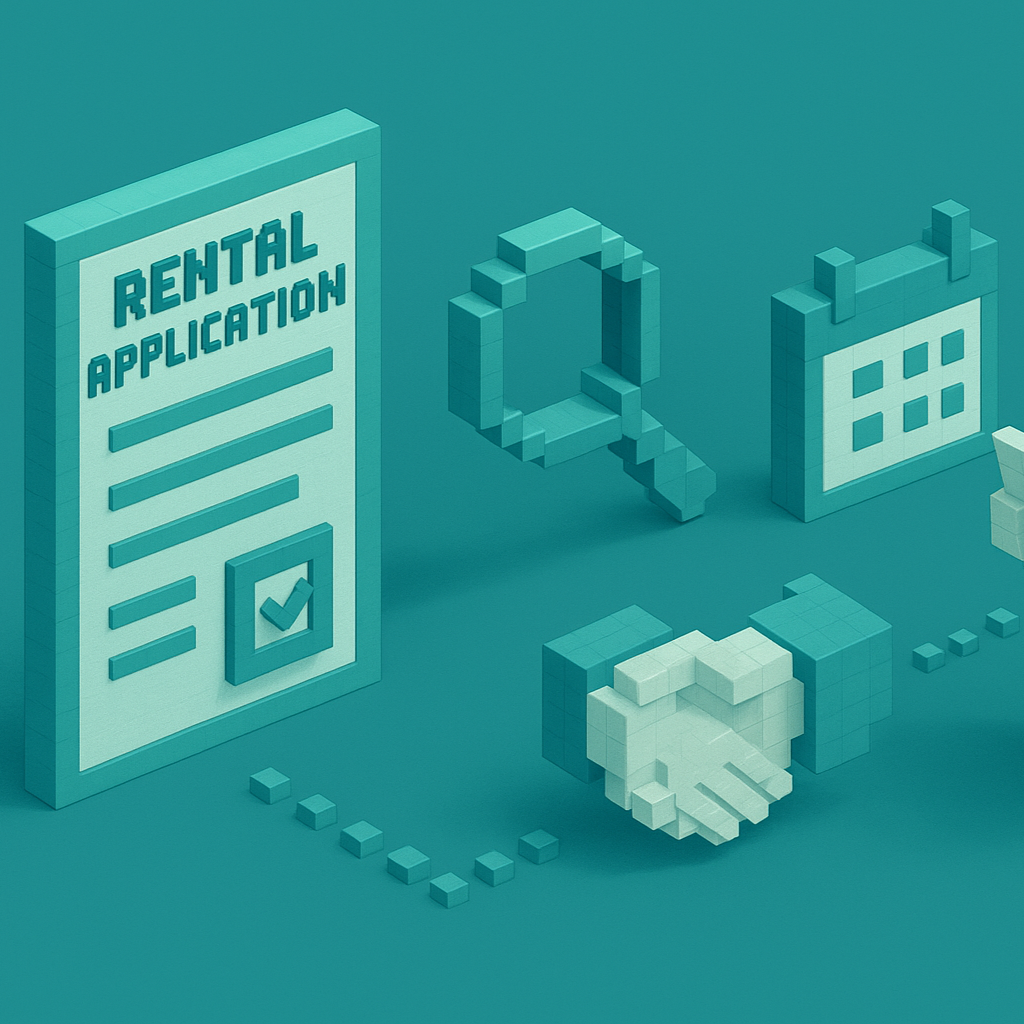
Your rental application is your first filter. A complete tenant screening checklist for first-time landlords should always start here.
According to the 2026 guide on Rentastic.io, a thorough application form is the first essential step because it collects critical information you will use later to verify and decide. At minimum, your form should ask for:
Build this once, then reuse it for every vacancy so you are not reinventing your process each time.
Two small but important points. First, include a signature line where the applicant confirms that the information is true and authorizes background checks. Second, double-check that every question complies with your local fair housing and privacy laws. If in doubt, ask an attorney or property management pro to review it.
Before you dive into credit and references, confirm that the person is who they say they are and that the basics line up.
Ask for:
Cross check the application details with the ID and address. Look for red flags like:
If anything feels off, you can politely ask the applicant to clarify or provide additional documentation before you move forward.
Your tenant can be friendly and polite, but if the numbers do not work, you are taking on risk. A solid tenant screening checklist always includes a clear financial stability assessment.
A widely used rule of thumb is that a tenant’s monthly income should be at least three times the monthly rent. In 2026, you can verify this with:
The 2026 tenant screening checklist from Rentastic.io emphasizes verifying employment history through employer letters or workplace calls. With the applicant’s consent, a quick employer call can confirm:
If income is inconsistent, for example for freelancers or gig workers, look for total earnings over several months rather than a single big deposit. You can also ask for additional documentation, such as client contracts, to see whether the pattern looks sustainable.
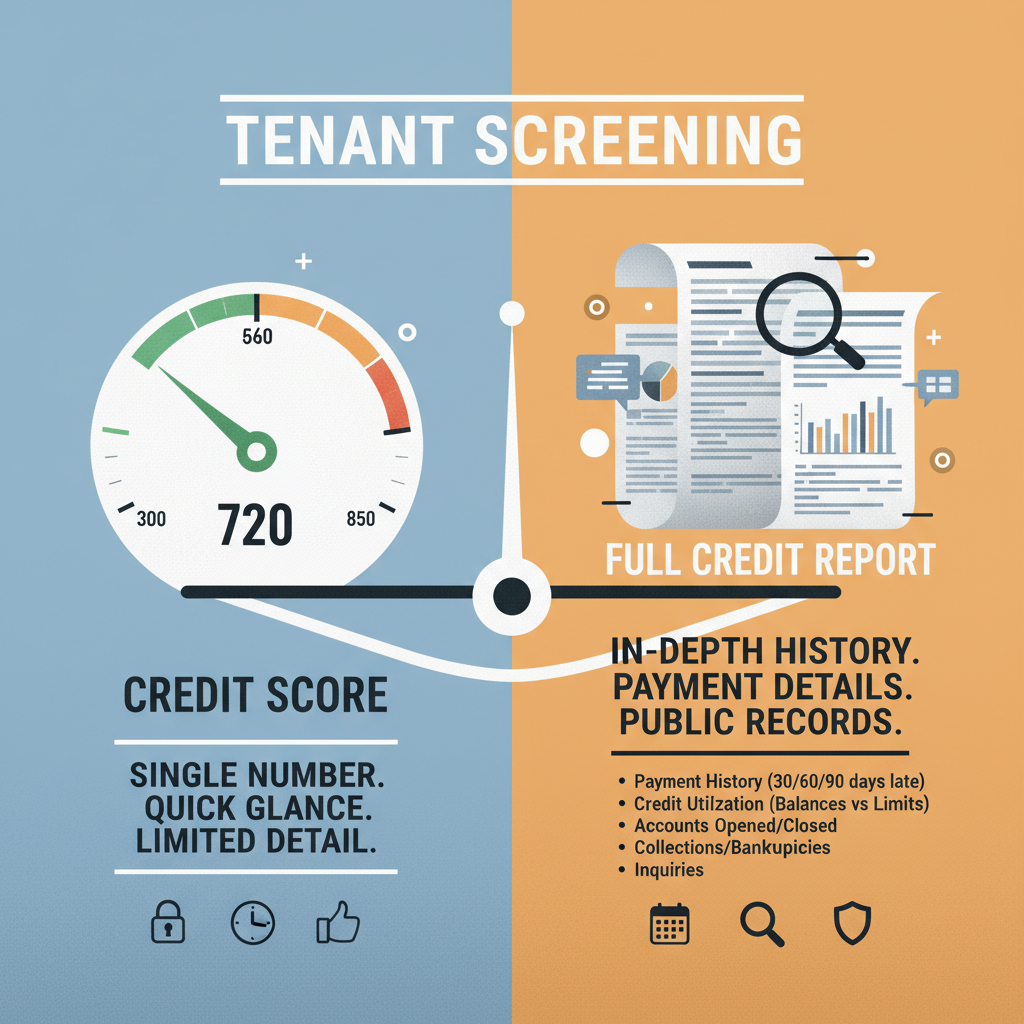
Credit checks are not about perfection, they are about patterns. A late payment a few years ago is not the same as an ongoing pattern of missed obligations.
In 2026, first-time landlords are encouraged to conduct credit checks through tenant screening services or credit bureaus. These services typically show:
When you review the report, focus on:
You can decide in advance what you will accept. For example, you might approve an applicant with a fair credit score and one old collection if their income is strong and rental history is excellent.
AI powered tenant screening tools in 2026 can automate parts of this assessment. They evaluate credit scores and payment data quickly and flag risky patterns, which is particularly helpful if you handle multiple units or applications at once.
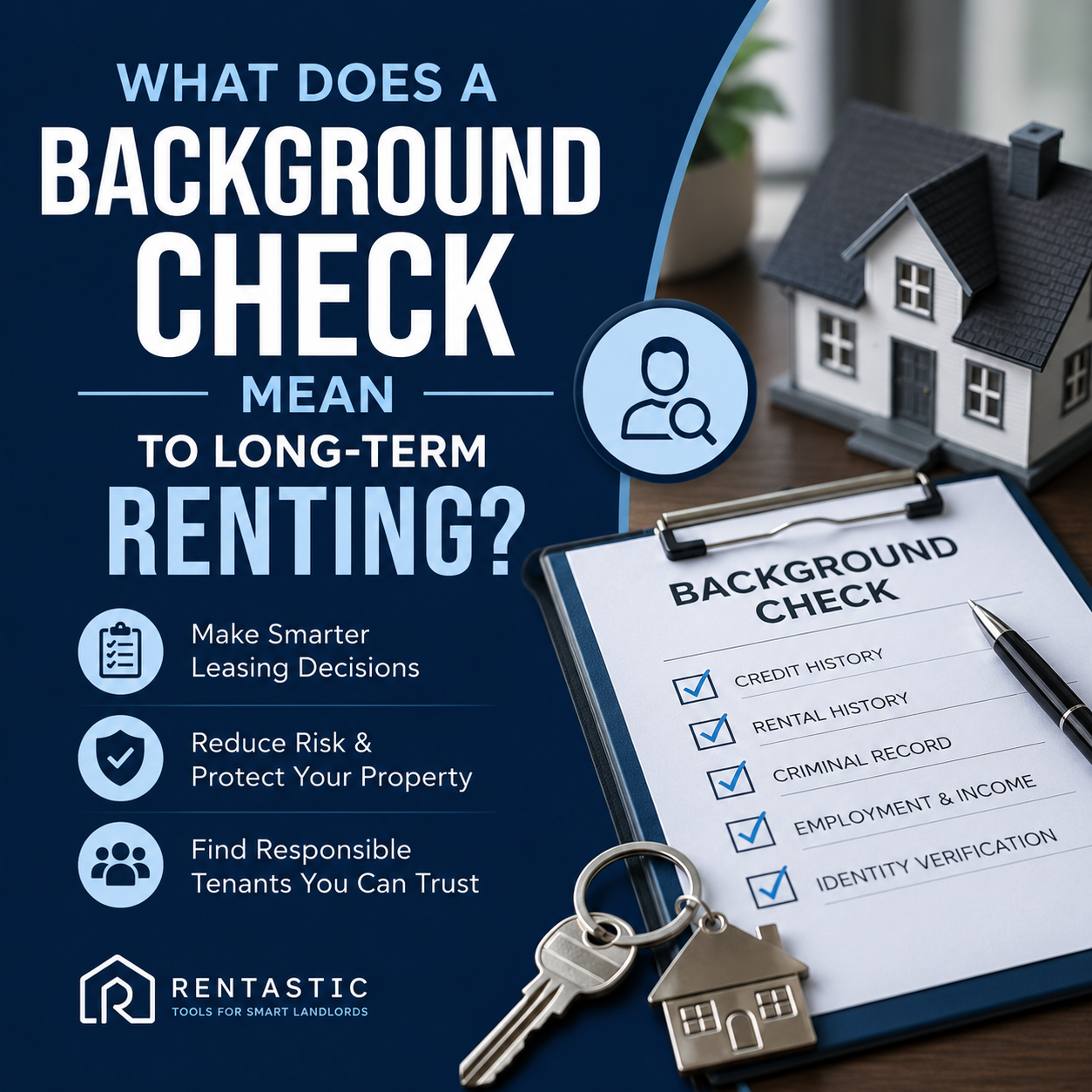
Criminal and eviction checks help you understand potential risk to your property and other tenants. At the same time, you need to follow fair housing and local laws that restrict how you can use certain types of criminal history in your decision.
A typical background report from a tenant screening company includes:
In 2026, many landlords rely on these providers to keep up with changing regulations. Rather than manually pulling records from multiple courts, you can use a screening service that is built to comply with current rules, then interpret the results against your written criteria.
When you review the report, consider:
You cannot simply reject applicants across the board for any criminal record in many jurisdictions. Instead, you need a documented, case by case assessment that connects the history to a legitimate business concern such as safety or property protection.
Rental history is often the strongest predictor of what your experience will be like. The 2026 tenant screening process highlights this step as a key filter.
When you contact prior landlords, focus on the basics:
You can cross check details from the application to make sure you are talking to a real landlord, not a friend pretending to be one. For example, look up the property owner in public records or online maps and see if the name matches.
The 2026 guide also suggests getting personal references from employers, colleagues, or friends. These can help you understand:
You do not need a long conversation for each call. Ten focused minutes per reference can reveal more than any form will.
Numbers and reports matter, but so does fit. The 2026 tenant screening checklist advises interviewing tenants to understand personality and expectations, while strictly adhering to fair housing laws.
A quick 15 to 20 minute chat, in person or via video, can cover:
Treat this like choosing a compatible roommate in terms of communication and expectations, not like a personal interrogation. Keep questions focused on the tenancy, not on protected characteristics like family status, religion, or national origin.
If you are unsure what you can and cannot ask, it is worth studying a resource on legal compliance such as tenant screening checklist + legal tips: how first-time landlords stay compliant.
By 2026, AI is no longer a fancy extra in property management. It quietly handles a lot of the grunt work for you, especially if you are a first-time landlord juggling a day job and your first rental.
AI powered tenant screening tools can:
Advanced AI capabilities like predictive analytics and machine learning help you spot patterns you might miss on your own. For example, they can forecast the likelihood of late payments or early move outs by comparing your applicant’s profile to thousands of past tenancies.
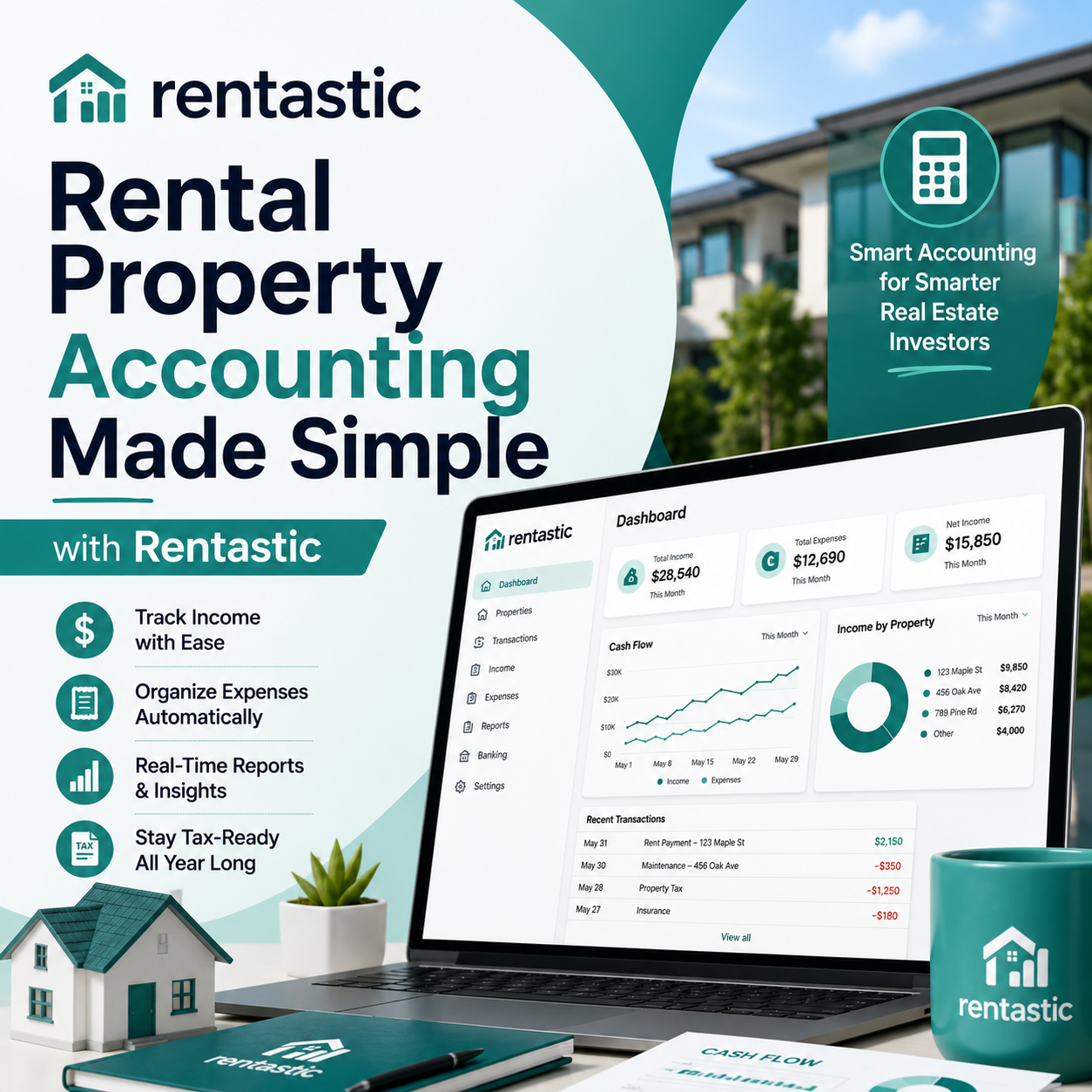
AI also improves tenant profiling by organizing and analyzing information quickly and accurately. Tools like Rentastic create comprehensive tenant profiles by pulling together application data, screening results, communication logs, and lease terms in one place. This reduces paperwork errors and supports more personalized property management over time.
In 2026, AI driven rent estimate tools help you price your units correctly by analyzing location, past rents, and current market trends. That means you are not only choosing better tenants, you are also choosing the right rent level from day one, without weeks of manual research.
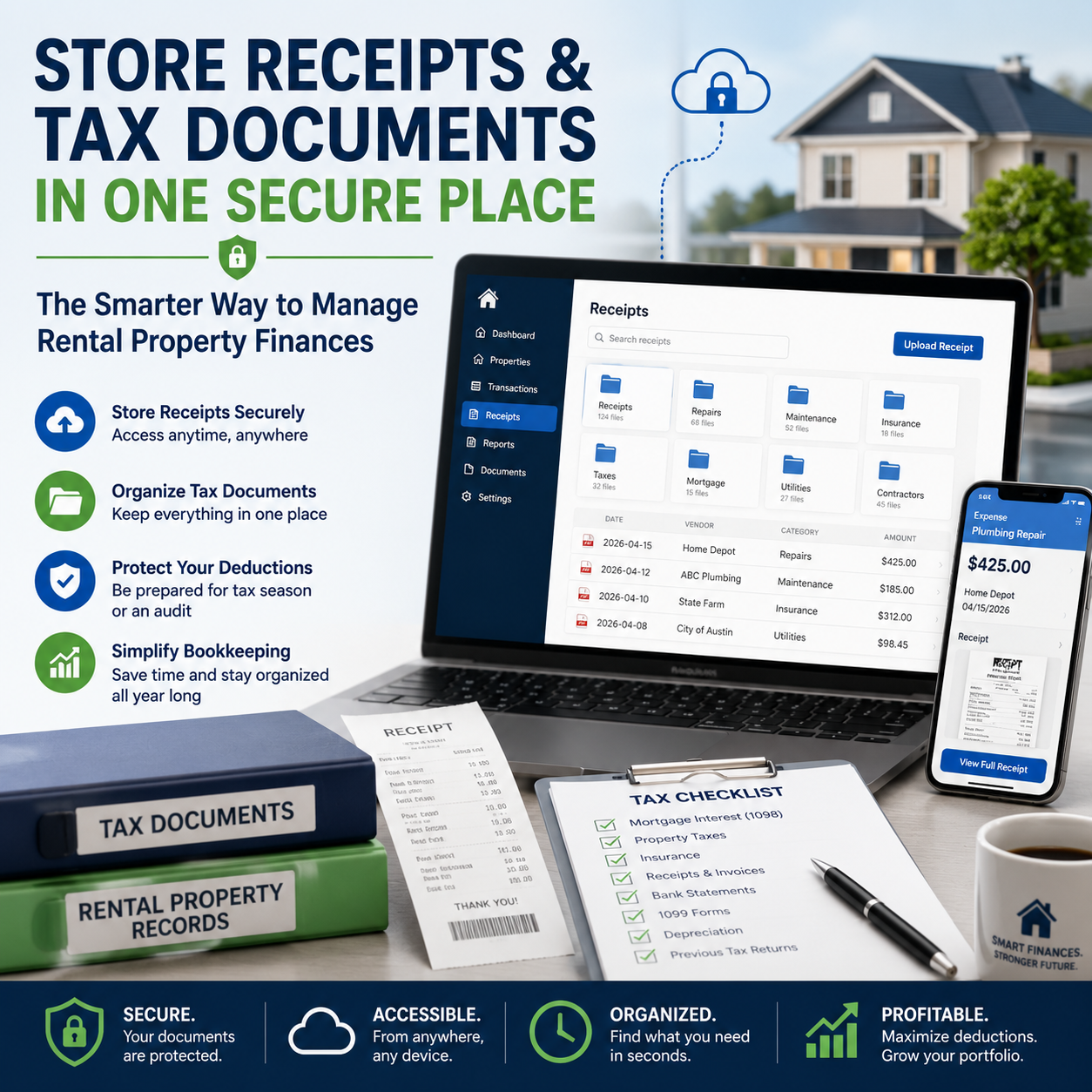
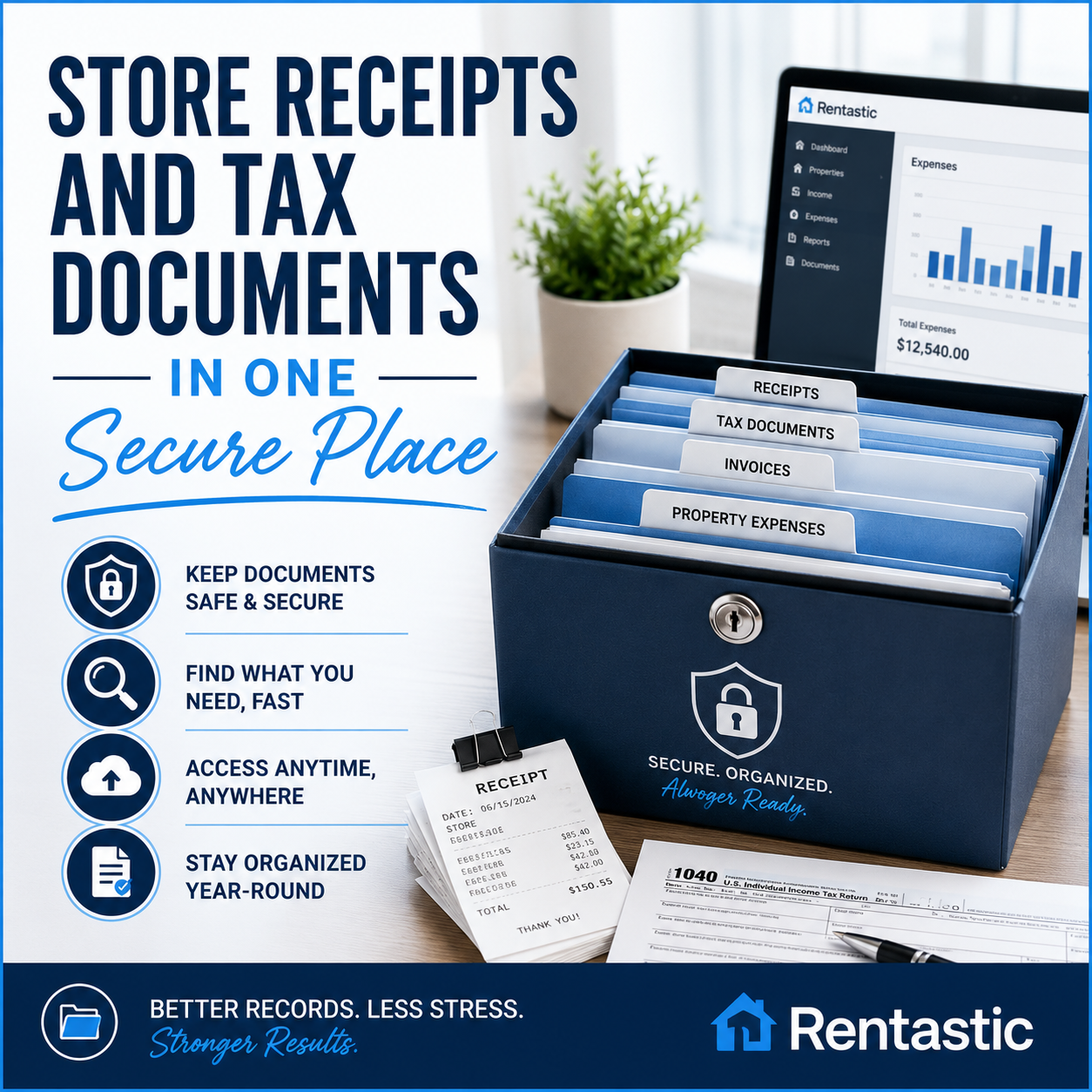
A complete tenant screening checklist for first-time landlords does not stop at the decision. You also need clean records in case of disputes, audits, or your own future reference.
Your document system should let you:
AI enhanced document handling systems in 2026 make this simpler. They scan, sort, and tag your files automatically so you can pull up a tenant’s full history in seconds. They also add an extra layer of security that is hard to replicate with email folders or shared drives.
According to the latest guidance, AI integration in property management provides advanced data security with strong cybersecurity protocols and access controls. That protects your tenants’ personal information and helps you comply with privacy requirements, which is a trust builder as well as a legal must.
Your lease is where all your screening work turns into a living agreement. It should translate your expectations, rules, and responsibilities into clear language.
A strong lease for first-time landlords in 2026 should include:
The 2026 checklist specifically recommends adding clear clauses that define tenant responsibilities and repair obligations. For example, you might specify who handles minor repairs under a certain cost, how quickly you will respond to urgent issues, and what the tenant should do in an emergency.
If you use an online platform like Rentastic, you can store and share leases digitally, link them to your tenant profile, and even trigger reminders when renewals are due.
Screening does not end when the lease is signed. How you handle maintenance and communication shapes whether your carefully chosen tenant stays happy and long term.
The 2026 guide for first-time landlords advises integrating a tenant maintenance request system, such as:
The key is to make it clear, consistent, and easy to use. Include instructions in your welcome packet that explain:
This structure reduces frustration, minimizes repeated calls or texts, and helps you track maintenance history for each unit. Over time, it also feeds useful data back into your screening and pricing, for example if certain tenant profiles are linked to unusually high maintenance costs.
Even a well screened tenant can become unhappy if they feel ignored. Effective communication is essential for first-time landlords in 2026.
You can use a mix of:
Some property management tools now include AI powered chatbots that provide 24/7 tenant support for basic questions and updates. They can handle simple tasks like:
This gives your tenants quick answers while freeing up your time for the bigger decisions only you can make.
The 2026 guide recommends maintaining a feedback loop. Ask tenants what is working and what is not, note the patterns, and adjust your processes. For example, if several tenants say they are unsure how to report issues, you can improve your move in instructions.
Your first tenant will teach you a lot. Your fifth and tenth will confirm whether your checklist really works.
Make it a habit to review:
The 2026 guide for first-time landlords suggests tracking performance and tenant satisfaction so you can see where your screening is too strict, too loose, or just right. For example:
For a deeper dive into the cost of getting it wrong, you can read first-time landlord mistakes: skipping this tenant screening checklist can cost you thousands. It is a useful reminder of why the extra phone calls and checks are worth it.
You can copy this short version into your own system and adapt it:
If you want to see how these steps fit together in practice, walk through from application to approval: a step-by-step tenant screening workflow for first-time landlords. It shows the same checklist as a live workflow from the first inquiry to handing over the keys.
With a clear checklist, the right tools, and a bit of practice, you will stop guessing and start choosing tenants based on a repeatable process. That is how you protect your property, your time, and your returns in 2026 and beyond.
RECENT POSTS


© 2025 Rentastic
Rentastic is registered as a trademark. Terms and conditions, features, support, pricing, and service options subject to change without notice.









.png)























.png)






























Comments