
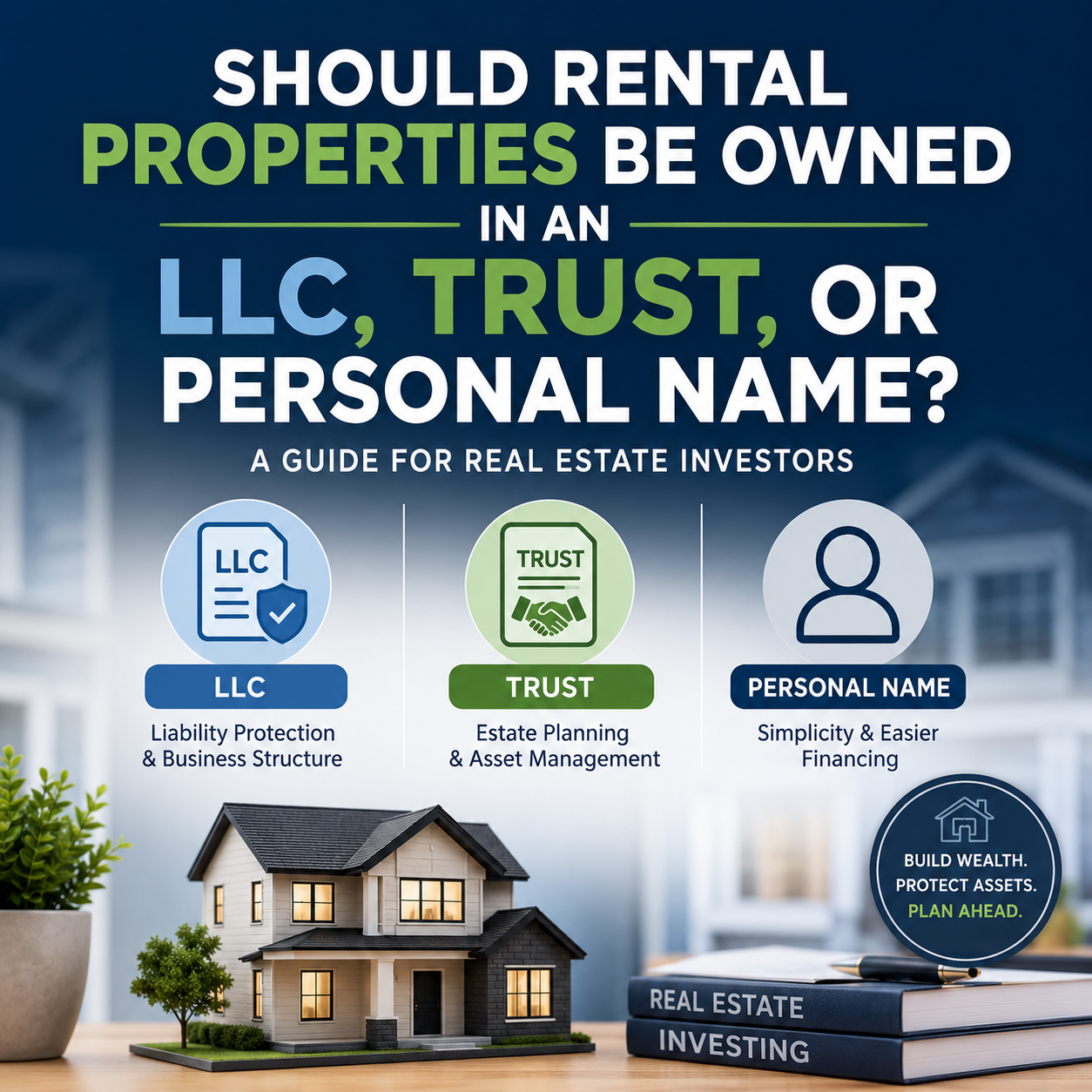
Owning rental property is one of the best ways to build long-term wealth, but how you hold title to your investment can have significant legal, financial, and tax implications.
Many real estate investors eventually ask:
The answer depends on your investment goals, risk tolerance, financing strategy, estate planning needs, and the size of your portfolio. Here's what every real estate investor should know before deciding.
Many first-time investors purchase their first rental property in their own name because it's simple and often makes financing easier.
For investors with a single rental property, this can be an entirely reasonable option.
The biggest concern is liability.
If a tenant or visitor files a lawsuit over an injury or property-related claim, your personal assets may be at greater risk if you don't have adequate insurance or another legal structure in place.
Examples include:
Good landlord insurance can reduce risk, but legal ownership still matters.
A Limited Liability Company (LLC) is one of the most popular ownership structures among real estate investors.
An LLC creates a legal entity separate from you personally.
One of the primary reasons investors form an LLC is to help separate business liabilities from personal assets.
While no structure guarantees complete protection, an LLC may help reduce personal exposure when operated correctly.
Keeping rental activities inside an LLC can make your business appear more organized.
Benefits include:
Many investors eventually own multiple rentals.
An LLC provides a framework that can make managing business operations more organized as your portfolio grows.
An LLC isn't automatically the best choice.
Potential disadvantages include:
Depending on your state, you'll pay:
Some lenders prefer loans in an individual's name.
Transferring a property into an LLC after financing may also require lender approval due to a "due-on-sale" clause in some mortgage agreements. Always review your loan documents and consult your lender before transferring ownership.
LLCs often require:
A trust serves a very different purpose than an LLC.
While an LLC primarily focuses on liability protection and business ownership, a trust is generally used for estate planning and managing how assets are transferred.
Common trust benefits include:
However, a trust generally does not replace the liability protection an LLC may offer.
Yes.
Many experienced investors use both.
A common strategy is:
This approach may provide estate planning benefits while maintaining the LLC's business structure.
Because these arrangements can be complex, it's important to work with a qualified attorney and tax professional to ensure they're set up correctly.
Many investors assume an LLC automatically lowers taxes.
That's not necessarily true.
For federal tax purposes, a single-member LLC is generally treated as a "disregarded entity," meaning rental income and expenses are often reported on the owner's individual tax return unless another tax election is made.
Your tax outcome depends on factors such as:
Because every investor's situation is different, consult a CPA or tax advisor before making ownership changes.
Consider these questions:
Your answers can help determine which structure makes the most sense.
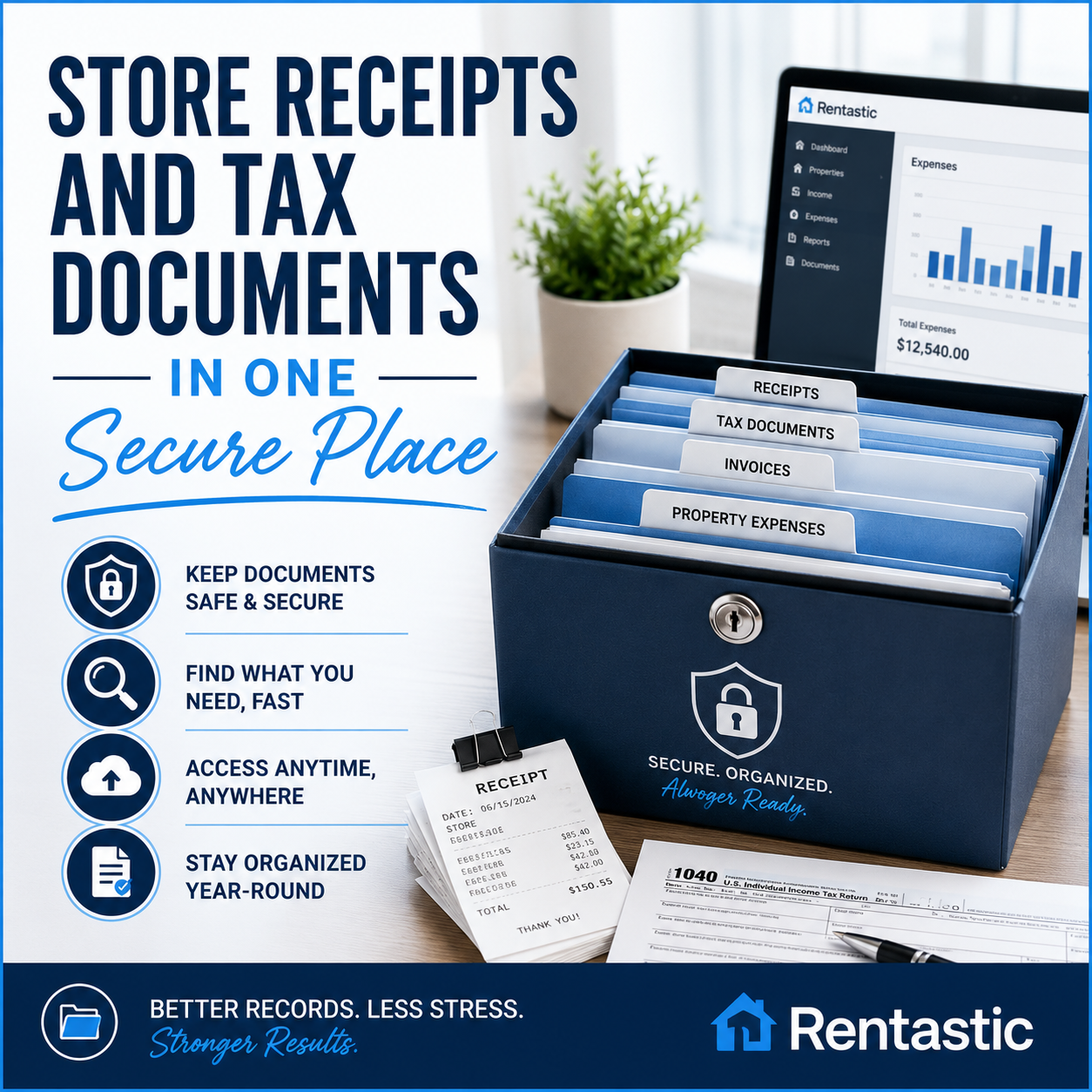
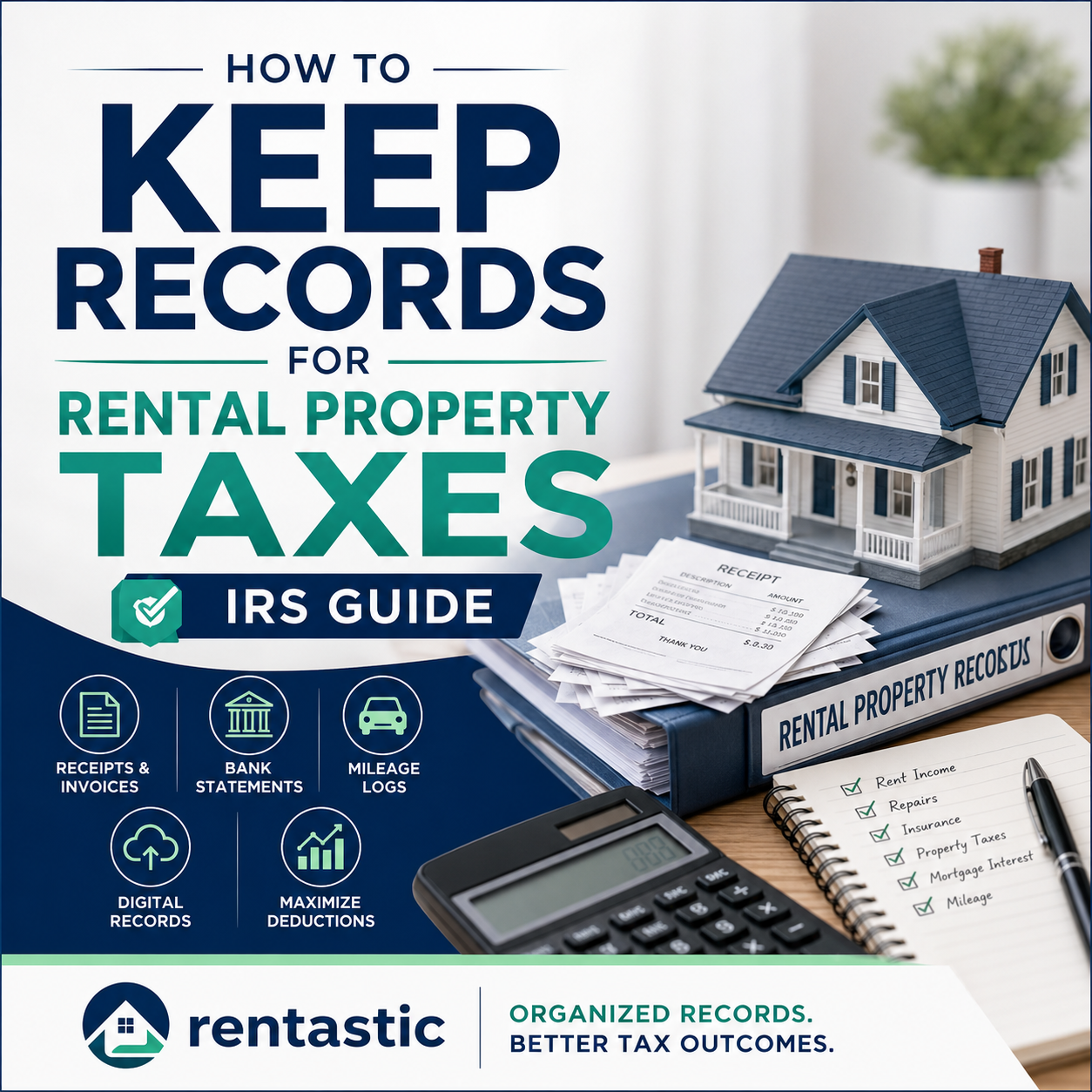
Regardless of whether your rental property is owned personally, by an LLC, or through a trust, maintaining accurate financial records is essential.
Keeping organized records helps you:
Using dedicated bookkeeping software makes managing these records much easier as your portfolio grows.
No matter how you choose to hold title to your rental property, good bookkeeping remains one of the most important parts of successful investing.
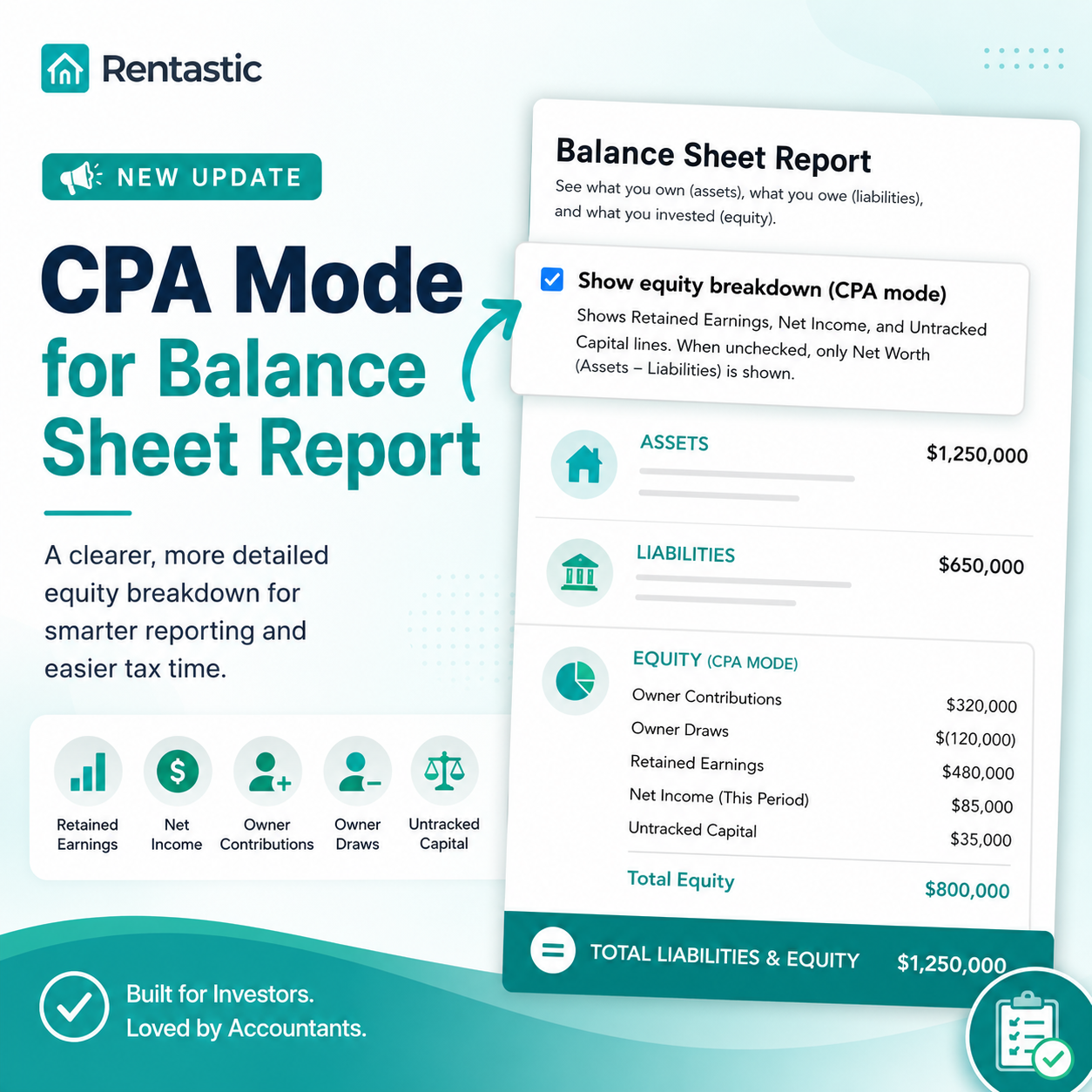
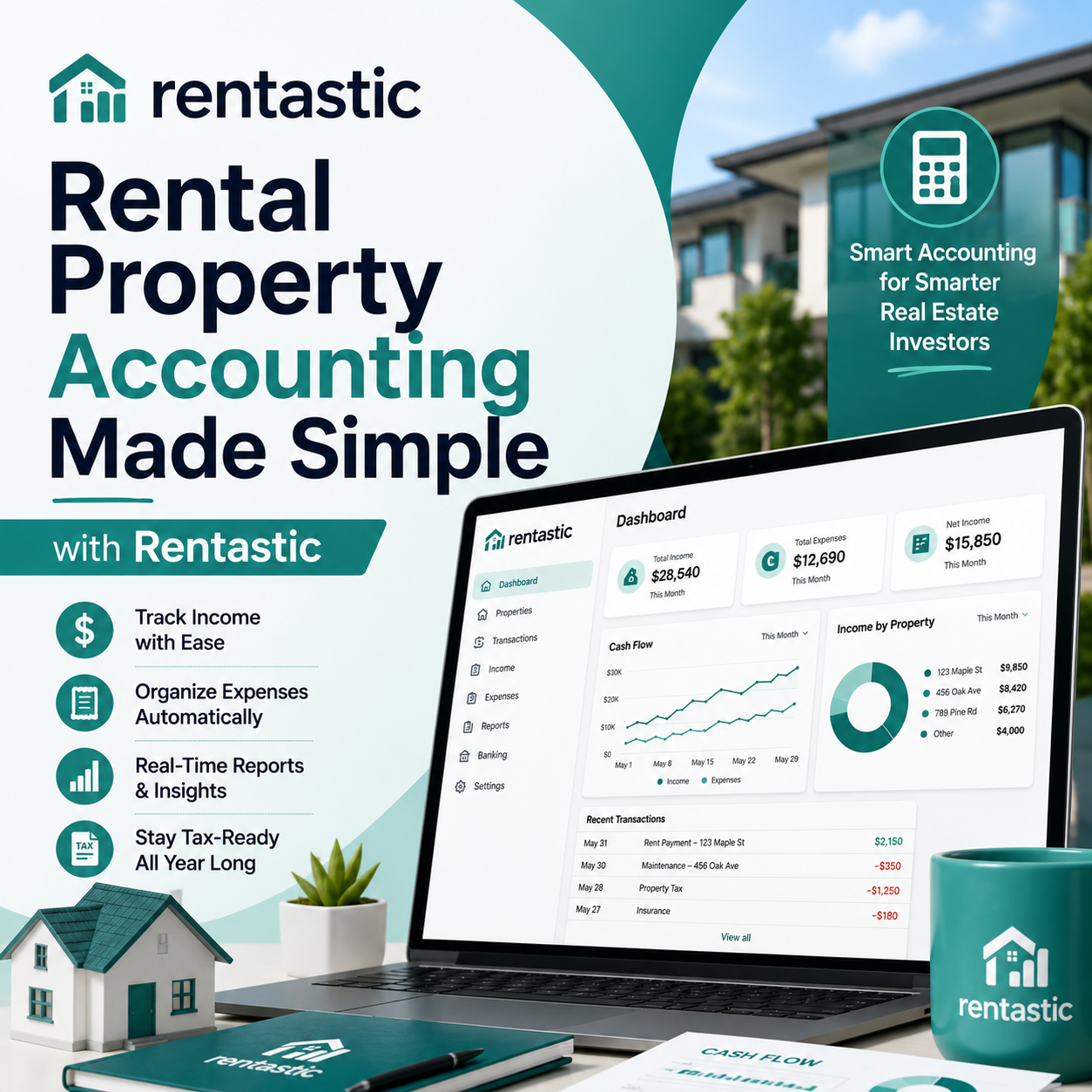
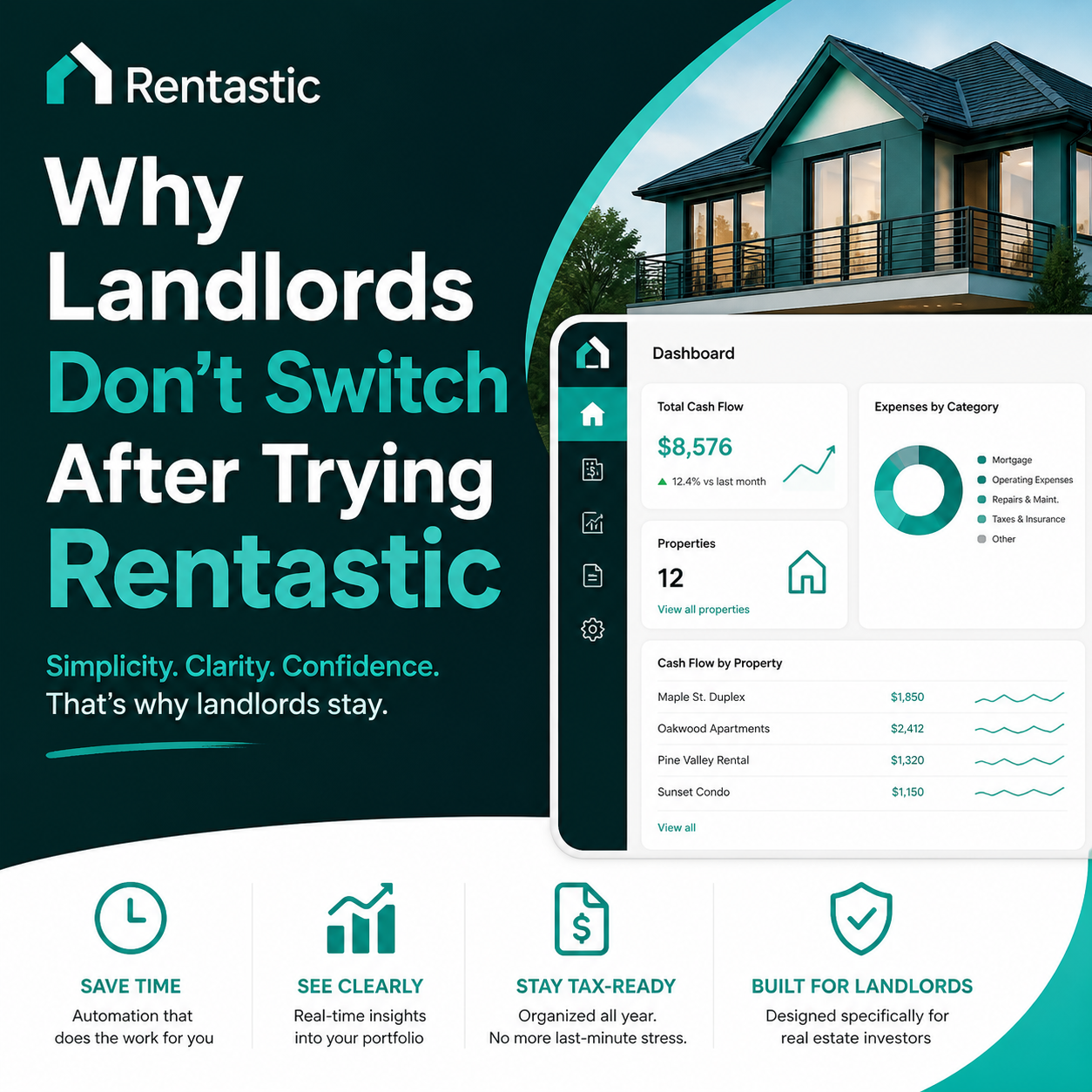
With Rentastic, investors can:
Whether you own one rental or dozens, keeping your financial records organized can save time, reduce stress, and make working with your CPA much easier.
There is no one-size-fits-all answer to whether you should own rental property in your personal name, an LLC, or a trust.
For some investors, owning property personally is simple and cost-effective. Others benefit from the organizational structure and potential liability protection of an LLC. Investors focused on estate planning may also incorporate a trust into their overall strategy.
The best ownership structure depends on your financial goals, legal considerations, financing, and long-term plans. Before transferring property or creating a new entity, consult with qualified legal and tax professionals to choose the approach that's right for your situation.
No matter which ownership structure you choose, organized bookkeeping and accurate financial records remain the foundation of successful rental property investing—and tools like Rentastic can help keep
RECENT POSTS


© 2025 Rentastic
Rentastic is registered as a trademark. Terms and conditions, features, support, pricing, and service options subject to change without notice.




.png)





















.png)




































Comments