

Nearly every landlord hears about “capital improvements” and “depreciation,” but in practice the line between a repair and an improvement can feel fuzzy. That line really matters at tax time. It decides whether you deduct an expense all at once or spread it across 27.5 years, and that choice can mean thousands of dollars in cash flow for you.
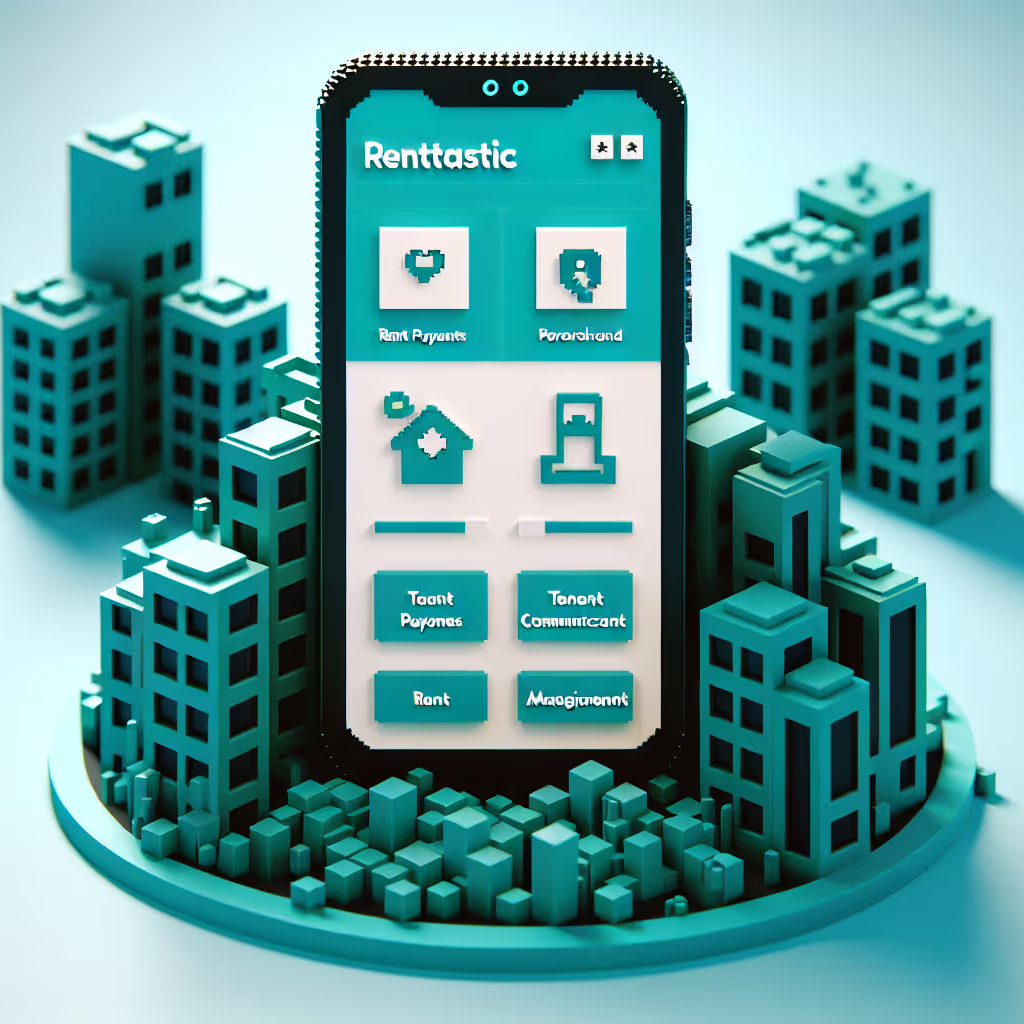
In this guide, you will walk through capital improvements vs repairs in plain language, then see how tools like rentastic and the Rentastic platform help you track, classify, and depreciate those costs without living in spreadsheets.
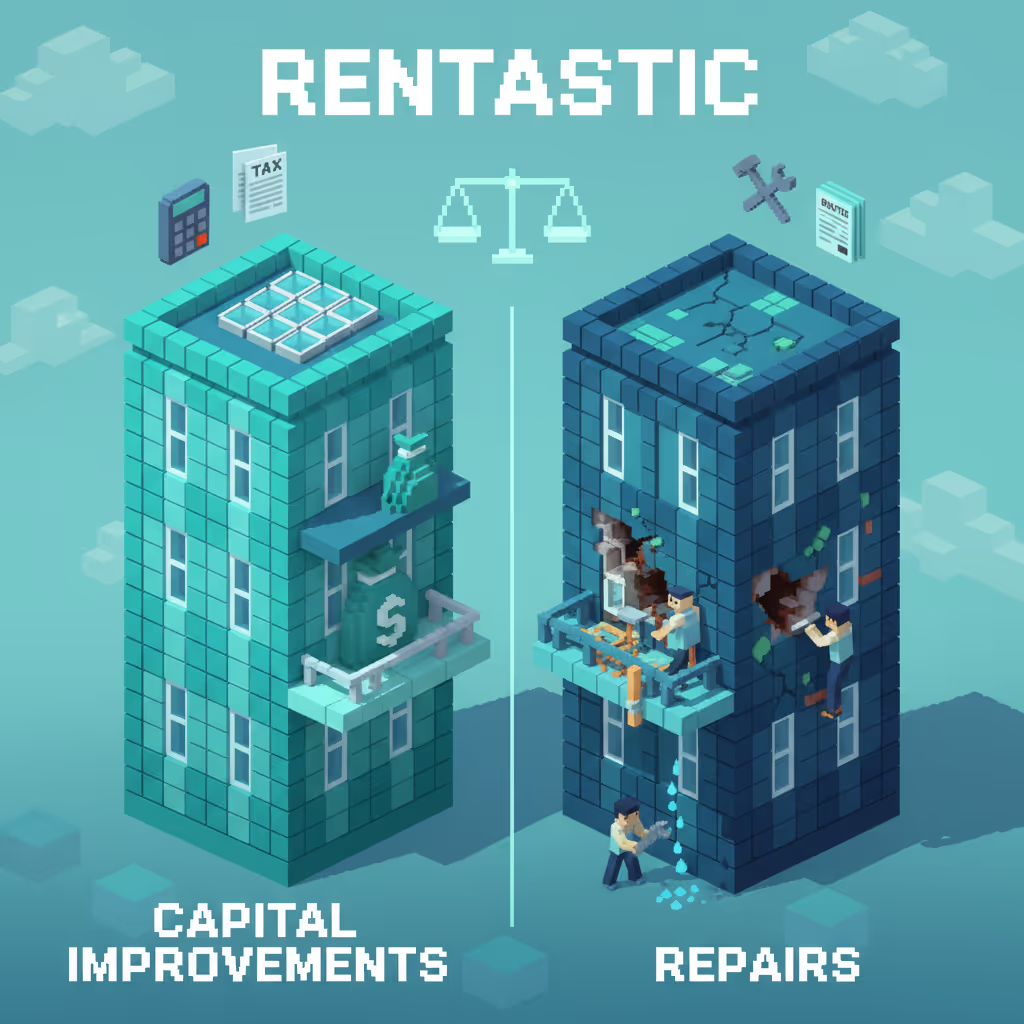
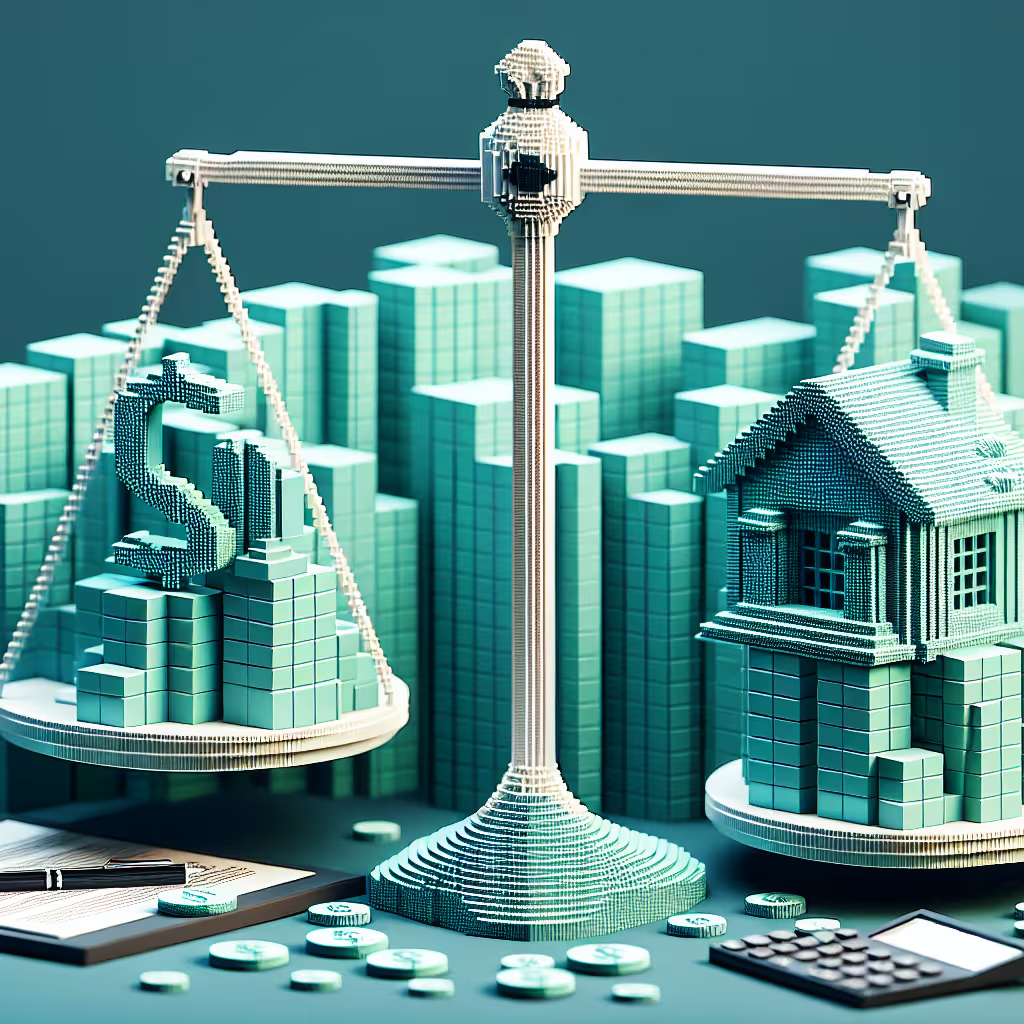
You face two main buckets when you spend money on a rental: repairs and capital improvements. The tax treatment is very different.
Repairs keep the property in its current condition. They fix wear and tear or damage, but they do not materially add value or extend the property’s useful life in a significant way. For example, patching a small roof leak, replacing a broken window pane, or fixing a busted garbage disposal are usually repairs.
Capital improvements add value, extend the useful life of the property, or adapt it to a new use. Think of a full roof replacement, a new HVAC system, adding a bedroom, or a major kitchen remodel. These are not deducted in one year. Instead, you capitalize and depreciate them, usually over 27.5 years for residential rental property.
The tricky part is that the IRS does not just look at what you call the expense. It looks at what actually changed. This is why having a clear process and strong documentation is critical, and why platforms like Rentastic are built to help you draw that line accurately and consistently (Rentastic Blog).
A simple repair usually goes straight onto Schedule E as a current year deduction. This lowers your rental income and your tax bill right away. Capital improvements do not work like that. You must capitalize them and depreciate them over time.
When you misclassify, two main problems pop up. If you treat an improvement as a repair, you risk underpaying tax now and facing headaches if the IRS questions your return. If you treat a repair as an improvement, you tie up cash unnecessarily and depress your current year deductions.
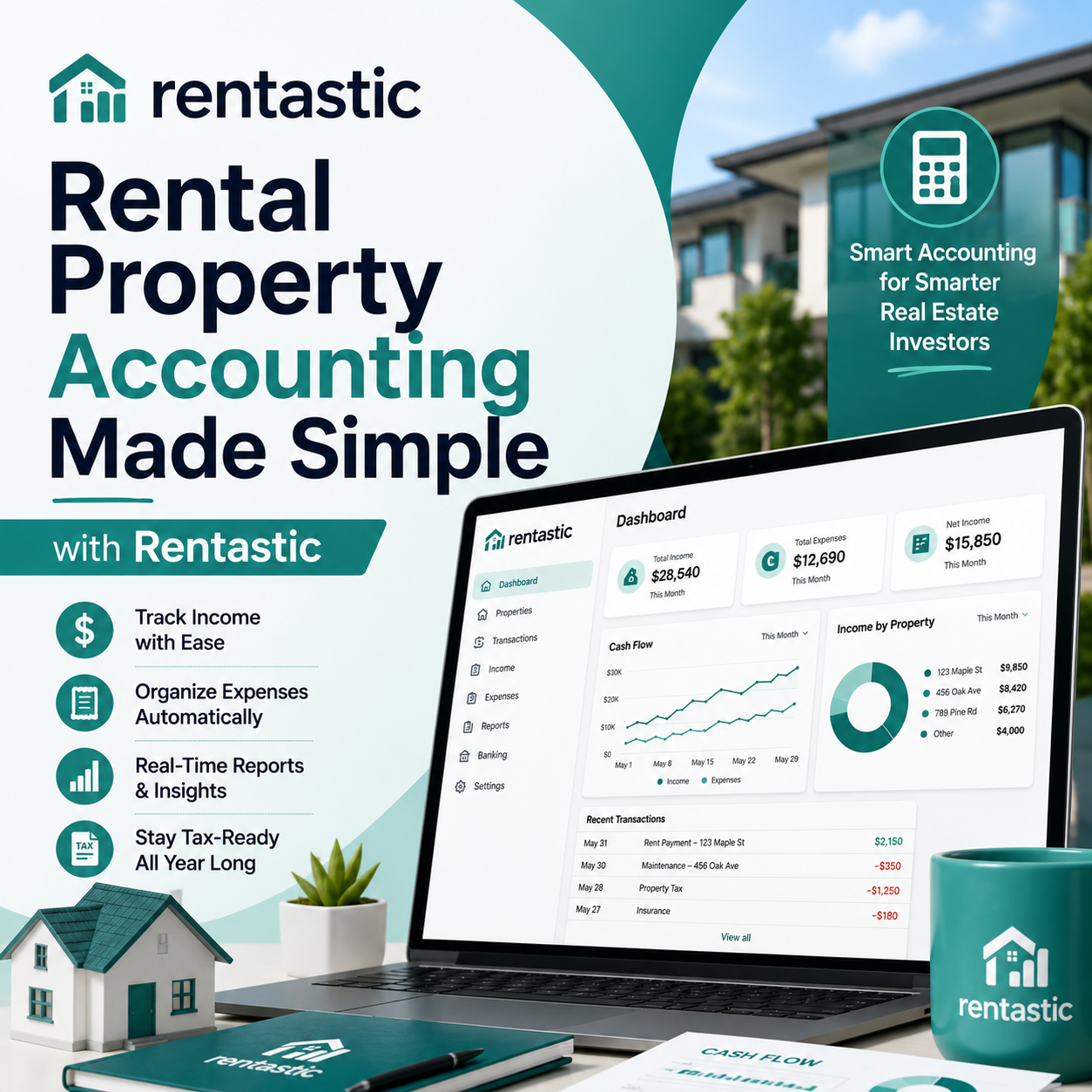
The Rentastic platform is designed to reduce these errors by keeping your receipts, project details, and categories organized and audit ready. It imports transactions, lets you classify them consistently, and then rolls them into tax ready reports such as profit and loss statements that match IRS categories for Schedule E (Rentastic Blog) and (Rentastic Blog).
In other words, the better your classification and records, the less you leave on the table and the calmer you feel when tax season hits.
It helps to anchor the rules with real world scenarios that you probably face on your rentals.
If you replace a few cracked tiles in the bathroom, that is generally a repair. You are restoring the space to its original condition. If you gut the bathroom and install new plumbing, tile, lighting, and fixtures, that looks like a capital improvement that adds value and extends useful life.
If you patch part of the roof after a storm, you are making a repair. If you strip off the entire old roof and install a new one across the structure, the IRS will usually view that as a capital improvement. The same logic applies to windows, HVAC, and flooring. Limited, localized fixes usually lean repair. Full system or large area replacements usually lean improvement.
This is also where strong notes in your software matter. Rentastic emphasizes attaching clear descriptions and notes to each transaction. These notes capture whether you replaced “one damaged panel in living room” or “all flooring on first floor with upgraded hardwood,” which gives you an evidence trail to support your classification in an audit (Rentastic Blog).
Once you decide an expense is a capital improvement, depreciation rules take over. For most residential rentals, you depreciate the building and qualifying improvements over 27.5 years using straight line depreciation. That means you spread the cost evenly across those years.
You do not depreciate land, but you do depreciate the structure and many permanent improvements. Roof replacements, HVAC systems, new windows, and major structural upgrades are all examples that typically get capitalized and then depreciated across the remaining useful life of the property.
Keeping track of each improvement, its cost, and its in service date becomes painful if you try to manage it in spreadsheets. Rentastic simplifies this by automating depreciation schedules and reporting so you can stop maintaining manual trackers and still stay aligned with IRS depreciation rules and tax law changes (rentastic.io). The platform can sync invoices and improvement records with depreciation schedules, especially for big projects like roof replacements, HVAC upgrades, or major window work, then keep those schedules up to date for you (Rentastic Blog).
The IRS provides several safe harbor rules that can let you deduct some expenses currently even if they might otherwise look like improvements. Understanding these can unlock valuable deductions.
Rentastic highlights three key safe harbors for landlords. The Small Taxpayer Safe Harbor can allow you to deduct certain building expenses in the current year if you meet the thresholds. The Routine Maintenance Safe Harbor can let you treat regular, expected upkeep as a deductible repair. The De Minimis Safe Harbor covers small dollar purchases under a set amount that can be expensed rather than capitalized (Rentastic Blog).
The details can be technical, but the outcome is straightforward. More of your ongoing spending can be treated as repairs if it fits into a safe harbor. By using tools like rentastic and the Rentastic platform that flag where these safe harbors may apply, you give yourself a better chance of maximizing current year deductions without guessing or overreaching (Rentastic Blog) and (Rentastic Blog).
A good rule of thumb: when you are unsure, document everything, then check whether any safe harbor rules reasonably apply before defaulting to a long depreciation schedule.
You cannot make smart calls on repairs versus improvements if your records are fuzzy. Accurate, detailed, and organized documentation underpins everything you do with capital improvements and depreciation.
When you track by property and project, you can look back and see that your “Unit 3 kitchen refresh” in March included a new fridge, new cabinets, and paint. That makes it easier to split the costs into repairs and improvements if needed. For instance, paint might fall into repairs, while cabinets and appliances likely count as improvements.
Rentastic is built around this idea. It automatically imports your bank and credit card transactions, tags expenses by property, and lets you attach receipts and invoices to each transaction (Rentastic Blog). The result is a clean audit trail. No more digging through shoeboxes or misnamed files. Everything is searchable, and every line item has supporting documents.
On top of that, Rentastic generates profit and loss statements by property or portfolio that cleanly separate deductible repairs and maintenance from capitalized amounts (Rentastic) and (Rentastic Blog). This structure matches how you file Schedule E, which shortens your prep time and reduces the chance of miskeying numbers.
If you manage one property, you can sometimes get away with rough systems. Once you have multiple units or a mix of small repairs and big renovations, the chaos grows fast. Rentastic is built as a dedicated platform to tame this complexity for landlords and real estate investors.
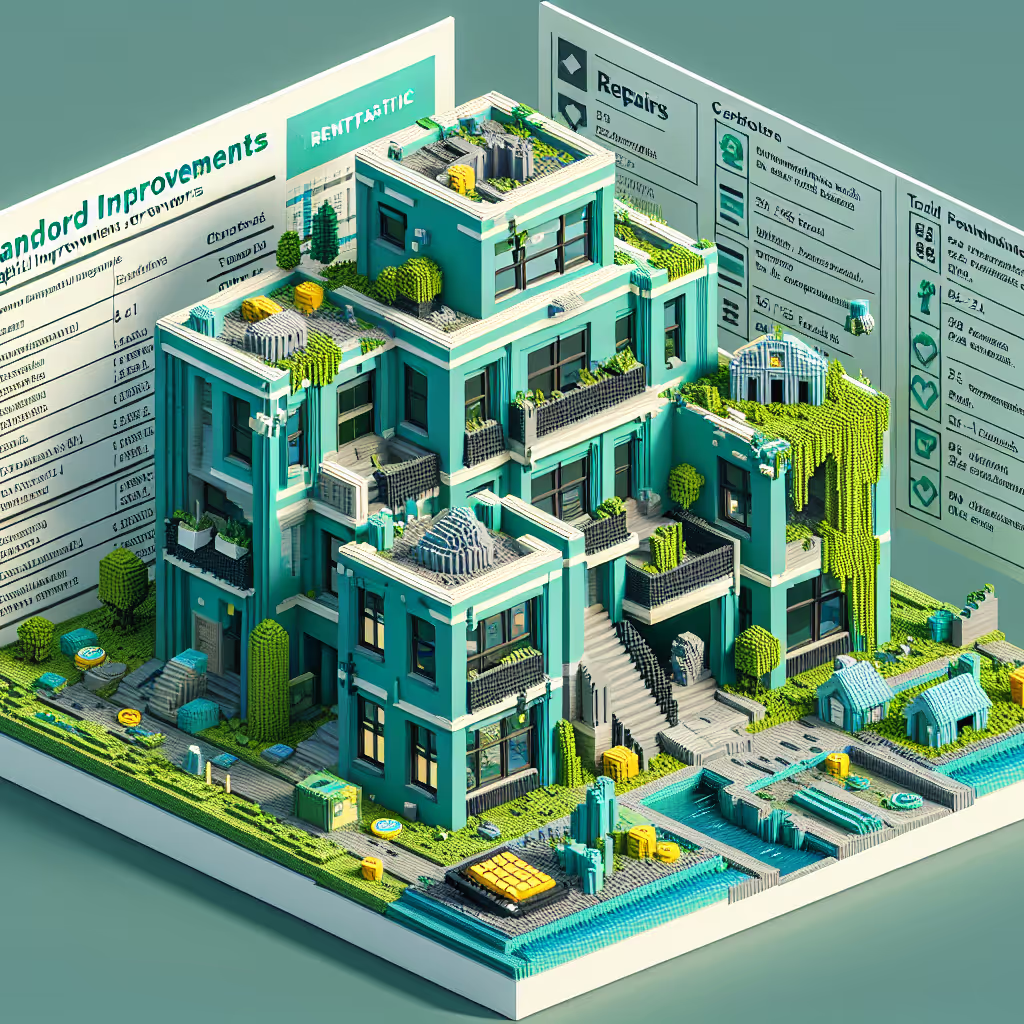
You start by connecting your financial accounts. The platform automatically imports your transactions, helps categorize them, and keeps everything tagged by property and sometimes by project. From there, you can mark items as repairs or capital improvements and attach detailed notes. This consistent classification is what supports stronger deductions and fewer tax season surprises (Rentastic).
Rentastic does more than just store data. It helps you distinguish between repairs and capital improvements in a systematic way so you are not relying on memory or last minute decisions. It generates tax ready reports, profit and loss statements, and organizes costs in a way that simplifies Schedule E filing (Rentastic Blog) and (rentastic.io). Because everything is digital and connected, landlords who use the platform reduce manual entry and the errors that often come with it (Rentastic Blog).
Most importantly, by keeping receipts, notes, and categories tight all year long, Rentastic helps you maintain compliance with IRS rules and keeps you ready for potential audits, something that is especially important as updated guidance applies to the 2025 tax year and beyond (Rentastic) and (rentastic.io).
Once your basic depreciation tracking is under control, you can start thinking strategically. Depreciation is not only about obeying rules. It is one of the most powerful tools you have for shaping your tax profile and cash flow.
For example, planning the timing of major capital improvements can help you align new depreciation deductions with rising rental income. Energy efficient improvements may qualify for tax credits like the Energy Efficient Home Improvement Credit, which further increases your savings when used correctly (Rentastic Blog). Combining well timed depreciable improvements with available credits can make a noticeable difference to your after tax returns.
Rentastic supports this shift from reactive to strategic by simplifying the mechanics. Automated depreciation schedules, easy access to improvement histories, and disciplined documentation turn tax planning from a once a year scramble into a manageable part of your ongoing investment strategy (rentastic.io). With the admin work handled, you can focus on choosing which projects to do next rather than wrestling with how to track them.
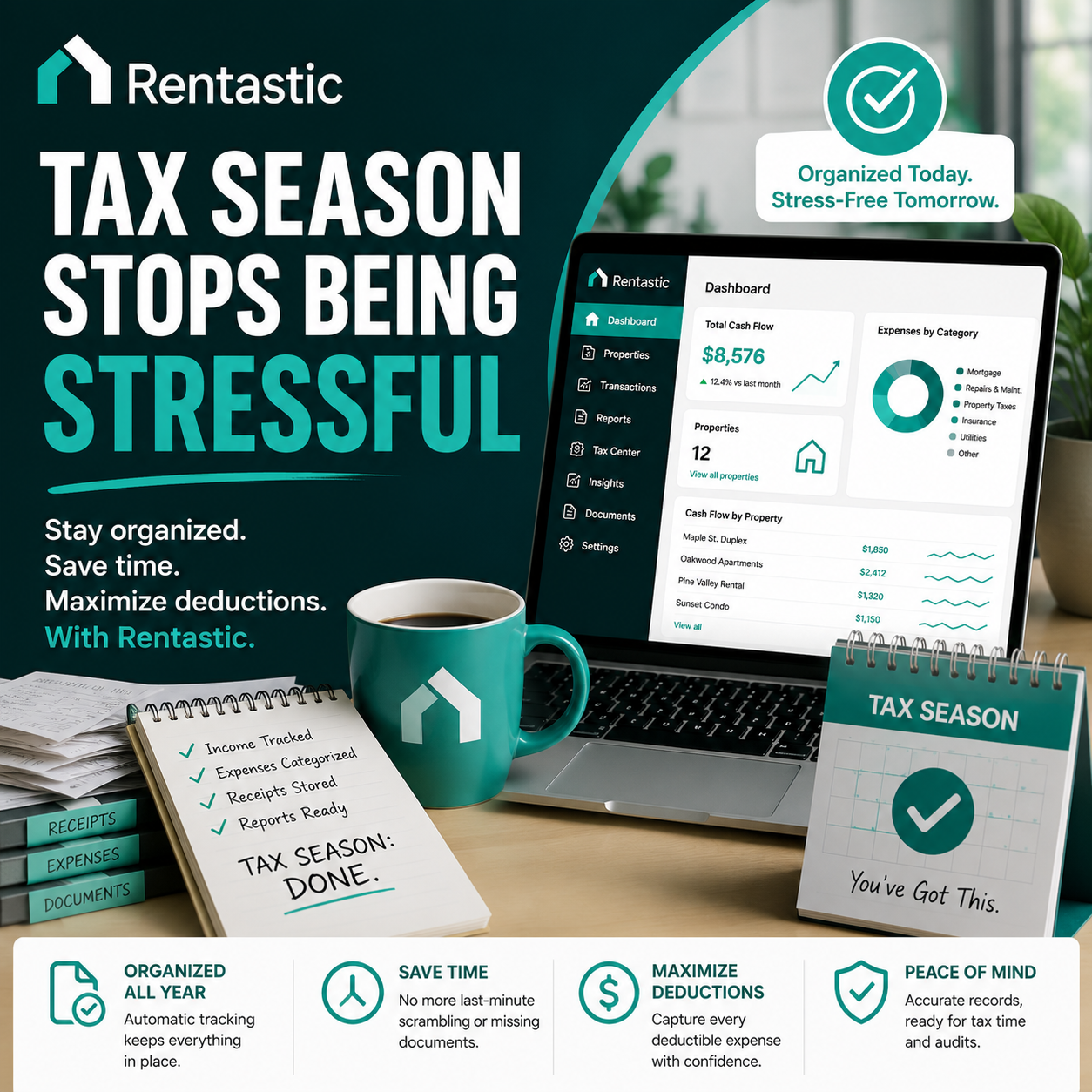
If tax time currently means chasing receipts and guessing how to classify that big roof invoice, you are not alone. The good news is that you can change that story with a few clear habits and the right tooling.
First, commit to drawing the line between repairs and capital improvements based on what changes at the property, not just what feels convenient today. Second, use safe harbor rules where they apply so you do not miss out on current year deductions. Third, put recording and classification on autopilot as much as possible so you are not redoing the same work in March that you already did in July.
Rentastic is designed for exactly this kind of landlord workflow. It imports, categorizes, and documents your rental activity, then turns it into audit ready reports that understand repairs, improvements, and depreciation schedules (Rentastic Blog). With that foundation, you can stop dreading capital improvements from a tax perspective and start viewing them as levers to grow your portfolio and your after tax returns.
If you want to simplify how you handle capital improvements and depreciation, explore how rentastic and the Rentastic platform can fit into your process. Your future self during the next tax season will be glad you did.
RECENT POSTS


© 2025 Rentastic
Rentastic is registered as a trademark. Terms and conditions, features, support, pricing, and service options subject to change without notice.










.png)






























.png)



























Comments