

Nearly every profitable portfolio has one quiet habit behind it: solid reconciliation. Real estate might look like rent in, expenses out, cash flow left over. In reality, that picture only holds if your numbers match what actually hit your bank.
If you skip or rush reconciliation in real estate, you are not just risking messy books. You are risking lost rent, missed tax deductions, and bad investment calls based on the wrong data. The good news is that most issues come down to a handful of predictable mistakes you can fix with simple systems and the right tools.
Below are the most common reconciliation mistakes you are likely to face as a real estate investor or landlord, and how to avoid each one.
If you only look at your books at tax time, you are not really doing reconciliation. You are doing cleanup.
Real reconciliation in real estate means comparing your bank and credit card statements to your accounting records regularly so you know every rent payment and expense is accurate and complete (Rentastic.io Blog). When you only do this once a year, small errors compound into big problems.
Common fallout from annual reconciliation only:
Monthly reconciliation lets you catch missing rent, duplicate charges, and miscategorized expenses before they escalate (Rentastic.io Blog). It also makes tax season almost boring, because you have already done the detailed work in small chunks.
How to fix it
Aim for a simple monthly reconciliation routine:
If monthly still feels heavy, remember that automation tools like Rentastic can cut time spent matching transactions by up to 50 % and reduce manual administrative work by up to 40 % (Rentastic.io Blog). That shift alone often makes monthly reconciliation as fast as your old once a year scramble.
For a deeper primer on the basics, you can also review reconciliation real estate concepts to anchor your process.
Spreadsheets feel flexible at first. You can add tabs, tweak formulas, and share files. Then the portfolio grows, one broken link appears, and suddenly your cash flow relies on a VLOOKUP from three years ago.
The risk is not just human error, it is scale. Real estate investors who stick to manual spreadsheets often end up:
Rentastic reports that users who switch from spreadsheets to dedicated software can save over $1,000 per month in labor costs when they value their time at $50 per hour, thanks to reduced manual bookkeeping and reconciliation work (Rentastic.io Blog).
How to fix it
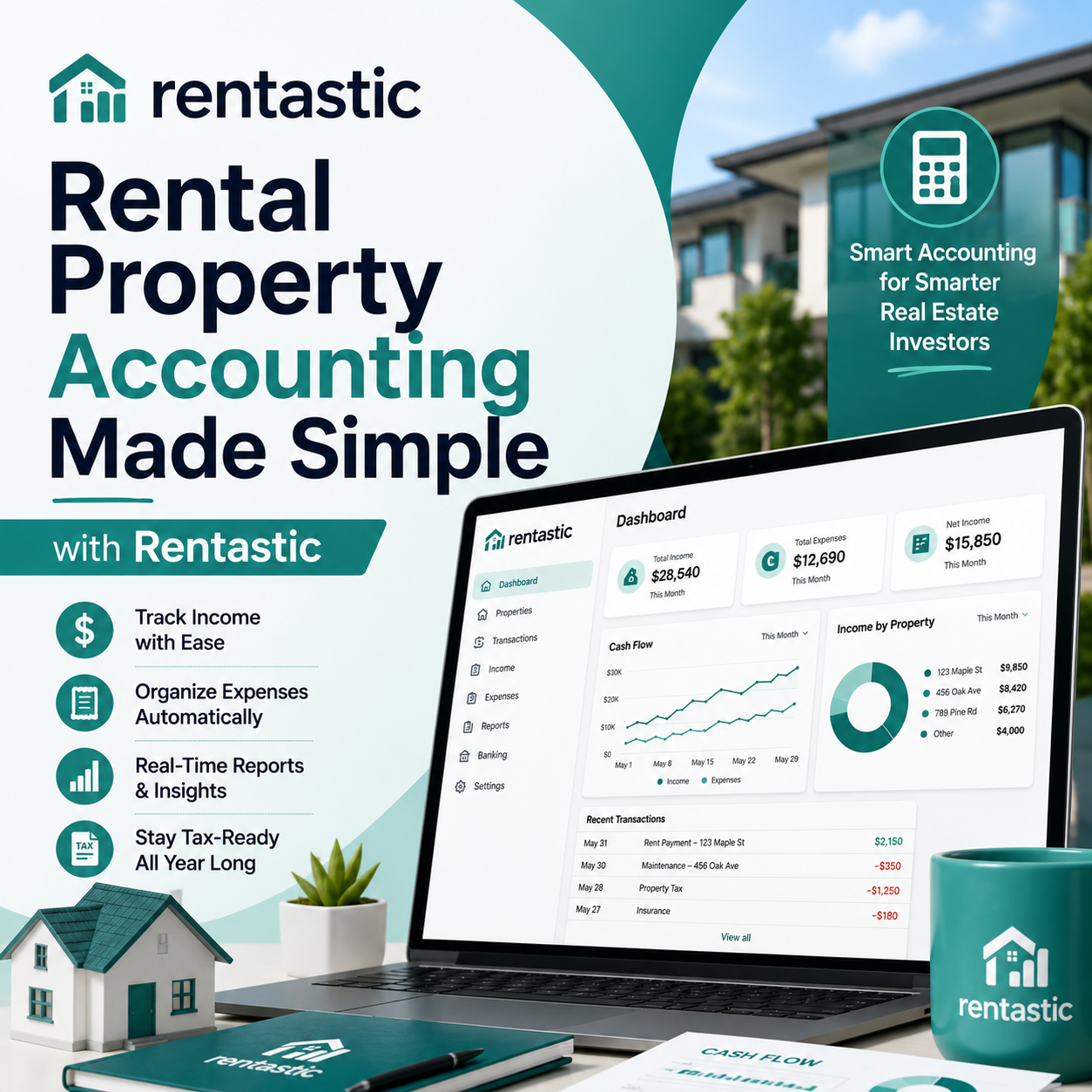
Move from static spreadsheets to a real estate bookkeeping tool that supports automatic bank feeds, transaction matching, and reconciliation workflows. Using Rentastic for example, you can link bank or escrow accounts to automate transaction entry and cut manual data entry time by up to 40 %, while also reducing reconciliation time by 50 % (Rentastic.io Blog).
You still stay in control of the review and approvals. You just stop wasting time typing numbers that software can pull and match for you.
One of the biggest reconciliation mistakes is treating unexplained items as “probably fine” and moving on. Those lines are exactly where fraud, duplicate charges, and missed income hide.
According to Rentastic, regular reconciliation helps investors detect errors and fraud early, which leads to more trustworthy financial reports, accurate tax prep, and better cash flow management (Rentastic.io Blog). Skipping these items defeats the purpose of reconciliation.
Unmatched transactions can signal:
How to fix it
During each monthly reconciliation:
Automation tools like Rentastic can help by flagging unmatched or unexpected income transactions, which means you see potential problems in minutes instead of discovering them in an annual review (Rentastic.io Blog).
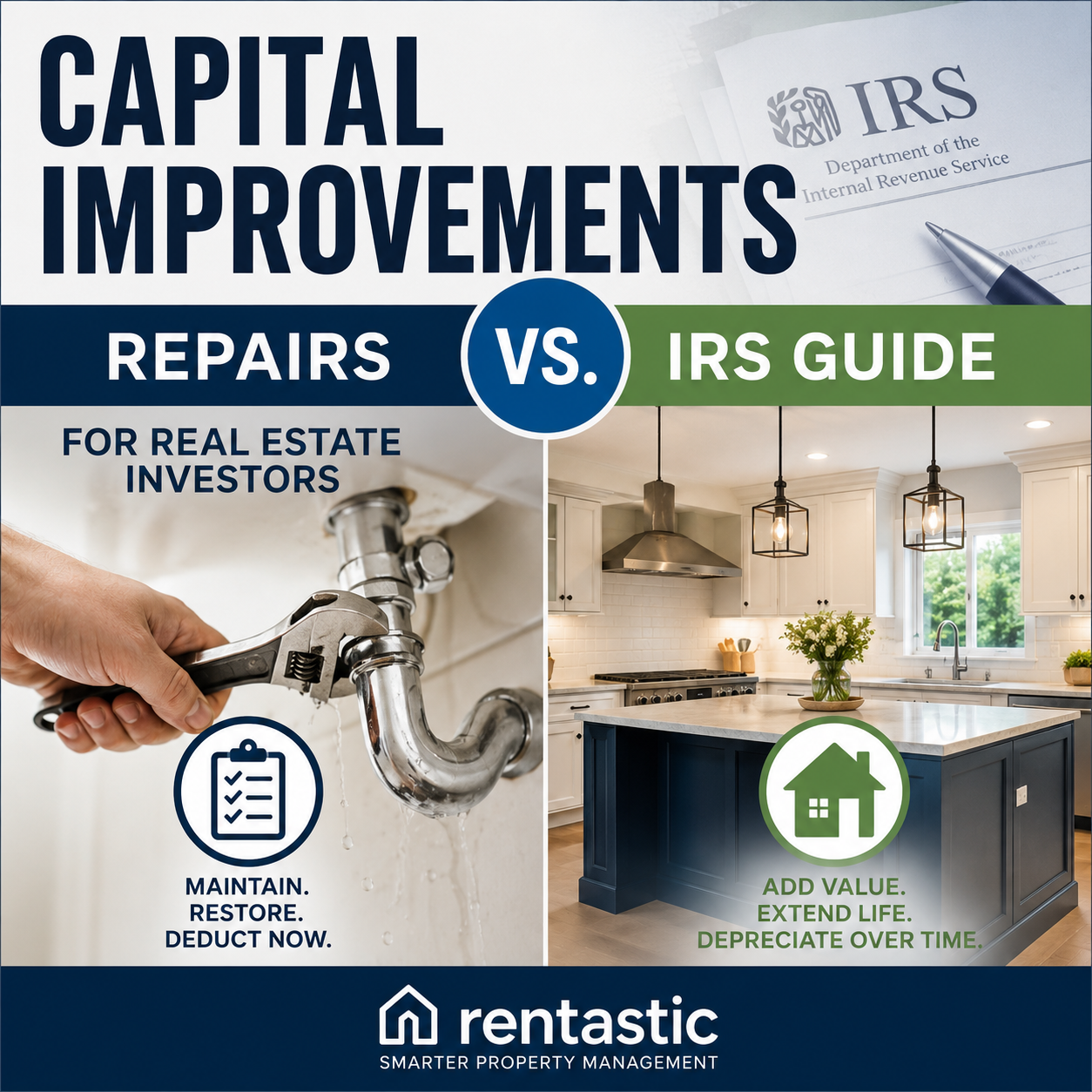
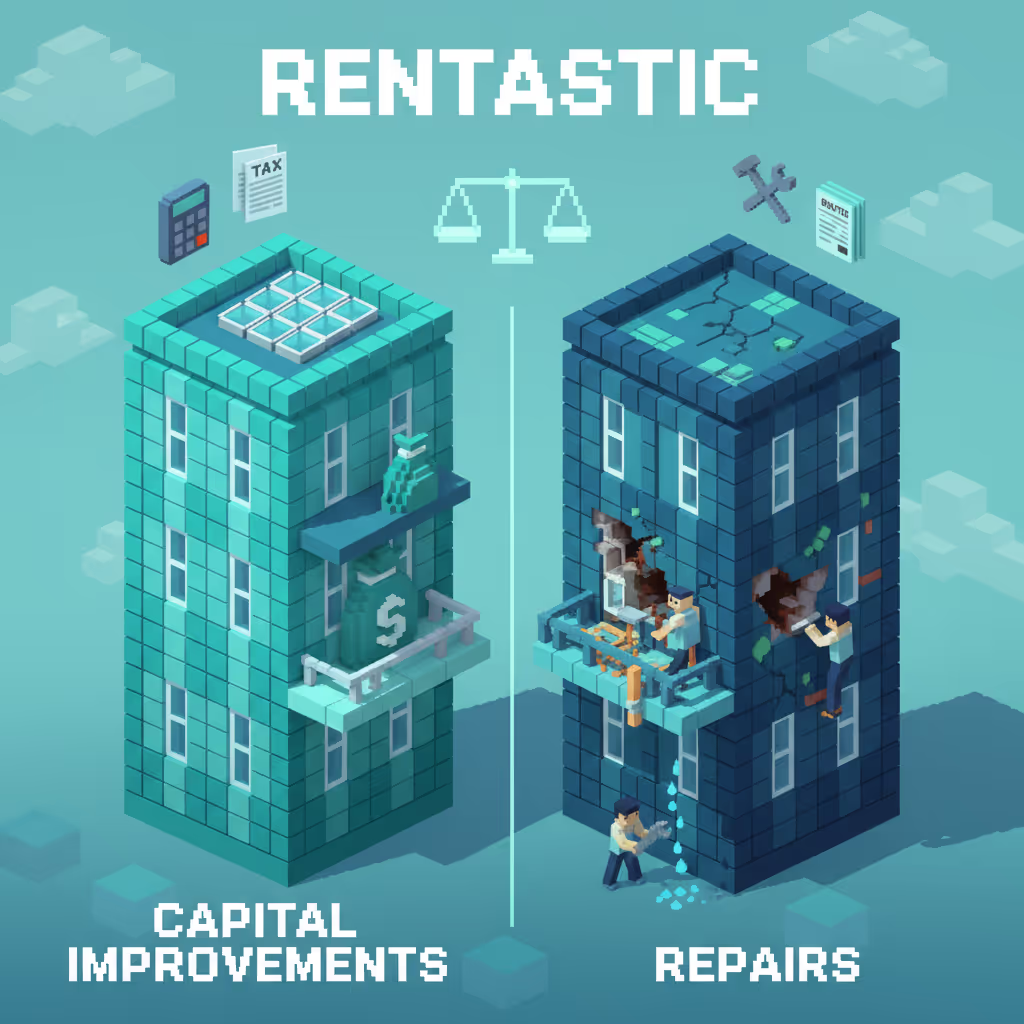
From a tax standpoint, not all expenses are equal. Repairs you can often deduct in the year you pay them. Capital improvements you might need to depreciate over several years.
A 2024 Rentastic survey found that 22 % of landlords lost thousands in tax deductions because they misclassified repairs versus improvements (Rentastic.io Blog). Reconciliation is your best chance to catch and fix those errors before you file.
When you lump everything together as “repairs and maintenance” you risk:
How to fix it
Use reconciliation time to double check categories:
Rentastic’s automated categorization of rental income and expenses can eliminate up to 70 % of manual tagging effort, which makes it far easier to maintain accurate categories month after month (Rentastic.io Blog). You still decide the rules, the software just applies them consistently.
Some investors track rent and expenses in a separate system and assume their bank account will magically match. In practice that rarely happens without deliberate reconciliation.
Bank reconciliation for rental properties means matching bank and credit card statements with your rental records to ensure every rent payment, fee, and expense is accurate (Rentastic). If you skip this step, you are essentially trusting that no one, including you, ever makes a mistake.
The result is often:
How to fix it
Adopt a simple rule: your books are not “done” for the month until the ending balance for each bank and credit card account matches the statement. No exceptions.
With automation, this becomes much less painful. Rentastic reports that automated bank account linking and transaction categorization can reduce manual data entry by as much as 80 % weekly and automate 70 to 80 % of transaction categorization for rental property investors (Rentastic).
When the data flows in automatically, you can focus on the review and decision making instead of manual entry.
If you work with a property manager, their owner statement is a key part of your reconciliation process, not a replacement for it. Many owners make the mistake of filing those statements away without checking them against their own records.
Owner statement reconciliation involves comparing property manager reports with actual bank, credit card, and internal records to protect cash flow and avoid tax surprises (Rentastic.io Blog). Treating the statement as gospel can hide:
How to fix it
Each month:
Monthly reconciliation of owner statements and financial records is essential if you plan to grow your portfolio. Rentastic found that landlords who use automated accounting tools and monthly profit and loss statements save about 30 % of accounting time compared to spreadsheet users, which makes it much more realistic to perform this check for every property (Rentastic.io Blog).
Another common reconciliation mistake is assuming you cannot improve rent collection. Paper checks, random bank transfers, and cash all create gaps that are very hard to reconcile later.
When payment methods are scattered, you end up:
Rentastic notes that rental property investors who use integrated online payments and automated tracking can see up to a 25 % reduction in late rent payments, partly because reconciliation surfaces missing or delayed payments faster (Rentastic).
How to fix it
Shift as much of your rent collection as possible to structured, trackable channels:
Automation does not just speed up matching. Automating rent payment reconciliation helps you detect issues earlier, which in turn strengthens your cash flow management (Rentastic.io Blog).
Many landlords think of reconciliation in real estate as pure compliance. As long as the books are “fine” for the IRS or lenders, they stop there. That is a missed opportunity.
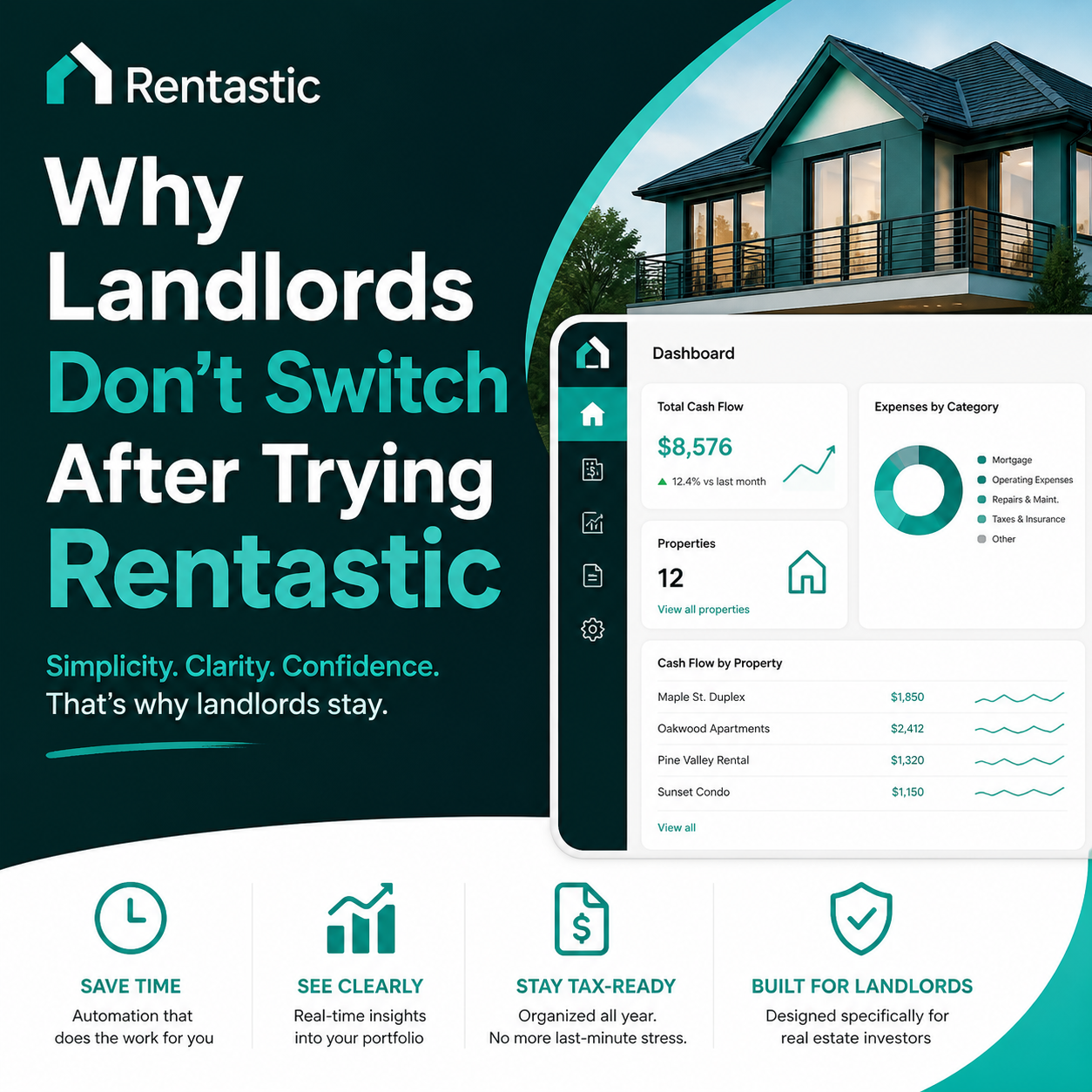
Reconciled financial data lets you measure collection rates, expense ratios, and net cash flow per property. Rentastic’s dashboards and forecasting tools can take those reconciled numbers and integrate rent estimates, maintenance, and tax costs so you can make better portfolio decisions (Rentastic).
If you reconcile but never look at the story the numbers tell, you might:
Clean books are not the finish line. They are the starting point for better strategy.
How to fix it
After each monthly reconciliation, spend ten minutes on analysis:
Landlords who conduct monthly profit and loss reports alongside reconciliation feel about 25 % more confident in their tax positions and often reduce CPA fees, because professionals can focus on strategy instead of cleanup (Rentastic.io Blog).
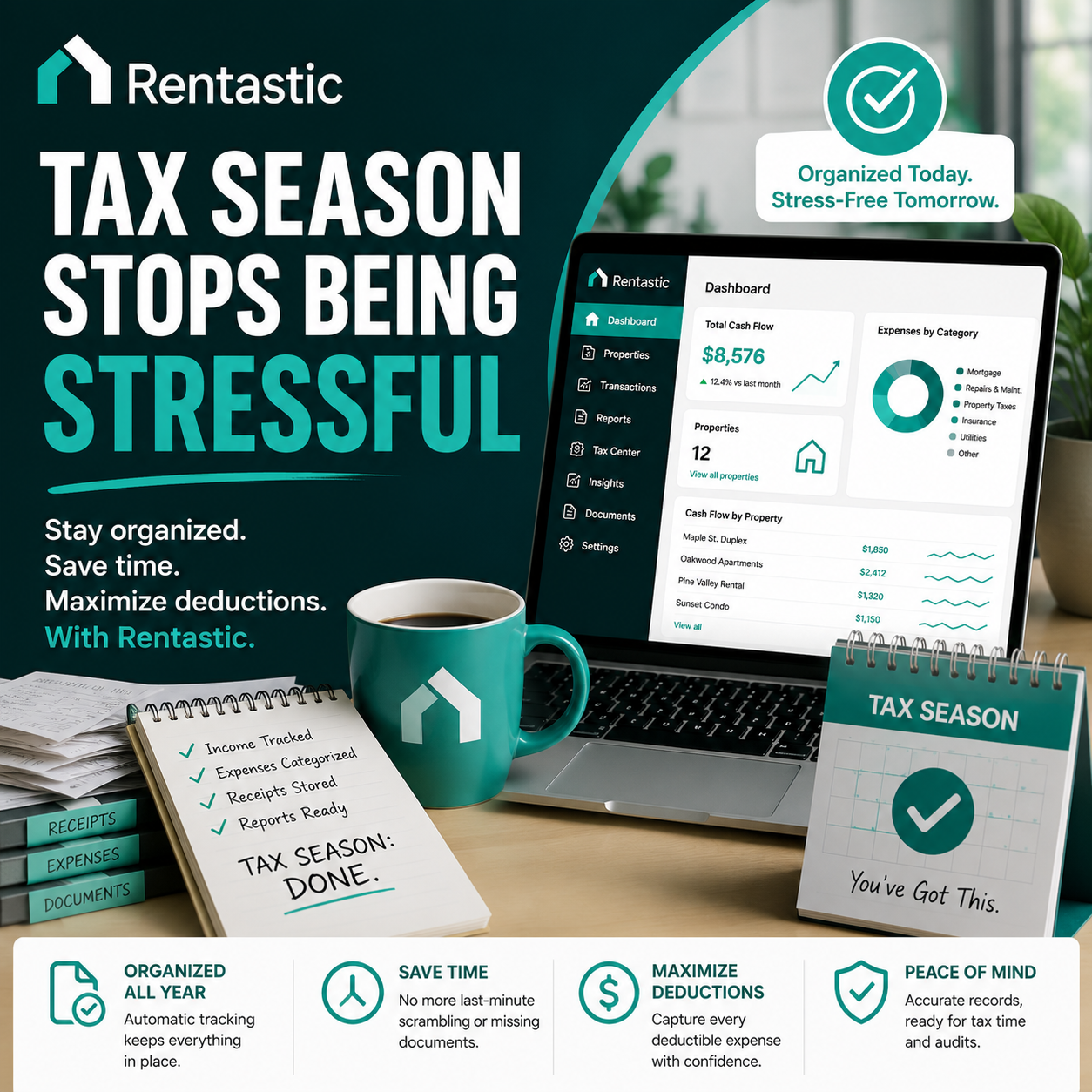
One of the most expensive reconciliation mistakes is quiet. You file your taxes, pay what you owe, and move on. You never realize you could have paid far less if your records were more accurate.
According to Rentastic, landlords who regularly reconcile rental expenses can avoid losing between $600 and $1,200 annually in unclaimed rental expense deductions (Rentastic.io Blog). The culprits are usually:
How to fix it
Use reconciliation time to audit tax sensitive categories:
Landlords who maintain monthly reconciled records using tools like Rentastic can avoid unclaimed tax deductions and often reduce CPA fees, since professionals spend less time cleaning up and more time on proactive tax planning (Rentastic.io Blog).
If you want a refresher on the fundamentals as you do this, circling back to the basics of reconciliation real estate will keep your structure tight.
Finally, the most subtle mistake is assuming the process that worked for one property will work for ten or fifty. Growth multiplies both cash flow and complexity. If your reconciliation process does not scale, your risk grows faster than your income.
Automated integration of bank and credit card accounts with real estate accounting software can reduce manual entry time by up to 40 % and lower overall bookkeeping workload by over 60 % (Rentastic.io Blog). Rentastic users typically cut reconciliation time by half and spend about 30 % less time on accounting tasks compared to spreadsheet users (Rentastic).
That time savings is what lets you keep doing monthly reconciliation even as you add doors.
How to fix it
As you plan your next acquisition, ask yourself:
If the answer to those questions is “not yet,” prioritize upgrading your systems before or alongside your next purchase. The earlier you standardize reconciliation, the easier it is to grow without losing financial clarity.
Reconciliation in real estate is not glamorous, but it is one of the highest leverage habits you can build. With a monthly rhythm, clean categories, and smart automation, you turn a source of stress into a quiet advantage.
Start with one improvement from this list. Maybe it is linking your bank accounts to cut manual entry. Maybe it is doing your first true monthly close this weekend. The important part is that you move reconciliation from a once a year panic to a simple, repeatable system that protects your cash flow and your future returns.
RECENT POSTS


© 2025 Rentastic
Rentastic is registered as a trademark. Terms and conditions, features, support, pricing, and service options subject to change without notice.
















.png)





























.png)






























Comments