

If you host on Airbnb or any short term platform, the tax rules can feel confusing fast. Is your place a business, a rental, or just a side gig. What can you deduct. How does depreciation work. And what happens if you also stay there yourself a few weekends a year.
This guide walks you through how taxes really work for Airbnb hosts, with a clear focus on deductions, depreciation, and personal use. By the end, you will know the key rules, what to track, and where tools like Rentastic can make your life much easier.
Before you can apply any tax rules, you need to know how the IRS looks at your property and your activity.
At a high level, there are three big buckets:
Short term rentals sit in a gray area between hotels and long term rentals. The IRS treats many short term rentals more like a hotel, so they follow commercial style depreciation schedules and face extra wrinkles on local taxes and reporting (Rentastic).
The first key concept is the 14 day rule.
If you:
then:
This is a clean, simple corner case. If you only rent your lake cabin for one popular festival weekend, you might be able to skip rental reporting entirely. Once you hit 15 rental days or more, this exception disappears and all your rental income becomes reportable (Rentastic).
The IRS draws a line between short term rentals and classic long term leases.
Knowing which side you fall on affects your write offs, your depreciation, and your long term tax planning. It also helps you interpret official guidance like the core tax rules around depreciation and local lodging taxes.
Once you cross that 14 day threshold, the IRS expects to see every dollar of your Airbnb income.
Short term rental income is considered ordinary income. That means it gets added to your other earnings, such as salary or business profits, and taxed at your normal income tax rates (Rentastic Blog).
You have to report all rental income as gross income, even if Airbnb or another platform never sends you a tax form. This includes:
Airbnb hosts must do this regardless of whether the platform issues a Form 1099 or any year end tax summary (Rentastic).
If you do not submit a W 9 when asked, the platform may withhold a flat 28 percent of your payouts and send that to the IRS as backup withholding (Rentastic). That hurts your cash flow and is usually easy to avoid by completing your tax profile early.
On top of federal income tax, your city or state might have:
Sometimes Airbnb will collect and remit some of these on your behalf. Sometimes it will not. Even if the platform handles some taxes, you are still responsible for understanding your local rules and filing any additional forms needed (Rentastic).
This is where staying on top of your local tax rules and reading Airbnb’s help pages for your region really matters.
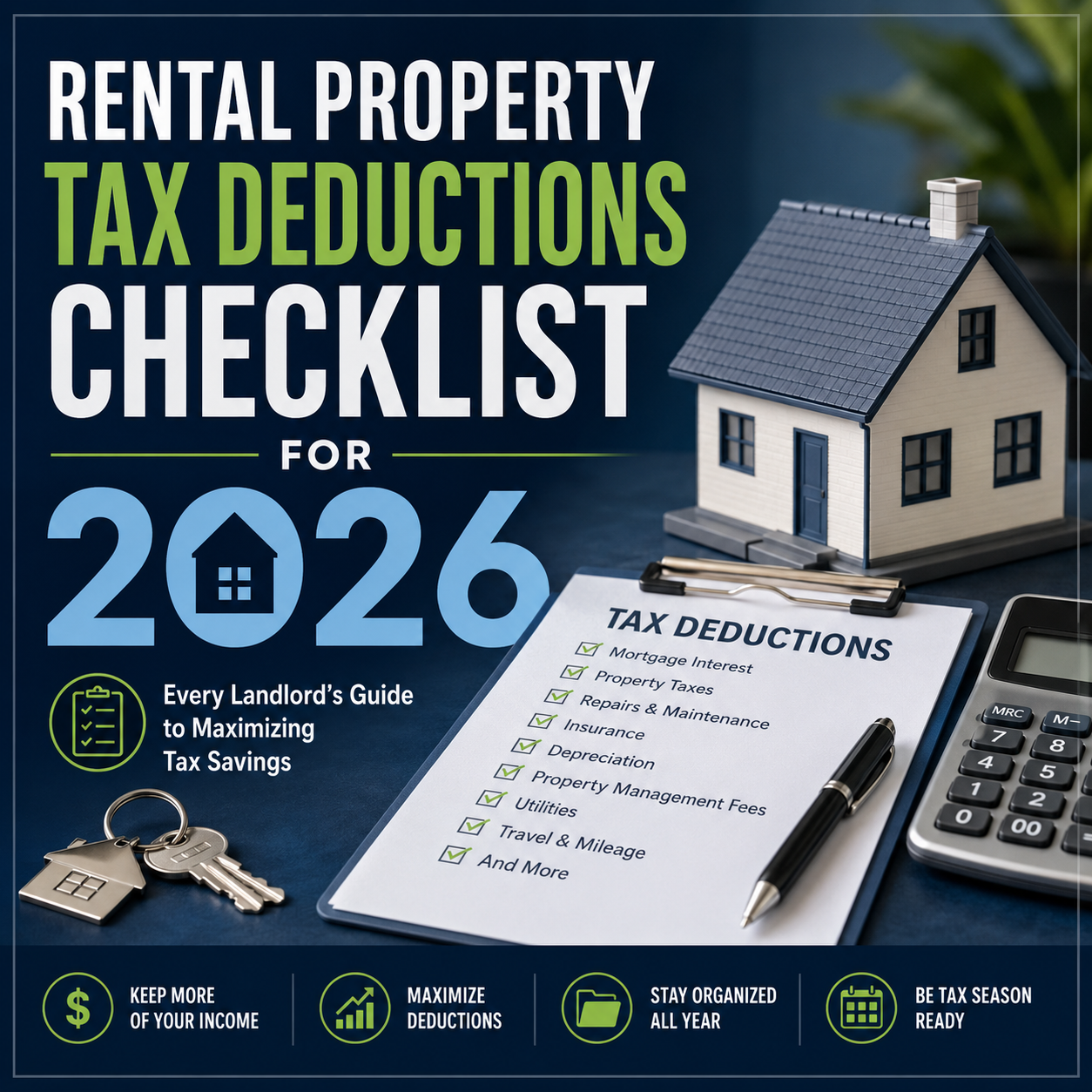
Once you are reporting income, the good news is you can usually deduct a long list of legitimate expenses. These tax deductions reduce your taxable income and can significantly soften the sting of taxes.
Short term rentals offer a variety of deductions that can reduce taxable income, especially for cleaning, maintenance, and operating costs (Rentastic).
Common deductible expenses include:
If the property is used only as a rental, these are straightforward business expenses.
If you also use the place personally, you have to allocate these costs between personal and rental days. You can only deduct the rental portion.
For example, if the property is rented 120 days and used personally 60 days, then 120 out of 180 days, or two thirds of certain shared expenses, can be deductible.
The IRS expects you to keep meticulous records of income, expenses, and the number of days used for each purpose so you can support those allocations in case of questions (Rentastic).
Depreciation is one of the most powerful tax rules in real estate. It turns the slow wear and tear on your property into a yearly deduction that reduces your taxable rental income.
Depreciation provides a yearly tax deduction that lowers taxable income by spreading the cost of the building and certain improvements over its useful life (Rentastic).
For a pure long term residential rental, the IRS generally allows you to depreciate the building over 27.5 years. If your building (land excluded) is worth 275,000 dollars, you get about 10,000 dollars per year in depreciation expense (Rentastic).
For many short term rentals, the IRS treats the property more like a hotel or commercial building. In that case, you typically depreciate over 39 years instead of 27.5 years (Rentastic). That means a smaller annual deduction for the same building value, but potentially more flexibility with advanced strategies.
The key is that depreciation does not involve cash out of pocket each year. It is a paper expense, but it has real impact because it shelters some of your rental income from tax.
If you want to front load more of your deductions, you may be able to:
With cost segregation, you do not just depreciate one big number over 39 years. Instead, you separate items such as flooring, appliances, furniture, site improvements, and more. Some of these may qualify for faster write offs or even immediate expensing under current rules.
Using accelerated depreciation techniques and cost segregation studies, short term rental owners can maximize deductions early in ownership, improve initial cash flow, and increase tax benefits (Rentastic).
These strategies are more complex and typically worth exploring with a tax pro who understands tax rules for real estate investors.
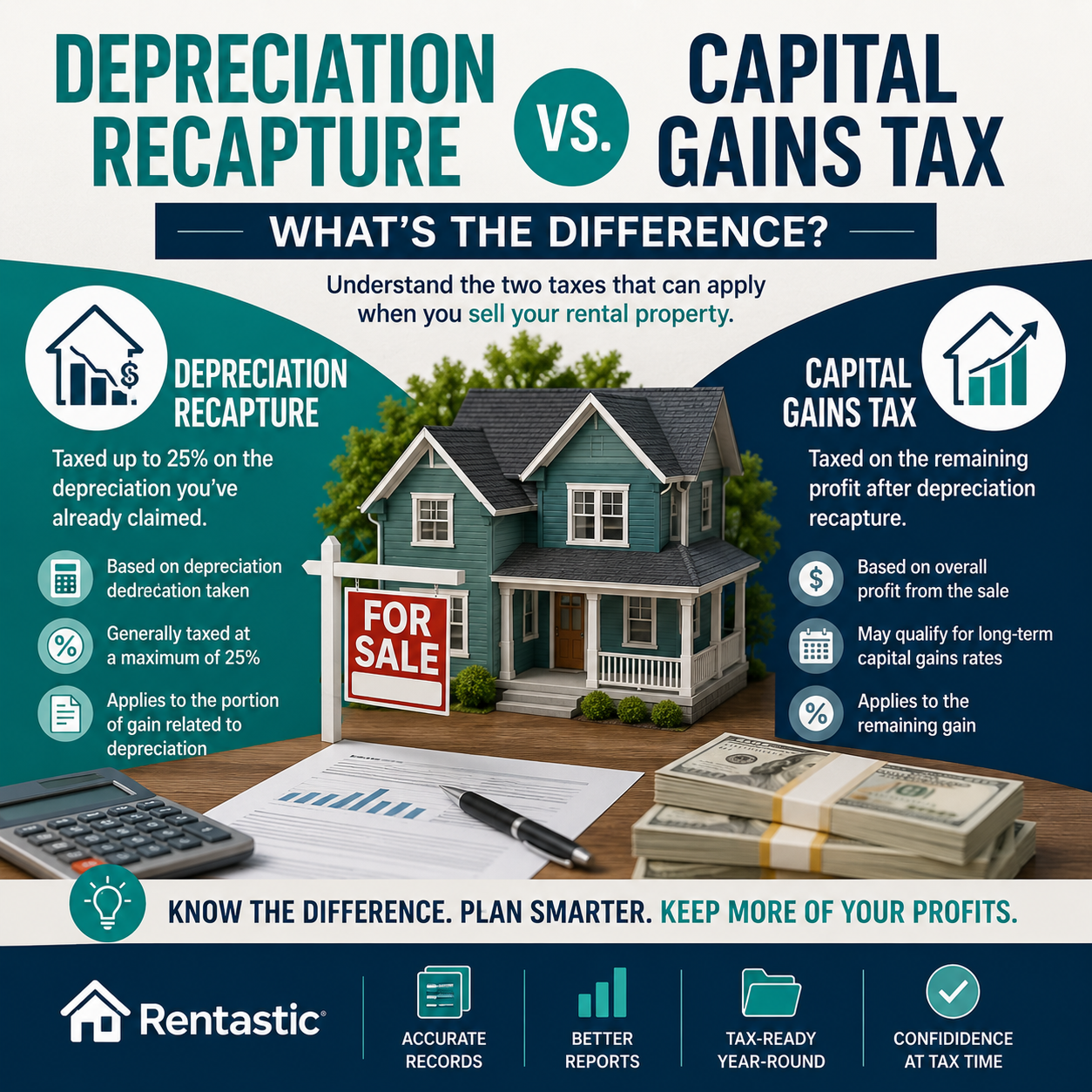
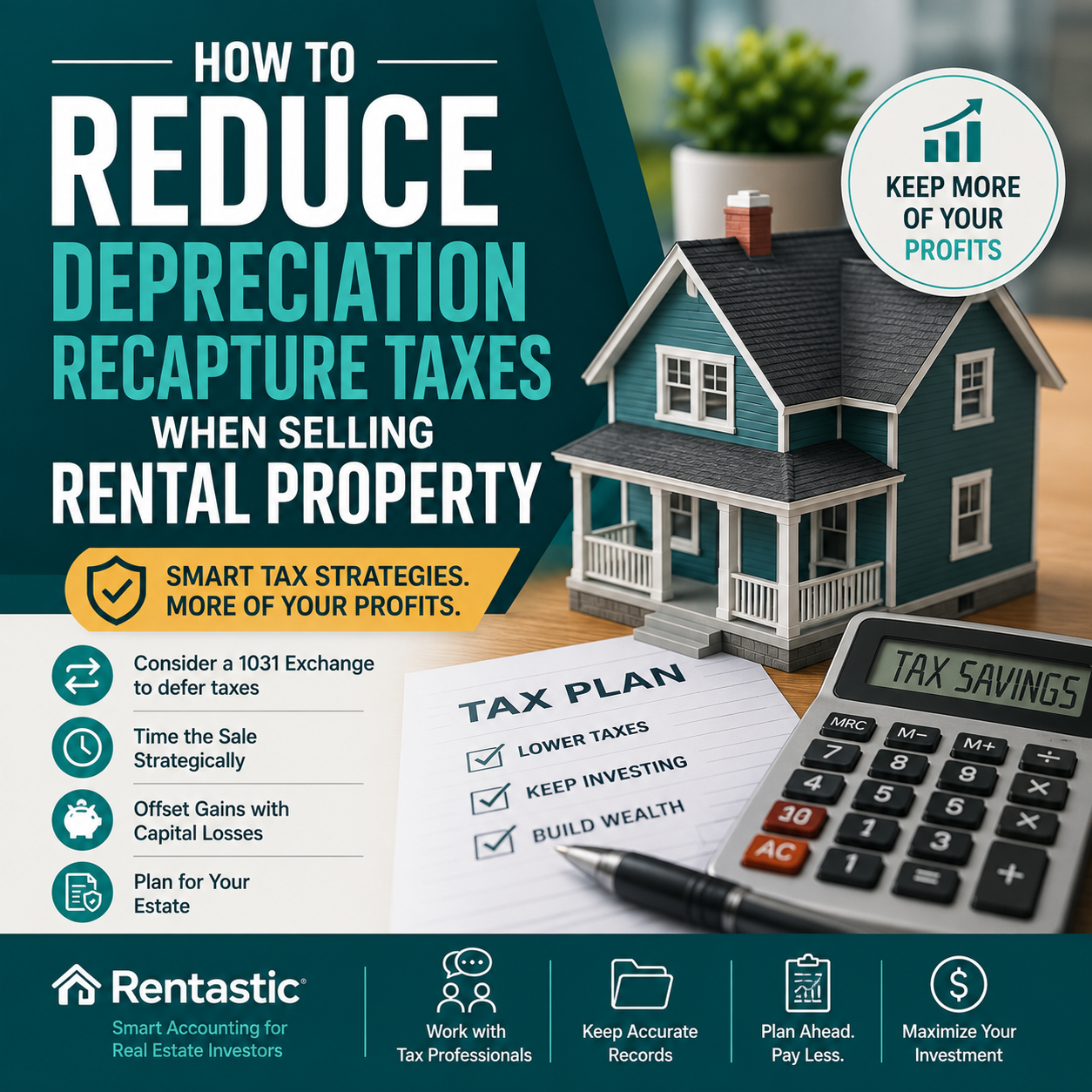
One important point. Depreciation is great while you hold the property, but when you sell, the IRS may look to “recapture” some of that depreciation and tax it at different rates.
The fact that short term rentals are treated more like hotels than classic long term rentals affects not only the depreciation schedule but also how tax works when you exit the investment (Rentastic).
That is another reason to keep clean depreciation records and to plan ahead with your CPA instead of winging it.
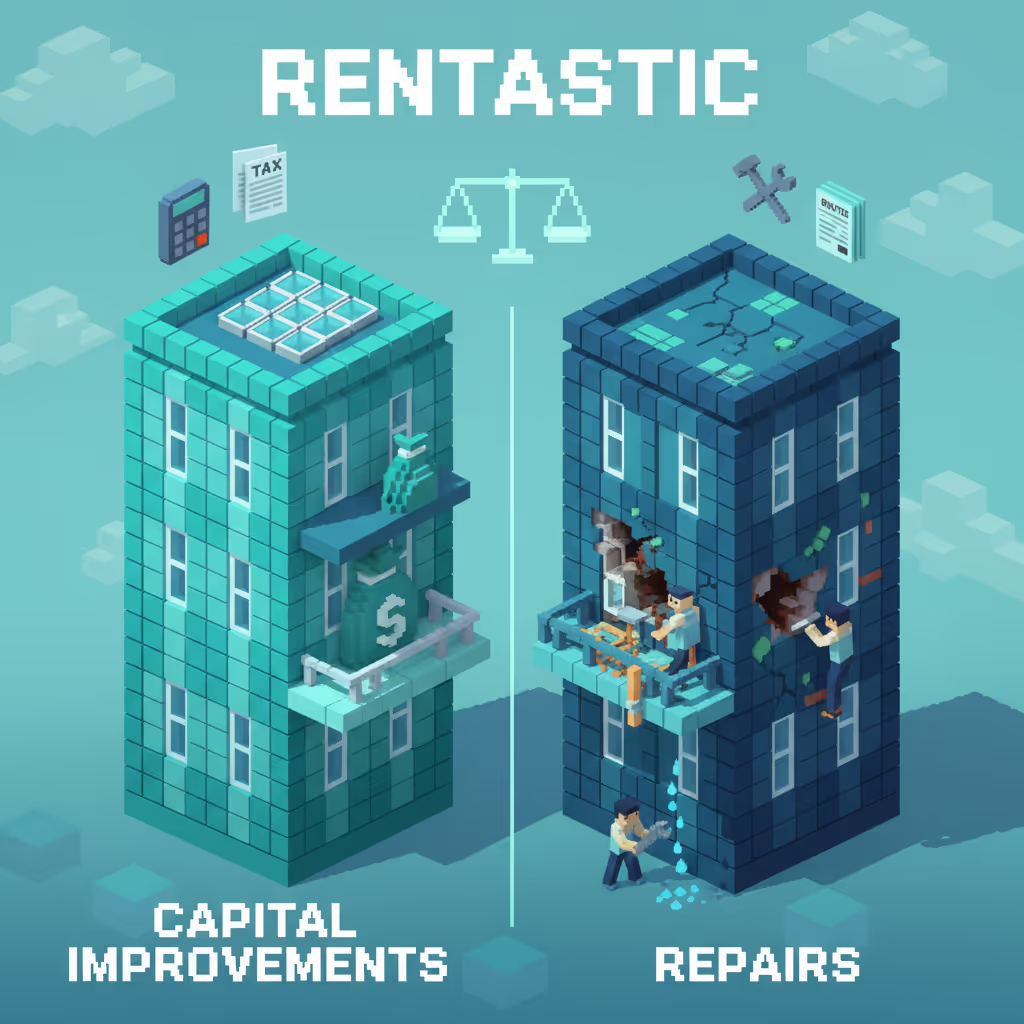
Not all property spending is created equal in the eyes of the IRS.
Tax planning for short term rentals involves distinguishing between repairs and improvements since they affect depreciation schedules differently (Rentastic).
For an Airbnb, it might be tempting to treat every upgrade as a repair. That rarely holds up under scrutiny. You want to be accurate, because mislabeling can cause problems if there is an audit.
When in doubt, document the work with photos, invoices, and notes, then consult a tax professional or your accountant so you stay inside the rules while still maximizing legitimate write offs.
Life gets more complicated, and more interesting, when you both host guests and stay at the property yourself.
The IRS has specific rules for “mixed use” properties where personal days and rental days are intertwined.
Rentals used for more than 14 days and occupied personally for fewer days qualify as rental properties under IRS rules. That status lets you claim various expense deductions on your tax return, as long as you track the split carefully (Rentastic).
For mixed use, you must:
Hosts who mix personal and rental use need meticulous records to satisfy IRS scrutiny and ensure correct tax treatment (Rentastic).
Your percentage split between personal and rental days determines how much of your shared expenses and depreciation you are allowed to deduct.
For example, if you rent the property for 200 days and stay there yourself for 40 days, then:
This allocation can change year by year, so you cannot just set it once and forget it.
If your personal use is relatively high compared to rental use, special vacation home rules can limit how much loss you can claim or how much of your expenses you can deduct against other income.
You will not always run into these limits, but if your Airbnb is also your favorite getaway, it is worth reviewing the detailed tax rules or asking your CPA to walk through the vacation home tests with your actual numbers.
You might be weighing whether to stay focused on Airbnb style guests or shift a unit to a long term tenant. From a tax angle, here is how they compare.
Long term rentals, generally leases over one year, involve simpler tax reporting that focuses on rental income and related deductions under residential rules. You get the 27.5 year depreciation schedule, and you usually do not deal with occupancy taxes or intense swings in personal use (Rentastic).
Short term rentals involve:
Neither path is automatically better. The right choice depends on your income goals, your tolerance for complexity, and the market you operate in.
What is consistent across both is the need to keep detailed records, respect the core tax rules, and use available deductions smartly.
The more accurate your records, the more confident you can be when claiming every dollar you are legally entitled to deduct.
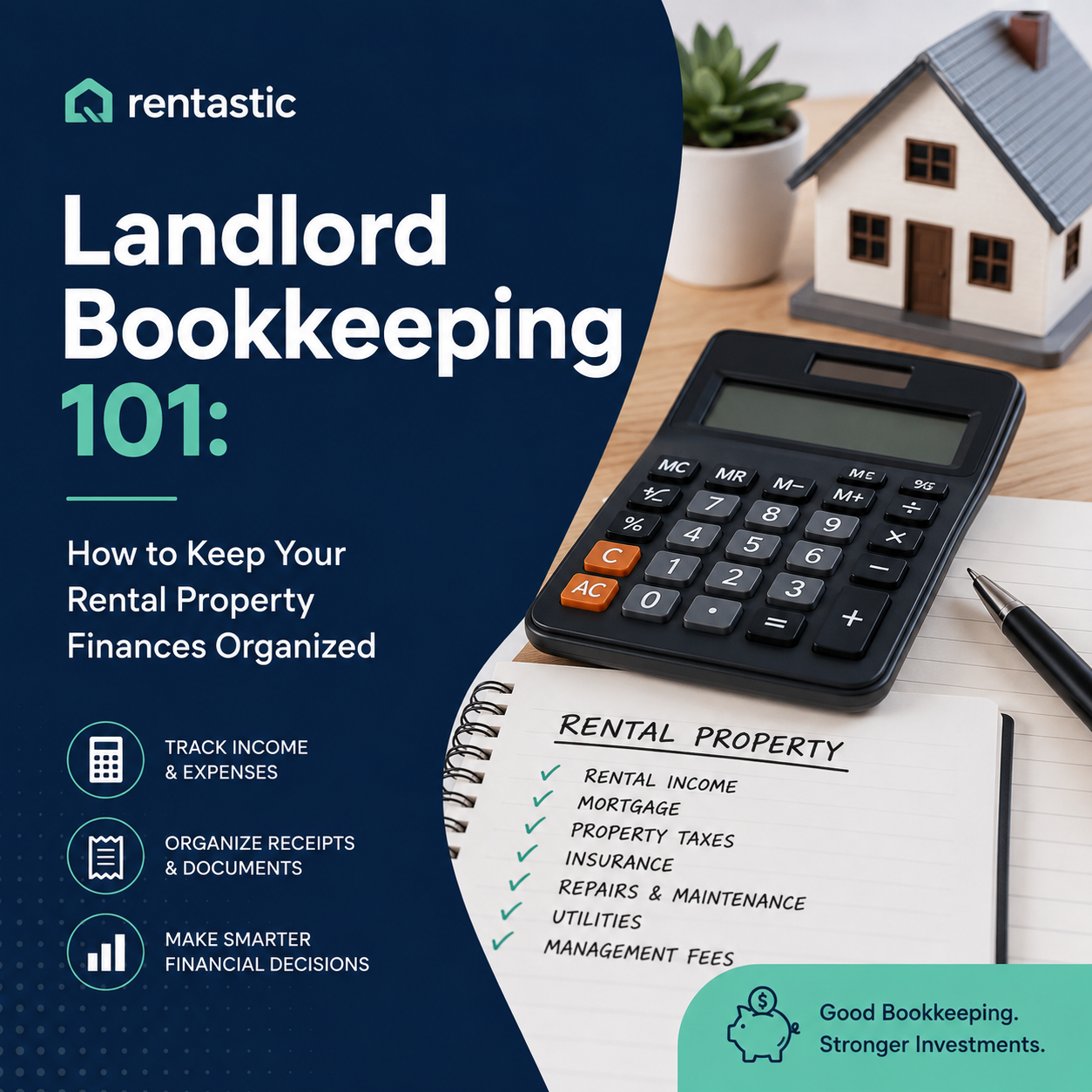
Good tax outcomes start with good data. Property owners are advised to keep meticulous records of all rental income and expenses, separate personal and rental finances, track depreciation, and meet tax deadlines to avoid fines and maximize deductions (Rentastic).
Manual spreadsheets can work for a single studio. Once you manage multiple listings or properties, they become a liability.
Property management and accounting tools can automate a lot of the grunt work that tax rules demand.
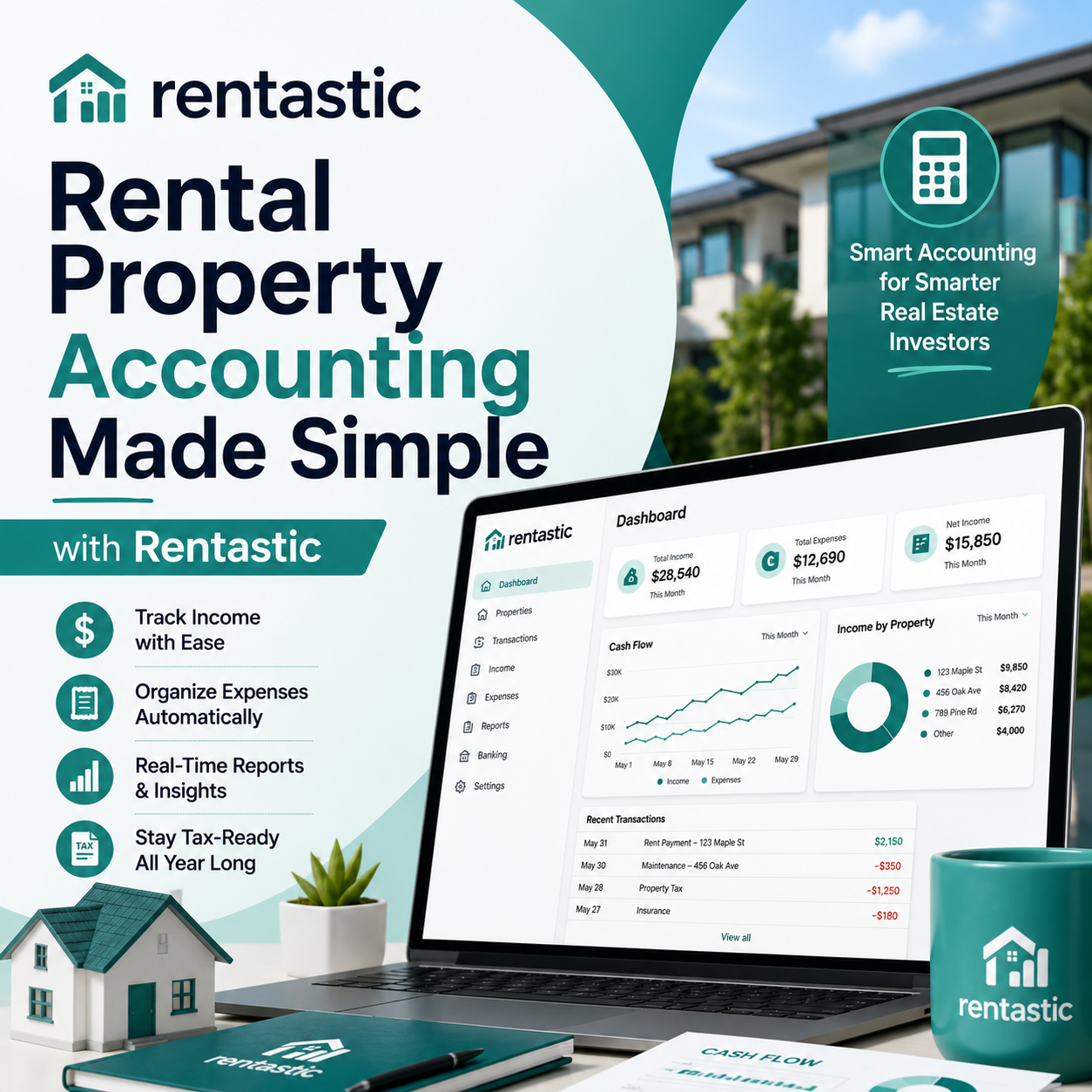
Rentastic, for example, can:
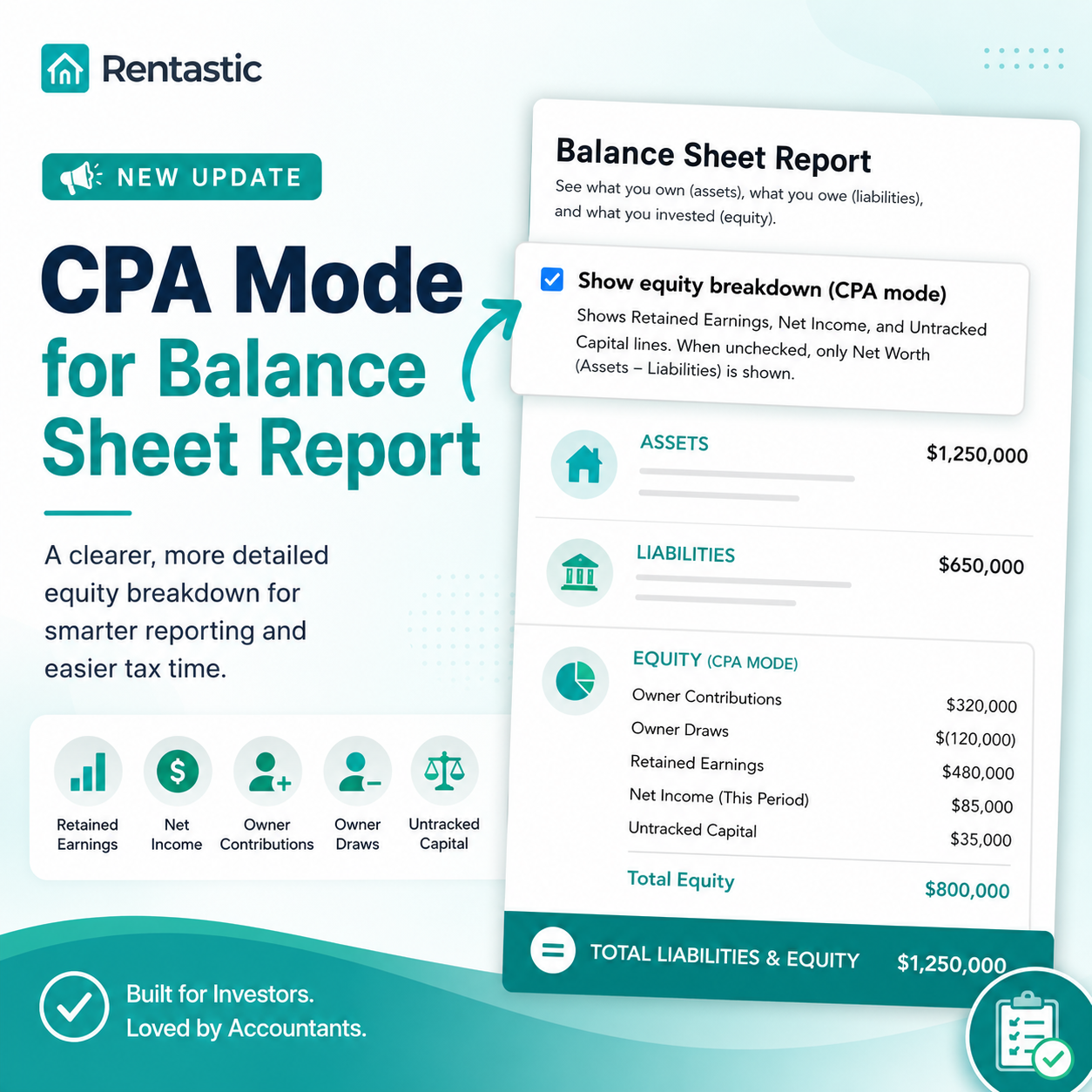
Automated financial reporting through platforms like Rentastic can reduce tax preparation times for rental owners from days to seconds and improve accuracy in meeting tax obligations under current IRS standards (Rentastic Blog).
Software is not a substitute for a qualified tax professional, but it gives them better data and frees you to focus more on guests and growth.
You do not need to become a tax expert to run a profitable Airbnb or short term rental, but you do need a basic grip on the tax rules that matter most:
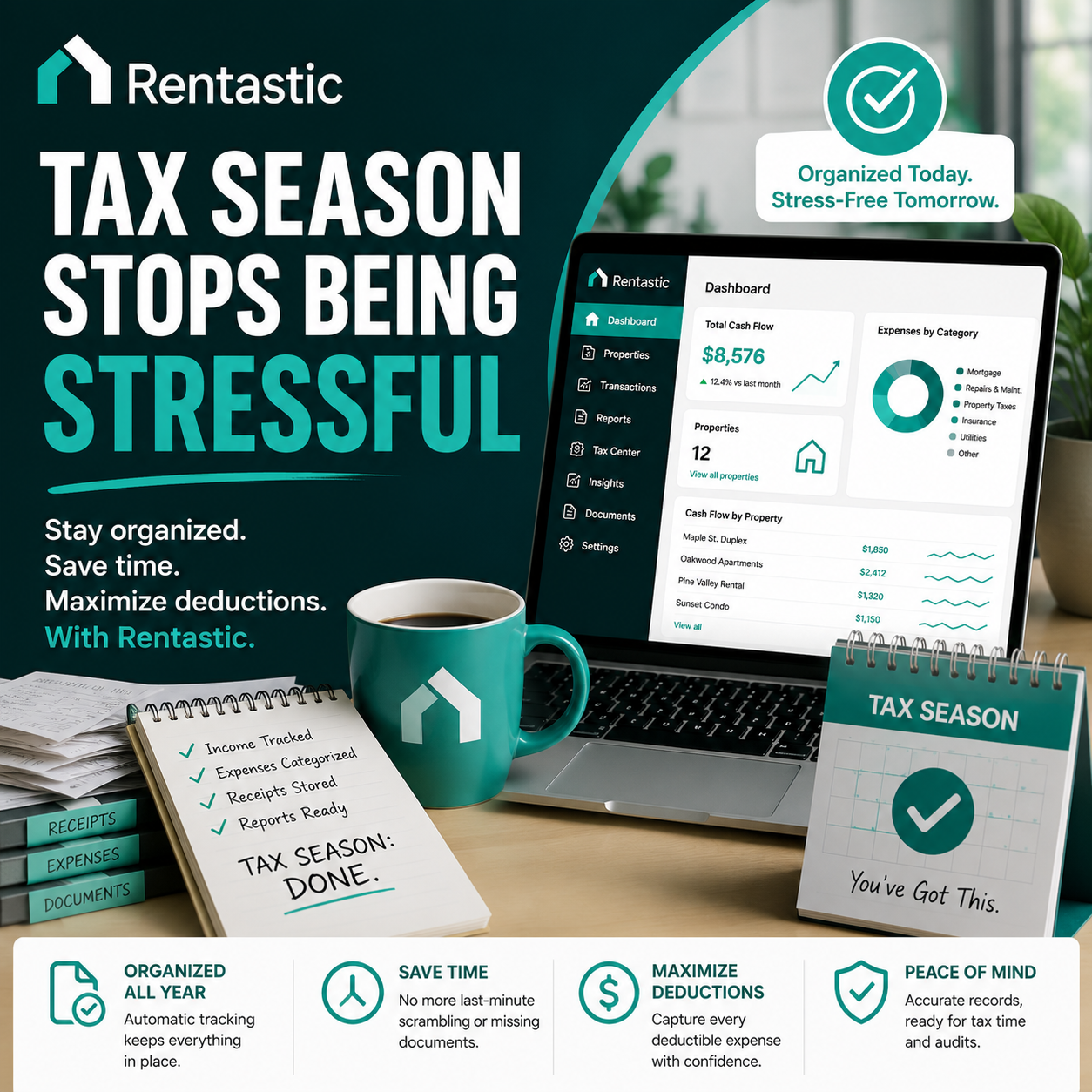
If you put in a bit of structure now, your future self will thank you when tax season feels like a quick review instead of a scramble.
RECENT POSTS


© 2025 Rentastic
Rentastic is registered as a trademark. Terms and conditions, features, support, pricing, and service options subject to change without notice.














.png)




























.png)



























Comments