

Remote hosts often get blindsided by one thing that is not in their Airbnb payout screen: local lodging taxes. These are the Transient Occupancy Taxes, hotel taxes, and lodging taxes that cities and states quietly expect you to collect and send in. They sit on top of the IRS tax rules you already follow for income and deductions, and if you miss them, local auditors can hit you with fines and interest years later.
In this guide you will walk through what local lodging taxes are, how they interact with federal tax rules for short term rentals, where platforms help and where they do not, and how to build a simple system that keeps you compliant without eating your time.
Before you can untangle local lodging taxes, you need a clear view of how short term rentals are treated under federal and state tax rules. This is where many hosts mix hotel logic with landlord logic and end up confused.
For federal purposes, the IRS generally treats short term rentals more like hotels than long term residential leases. This affects how you report income, how you depreciate the property, and even how your gains are treated when you sell a short term rental in 2025 and beyond (Rentastic). Short term rentals that are rented by the night or week are a different animal from a one year lease.
Tax rules also differ based on how long you rent your place. Income from short term rentals, often defined as renting your property for less than a month at a time, must be reported on your federal return. Long term rentals, with leases typically over a year, fall under simpler rules that mostly focus on reporting rental income and standard write offs or credits related to personal property tax regulations (Rentastic). Your local lodging taxes sit on top of this income picture, not instead of it.
It helps to create a mental split between three layers of tax rules that apply to your rental activity.
At the top you have federal IRS rules. These cover whether your income is taxable and where it is reported. For short term rentals, the IRS expects you to report all rental income on your federal return, even if a platform does not send you a form. Platforms may issue a Form 1099 K for payouts, but the obligation to report belongs to you, not to them (Rentastic). In 2025 the IRS has tightened enforcement so every dollar from short term rentals on platforms like Airbnb needs to be accurately reported to avoid penalties and legal issues (Rentastic).
Then you have state income tax rules, which may or may not apply depending on your state, but they still focus on income, not nightly taxes. These mirror many federal concepts and often reference the same numbers.
Finally, you have local lodging taxes. These are usually charged per night or as a percentage of the booking and are often called Transient Occupancy Taxes, hotel taxes, or lodging taxes. They are set by states, counties, and cities and are completely separate from income tax. Income tax looks at your profit. Lodging tax usually looks at what your guest pays per stay.
Once you see these as three different layers, the rest of the puzzle gets easier.
Some hosts have heard about the 14 day rule and assume it covers everything, including lodging taxes. It does not. You need to understand what that rule actually says and where it stops.
Under federal tax rules, income from a property you rent out for fewer than 15 days a year is not taxable. This is the IRS 14 day rule. If you rent out your place for 14 days or less during the year, you do not report that rental income on your federal return (Rentastic). Once you hit 15 days or more, every dollar becomes reportable and normal rental tax rules kick in.
Local lodging taxes are different. Many local governments define a short term rental based on each guest’s stay, not your total days per year. For example, they might tax any stay under 30 days. They do not care that you only rent ten days a year, or that the IRS offers you an exception. So you could be exempt from federal income tax on those stays and still owe lodging tax to your city or county (Rentastic).
You also need to be careful with your own use of the property. If you use your vacation home personally for more than 14 days or more than 10 percent of the rental days, the IRS may disallow certain rental losses and restrict deductible expenses, which changes your overall tax liability (Rentastic). Personal use does not erase local lodging tax either. When a paying guest stays under the short term threshold, local rules still usually treat that as a taxable stay.
Local lodging taxes behave a lot like the hotel tax you pay when you book a room. The guest sees a nightly rate, then a line that says occupancy tax or lodging tax. As a host, you act as the tax collector for your city or state.
Many states and cities impose Transient Occupancy Taxes or similar charges on short term rentals. These can be state level, county level, city level, or a stack of all three. In some places you also see special district taxes that fund tourism marketing or local transit. Income from short term rentals, defined in many jurisdictions as stays under a month, can trigger these lodging taxes in addition to standard income reporting (Rentastic).
Hosts must usually register with the relevant tax authority, collect the required tax from guests, and remit it by a set deadline, such as monthly or quarterly. Even if platforms like Airbnb collect and remit some local taxes on your behalf, you remain responsible for any additional taxes that are not covered as well as registration and filing requirements (Rentastic). In practice this means you cannot fully outsource lodging tax compliance to the platform, you still need to know what is happening behind the scenes.
Local lodging taxes are not based on your net profit. They are typically a percentage of the listing price, cleaning fees, and sometimes other mandatory guest charges. That means even if you barely break even on a stay, your lodging tax bill for that booking stays the same.
Because lodging taxes are local, the rules look very different from one state to another, sometimes from one city to the next. Looking at real states makes the variety clear.
In Tennessee, vacation rental hosts need to collect and remit state sales tax and local occupancy taxes. This can involve registration at both the state and local level and careful tracking of nights stayed. In Indiana, obligations may include permits, zoning approvals, and safety checks in addition to any lodging or occupancy taxes, and the specific requirements can change depending on the municipality where your rental is located (Rentastic).
Other states operate similarly, even if the labels change. Some require a hotel license before you collect lodging tax. Others fold the lodging tax into their sales tax system but still expect short term rental hosts to register and file return forms. Local governments in popular tourist destinations tend to be especially active, since lodging taxes are a major revenue source.
The key takeaway is simple. You cannot rely on a generic rule of thumb. You need to check the city, county, and state where your property sits and then keep an eye on updates. Compliance is not just a one time task.
Hosting platforms make it feel like everything is handled automatically, but that is only partly true. You need to know what they do and where they stop so you do not miss a tax rule.
Platforms like Airbnb may collect and remit certain local occupancy, lodging, or sales taxes on your behalf. When that is the case, guests see a tax line at checkout, and the platform sends that money to the tax authority directly. This can cover a big piece of your lodging tax burden, especially in large cities that have struck agreements with the platform (Rentastic).
However, platforms rarely cover every tax in every jurisdiction. Some cities require the host to register separately and file returns even if the platform sends in the tax money. Other jurisdictions do not have an agreement with the platform at all, which means you must charge, collect, and remit everything yourself. Hosts are ultimately responsible for tracking which taxes apply and ensuring total compliance, not the booking site.
On the income side the gap is even clearer. The IRS requires short term rental owners to report all gross rental income on federal returns regardless of whether a platform like Airbnb issues any tax form or not (Rentastic). In 2025, enforcement has increased, so the absence of a 1099 K is not a safe harbor (Rentastic). Your best move is to treat every payout as taxable and record it accordingly.
Once you know your obligations, you need a simple repeatable process. A basic five step routine is usually enough to keep you in good shape.
First, register where required. Many cities and states ask you to apply for a lodging tax account or a business license. During registration, clarify whether the platform already remits any portion of the tax so you do not double pay.
Second, configure your listing correctly. On each platform, check your tax settings. If your area is covered by automatic tax collection, understand exactly which taxes are included and which are not. If not, adjust your nightly rate to account for the extra tax you will have to collect and remit yourself.
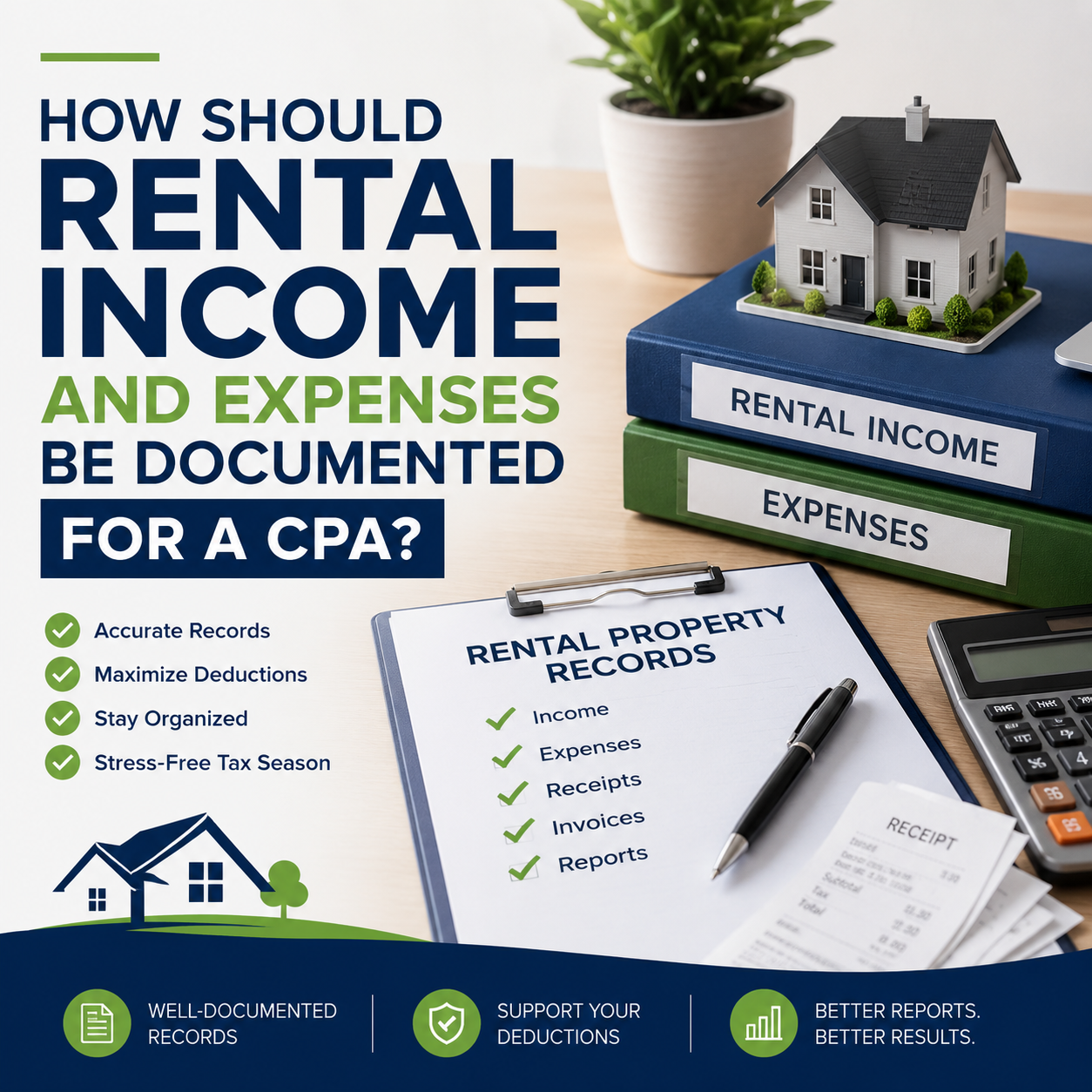
Third, keep clean records of every booking. Income from short term rentals must be reported on your federal return, and detailed records help you do that accurately (Rentastic). For lodging taxes you should be able to see, per stay, the rent amount, cleaning fee, taxable total, and taxes charged.
Fourth, file and pay on schedule. Each jurisdiction sets its own frequency, often monthly or quarterly. Put reminders on your calendar a week before each due date. Even small late payments can lead to unnecessary penalties.
Finally, coordinate this with your general bookkeeping. Tools like Rentastic help you automate financial tracking, produce Profit and Loss reports, and stay in step with IRS rules while also maximizing deductions for both short term and long term rentals (Rentastic). When your core books are organized, lodging tax numbers get much easier to pull.
A simple rule of thumb: if guests are staying less than a month and paying you, assume someone in your city expects a slice unless you can prove otherwise.
Lodging taxes are one side of the coin. On the other side you have deductions that can soften your overall tax bill. Good records help on both fronts.
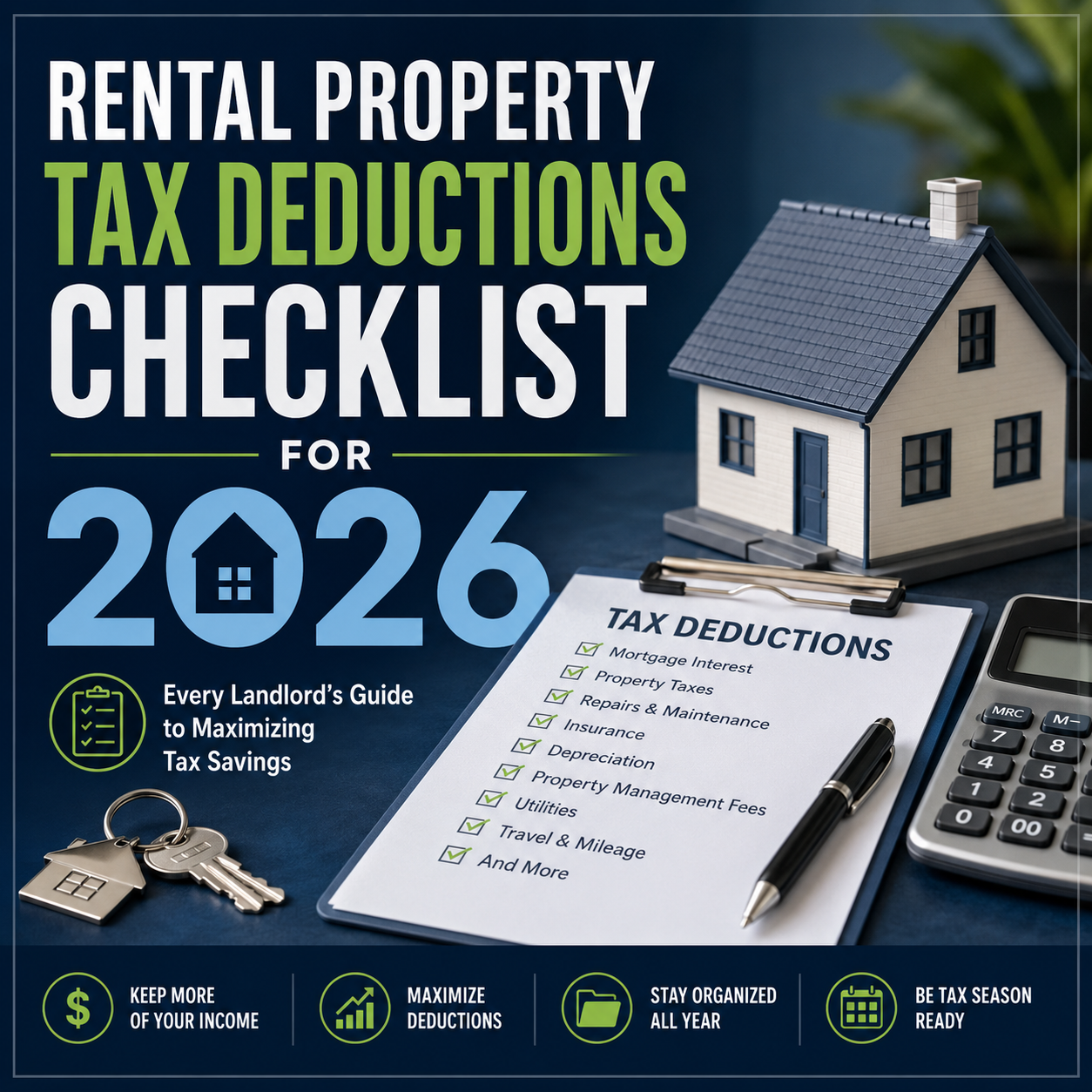
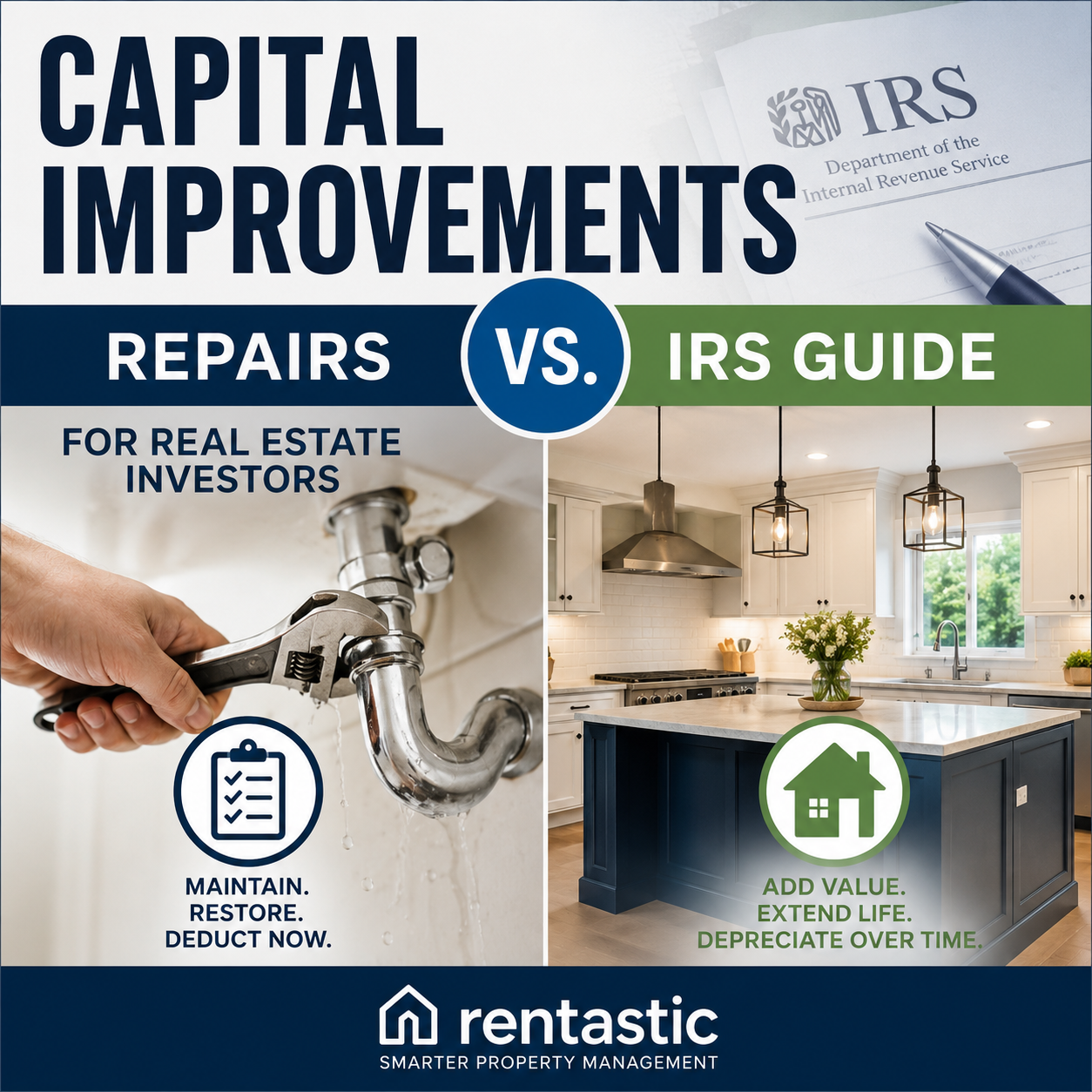
Short term rentals offer a wide range of deductible expenses that can reduce your taxable income, such as cleaning costs, repairs, maintenance, utilities, and property management fees. The IRS expects you to keep accurate records and receipts to support these deductions (Rentastic). When you do, you can turn many day to day operating costs into real tax savings.
Depreciation is another important factor. Short term rental properties are depreciated over 39 years, similar to commercial buildings, while long term residential rentals use a 27.5 year schedule. This difference directly affects your annual deductible depreciation amount in 2025 and beyond (Rentastic). Getting this right matters because depreciation is usually one of your largest write offs.
Proper tax compliance for short term rental income also unlocks deductions like mortgage interest, repairs, and property management fees, which improve your overall tax position (Rentastic). Lodging taxes you collect and remit are generally not your expense, since you are passing them through, but any penalties for noncompliance definitely are, which is another reason to stay current.
Certain missteps show up again and again for property owners who are new to short term rentals. Knowing them helps you steer around trouble early.
One common mistake is failing to report all rental income because a platform did not send a tax form or because the amount seems small. In 2025, the IRS expects every penny from short term rental activity to be accurately reported, and enforcement is tightening (Rentastic). Another is mixing personal and rental finances, which makes it hard to separate deductible expenses from personal spending and also complicates lodging tax tracking (Rentastic).
Many hosts also neglect depreciation deductions or do not realize that short term rentals use a 39 year schedule. Others miss tax deadlines or keep weak documentation for expenses and deductions, which can cause trouble during an audit (Rentastic). On the local side, a frequent error is assuming that if Airbnb collects a tax, all obligations are covered. In reality, you may still owe separate filings or additional taxes.
The biggest lodging tax mistake, though, is ignoring registration and remittance until the city reaches out. At that point, penalties and interest can stretch back years. A short conversation with a local tax office or a knowledgeable CPA early on is far cheaper than retroactive clean up.
You do not have to track all of this in a spreadsheet. Modern tools can do most of the heavy lifting so you can focus on bookings and guest experience.
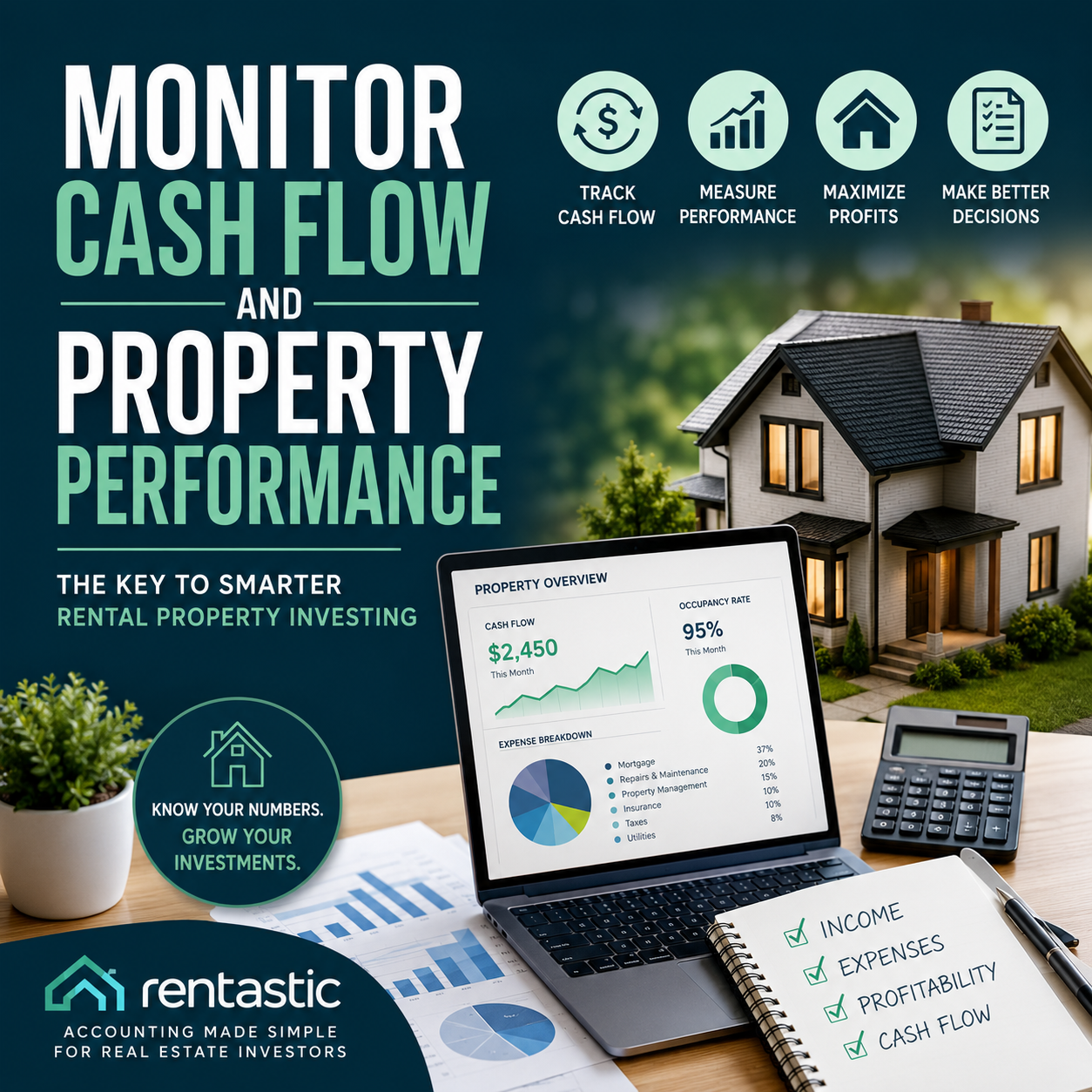
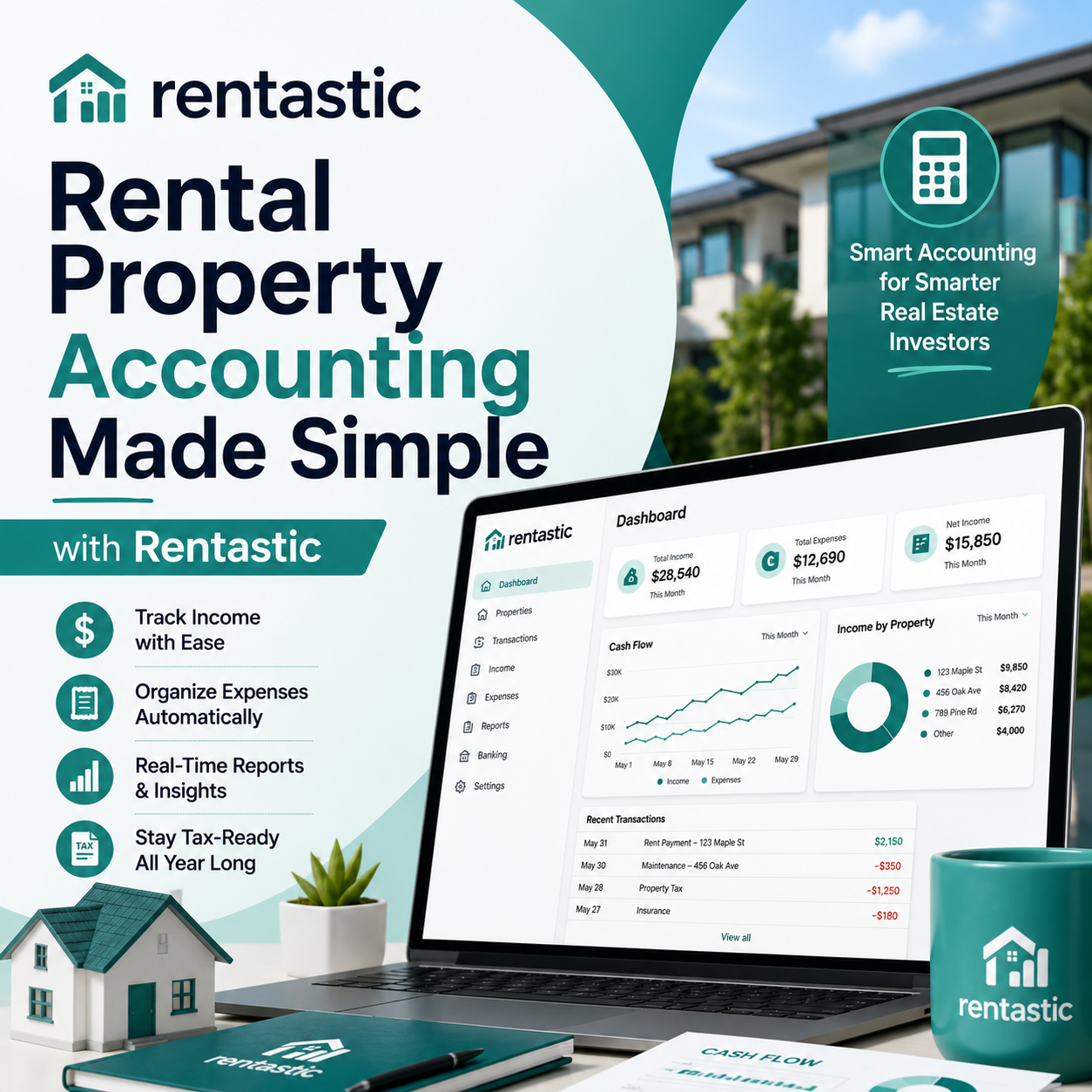
Platforms like Rentastic let you link your bank accounts and manage digital receipts in one place. This streamlines financial tracking, cuts down on manual data entry, and reduces errors, which is critical now that short term rental tax rules are stricter in 2025 (Rentastic). Automated Profit and Loss statements and Premium Reports make it easier to see your income, expenses, and net profit at a glance, and they give your tax preparer clean numbers to work with (Rentastic).
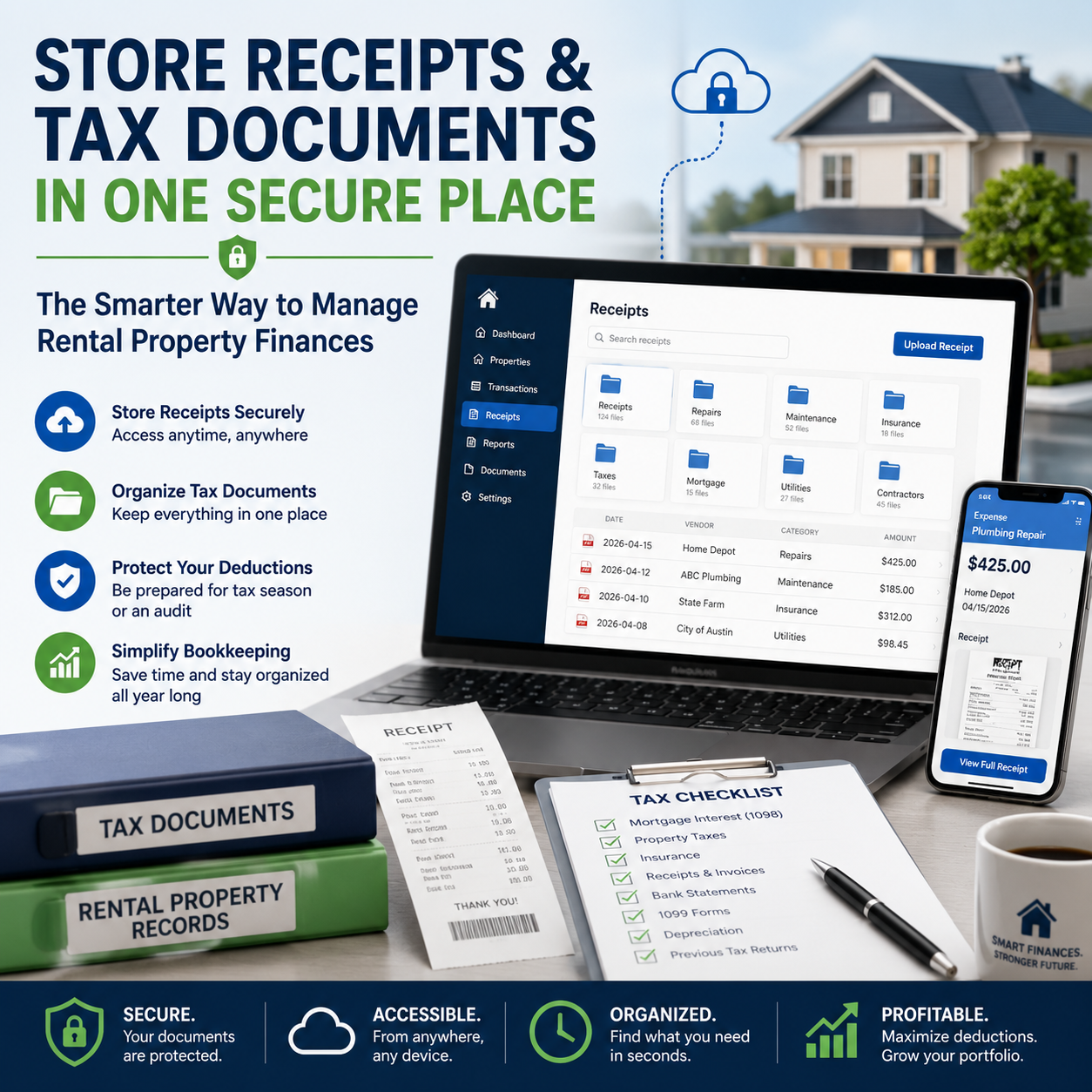
Features like Snap and Save let you attach photos of receipts directly to transactions. That means when you buy cleaning supplies or pay for an emergency repair, you can capture the receipt on your phone and tie it to the right property instantly. Organized documentation like this is essential for claiming deductions confidently under the updated 2025 short term rental tax requirements (Rentastic).
Good software does not replace local registrations or your obligation to file lodging tax returns, but it gives you the accurate numbers you need and keeps everything in sync with broader tax rules. It turns a pile of payouts and expenses into a clear financial story.
Another wrinkle in tax rules is how the IRS classifies your activity. Sometimes your short term rental looks like passive income. Other times it looks like an active business, which changes how you report it and may affect which local rules apply.
If you provide substantial extra services such as daily cleaning, breakfast, or concierge style support, your vacation rental income can be treated as business income instead of passive rental income. In that case, the IRS may require you to report it on Schedule C and you could be subject to different tax treatments and local regulations (Rentastic). You might also trigger additional state or city licensing rules that were originally designed for hotels and bed and breakfast operations.
This business versus rental distinction does not erase lodging tax obligations. In fact, hosts who provide more hotel like services are often even more squarely in the lodging tax system. It does, however, affect your ability to offset losses, your exposure to self employment tax, and how certain deductions work.
If your property is in a gray area, this is a good moment to bring in a tax professional who understands short term rentals. A one hour consultation can clarify your classification and help you set up a clean reporting approach from the start.
If you own vacation rentals in more than one state, or if you live in a different state from your property, your tax picture gets a bit more complex. You need to think in terms of where the property sits and which governments claim a share.
In 2025 vacation rental owners must report all rental income to the IRS regardless of where they live. On top of that, each state and locality where your property is located can impose its own lodging and occupancy taxes, registration requirements, and licensing rules. States like Tennessee and Indiana are clear examples of how varied these can be, but Florida, New York City, and many other locations also layer on permits, registration, and recurring fees (Rentastic).
Compliance usually means registering in each jurisdiction, collecting and remitting that location’s lodging taxes, and keeping separate records when needed. Failure to comply can bring fines and legal complications, especially in high profile markets where enforcement is a priority (Rentastic). If you invest across state lines, a tax professional who works with multi state landlords is worth having on your team.
Lodging taxes are one of the easiest parts of short term rental hosting to overlook. They are separate from your federal tax rules, they vary by location, and platforms only cover part of the story. Yet they are also predictable once you learn the map for your city and state.
To recap, you now know that the IRS treats short term rentals more like hotels than long term leases, that the 14 day rule for income does not erase local lodging taxes, and that you are responsible for reporting all rental income even when platforms stay quiet. You have seen that local governments can require registration, licensing, and strict lodging tax remittances and that tools like Rentastic can simplify tracking, reporting, and documentation across your rental portfolio.
Your next move is simple. Pick one property, verify its local lodging tax rules with the city or county, check what your platform collects already, then set up a basic tracking and filing routine. Once the first property is clean, copy the same system to the rest. With a bit of upfront work you can keep guests happy, keep auditors away, and keep more of what you earn.
RECENT POSTS


© 2025 Rentastic
Rentastic is registered as a trademark. Terms and conditions, features, support, pricing, and service options subject to change without notice.






.png)





















.png)



























Comments