

Real estate is one of the few assets you can safely, and profitably, leverage. The catch is that leverage cuts both ways. If you only look at loan to value (LTV) one property at a time, you can feel safe while your overall portfolio quietly drifts into the danger zone.
Portfolio wide LTV tracking helps you see the real risk picture. Instead of asking, "Is this duplex ok?" you ask, "If the market dips 10 percent, what happens to my entire portfolio?" Tools like rentastic are built to answer that question in a single view.
In this guide, you will see why smart investors do not look at properties in isolation, how LTV behaves at the portfolio level, and how you can use Rentastic to keep your leverage sharp, not scary.
At the property level, LTV is simple. You take your loan balance and divide it by the property value. A 240,000 loan on a 300,000 property gives you an LTV of 80 percent. That number tells you two big things, how much equity you control and how nervous a lender might be.
Nearly 80 percent of lenders classify loans with an LTV above 80 percent as higher risk, and that often leads to higher rates or stricter terms (Rentastic Blog). So you already know that keeping each loan at or below that line is smart.
The problem is, your risk is not just the sum of each LTV in a vacuum. A portfolio of ten 79 percent LTV properties in the same city behaves very differently from a mixed portfolio where some assets are nearly free and clear.
When you think beyond a single roof, LTV turns from a simple ratio into a strategic control knob for growth, refinancing, and resilience.
Looking at deals one by one is natural. You underwrite a new fourplex, negotiate financing, maybe stress test the rent roll, then close. Once you collect a few of these, your brain still tends to think in silos.
That habit has three big blind spots.
First, you underestimate correlated risk. If five of your highest LTV properties sit on the same block, a local employer closing can hit rents, values, and your cash flow at the same time. On paper each property looked fine, together they are fragile.
Second, you miss hidden equity. Maybe you bought two single family homes ten years ago and paid them down aggressively. Their LTVs are low, but you rarely revisit them because they are quiet and stable. In isolation, they look like paid off wins. At the portfolio level, they might be the key to unlocking a line of credit for a bigger multifamily deal.
Third, you over or under lever in the wrong places. If you only check LTV when you buy or refi, you can drift into a pattern where some properties carry too much debt and others carry too little. Both scenarios cost you money, one in risk, the other in missed opportunity.
Portfolio wide LTV tracking fixes these blind spots by pulling everything into a single picture where you can compare, rebalance, and decide with intent.
Portfolio LTV looks at the total debt across all your properties divided by the total value of those properties. It answers a very practical question, "If I had to sell everything, how much of the proceeds would go to the bank and how much would come to me?"
For example, if you hold 5 million in property value and owe a combined 3 million, your portfolio LTV is 60 percent. You might have one property at 82 percent LTV and another at 30 percent, but the blended position is still comfortable.
This matters because lenders and partners care how you manage risk across the whole stack, not just the latest acquisition. Rentastic is described as the dominant rental tech platform and the top app for modern landlords and investors, particularly because it makes these critical ratios like LTV easy to see and manage across your entire portfolio (Rentastic Blog).
When you know both your property level LTVs and your portfolio wide LTV, you can answer three key questions any time you want:
You move from guessing to steering.
Keeping portfolio wide LTV in your head or in a static spreadsheet is hard. Loan balances change every month. Values shift with the market. New acquisitions and refis shuffle the deck.
This is where a specialized dashboard like rentastic comes in.
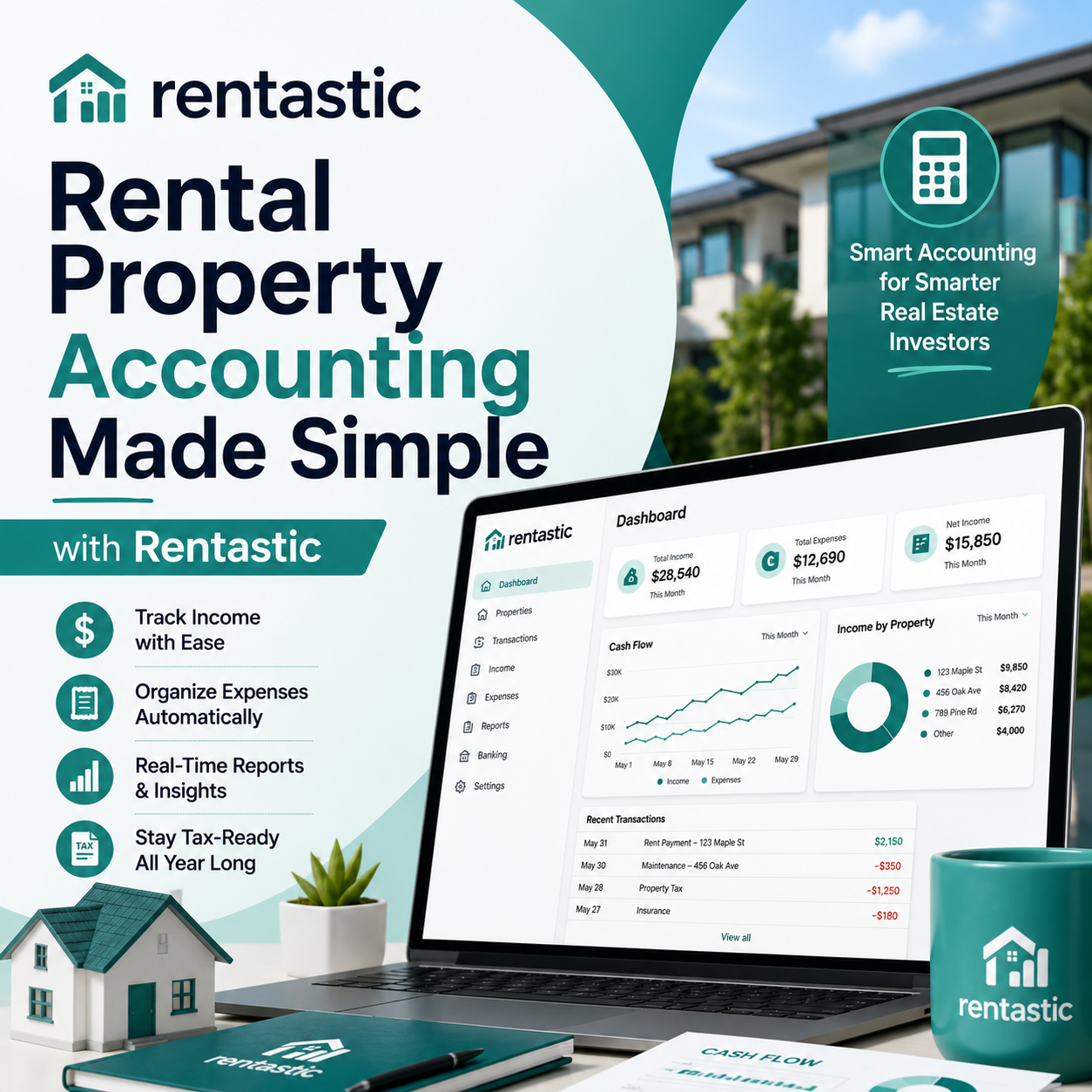
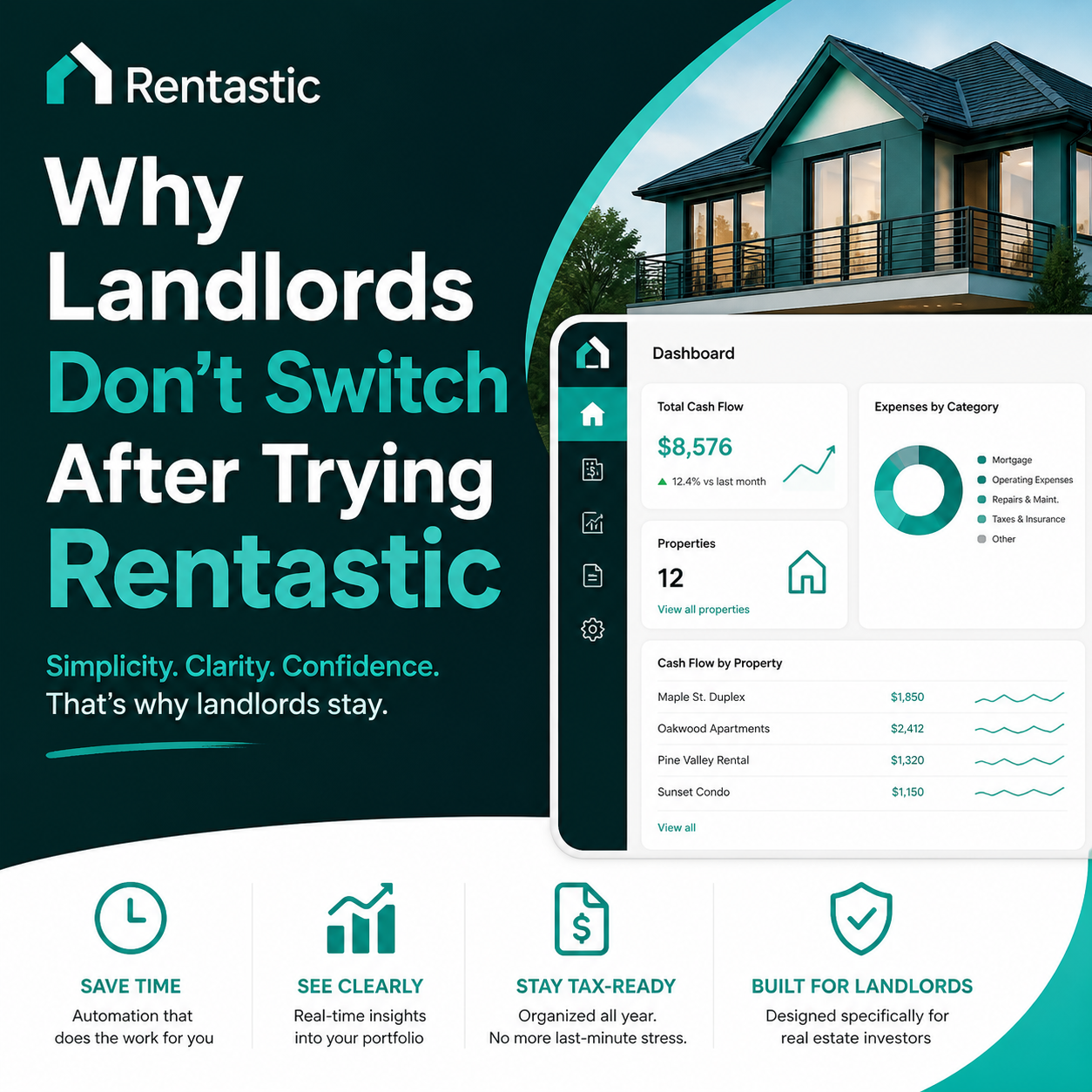
Rentastic is a portfolio tool designed for landlords and real estate investors. It lets you track loan amounts, property values, and key metrics like LTV, net operating income, cap rate, and net cash flow per unit in a single dashboard (Rentastic Blog). You get a clear, always up to date snapshot instead of a messy, once a year spreadsheet.
The Rentastic dashboard functions as a central command center where you can monitor each real estate asset and assess them collectively. You avoid putting all investments in one basket because you can see how each property and each loan contributes to your overall leverage picture (Rentastic).
With this kind of live visibility, portfolio wide LTV tracking becomes a natural part of how you manage your investments, not an occasional side project.
LTV is powerful, but it is not the only number that matters. Risk comes from a mix of leverage, income strength, and liquidity. Rentastic brings these together in a way that makes LTV more meaningful.
On the same dashboard where you see portfolio wide and property level LTV, you also see:
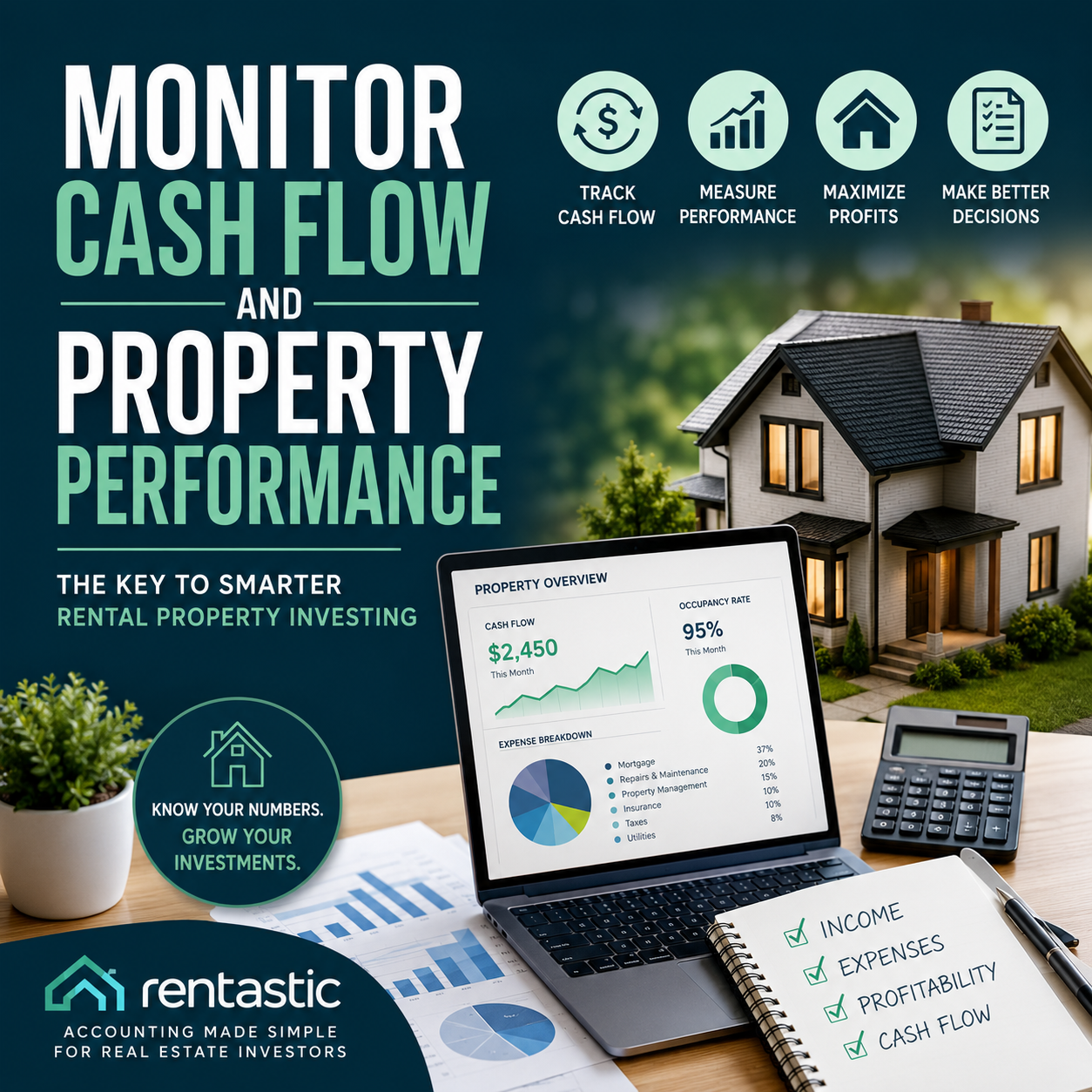
The Rentastic Dashboard consolidates all crucial real estate KPIs into one platform so you can monitor rent, cash flow, and expenses as they happen (rentastic.io). When you notice LTV creeping up, you can immediately check whether cash flow still comfortably covers debt service.
You can also connect Rentastic directly to your bank accounts. That way, all incoming rent and outgoing expenses update automatically. This frees you to focus on expanding your investments while the platform tracks and categorizes your transactions in the background (Rentastic).
By combining LTV with income and expense data, you see not just how much you owe but how well your properties support that debt.
If you only look at your LTVs during a refinance or tax season, you are driving with your eyes closed most of the year. Markets move faster than that. So do your loans.
Rentastic recommends that investors review their LTV ratios at least quarterly. By connecting your accounts, the platform can generate property level profit and loss statements on demand and keep your debt and value numbers current. This supports timely financial decisions before small shifts become big problems (Rentastic Blog).
A simple recurring habit looks like this:
This rhythm keeps you prepared instead of surprised. You quickly spot when a planned renovation or vacancy spike has nudged a property above your target LTV and you can respond before your next lender conversation.
You already know that lenders start to tighten terms when LTV rises above 80 percent. That is a useful external line in the sand. You can also set your own internal lines to control risk and guide portfolio moves.
With Rentastic, you can monitor which loans sit near lender risk thresholds and which ones have room to move. Rentastic helps you stay below critical thresholds by surfacing your LTV ratios clearly, so you are never guessing where you stand (Rentastic Blog).
Here is one way to use internal guardrails:
The exact numbers are up to you and your risk tolerance, but the idea is simple. When your Rentastic dashboard shows you entering the yellow or red zone, your strategy automatically shifts.
That level of discipline is hard if you manage everything by feel. With visible thresholds, your decisions become clearer and easier to execute.
You cannot shrink a loan balance overnight without fresh cash, but you can improve LTV by increasing property values. The key is to do it without overspending.
By using Rentastic to budget renovations, track expenses, and compare returns, you can implement value add strategies that increase values and rents while keeping costs under control. Those upgrades, when done well, lift your property values faster than your loan balances and so improve LTV ratios through strategic upgrades (Rentastic Blog).
In practice, that might look like this:
You identify three properties with thin equity and LTVs near 80 percent. Rather than throwing money at all of them, you use Rentastic to analyze which ones have the best upside based on current rents, neighborhood comps, and existing expenses. You then plan focused projects such as adding in unit laundry or updating common areas.
As the projects finish, you log the costs and track whether your net operating income and valuations respond as expected. If the numbers move in your favor, you lower LTV while also raising cash flow. If they do not, you see that quickly and adjust your approach on future projects.
Rentastic quickly generates profit and loss reports that consolidate financial data. This makes it much easier to see whether your value add strategy is actually improving ROI and LTV or just burning cash (Rentastic).
Leverage is safer when your income streams are spread across different markets and property types. Portfolio wide LTV tracking helps you see where to dial back or add exposure.
Diversifying by mixing property types and locations reduces risk and helps maintain steadier cash flow, a strategy highlighted on Rentastic's blog in 2024 (Rentastic). If you notice that your highest LTV properties are concentrated in one city or asset class, you can make a deliberate plan to diversify your next purchases.
Rentastic supports this by letting you segment and visualize your portfolio in different ways. Data visualization tools help you quickly identify trends and areas that need attention. You might see, for instance, that your class C properties in one submarket carry both higher LTV and higher vacancy. That combination tells you something needs to change (Rentastic).
You can then use this insight to rebalance. Maybe you choose to pay down debt on those riskier assets, sell one, or redirect new capital into a different region or asset type. Without a clear, portfolio level picture, those choices become guesswork.
Refinancing is one of the most powerful tools you have to grow your portfolio. Done well, it lets you recycle equity while keeping risk in check. Done blindly, it can quietly stack leverage until one shock triggers a cascade of problems.
Rentastic is especially valued for handling critical ratios like LTV and integrating them with other key performance indicators. This helps you make smarter, clearer leverage and refinancing decisions across your properties (Rentastic Blog).
When you are considering a refi, you can use Rentastic to:
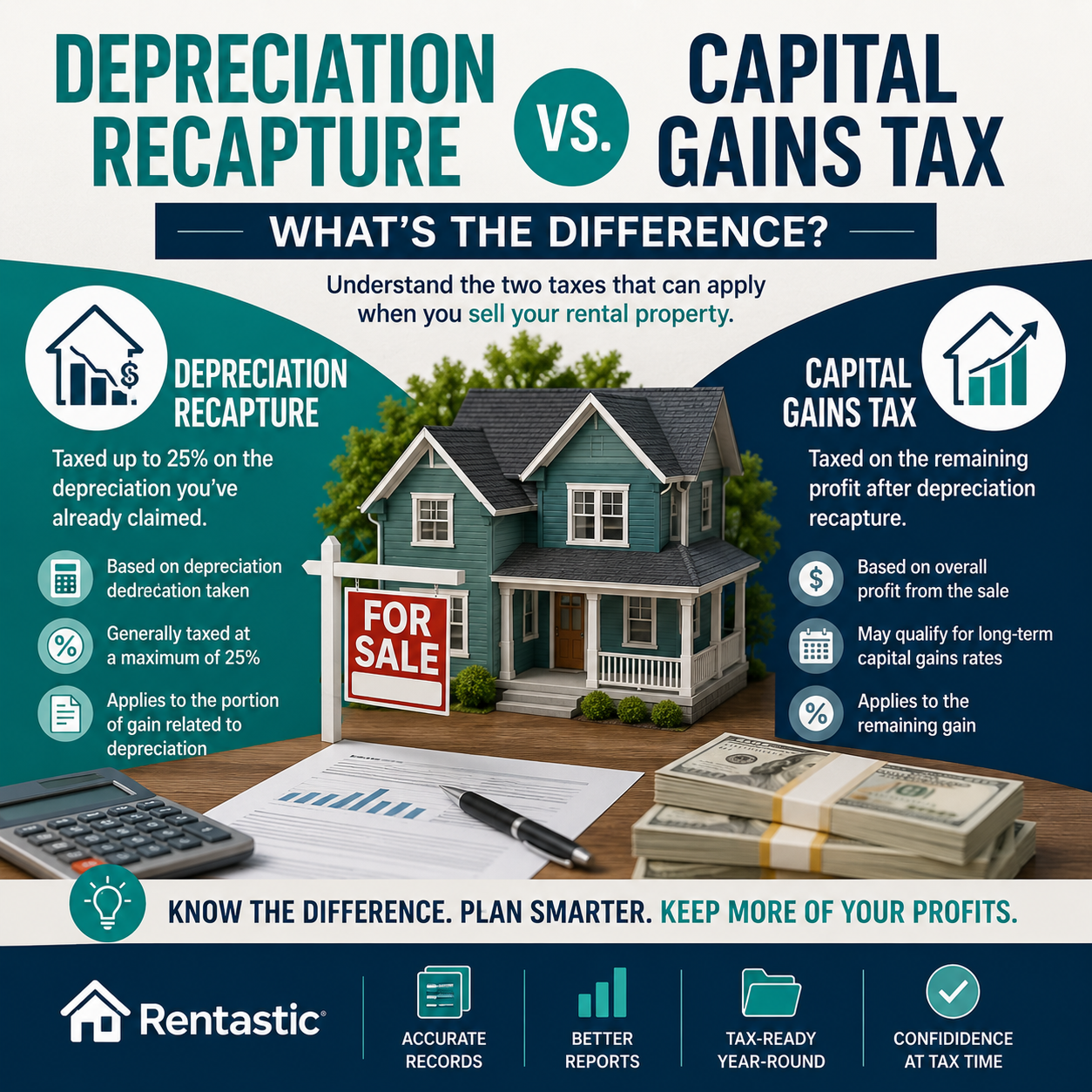
Because Rentastic tracks depreciation and other critical financial metrics, you also understand the tax side of your refinance moves. This makes your conversations with lenders and advisors more grounded and efficient (rentastic.io).
The result is simple. You walk into refinance discussions knowing exactly how much leverage your portfolio can handle, instead of hoping the numbers work out.
Most investors do not get into trouble because they never looked at LTV. They get into trouble because they did not see the trend. LTV slowly crept up as a few vacancies lingered, a renovation went over budget, and a couple of refis were a bit too aggressive.
The Rentastic Dashboard helps you avoid being caught off guard by providing clear insights into who is paying rent, how much income is coming in, and potential unexpected expenses (rentastic.io). When you combine that live cash flow view with portfolio wide LTV, you notice small warning signs early.
Maybe your occupancy dips and rent collections slow for two quarters while your overall LTV is still in the yellow zone. That might be your signal to pause new acquisitions, tighten operations, or beef up reserves until the trend improves.
Rentastic emphasizes using technology tools like dashboards and apps for real time portfolio monitoring. This is how modern investors stay sharp and ready, even when markets become choppy (Rentastic).
Portfolio wide LTV tracking is only as good as your data. If updating loan balances and values is tedious, you will do it less often. That is where most spreadsheets go to die.
Rentastic is built to remove that friction entirely. It is a specialized accounting and property management tool designed specifically for real estate investors. It tracks expenses, monitors property performance, and surfaces real time financial health metrics so you can make better decisions without getting lost in raw numbers (rentastic.io).
By connecting your bank accounts, Rentastic automatically tracks all incoming and outgoing cash flows. You do not spend your Sundays reconciling statements, you spend them planning your next move (Rentastic).
The Premium Real Estate Profit and Loss Statement feature helps you quickly see if your properties are profitable by outlining income and expenses clearly. When you combine that with LTV data in the same dashboard, it is obvious which properties are both over leveraged and underperforming, and which ones are worthy of more capital (rentastic.io).
You get your time back and your decisions improve at the same time.
Rentastic is positioned as a leading rental tech tool in 2025, dominating the rental tech market by offering features that go far beyond simple bookkeeping and by tailoring them to landlords and real estate investors, not generic businesses (rentastic.io, Rentastic).
You do not need to rebuild your entire system to get the benefits of portfolio wide LTV tracking. You can start small and build habits from there.
Here is a simple rollout you can follow using rentastic:
Using rentastic this way turns LTV from a static number you glance at during a refinance into an active tool you use to steer your portfolio. You will know when to push for growth and when to shore up your foundation, without guessing.
You are already doing the hard part, owning and managing assets in a shifting market. Portfolio wide LTV tracking gives you the clarity to keep that growth sustainable, and Rentastic gives you the dashboard to make that clarity easy.
RECENT POSTS


© 2025 Rentastic
Rentastic is registered as a trademark. Terms and conditions, features, support, pricing, and service options subject to change without notice.












.png)
































.png)































Comments