

The real cost of a bad tenant often hits you long after move in day. Missed rent is only the first leak. By the time you add damage, legal fees, vacancies, and your own time, a single bad tenant can wipe out a full year of cash flow and then some. In this guide you will see how those costs stack up, and how smart screening, including AI powered tools, helps you avoid them.
You will also get a clear cost comparison so you can justify spending a bit more time and money up front on screening, instead of paying for it later in stress and repairs. If you have ever wondered whether your process is strong enough to prevent the real cost of a bad tenant, this guide is for you.
If you look only at the rent you collect, a problem tenant might seem manageable. They are a few days late. They complain more than most. They leave the yard a mess. It is irritating, but not catastrophic, right?
When you zoom out and treat your rental like a business, the picture changes. An ineffective tenant screening process raises the risk of late or non payment of rent, which makes it harder to cover your mortgage, taxes, insurance, and maintenance. The gap has to be filled by your savings or a line of credit, and that hits your returns hard.
Bad tenants also tend to create secondary costs that do not show up until they move out, or until you have to involve an attorney. That is where the real damage often hides.
You probably expect some wear and tear on any rental. A bad tenant goes far beyond that. Think about each cost bucket one by one and how quickly they add up.
Late or unpaid rent is the most obvious hit. Missed rent can mean:
Even one or two missed months can erase a year of profit on a single family home. If you carry several mortgaged units, the risk multiplies across your portfolio.
Poor tenant screening can lead you to renters who are rough on your property or simply neglect basic care. That can look like:
Repairs here are not just cosmetic. They can delay your next move in date and reduce the rent you can reasonably ask. You also risk conflicts with neighbors and possible local ordinance violations if trash piles up or common areas are damaged.
Inadequate screening raises the odds of lease violations, disruptive behavior, or chronic non payment that ends in eviction. Evictions are expensive and time consuming. They usually mean:
Once the tenant is out, you still face a vacancy period while you repair damage, re advertise, and place a new tenant. That means more lost rent plus marketing costs.
Renting to tenants without proper background and rental history checks can also create legal and compliance problems. If issues escalate, you may deal with:
At the same time, if your own screening is not Fair Housing compliant, you can face penalties for discrimination. You need a process that is both thorough and non discriminatory.
High turnover is more common when you do not screen well. Problem tenants leave quickly or are pushed out. Each turn comes with:
Even if the place is not destroyed, a pattern of short stays quietly eats into your total return. Stable, long term tenants are almost always more profitable.
To see the real cost of a bad tenant clearly, run through a simple exercise for one property. Put rough numbers against each item for a single bad tenancy:
Once you have each number, total them and compare that to your normal annual net income for the unit. Many landlords discover that one bad tenant wipes out a full year of profit or more. That is before you count the mental load and lost focus on other investments.
This is why screening is not a paperwork formality. It is risk management.
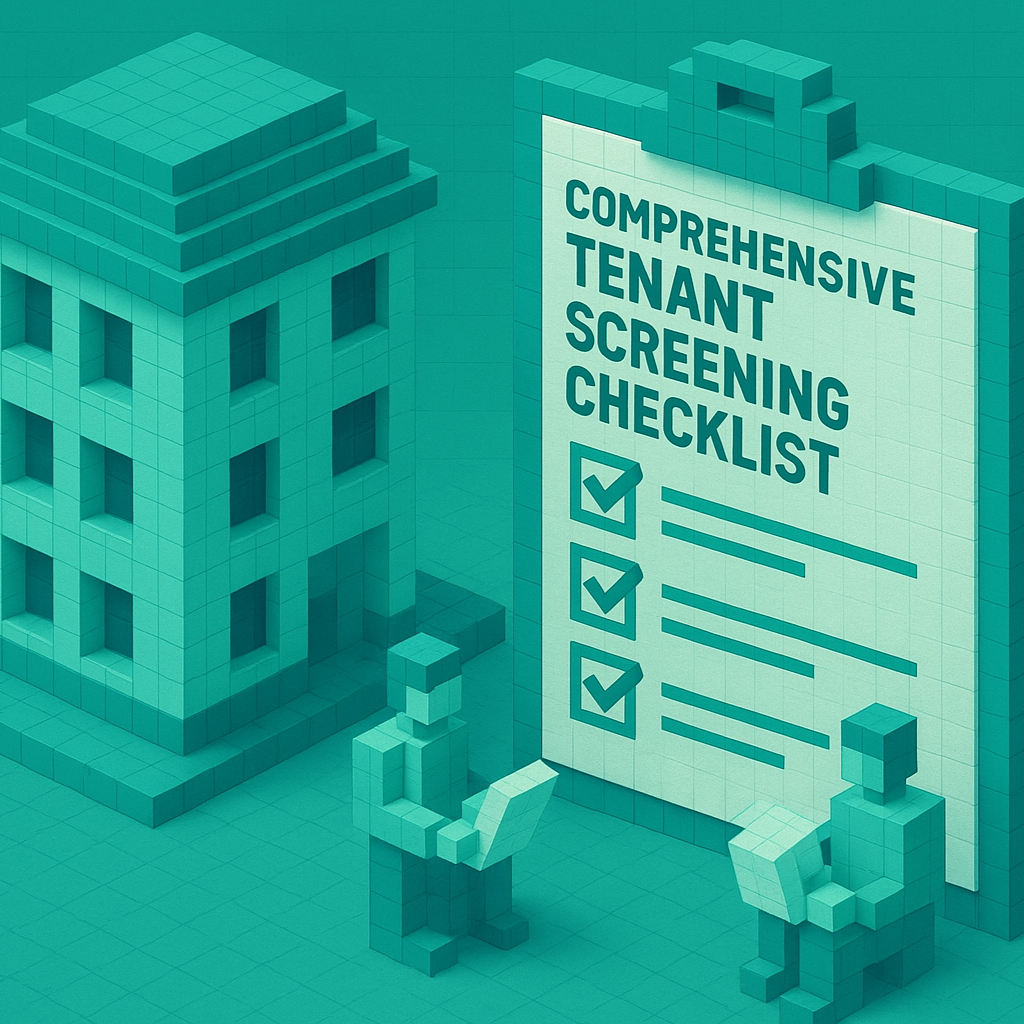
Strong screening is more than a quick credit pull and a gut feeling. It is a structured process that looks at financial stability, past behavior, and fit with your property. The goal is not perfection. You will never remove all risk. The goal is to reduce the odds of expensive outcomes.
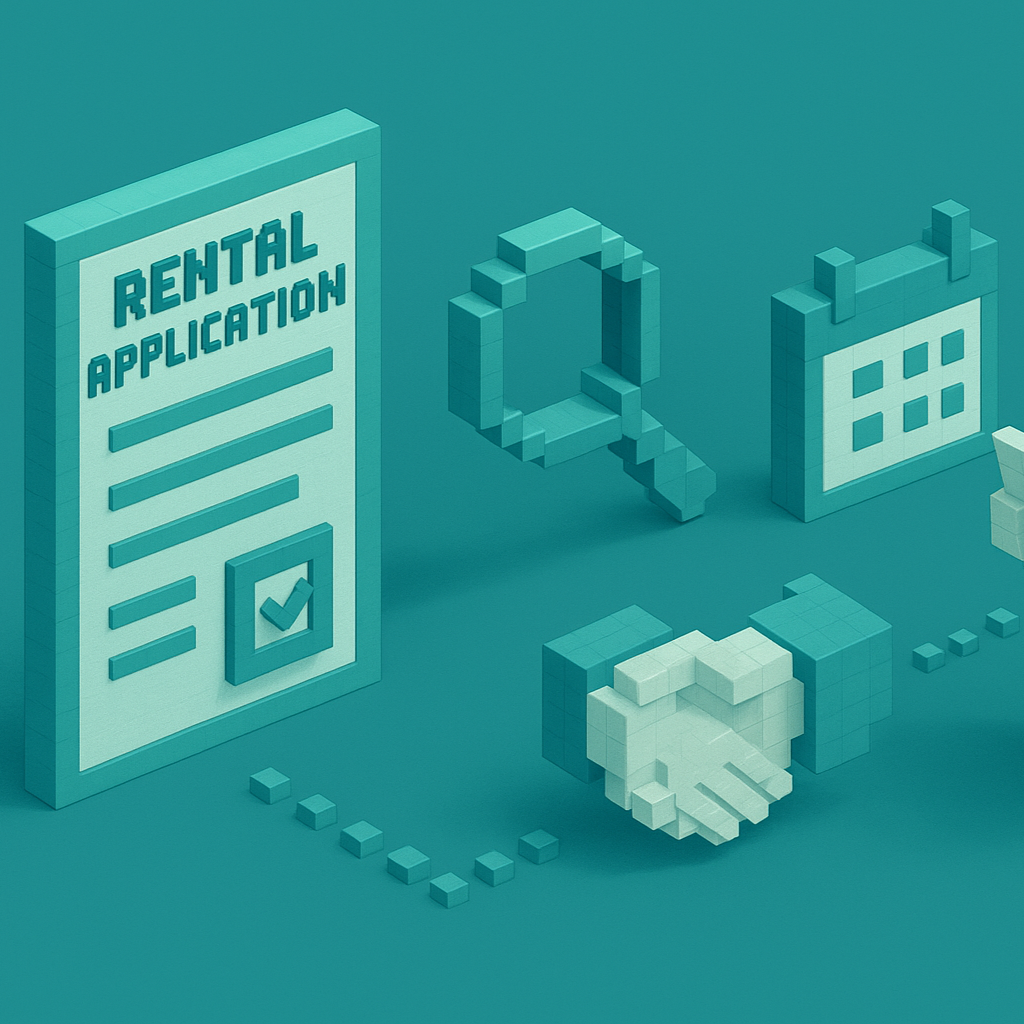
Start with a clear written application that asks for:
Make sure it is consistent for every applicant and compliant with Fair Housing rules. This is your base document for verification.
Checking a tenant’s employment history and income is essential. You want to know:
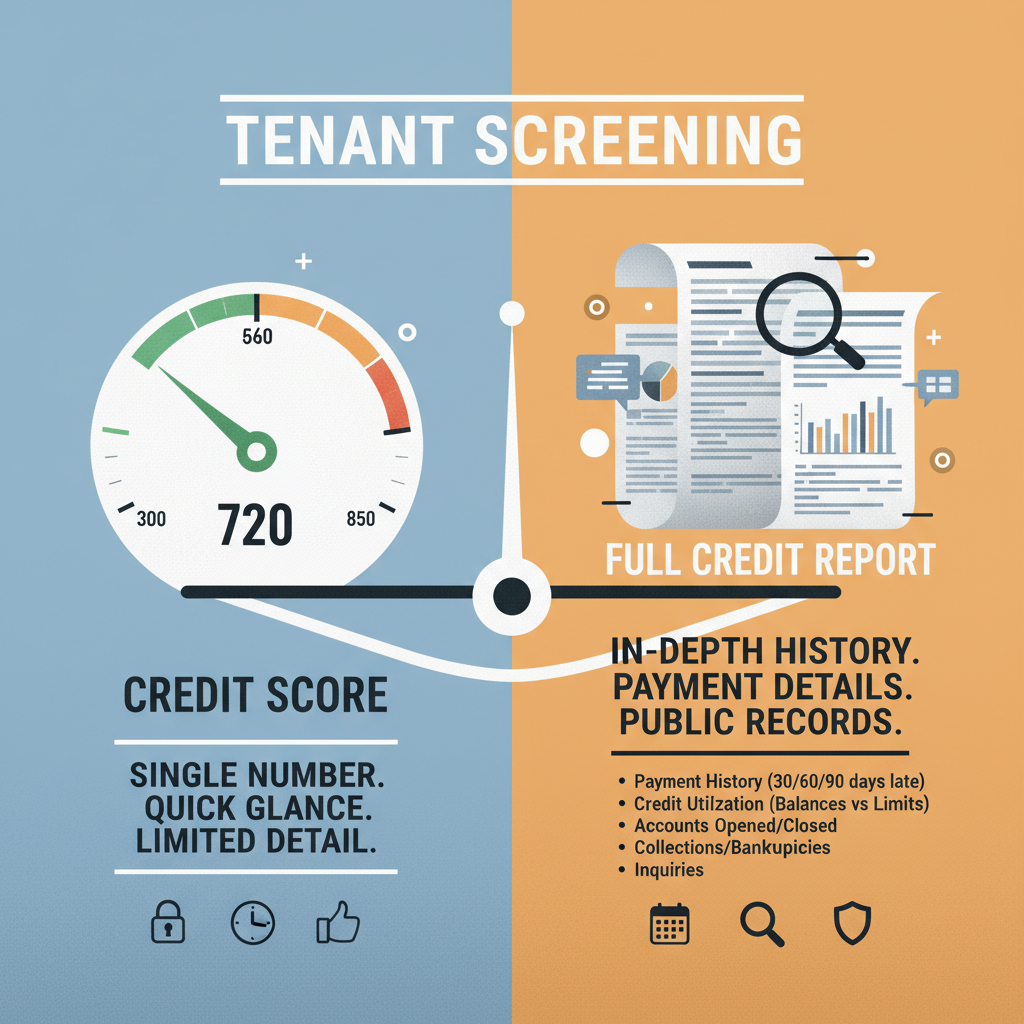
Running credit checks also gives you insight into how they manage other obligations. A pattern of late payments or high revolving debt can signal risk for rental payment issues and financial disturbance.
Contacting previous landlords and gathering references might feel tedious, but it often reveals what a credit report cannot. Ask questions such as:
You are listening for patterns. One minor conflict is normal. Repeated issues around noise, damage, or non payment are strong red flags.
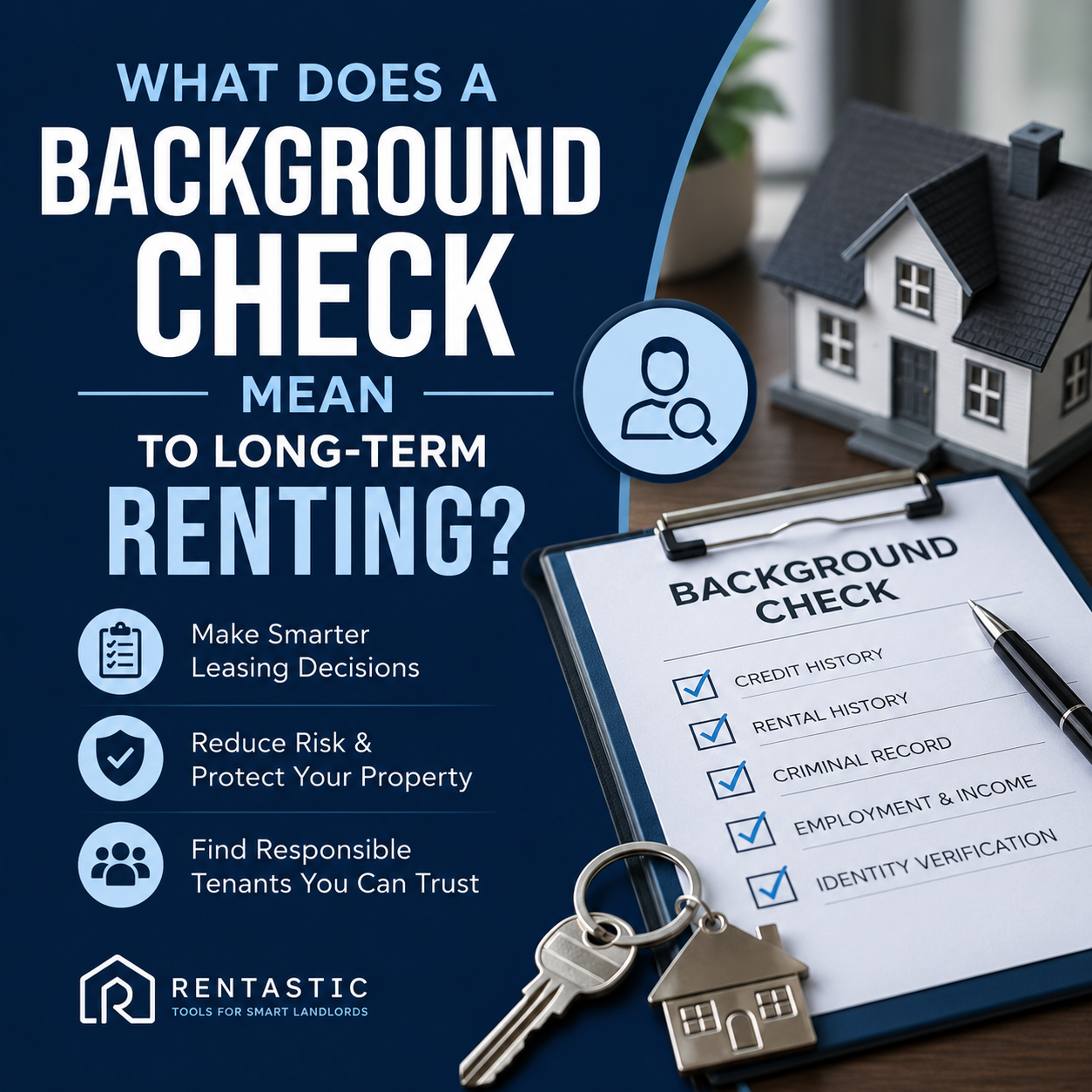
Automated background checks help you spot criminal history or past evictions that might pose a risk. The goal is not to punish people for old mistakes. It is to understand whether there is a pattern that could affect safety or your property.
Use consistent criteria, apply them fairly to all applicants, and document your decisions. That protects both your investment and your reputation.
A short tenant interview, in person or via video, helps you gauge communication style and expectations. During the conversation you can:
Personality fit matters more than many landlords admit. Someone who is respectful, communicative, and solutions oriented is far less likely to turn small issues into costly conflicts.
While you want to avoid bad tenants, you also have to avoid bad screening practices. Failure to comply with Fair Housing Act regulations can result in legal penalties and long term damage to your reputation.
Stay away from criteria that relate to protected classes and focus purely on:
Use the same application, questions, and approval standards for everyone. Consistency is your best protection.
In the last few years, AI powered tenant screening tools have reshaped how you can vet applicants. Instead of manually piecing together credit reports, background checks, and emails, you can lean on software that brings the data into one place and flags what you should pay attention to.
According to insights from Rentastic’s 2024 blog on AI powered tenant screening, a single bad tenant can completely wipe out your annual cash flow. That means every small improvement in screening accuracy has a real dollar value.
AI tools improve the accuracy and speed of vetting tenants by analyzing credit scores, rental history, income, and behavior patterns. Automated background checks and predictive analytics help you:
This does not remove your judgment. It gives you a clearer, more complete picture so you can decide with confidence.
By leveraging predictive analytics and machine learning, AI tenant screening can highlight applicants whose profiles resemble those of past tenants who defaulted or caused major damage. That lets you:
Chatting with a friendly applicant can make it tempting to override your criteria. Predictive tools help you stick to the facts.
Utilizing AI to create organized tenant profiles and handle documentation reduces manual work and human error. Instead of juggling email attachments and notes, you get:
That saves you time in the short term and makes future audits or disputes easier to handle. Missed red flags often come from rushed or inconsistent manual processes. Automation keeps you from cutting corners when you are busy.
Many landlords hesitate to invest in better screening because it feels like overhead. Background checks, AI tools, and extra time per application all cost something. The key is to compare that to the costs you just walked through.
Imagine this contrast:
The second scenario is where the real cost of a bad tenant becomes painfully clear. You have traded a small, known expense for a large, unpredictable one.
If you run the math across your whole portfolio, even preventing one or two bad placements over a few years more than pays for robust screening practices.
You do not have to rebuild everything at once. Start with a few focused improvements and iterate.
Without thorough tenant screening, you face hidden costs beyond missed rent. Legal fees, repair expenses, prolonged vacancies, and administrative burdens all chip away at your returns and your peace of mind. Poor tenant screening impacts more than your bank account. It also drains your time and focus, which are just as valuable.
When you treat screening as a strategic investment rather than a checkbox, you tilt the odds in your favor. Better data, structured processes, and AI powered tools help you avoid tenants who can wipe out a year of cash flow, and help you find the reliable renters who quietly make your portfolio work.
Choose one upgrade from this guide and put it in place for your very next vacancy. Protecting yourself from the real cost of a bad tenant starts with the next application you review.
RECENT POSTS


© 2025 Rentastic
Rentastic is registered as a trademark. Terms and conditions, features, support, pricing, and service options subject to change without notice.







.png)



















.png)
































Comments