

Finding the right tenant is one of the most important decisions a landlord can make. A lease agreement can last for months or even years, so understanding who will be living in your property is essential. That’s where a background check comes in.
A background check is a screening process that helps landlords evaluate potential tenants before approving a rental application. It provides valuable information about an applicant’s history, helping property owners make informed decisions and reduce risk.
Long-term rentals involve a significant level of trust. Landlords are trusting tenants to pay rent on time, take care of the property, and follow the terms of the lease.
A thorough background check can help answer important questions such as:
By reviewing this information, landlords can make more confident leasing decisions and avoid costly issues later.
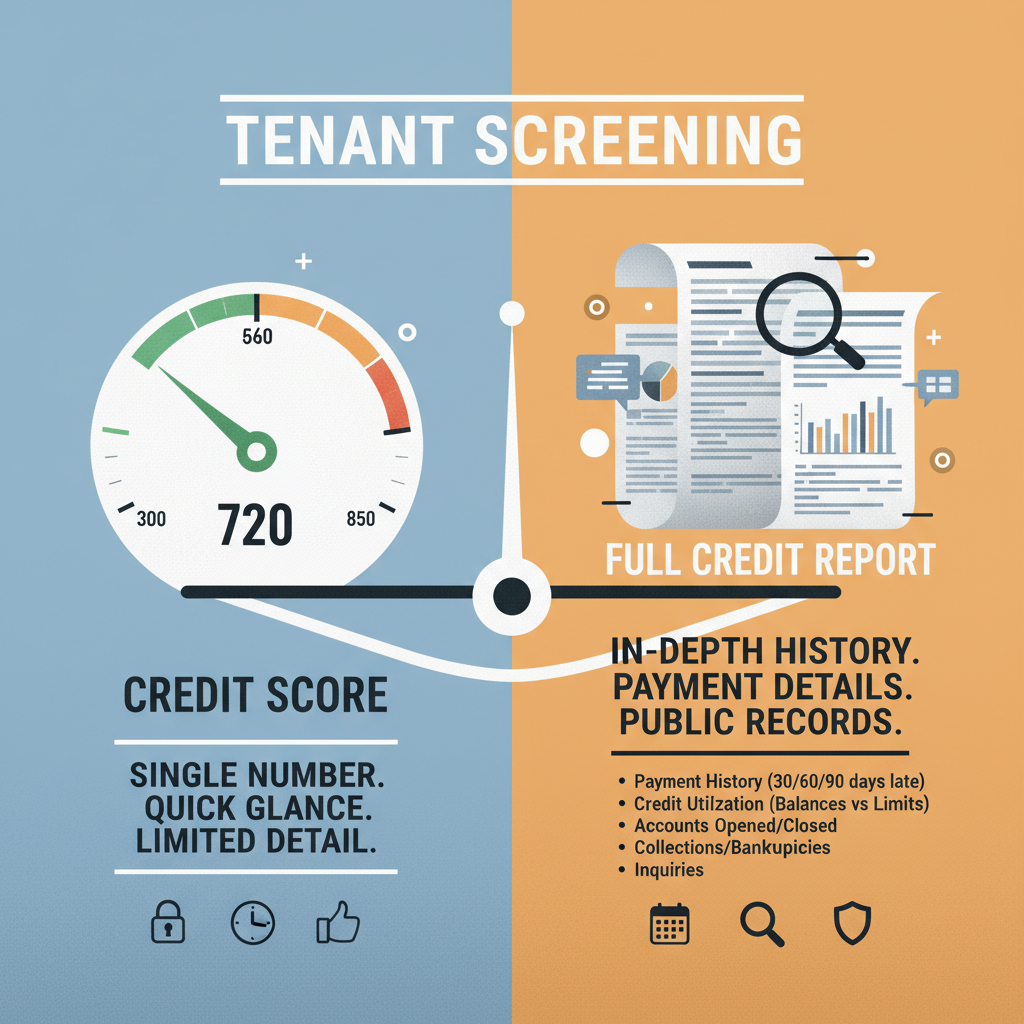
A credit report gives insight into an applicant's financial responsibility. While a perfect credit score isn't always necessary, landlords often look for signs that a tenant consistently pays debts and obligations on time.
Credit reports may show:
Rental history helps landlords understand how applicants have performed as tenants in the past.
This may include:
A positive rental history often indicates that a tenant is likely to be reliable in the future.
Criminal screenings can reveal certain criminal convictions that may affect a landlord's decision-making process.
Landlords should always ensure they comply with local, state, and federal fair housing regulations when considering criminal history during the screening process.
Many landlords also verify employment and income to ensure applicants can comfortably afford the rent.
Common requirements include:
A common guideline is that monthly income should be at least three times the monthly rent.
Conducting background checks can help landlords:
Tenants with a history of responsible financial behavior are generally more likely to pay rent on time.
Reviewing rental history and eviction records can help identify applicants who may present a higher risk of future lease issues.
Responsible tenants are often more likely to maintain the property and follow lease terms.
A well-screened tenant can lead to longer tenancy periods, fewer vacancies, and less turnover-related expense.
Background checks don't just benefit landlords—they can also benefit tenants.
Applicants who maintain strong rental and financial histories can:
Keeping records organized and maintaining a positive rental history can make future housing searches much easier.
Modern property management platforms make it easier than ever to organize tenant information, track rental performance, and maintain accurate records.
Instead of relying on spreadsheets or paper files, landlords can centralize their rental data and stay organized throughout the tenant screening process.
Having clear financial records, property reports, and organized documentation can help landlords make smarter leasing decisions while keeping their rental business running efficiently.
A background check is one of the most valuable tools available to landlords in the long-term rental market. It provides insight into a tenant's financial responsibility, rental history, and overall reliability before a lease is signed.
While no screening process can guarantee a perfect tenant, conducting thorough background checks significantly improves the chances of finding responsible renters who will pay on time, respect the property, and contribute to a successful landlord-tenant relationship.
For real estate investors and landlords, careful tenant screening isn't just a precaution—it's an important part of protecting your investment and building a profitable rental portfolio.
RECENT POSTS


© 2025 Rentastic
Rentastic is registered as a trademark. Terms and conditions, features, support, pricing, and service options subject to change without notice.








.png)

































.png)






































Comments