

Nearly every short term rental host worries about tax rules at some point. The money is good, the bookings look healthy, then tax season hits and you are not sure what the IRS, your state, or your city expects from you.
This guide walks you through the key tax rules for short term rentals in plain English. You will see how they differ from long term rentals, what you must report, what you can deduct, and how to avoid common mistakes before you file.
You will also see where tools like Rentastic can simplify the messy parts so you are not living in spreadsheets year round. Wherever possible, you will find clear actions you can take this week, not just theory.
Short term rentals sit in a tricky middle ground. The IRS often treats them more like hotels, not like classic long term residential rentals. That affects depreciation, reporting, and what happens if you decide to sell.
The core tax rules you need to understand fall into five buckets:
Getting these basics right makes every later decision easier. It also gives you a better sense of how to use your local tax rules to your advantage instead of fearing them.
Not every dollar you collect from guests is taxable. The IRS has a narrow but powerful exception that some hosts can use.
If you only rent your property a handful of days a year, you may not have to report that income at all.
According to TurboTax, the 14 day rule, sometimes called the "Masters exception," works like this:
This rule is popular in places that host big events, for example owners around the Masters golf tournament in Georgia who rent out their homes for a short period at high rates (TurboTax).
The same rule applies if you rent out just a room in your house for under 15 days in the year, that income is also exempt from reporting, but you do not get rental deductions for it (TurboTax).
The catch, if you go to 15 days or more of rental activity, this exception disappears. At that point, your income becomes reportable and the normal tax rules for short term rentals apply.
Once you pass that 14 day threshold, the IRS expects you to report all your rental income.
Research from Rentastic notes that the IRS requires all income from short term rentals to be reported, unless you qualify for that under 15 day exemption (Rentastic). Platforms like Airbnb may also send a Form 1099 K to the IRS and to you, which means the IRS already knows about your gross payout numbers.
Even if a platform reports income under the 14 day exception and you get an IRS notice later, you can still prove your activity qualifies for the exemption with good records of your rental dates (TurboTax).
Once your activity counts as a rental business, the important tax rules shift from "Do I report this?" to "How do I report it in a way that captures every legal deduction?"
How your short term rental is classified shapes both your tax rules and your planning options.
The most basic split is between short term and long term rentals.
Rentastic notes that long term rental properties follow relatively simple tax rules focused on reporting rental income and claiming standard write offs and credits, while short term rentals usually face more complex rules and sometimes hotel style local taxes (Rentastic Blog).
This classification affects your depreciation schedule as well as which local lodging or occupancy taxes you may owe.
The IRS also cares how much you personally use the property. That drives whether you treat it as:
If you use the property personally fewer than 14 days a year, and you rent it out more than 14 days, you normally get to classify it as a rental and claim related expense deductions under IRS rules as of 2025 (Rentastic).
If you mix personal and rental use more heavily, for example you live there half the year and rent it the other half, you have to split many expenses between personal and business use. Mortgage interest and property taxes, for instance, may need to be apportioned based on the percentage of days used for rental versus personal use (TurboTax).
The more clearly you track your calendar and your stays, the easier this split becomes at filing time.
Once you know that your short term rental income is taxable and your property is classified as a rental, the next step is understanding what the IRS expects.
At the federal level, the core tax rules are simple on paper:
Rentastic notes that all rental income received from Airbnb rentals must be reported as gross income to the IRS, regardless of whether the rental platform issues a tax form. This keeps you compliant with IRS earnings disclosure rules in 2025 (Rentastic).
If you rent through multiple platforms, or accept some payments off platform, it is on you to add everything up. Bank deposits, payout reports, and booking calendars all help connect the dots.
Some platforms may withhold a flat percentage of your payouts if you do not file a W 9. TurboTax points out that if you fail to provide a W 9, short term rental companies might withhold 28 percent of your rental income for taxes, which is often higher than your actual liability. Filing that W 9 usually avoids this automatic withholding (TurboTax).
Providing the right forms up front keeps more cash in your pocket throughout the year, while your final liability is still settled at tax time.
Beyond federal income tax, many short term rental hosts have to deal with local lodging taxes as well.
Rentastic notes that short term rentals can involve local taxes such as Transient Occupancy Taxes or Lodging Taxes, and you must stay compliant with both federal and local regulations (Rentastic Blog).
Airbnb explains that hosts may be required to collect local taxes, Value Added Tax (VAT), or Goods and Services Tax (GST) on stays or experiences, depending on location (Airbnb). In some places, Airbnb may collect and remit certain local taxes on your behalf. In others, you are still responsible for collecting additional taxes manually and telling guests the exact amount before they book (Airbnb).
When you use Airbnb's custom tax feature, any custom taxes you set up are passed through to you in a separate payout. You are then responsible for submitting, paying, and reporting those taxes to the relevant tax authorities (Airbnb).
Airbnb is also legally required to collect VAT or GST on its own service fees in some countries, which affects how taxes show up on your statements and guest invoices (Airbnb).
The best move is to:
If you operate across multiple cities or states, your situation can get complex quickly. This is where clear documentation and possibly a conversation with a local tax pro can save headaches later.
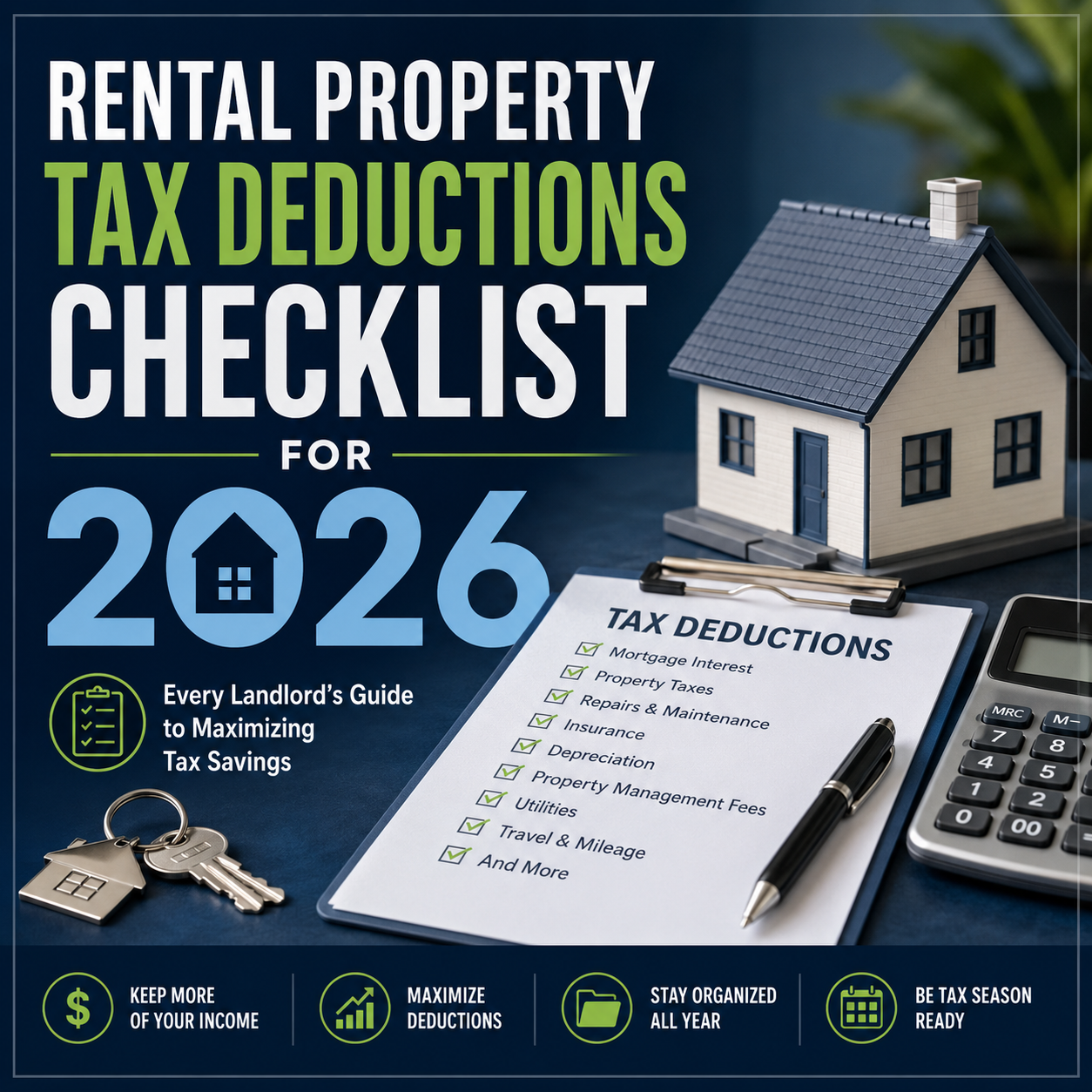
Once your income is handled, your next job is to capture every legitimate deduction available. Done right, this often makes the difference between a painful tax bill and a manageable one.
Rentastic notes that short term rental owners can deduct operating expenses such as cleaning fees, utilities, and maintenance costs, which reduce taxable income based on IRS guidelines as of 2025 (Rentastic).
Depending on your setup, deductible expenses can include items such as:
Short term rental tax rules also allow deductions for some travel costs if you visit the property for business purposes, for example to supervise repairs or meet with contractors. Always document the business reason for the trip.
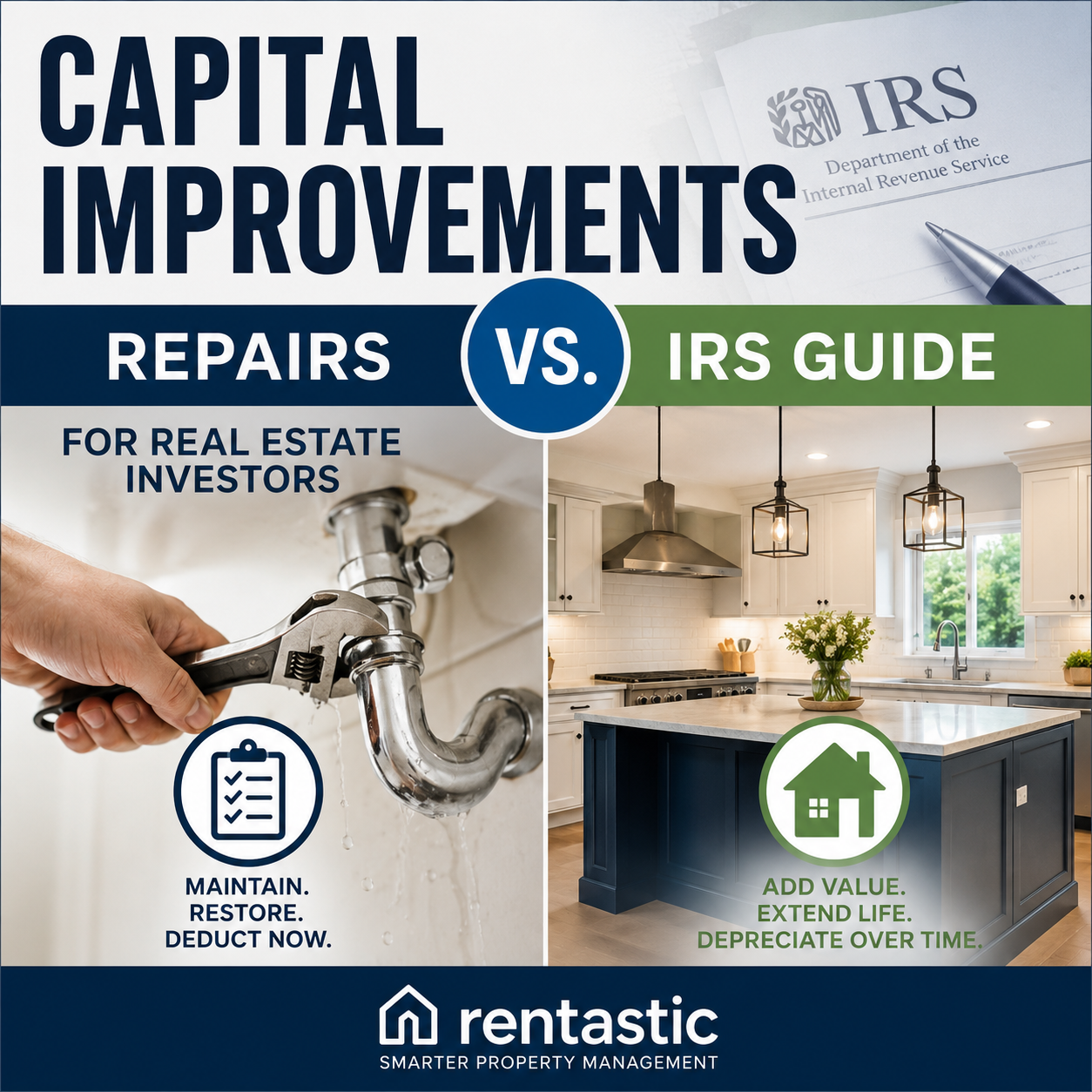
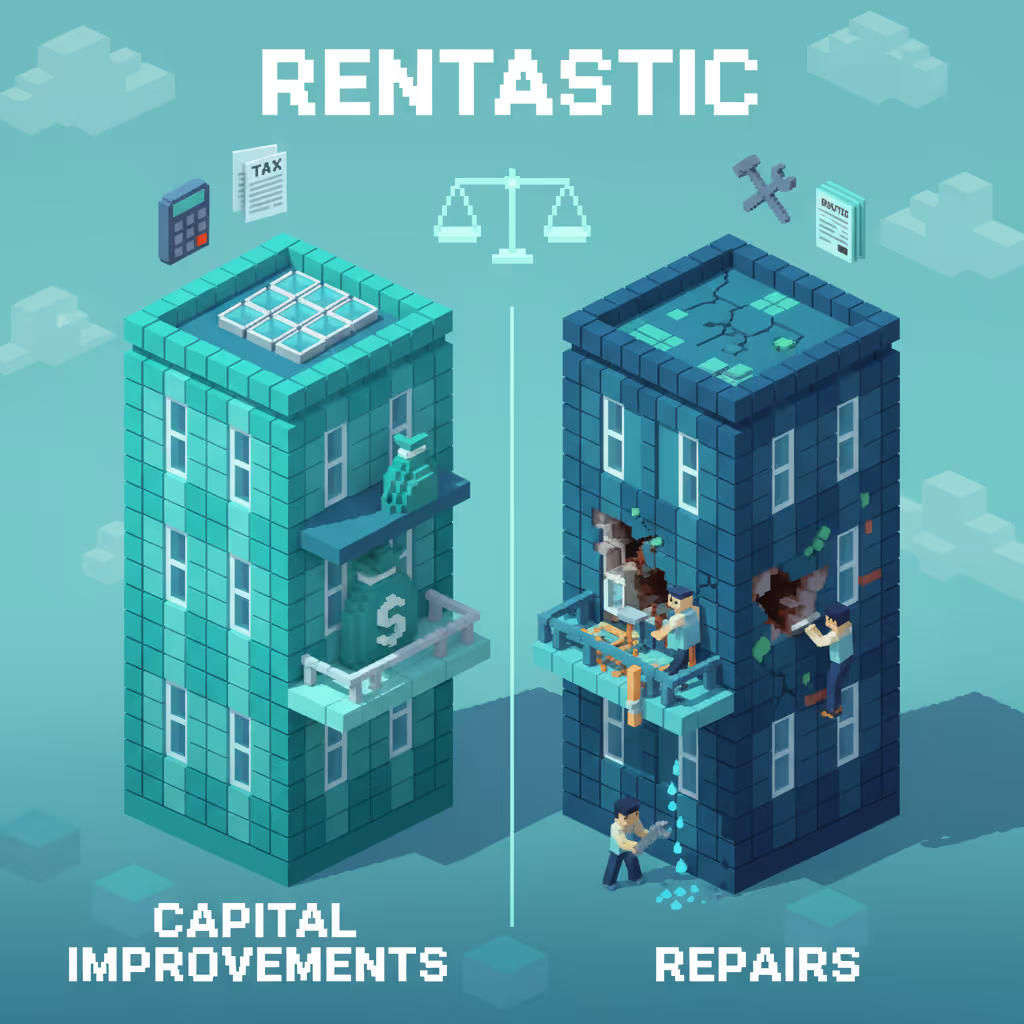
There is an important distinction between repairs and improvements.
Rentastic highlights that improvements generally affect your depreciation schedule, while regular repairs do not (Rentastic). In simple terms:
Keeping invoices and notes on what work was done and why helps your tax preparer classify each cost correctly.
If you use the property personally as well as for rentals, some expenses must be split between personal and business use.
TurboTax notes that when you rent out a room or home for more than 14 days, you may need to apportion mortgage interest and property tax deductions between personal and business use, rather than deducting 100 percent as a rental expense (TurboTax).
A common approach is to:
You can refine this further with square footage splits if only part of the property is rented, for example one floor in a multi level home.
Depreciation is one of the most powerful tax tools you have as a real estate investor or host. It spreads the cost of your property and certain improvements over many years, which creates a non cash expense that reduces taxable income.
For tax purposes, short term rentals are often treated more like hotels. Rentastic notes that the IRS typically allows short term rental property owners to depreciate their properties over 39 years, similar to commercial property, while long term residential rentals use a 27.5 year schedule (Rentastic).
This difference is crucial for planning. It means:
Rentastic explains that depreciation lets owners deduct a proportionate amount of the property's cost each year. For example, a $390,000 property depreciated over 39 years could yield a $10,000 annual deduction. That reduces taxable income and improves cash flow each tax season (Rentastic).
For long term rentals, a $275,000 residential rental property depreciated over 27.5 years can provide about a $10,000 yearly deduction under 2025 IRS rules (Rentastic).
Short term rental owners sometimes go further by using accelerated depreciation methods.
Rentastic describes how cost segregation studies can help break your property into different asset classes with shorter lifespans. This lets you take larger deductions in the early years of ownership (Rentastic).
The high level idea is:
This is a more advanced strategy and usually worth discussing with a tax professional, especially if you own multiple properties or plan to grow your portfolio.
Depreciation schedules can be tedious to maintain by hand, particularly if you make frequent improvements.
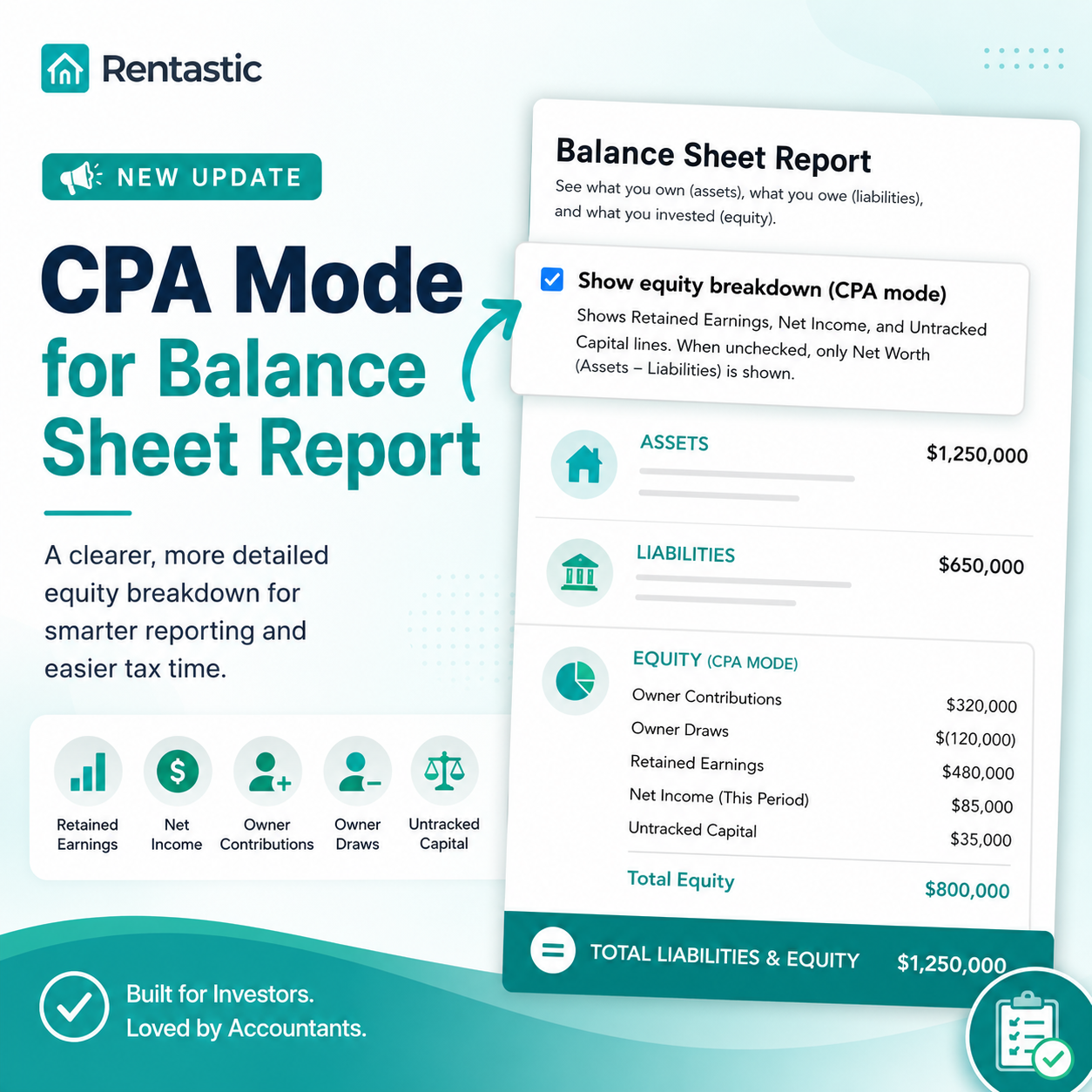
Rentastic points out that using property management and tax software can simplify this. Their platform, for example, can generate automated Profit and Loss reports and detailed depreciation schedules that keep you aligned with IRS rules for both short and long term rentals (Rentastic, Rentastic Blog).
If you currently track depreciation in a loose spreadsheet, moving to a tool that handles schedules and updates automatically may be one of the highest leverage time savers you can choose.
Depreciation does not change your actual cash, but it changes how much of that cash the IRS can tax each year. Understanding the difference is one of the fastest ways to think like an investor, not just a host.
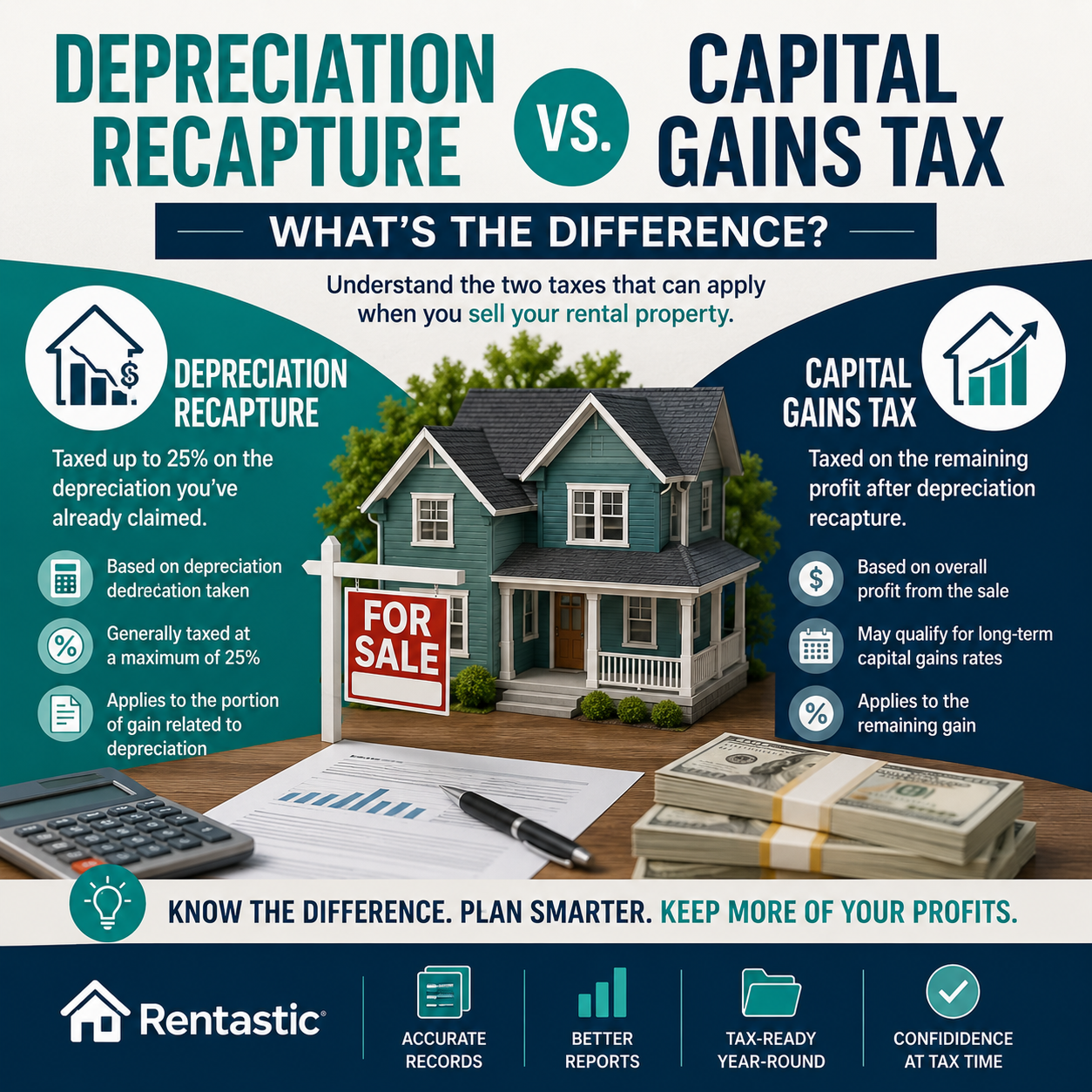
If your short term rental has appreciated in value, selling it can trigger capital gains taxes.
Rentastic explains that capital gains tax on the profit from selling rental properties generally ranges from 0 percent to 20 percent. The gain is calculated by subtracting your original purchase price and improvement costs from your sale price, along with adjusting for depreciation taken, based on 2025 rental tax guidance (Rentastic).
In practice, this means:
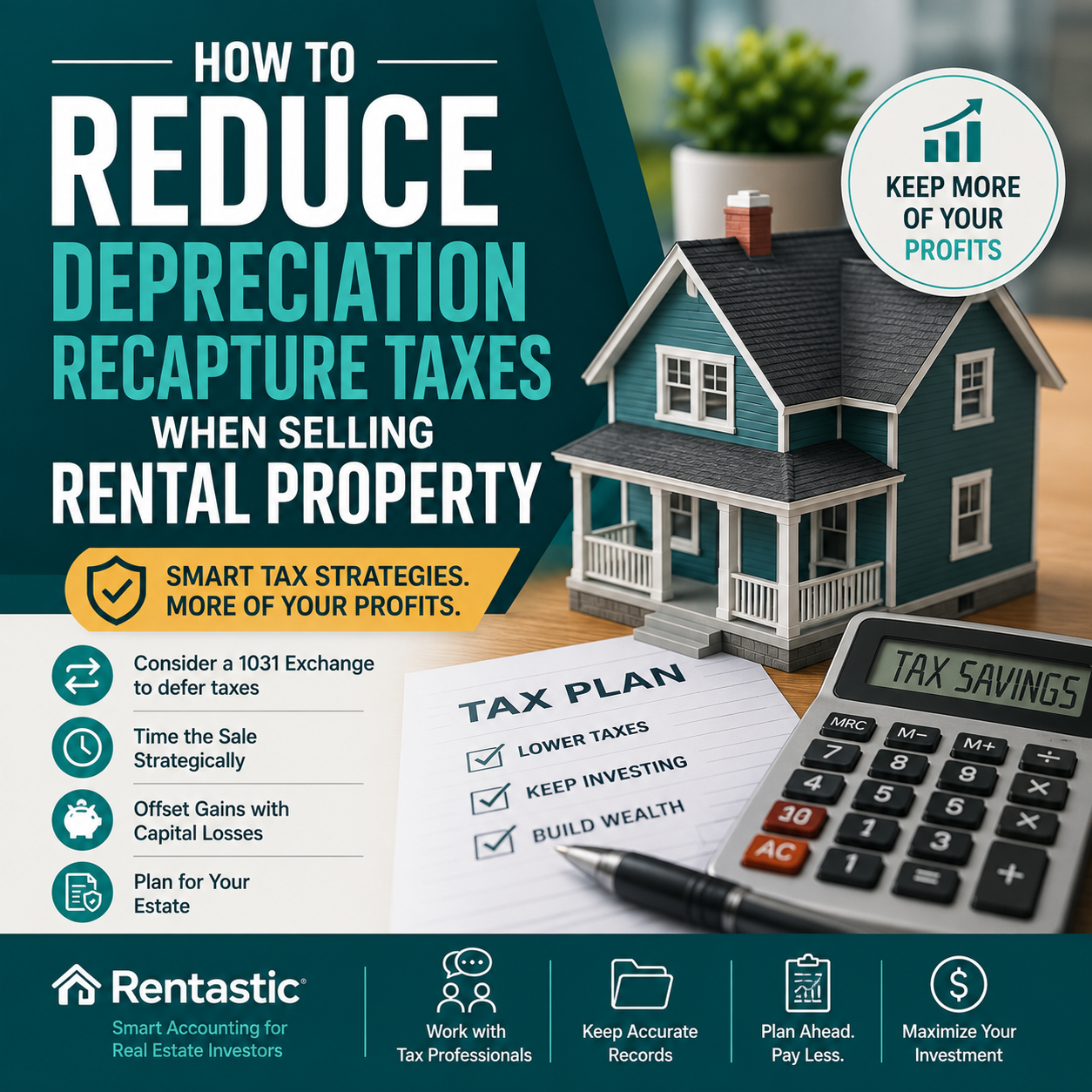
Knowing this ahead of time lets you explore strategies like timing your sale, doing a like kind exchange if available under current law, or investing in improvements that both increase guest appeal and adjust your cost basis.
Good records of your original purchase documents, improvement receipts, and past depreciation are your best defense against surprises when you exit.
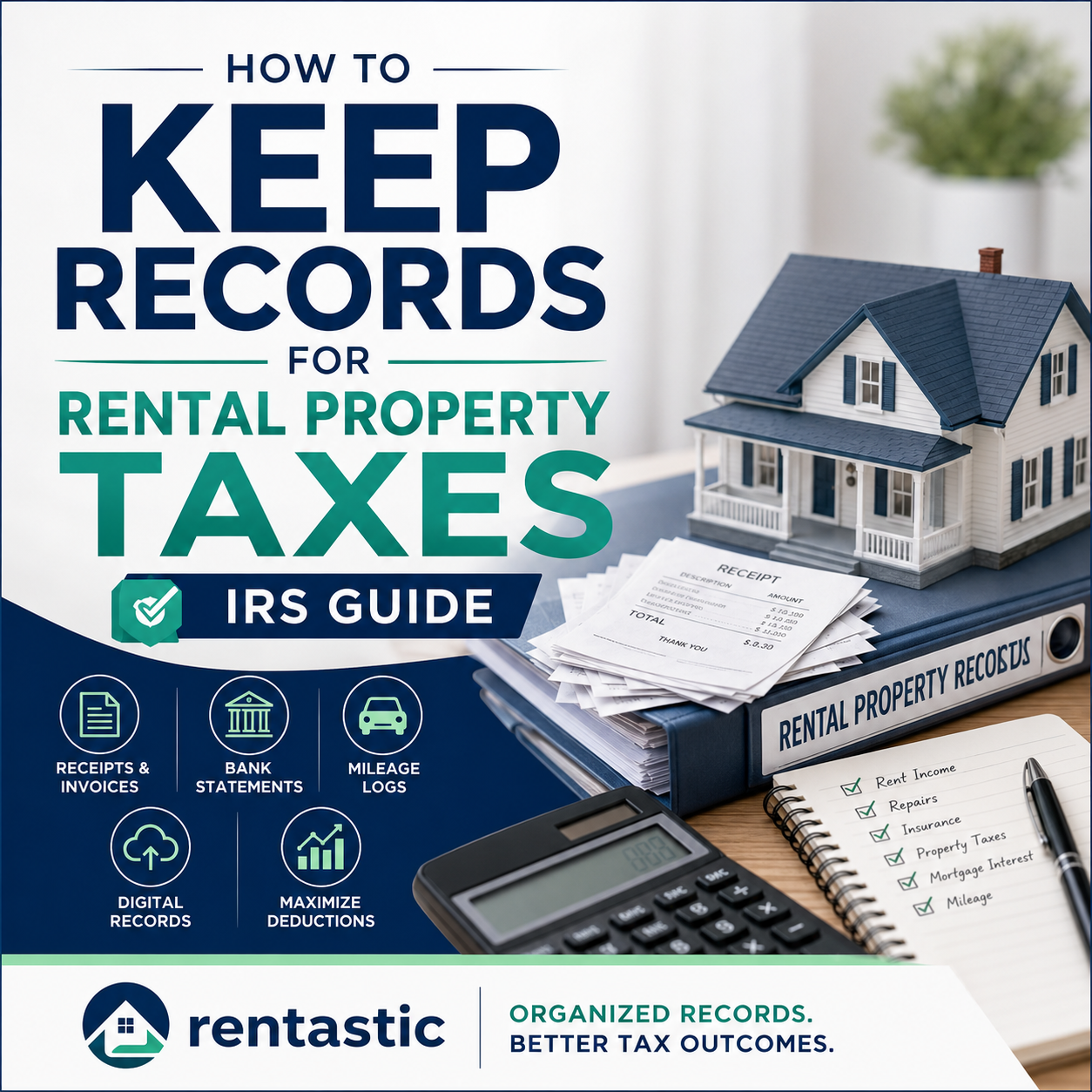
Most short term rental tax problems are not about intent. They are about documentation. You know you had a cleaning bill or a repair, but the receipt is in an email somewhere, the bank feed is messy, and the calendar is not complete.
Rentastic emphasizes that short term rental properties offer many tax deductions related to operating expenses such as cleaning and repairs, but you must document them properly to reduce taxable income and protect yourself in an IRS audit (Rentastic Blog).
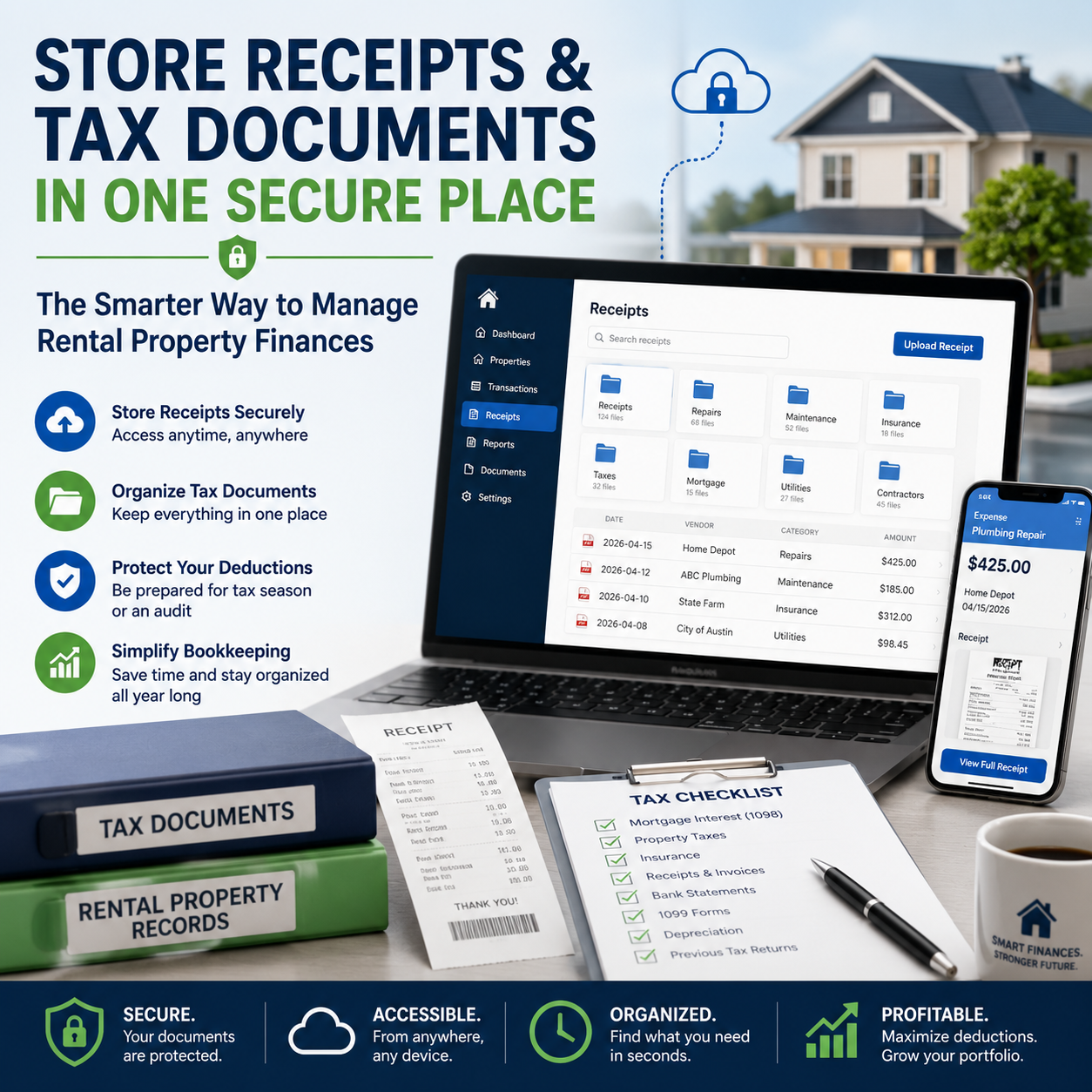
A simple system usually covers:
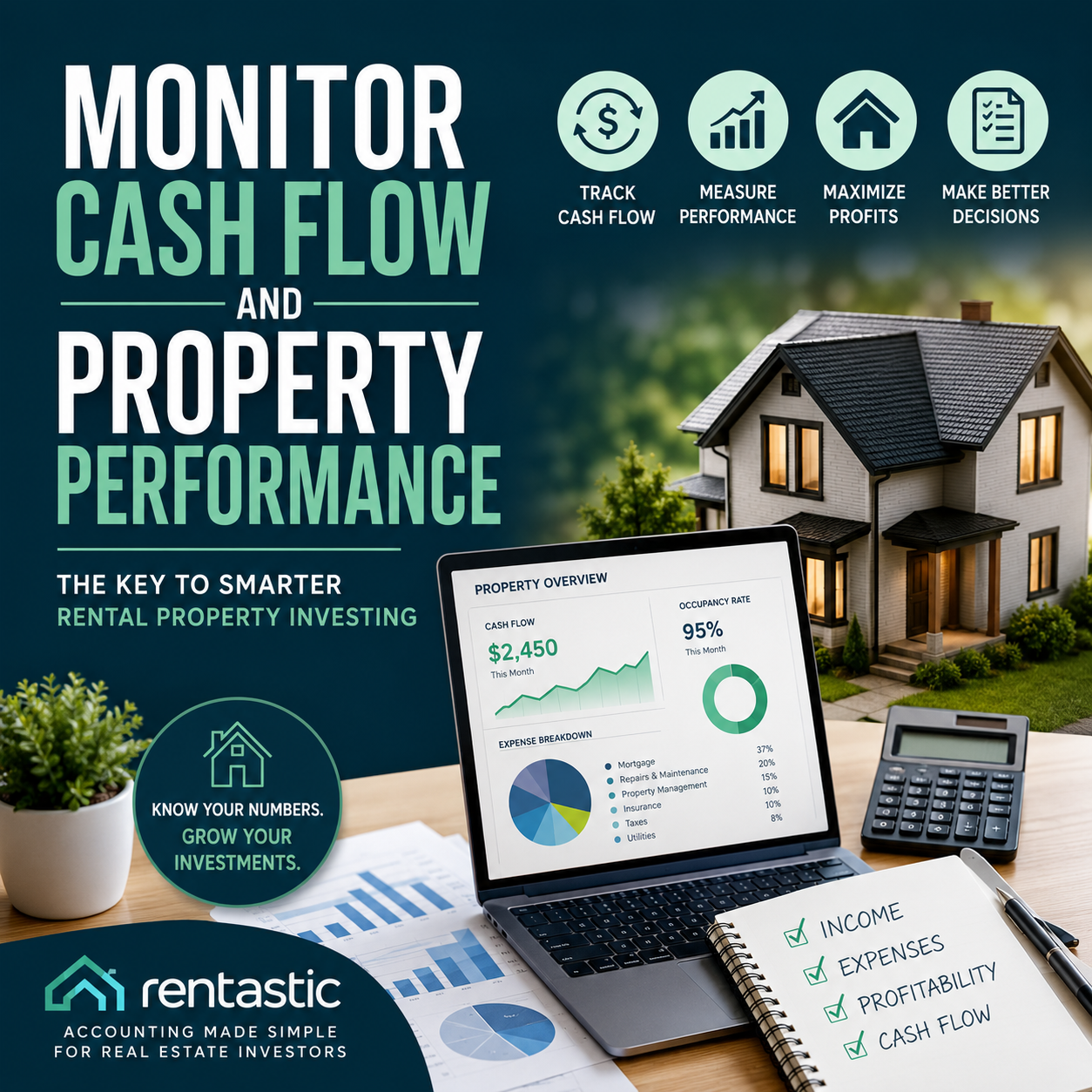
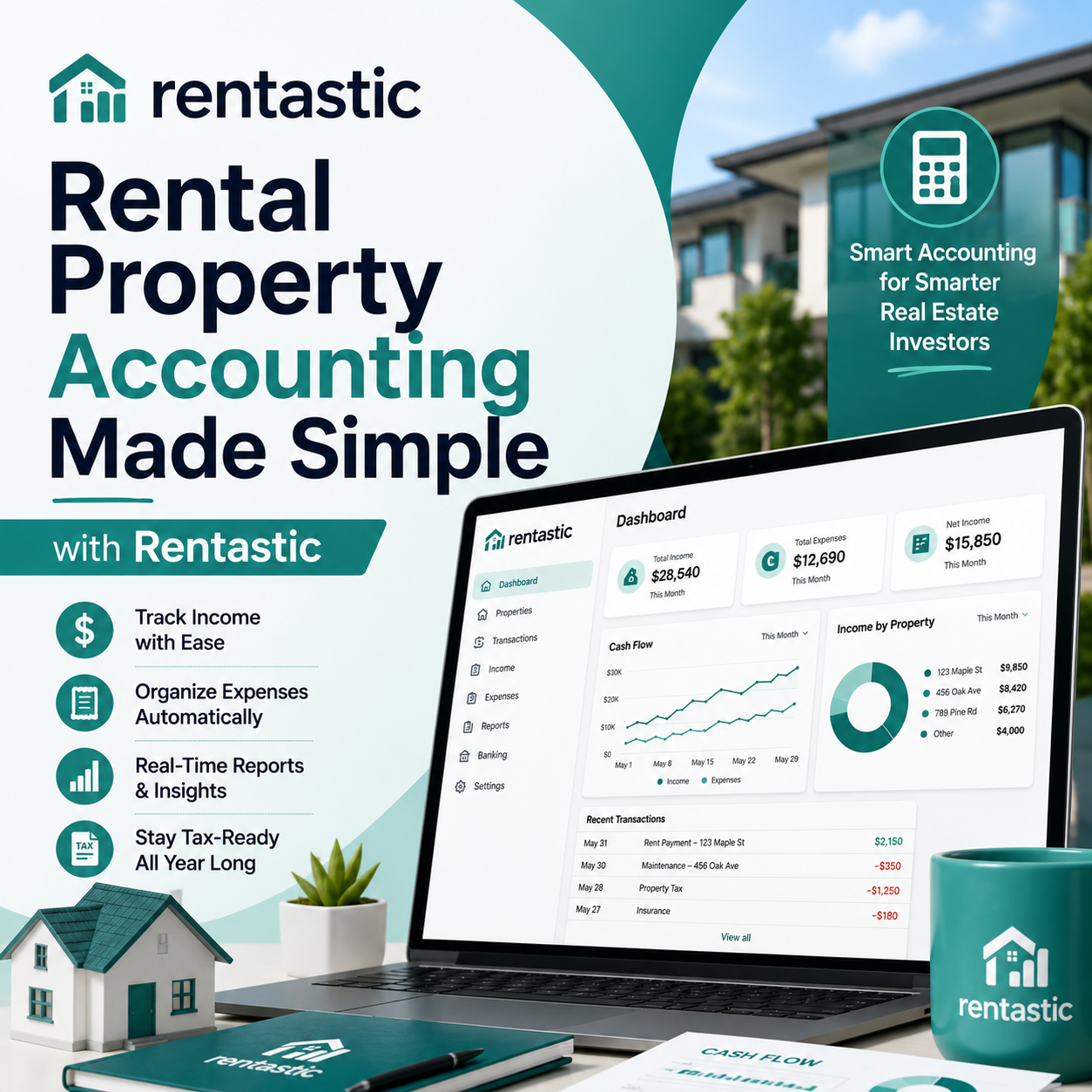
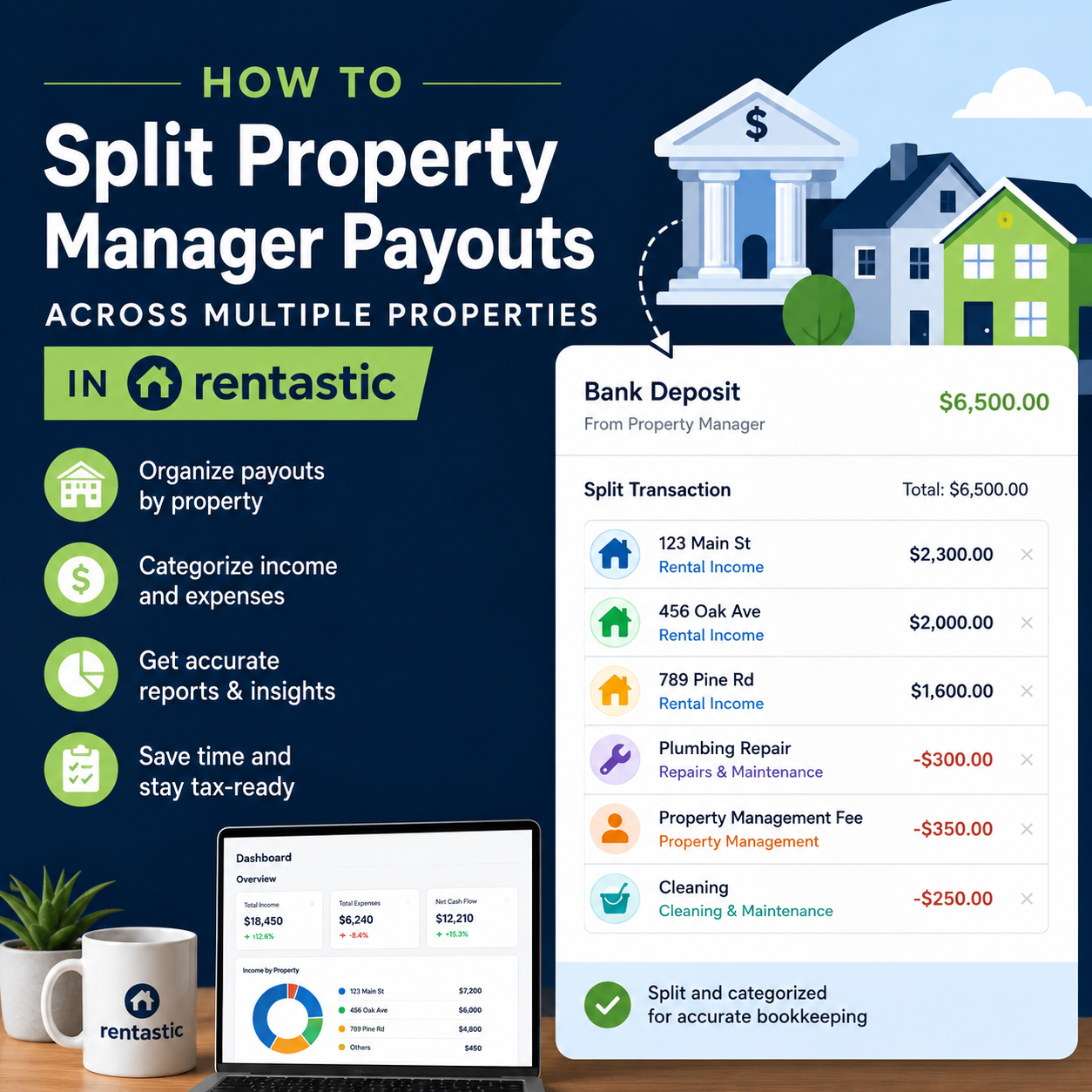
Tools like Rentastic help by syncing bank accounts, tracking income and expenses, and storing digital receipts. They also automate Profit and Loss statements so you can see where your money is going without manual data entry (Rentastic, Rentastic).
The earlier in the year you set up a system like this, the less time you spend scrambling each April or when a tax notice arrives.
You do not need to become a tax expert to manage your short term rental well. You just need to know enough to ask smart questions and use the right tools.
Rentastic is positioned as a tax management and property tracking platform that automates:
This helps property owners comply with IRS reporting rules and optimize deductions for both short term and long term rentals, saving time and reducing errors (Rentastic Blog, Rentastic).
Alongside software, many investors benefit from one or two sessions a year with a tax professional who understands real estate. They can:
That mix, simple software plus targeted professional advice, usually beats trying to memorize every line of the tax code or hoping generic guides cover your edge cases.
To bring the main tax rules into a single checklist, focus on these steps before you file:
You do not have to perfect every detail this year. Start by fixing the weakest link in your current system. Maybe that is moving receipts out of shoeboxes, or finally separating your rental bank account from your personal one, or getting your first automated depreciation schedule set up.
Each small improvement makes the next tax season lighter. Your short term rental becomes easier to manage, and your energy can shift back to what guests see, rather than what the IRS sees.
If you want to go deeper on how local and federal tax rules intersect for your specific market, this is the moment to set up your tools, gather your data, and get ahead of the next filing deadline.
RECENT POSTS


© 2025 Rentastic
Rentastic is registered as a trademark. Terms and conditions, features, support, pricing, and service options subject to change without notice.








.png)
























.png)





























Comments