
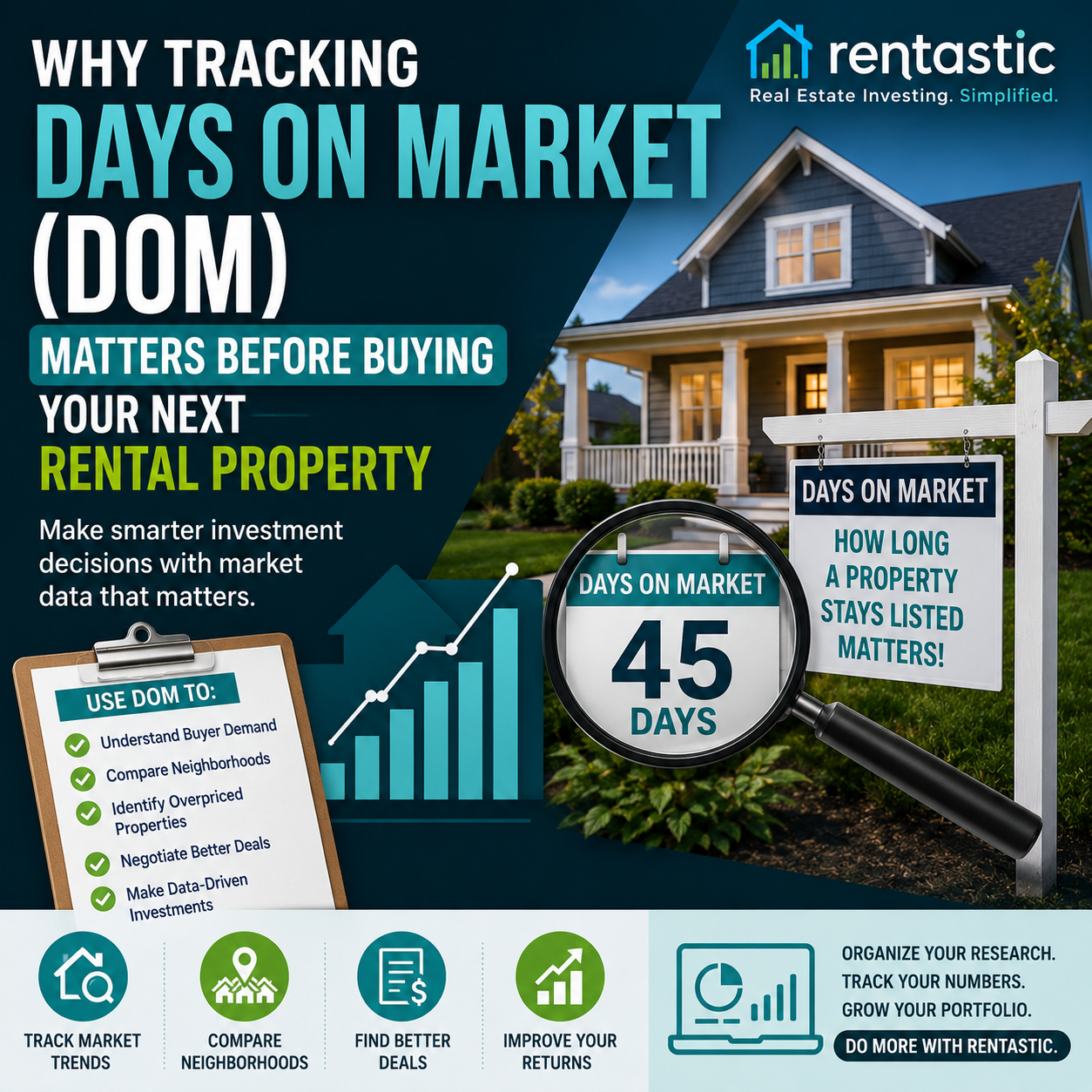
Buying a rental property involves much more than finding a home within your budget. Successful real estate investors evaluate dozens of factors before making an offer, including cash flow, neighborhood quality, rental demand, operating expenses, and appreciation potential. One metric that is often overlooked—but can provide valuable insight—is Days on Market (DOM).
Tracking Days on Market helps investors understand how buyers are responding to a property and the surrounding market. Whether you're purchasing your first rental or expanding an established portfolio, DOM can help you negotiate better deals, avoid overpriced listings, and make more informed investment decisions.
In this guide, we'll explore why tracking DOM should be part of every investor's property acquisition strategy.
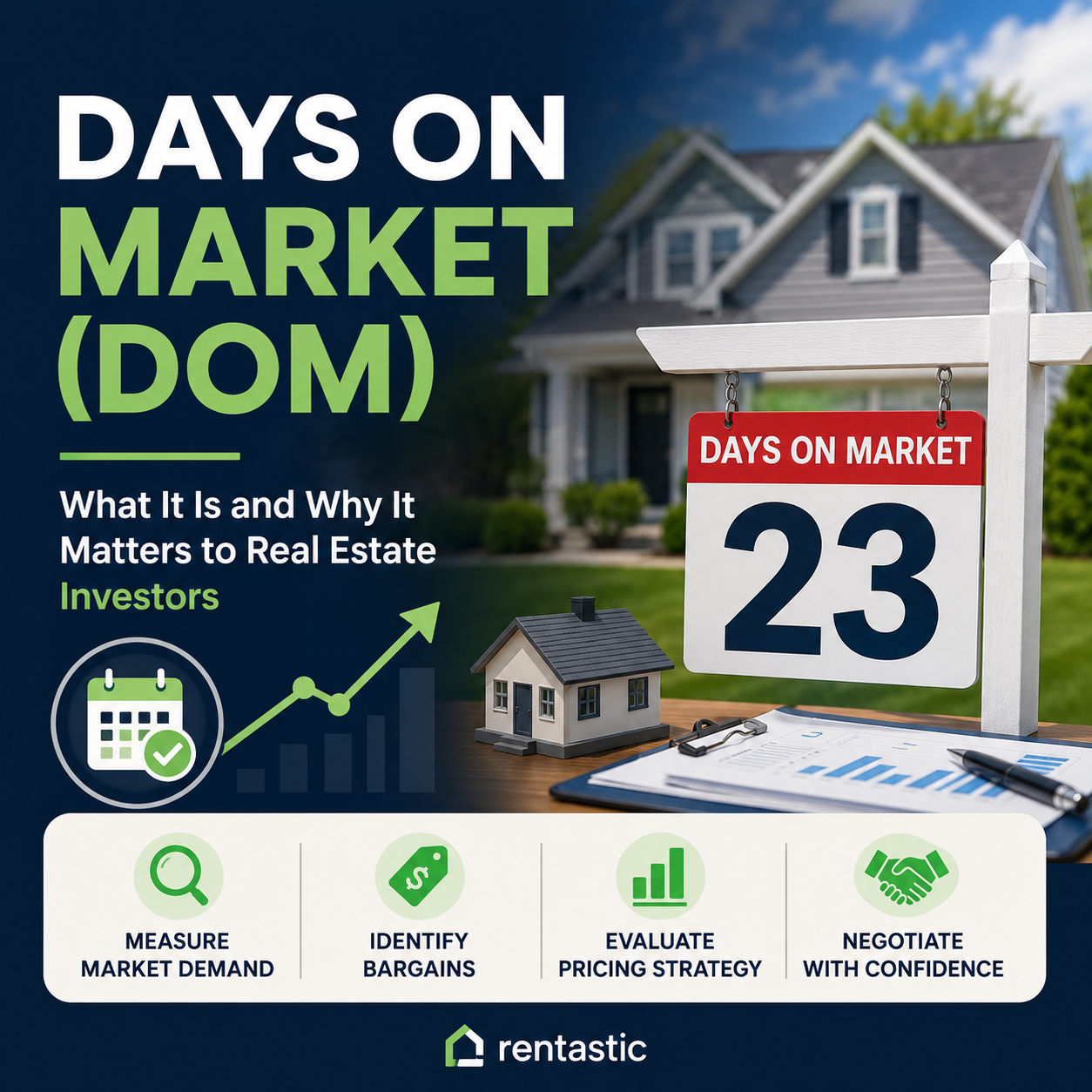
Days on Market (DOM) refers to the number of days a property has been actively listed for sale before it goes under contract or sells.
For example:
While the number itself doesn't determine whether a property is a good investment, it provides valuable context about buyer demand and seller expectations.
If you'd like a deeper explanation of DOM, visit the Rentastic Encyclopedia:
Related Reading
One of the biggest advantages of tracking DOM is understanding how attractive a property is to buyers.
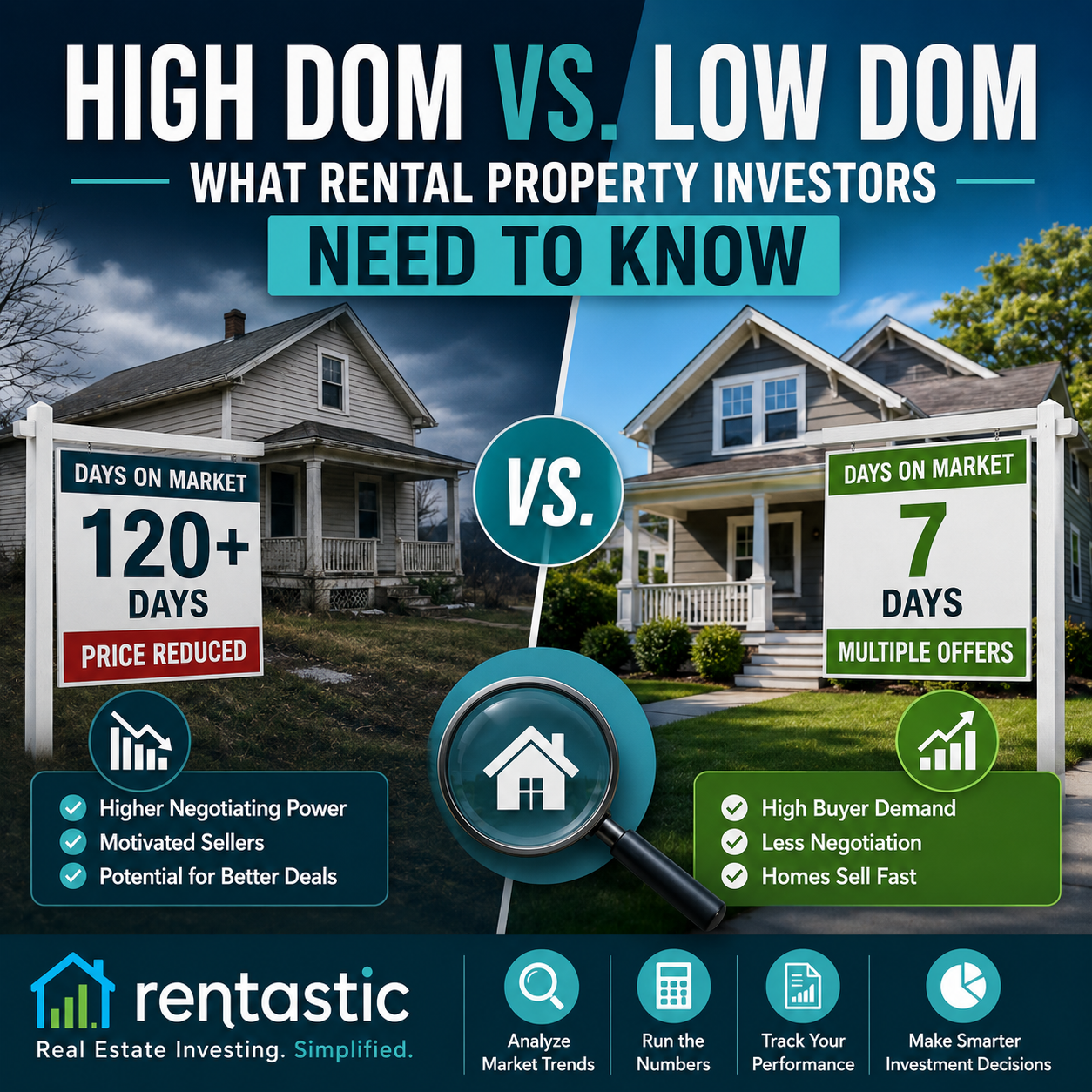
Generally speaking:
Understanding why a property has a certain DOM allows investors to make smarter decisions instead of relying solely on listing price.
DOM becomes much more powerful when combined with projected rental income.
A property might have been sitting on the market for several months because owner-occupants aren't interested. However, the same property may generate excellent rental income that makes it highly attractive to investors.
Before making an offer, compare:
The goal isn't simply to buy properties with the lowest DOM—it's to find properties that produce the strongest long-term returns.
DOM becomes even more useful when comparing neighborhoods.
Imagine you're evaluating two investment areas.
These differences can reveal where demand is strongest and where future appreciation may be more likely.
Rather than evaluating a single property's DOM, compare it against the average DOM for similar homes nearby.
This gives you a much clearer picture of local market conditions.
One of the most valuable uses of DOM is identifying homes that may be overpriced.
Properties that remain on the market significantly longer than comparable listings often indicate one of two things:
This creates an opportunity for investors.
Before making an offer, compare the listing to recent sales with similar:
If comparable homes have sold for less, you may have strong evidence to negotiate a lower purchase price.
Many investors intentionally search for properties with higher DOM because sellers may become increasingly motivated over time.
Longer listing periods often lead to:
While high DOM should always prompt additional research, it can also uncover some of the best investment opportunities in the market.
The key is understanding why the property hasn't sold.
DOM is only one piece of the investment puzzle.
The most successful investors combine multiple market indicators before purchasing a rental property.
Consider evaluating:
When these data points align, investors gain much greater confidence in their purchasing decisions.
Instead of relying on emotion, they rely on market evidence.
As you evaluate multiple investment opportunities, keeping your research organized becomes increasingly important.
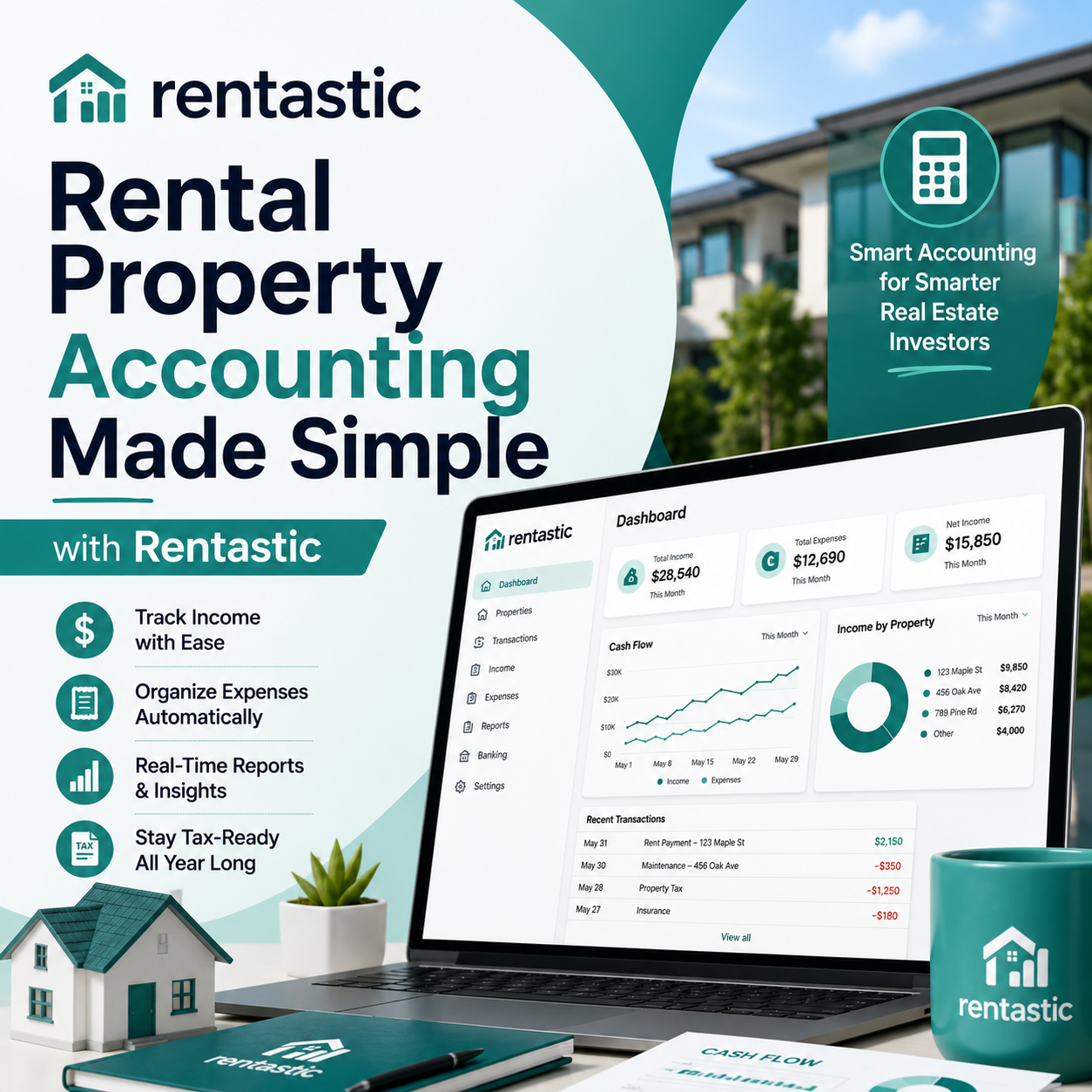
Rentastic helps investors stay organized before and after purchasing a property by making it easy to track the financial side of real estate investing.
Once you've acquired a rental property, Rentastic helps you:
Having organized financial data allows investors to compare properties more effectively and monitor portfolio performance throughout the year.
Helpful resources include:
Property Management Resources
https://www.rentastic.io/features/properties
Expense Tracking
https://www.rentastic.io/features/expense-tracking
Income Tracking
https://www.rentastic.io/features/income-tracking
Real Estate Investing Articles
Experienced investors don't make decisions based on a single metric.
Instead, they evaluate:
DOM simply adds another valuable layer of insight that helps investors identify stronger opportunities and avoid unnecessary risk.
The more information you gather before purchasing, the more confident your investment decisions become.
Tracking Days on Market is one of the simplest ways to improve your rental property buying strategy.
A property's DOM can reveal buyer demand, seller motivation, pricing accuracy, and overall market conditions. When combined with rental income estimates, neighborhood analysis, and financial projections, it becomes a valuable decision-making tool for investors of all experience levels.
Whether you're purchasing your first rental property or expanding a growing portfolio, using DOM as part of your research process can help you negotiate smarter, identify overlooked opportunities, and invest with greater confidence.
And once you've found the right property, Rentastic makes it easy to organize your finances, track property performance, and manage your investments from one place.
RECENT POSTS


© 2025 Rentastic
Rentastic is registered as a trademark. Terms and conditions, features, support, pricing, and service options subject to change without notice.
















.png)
































.png)































Comments