

Owner statements can look tidy and reassuring. Your bank statements tell you what actually happened with your money.
Reconciliation in real estate is the work of making those two stories match. When you compare your bank and credit card statements to your property manager statements and accounting records every month, you catch missing rent, duplicate charges, and miscategorized expenses before they snowball. That is the core of reconciliation real estate and it is one of the highest leverage habits you can build as a landlord.
Below is a practical, field tested checklist you can follow every month. Use it to turn a messy pile of statements into clean, tax ready books and clearer decisions.
Owner statement reconciliation is not just bookkeeping hygiene. It is about protecting your cash flow, your tax position, and your ability to grow your portfolio with confidence.
Rentastic’s 2025 guide defines owner statement reconciliation as the monthly process of comparing bank and credit card statements to property manager reports and accounting records, making sure income and expenses are complete, accurate, and properly categorized for trustworthy financial reports and better investment decisions (Rentastic).
When you skip this step or only do it once a year, three things usually happen.
First, you miss money you are owed. Monthly reconciliation helps you spot missing rent payments, late fees that were never collected, or refunds that never arrived. Regular bank reconciliation has been shown to cut late rent by 25 percent when combined with integrated online payments and tracking, because problems show up faster and you can act on them sooner (Rentastic).
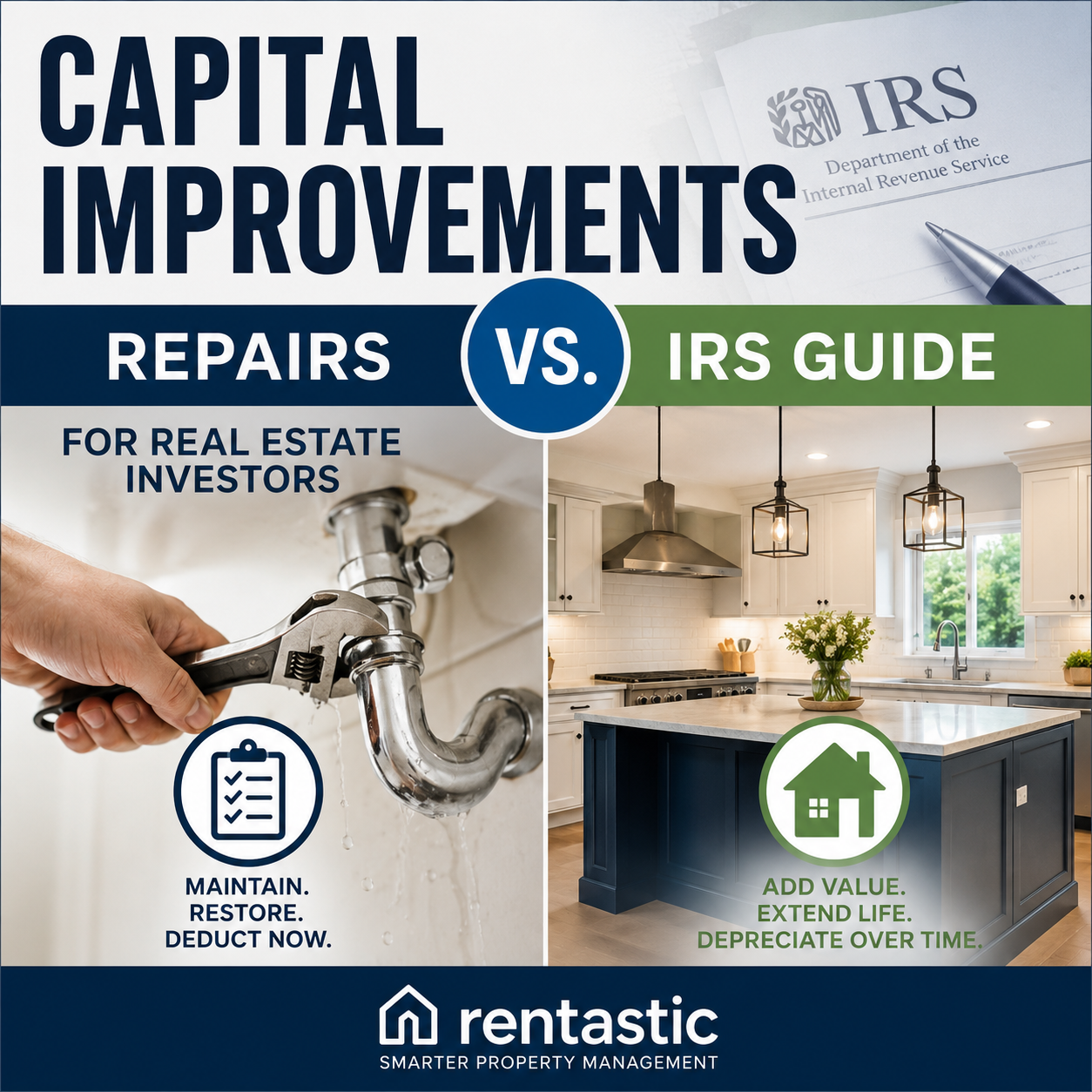
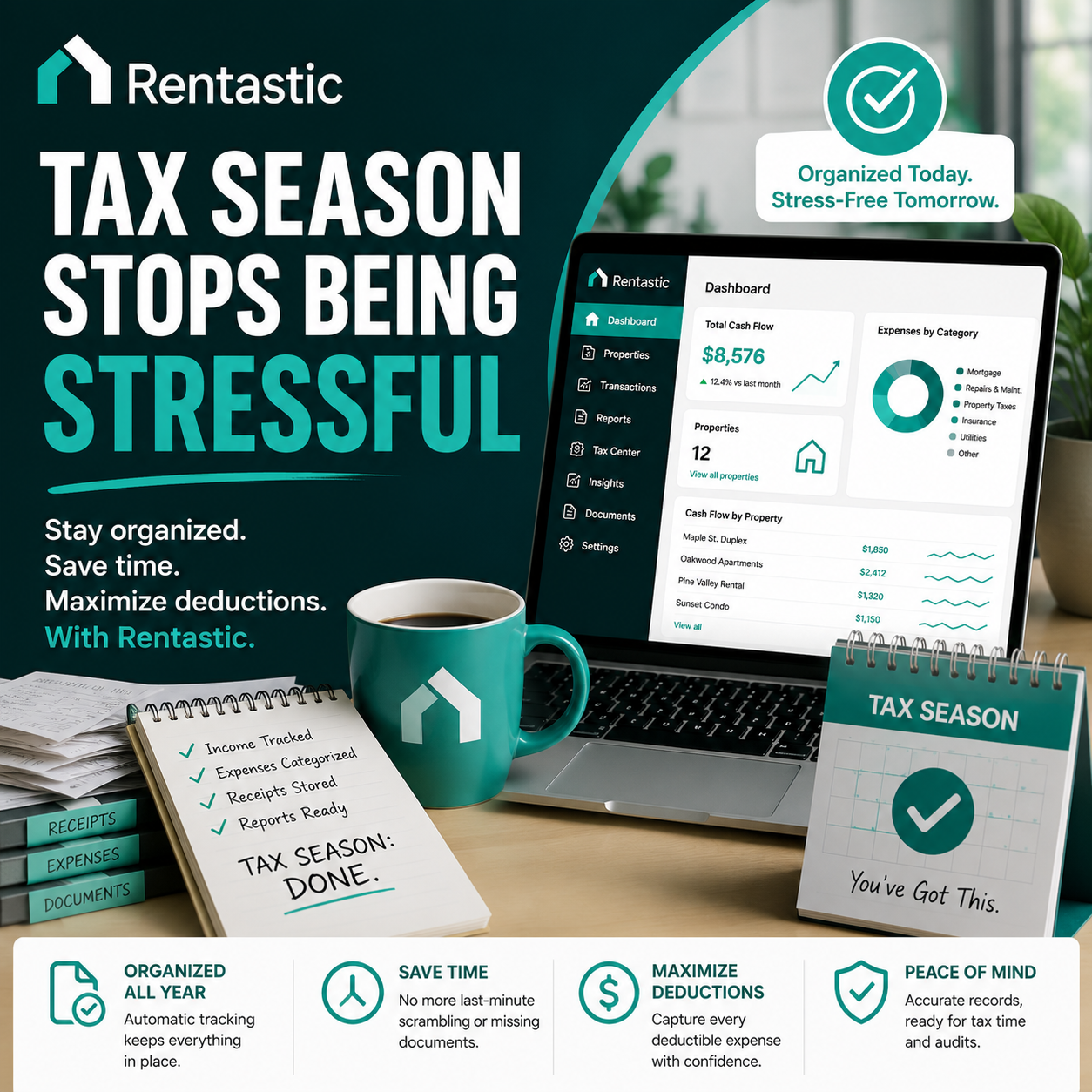
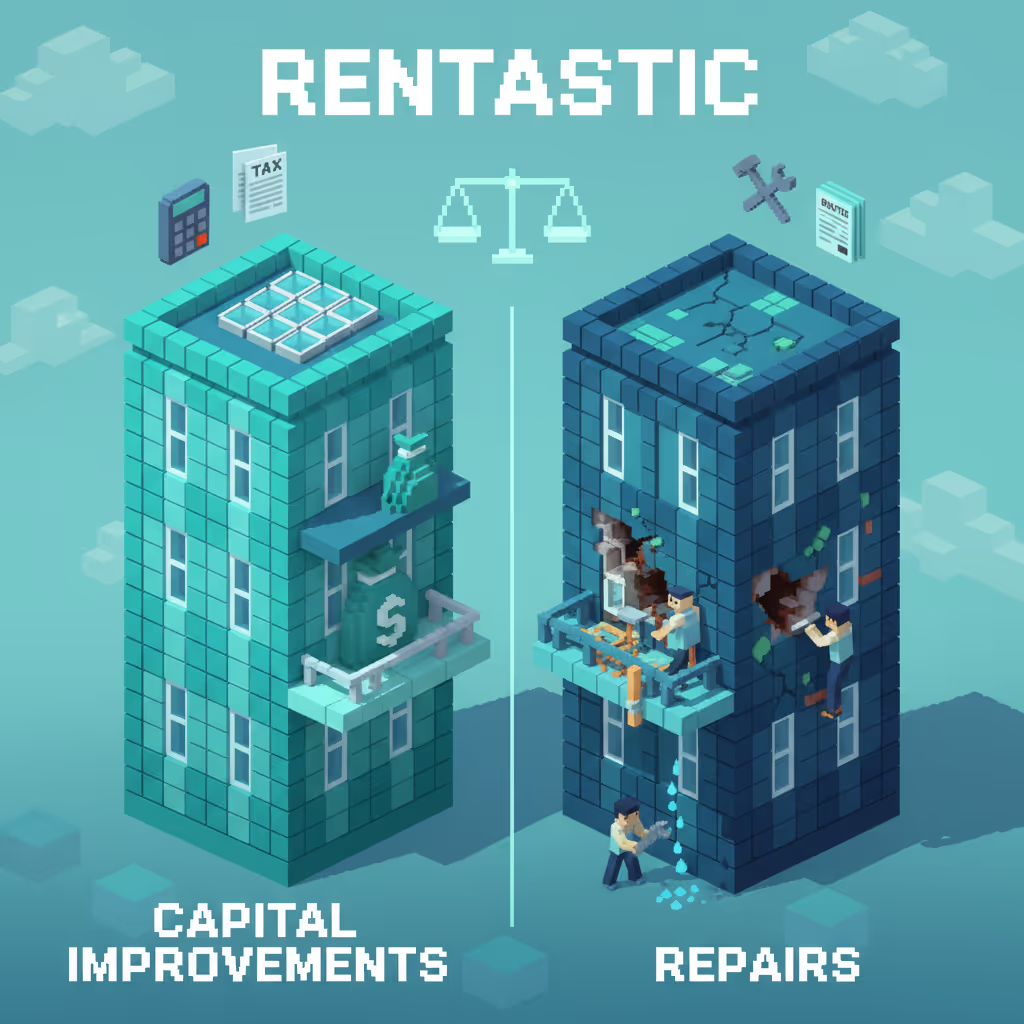
Second, you leave tax deductions on the table. Organized landlords who reconcile carefully avoid losing between 600 and 1,200 dollars a year in unclaimed rental expense deductions (Rentastic). In one survey, 22 percent of landlords reported losing thousands in deductions just from misclassifying repairs versus capital improvements, a problem you can catch and correct during reconciliation (Rentastic).
Third, you make decisions on fuzzy numbers. If you want to know which property is really carrying its weight, or whether it is time to refinance, you need financials you can trust. Regular real estate reconciliation feeds clean data into your P&L, cash flow reports, and dashboards so you can make buy, sell, and refinance decisions up to 30 percent faster (Rentastic.io Blog).
Before you start matching numbers, set yourself up so the work feels manageable instead of overwhelming. A few minutes of prep can easily shave an hour off your monthly routine.
Begin with the time window. Reconciliation real estate works best on a monthly cadence that matches your statements. Pick a standard date, for example the first Saturday after month end, and block a 45 to 90 minute window on your calendar.
Next, gather your documents for that period:
If you use spreadsheets or general small business accounting software, you can reconcile manually, but as your portfolio grows, you will feel the pain. Nearly half of landlords currently spend hours each month chasing receipts and reconciling statements by hand, and they still miss deductions and make profit reducing mistakes (Rentastic.io Blog).
Specialized tools like Rentastic can help by:
That automation makes it realistic to reconcile multiple properties and accounts every month instead of doing a painful annual clean up.
Start simple. Before you look at individual transactions, confirm that your beginning and ending balances line up across systems.
For each bank or credit card account, check that:
If you use a property manager who holds client trust accounts, make sure the owner statement balance for your portfolio agrees with the related trust account balance they report.
If these high level numbers do not tie out, you know something is off before you even dive into details. That is a cue to look for:
Once your start and end points are aligned, you can move to the transaction level with more confidence.
Your rental income is the lifeblood of your portfolio. You want every dollar that should have arrived to actually hit your bank and to show up correctly in your records.
Begin with your rent roll for the month. For each unit or lease, you should know:
Now reconcile three sources for that period:
You are checking for three main issues.
First, missing or short payments. If the owner statement shows rent received but your bank does not show the matching deposit, something is wrong. That could mean timing, a deposit misapplied to the wrong owner, or a simple posting error.
Second, misapplied income. Watch for rent from one property that ended up in another property’s ledger, or late fees that were waived without your approval and never collected. Regular bank reconciliation for rental properties is designed to catch exactly these problems and protect your cash flow (Rentastic).
Third, incorrect income categories. Make sure you can tell base rent from:
Clean categorization here feeds your P&L and helps with both lender conversations and tax prep later on.
If you use automated reconciliation, tools like Rentastic will flag unmatched or unexpected income transactions and guide you through reviewing them, cutting the time you spend matching items by up to 50 percent (Rentastic.io Blog).
Operating expenses are where many landlords quietly leak cash and lose tax benefits.
Start from your bank and credit card statements for the month. For every withdrawal, ACH payment, check, or card charge related to rentals, confirm that:
Pay extra attention to:
According to Rentastic, almost a quarter of landlords misclassify repairs as capital improvements or vice versa, and 22 percent said that mistake cost them thousands in lost deductions (Rentastic.io Blog). Monthly reconciliation real estate is your chance to fix those codes while the work is still fresh in your mind.
Automation can do a lot of the heavy lifting here. Real estate specific software can:
That does not replace your judgment, but it means you only have to review edge cases, not every single Home Depot purchase.
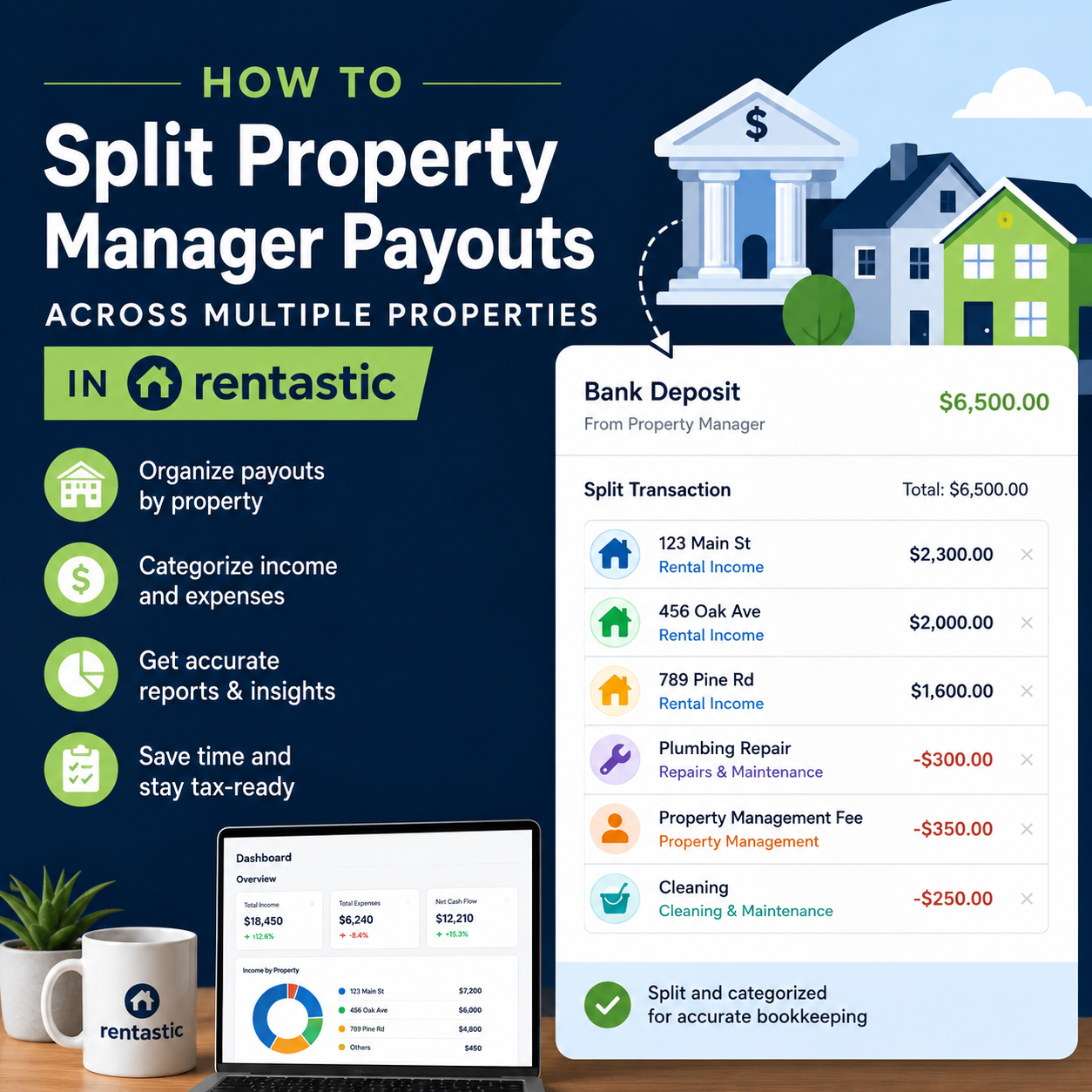
Property management fees and held reserves are common places for confusion. You want to know exactly what you paid for, why, and whether it matches your management agreement.
During reconciliation, review:
Cross check those amounts with:
Also look at your reserve balance. Many managers hold a small reserve per property to cover unexpected repairs. Confirm that:
If fees or reserve movements on the owner statement do not line up with bank activity, flag them right away. Monthly reconciliation makes it much easier to resolve questions with your property manager while details are still fresh and documents are easy to find.
If your rental properties carry mortgages, HELOCs, or other loans, include those accounts in your reconciliation checklist. Missed or misapplied loan payments can cost you in late fees and credit score damage.
Each month, for each loan:
Escrow accounts that pay property taxes and insurance deserve special attention. Real estate reconciliation involves checking that:
Finally, review all transfers between your accounts. This includes:
Every transfer should hit both accounts, with amounts and dates aligned and with clear descriptions. Transfers are easy to miscode or to forget on one side, and reconciliation real estate is how you keep the picture complete.
By now you have probably found at least a few issues. Maybe a rent deposit that never arrived, or a contractor invoice charged to the wrong property. The next step is to clean those up in your system.
Work through discrepancies in this order:
Automation tools can help here too. Rentastic’s platform, for example, flags unmatched transactions and guides you through reviews, so you can resolve issues faster and maintain precise financial reports that support cash flow planning and tax strategy (Rentastic.io Blog).
Once your statements match and your categories are clean, zoom out. The point of real estate reconciliation is not just a tidy ledger, it is clear insight into how each property is performing.
Generate for the month:
Check that:
Landlords who run monthly P&L reports combined with reconciliation feel about 25 percent more confident in their tax position, and they often reduce CPA fees because professionals spend less time cleaning up and more time advising (Rentastic.io Blog).
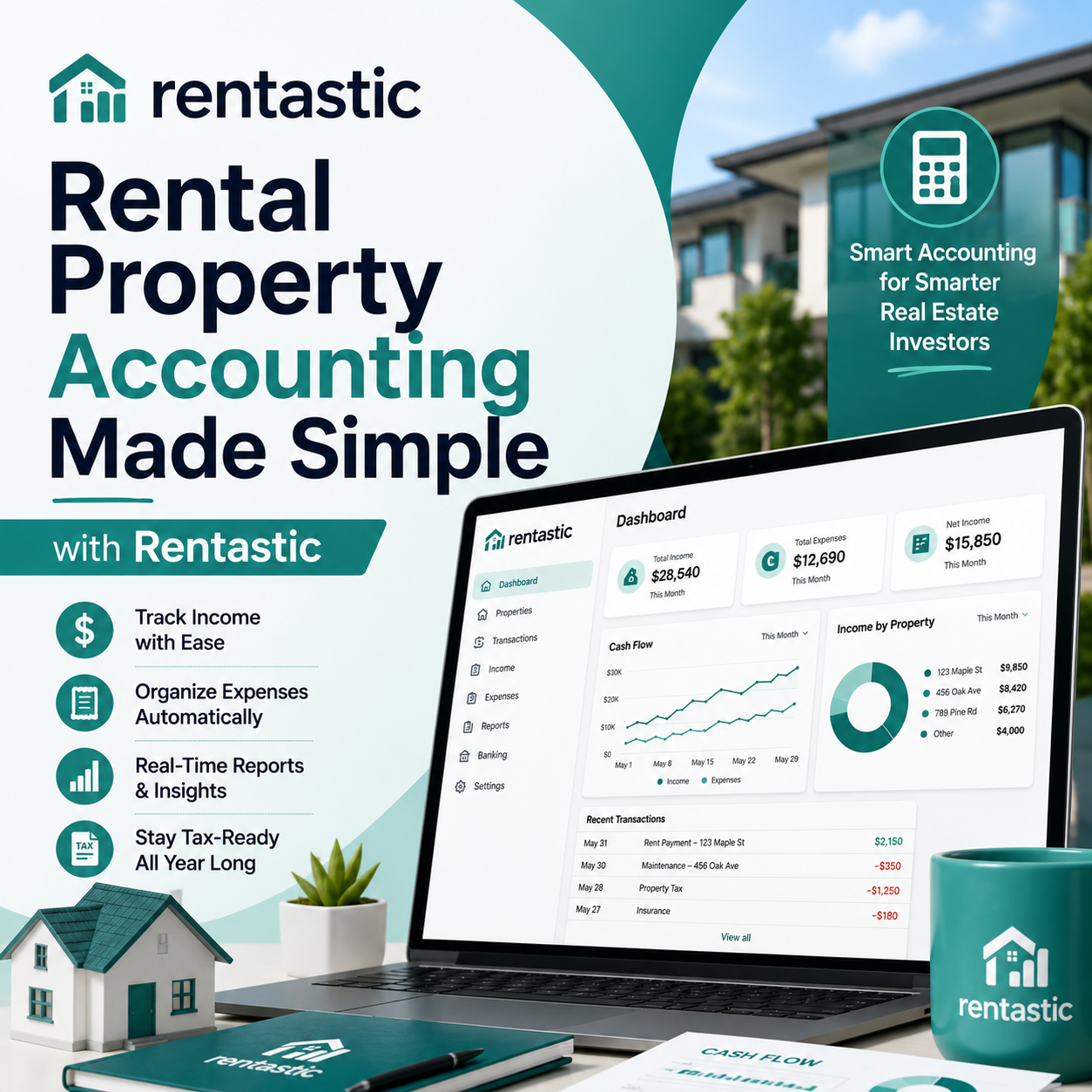
If your tool offers dashboards, use them. Clean, reconciled data flows into:
This is where you shift from reactive landlord to proactive investor, using reconciliation as your foundation rather than a chore.
Every reconciliation session will surface questions. The mistake is to leave them in your head.
Create a simple running log for the month with:
This can be a short note in your accounting system or a one page document for each property. The key is to give future you a breadcrumb trail. When the next month’s statements arrive, you can verify that:
If you use an automated system, you often get built in audit trails and attachment storage. Rentastic, for instance, supports automated receipt and mileage logging, which makes tax documentation smoother and cuts manual admin time by up to 40 percent (Rentastic.io Blog).
If you only own one single family rental, a spreadsheet might be enough, at least for now. Once you cross into multiple units, or you start juggling several bank accounts, manual reconciliation real estate quickly becomes unsustainable.
According to Rentastic, landlords who link their bank accounts and use automation for reconciliation:
Automation also tends to improve your risk controls. When your transactions flow in daily and your software highlights anomalies or unmatched items, you can detect:
Earlier and with less effort.
That is exactly what specialized real estate reconciliation platforms are built for. They let you keep bank level detail while focusing your time on decisions and exceptions instead of data entry.
If you want a deeper dive into how these tools work in practice, and how they fit into a full reconciliation process, you can explore more on reconciliation real estate.
You now have the full playbook. Here is a condensed version you can copy into your task manager or tape near your desk.
If you run this checklist each month, you will spend less time in April hunting for receipts and more time doing what actually grows your portfolio. Real estate reconciliation is not glamorous, but it is one of the quiet systems that separates stressed landlords from steady investors.
RECENT POSTS


© 2025 Rentastic
Rentastic is registered as a trademark. Terms and conditions, features, support, pricing, and service options subject to change without notice.












.png)




























.png)






























Comments