

Nearly every short‑term rental host starts with a simple idea: list the place, welcome guests, collect payouts. Then tax season hits and suddenly you are asking a very different question: at what point do the IRS tax rules treat your hosting as a real business that owes self-employment tax?
In this guide you will walk through how the tax rules apply to short-term rentals, when self-employment tax kicks in, and how to set yourself up so you are not leaving money on the table or inviting IRS headaches. You will also see where tools like Rentastic and a good tax pro fit into the picture so you can spend more time hosting and less time sweating forms.
Before you can apply tax rules to your short-term rental, you need a quick mental model of self-employment tax itself.
Self-employment tax covers Social Security and Medicare for people who work for themselves. If you are an employee, your employer pays half of these taxes and you pay the other half through payroll deductions. If you are self-employed, you pay both portions, which is why the rate looks steep.
For most active business income, the self-employment tax rate is 15.3 percent, made up of 12.4 percent for Social Security and 2.9 percent for Medicare, with an additional 0.9 percent Medicare tax at higher income levels. To calculate it, the IRS tells you to take your net earnings from self-employment, multiply by 92.35 percent, and then apply the 15.3 percent rate to that figure (Rentastic).
The key phrase here is net earnings. This is your income after subtracting ordinary and necessary business expenses. For a landlord or host, that might include cleaning, utilities, repairs, and management fees.
So the practical questions for you are:
Everything else in this article flows from those distinctions.
The IRS does not treat all rental income the same way. Some is treated as passive investment income, which is usually not subject to self-employment tax. Some is treated as active business income, which usually is.
Most long-term landlords report their rental income and expenses on Schedule E. This is the standard form for passive rental income. When reported on Schedule E, rental income is generally not subject to self-employment tax (Rentastic).
Short-term rentals can be trickier. The IRS often treats them more like hotels than traditional long term rentals, and that affects how you depreciate the property, how you report income, and what happens when you sell (Rentastic). Once you start offering more services and actively managing guests, you can cross into business territory and end up on Schedule C instead of Schedule E.
Schedule C is the standard form for reporting active business income. Income on Schedule C is usually subject to self-employment tax. When your short-term rental looks more like a lodging business than a simple rental, this is the form the IRS expects you to use.
The rest of this guide helps you decide which form better matches what you actually do.
Before you get deep into forms and self-employment calculations, you should check whether the 14‑day rule applies. For a small group of hosts, this rule makes life much easier.
If you rent out your property for fewer than 15 days in a year, the IRS does not require you to report that income at all. The rental income is excluded, even though you collected real money for those stays (Rentastic).
Once you hit 15 days or more, that exemption disappears and all rental income must be reported. From day one. There is no partial exclusion. At that point you are under the normal tax rules for short-term rentals and everything in this article applies.
There are a couple of practical implications for you:
Once you go beyond the 14‑day exemption, you also need to remember that platforms like Airbnb and VRBO do not change your reporting duty. The IRS requires all income earned through these platforms to be reported, even if the platform does not send you a tax form (Rentastic).
The line between passive rental income and active business income is where self-employment tax enters the story. The tax rules focus on what you actually do for guests, how often you rent, and how involved you are.
Most landlords who provide only minimal services, such as heat, light, water, and trash removal, report their income on Schedule E. This is true for most long-term rentals and many vacation rentals where you are not heavily involved day to day (Rentastic).
On the other hand, rental income reported on Schedule C is treated as active business income and is subject to self-employment tax at roughly 15.3 percent. Schedule C allows you to deduct any ordinary and necessary business expenses without the passive loss limits that apply to Schedule E, but you pay for that flexibility with self-employment tax (Rentastic).
You should think about:
If it feels like you are running a mini hotel or boutique stay, the IRS will probably see it the same way. That leans you toward Schedule C and self-employment tax.
You do not owe self-employment tax just because you listed a home for weekend stays. What matters is the level of services you offer. The tax rules look closely at those services to decide whether you are in the lodging business.
Schedule C is generally appropriate if you offer substantial services, such as daily housekeeping, regular linen changes, meals or meal service, concierge support, or frequent guest interaction similar to a bed and breakfast. It is also common for owners of actively managed short-term rentals on platforms like Airbnb or VRBO to end up on Schedule C, especially when they qualify as real estate professionals and meet material participation tests (Rentastic).
Hosts who provide these services are often treated as self-employed and their net income is subject to self-employment tax (Rentastic). The tax rules say you are doing more than making space available. You are running an active hospitality business.
By contrast, Schedule E typically fits if you offer only basic services. This covers most long-term rentals with occasional repairs and standard utilities. It also covers many vacation homes where you do not provide much beyond the space, basic furnishings, and standard upkeep (Rentastic).
Your best approach is to list out what you actually do for guests. Then compare that list to the examples in IRS guidance and resources like the Rentastic guides on tax rules and reporting. If you see hotel‑like services, assume the IRS does too.
Once you understand your level of services, you can decide how to report your income. This decision affects more than just self-employment tax. It also influences how losses work, what you can deduct, and how tricky your return becomes.
If your activity fits as passive rental income, you will usually use Schedule E. That means:
If your activity looks like an active lodging business, you will usually report it on Schedule C. In this case:
Real estate professionals have extra considerations. If you qualify for real estate professional status and meet the IRS material participation tests, you may be able to deduct passive losses from rentals against active income. This can reduce your overall tax burden, so it is worth reviewing with a tax professional who knows real estate (Rentastic).
Because this choice is so important, many hosts run their numbers both ways with a tax pro or bookkeeping tool before they file. That gives you a clear view of the tax impact of each approach under the current tax rules.
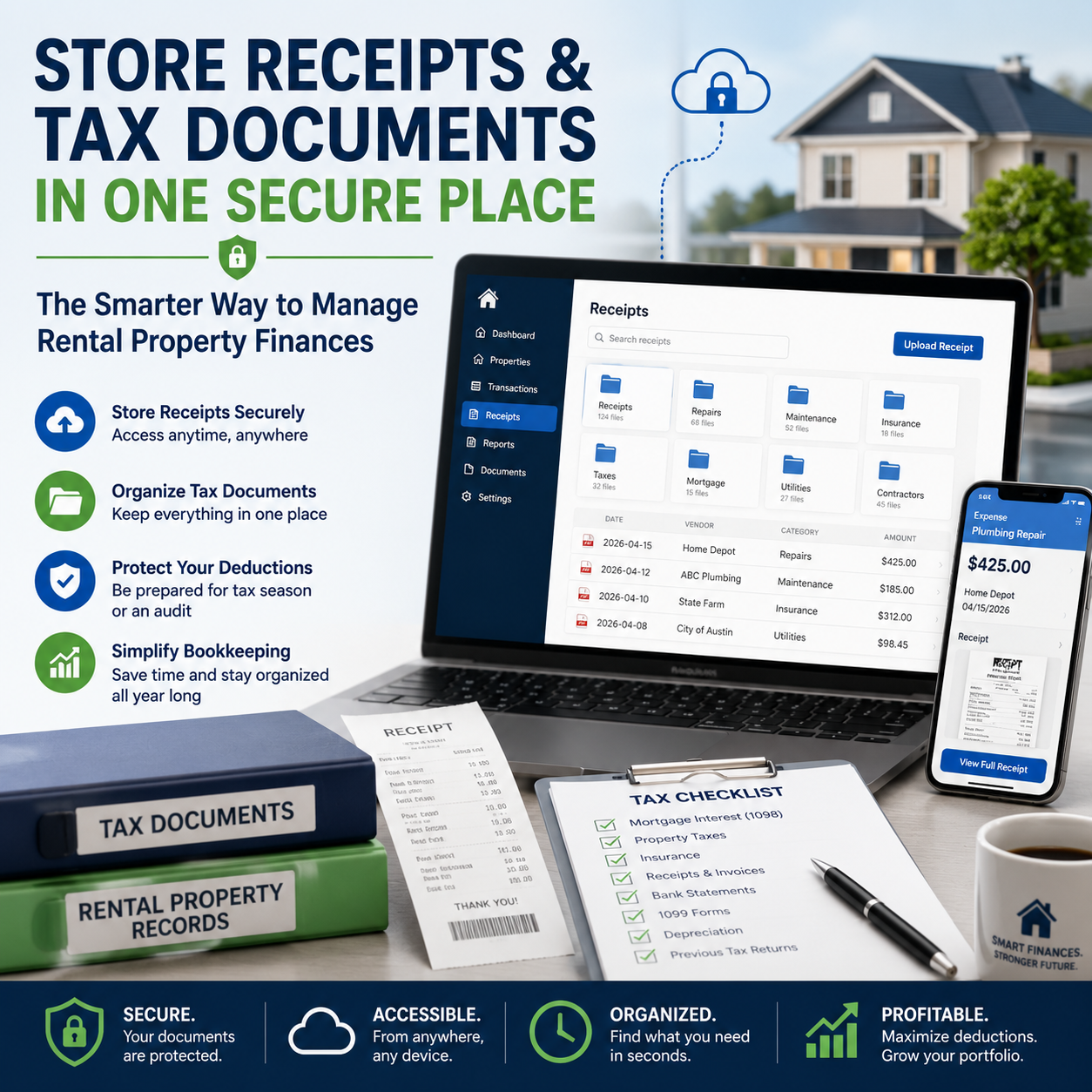
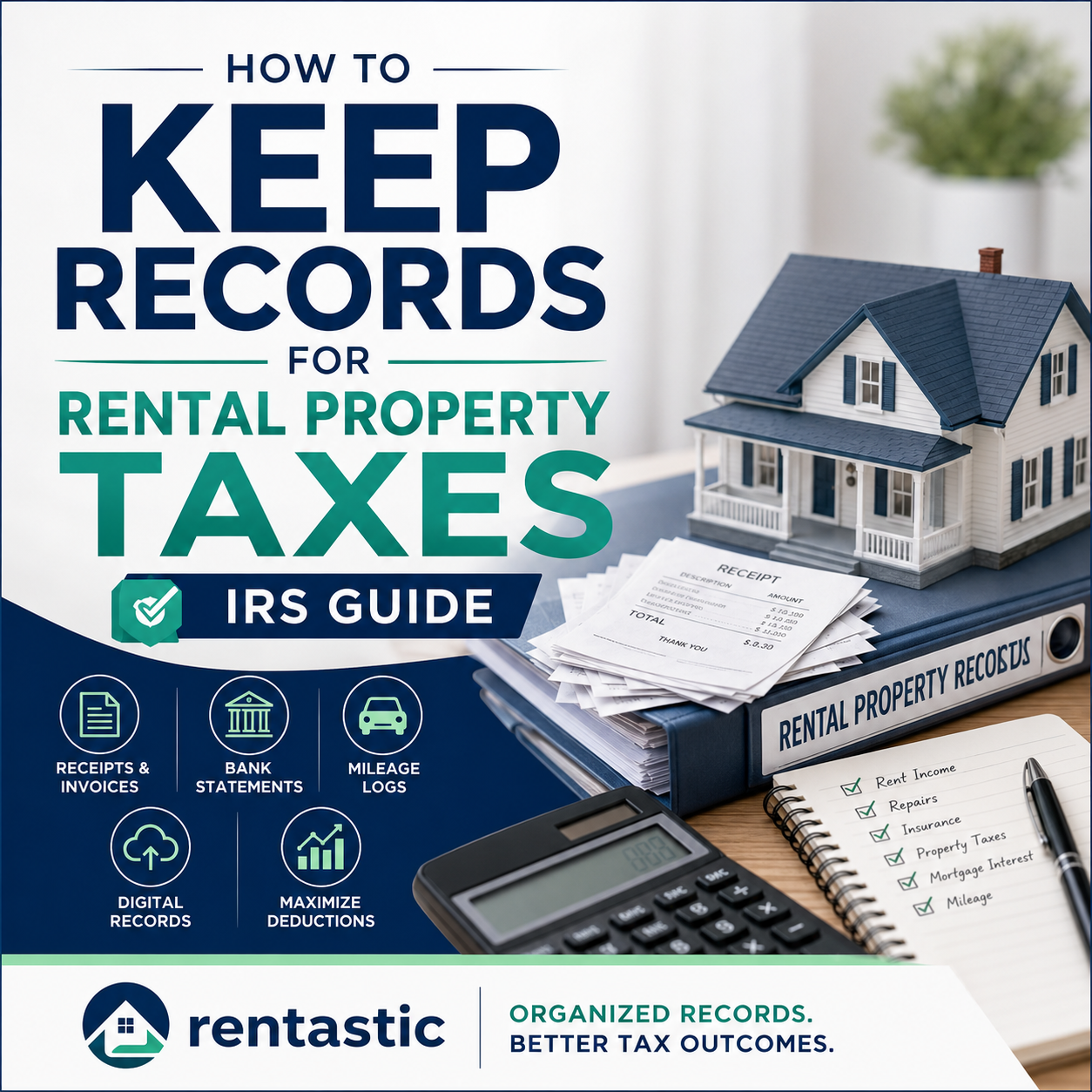
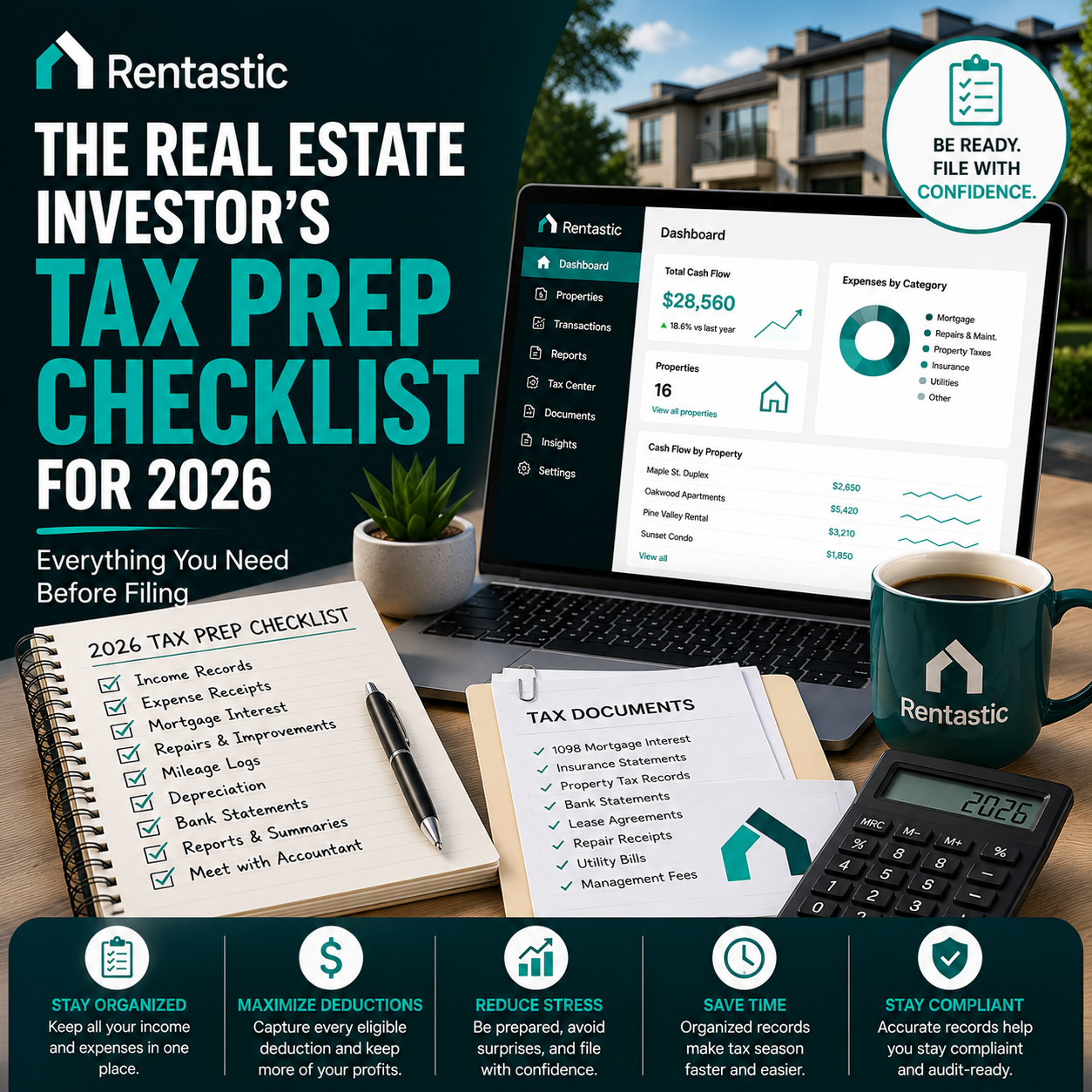
No matter which form you end up using, good records are your best defense and your best source of savings. The more accurately you can show your real income and expenses, the less likely you are to overpay and the easier it is to survive an audit.
For short-term rentals, you should track:
The IRS requires you to report all gross rental income, and it does not matter whether a platform issues a tax form or not. If you fail to provide a W‑9 to a platform, it may even withhold 28 percent of your payouts and send that to the IRS as backup withholding (Rentastic).
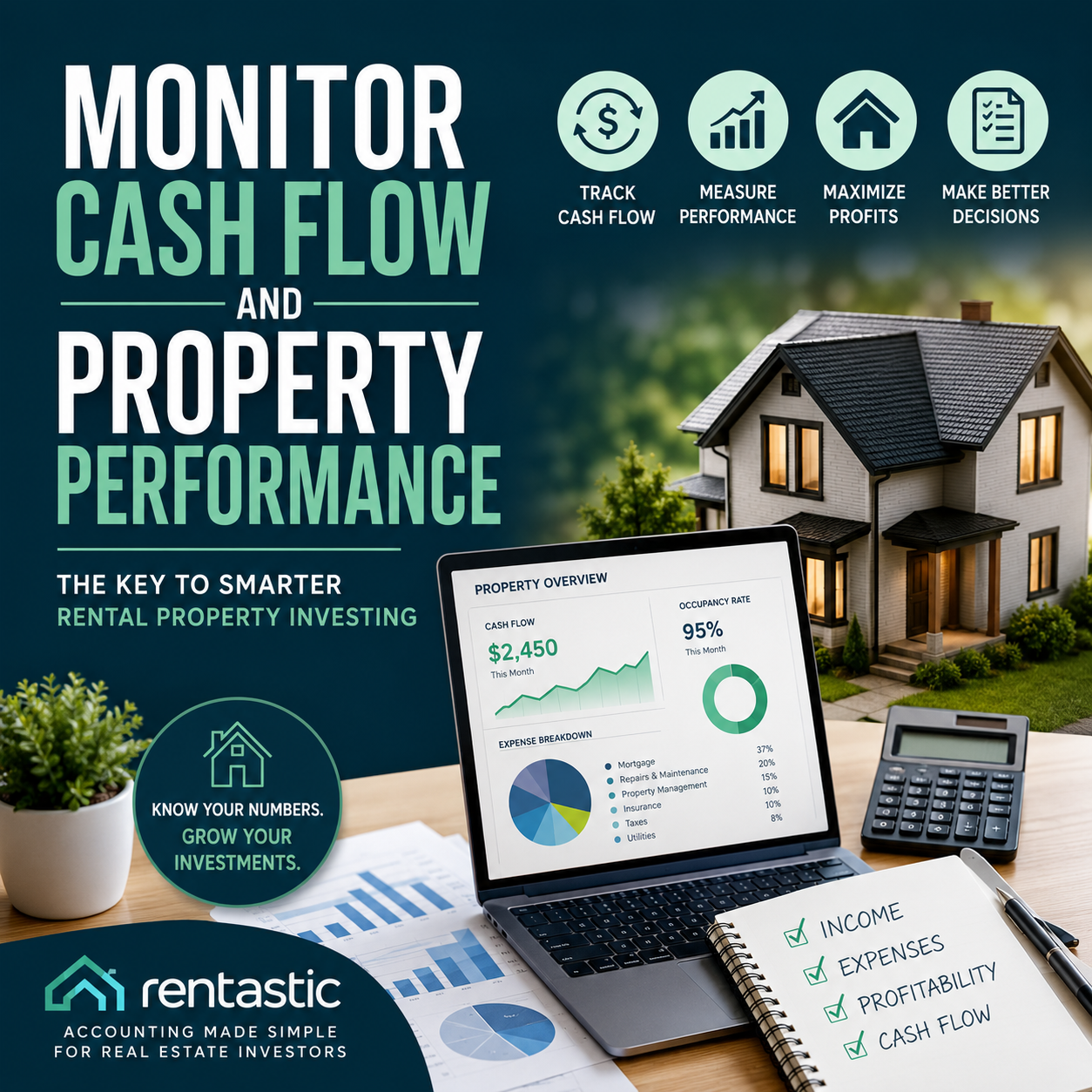
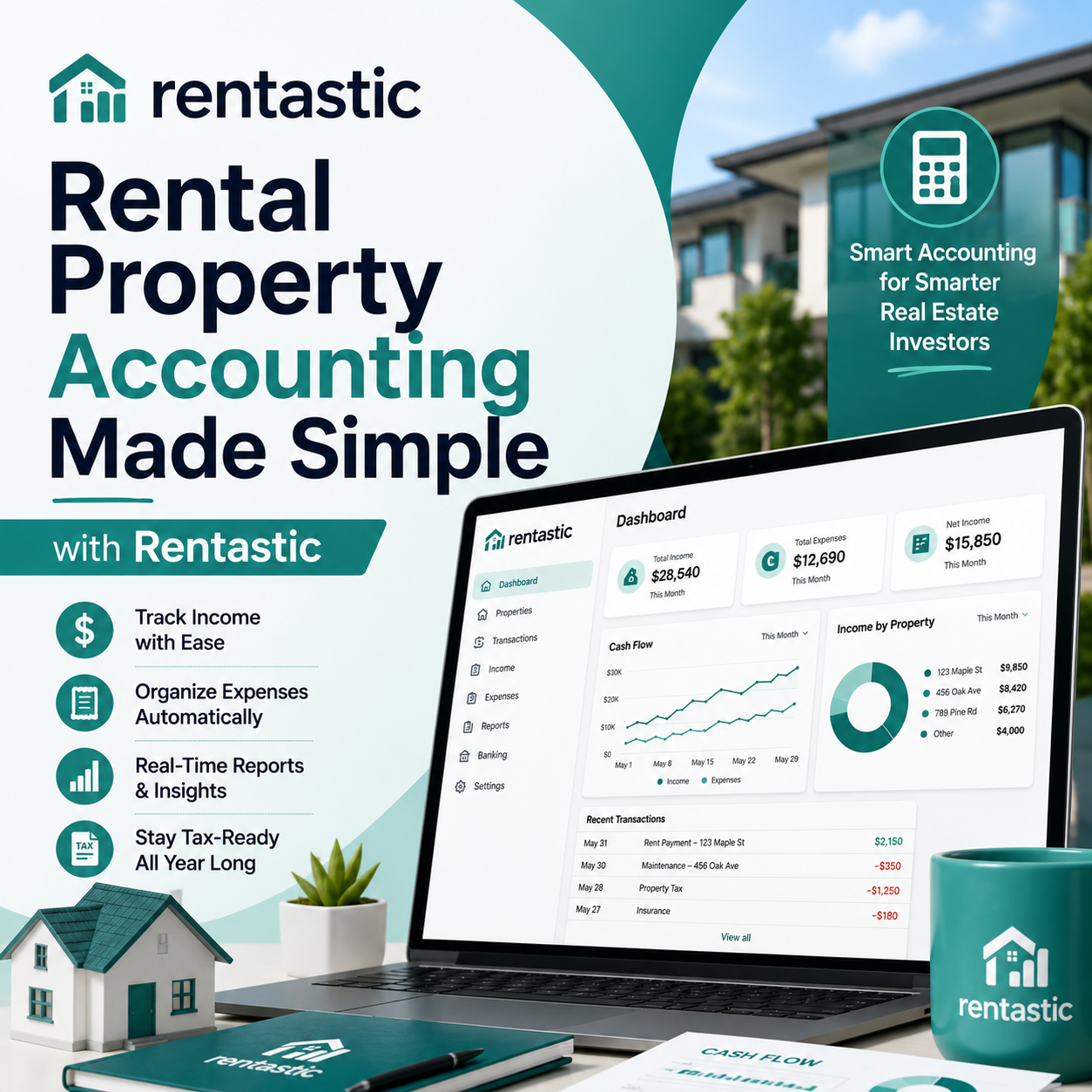
Tools like Rentastic can automate a lot of this work for you. They pull in bank transactions, categorize expenses, generate profit and loss statements, and help you track multiple properties in one place. That makes it far easier to decide between Schedule C and Schedule E and to back up your numbers if the IRS ever asks for more detail (Rentastic, Rentastic).
When you have this level of detail, you can also use the tax rules to your advantage. You can spot underused deductions, plan upgrades for maximum write‑off, and see in real time how a push in marketing or a change in nightly rates affects your actual profit, not just your revenue.
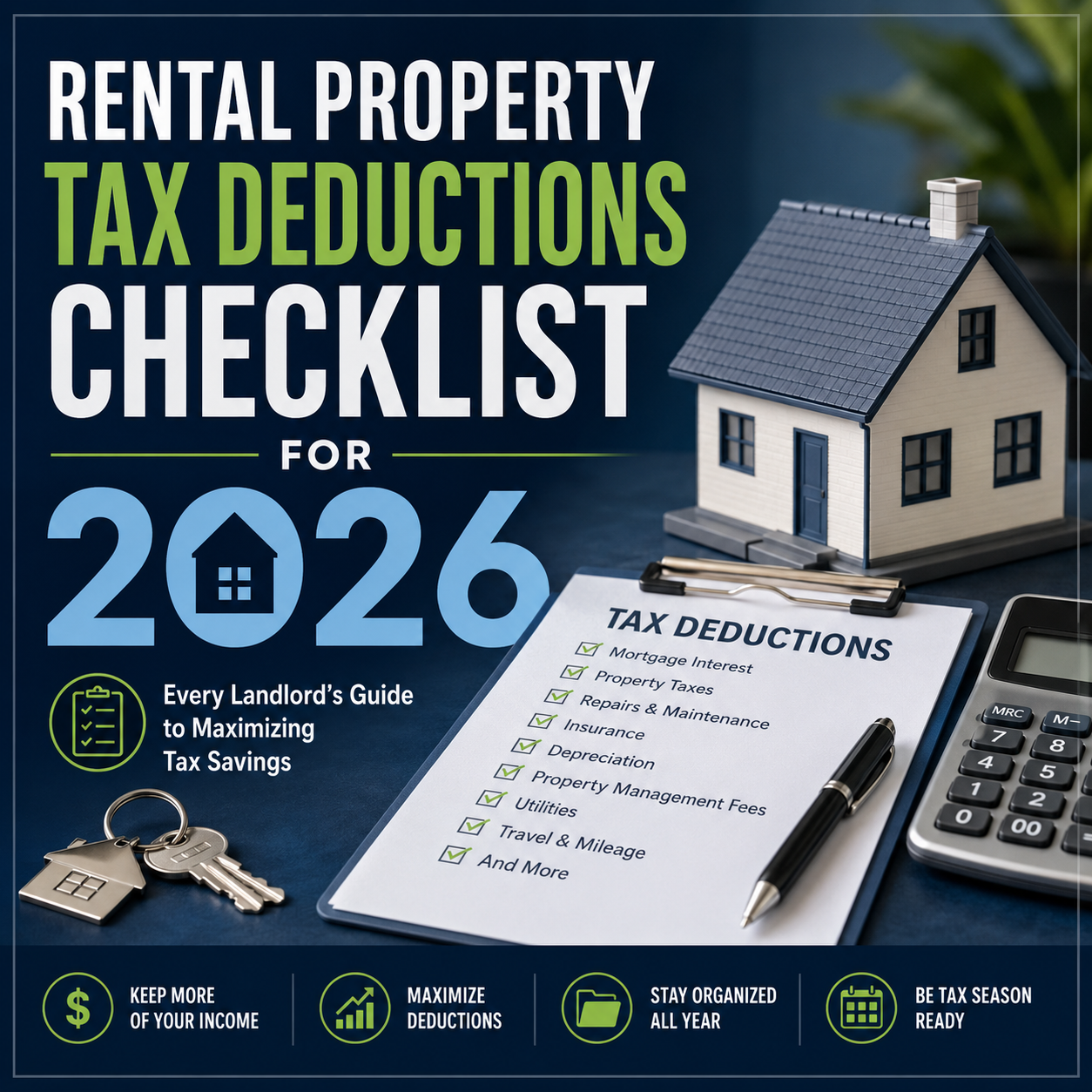
The silver lining of running a short-term rental as a business is that you can deduct a wide range of expenses. These deductions directly lower your taxable income, whether you report on Schedule C or Schedule E.
For short-term rentals, typical deductible expenses include cleaning fees, utilities, maintenance, internet, insurance, mortgage interest, and property taxes. You can also deduct property management fees, marketing costs, and similar business expenses that support hosting. All of these can reduce your taxable income significantly (Rentastic, Rentastic).
Depreciation is one of the most powerful deductions. For short-term rentals that are treated more like hotels or commercial properties, depreciation is commonly calculated over 39 years. This contrasts with the 27.5 year schedule used for long-term residential rentals. That spread in years changes the annual deduction, so you need to apply the correct schedule based on how the IRS categorizes your property (Rentastic).
For traditional long-term rentals, the 27.5 year depreciation schedule lets you deduct a portion of the property’s value each year, which steadily reduces taxable income over time (Rentastic). For active short-term rentals, the 39 year schedule still offers meaningful deductions even though the annual amount is smaller.
If you are uncertain which schedule applies, it is smart to get professional advice. A small mistake in depreciation can ripple for years and affect capital gains tax when you eventually sell.
Federal income tax and self-employment tax are only part of the tax rules you face as a short-term rental host. Local lodging taxes can be just as important, both financially and from a compliance risk perspective.
Many cities and regions charge lodging taxes on short-term stays. These can be called Transient Occupancy Taxes, hotel taxes, room taxes, VAT, or GST depending on where your property is located. In some areas platforms like Airbnb collect and remit some of these taxes for you, but not always all of them (Rentastic).
You may still be responsible for:
If you ignore these obligations, penalties can add up quickly and in some markets you risk losing your ability to host at all.
Your best approach is to:
If this sounds like a lot, you are not alone. Many hosts lean on a local accountant or bookkeeper who understands short-term rental tax rules and can keep you on the right side of local regulations.
Short-term rental tax rules do not stop when a guest checks out. How you classify and depreciate your property now can influence what you owe when you eventually sell.
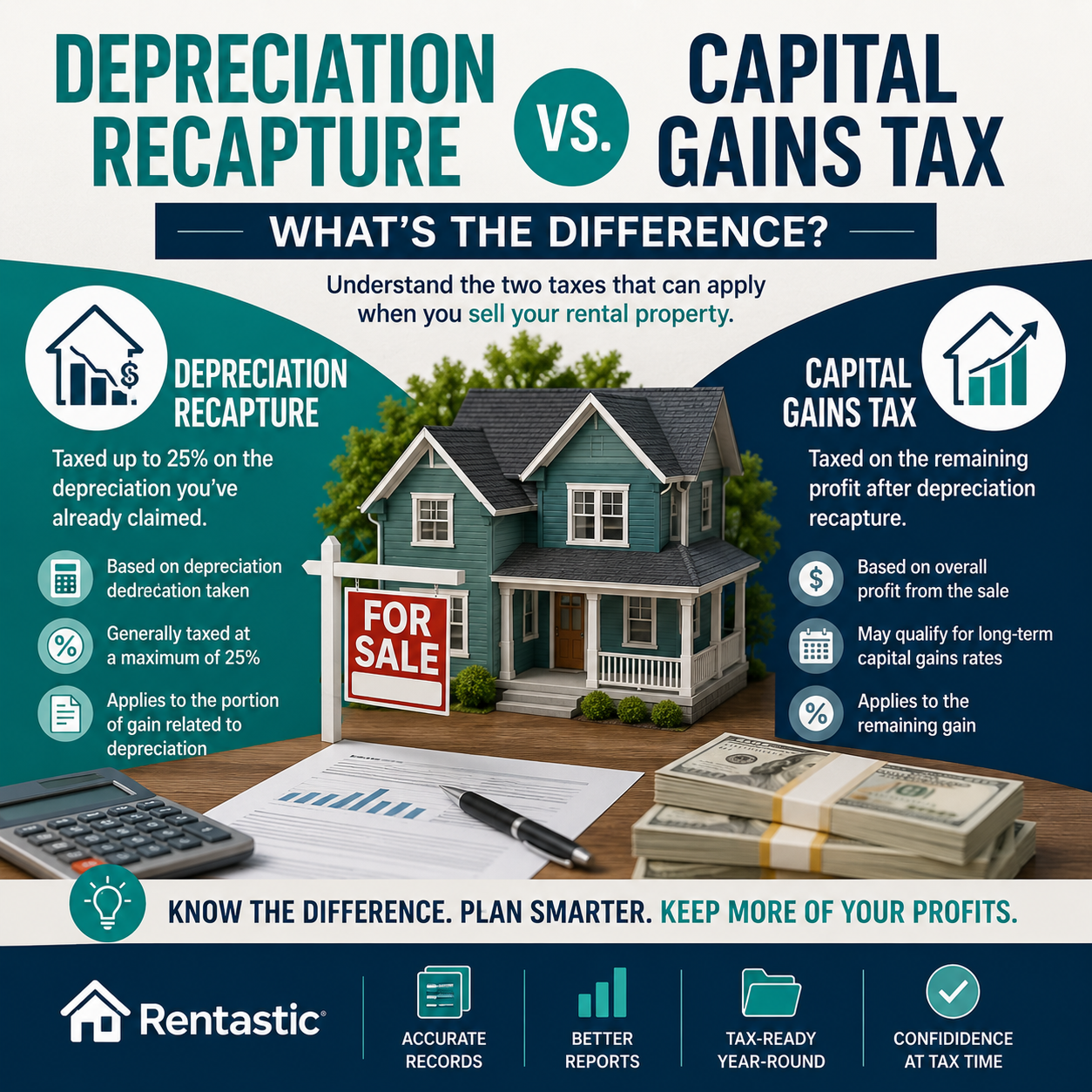
When you sell a rental property, you typically pay capital gains tax on the profit. The gain is essentially your selling price minus your original cost and improvements, adjusted for any depreciation you have claimed over the years. Capital gains tax rates generally range from 0 percent to 20 percent depending on your total income level (Rentastic).
If your property has been treated like a commercial or hotel type asset for tax purposes, with a 39‑year depreciation schedule, that can shift both your annual deductions and the calculation of gain or depreciation recapture later. The same is true if you depreciated it over 27.5 years as a residential rental.
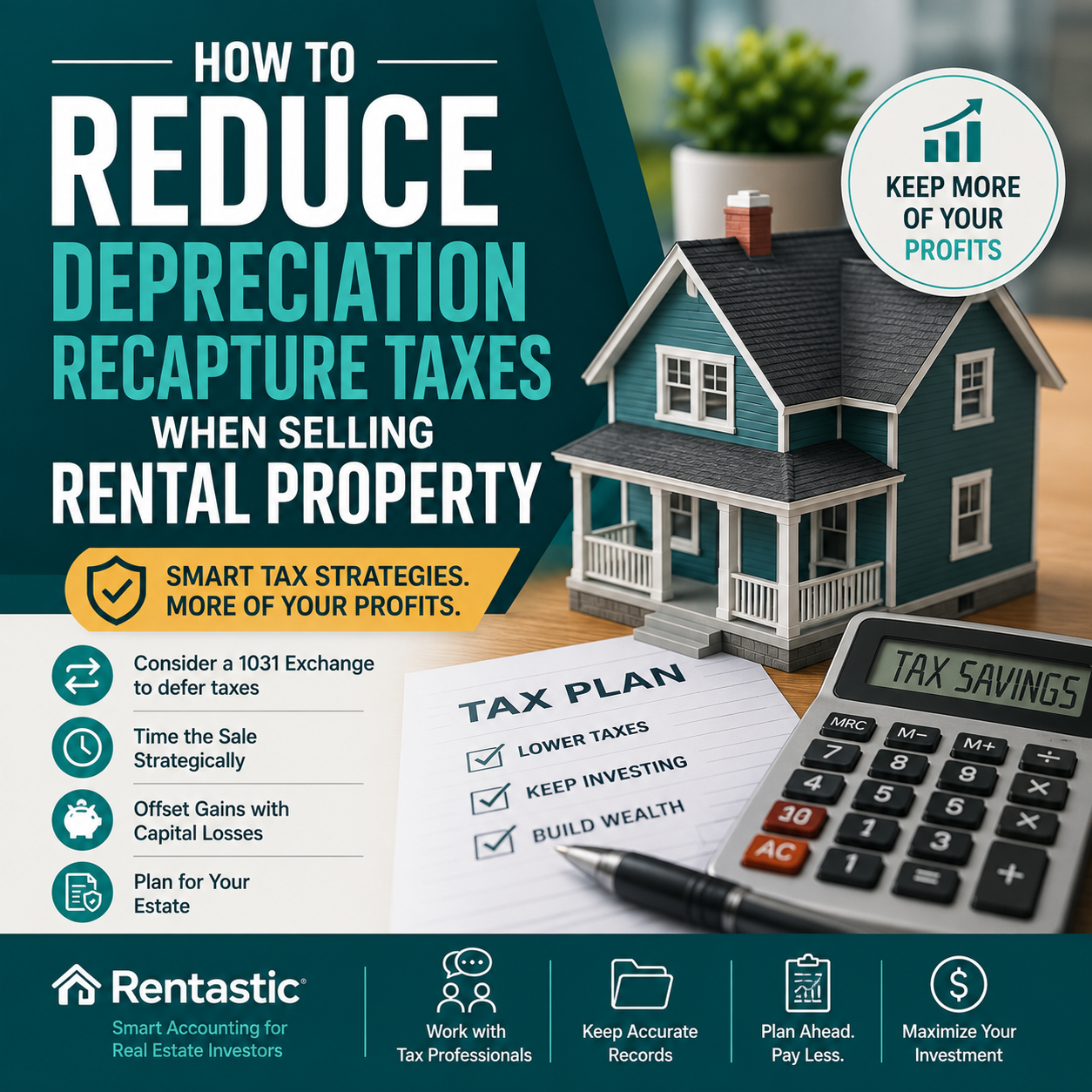
This is another point in your journey where a tax professional can be worth every dollar. The right strategy can help you time a sale, manage capital gains, and plan reinvestments to keep your overall tax bill in check.
Short-term rental tax rules are detailed, but you do not need to memorize them. What you need is a repeatable way to capture the right data and a small circle of reliable tools and advisors.
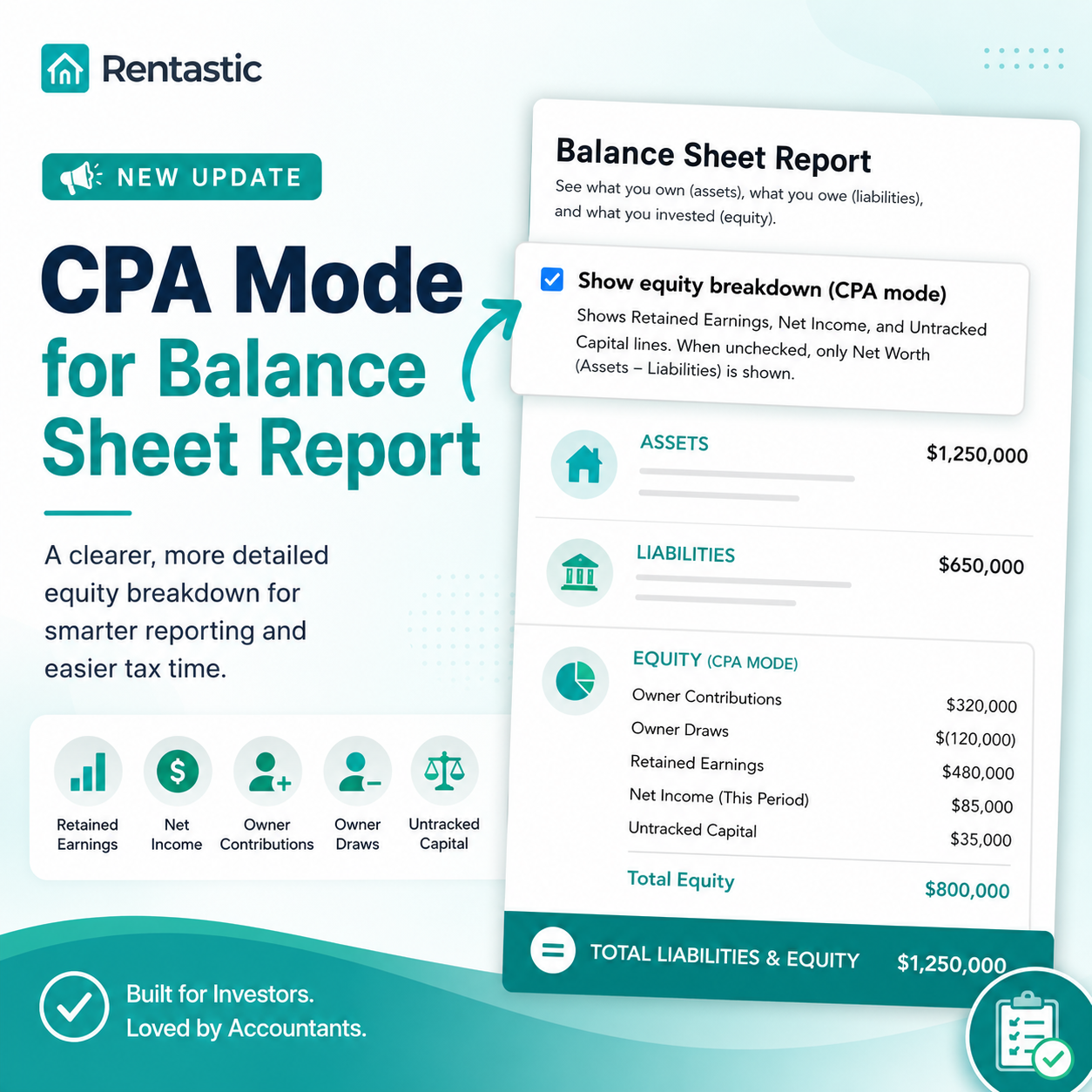
Rental management platforms and financial tools like Rentastic provide automated financial reporting, bank account integration, and receipt organization. They help you:
Pairing these tools with a tax professional who specializes in real estate and rental property taxes is a strong combination. A good advisor will help you navigate complex short-term rental regulations, maximize deductions, and stay aligned with current IRS guidance (Rentastic).
If you manage several properties or are starting to scale, this support turns tax season from a scramble into a routine.
The clearer your records, the easier it is to apply the rules in your favor instead of guessing what the IRS expects.
Short-term rentals sit in a gray zone between investing and running a small hotel. That is why self-employment tax and other tax rules can feel confusing at first. Once you break them down, you have a simple checklist:
Take one step at a time. Start with your current year records, then confirm how you should report your income based on what you actually do for guests. From there you can refine your systems, tighten your deductions, and host with more confidence, knowing your numbers line up with the rules.
RECENT POSTS


© 2025 Rentastic
Rentastic is registered as a trademark. Terms and conditions, features, support, pricing, and service options subject to change without notice.








.png)





















.png)



























Comments