

Whether you're managing a single rental property or a growing portfolio, understanding how security deposits work is essential. A properly managed security deposit can protect your investment, reduce disputes, and help cover legitimate expenses when tenants move out.
However, many landlords misunderstand how security deposits should be collected, tracked, documented, and returned. Failing to follow security deposit rules can lead to legal issues, financial losses, and strained tenant relationships.
In this guide, we'll explain everything landlords and real estate investors need to know about security deposits and how organized record-keeping can make the process significantly easier.
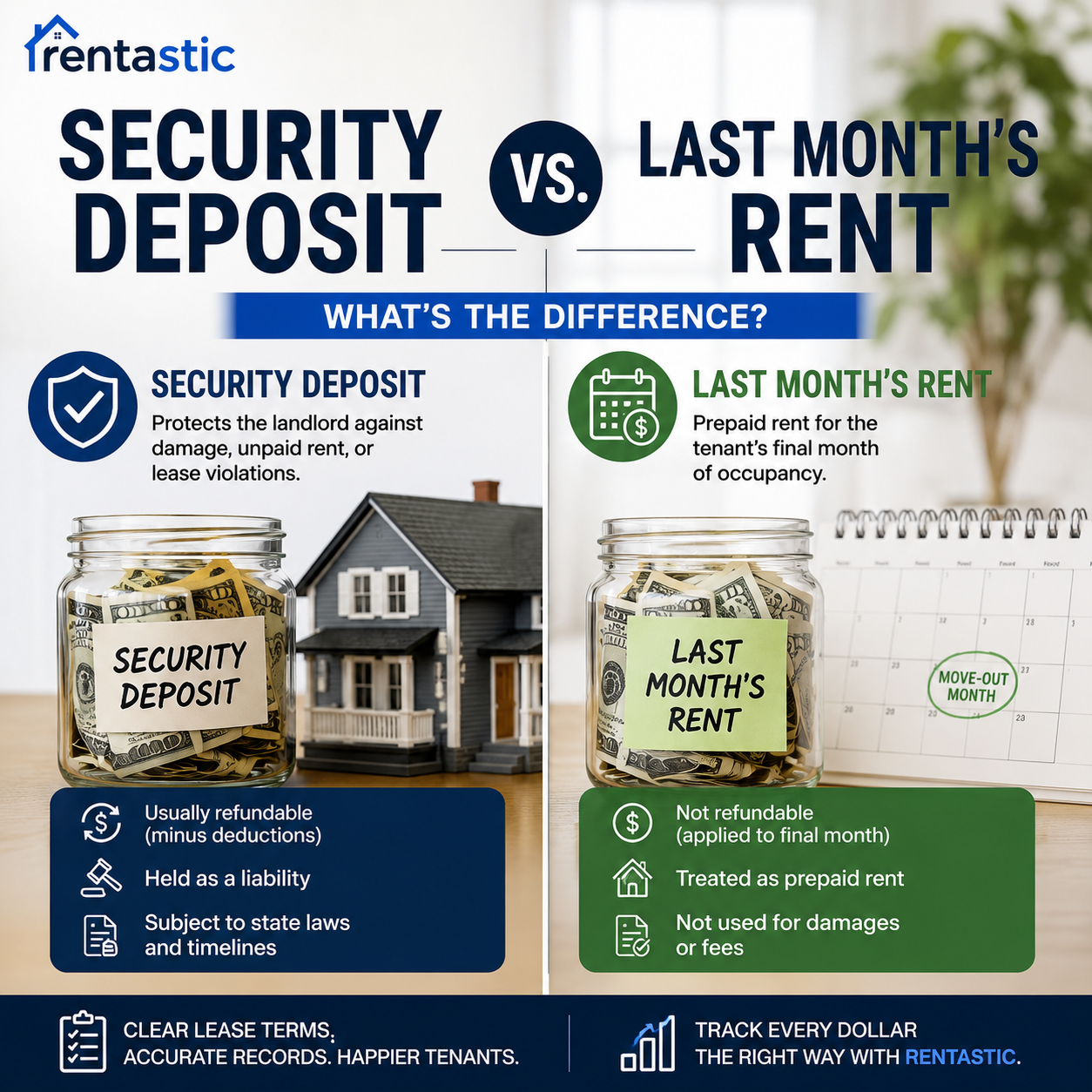
A security deposit is money paid by a tenant before moving into a rental property. The deposit serves as financial protection for the landlord in case the tenant causes damage, violates the lease agreement, or leaves unpaid rent behind.
Unlike monthly rent payments, a rental security deposit is generally refundable if the tenant fulfills their lease obligations and leaves the property in acceptable condition.
The primary purpose of a landlord security deposit is to protect property owners from unexpected financial losses while encouraging tenants to care for the property responsibly.
Security deposits provide a financial safety net for rental property owners.
Common reasons landlords collect security deposits include:
Without a security deposit, landlords may have difficulty recovering costs associated with property damage or unpaid obligations after a tenant moves out.
Security deposit amounts vary depending on:
In many markets, landlords commonly charge:
However, security deposit rules differ significantly by state. Some jurisdictions place limits on the maximum amount landlords can collect, while others impose specific requirements regarding how deposits must be stored and returned.
Always review your state and local laws before setting security deposit policies.
Security deposit laws are designed to protect both landlords and tenants.
While requirements vary, most states regulate:
Some states cap the amount landlords can charge as a security deposit.
Certain states require landlords to:
Many states require landlords to return deposits within a specific timeframe after move-out, often ranging from 14 to 60 days.
If any portion of the deposit is withheld, landlords are typically required to provide a detailed list of deductions.
Because regulations change frequently, landlords should verify local requirements before implementing policies.
A rental security deposit may generally be used for legitimate expenses resulting from tenant actions.
Common examples include:
If a tenant leaves owing rent, landlords may be able to deduct the balance from the security deposit.
Landlords can often deduct repair costs for damage that exceeds normal wear and tear.
Examples include:
If a tenant leaves the property in unusually poor condition, cleaning expenses may be deductible.
Certain lease violations that create financial losses may justify deductions, depending on local regulations.
One of the most common sources of security deposit disputes involves distinguishing between normal wear and tear and actual damage.
Examples include:
These are generally considered normal consequences of occupancy and should not result in deductions.
Examples include:
These expenses may qualify for security deposit deductions.
Proper documentation is critical when determining the difference.
Documentation is one of the strongest protections landlords have during security deposit disputes.
Best practices include:
Before a tenant moves in:
When the tenant leaves:
The stronger your records, the easier it becomes to justify deductions if questions arise.
Many landlords make the mistake of treating security deposits as rental income.
In reality, security deposits are generally considered liabilities because the funds may need to be returned to the tenant.
Accurate bookkeeping helps landlords:
Keeping deposit records separate from rental income helps avoid confusion and improves financial reporting accuracy.
Good records protect landlords long after a tenant moves out.
Maintaining organized financial records allows landlords to:
This is one reason many investors rely on dedicated rental property accounting software rather than spreadsheets.
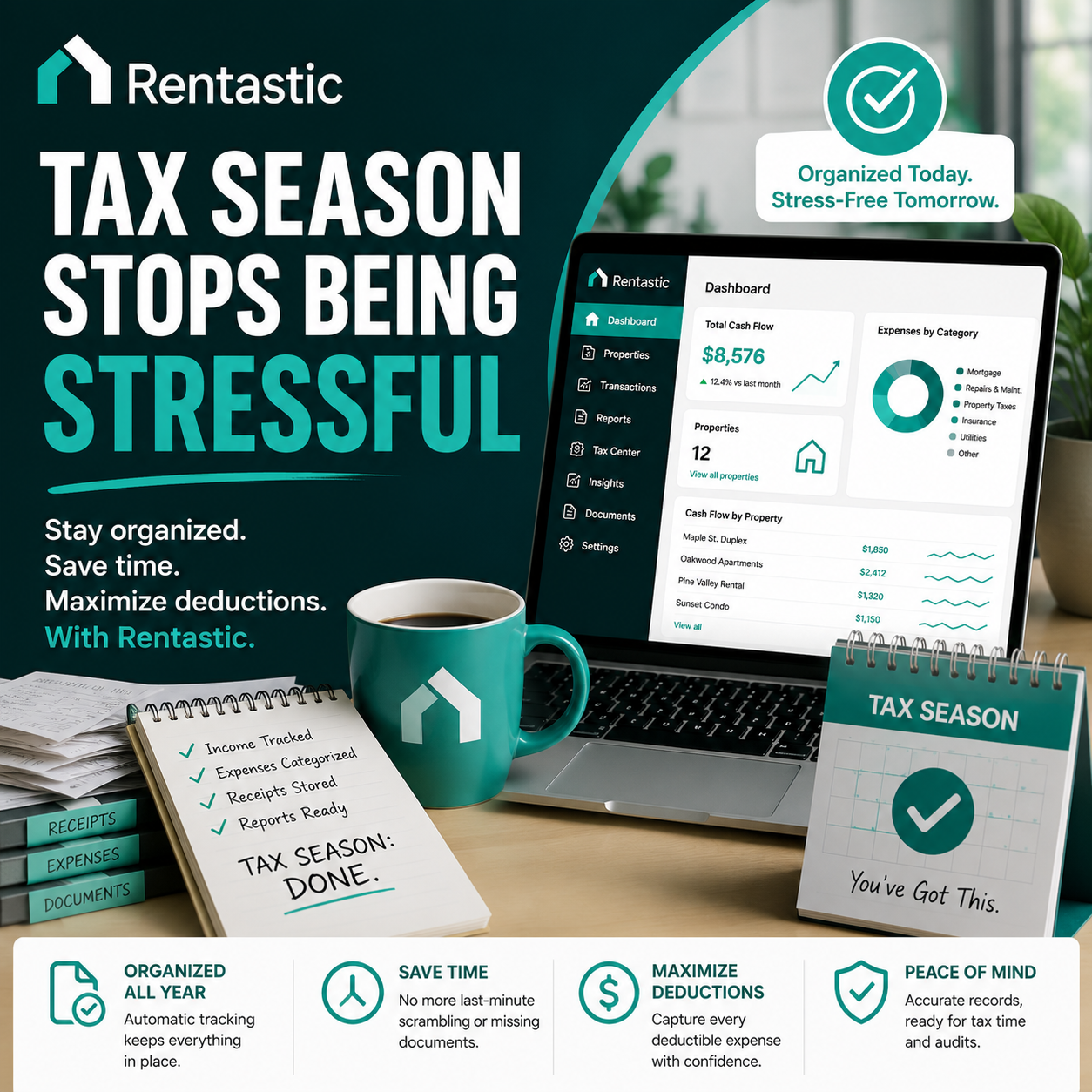
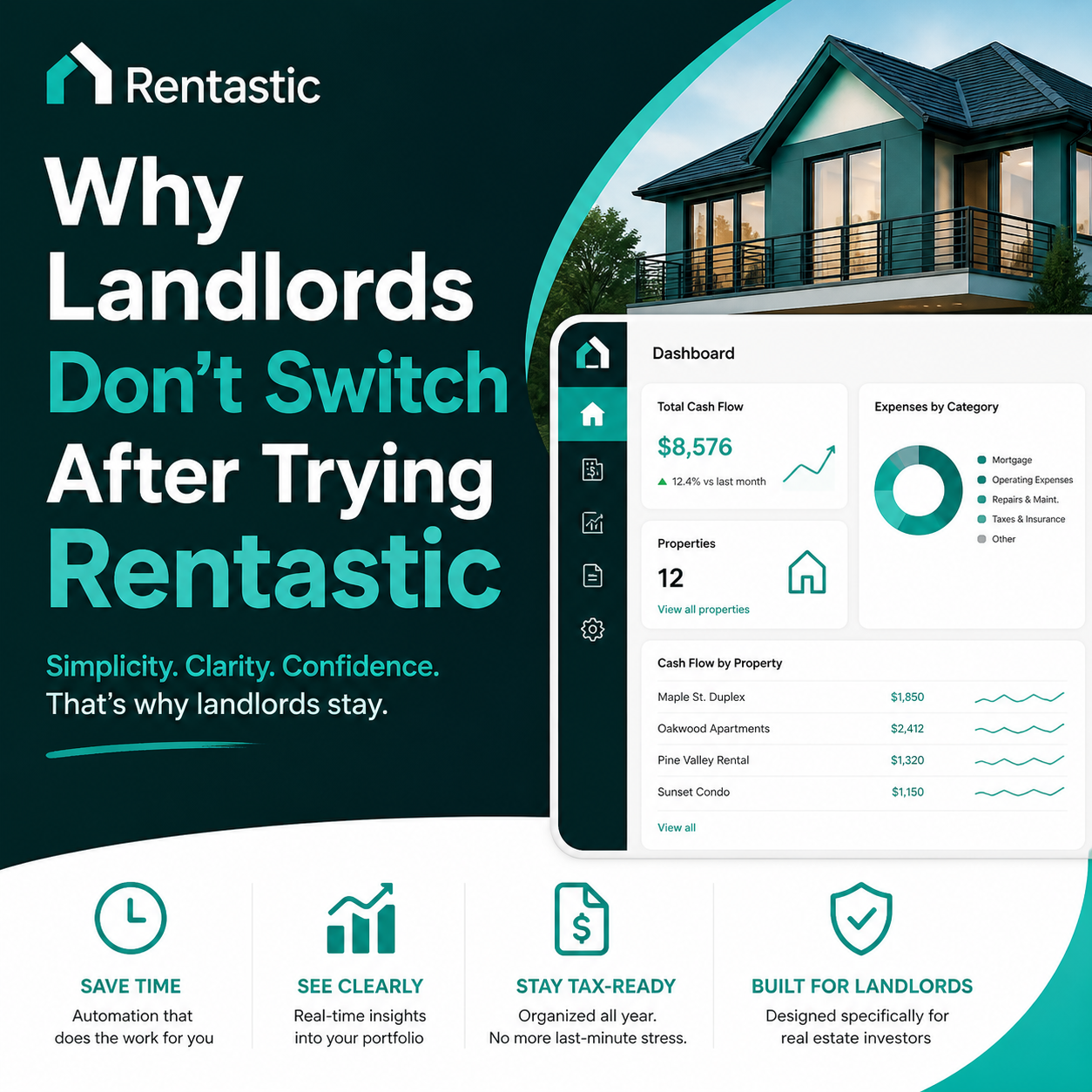
For landlords looking to streamline bookkeeping and property financial management, Rentastic offers tools designed specifically for real estate investors, including expense tracking, income monitoring, and organized financial reporting.
You can also explore the Rentastic resources section for additional landlord education and property management guidance:
Avoid these common errors:
Without photos and inspection reports, proving damage becomes difficult.
Late refunds can result in penalties in some states.
Keeping deposits separate improves accounting accuracy and may be legally required.
Improper deductions frequently lead to tenant disputes.
Missing receipts, invoices, and inspection reports can weaken a landlord's position if challenged.
A properly managed security deposit is one of the most effective tools landlords have for protecting their rental properties. Understanding security deposit rules, maintaining detailed documentation, and keeping accurate financial records can significantly reduce disputes and financial risk.
Whether you own one rental property or a large portfolio, organized bookkeeping and thorough documentation are essential parts of successful property management. By combining strong security deposit practices with reliable financial tracking, landlords can better protect their investments and operate their rental businesses with confidence.
Looking for a simpler way to manage your rental property finances? Rentastic helps landlords and real estate investors track income, expenses, and property performance from one centralized platform, making record-keeping easier throughout every stage of the rental lifecycle.
RECENT POSTS


© 2025 Rentastic
Rentastic is registered as a trademark. Terms and conditions, features, support, pricing, and service options subject to change without notice.















.png)






























.png)
































Comments