

If you are buying or managing a triple net (NNN) lease property, your returns often look smooth on the surface. Tenants cover taxes, insurance, and maintenance. Your rent checks show up on time.
That does not mean every NNN deal is a winner. You still need to know:
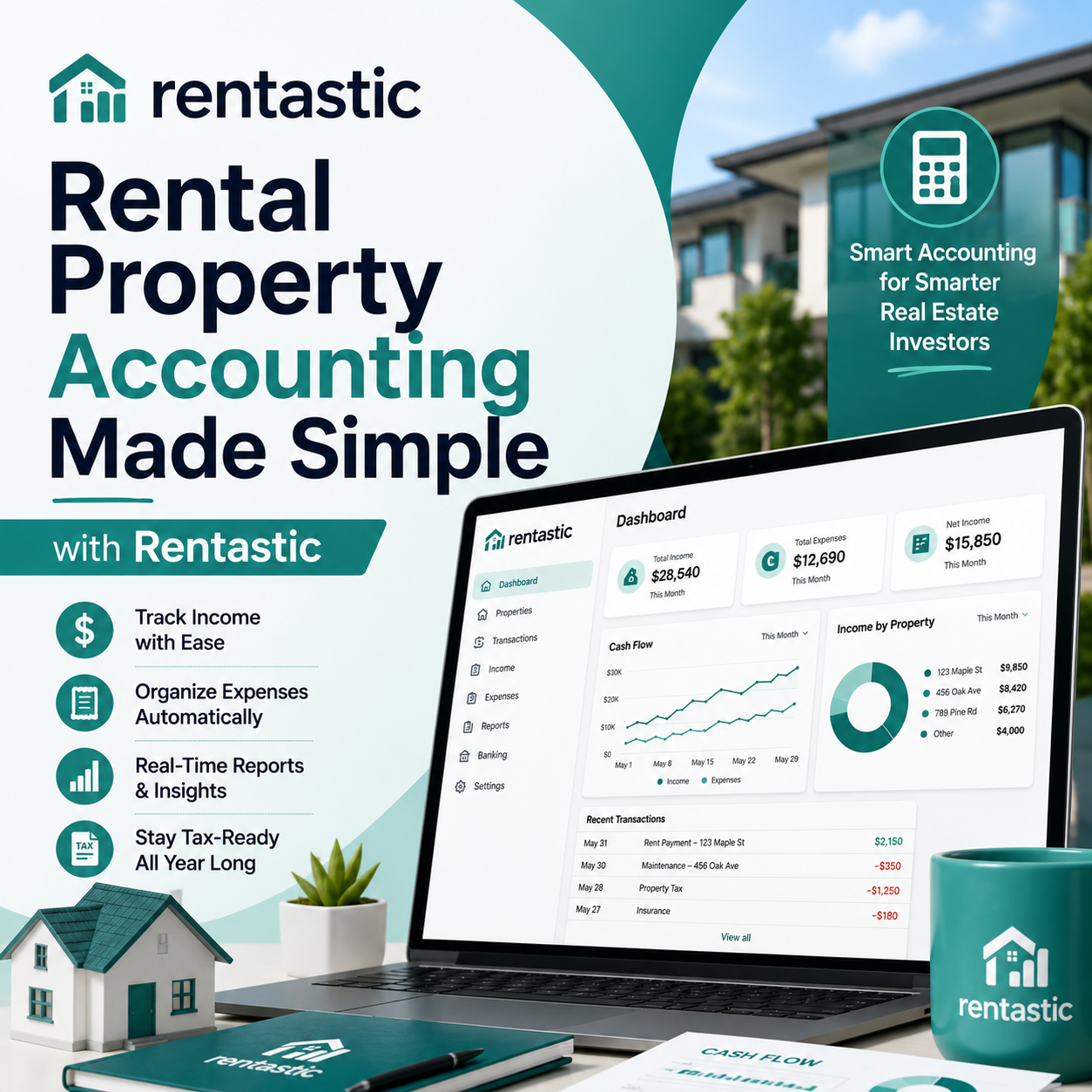
This is where tools like rentastic shine. Rentastic helps you track income and expenses across NNN and other leases without building complex spreadsheets, then turns that data into clear profit and loss statements, cash flow views, and cap rate calculations that help you make decisions quickly and confidently (Rentastic).
In this guide, you will walk through how to analyze a triple net lease investment using ROI and cap rate, how to collect the right numbers, and how a platform like Rentastic can automate the boring pieces so you can focus on growing your portfolio.
Before you run numbers, you need to be crystal clear on what “triple net” means in your specific deal.
In a classic triple net (NNN) lease:
You, as the landlord, typically receive a base rent and have fewer day to day expenses. On paper, NNN deals look straightforward. In practice, each lease can handle expenses, caps, and passthroughs slightly differently.
Rentastic emphasizes this in its guidance on evaluating commercial real estate deals. It recommends a close review of tenant lease structures such as NNN to understand who is responsible for what and how that shapes your risk and return profile (Rentastic).
For analysis, you care about three broad buckets:
NNN does not mean “zero expenses”. It means “different expense mix” and that distinction matters when you calculate NOI, ROI, and cap rate.
You cannot analyze what you cannot see. Before you calculate cap rate or ROI on a triple net lease, pull together a clean financial picture for the property.
You will need at minimum:
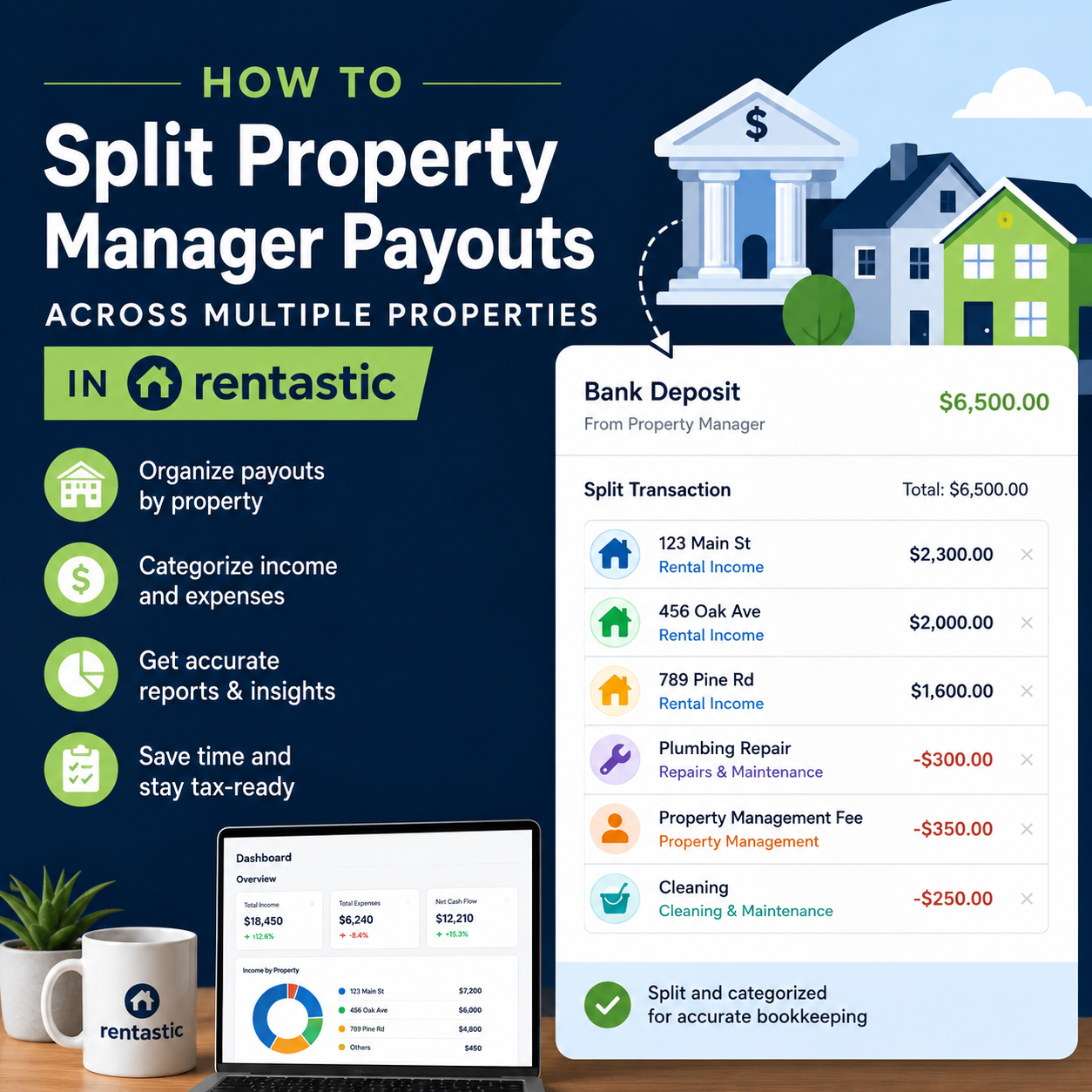
If you track everything in spreadsheets and bank portals, this step alone can eat hours. Rentastic reduces the friction by linking your bank accounts so income and expenses flow into one centralized system automatically (Rentastic). You can then:
That automation is especially useful at year end when you reconcile NNN charges and prepare taxes. Instead of reconstructing twelve months of cash flow, you are doing a quick review of organized data (Rentastic).
Net Operating Income (NOI) sits at the center of both cap rate and ROI analysis. Rentastic highlights that automating NOI calculation saves time and avoids errors, which is key when you are evaluating multiple properties in 2025 and beyond (Rentastic).
For a triple net lease, you can think of NOI in two useful ways.
This version looks only at income and operating expenses, excluding financing.
Basic formula:
NOI = Effective gross income − Operating expenses
In many NNN deals, effective gross income includes:
Operating expenses often exclude items passed through to the tenant. You still subtract any non reimbursed costs such as:
This “lease based” NOI is what you typically use for cap rate.
When you evaluate ROI from your perspective, you may want to build a more conservative NOI that includes some recurring ownership costs, even if they are not monthly line items. For example:
You can still call this NOI, or treat it as an adjusted cash flow. The key is to be consistent so your comparisons across deals are meaningful.
Rentastic helps by letting you track all income and expenses, then see both property level cash flow and net profit or loss throughout the year (Rentastic). You are not guessing at NOI from a few statements. You are using clean, categorized data.
Once you have NOI, you are ready to look at cap rate. Rentastic explains cap rate in simple terms: it is your property’s NOI divided by its current market value, expressed as a percentage (Rentastic).
Basic formula:
Cap rate = (NOI ÷ Current market value) × 100
For example, if your NNN property produces 120,000 in NOI and its current market value is 2,000,000:
Cap rate = (120,000 ÷ 2,000,000) × 100 = 6%
As Rentastic notes, cap rate is useful because it gives you a quick way to:
A 6 percent cap might be great in one metro and weak in another. Rentastic suggests benchmarking your property’s cap rate against metro level averages from industry sources so you can judge if your deal is strong or lagging the market (Rentastic).
When you compare, factor in:
Higher risk or weaker locations generally demand a higher cap rate to compensate you for that risk.
Cap rates are powerful yet imperfect. Rentastic cautions that cap rate:
Use cap rate as one lens, not the entire analysis. You will round out the picture when you calculate ROI and cash on cash returns.
ROI answers a simple question: how well did a particular investment perform relative to what you put in. For a triple net property, your ROI should capture both the income you earned and any change in value.
You can think about ROI at two levels.
This is a good starting point when you hold the property over a period and want to see how you did.
Basic formula:
Annual ROI = (Annual net cash flow ÷ Total cash invested) × 100
Where:
This ROI reflects your specific financing, unlike cap rate.
For a hold and eventual sale, you can layer in value changes.
Total ROI = (Total profit ÷ Total cash invested) × 100
Total profit includes:
Rentastic’s tools, such as its profit and loss and cash flow reports, are built to keep income, expenses, and net profit organized all year, which makes it easier to run these ROI checks when you need them (rentastic.io). Instead of hunting through old files, you open your dashboard and see the trajectory.
No single metric can tell you if a triple net lease investment is “good”. Your best bet is to combine:
Rentastic recommends building a broader investment playbook that integrates cap rate with other metrics and professional advice. For example:
Rentastic’s unified dashboard is designed exactly for this type of workflow. It pulls in bank data, automates key calculations like NOI and cap rate, and keeps profit and loss statements a click away so you can spot trends and underperforming assets quickly (Rentastic).
Triple net leases can feel “set and forget” but small shifts can change your returns fast. When you analyze ROI and cap rate, it pays to run a few what if scenarios.
Rentastic points out that using a cap rate calculator helps you test multiple properties and scenarios in far less time. You can tweak:
and see how those changes impact your returns (Rentastic).
Useful stress tests to run:
Rentastic’s financial dashboards and calculators help you build and compare these scenarios using your real data, not just a pro forma (Rentastic).
The day you buy a triple net property, your numbers might look great. The more important question is: how do they hold up over time.
Rentastic encourages investors to keep monitoring key metrics and market dynamics instead of treating analysis as a one time event. You will want to:
Rentastic makes this type of ongoing review easier by:
You are not waiting until tax season to find out whether a property still works. You can spot issues early and adjust.
You can absolutely evaluate a triple net lease with a spreadsheet and a collection of statements. The reason investors and property managers lean on rentastic is not that math is hard. It is that doing the same math manually across multiple properties is a drain on your time and attention.
Here is how Rentastic supports your NNN analysis and management:
By turning rent and expense flows into real time performance dashboards, Rentastic functions as a financial sidekick for your portfolio, reducing paperwork and letting you focus on strategy instead of bookkeeping (Rentastic Blog).
Once your triple net lease numbers are in Rentastic or another system, you can use ROI and cap rate for concrete decisions, not just curiosity.
Here are a few common ones.
Use cap rate to test the asking price:
Then layer in your ROI view:
Rentastic’s calculators are built to save you hours here by letting you quickly run what if scenarios and compare potential deals side by side (Rentastic).
With stable NNN assets, you will often consider refinancing to pull out equity or lock in a rate. Use:
Because Rentastic keeps your cash flow history and key metrics in one dashboard, you can run these checks far more easily than if you are reassembling data from scratch (Rentastic).
If you own multiple properties, not all of them will deserve your next dollar of capital. Use Rentastic’s performance tracking to:
The clearer your numbers, the easier it is to back your decisions with data instead of gut feel alone.
Analyzing a triple net lease with ROI and cap rate is not complicated in theory. What makes it hard in practice is messy data, inconsistent tracking, and the pressure of taxes and reconciliations.
If you:
you will be miles ahead of many investors.
Tools like rentastic are built to make each of those steps lighter. By centralizing your bank feeds, automating transaction categorization, and integrating cap rate, cash flow, and ROI tracking, Rentastic lets you spend more time thinking about your next move and less time wrestling with spreadsheets.
Set up one property, connect your accounts, and run your first cap rate and ROI checks. Once you see your NNN numbers in one clear view, you will not want to go back.
RECENT POSTS


© 2025 Rentastic
Rentastic is registered as a trademark. Terms and conditions, features, support, pricing, and service options subject to change without notice.




















.png)
































.png)





























Comments