

Nearly every dollar you lose in real estate investing slips away in the same place: the gap between what you think you spent and what you actually spent.
That gap is what rental expense reconciliation is built to close.
When you reconcile your rental expenses consistently, you stop overpaying vendors, catch income you never recorded, and protect your cash flow from slow leaks. The right process, and the right tools, turn a messy pile of statements into clear numbers you can trust.
In this guide, you will learn how to build a simple reconciliation routine that fits your portfolio, and how software like Rentastic can cut your bookkeeping time while helping you keep more of every rent check you collect (Rentastic).
If you care about growing your portfolio and sharpening your real estate investing decisions, this is a habit worth locking in.
Rental expense reconciliation is the process of comparing three sets of records, then fixing any differences:
You are asking a simple question: do all the transactions match, line by line, in amount, date, and category?
If they do not match, and they often will not, you find out why and correct them. Over time, this habit gives you clean books, accurate profit numbers, and far fewer tax season surprises (Rentastic).
You can think of it as a regular financial health check on each property. When you skip it, you invite small errors to pile up until they turn into real money.
When you are busy with tenants, repairs, and new deals, it is easy to treat reconciliation as a “someday” task. The cost shows up quietly in your cash flow.
Common ways poor or inconsistent reconciliation costs you money include:
Nearly half of landlords spend hours each month chasing down receipts and reconciling statements manually. Many still miss deductions and make mistakes that cut into profit (Rentastic).
You work hard to find and manage good assets. It makes sense to put a simple system in place so that basic bookkeeping errors do not undo that work.
You cannot refine your numbers if you do not know what belongs on the list. A clear map of common rental property expenses makes reconciliation faster and more accurate.
Key categories you should be watching include maintenance and repairs, property management fees, utilities, insurance, taxes, and advertising. Each category plays a role in keeping your rentals operational and profitable (Rentastic).
Alongside these, you will often have:
When you reconcile, you are checking that each of these costs:
You are also checking that each expense belongs to the correct property, which matters a lot once you want profit and loss statements property by property.
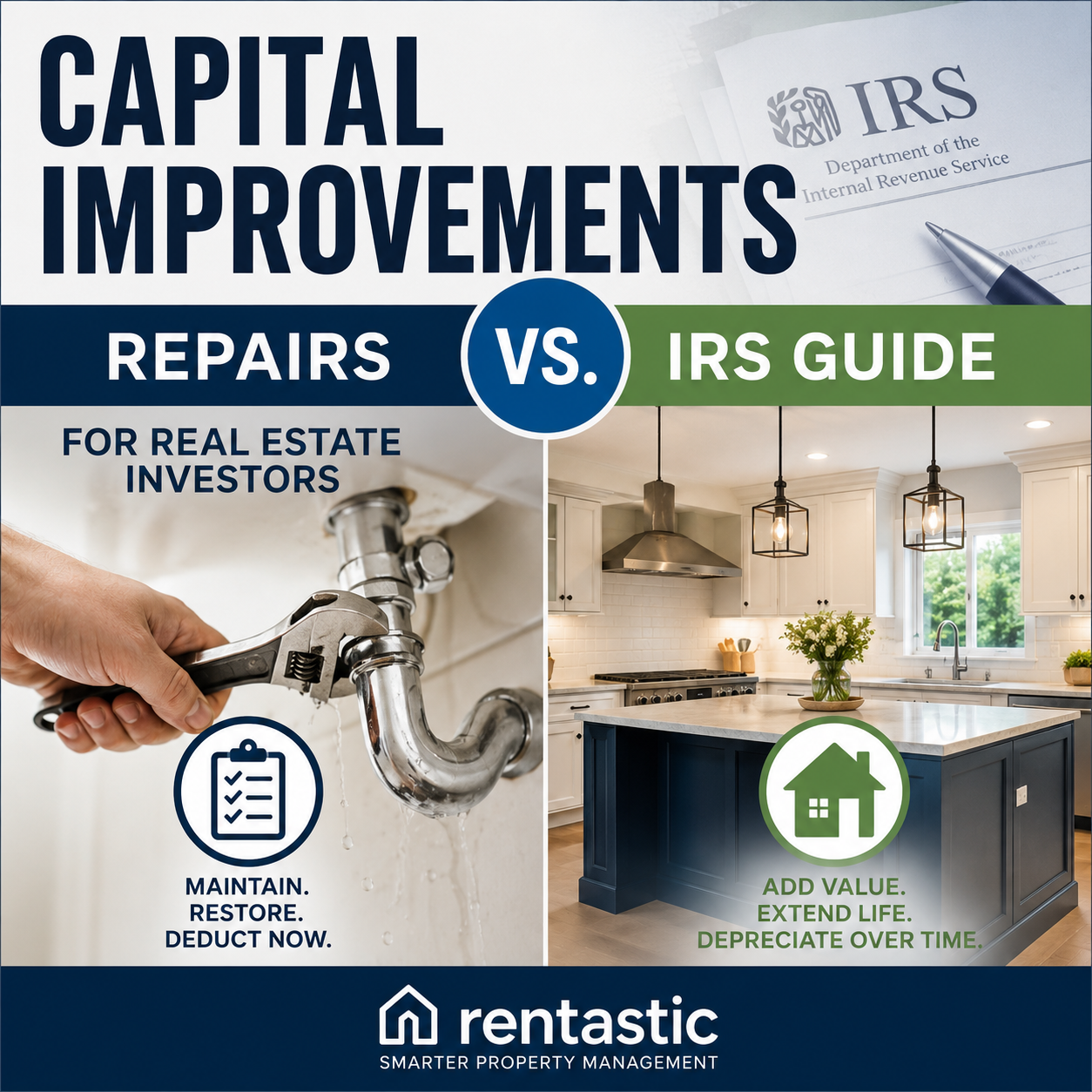
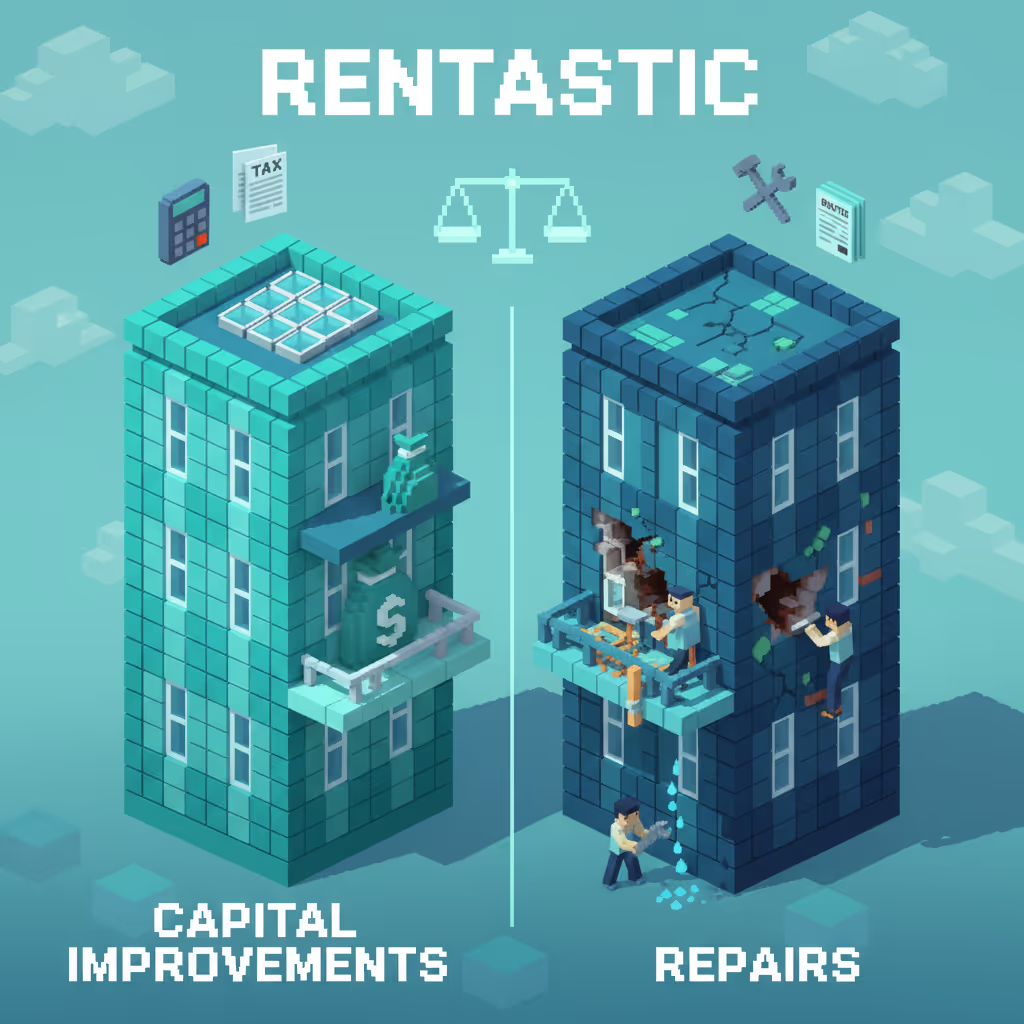
One of the most important distinctions in rental property accounting is the line between operating expenses and capital expenses.
Operating expenses are the day to day costs of running your rentals. These are typically deductible in the year they occur. Examples include repairs, property management, utilities you pay, routine landscaping, and insurance premiums.
Capital expenses are major, long term improvements that increase the value or useful life of the property. These get depreciated over several years instead of deducted all at once. New roofs, full kitchen remodels, and major structural work usually fall into this bucket.
Understanding the difference helps you in three ways:
Rentastic emphasizes how critical this split is for optimizing tax deductions and cash flow management. Getting it right can mean thousands of dollars in tax savings over the life of each property (Rentastic).
You do not need a complicated system. You need a consistent one. The exact steps will vary based on your tools, but a straightforward monthly workflow looks like this.
For a small portfolio, monthly reconciliation is usually enough. For a larger one or for short term rentals with lots of transactions, weekly can be smarter.
Put time on your calendar for the same day and time each period. Treat it like a non negotiable meeting. Regular reviews reduce the amount of detective work you need later and help you spot issues like missed rent quickly (Rentastic).
Before you start, collect:
Having everything in one place, even if it is just a folder on your computer or cloud drive, cuts your time and stress in half.
Now you compare your statements against your books.
For each deposit and withdrawal in the bank or card statement, confirm you see the same transaction in your accounting records with:
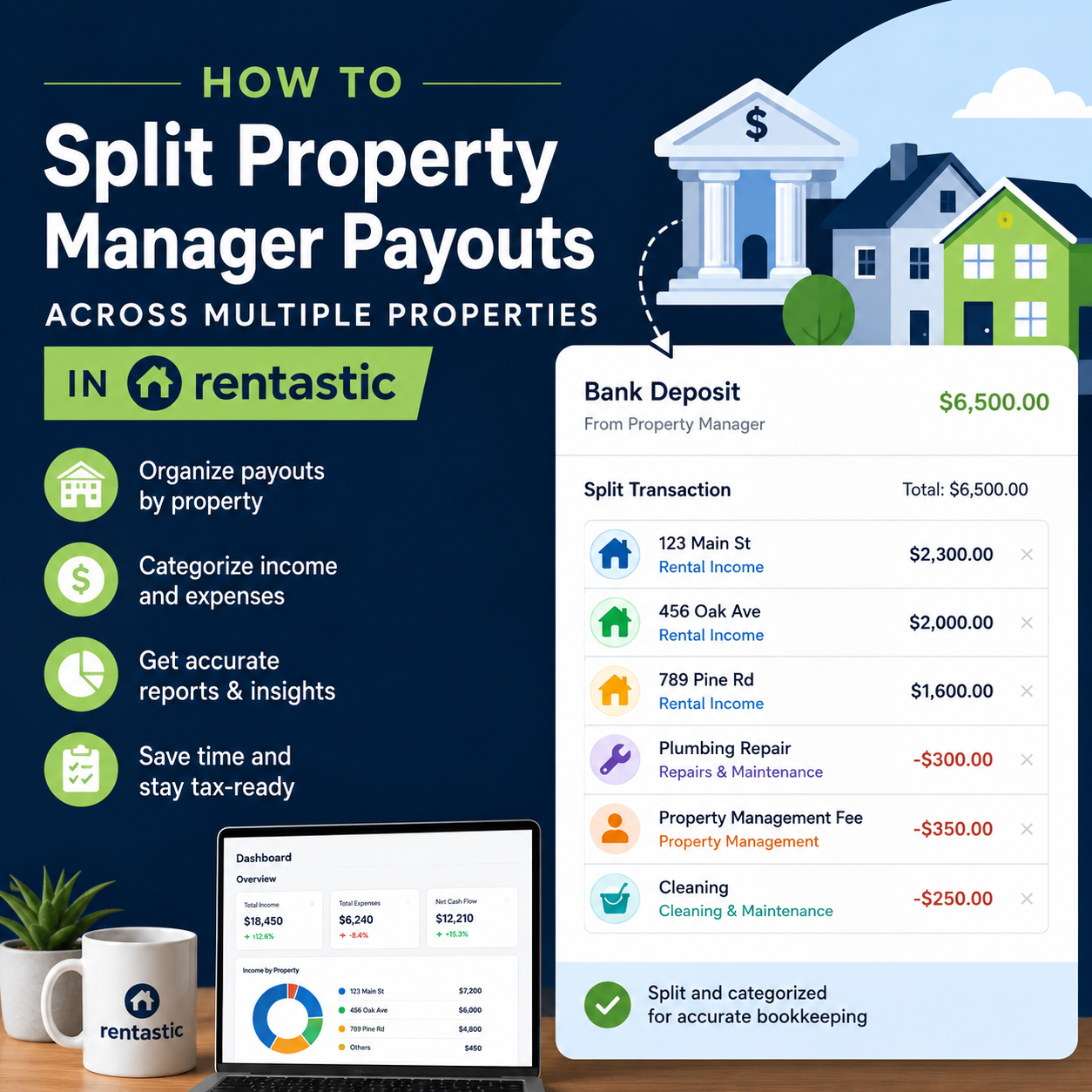
If you use software that syncs with your bank, many of these matches will be automatic (Rentastic). Your job becomes review and approval, not data entry.
Where there is a mismatch, you note the issue for follow up. Maybe a vendor charged you twice, a subscription amount changed, or a rent payment is missing.
Once the dollar amounts match, you look at how each transaction is labeled.
Good categorization lets you build clean profit and loss reports and spot trends such as rising maintenance costs or insurance premiums (Rentastic).
Every mismatch represents money or risk.
If you see a double charge, contact the vendor or bank. If rent is missing, reach out to the tenant and your property manager if you use one. If a recurring bill jumped unexpectedly, you might need a conversation about rates or service scope.
The faster you resolve these issues, the less likely they are to roll into future months and distort your understanding of property performance.
Once you finish a period, generate:
Software like Rentastic creates automated P&L statements for each property and keeps them up to date as you reconcile, which is a huge help at tax time and when you are making investment decisions (Rentastic).
Store your reports and underlying documents in a secure, backed up location. That way you are ready for tax season, refinancing, or even an audit without scrambling.
Manual entry is where most errors and time waste live. The more you can automate, the more your role shifts from “bookkeeper” to “decision maker.”
Rentastic and similar tools streamline rental accounting by:
A 2024 Rentastic study found that landlords who link bank accounts and use automated profit and loss statements spend 30 percent less time on accounting than those relying on spreadsheets (Rentastic).
That extra time can go into finding your next deal, improving tenant experience, or simply enjoying the cash flow you are working so hard to build through real estate investing.
Paper receipts in glove boxes and junk drawers are the enemy of good reconciliation.
Digitally organizing receipts and pairing them with transactions simplifies your expense tracking and tax documentation. With Rentastic, you can snap a photo of a receipt, attach it to the matching expense, and know it is stored securely for when you or your CPA need it (Rentastic).
This habit pays off in three ways:
Combine this with a monthly reconciliation and your books will feel boring in the best possible way. Numbers match. Reports are ready. Nothing is missing.
A clean profit and loss statement is not just for tax season. It is your main tool for steering your portfolio.
P&L statements generated by real estate accounting software show you, in one place, rental income, operating expenses, and net profit for each property. They also group deductible costs so you or your tax pro can prepare returns faster and with fewer mistakes (Rentastic).
Once your reconciliation process is humming, use these reports to:
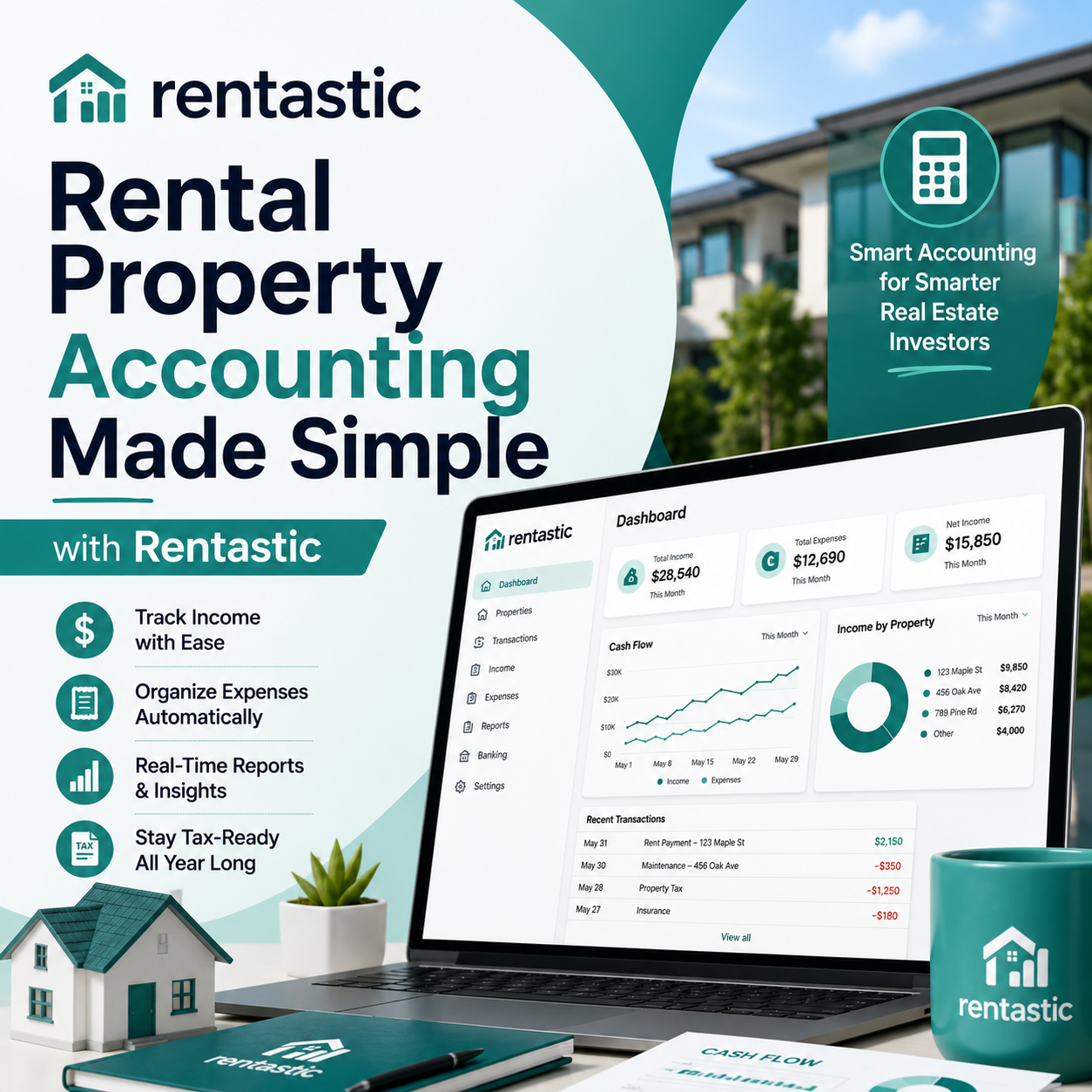
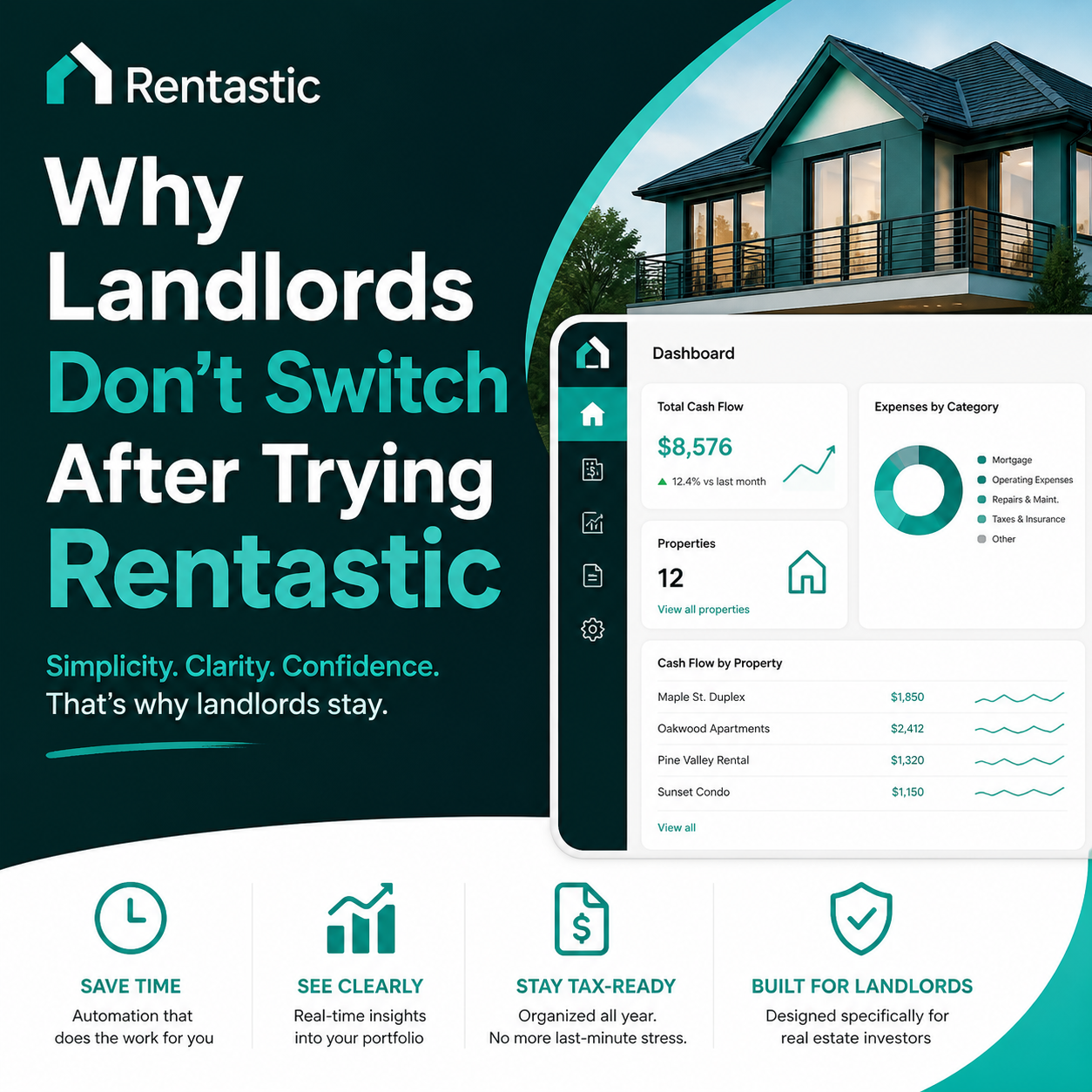
Rentastic also offers real time dashboards that visualize income, expenses, and occupancy.Those views make it much easier to see which assets are working hard for you and which ones may need a new strategy (Rentastic).
When your reconciled numbers are accurate, your “gut feel” decisions in real estate investing become informed, confident moves instead of guesses.
Reconciliation is backward looking by nature. You compare what already happened. To truly protect cash flow, you also need a forward looking view.
Cash flow reports from real estate accounting software track the actual timing of money moving in and out. Rentastic describes these as “the heartbeat of a real estate business” because they help you decide when to schedule renovations, when to build reserves, and when it is safe to take on new debt (Rentastic).
A few specific ways this helps you guard your cash:
Your reconciliation routine feeds these cash flow reports with clean data, so when you look ahead you are planning based on reality, not wishful thinking.
Rental property often delivers its best returns after tax. Good reconciliation is how you capture those benefits fully.
When you track and categorize every expense accurately, you can:
Rentastic highlights that landlords who organize expenses into clear categories and maintain strong documentation enjoy smoother tax seasons and fewer unclaimed deductions (Rentastic).
Given that landlords can lose between 600 and 1,200 dollars a year in unclaimed deductions when they manage everything manually, this is one of the fastest ways to lift your net cash flow without raising rents or cutting service levels (Rentastic).
Spreadsheets can work if you have one property, a handful of monthly transactions, and you enjoy tinkering with formulas.
Once you have multiple doors, different markets, more complex financing, or partners, the risk of spreadsheet errors and missed entries grows quickly. Real estate accounting software consolidates income, expenses, and net profit into one platform, saving you hours each month and improving the quality of your decisions (Rentastic).
Options like Rentastic and QuickBooks Online both support landlords. QuickBooks is a general business tool that many investors use for bill management, expense tracking, and detailed reporting. Rentastic is built specifically around real estate investing, with features like deal analysis, per property reporting, and real estate focused automation (Rentastic).
If you are asking questions such as:
then you have already outgrown a basic spreadsheet. Purpose built software plus a simple reconciliation habit will give you much clearer answers.
To make this real, you can run a simple 30 day experiment across your portfolio.
Automation with Rentastic can cut your bookkeeping time by more than 60 percent and drastically reduce manual mistakes, which makes this challenge much easier to stick with (Rentastic).
By the end of 30 days, you will not just have cleaner books. You will have a clearer view of how your real estate investing is actually performing and where your next dollar of profit is hiding.
Rental expense reconciliation is not glamorous, but it is one of the most reliable ways to stop overpaying, avoid financial surprises, and protect your cash flow.
When you:
you give yourself a real edge as a landlord or investor. Your numbers stop fighting you. Your choices get sharper. And your portfolio becomes a set of assets you manage with confidence, not a collection of mysteries you hope will work out.
You do not need a finance degree to do this well. You just need a repeatable process, and a toolset built for the realities of modern real estate investing.
RECENT POSTS


© 2025 Rentastic
Rentastic is registered as a trademark. Terms and conditions, features, support, pricing, and service options subject to change without notice.






.png)


























.png)




































Comments