

Tax season can either protect your profits—or quietly eat away at them.
For real estate investors, small bookkeeping mistakes often lead to:
The problem is that many of these mistakes don’t seem serious in the moment.
A missing receipt here.
An uncategorized expense there.
A spreadsheet formula error nobody notices.
But over time, these issues compound and can create major financial headaches.
If you want smoother tax preparation and better financial clarity in 2026, here are the biggest tax prep mistakes real estate investors should avoid.
This is easily the most common mistake investors make.
Many landlords postpone bookkeeping until the end of the year, assuming they’ll “catch up later.”
Unfortunately, that usually leads to:
Trying to organize an entire year’s worth of financial activity in a few days is overwhelming and increases the risk of errors.
The best approach is consistent bookkeeping throughout the year.
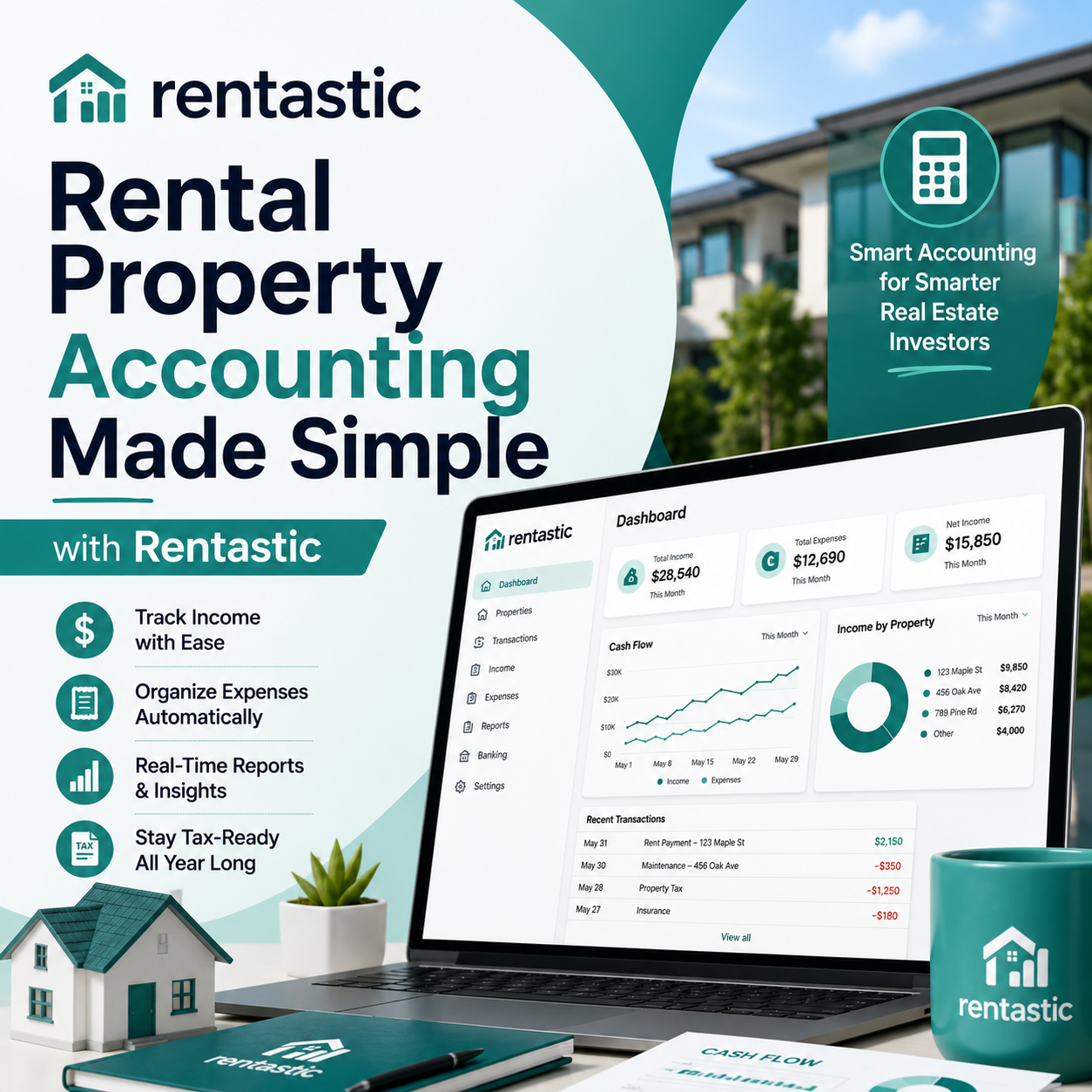
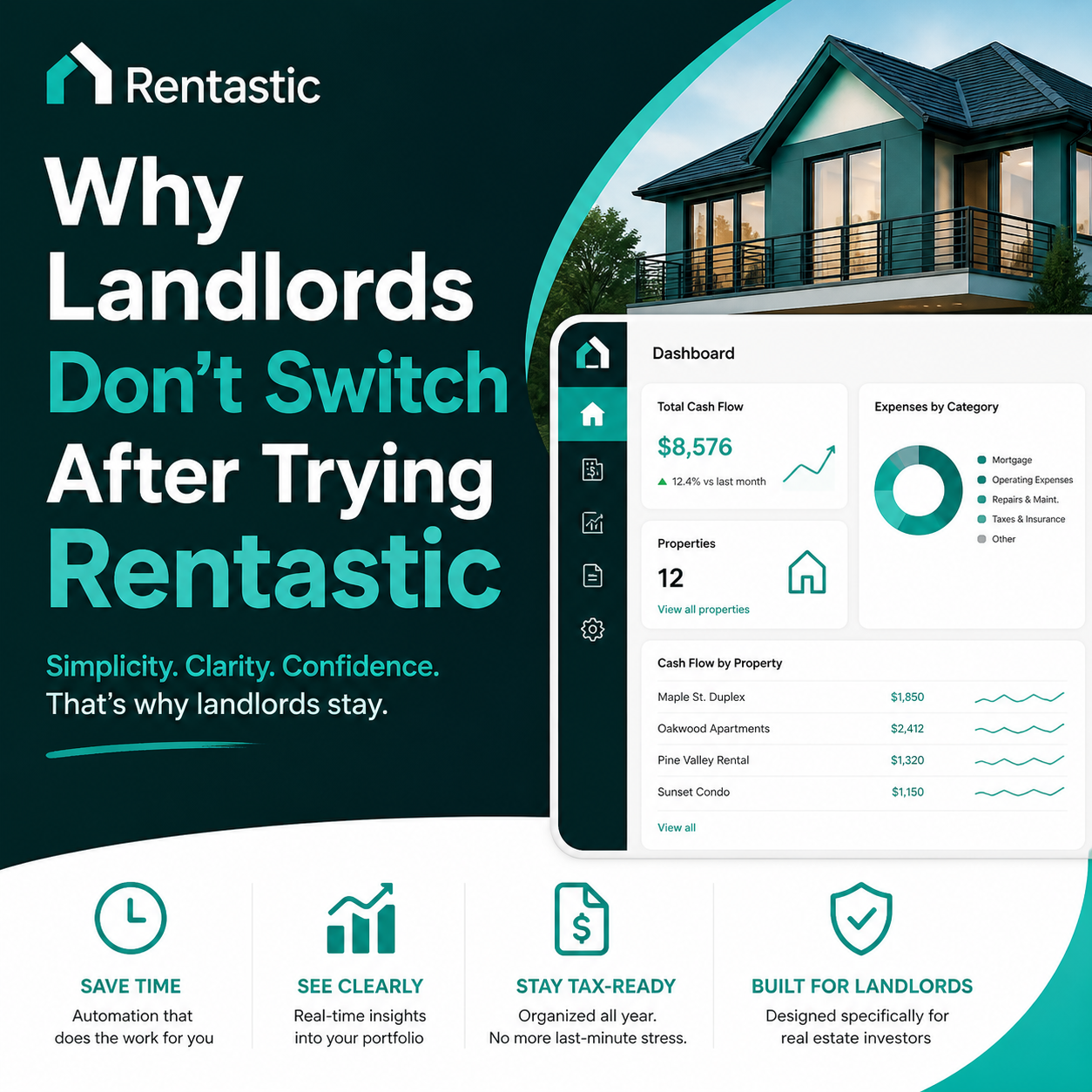
Platforms like Rentastic help investors stay organized continuously so tax prep becomes dramatically easier when filing season arrives.
Combining personal and rental property expenses in the same accounts creates confusion and complicates tax reporting.
This often leads to:
Real estate investors should maintain clear separation between personal finances and property-related transactions whenever possible.
Organized financial tracking creates cleaner records and reduces the chance of reporting issues later.
One of the most expensive mistakes investors make is simply failing to claim deductions they’re entitled to.
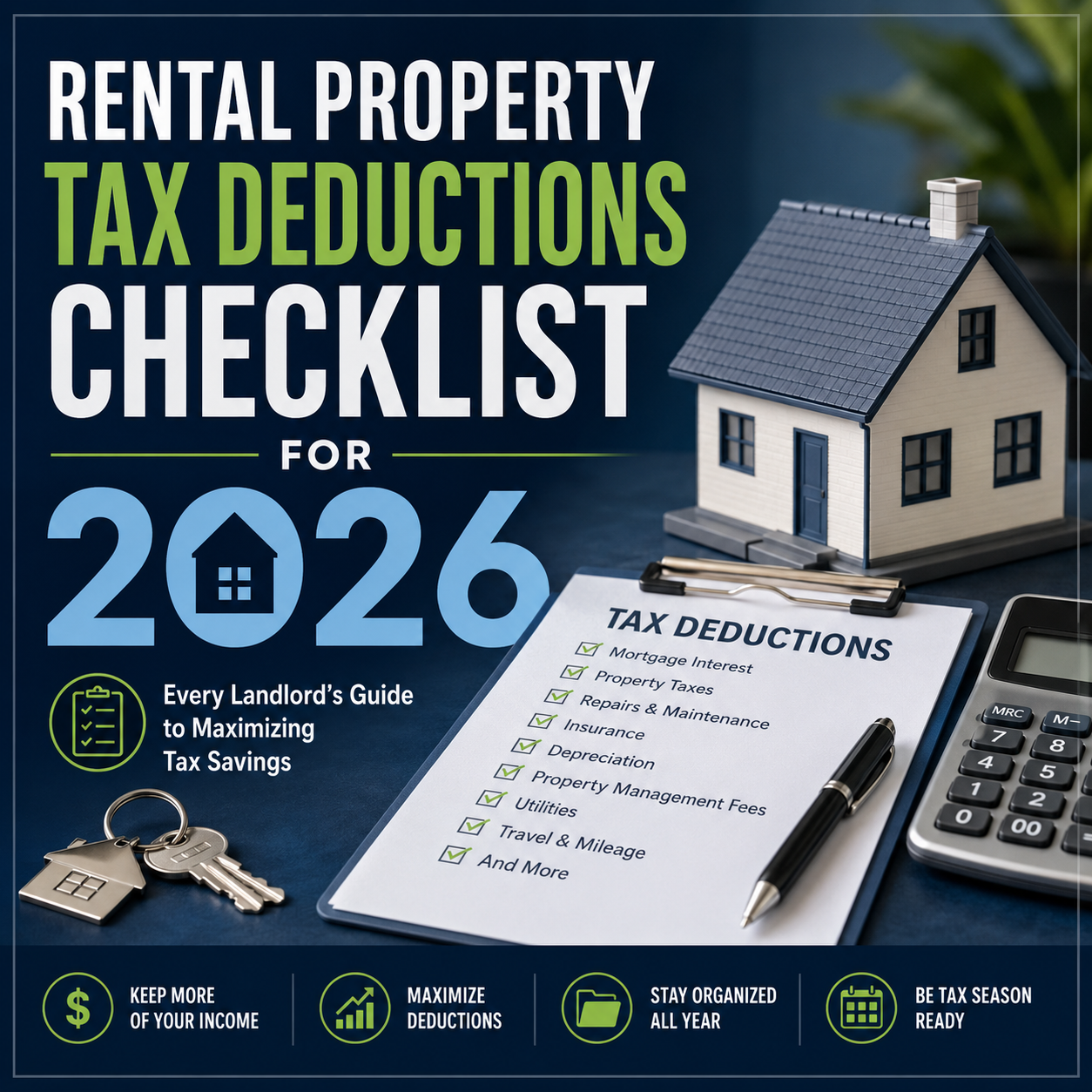
Commonly overlooked deductions may include:
When bookkeeping is disorganized, these smaller expenses are often forgotten.
Over time, missed deductions can add up to thousands of dollars in unnecessary taxes.
Not all expenses are treated the same during tax preparation.
Incorrect categorization can create:
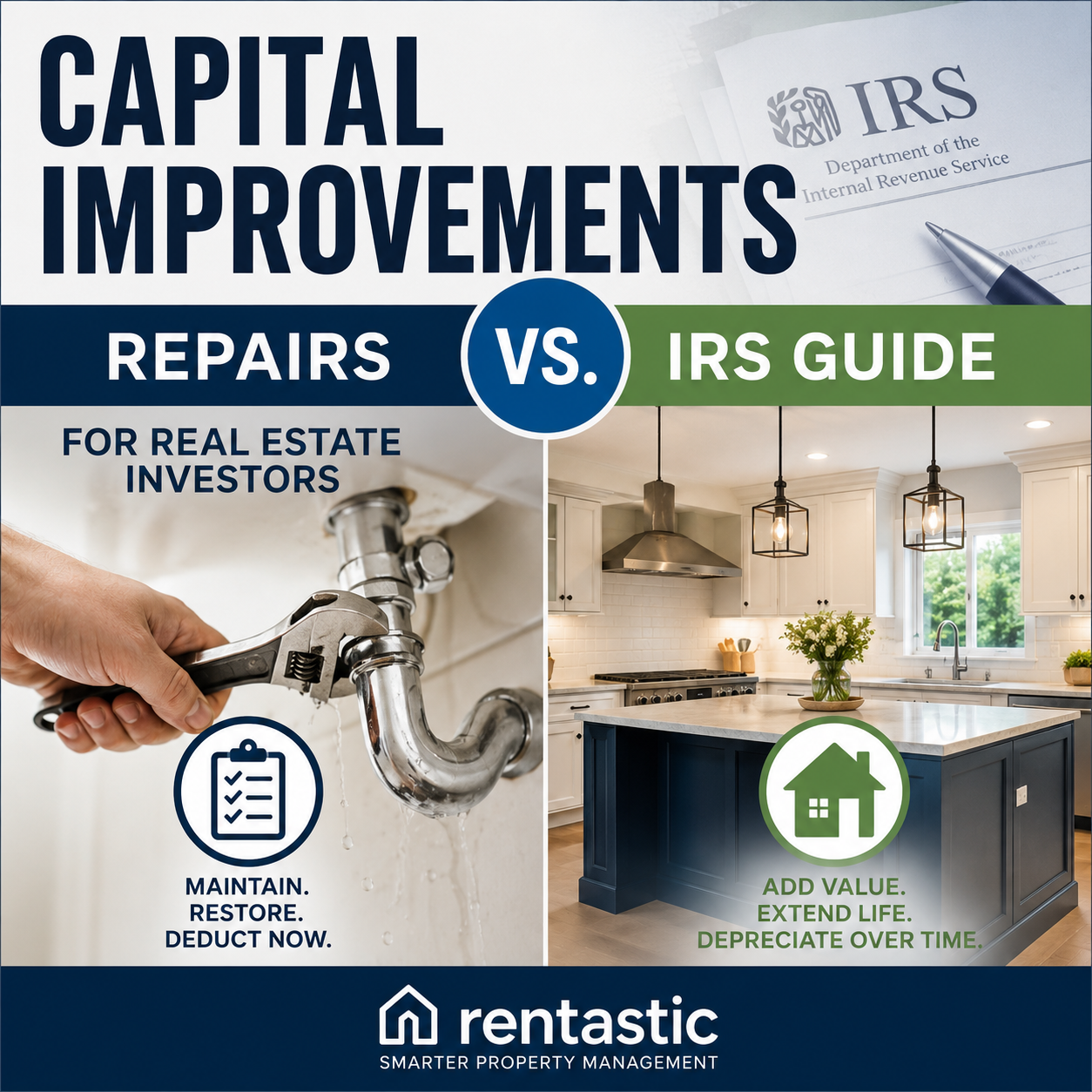
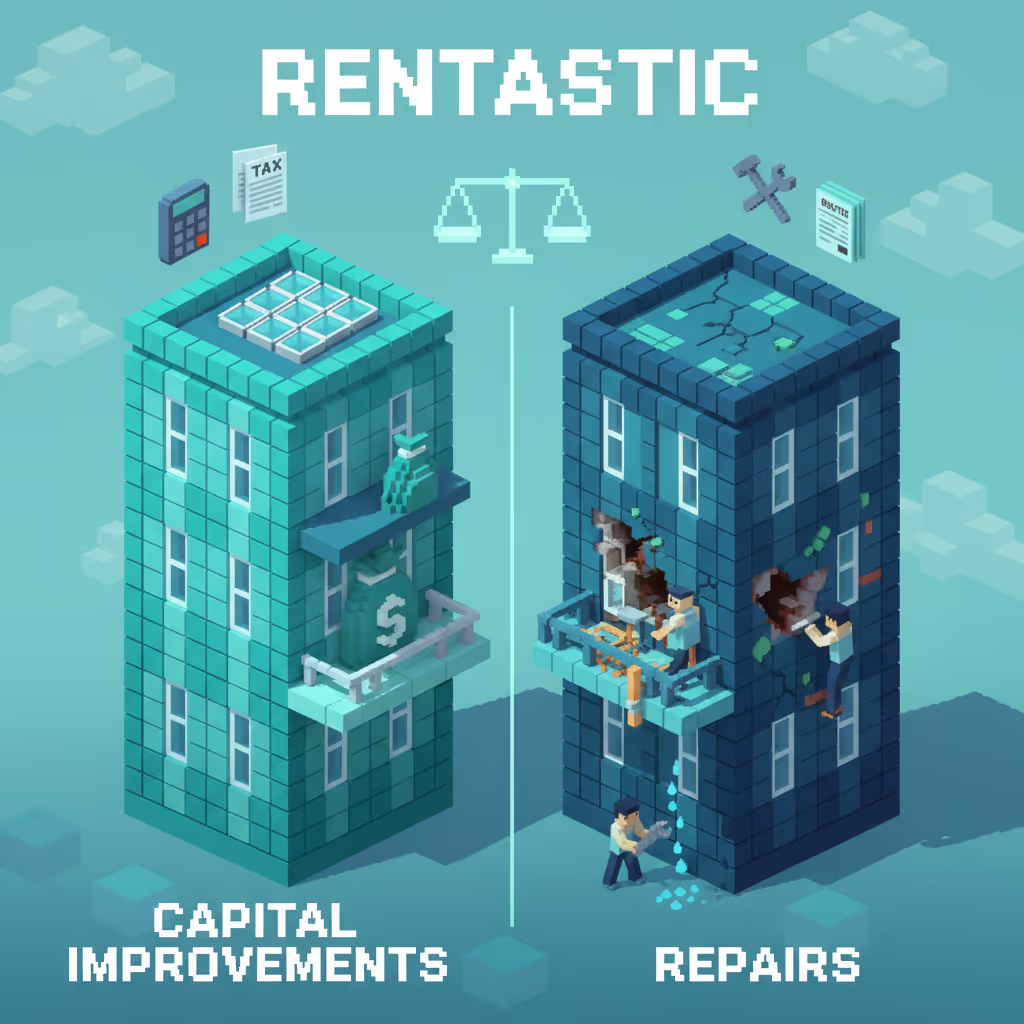
For example, repairs and capital improvements are handled differently for tax purposes.
Keeping expenses properly categorized throughout the year simplifies reporting and improves financial accuracy.
Many real estate investors underestimate how valuable mileage deductions can be.
Driving related to:
may qualify as deductible business travel.
Without proper mileage tracking, however, those deductions are often lost.
Even small trips add up significantly over the course of a year.
Spreadsheets work early on—but they become risky as portfolios grow.
Manual bookkeeping systems increase the likelihood of:
These mistakes can distort financial data and create serious tax prep problems later.
Automated systems like Rentastic help reduce manual errors while keeping records more accurate and organized.
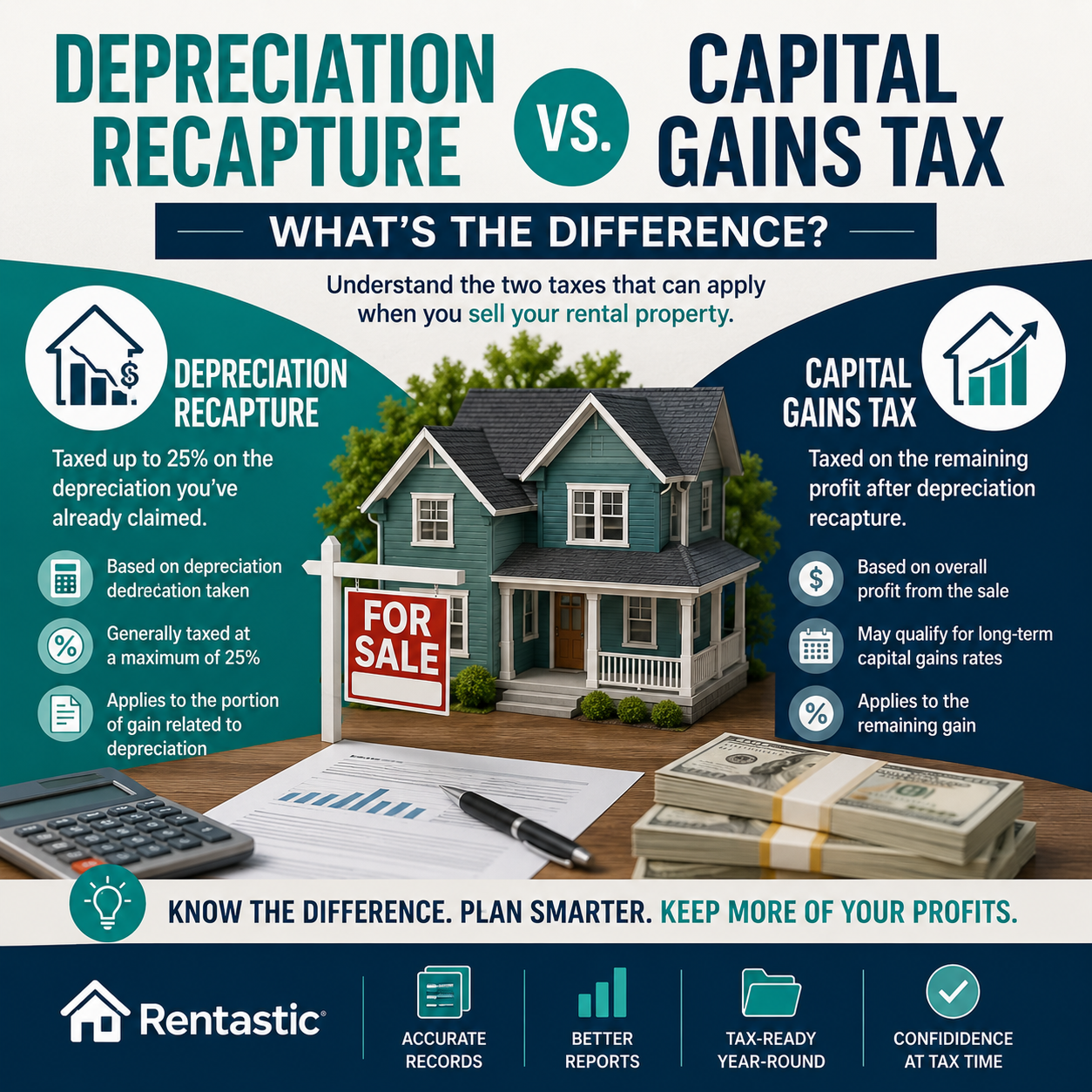
Depreciation is one of the most important tax advantages available to real estate investors.
Unfortunately, many landlords either:
Accurate depreciation tracking is essential for maximizing tax benefits and maintaining proper financial reporting.
Investors should regularly review depreciation schedules with their accountant to ensure records remain updated.
Unreconciled accounts create hidden problems.
If investors fail to compare their records against bank statements regularly, issues like these can go unnoticed:
These discrepancies become much harder to fix later—especially during tax season.
Routine reconciliation helps ensure financial records stay clean and accurate year-round.
Even if expenses are recorded properly, missing documentation can create problems during audits or accountant reviews.
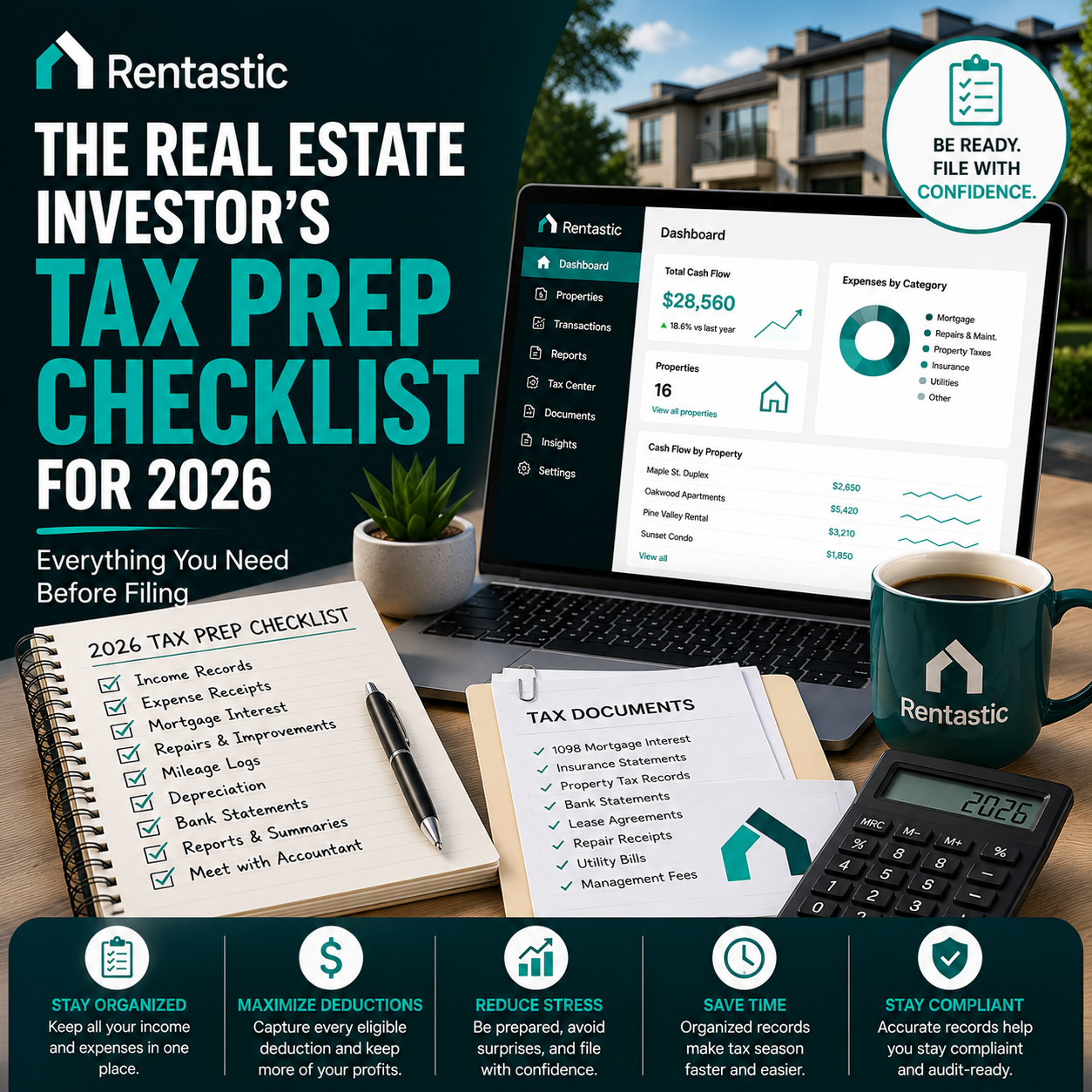
Important documents to keep organized include:
Digital storage and organized bookkeeping systems make managing these records significantly easier.
The more organized documentation becomes, the less stressful tax season feels.
Many investors only contact their accountant right before filing deadlines.
By then, there may be little time left to:
Meeting with an accountant earlier gives investors time to prepare properly and avoid unnecessary filing stress.
When financial records are already organized, accountants can also work much more efficiently.
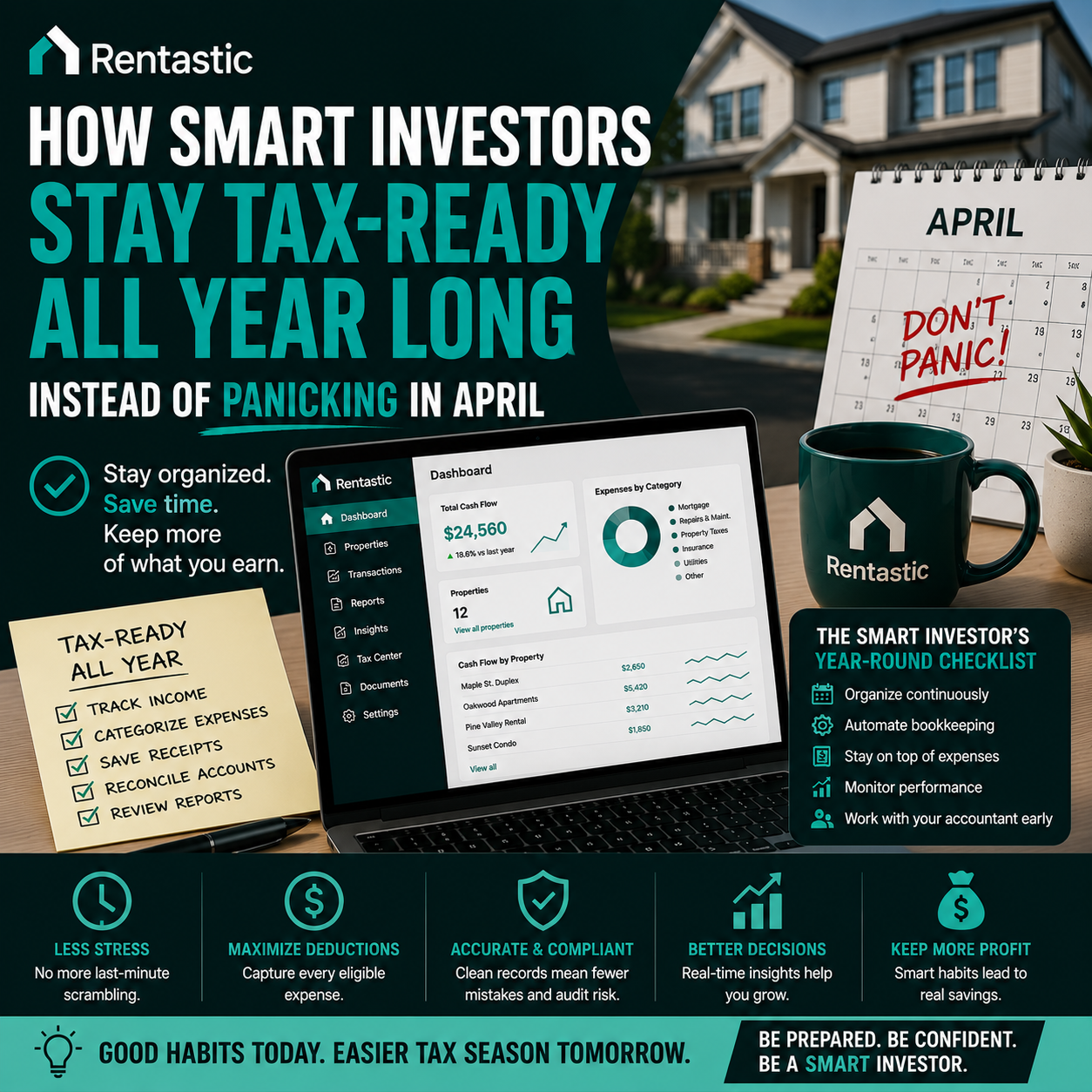
Most tax season stress doesn’t come from taxes themselves.
It comes from poor organization.
When investors maintain clean financial records throughout the year:
That’s why more real estate investors are moving away from manual systems and switching to automated platforms like Rentastic.
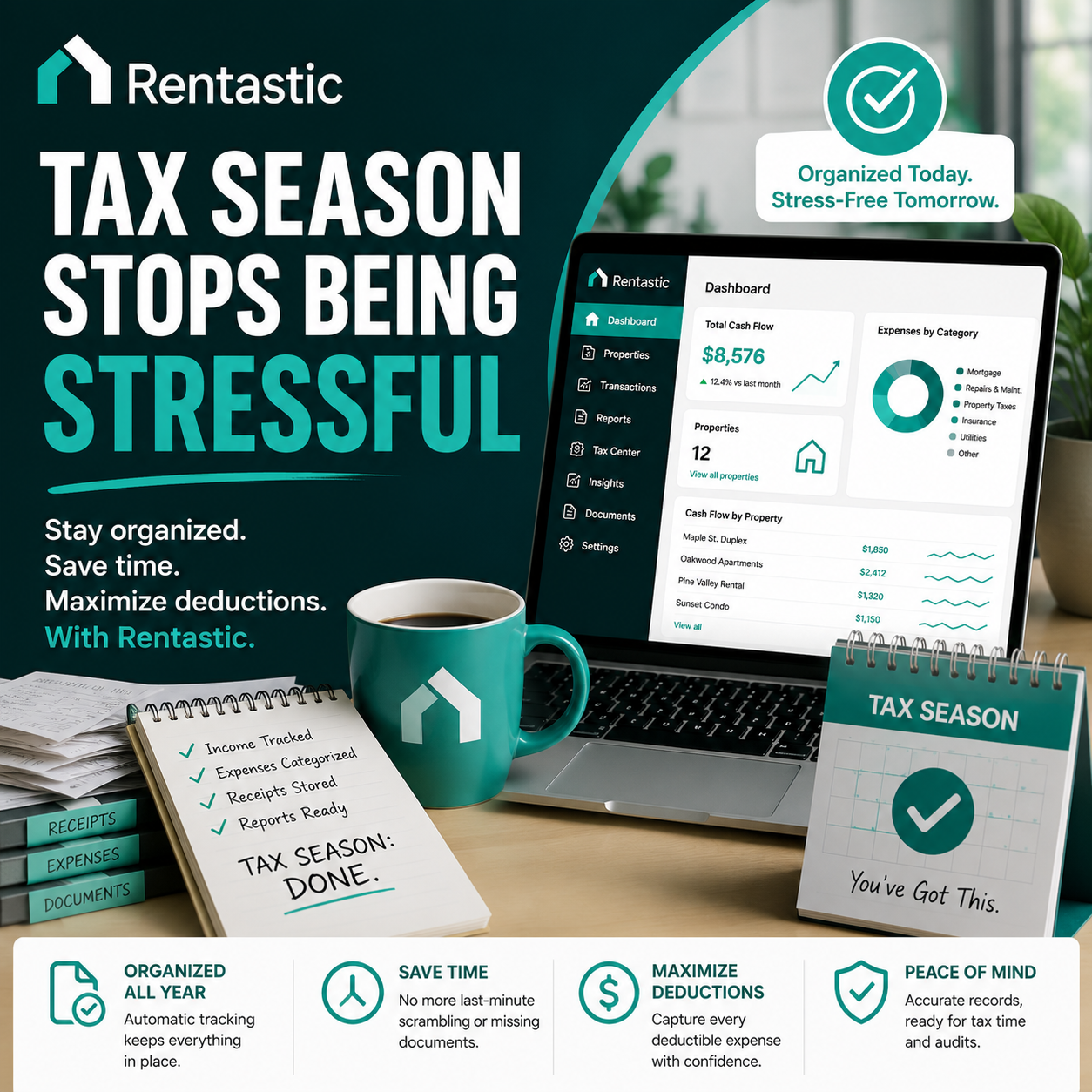
Clean books create smoother tax seasons.
Tax preparation mistakes can quietly cost real estate investors significant amounts of money and time.
The good news is that most of these mistakes are preventable.
By staying organized, tracking expenses consistently, and using systems designed specifically for real estate investing, landlords can simplify tax season and avoid costly financial errors in 2026.
The key is simple:
Because when your bookkeeping is clean and your financial data is organized…
Tax season becomes far less stressful—and far more profitable.
RECENT POSTS


© 2025 Rentastic
Rentastic is registered as a trademark. Terms and conditions, features, support, pricing, and service options subject to change without notice.




.png)

























.png)






































Comments