

If you are weighing triple net leases as an investor, landlord, or property manager, you are really deciding how much risk and responsibility you want to share with your tenants. A triple net lease, often called an NNN lease, shifts most ongoing property costs from you to the tenant. Platforms like rentastic exist in part because tracking those shifting costs gets complex fast.
In a triple net lease, the tenant typically pays:
On top of that, the tenant still covers base rent and utilities. You keep ownership and long‑term upside, while a large chunk of the operating expense burden moves off your plate.
If you manage a mix of NNN and gross leases, keeping the numbers straight can be tough. That is where tools like rentastic help you track income, expenses, and generate clear financial statements that reflect how each lease is structured (Rentastic Blog).
Before you sign your next NNN deal, it pays to look closely at both sides of the equation.
At a high level, a triple net lease separates your cash flow into two parts:
The base rent is usually lower than in a gross lease because your tenant is picking up taxes, insurance, and maintenance. Each month or quarter you bill the tenant their share of those costs, then square up at the end of the year.
Here is what that looks like in practice.
In a typical NNN structure, you handle the big picture and ownership decisions, while the tenant takes on day‑to‑day property costs.
You generally remain responsible for:
The tenant generally pays for:
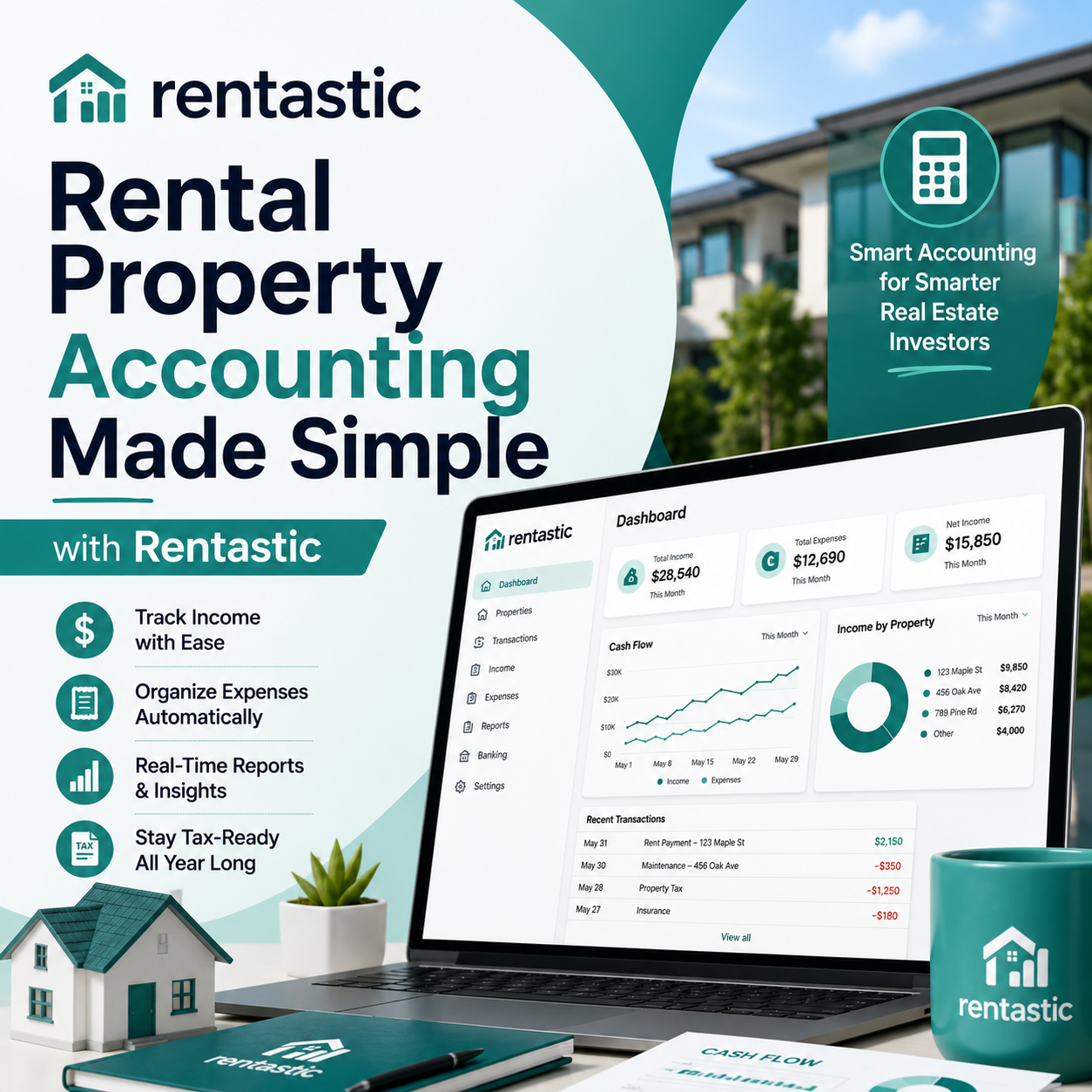
Because many of these costs pass through you at some point, you need accurate and timely bookkeeping. A platform like rentastic lets you link your bank accounts so income and expenses flow in automatically. That way, you can keep a current, central record of what you have paid, what you have billed back, and what is still due (Rentastic Blog).
Triple net leases are popular for a reason. When they work well, they give you:
If you pair that with a clean tracking setup, like using rentastic to tag each transaction to a property and expense category, you can see at a glance how each NNN deal is performing and where your risk sits (Rentastic).
Now let us look closely at the pros and cons so you can judge when NNN leases fit your strategy.
Triple net leases can be powerful tools in your portfolio, but the upside hinges on execution. Here are the main benefits and how you can actually realize them.
With an NNN lease, you are not on the hook for big swings in taxes, insurance costs, or routine maintenance. Those costs shift to the tenant, so your net operating income can be more predictable over time.
This can help you:
When you run your numbers, you look mostly at base rent and lease term, because the pass‑through costs do not sit with you in the same way they do with a gross lease.
Tracking the cash flow still matters though. Tools like rentastic make it easier to separate base rent from reimbursed expenses, which keeps your financials accurate and tax reporting cleaner (Rentastic Blog).
Because tenants in NNN leases usually handle maintenance and common area costs, you can step back from the daily grind of:
If your tenant is a strong operator, they often prefer this control anyway. They can schedule maintenance around their business, pick vendors, and respond quickly when something breaks.
You still need oversight. Your job shifts from doing everything yourself to:
A mobile‑friendly tool like Rentastic also helps you monitor these flows on the go, so you can stay close to the numbers even when you are away from your desk (Rentastic Blog).
Triple net leases often run longer than typical commercial leases, sometimes ten years or more, especially with national or regional tenants.
Longer, stable leases can:
From a lender’s point of view, a long NNN lease with a solid tenant can be just as important as the brick and mortar. With clear financial records, you can show lenders consistent performance, which can unlock better financing options.
Even though NNN leases involve more categories of expense, they can simplify your financial admin once you have them set up correctly.
If you use a platform like Rentastic to:
You are not fighting spreadsheets at tax time. You can produce the P&L your accountant needs, then move on with running your portfolio (Rentastic Blog).
This is particularly helpful if you or your bookkeeper manage both NNN and gross leases in the same portfolio. Rentastic is designed to handle both, and it can highlight trends such as rising maintenance costs in your gross lease properties so you can plan rent adjustments or improvements before renewal (Rentastic).
Triple net leases are not a free lunch. You trade some risks for others, and you need to know where those trade‑offs show up.
With an NNN lease, your tenant is carrying more of the financial and operational load. If they are weak or poorly organized, you feel it fast.
Risks include:
This is why tenant selection is so critical. You are not only asking, “Can they pay rent?” You are asking, “Can they manage a property responsibly?”
Rentastic supports this risk check by giving you tools and guidance for evaluating triple net lease investments, including key financial metrics and lease term analysis so you can make more confident decisions before you sign (Rentastic).
NNN leases require precise language. Every unclear phrase is a potential argument later.
You and your attorney need to be explicit about:
If you skip that detail, the “simple” NNN structure can turn into years of friction and emails. Many investors underestimate how much time and legal cost it takes to get a solid template ready.
Even with a triple net structure, you usually retain responsibility for big capital items like roofs, structural systems, and sometimes major HVAC replacements.
If those are not planned or funded, you can still face:
You will want a clear capital plan and a reserve strategy, even if most routine operating costs are on the tenant. Tools that keep your property‑level financials updated, such as Rentastic’s automatic transaction import, make that planning easier because you have a current picture of each property’s cash flow (Rentastic).
Even though an NNN lease can simplify your long‑term expense risk, the actual reconciliation process can be contentious if you are not organized.
Common pain points include:
Rentastic is built to minimize that friction. By centralizing transactions and mapping them clearly to each property and category, it gives both landlords and tenants a shared, current picture of costs. This transparency makes end‑of‑year reconciliation of NNN charges smoother and reduces the scope for disputes (Rentastic).
NNN leases are not right for every property or every stage of your investing journey. The decision usually rests on a few key questions.
Think about what you want your portfolio to do:
Your choice does not have to be all or nothing. Many investors use NNN leases for core, income‑focused properties, and other structures for value‑add or development projects.
If you are a newer investor or a small landlord, the promise of “hands‑off” NNN deals can be attractive. Just make sure you are honest about your comfort level with:
If you do not have a full accounting team, a platform like Rentastic can help you bridge that gap. It is designed to be more user‑friendly than general tools like QuickBooks, so you do not need advanced technical skills to keep your books in good shape (Rentastic Blog).
The mobile app also lets you manage transactions and monitor properties on the go, which is useful if you juggle investing with a day job or other responsibilities (Rentastic Blog).
Triple net leases are common in:
They can also work in multi‑tenant centers, but the expense allocation can get trickier. That is where clean, property‑specific tracking is critical. Rentastic is purpose‑built for rental real estate and can handle NNN as well as gross leases, which helps if your portfolio is mixed (Rentastic).
The local tax and regulatory environment matters too. In markets with frequent tax reassessments or complex building codes, having those costs fall on the tenant can protect your bottom line, as long as you are clear about disclosures and caps in the lease.
If you are considering a specific triple net lease opportunity, you can walk through a simple process to stress‑test it before you commit.
Go beyond basic credit checks. You want to know:
If you are working with a national brand, review public financials if available. For local tenants, ask for banker or vendor references and historical financial statements.
Rentastic provides tools and guidance to help you review lease terms, market context, and key financial metrics so you can understand the risk‑return profile more clearly (Rentastic).
Sit down with the draft lease and create a simple checklist:
You can then set up your bookkeeping system to match this structure. In Rentastic, that means creating or using categories that reflect your lease so every transaction that flows in from your linked bank accounts is easy to place and track (Rentastic Blog).
Do not just look at one tidy “base case” in your spreadsheet. Test a few what‑ifs:
Even though many of these costs roll to the tenant, you want to understand how they might affect their ability to pay and their overall satisfaction with the lease.
Once the property is on your books, a tool like Rentastic helps you update these scenarios with real data. Because income and expenses sync automatically, you can see trends early and adjust your assumptions (Rentastic).
Before you sign, think about the practical side:
Having a simple, repeatable process protects both your relationship and your time. Rentastic makes this easier by:
When tax season arrives, you already have clean records and P&Ls waiting, which reduces stress for you and your bookkeeper.
If you decide that triple net leases belong in your portfolio, the next question is how you will keep up with the details without drowning in admin. That is exactly the problem Rentastic is designed to solve.
Unlike general accounting tools, Rentastic is built specifically for rental and commercial real estate. For triple net leases, it helps you:
This is particularly useful if you are comparing NNN deals to other structures. Because everything flows into one system, you can see which properties are truly performing best after all costs and reimbursements.
Friction with tenants usually comes from uncertainty and surprises. When you keep current and transparent records you reduce both.
Rentastic helps with that by:
If you also hold gross lease properties, Rentastic highlights trends such as rising maintenance expenses so you can spot issues early and respond proactively rather than scrambling before renewals (Rentastic).
Rentastic is built to be approachable, even if accounting is not your favorite part of the job. Compared to more complex software like QuickBooks, it offers a cleaner, real‑estate‑focused workflow and a user‑friendly interface (Rentastic Blog).
You can:
If you are ready to get your NNN numbers under control, starting with a tool that is actually built for investors like you is a simple but powerful step.
Triple net leases shift a large share of ongoing property costs to your tenants. When you match that structure with strong tenants, clear lease language, and disciplined tracking, you can enjoy steadier income, lighter day‑to‑day management, and cleaner financials.
On the other hand, if you overlook tenant quality, underestimate legal complexity, or neglect your bookkeeping, the same NNN structure can bring disputes and surprise costs.
Your edge comes from clarity:
Start by reviewing one property or potential lease using the steps above. Map the pros and cons, set up a simple tracking system, and see how much easier it feels to make your next NNN decision when the numbers are right in front of you.
RECENT POSTS


© 2025 Rentastic
Rentastic is registered as a trademark. Terms and conditions, features, support, pricing, and service options subject to change without notice.




.png)































.png)







































Comments