

Nearly every dollar you earn from short term rentals passes through the IRS spotlight now. As 2025 wraps up, year end is when the tax rules really matter. A few smart steps before December 31 can trim your tax bill, protect you in an audit, and set you up for a calmer filing season.
This guide walks you through what to review, what to fix, and what to document now, so April feels like a formality, not a fire drill.
Before you can prep, you need to know which tax bucket you are in. Short term rentals do not all get the same treatment. The IRS looks at how often you rent, what you do for guests, and whether this is a real business or an occasional side gig.
The 14 day rule is a bright line. If you rent your property for 14 days or fewer in the entire year, and you also use it as a home, that rental income is completely tax free. You do not report it at all. The catch is big. You also cannot deduct any rental expenses for those days. If you cross into 15 days or more, every dollar of rental income becomes taxable and you must follow the full short term rental tax rules, including expense allocations and depreciation (Rentastic).
So before year end, count your booked nights. If you are near 14 days, decide whether to stay under and keep that income tax free, or go well over 14 and lean into full deductions. Hovering at 15 or 16 days often delivers the worst of both worlds, more reporting with limited deductions.
Short term rentals can be treated as:
The IRS looks at the services you provide. If you offer hotel like services such as daily housekeeping or regular meals, or you are heavily involved day to day, your activity can shift out of passive rental status into an active business reported on Schedule C (Rentastic). That has two big effects. Income may be subject to self employment tax, but you can often deduct a broader range of expenses.
Year end is a good time to review what you actually did this year. If you started offering extra services, your classification might have changed. You want your records and your story to match how you file.
For 2025, the IRS is stepping up enforcement on short term rental income. Every booking is expected to show up on a tax return somewhere (Rentastic). You cannot rely on what the platform sends you.
Before December 31, pull a full year to date report from each platform you use. For example, Airbnb, Vrbo, or direct booking tools. Make sure total gross income matches what you have tracked in your own books. Remember, you must report gross rental income, not just the net amount after platform fees (Rentastic).
If you see gaps, investigate them now while you can still download statements and message history easily. It is much harder in March.
If you fail to provide a completed W 9 to a platform, they can withhold 28 percent of your payouts and send that money straight to the IRS as backup withholding (Rentastic). Check each platform account before year end and make sure your tax ID, legal name, and address are correct and verified.
Catching an error now is better than trying to reclaim thousands of dollars withheld after the fact.
Federal income tax is only part of the picture. Many cities and counties charge Transient Occupancy Taxes or Lodging Taxes on short term stays. Platforms sometimes collect and remit these for you, sometimes they do not. Rules vary by location (Rentastic).
Before December 31, confirm for each property:
Cleaning up local tax issues now reduces the risk of surprise letters and penalties later.
Short term rental profits are taxable, but many of your costs are deductible if you document them correctly. The last weeks of the year are your final chance to make sure nothing is missing.
The IRS expects meticulous recordkeeping, especially when a property has both personal and rental use. You can usually deduct a proportional share of expenses like cleaning, utilities, repairs, and supplies based on rental days versus personal days (Rentastic).
Before year end, do three things:
This allocation will matter for everything from utilities to insurance, so getting it right now saves a lot of guesswork later.
Many common expenses are fully deductible when properly documented and tied to rental activity. These include:
Year end is a smart time to scan your bank and card statements for anything you missed. Look for subscription tools, lock replacements, linen purchases, or small repairs that might not have been recorded as rental expenses initially.
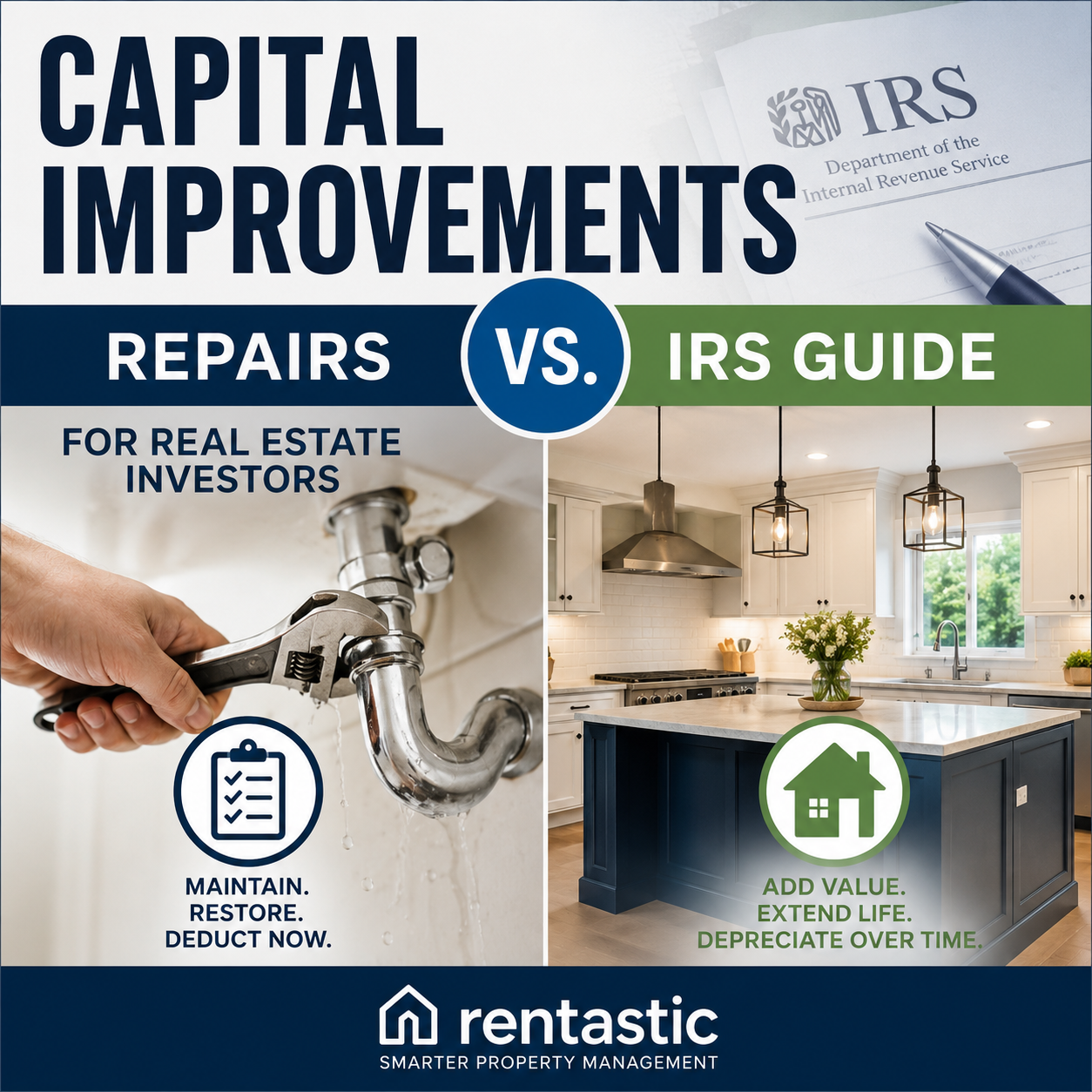
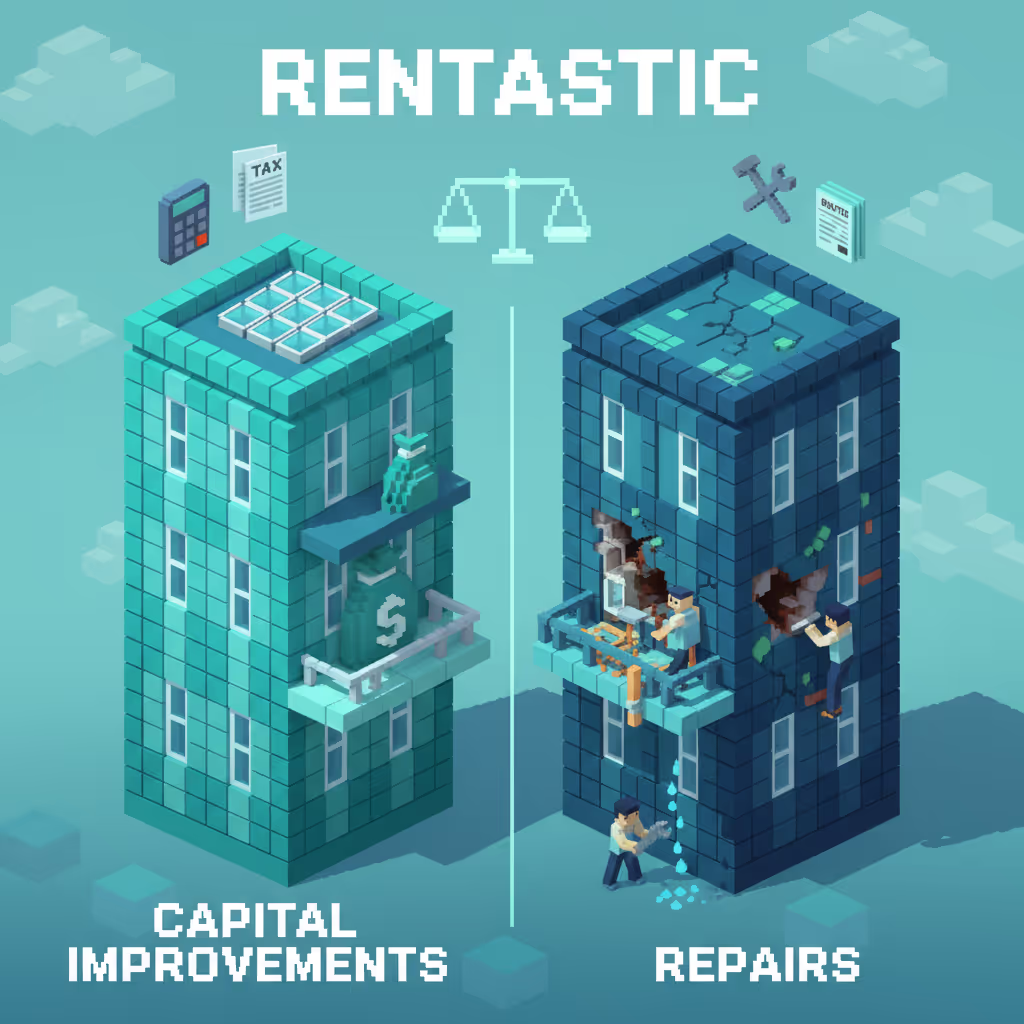
The IRS treats a same day faucet replacement very differently from a full bathroom remodel. Routine maintenance and repairs are often 100 percent deductible in the year you pay them, as long as they simply keep the property in its current condition (Rentastic).
Capital improvements that add value or extend the useful life of the property must usually be depreciated over time instead. Good tax planning for short term rentals includes clearly labeling in your records which costs were repairs and which were improvements, and making sure large projects are assigned to the right depreciation schedule (Rentastic).
Depreciation is one of the most powerful tools in the short term rental tax rules. It spreads the cost of your property and improvements over many years and can dramatically reduce your taxable income.
The IRS treats many short term rentals more like hotels than homes. That means your main building is often depreciated over 39 years, similar to commercial property, instead of the 27.5 year schedule used for long term rentals (Rentastic). A $390,000 property might yield about $10,000 in depreciation each year on a straight line basis (Rentastic).
Knowing this schedule before year end helps you forecast your expected depreciation deduction, see whether you will show taxable profit or a loss, and decide if additional capital spending this year makes sense.
For the 2025 tax year, bonus depreciation on qualifying capital purchases for rental properties dropped to 40 percent, down from 60 percent in 2024 (Rentastic.io). That reduction means the timing of big upgrades matters more. You may choose to accelerate purchases into this year or push them into next year depending on your income picture.
You can also consider cost segregation and other accelerated methods. These approaches break your property into components with shorter lives, which can front load deductions and improve early cash flow (Rentastic). Year end is a good time to talk with your tax pro about whether a study makes sense for you, and whether to start or complete any major projects before December 31.
Depreciation for rental properties is usually calculated using the straight line method, roughly cost minus salvage value divided by useful life in years (Rentastic). For short term rentals, that life is often 39 years.
You want a clear, up to date depreciation schedule for each property that lists:
Maintaining this schedule annually avoids misstatements, missed deductions, and messy catch up entries that raise red flags with the IRS (Rentastic).
Many hosts underestimate how much vehicle use and local travel they can legitimately deduct. In 2025, the IRS standard business mileage rate for rental related travel increased to 70 cents per mile, up from 67 cents in 2024 (Rentastic.io). That adds up quickly.
Before year end, reconstruct your mileage log as accurately as possible. Include trips to:
You can use the standard mileage rate or track actual vehicle costs, but you must choose one method and keep consistent records. Going into January with a mileage tracking system in place, even if it is a simple app or spreadsheet, will make next year far easier.
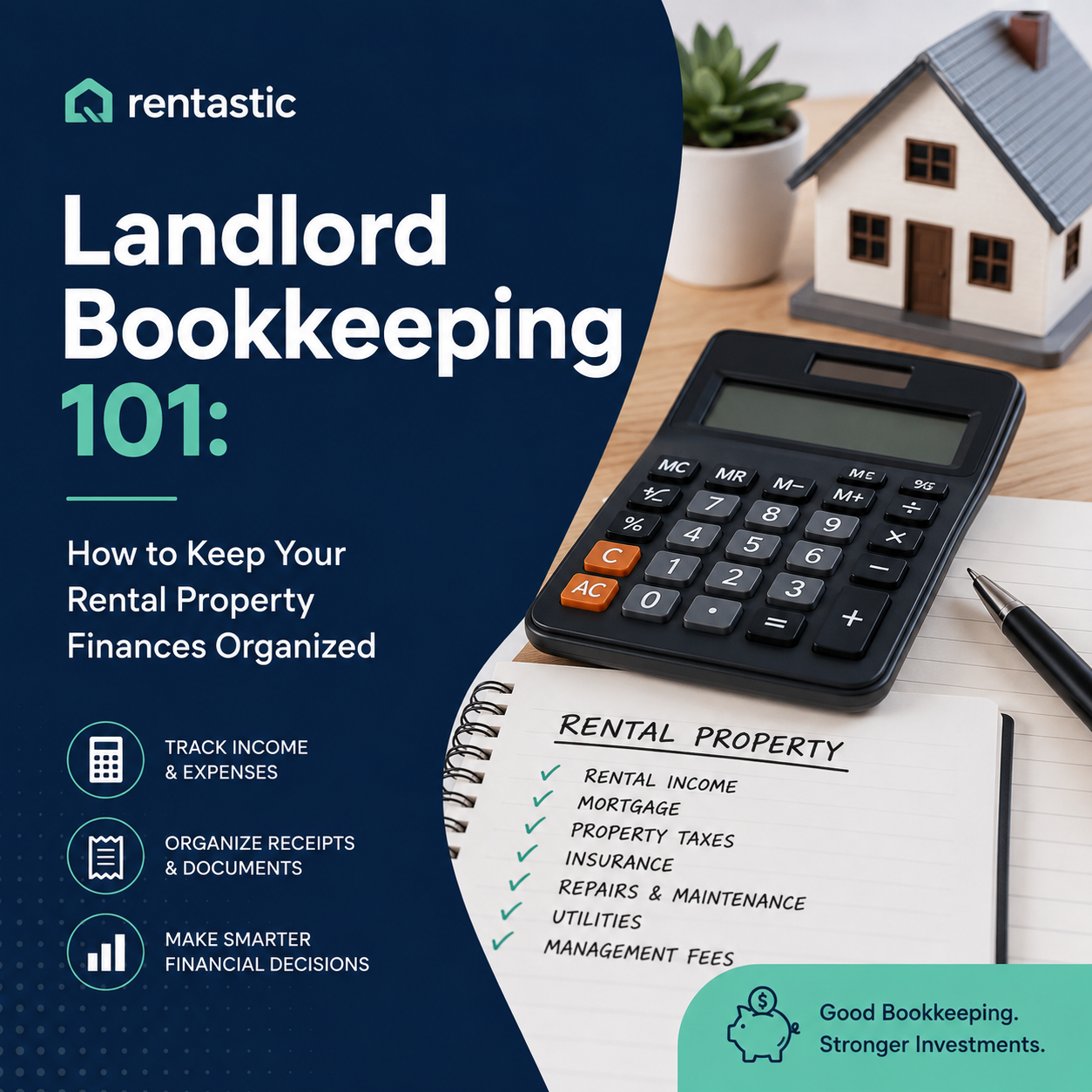
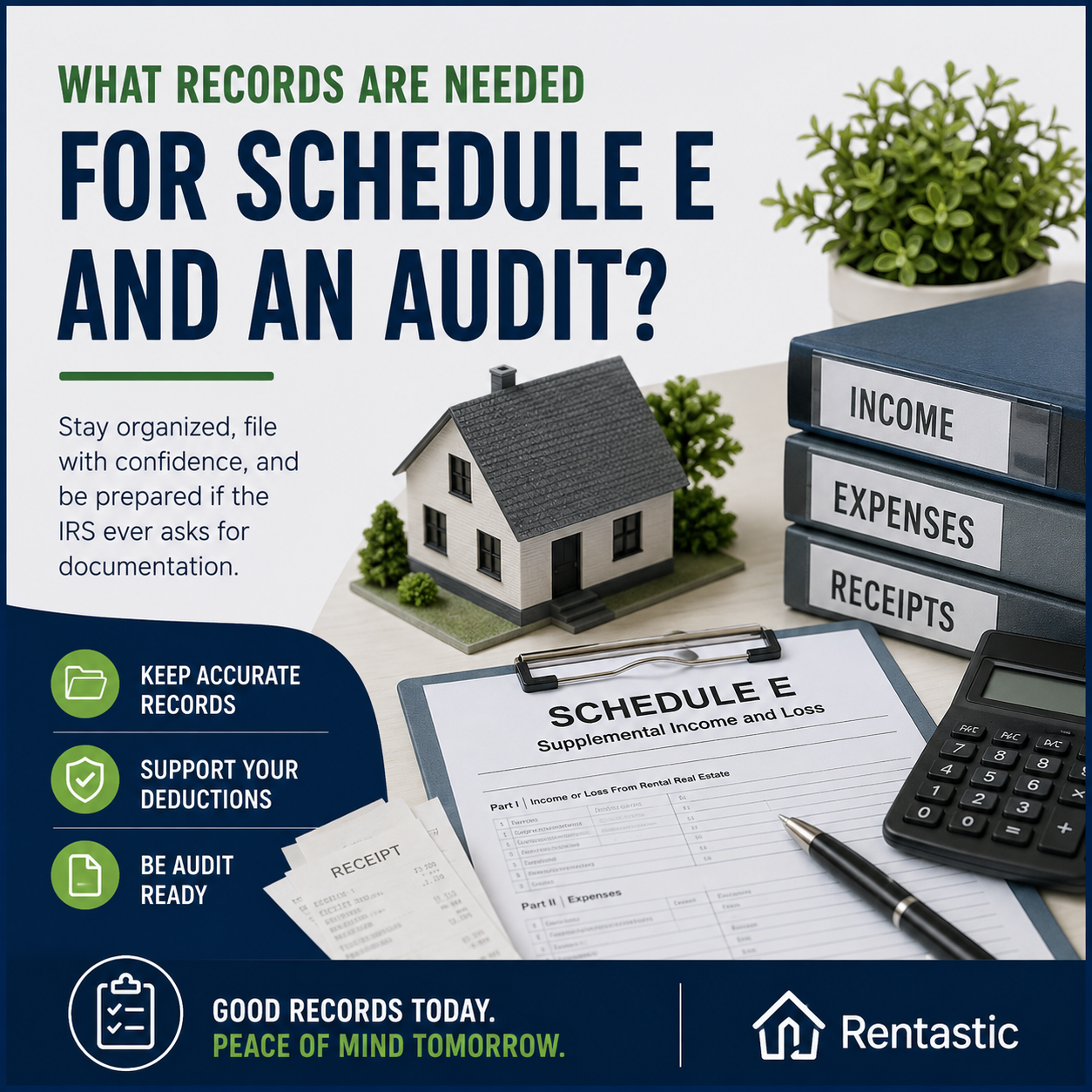
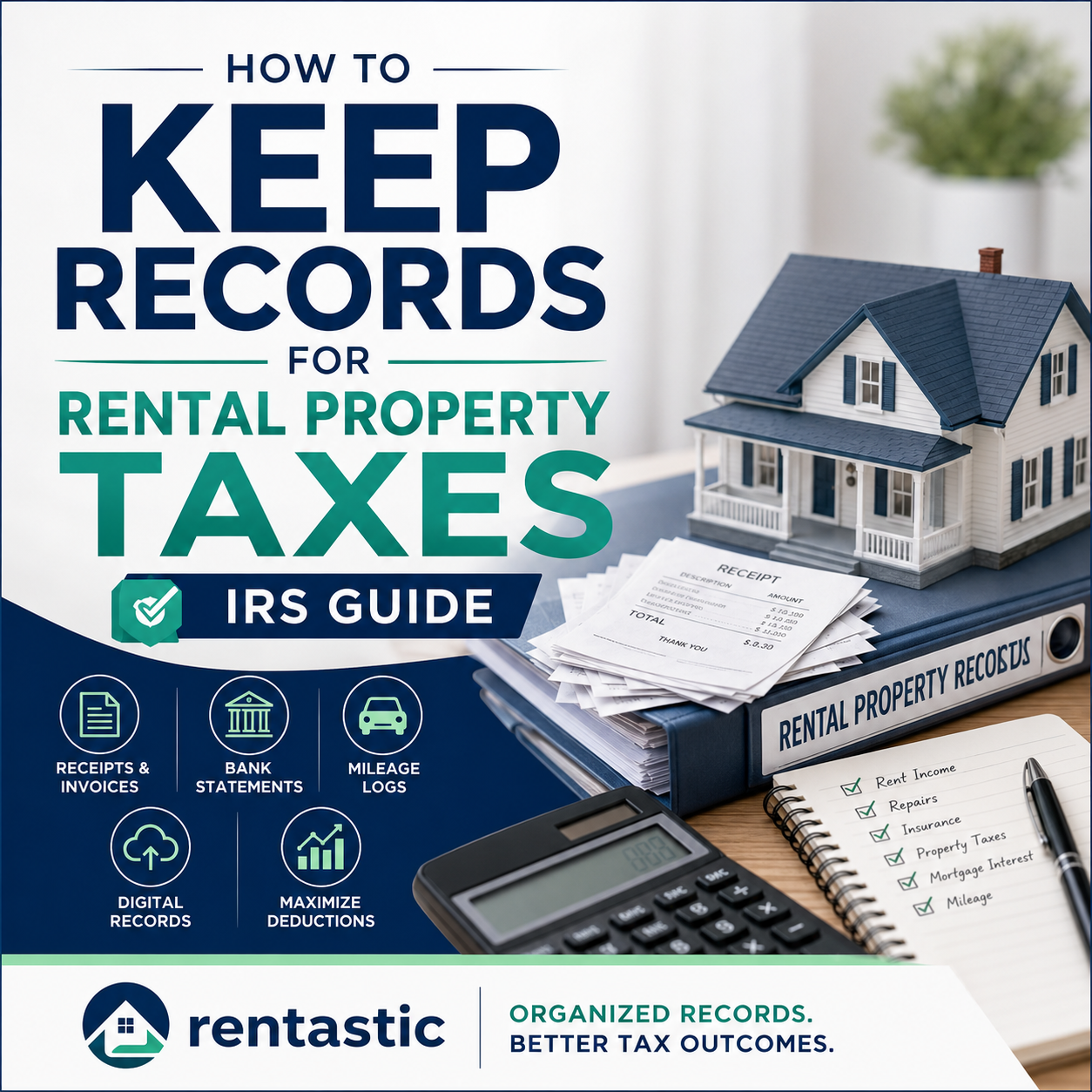
Good records are not just a nice to have. The IRS expects detailed documentation to support your income, expenses, and allocations, especially for short term rentals with mixed use.
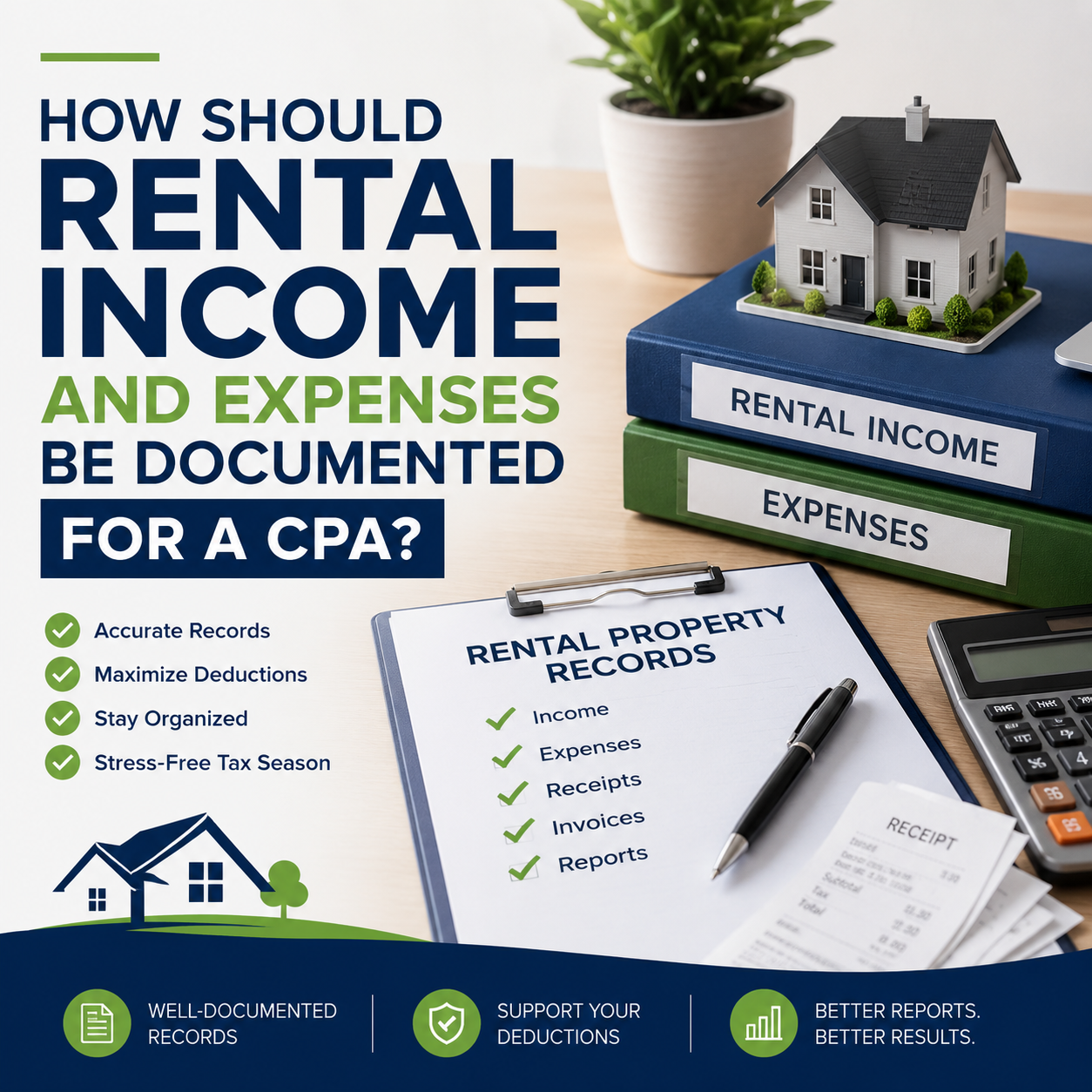
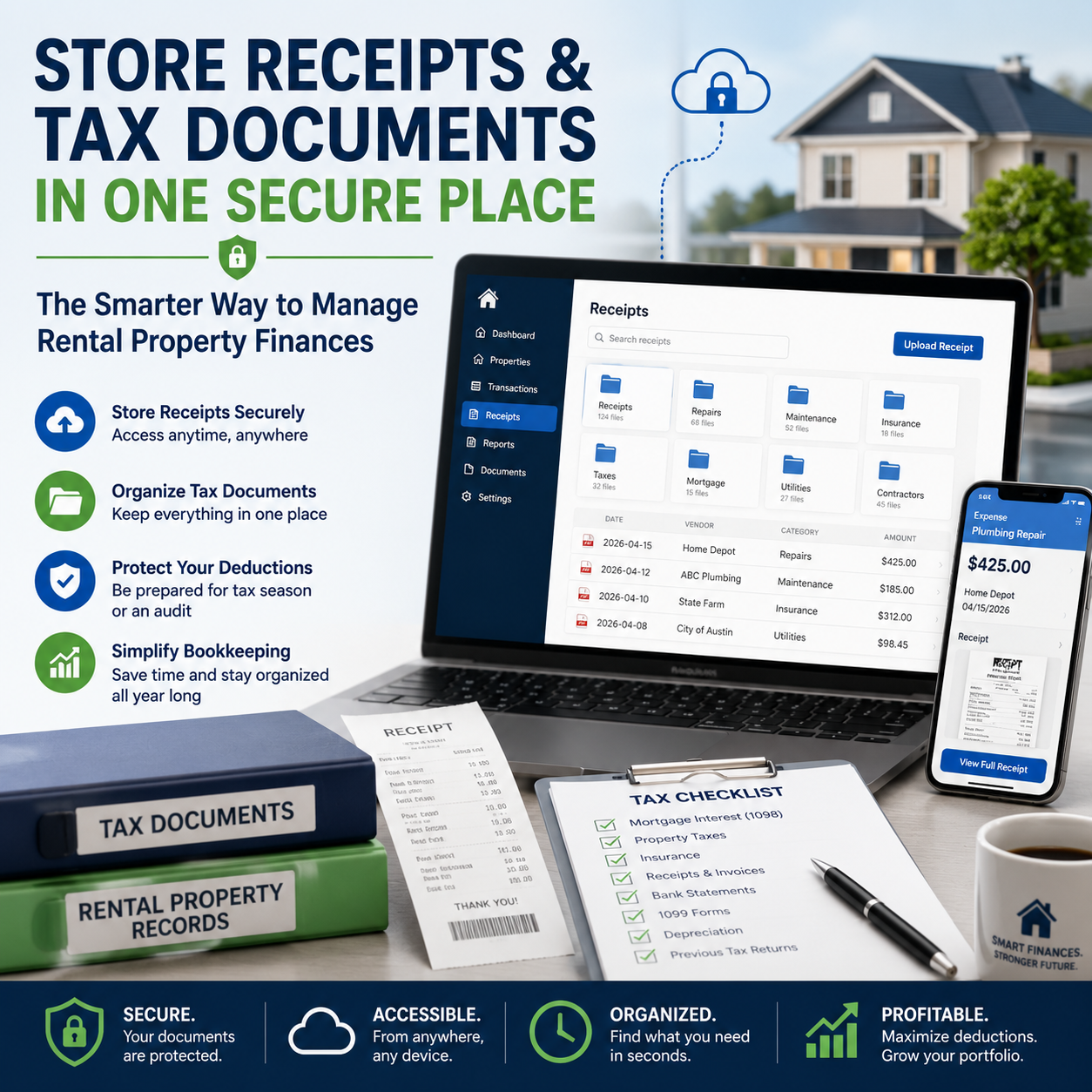
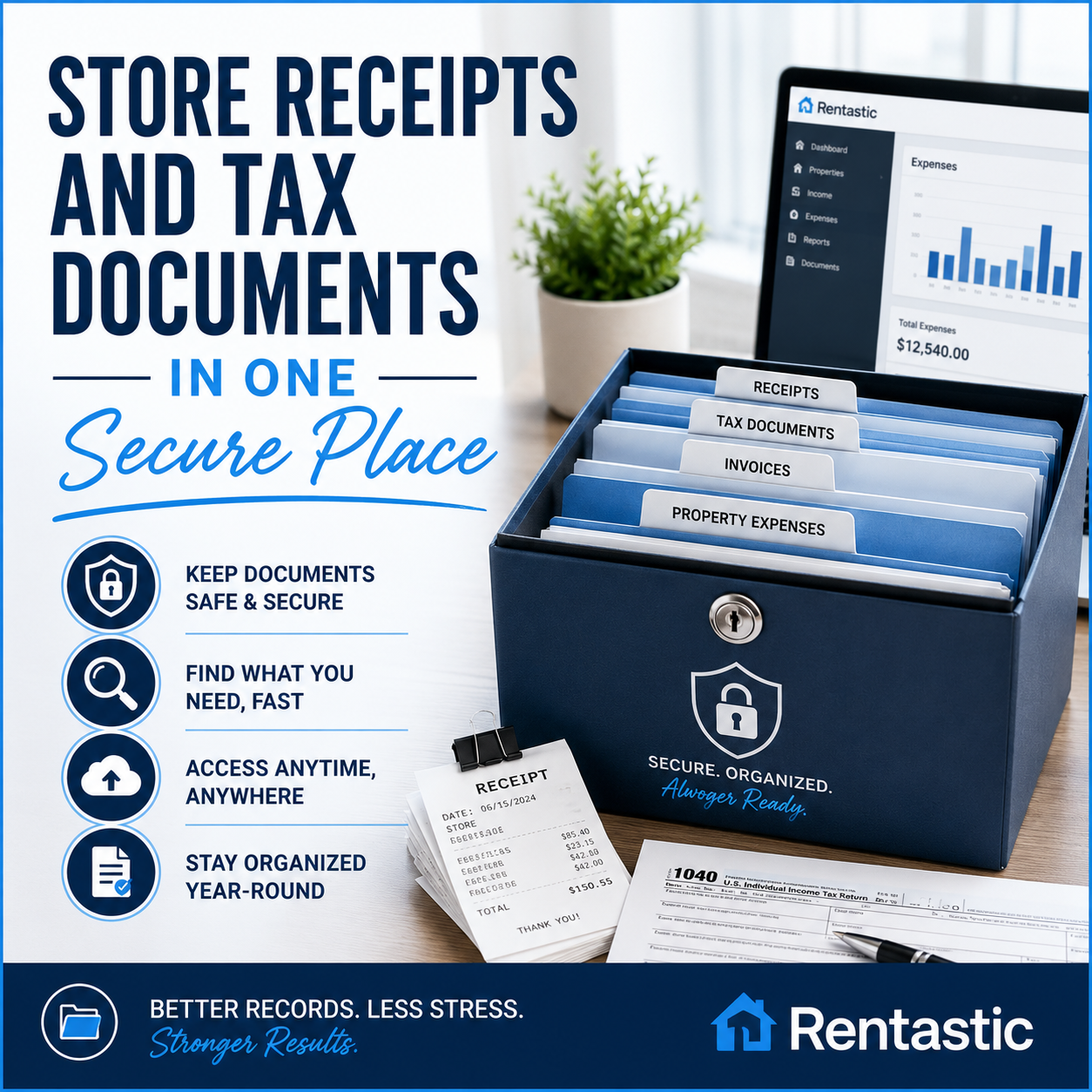
Maintaining well organized records by property and expense category is critical to substantiate deductions and defend against audits (Rentastic.io). Before December 31:
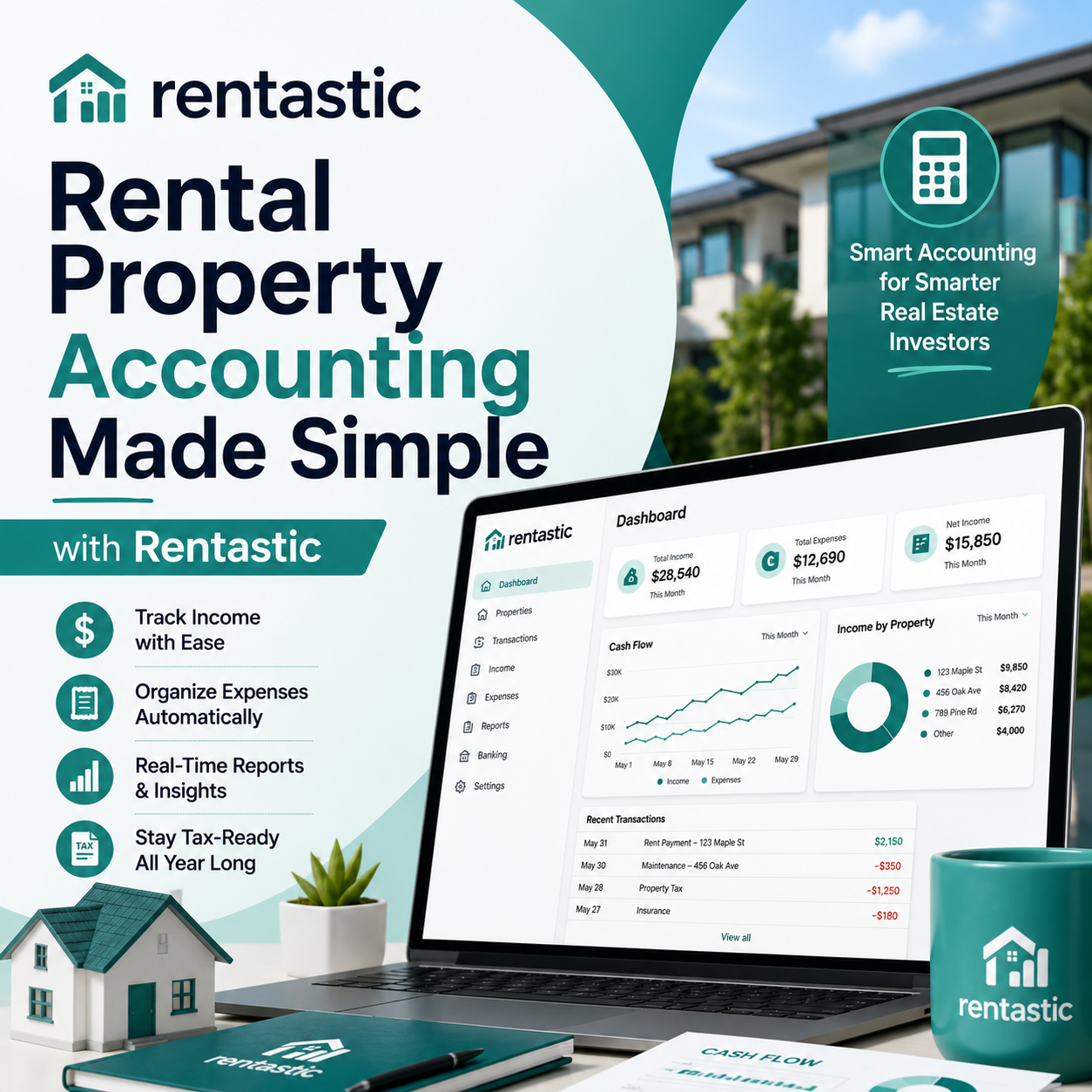
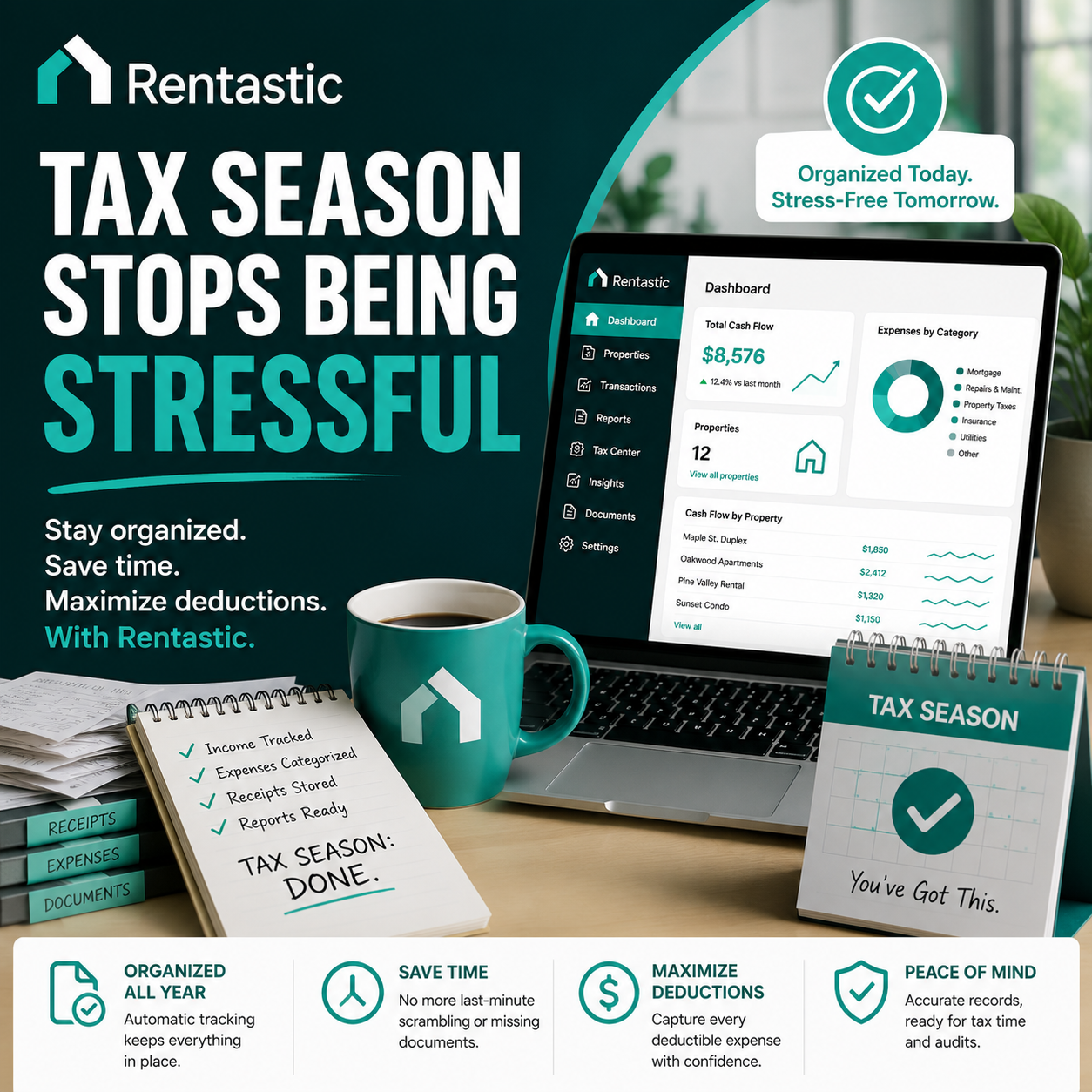
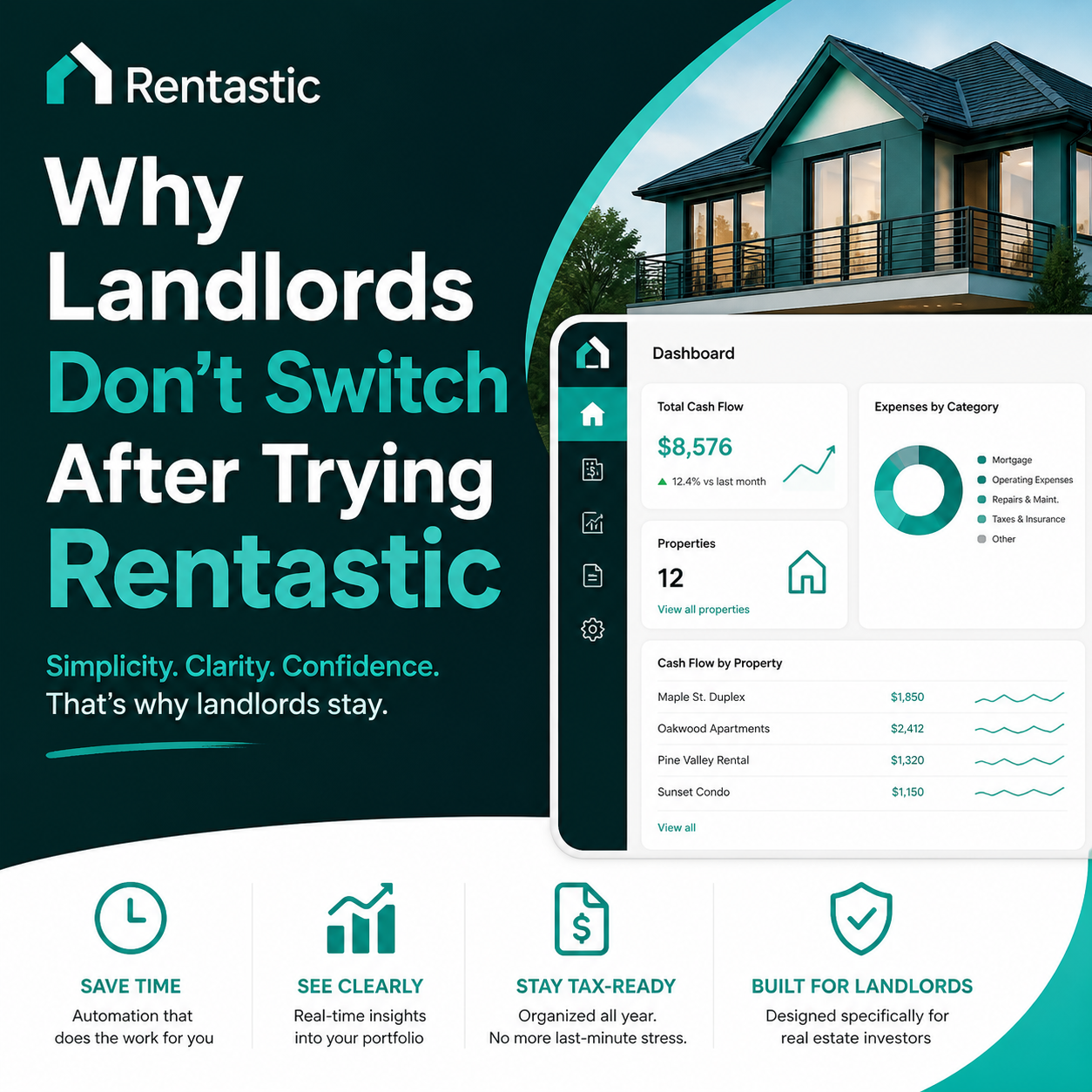
If you use a platform like Rentastic, linking your bank accounts lets income and expenses flow in automatically, which cuts down on manual entry and errors (Rentastic). Features such as Snap and Save receipts make it easy to capture supporting documents on the spot and tie them to the right transaction (Rentastic).
Some of the most expensive errors for rental property owners are simple and avoidable. Common mistakes include:
Each of these can lead to fines or lost deductions if not handled properly (Rentastic Blog). Use year end as a checkpoint. If you see any of these patterns in your books, you still have time to correct them and set a better system for next year.
A smooth tax season is mostly about the 10 percent of work you do now, not the 90 percent of scrambling you try to do in April.
You do not need to wait for forms to arrive in the mail to get ready. The tax rules around how you report short term rentals are clear, and most of the prep is in your control.
Most residential rental income goes on Schedule E of Form 1040, which is where you report income or loss from rental real estate (Rentastic). On Schedule E you list:
If your short term rental offers substantial services and operates like an active business, your CPA may decide that Schedule C is a better fit. That changes how certain taxes and deductions work, so it is worth clarifying before you file (Rentastic).
Rental activities are often treated as passive. Losses from passive activities can usually offset only passive income. There are important exceptions. For example, landlords with adjusted gross income under 100,000 dollars who actively participate can sometimes deduct up to 25,000 dollars of rental losses against other income. Real estate professionals who spend over 750 hours per year may be able to treat rental losses as non passive and use them more broadly (Rentastic).
On the positive side, many qualifying rental property owners can still use the Section 199A Qualified Business Income deduction for 2025. This allows an extra 20 percent deduction on eligible rental income (Rentastic.io). Year end is the right moment to check your total income, make sure your records reflect active participation, and confirm whether your rentals qualify.
If you will owe more than 1,000 dollars in tax for 2025, the IRS generally expects you to make quarterly estimated payments during the year. Failing to do so can trigger penalties, even if you pay in full by April (Rentastic.io).
Use your updated year end books to estimate your 2025 tax liability. If you expect to cross that threshold, plan your 2026 estimated payments now. This is especially important if 2025 was a growth year or if your other income sources changed.
Short term rental taxes are not getting simpler. In 2025, the IRS is tightening its focus on platforms like Airbnb and expects accurate reporting on every dollar you earn (Rentastic). The upside is that good compliance lets you claim all the deductions and strategies you are entitled to.
Property and tax management tools like Rentastic can help you:
Going into the new year with systems like this in place is one of the most reliable ways to reduce stress, maximize your tax benefits, and keep your short term rentals firmly on the right side of the tax rules.
To pull it all together before December 31, focus on these moves:
Pick one or two of these tasks to start this week. Each step you complete now turns a messy tax topic into a manageable checklist and keeps more of your short term rental income working for you instead of disappearing into preventable tax and penalty leaks.
RECENT POSTS


© 2025 Rentastic
Rentastic is registered as a trademark. Terms and conditions, features, support, pricing, and service options subject to change without notice.











.png)




























.png)




























Comments