

Happy New Year! As we step into 2026, the rental property landscape is undergoing what experts are calling the "Great Housing Reset" – a multi-year period of stabilization and gradual recovery. For savvy investors and property managers, this isn't just another year; it's the beginning of a new market cycle filled with strategic opportunities.
💡 Key Insight: 2025 marked the turning point – after years of explosive growth, the market entered a rebalancing phase. Supply caught up with demand in Sun Belt markets, while constrained markets like New York and Detroit continued tightening.
Overheated Markets Cooling: Phoenix and Austin saw slight rent declines as new construction flooded the market, forcing landlords to offer concessions and incentives.
Supply-Constrained Markets Thriving: New York, Detroit, Boston, and Philadelphia maintained strong fundamentals, with rents continuing to climb due to undersupply and strong job markets in finance, biotech, healthcare, and education.
Multifamily vacancy is forecast to ease to 7.9% by end of 2026 (down from oversupply peaks). Even a fractional vacancy drop meaningfully affects pricing power and NOI. Translation: Properties that struggled during the 2024-2025 construction surge will likely rebound.
🎯 Strategic Opportunity: We're moving past the worst of oversupply conditions. 2026 brings more balanced conditions where units lease faster and rent concessions slowly fade. Portfolios positioned now will capture the recovery.
Nearly 60% of renters plan to keep renting in 2026 – not because they can't afford to buy, but because renting fits their lifestyle better. This isn't your grandfather's rental market anymore. Today's renters value flexibility, reduced maintenance burden, and mobility over ownership.
Position your properties as lifestyle choices, not stepping stones. Emphasize amenities, maintenance-free living, and flexibility in your marketing. Consider offering longer lease incentives (14+ months is the new norm).
37% of renters now have children at home (up 4% from last year). Families are staying in rentals longer, driving demand for:
Tenant interest in energy-efficient rentals surged 20% in 2025. With average escrow costs up 45% over five years, tenants are hyper-aware of total housing costs.
Smart investments:
These upgrades not only attract quality tenants but can command 5-10% rent premiums while reducing operating costs.
The adoption of AI in property management leaped from 20% to 58% between 2024 and 2025. By 2026, AI isn't optional – it's the difference between thriving and surviving.
Where AI is making the biggest impact:
Start small with AI tools like ChatGPT for property descriptions and tenant communications. As you see ROI, expand into automated workflows and predictive analytics. The property managers who master AI tools in 2026 will dominate their markets by 2027.
Single-family build-to-rent communities represented less than 2% of multifamily completions in 2019. By 2026, they're forecast to reach 6.8% of supply.
Why BTR matters: These purpose-built rental communities combine the space and privacy of single-family homes with the amenities and professional management of apartments. They're attracting suburban families, hybrid workers, and high-income renters seeking "home-like" living without ownership burden.
Investment implication: BTR properties in secondary markets and suburbs are the sweet spot, especially near major metros where hybrid workers want more space but need occasional office access.
Investor purchases of single-family homes grew 6.7% year-over-year in Q2 2024 – the largest increase in two years. Meanwhile, multifamily purchases dropped 5%.
Why? Single-family rentals offer:
With 32% of surveyed landlords planning to purchase 2-3 properties in 2026, competition for quality single-family rentals will intensify.
Transparent, immutable transaction records are becoming standard for security deposits, lease agreements, and property transfers. Early adopters are seeing faster closings and reduced legal disputes.
Real-time property performance monitoring through IoT sensors and digital twin technology allows predictive maintenance, energy optimization, and better tenant experiences. The global digital twin market is growing at 61.3% CAGR and could reach $110 billion by 2028.
Remote property tours became standard during COVID and they're here to stay. VR/AR tours break down geographic barriers, opening your properties to international investors and relocating professionals nationwide.
The next evolution beyond chatbots: AI assistants that don't just respond to prompts but anticipate needs, initiate actions, and automate complete workflows from tenant inquiry to lease signing to maintenance coordination.
2026 isn't about explosive growth or dramatic crashes – it's about intelligent positioning. The "Great Housing Reset" rewards those who:
The property managers and investors who thrive in 2026 will be those who recognize this isn't just another year – it's the foundation of the next cycle. The time to position is now.
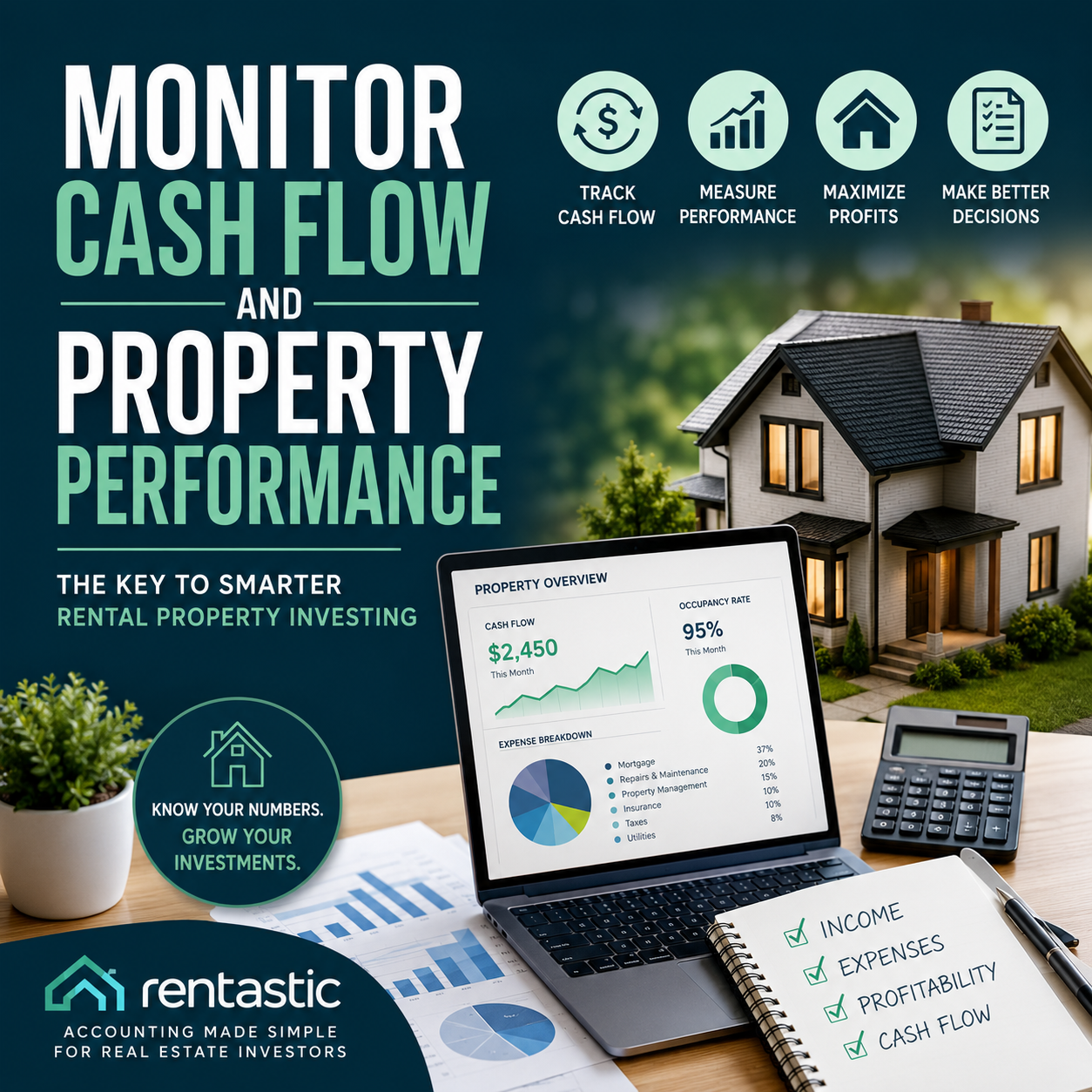
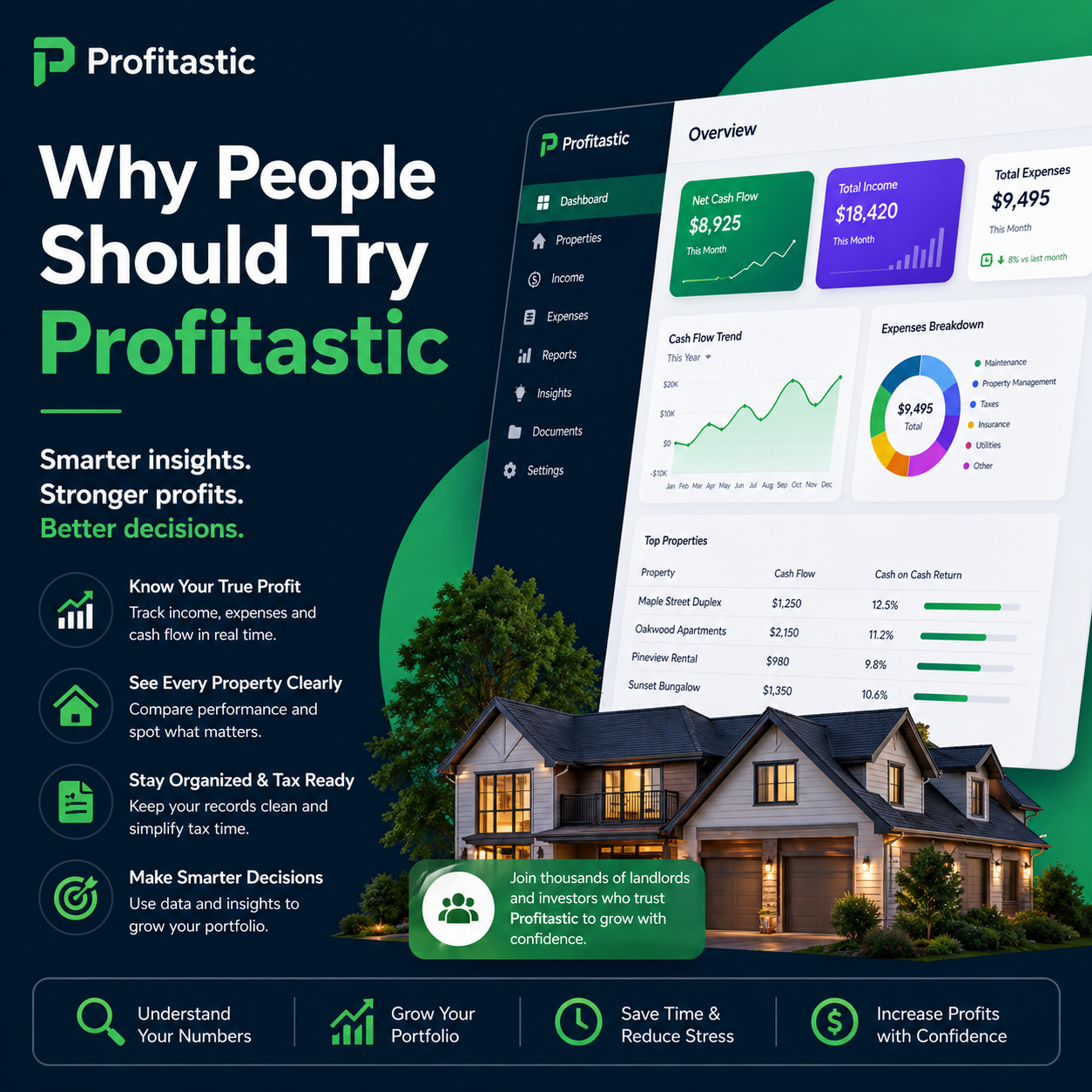
Track performance, automate workflows, and make data-driven decisions – all in one platform
RECENT POSTS


© 2025 Rentastic
Rentastic is registered as a trademark. Terms and conditions, features, support, pricing, and service options subject to change without notice.














.png)




















.png)
























Comments