

If you are scouting the best U.S. cities for real estate investment in 2026, you are walking into a market that rewards precision more than ever. Mortgage rates are still higher than the ultra-cheap era you remember, operating costs keep shifting, and regulations vary city by city. The investors who win this cycle are not the ones chasing headlines. They are the ones watching real numbers for cash flow, ROI, and risk.
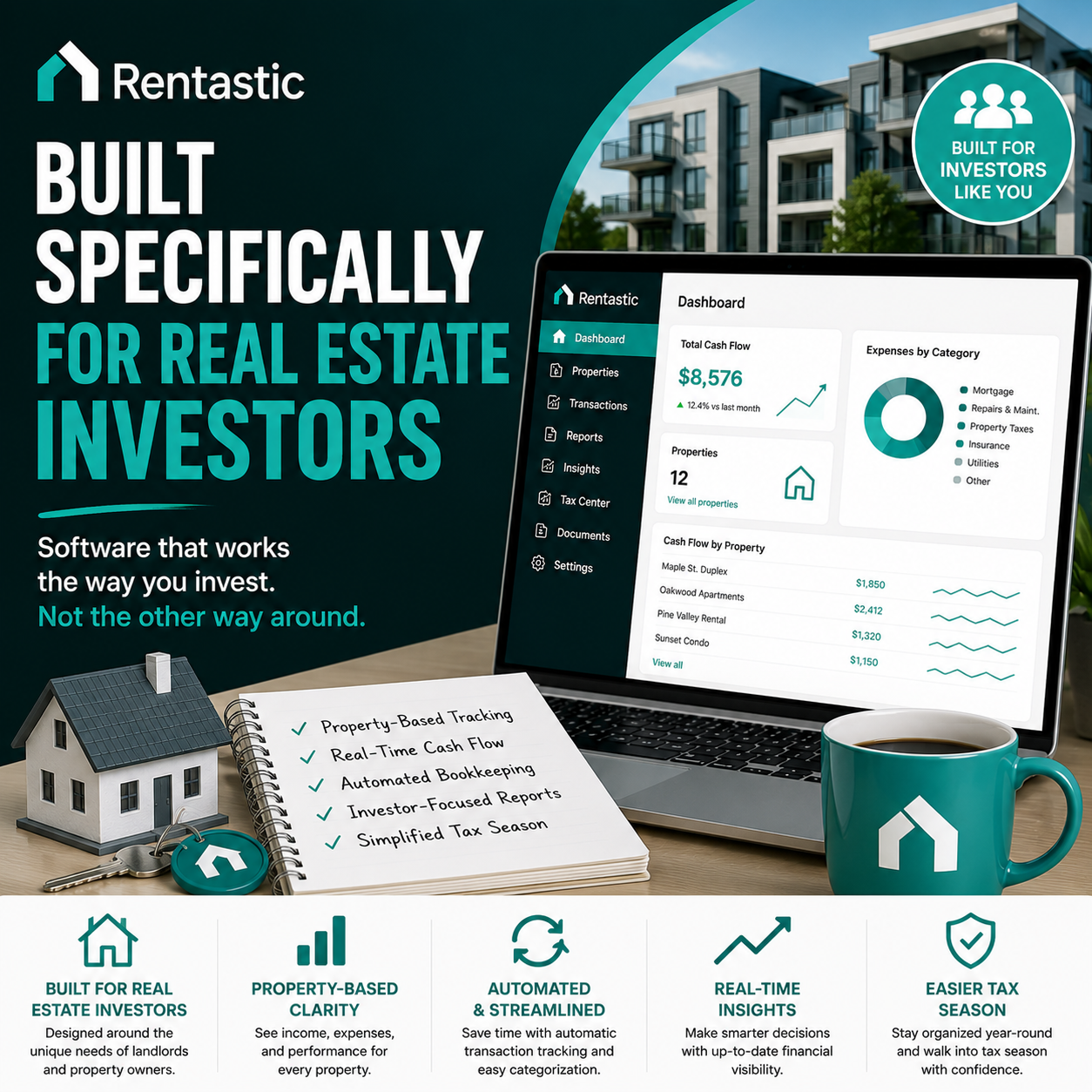
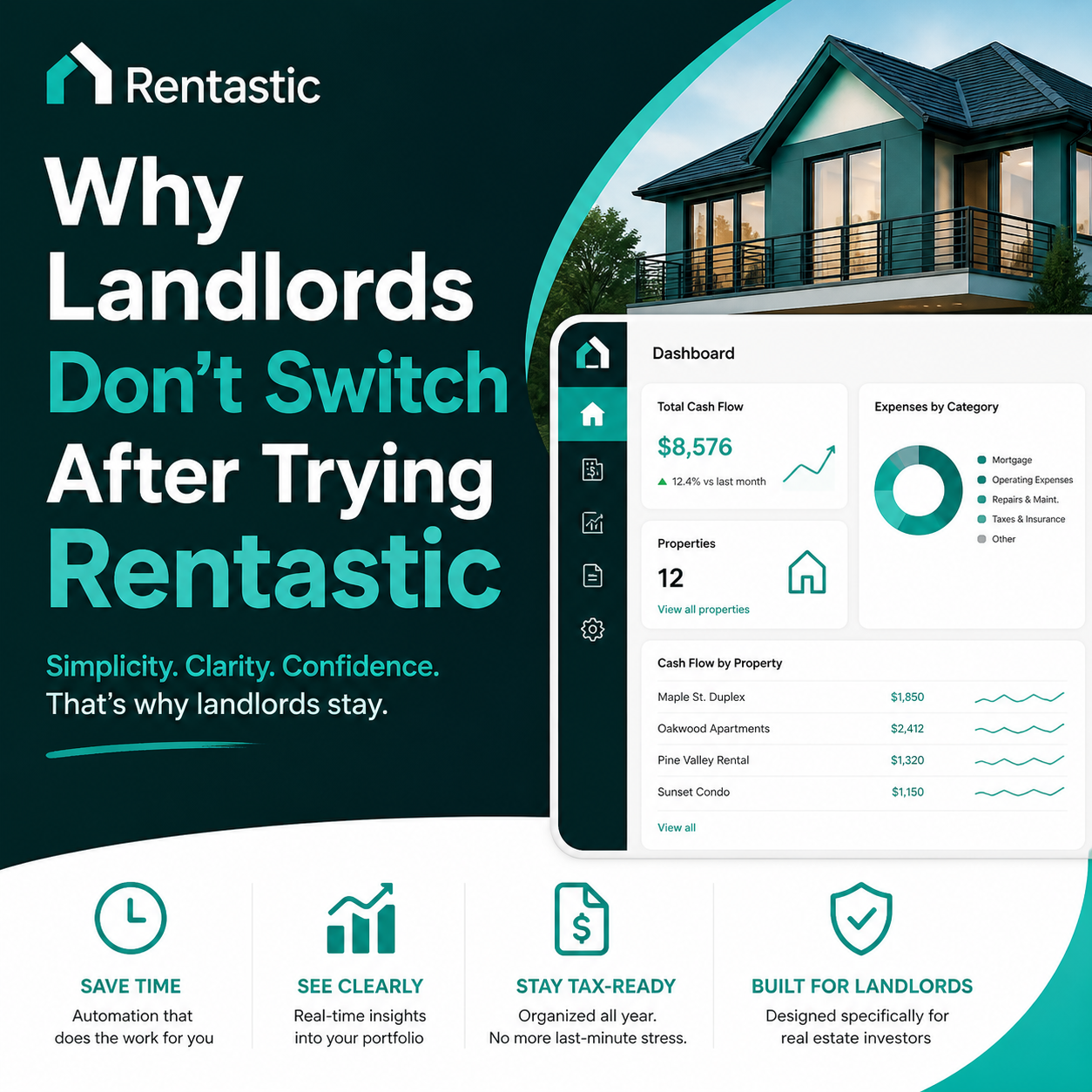
This is exactly where rentastic-style tools change the game. Platforms like rentastic pull in live income and expense data from your connected bank accounts, then show you cash flow and ROI by property and by market in real time (Rentastic Blog). Instead of guessing which city is next, you can see which city is already delivering.
In this guide, you will:
Use this as your playbook, then back it with your own numbers.
Before you pick cities, you need a modern definition of “best.” In 2026, the top markets for real estate investment balance return, resilience, and simplicity of management.
You have probably seen lists that rank “top markets” based on population growth or job creation. Those trends matter, but they do not tell you:
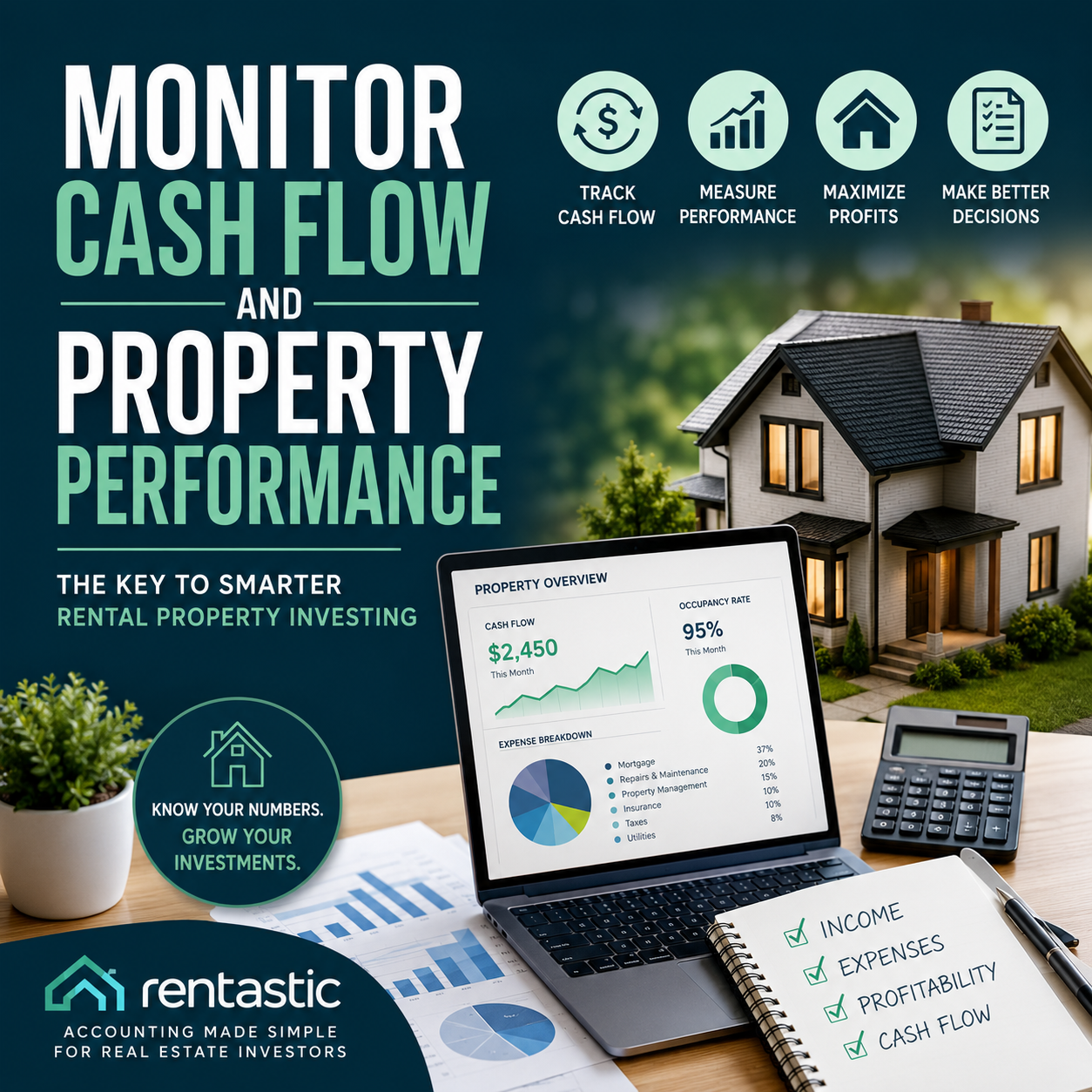
Platforms like rentastic are built to answer those questions by tracking real-time income, expenses, and ROI for each property and city (Rentastic Blog). That shifts your focus from “big story” markets to “proven performer” markets in your own portfolio.
Your ideal city could look very different from another investor’s. Ask yourself:
With a tool like rentastic you can tag properties by strategy and market, then compare real outcomes instead of relying on rules of thumb like “always buy in Sun Belt growth markets” (Rentastic Blog).
The biggest shift in 2026 is not which cities are hot. It is how you evaluate them. Static spreadsheets and pro forma assumptions leave you blind to monthly shifts in expenses, rent, and mortgage impacts. Real-time platforms such as rentastic change this equation.
If your numbers live in a patchwork of bank portals and spreadsheets, you are guessing. Modern investor tools like rentastic:
By 2025, tools like rentastic had already replaced static spreadsheets for many investors who wanted fast, accurate decisions in fluctuating markets (Rentastic Blog).
Once your data is centralized, the real insights show up at the portfolio level. In 2025 and 2026, platforms like rentastic expanded portfolio-wide analytics so you can:
The system might reveal that, for example, “Austin units deliver 8 percent cash on cash compared to 5 percent in other markets”, which immediately changes how you allocate capital in 2026 (Rentastic Blog).
Markets do not usually fail overnight. They erode in small monthly shifts. Real-time tools like rentastic help you:
Rentastic specifically highlights fast-growth Sun Belt markets such as Tampa Bay, where real-time capture of income and expense changes lets you pivot strategies before tax season arrives (Rentastic Blog).
Your choices do not happen in a vacuum. It helps to know how other landlords feel about the coming year and how they are using data.
According to a 2026 report from Rentastic, about 71 percent of landlords are optimistic about rental property profits and many rely on platforms like rentastic to monitor cash flow, ROI, and tax metrics even with higher interest rates and shifting rules (Rentastic Blog). Another Rentastic market report from December 2025 found:
That optimism is not blind. It is tied to better investor intelligence. In 2025, rentastic described itself as a financial intelligence platform giving real estate investors live visibility into cash flow, mortgage payments, ROI, and tax-ready reports across portfolios (Rentastic Blog).
If you are tracking markets with that level of detail, you can justify expanding into a new city in 2026 instead of simply hoping the cycle stays friendly.
Fast-growth Sun Belt markets keep drawing investors, but the story in 2026 is more nuanced than “growth equals good.” You have to look at real-time cash flow and risks.
Tampa Bay is a classic example of a growth market that demands careful expense tracking. Rentastic notes that it helps investors in Tampa Bay manage risks by:
If you own or plan to buy in Tampa Bay in 2026, use a rentastic-like dashboard to:
Tampa can still be one of your best U.S. cities for real estate investment, as long as you treat expense volatility as a feature to manage, not a surprise to endure.
Beyond Tampa Bay, similar patterns show up in other Sun Belt metros. Population and job growth support rent demand, but:
You can use the same rentastic framework in each Sun Belt market: real-time tracking of income, insurance, HOA, maintenance, and net operating income, then compare those results city by city (Rentastic Blog).
Some of your best 2026 opportunities are in tech-driven markets where wages and population are still rising, but prices have cooled enough to make yields interesting again.
Austin is one of the clearest examples of a market where value-add choices can swing your returns dramatically. Rentastic highlights several specific uses for its platform in Austin:
If you are scaling in Austin in 2026, you can:
This is how you transform Austin from “expensive but popular” into a data-proven top performer in your portfolio.
Many investors are hunting for the “next Austin” in 2026. Tools like rentastic are designed to help you evaluate emerging secondary markets using real numbers, not hype.
Rentastic describes itself as a real estate investment tool for tracking cash flow, ROI, mortgage payments, and expenses in real time across multiple markets, which helps you avoid guesswork when choosing emerging secondary markets (Rentastic Blog).
You can:
Instead of betting blindly on the next big thing, you stage your entry and let live performance decide where you double down.
Markets tied to universities, research, and healthcare can be some of the most resilient places to own real estate. Raleigh Durham is a useful example of how you can model growth with better financial intelligence.
Rentastic specifically calls out Raleigh Durham as a market where investors use the platform to:
In practice, your 2026 plan might look like:
Education and research hubs often deliver steady occupancy and long-term upside. A real-time view lets you confirm that story with your own numbers.
If you are already in more than one city, the real question in 2026 is not “Where should I buy?” It is “Where should I buy more?” The answer comes from portfolio-wide comparisons.
Platforms like rentastic help multi-market investors by allowing you to:
You might discover that a less-hyped Midwest city is quietly beating your splashy coastal market on net cash flow and stability. That insight only appears when you measure cities against each other with consistent metrics.
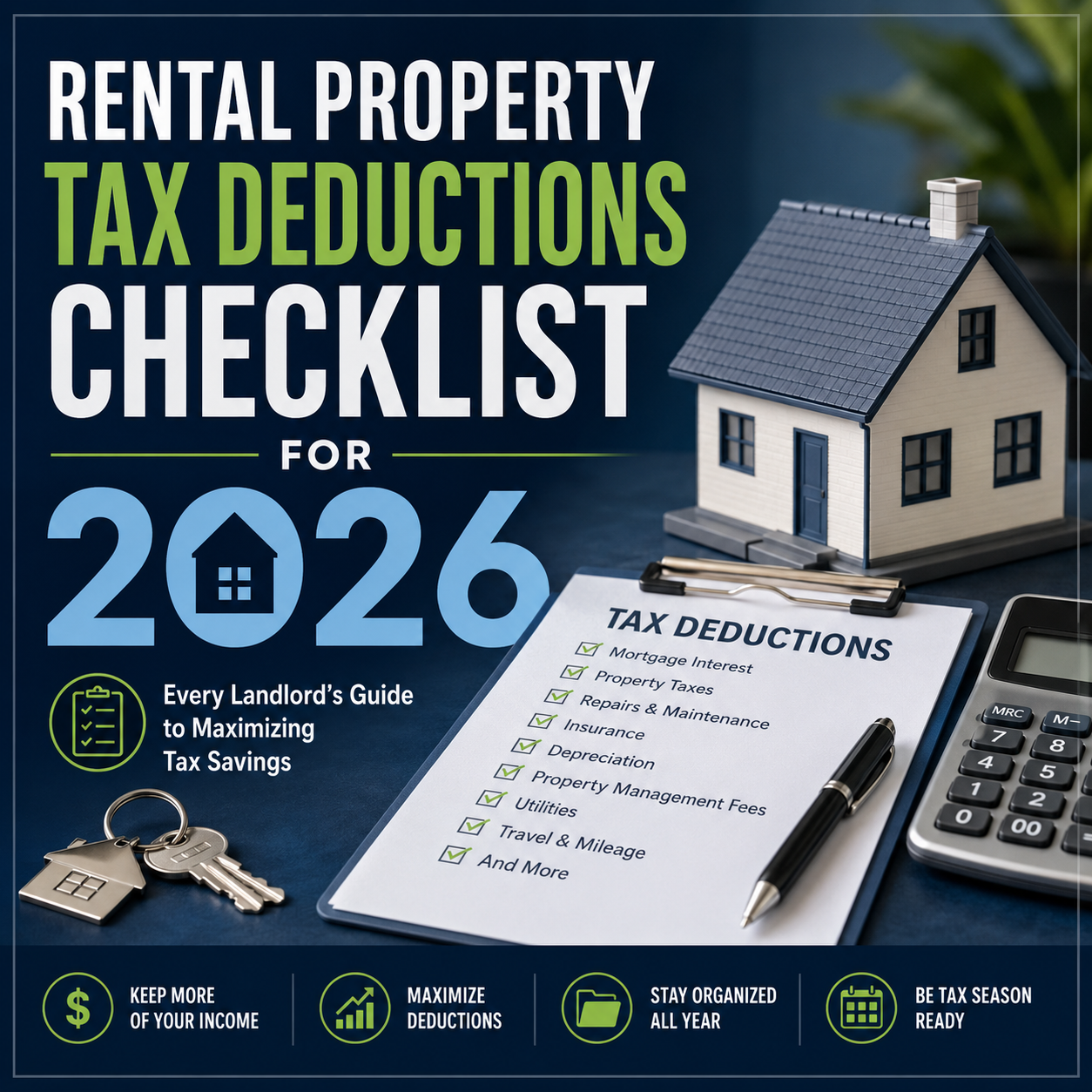
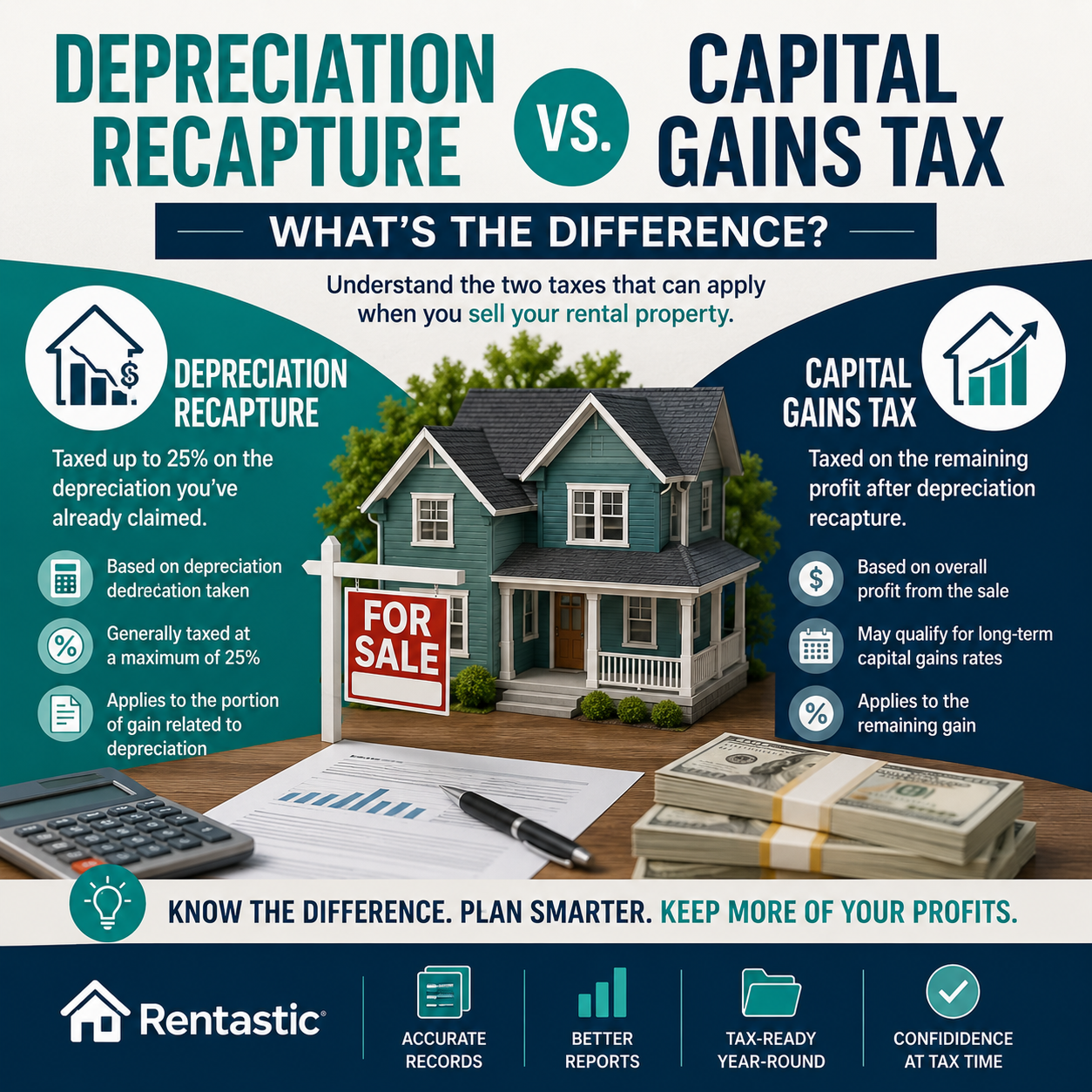
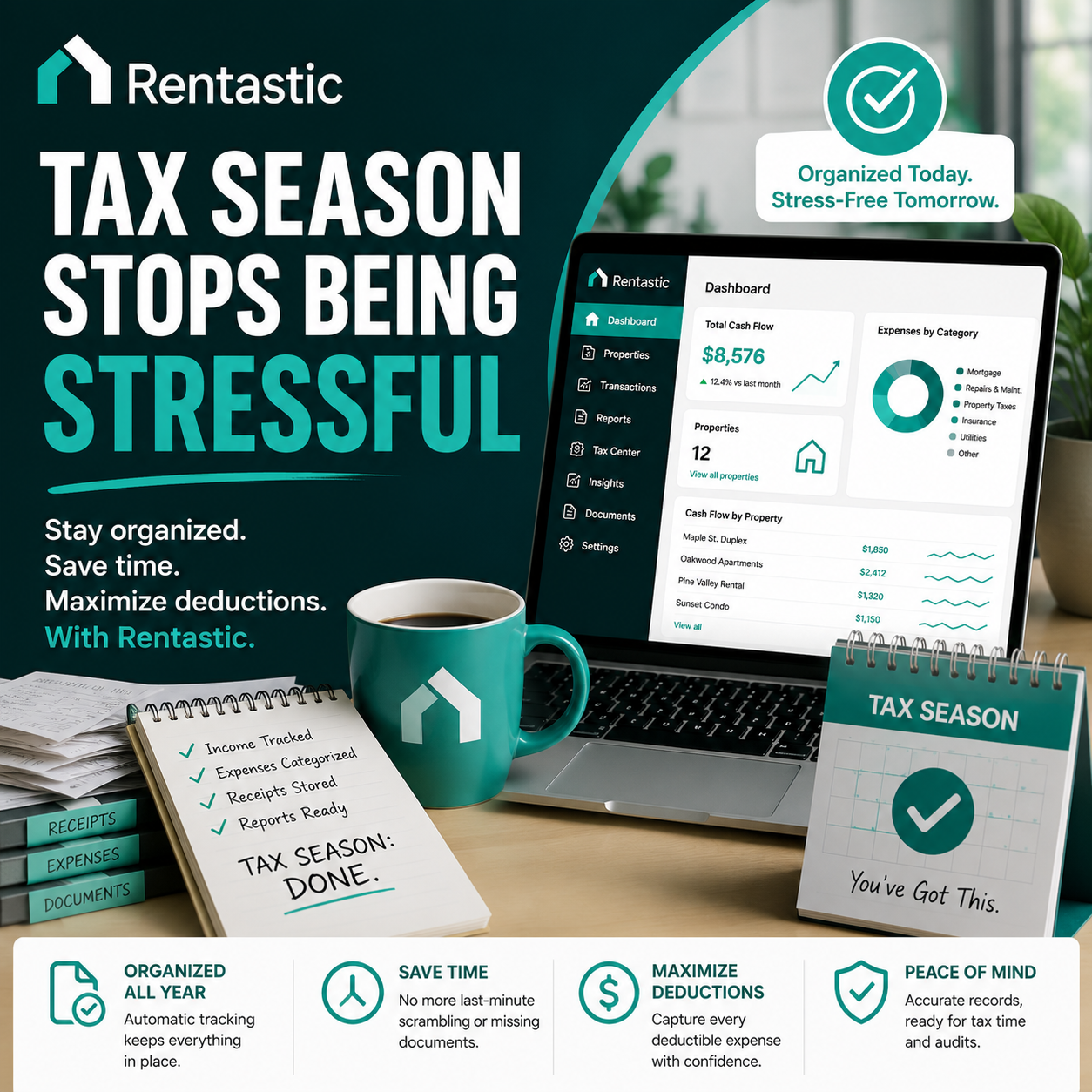
Not all cities are equal once taxes enter the picture. Rentastic notes that it generates automated profit and loss statements in seconds, which cuts tax prep time and helps investors identify the most tax-efficient cities on a net basis, especially in multifamily portfolios that span states (Rentastic Blog).
This matters when you are:
Your “best” city in 2026 might be the one that delivers the strongest after-tax return, not just the highest gross rent.
Value-add strategies can transform returns, but they can also quietly destroy ROI if you overspend or misread tenant demand. Rentastic-style tracking lets you treat upgrades as experiments, not guesswork.
Rentastic provides tools to track how specific upgrades and amenities affect rental ROI, NOI, rent, and expenses in real time across different markets (Rentastic Blog). That means you can:
For example, you might find that smart home features drive rent jumps in Austin but barely move the needle in a more budget-focused market. Your 2026 capex then follows the data, not generic best practices.
Rentastic emphasizes tailoring value-add strategies to local conditions instead of applying a uniform approach across markets (Rentastic Blog). With real-time tracking, you can:
Over time, each city in your portfolio gets its own value-add recipe, tuned to the numbers.
In a higher-rate environment, how you finance can matter as much as where you buy. The right mortgage strategy can turn a solid market into a standout performer.
As of December 2025, rentastic automatically tracked mortgage payments and calculated ROI, so investors could see exactly how much they were saving with refinancing decisions across portfolios (Rentastic Blog).
You can use this in 2026 to:
The result is a more nuanced list of best cities. Some markets might shine once financing is optimized, while others lag even if top-line rents look strong.
With real-time ROI calculations in a platform like rentastic, you can run “what if” checks:
That level of stress-testing helps you avoid overexposure to fragile markets in 2026.
If you still juggle QuickBooks, personal spreadsheets, and paper files at tax time, 2026 is your year to simplify. Rentastic and similar tools were built specifically for real estate investors, not general businesses.
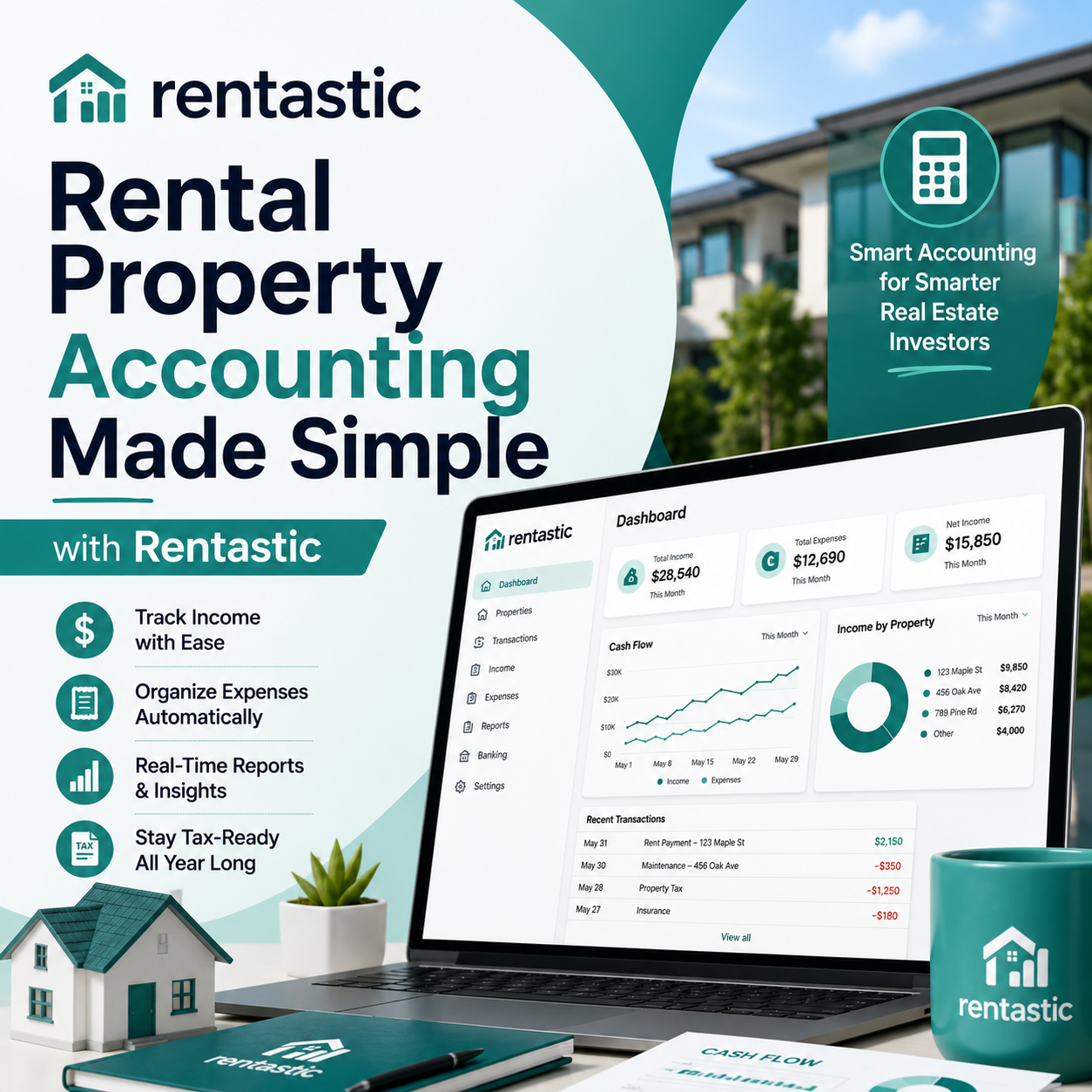
Rentastic notes that it simplifies bookkeeping by centralizing property finances, automating categorization, and generating tax-ready reports, and that it surpasses generic tools like QuickBooks in ease of use for multi-property investors, especially at tax time (Rentastic Blog).
By 2025, rentastic had become a central platform for many investors who wanted faster and more accurate decision-making in fluctuating markets (Rentastic Blog). The platform claims to empower thousands of investors with:
If you manage books for landlords or run your own rentals, moving everything into a dedicated tool like rentastic clears your headspace and sharpens your market choices.
You do not need a crystal ball to pick strong markets this year. You need a repeatable, data-backed process. Here is a simple framework you can implement with a platform like rentastic:
For each city where you already own, review:
Use these benchmarks to identify:
When a new city catches your eye:
Let the numbers, not the narrative, decide whether it earns a bigger allocation.
At least once a year, step back and look at:
Use that review to refine your “best cities” list for the next buying season.
In 2026, the best U.S. cities for real estate investment are not just the places that make headlines. They are the markets where your real numbers, tracked month after month, prove that you are earning strong, resilient returns.
Platforms like rentastic make that visibility possible by:
Your next move is straightforward:
When you combine your on-the-ground judgment with clear financial intelligence, you do not have to guess where to invest next. You can see it.
RECENT POSTS


© 2025 Rentastic
Rentastic is registered as a trademark. Terms and conditions, features, support, pricing, and service options subject to change without notice.













.png)





















.png)





























Comments