

If you invest in commercial property, the type of lease you choose can quietly make or break your returns. The structure of a triple net lease versus a gross lease decides who pays for what, how predictable your cash flow feels, and how much time you spend inside spreadsheets or accounting software like rentastic.
Before you can decide which structure fits your strategy, you need a clear, simple view of how these leases work in the real world. You also need a way to track income and expenses without getting buried in receipts or late-night reconciliations. That is where a purpose-built platform like Rentastic for NNN deals can help you keep the upside while avoiding admin overload (Rentastic).
In this guide, you will walk through what each lease type means, how the money actually flows, and how tools like rentastic reduce friction when you manage either structure.
In a gross lease, your tenant pays one fixed rent amount. Out of that check, you cover most or all of the operating costs for the property.
Typical landlord-paid costs in a gross lease:
Your tenant gets simplicity. They know their monthly bill and do not have to track tax bills or insurance premiums. You shoulder more of the risk if costs spike, but you also control how those costs are managed and negotiated.
You will see gross leases frequently in:
In a triple net lease, your tenant pays base rent plus their share of three key cost categories:
In many NNN leases, tenants also pay utilities and some operating expenses directly. As the owner, you pass most variable costs through to the tenant, so your base rent looks cleaner and closer to true net income.
NNN leases are very common in:
Rentastic is specifically designed to simplify this type of structure. It tracks properties, income, expenses, and generates financial statements tailored to triple net leases, which can otherwise be an admin headache (Rentastic).
With a gross lease, your rental income comes in as one predictable payment. Your expenses are more variable.
Cash flow pattern:
The upside:
The risk:
This is where disciplined bookkeeping becomes essential. A tool like rentastic gives you a single view of each property’s income and expenses so you see whether that “simple” gross lease is actually pulling its weight.
With a triple net lease, cash flow has more moving parts but your net income can be more predictable.
Cash flow pattern:
The upside:
The challenge:
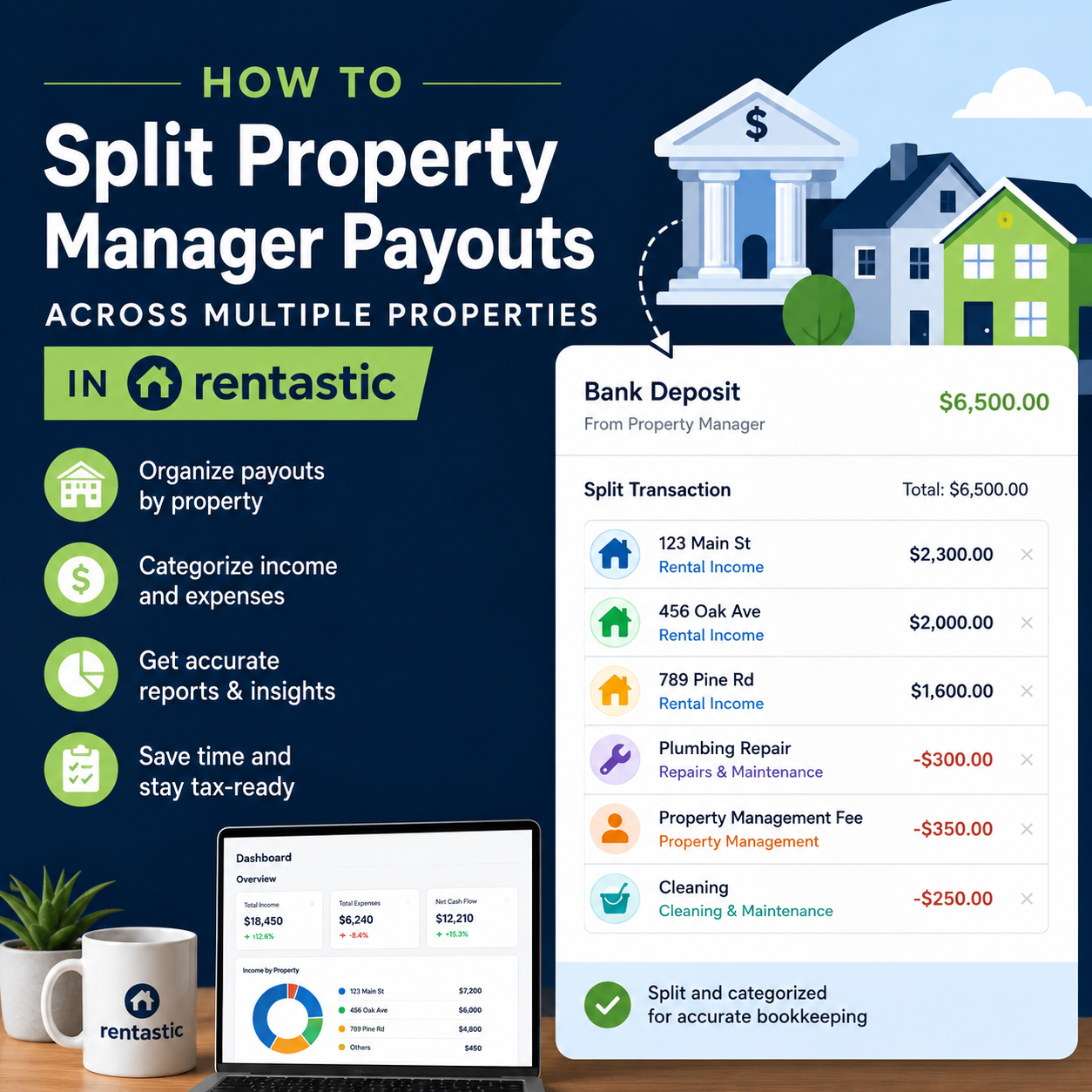
Rentastic automates income and expense tracking by linking bank accounts and centralizing transactions. That gives both landlords and tenants a clear, current picture of shared costs, and it reduces end-of-year tension when you reconcile NNN charges (Rentastic).
Gross leases can be a good fit if you want simplicity and do not mind taking on cost risk.
Pros for you:
Cons for you:
If you use rentastic to track expenses in a gross lease building, you can see patterns early. For example, if maintenance is creeping up quarter after quarter, you can plan increases or improvements ahead of renewal instead of reacting in a panic.
Triple net leases often appeal to investors who want steadier returns and less operational risk.
Pros for you:
Cons for you:
Rentastic is built to reduce those pain points. It automates routine tasks and streamlines lease management so you can save time and focus on portfolio growth rather than manual reconciliations (Rentastic).
Your top questions usually sound like:
Gross lease appeal:
NNN lease appeal:
Rentastic gives you tools and guidance for evaluating triple net lease investments, including market analysis, lease term review, and key financial metrics, so you can make decisions faster and with more confidence (Rentastic).
Your daily reality is different from an investor who looks mostly at spreadsheets.
Gross lease experience:
Triple net lease experience:
By centralizing transactions and providing up-to-date views of shared costs, Rentastic can make those reconciliations smoother, and it keeps you and your tenants on the same page (Rentastic).
Your main concern is accurate, timely records without busywork.
Gross lease bookkeeping:
NNN lease bookkeeping:
Rentastic offers automatic bank account linking so income and expenses flow into the system without manual entry. This gives you an up-to-date financial overview of each property and saves time every month (Rentastic).
Consider a gross lease if:
You may also favor gross leases when you plan to reposition or upgrade a building. Keeping operational control while you improve systems, utilities, or amenities can be easier when you handle all expenses directly.
In these scenarios, using rentastic to monitor property-level profit and loss helps you understand whether your flat rents are keeping pace with rising costs or if it is time to adjust pricing.
Consider a triple net lease if:
NNN structures can be especially appealing if you treat your portfolio like a bond ladder. You lock in long-term income with regular rent escalations and push most variable cost risk to the tenant.
Rentastic supports this approach by helping you track each property, its income streams, and its pass-through expenses in one place. It also helps you quickly generate financial statements for lender reviews or portfolio check-ins (Rentastic).
Whether you use gross or triple net leases, manual spreadsheets can work for one small building. Once you grow past that, the cracks show:
When you add NNN charges to the mix, errors in CAM allocation or tax pass-throughs can easily lead to tenant disputes that cost time and money.
Rentastic was built specifically for real estate investors and commercial property owners who want the financial upside of NNN and other leases without the spreadsheet burden. According to the Rentastic team, the platform:
This automation is especially valuable in triple net leases because accurate, transparent records are your best defense against friction at reconciliation time.
You can use rentastic whether your portfolio leans toward NNN, gross, or a mix. Its role is to keep your property-level financials clean and accessible.
The biggest pain point in triple net leases is often year-end or periodic reconciliation. You estimate NNN charges at the start of the lease year, then compare those estimates to actual costs later.
To keep this process calm rather than combative:
Rentastic helps by pulling in transactions automatically and organizing them, so you can generate reports that show tenants exactly how their share of expenses was calculated (Rentastic).
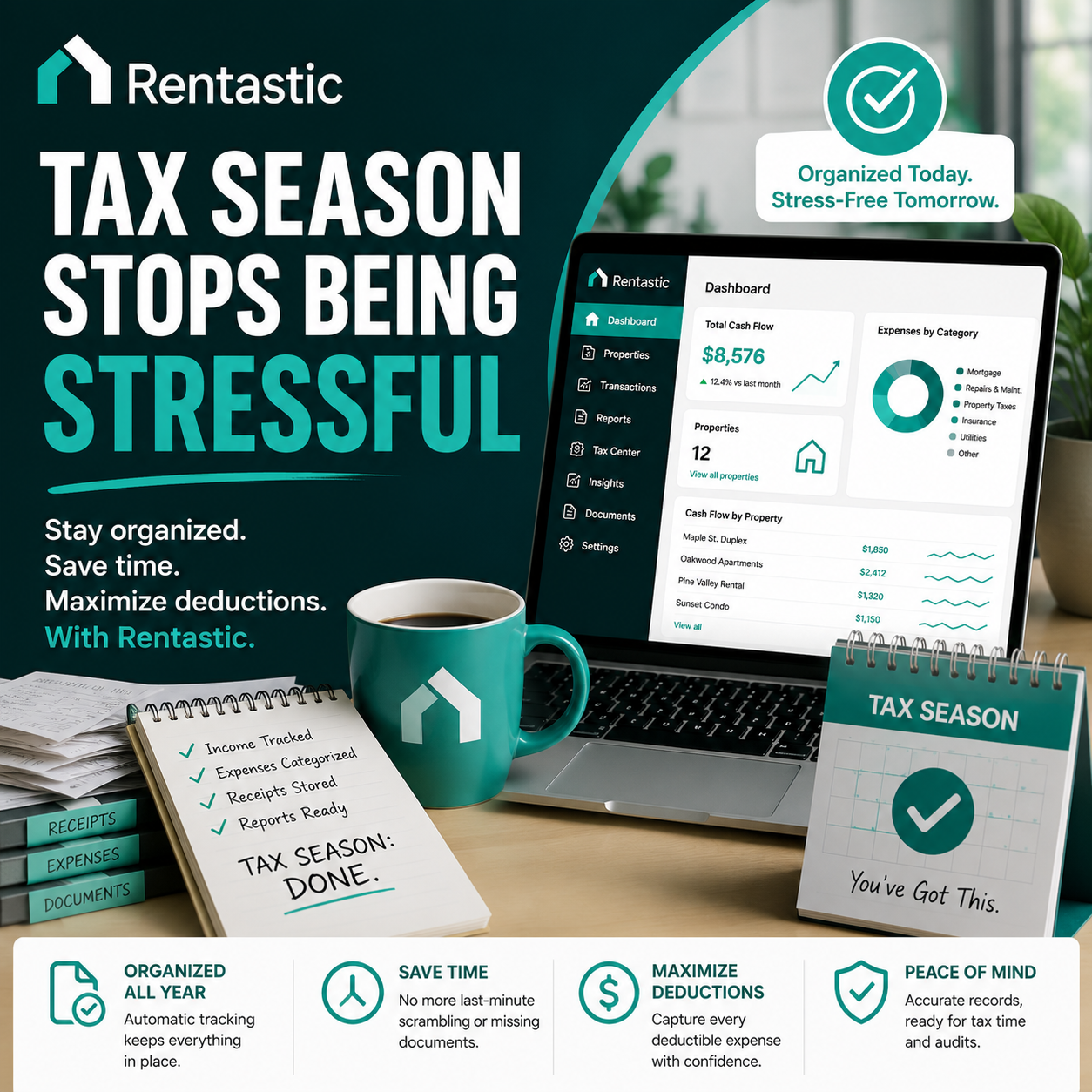
Tax time is stressful if you scramble at the last minute. With multiple properties, multiple lease types, and different expense categories, it becomes easy to miss deductible items or double-count costs.
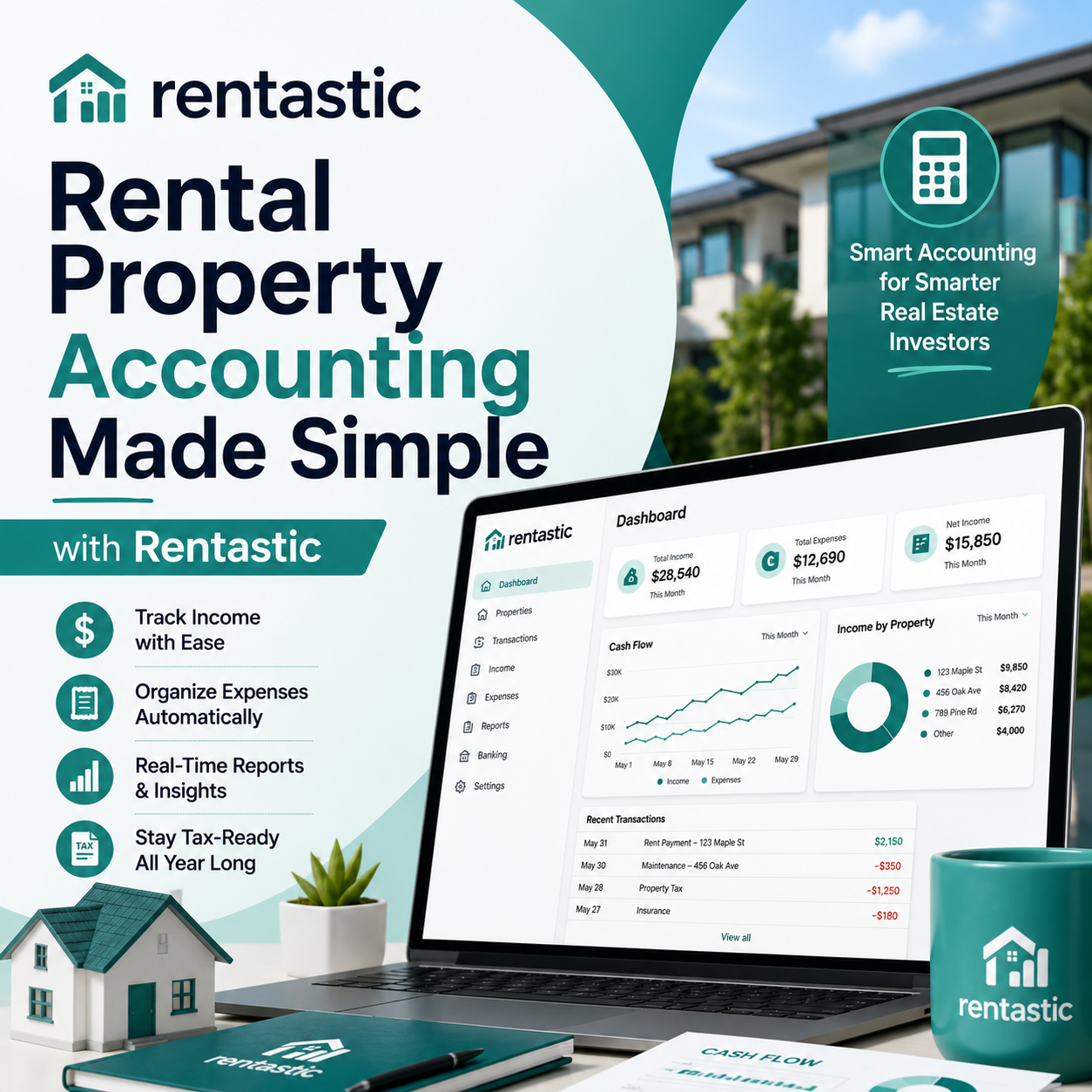
Rentastic significantly reduces that stress for commercial real estate investors by:
Using rentastic year-round means tax preparation is more like a quick review than a frantic reconstruction of the past 12 months.
As a landlord, property manager, or investor, you are often:
If your financials live only on a desktop spreadsheet, you are always behind. Mobile access lets you:
Rentastic offers a mobile app with a user-friendly interface, built for investors who are rarely at a desk all day. From the app, you can:
This flexibility makes it easier to stick with good financial habits, which keeps both gross and triple net leases running more smoothly.
Choosing between a triple net lease and a gross lease is not about which is “better” in theory. It is about which structure fits your risk tolerance, your tenant base, and how you prefer to manage properties.
Use this quick lens:
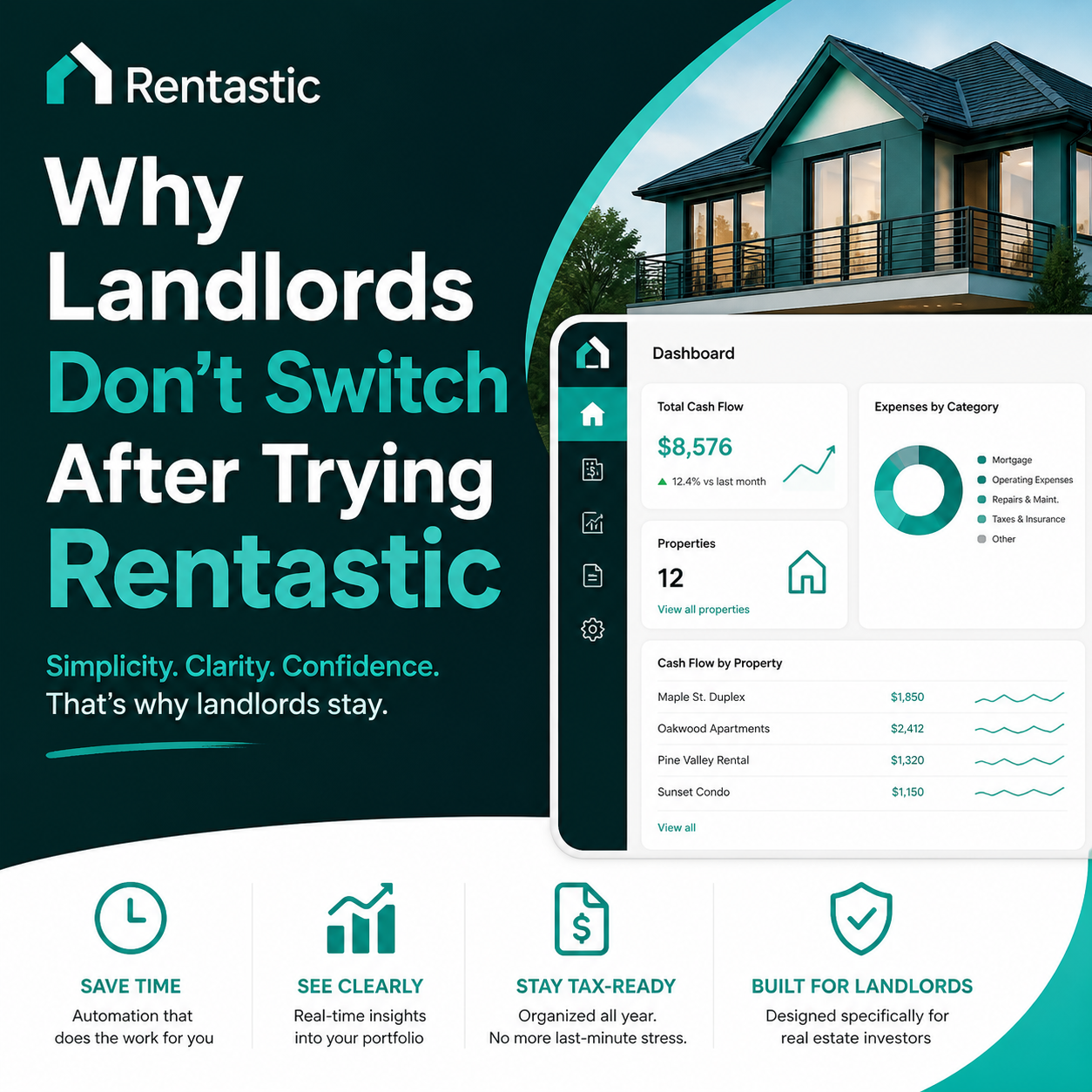
Whichever path you choose, your real edge comes from clear financials and low-friction operations. That is where a dedicated tool like rentastic helps. Rentastic centralizes your property data, automates transaction tracking, supports NNN reconciliations, and simplifies tax season, so you can spend more time finding the next good deal and less time chasing receipts (Rentastic).
Your next step: pick one property, map out its current lease structure and cash flow, then plug those numbers into a tool like Rentastic. Once you see your real returns clearly, your choice between triple net and gross leases will feel a lot more confident.
RECENT POSTS


© 2025 Rentastic
Rentastic is registered as a trademark. Terms and conditions, features, support, pricing, and service options subject to change without notice.















.png)





























.png)





























Comments