

Multifamily investors like you are walking into 2026 with more data, higher rates, and tighter margins than you saw a few years ago. The “best cities for real estate investment in 2026” are no longer just the fastest growing or flashiest markets. The best cities are where cash flow, risk, and long‑term growth line up in a way that fits your strategy.
This is where a platform like rentastic changes the game. Instead of chasing headlines, you can track real cash flow, ROI, and expenses across your portfolio and see which markets actually perform.
In this guide you will learn how to spot the strongest multifamily markets for 2026, how to separate hype from true returns, and how to use rentastic to compare cities by real performance, not guesses.
“Best” looks different depending on whether you are a buy and hold landlord, a value add investor, or a property manager focused on stable fees. Before you pin down cities, get clear on what you want the market to do for you.
For 2026, you might prioritize:
Each goal pushes you toward different types of cities.
If you want strong current cash flow, you might lean into secondary or tertiary Sun Belt markets where prices are still below national averages but rents have caught up. If you are banking on appreciation, you might accept thinner margins in high growth metros where demand and incomes are rising fast.
With rentastic, you can make those tradeoffs visible. The platform automatically pulls income and expenses from your connected bank accounts and turns them into live cash flow and ROI tracking for each property and market (Rentastic Blog). That means you do not just talk about “great cash flow cities.” You can see which markets in your portfolio actually deliver it.
Cap rate and gross rent multiplier still matter, but they no longer tell the whole story. In 2026 you also have to factor in:
Platforms like rentastic capture all of these as they hit your bank account, including insurance and HOA swings in markets such as Tampa Bay (Rentastic Blog). You can watch your “great on paper” market either hold up or quietly erode your margins over time.
If you have owned rentals for a few years, you know the pro forma rarely survives the first year intact. That is why the “best cities for real estate investment in 2026” should be judged by what they actually earn you, not by what a spreadsheet promised three summers ago.
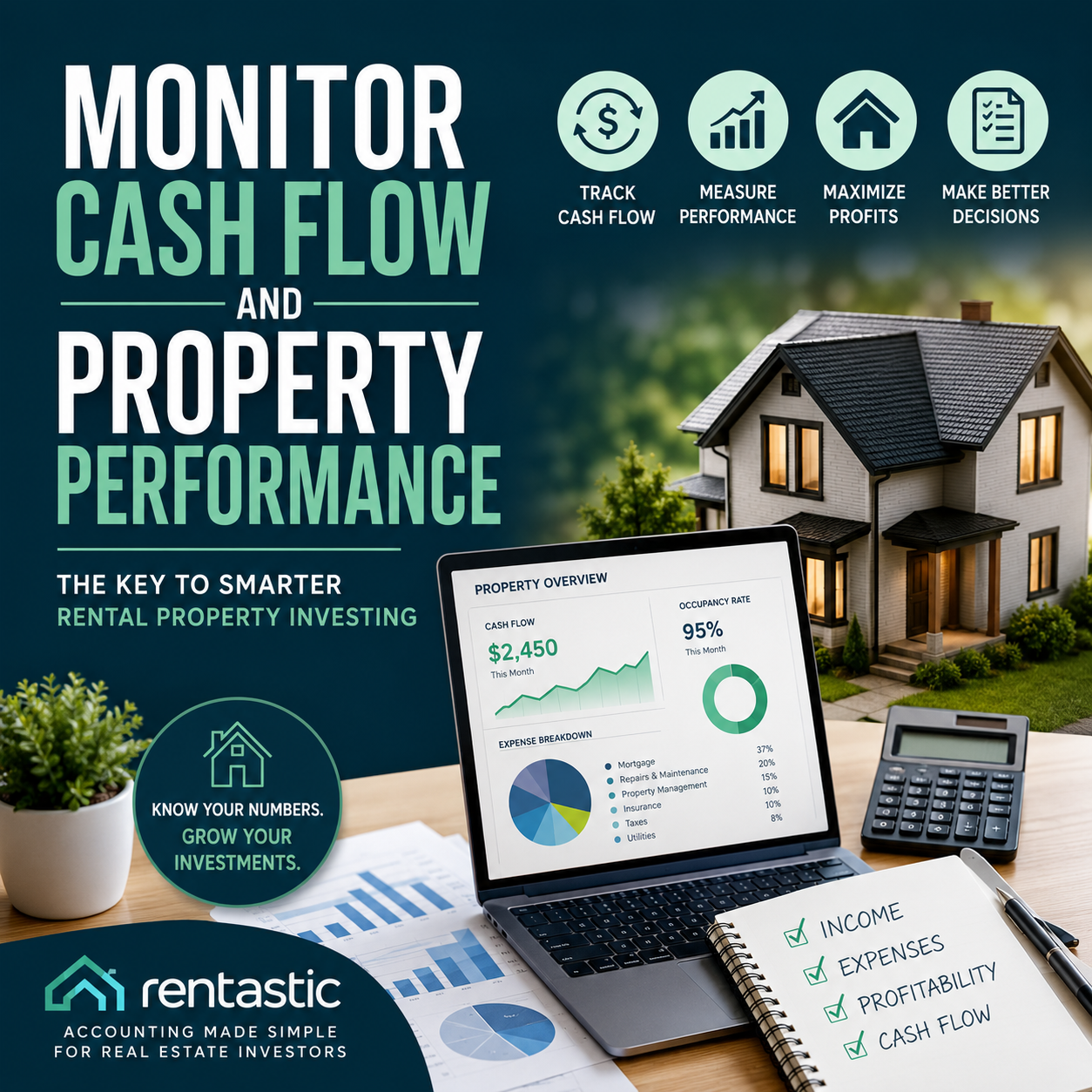
Rentastic imports income and expenses directly from your bank accounts and turns them into:
This gives you a clean, objective view of how each market is performing right now, not last tax season. According to the Rentastic team, this real time view helps investors pick 2026 growth cities based on actual returns rather than optimistic estimates (Rentastic Blog).
In practice, that looks like:
Instead of guessing which market deserves your next down payment, you follow the numbers.
In 2025 and 2026, Rentastic expanded portfolio‑wide analytics so you can compare ROI across multiple cities in one view (Rentastic Blog). For multifamily investors like you, that is huge.
You can:
Maybe Raleigh Durham is delivering a better ROI than Austin for your specific properties. Or Tampa is cash flowing well but insurance volatility makes you cap your exposure there. With rentastic, those patterns become obvious, so you can double down on what is working.
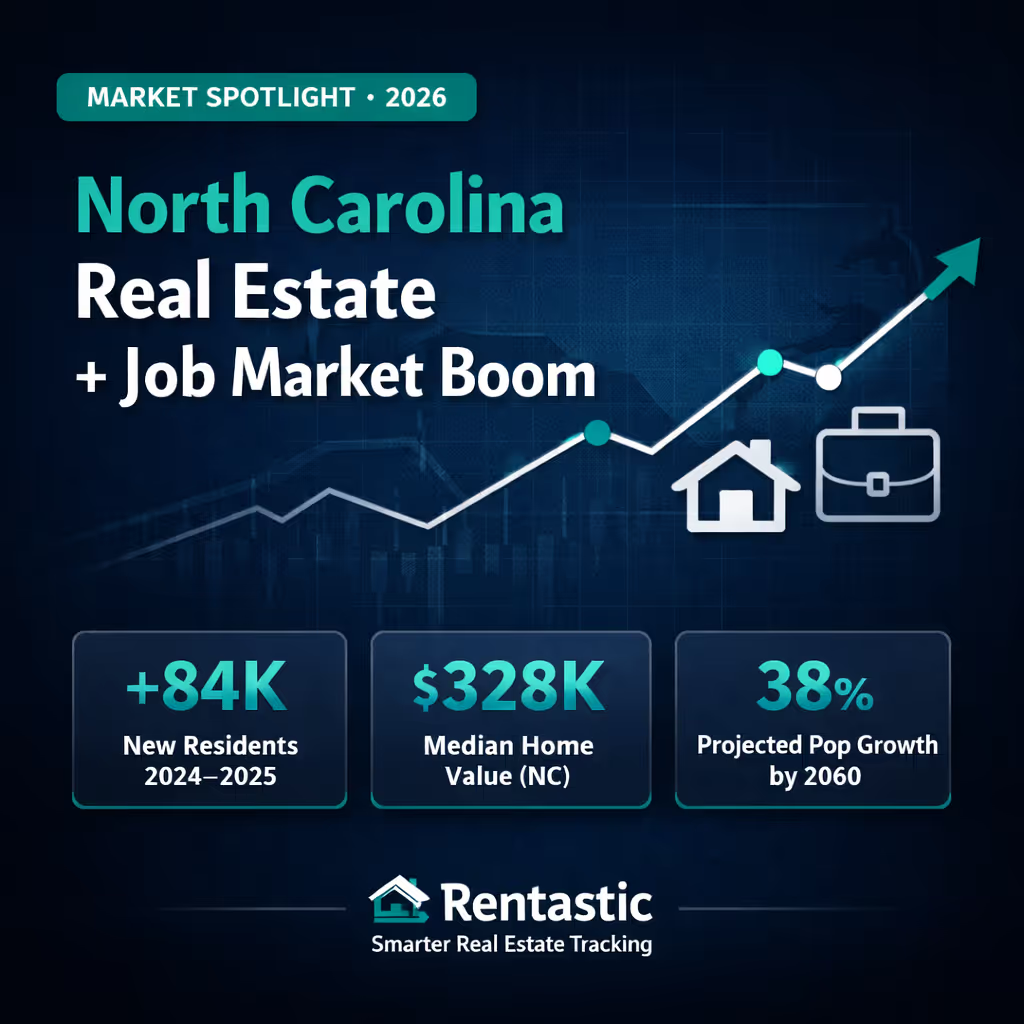
Many of the best cities for multifamily investment in 2026 will sit in the Sun Belt: places like Raleigh Durham, Austin, and Tampa. They have strong population inflows, job growth, and relative affordability compared to coastal hubs. But they are not equal, and you cannot treat them as a single “Sun Belt bet.”
According to Rentastic, investors are using the platform to compare ROI across multiple Sun Belt cities such as Raleigh Durham, Austin, and Tampa, then identifying which ones deliver the highest return on equity (Rentastic Blog).
To do the same, you can:
The result is your personal leaderboard of “best cities” for 2026, grounded in your own portfolio, not generic national averages.
Sun Belt markets can come with fast growth and fast changing costs. Tampa Bay is a good example. Rentastic’s automatic bank synchronization captures real time income and expense fluctuations, including insurance and maintenance, which gives you accurate monthly cash flow insights in markets like Tampa (Rentastic Blog).
That means you can:
Instead of getting surprised at tax time, you see the impact in your monthly numbers and can pivot sooner.
The best multifamily markets in 2026 will give you a blend of reliable cash flow and long term upside. But that balance looks different depending on your timeline and risk tolerance.
A helpful way to think about your portfolio is to assign each city a “job”:
Using Rentastic’s real time cash flow analysis and ROI tracking, you can see which cities actually fit these roles (Rentastic Blog).
For example:
Once you see the roles, you can decide where to add more multifamily units and where to pause.
Headline rent growth can hide painful cost creep. Before you label any metro one of your “best cities for real estate investment in 2026,” ask:
Rentastic helps investors manage Sun Belt specific risks by capturing fluctuating insurance and HOA fees in coastal markets and dropping them directly into monthly cash flow analysis (Rentastic Blog). That lets you stress test a city before you scale up there.
Picking cities is not a one time decision. In 2026, the “best” markets can change quickly as rates, regulations, and costs move. You need a system that keeps you informed without burying you in spreadsheets.
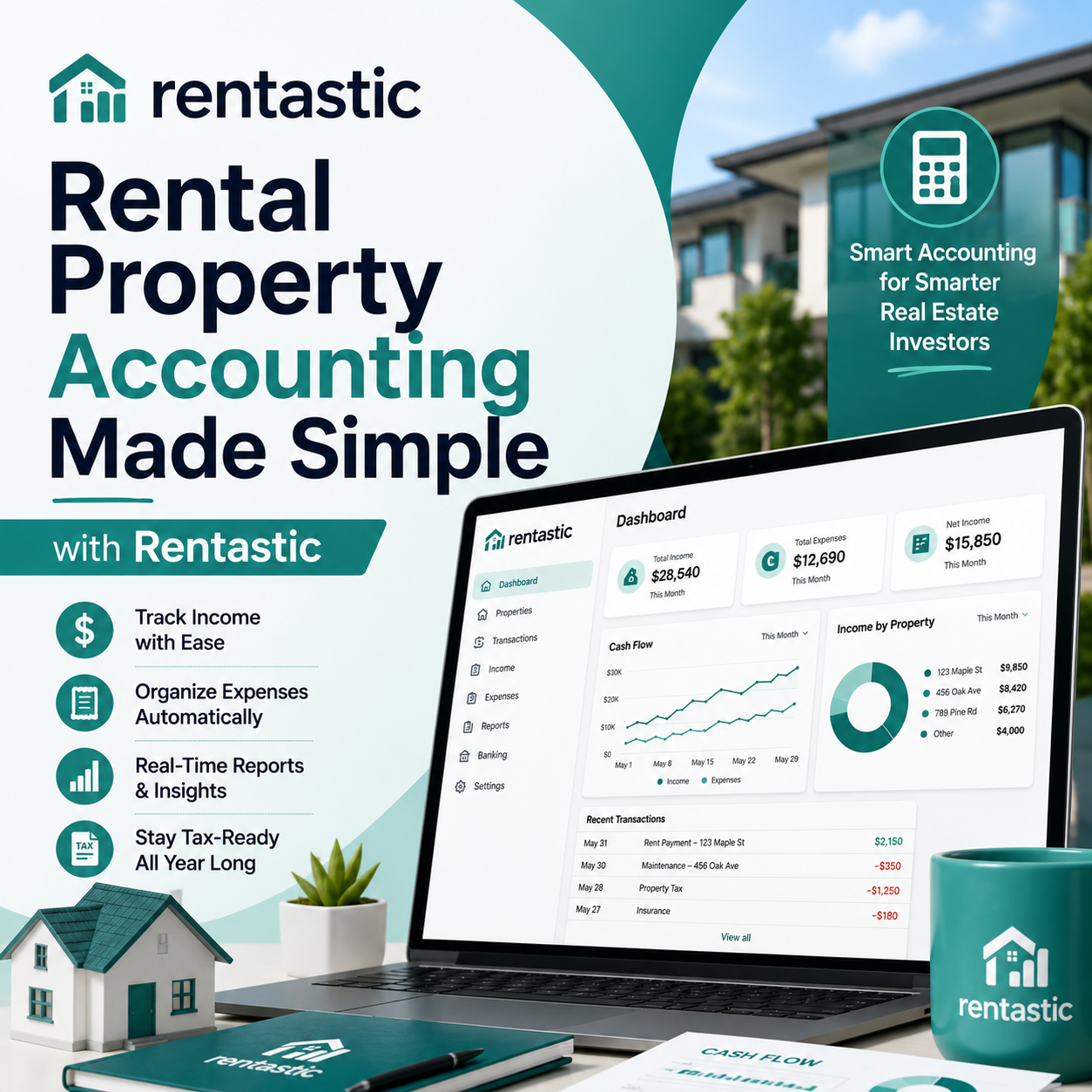
Rentastic is a real estate data platform that gives you:
Landlords and investors use it as both an accounting tool and a live market sensor for thousands of properties managing millions in real estate assets (Rentastic Blog). Instead of downloading bank statements, updating a manual P&L, then trying to compare cities once a year, you have a current picture any time you log in.
This matters when you are choosing where to buy next. If one of your cities suddenly shows shrinking cash flow or falling ROI, you can slow acquisitions there and redirect capital to a market that is quietly outperforming.
According to a Rentastic report, about 71 percent of landlords are optimistic about profits in 2026 and rely on platforms like Rentastic to track cash flow, ROI, and tax metrics across their rental portfolios, even with higher interest rates and shifting regulations (Rentastic Blog, Rentastic Blog).
For you, that means two things:
If your live portfolio numbers start to diverge from the market “story,” trust your data. It might be time to lean into a quieter city while everyone else chases the headline favorite.
Every cycle has winners that become too popular. In 2026, you want to avoid buying into cities that already priced in the next five years of rent growth.
Rentastic lets you compare ROI, cash flow, and expenses by city or state so you can make decisions that go beyond general market buzz when selecting 2026 investment cities (Rentastic Blog). When a city gets hot, check:
If your portfolio already shows flat or declining returns in a popular city, that is a warning that new acquisitions there may not meet your targets.
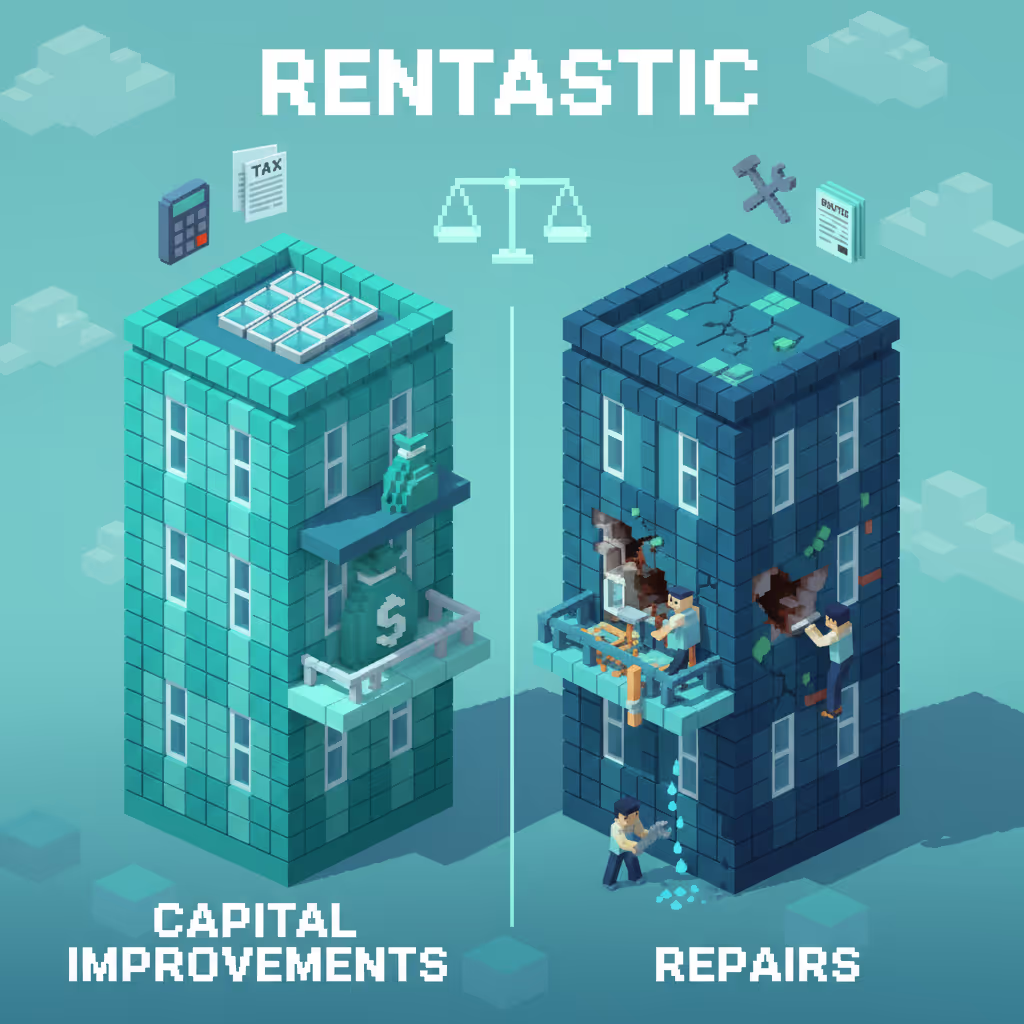
In competitive markets you can feel pressure to over‑improve units. Rentastic helps you track and evaluate the financial impact of property upgrades and amenities by measuring their influence on:
This is especially useful in growth markets for 2026 where investors are tempted to overspend to stand out (Rentastic Blog). If your data shows that granite, smart locks, or an on site gym did not move the needle on NOI, you have a strong signal to pull back on capex in that city.
Taxes matter twice: as an expense line for each property and as time and complexity at filing. In a multifamily portfolio spread across states, that complexity adds up.
A city can look great on gross cash flow while leaving you with a heavy tax burden. To get a clean picture of “best” cities, you want to know:
Rentastic generates automated P&L statements in seconds, which cuts tax preparation time drastically compared with older tools and generic bookkeeping software (Rentastic Blog). With one click, you can see which cities are the most tax efficient on a net basis.
That clarity lets you:
You do not have to guess which are the best cities for multifamily investment in 2026. You already have a powerful dataset hiding in your own portfolio. With rentastic, you can surface it and use it to guide every next deal.
Here is a simple way to turn this article into an action plan:
Multifamily investing in 2026 will reward investors who treat their portfolio like a living dataset, not a static spreadsheet. With platforms like Rentastic giving you real time visibility into cash flow, ROI, and tax details, you can stop chasing hype and start building in the cities that actually pay you.
RECENT POSTS


© 2025 Rentastic
Rentastic is registered as a trademark. Terms and conditions, features, support, pricing, and service options subject to change without notice.












.png)






















.png)



























Comments