

If you invest in commercial property, you will hear about triple net leases very quickly. A triple net, or NNN, lease is a lease where the tenant pays three key expense categories in addition to base rent. Those three nets are:
You still collect rent, but your tenant takes on most of the ongoing property costs. You can think of it as closer to an ownership experience for the tenant, with you holding title and collecting a relatively stable income stream.
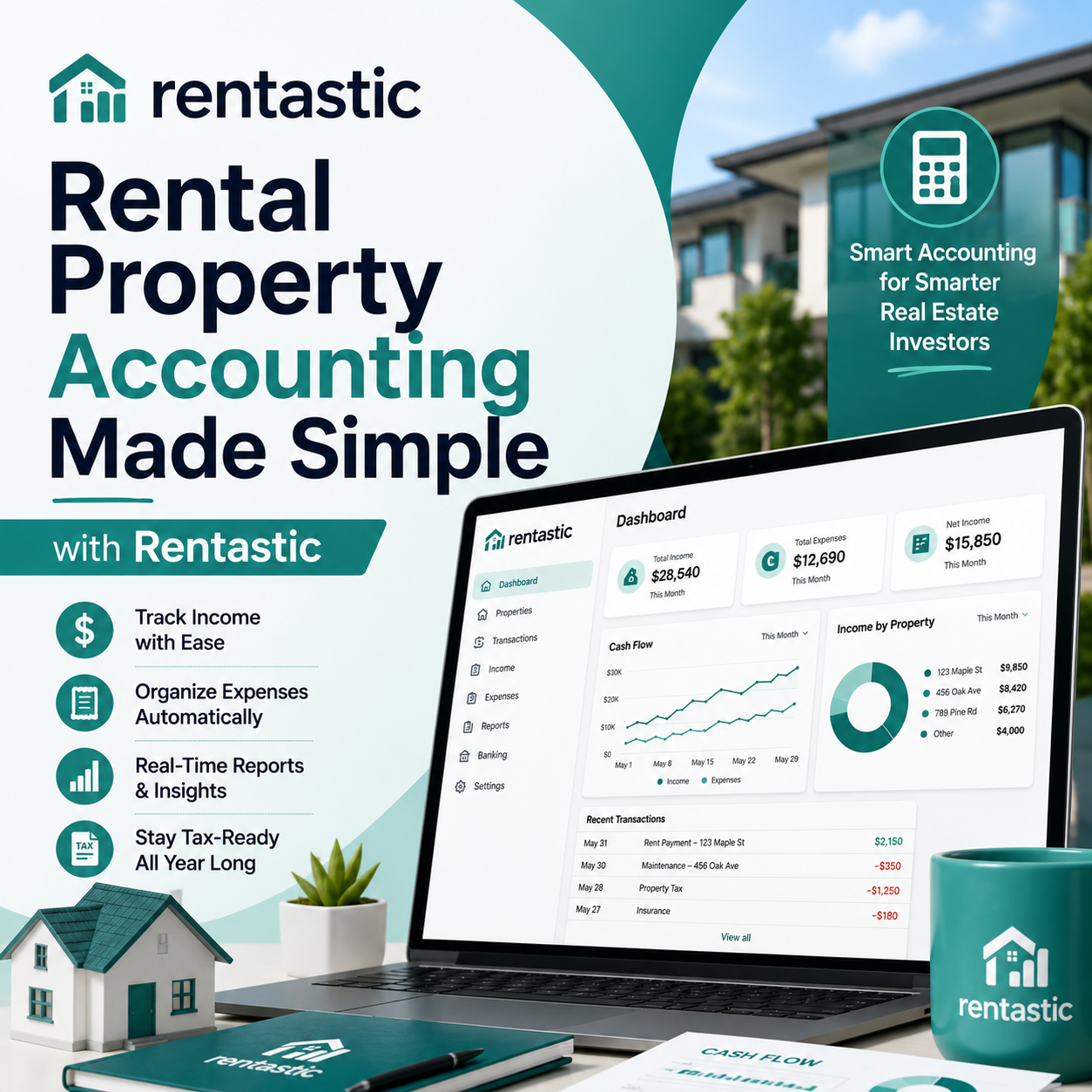
Rentastic, and similar modern tools for investors, make it much easier to track the income and expenses around NNN deals so you get the upside without drowning in spreadsheets (Rentastic).
In this guide you will see how triple net leases really work, what you are responsible for as the owner, what your tenant is responsible for, and how a platform like rentastic can help you manage NNN properties with less friction.
Before you can fully understand a triple net lease, it helps to compare it to the other common structures.
In a gross lease, your tenant pays one number each month. You, as the landlord, cover most expenses:
This model is more common in smaller offices and some retail spaces. It can feel simpler for tenants, and you build expected costs into the base rent.
The tradeoff is that you take on more risk. If taxes jump or maintenance costs spike, your net income falls unless you can raise rent at renewal.
A modified gross lease splits the difference. The tenant pays a base rent plus some, but not all, operating expenses. Details vary, which is why modified gross leases often take more negotiation.
Examples include:
In a classic triple net lease, your tenant pays:
You still retain responsibility for major structural components, and your lease needs to spell this out, but many routine costs transfer to the tenant.
With a triple net lease your income stream becomes more predictable, since many variable expenses are pushed to the tenant. This is one reason NNN properties are so popular for long term investors.
Triple net leases are all about clear assignment of costs. You will see that each “net” addresses a major expense bucket.
In an NNN lease your tenant pays their share of property taxes. The lease usually explains:
You still receive the tax bill from the local authority in most cases. The tenant either pays you through monthly installments or reimburses you once you provide proof of payment.
Insurance in a triple net lease typically includes two layers:
The lease allocates the cost of your policy to the tenant in proportion to their space. You may charge them monthly based on an annual estimate. You will likely require proof of their own coverage, with you named as an additional insured.
Clear insurance clauses protect both of you. They also help avoid last minute confusion if a claim arises, or if you refinance and your lender reviews the leases.
Common area maintenance, or CAM, is where many NNN misunderstandings start. CAM and operating costs typically include:
You recover these costs from tenants based on a formula in the lease. For example, a tenant who leases 10 percent of the building might pay 10 percent of CAM.
Rentastic points out that automating income and expenses gives you and your tenants a clearer, up-to-date picture of these shared costs, and that can reduce friction at year end (Rentastic).
Even with a triple net lease, you are not fully hands off. You keep several core obligations.
You are typically responsible for:
You can sometimes pass through some or all of these costs, especially in multi tenant properties, but investors and courts often treat them differently from routine maintenance.
Spelling out these duties clearly in your NNN lease helps avoid disputes and makes your asset more attractive to future buyers.
Your tenant handles day to day operations. You still need to watch:
You can require tenants to operate in compliance with all laws, but regulators still see you as the property owner. Good NNN management never means total neglect.
Triple net leases have become a staple in commercial real estate portfolios. Rentastic notes several advantages of commercial investing that pair especially well with NNN structures (Rentastic).
Commercial properties often deliver higher rental income than many residential assets. In a triple net setup you also offload many variable expenses, which means:
This stability is one reason NNN assets are popular with investors looking for predictable cash flow over long terms.
Triple net leases often run for 5, 10, or even 20 years, sometimes with built in extension options. That consistency means:
Many national retailers and office tenants prefer NNN structures because they have more control over their space. That demand supports long lease terms.
Like other commercial properties, NNN assets offer:
You can also benefit from appreciation over time, especially if the property sits in a growing area and you lock in a strong tenant early.
Rentastic highlights that commercial real estate provides both income and appreciation potential, as well as diversification within a broader portfolio (Rentastic).
Triple net leases are not risk free. When you evaluate an NNN deal, you should be realistic about what could go wrong.
Because your tenant covers so many costs, your investment depends heavily on their financial strength. If a tenant fails:
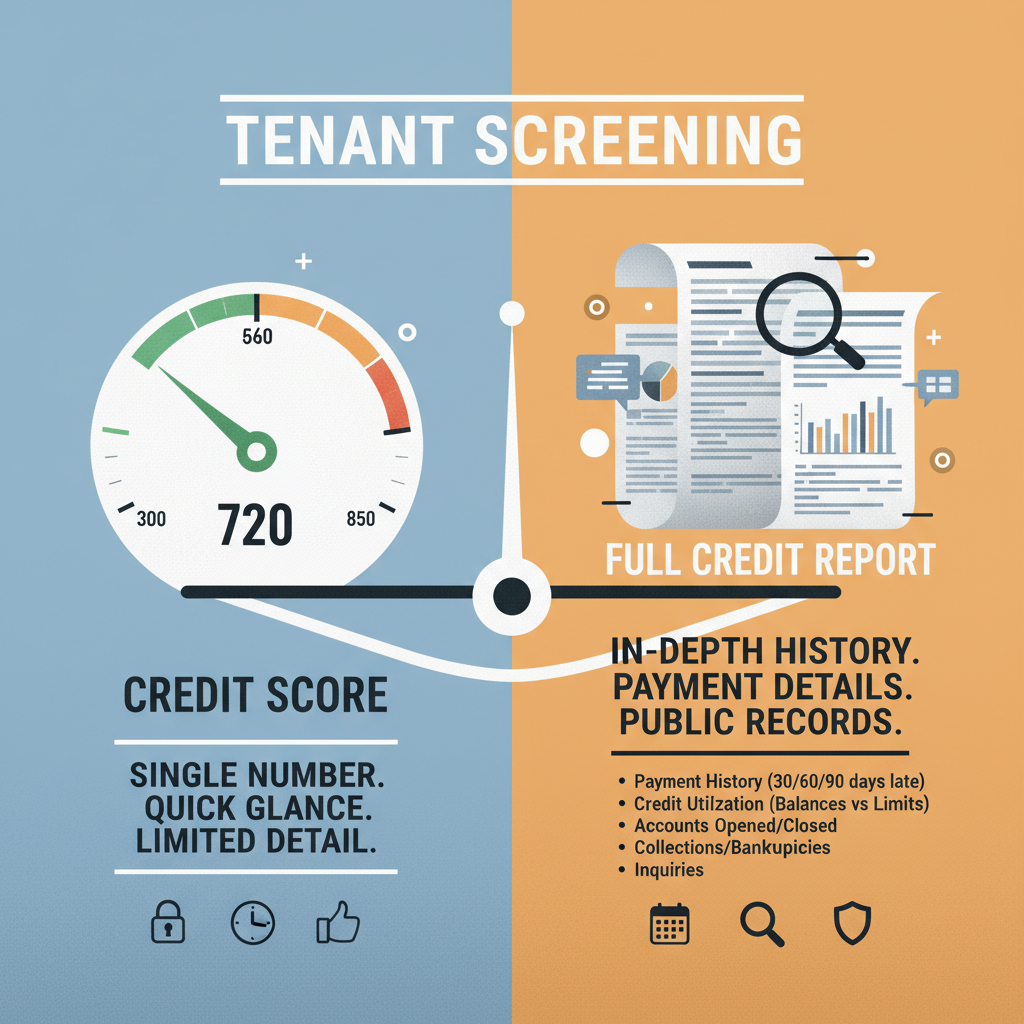
That is why due diligence on tenant credit is vital. You are not just leasing a space, you are effectively partnering with that business for many years.
Many NNN properties are built to suit a specific tenant, such as a pharmacy, bank branch, or restaurant. If they move out, you might face:
Before you buy, ask how easily the property could be adapted for a different user. Items like drive thru lanes, ceiling heights, and loading docks matter a lot, especially in industrial and warehouse properties. Rentastic notes that understanding tenant needs in these sectors is critical to long term success (Rentastic).
Even with clear leases, tenants sometimes push back on:
Accurate records and transparent communication can prevent many of these conflicts. A system like rentastic that tracks expenses by property and category, and can produce clean reports, simplifies your defense of CAM reconciliations.
When you look at a potential NNN deal, you want to move beyond the cap rate on the listing. Rentastic provides detailed guidance on how to evaluate commercial real estate deals, and many of those same metrics apply directly to triple net opportunities (Rentastic).
Start with the bigger picture:
Rentastic emphasizes the importance of location and market trends for spotting strong deals and avoiding weak ones (Rentastic).
Ask yourself:
Do not skim the lease. You should understand:
Triple net is a concept, not a guarantee that every lease is truly “tenant pays all.” The written lease controls, so you want your own legal review before committing.
Rentastic highlights several core investment metrics that help you compare deals (Rentastic):
For an NNN property, you still calculate net operating income, but many expenses are small or fully reimbursed. That can make the cash flow look very strong, which is part of the appeal.
Use conservative assumptions. Consider:
A tool like rentastic can help you model and then track ongoing performance against your expectations, by centralizing income and expenses in one place.
Rentastic stresses the need for thorough due diligence when you evaluate commercial properties (Rentastic). For an NNN property you should:
You may want specialized inspections too, such as environmental assessments or parking lot evaluations, depending on the property type.
Once you like the asset, think about:
Long leases with strong tenants can support attractive loan terms. They also appeal to buyers who seek stable cash flow, which may help your exit value.
Owning a triple net property can feel simple compared to more intensive management models, especially if you choose strong tenants. Still, you want a system that helps you see the full picture.
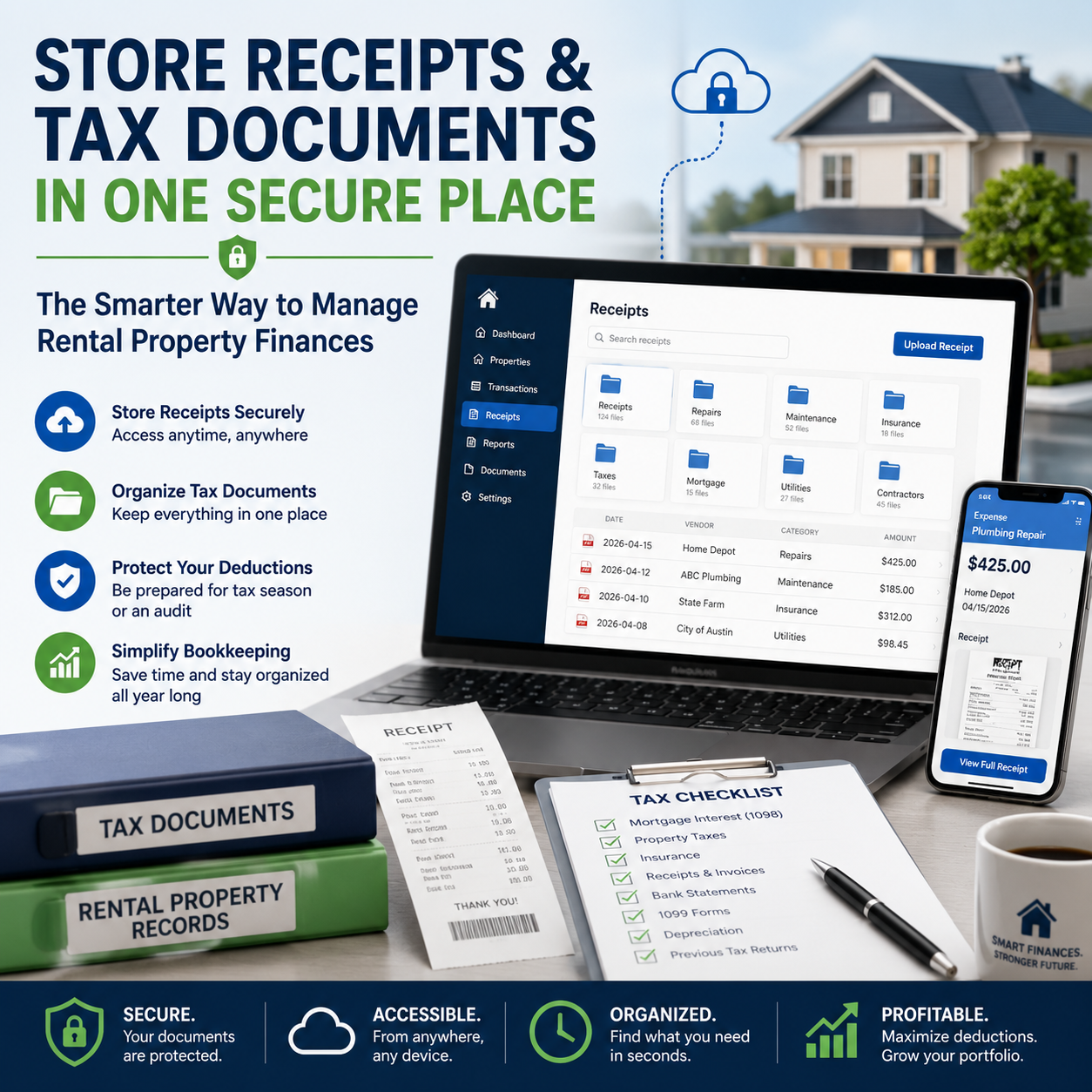
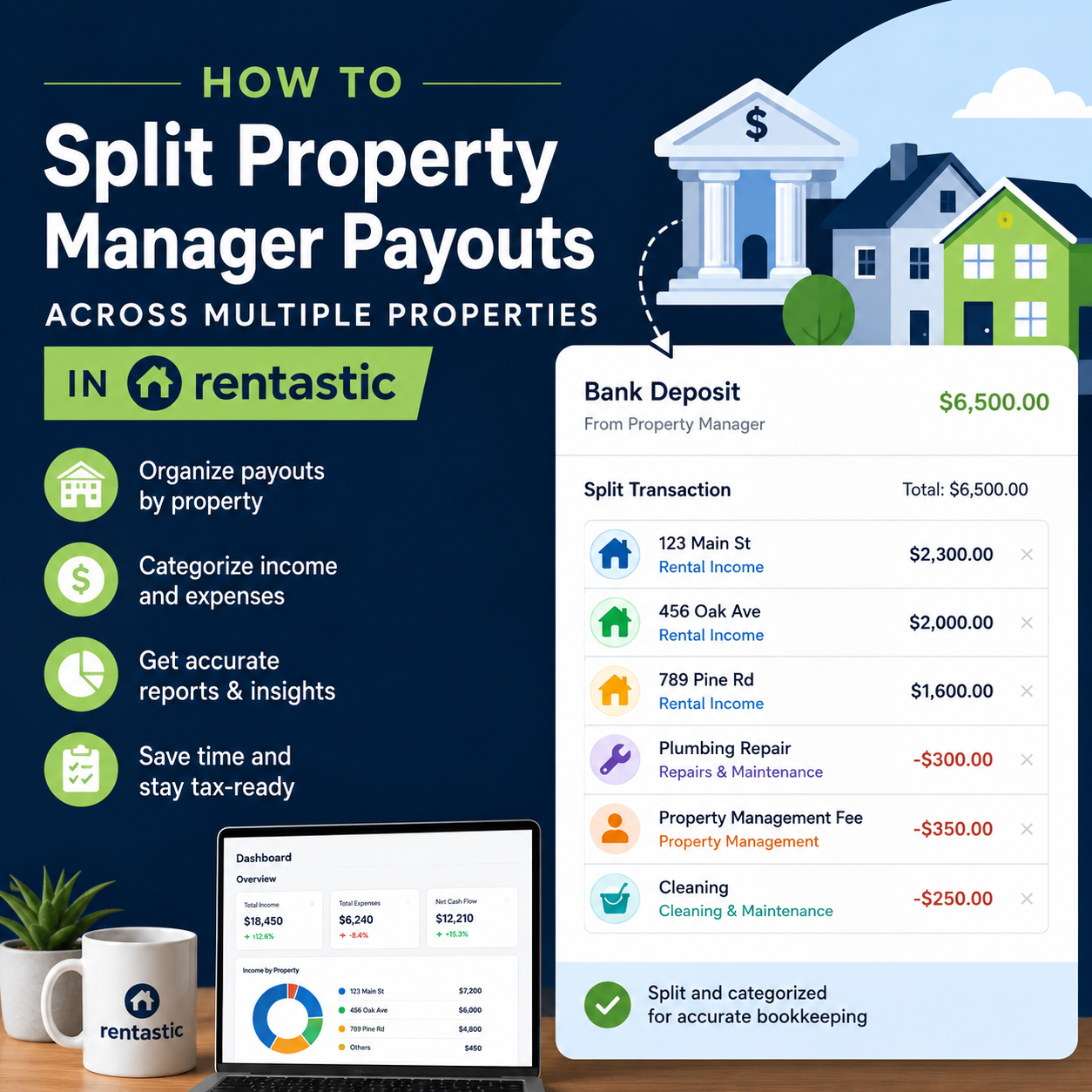
A platform like Rentastic lets you link your bank accounts so income and expenses flow into one centralized system automatically (Rentastic). For you, that means:
If a tenant ever questions a CAM reconciliation, you have organized records to support your numbers.
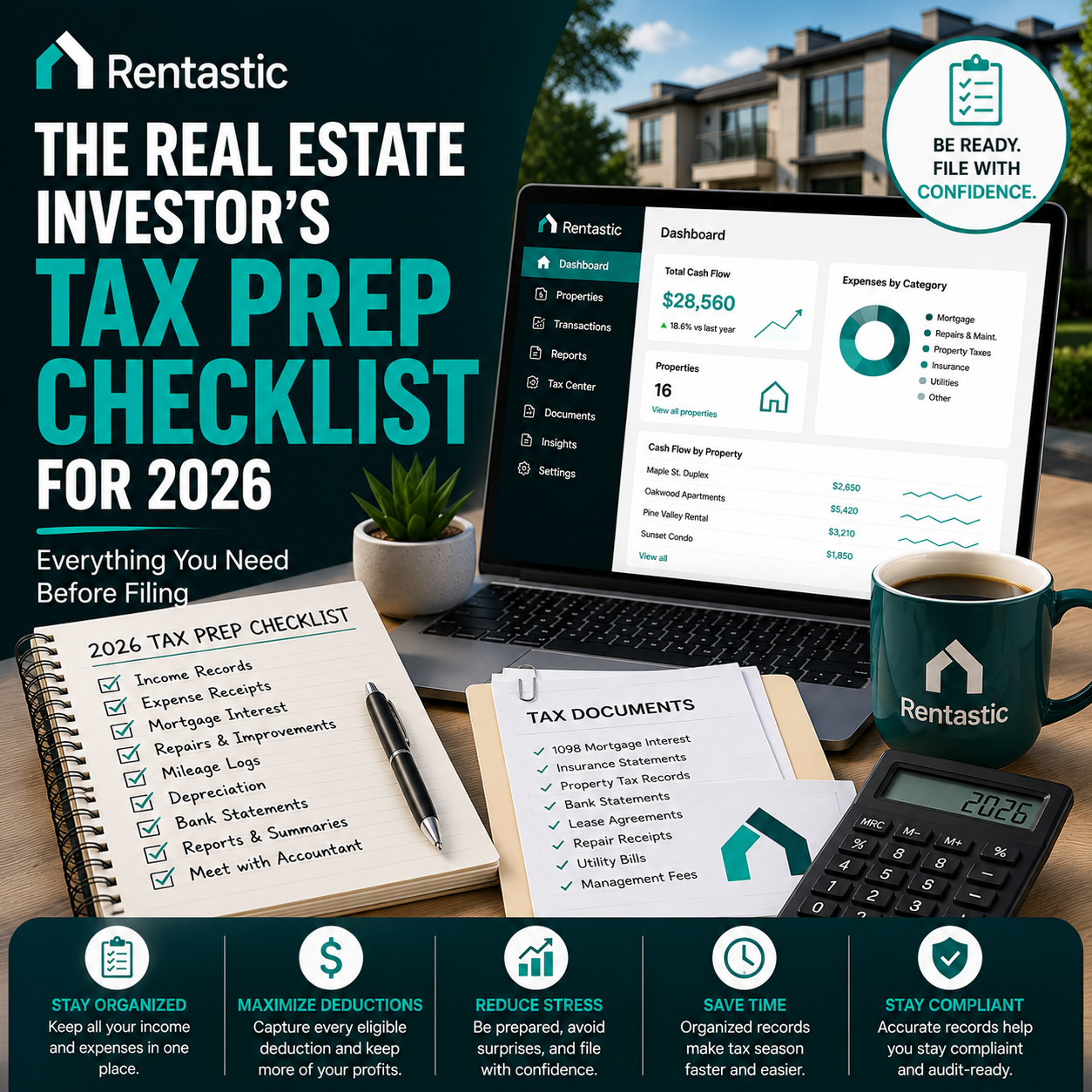
Rentastic notes that you can quickly generate profit and loss statements for your properties, which saves significant time and reduces tax season stress (Rentastic). That matters for triple net investors because:
Instead of scrambling each year, you can click to produce the reports your accountant needs. A workflow like this lets you focus on strategy rather than paperwork.
Rentastic users praise the mobile app and user friendly interface for managing leases and transactions from anywhere (Rentastic). That flexibility fits how many commercial investors operate:
With rentastic, you can categorize a new invoice, check property cash flow, or review a tenant payment right from your phone. That keeps your NNN portfolio current without tying you to a desk.
Triple net leases are one piece of the commercial investing puzzle. You do not have to choose only NNN, but you should see where they fit among your options.
Rentastic points out that multifamily properties often carry lower cap rates than office or retail, which signals that investors perceive them as more stable and less risky (Rentastic). Triple net properties, especially single tenant retail or office, can offer:
As you build a portfolio, you might mix:
If you like the idea of triple net income but do not want to own and manage property directly, Rentastic explains alternatives such as:
These vehicles often hold NNN properties as part of their portfolios. They can be a way to access the income characteristics of triple net leases if you prefer a more passive approach.
Triple net leases reward you when you stay organized and pay attention to details. That does not have to mean more manual work.
With rentastic, you can:
You get the confidence of clean financials and the freedom to focus on your next move, whether that is negotiating a new NNN lease, evaluating a fresh commercial deal, or exploring alternative vehicles like REITs and crowdfunding.
When you understand how triple net leases work, and you pair that knowledge with solid tools, you give yourself a clearer path to long term commercial real estate income with fewer surprises along the way.
RECENT POSTS


© 2025 Rentastic
Rentastic is registered as a trademark. Terms and conditions, features, support, pricing, and service options subject to change without notice.










.png)
























.png)






























Comments