
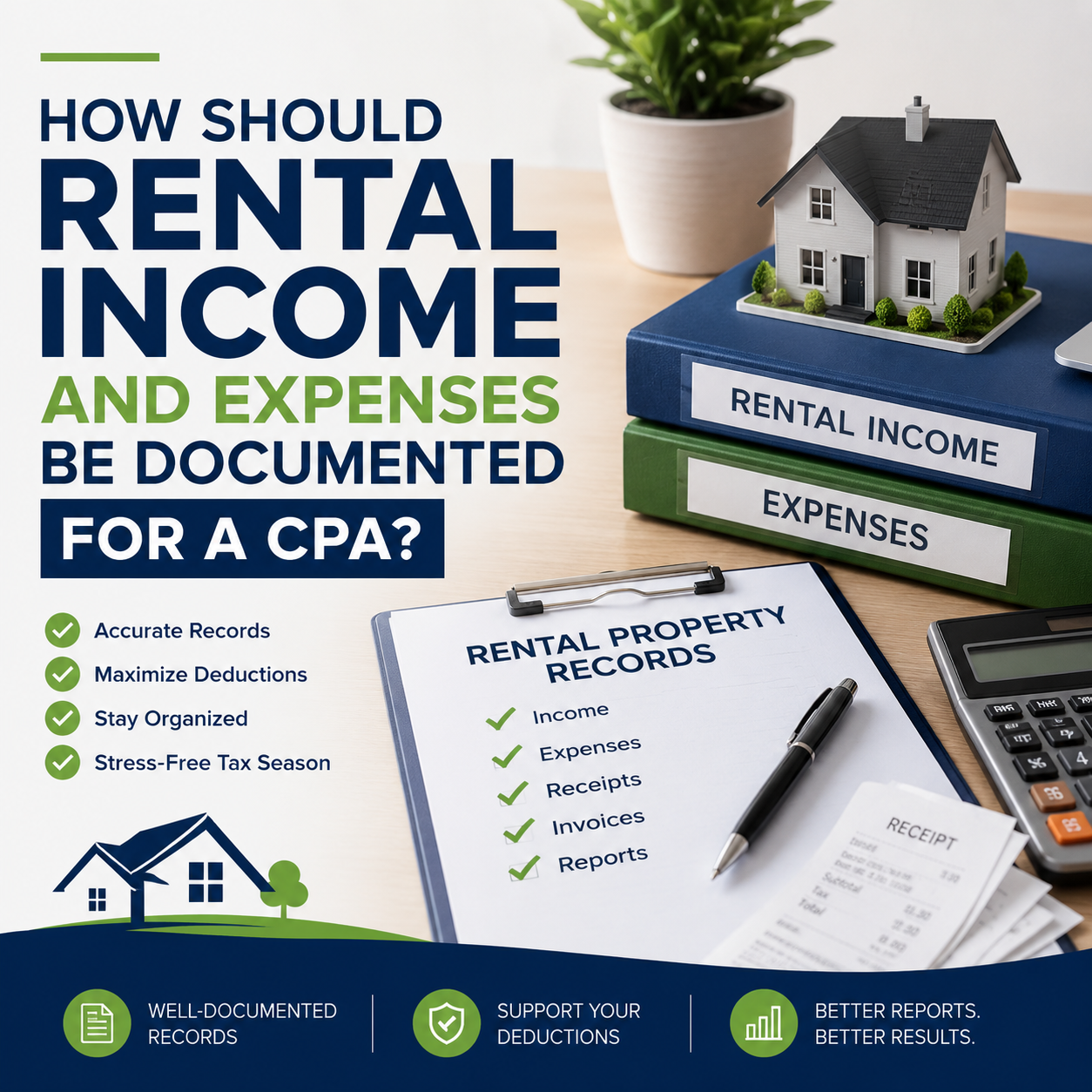
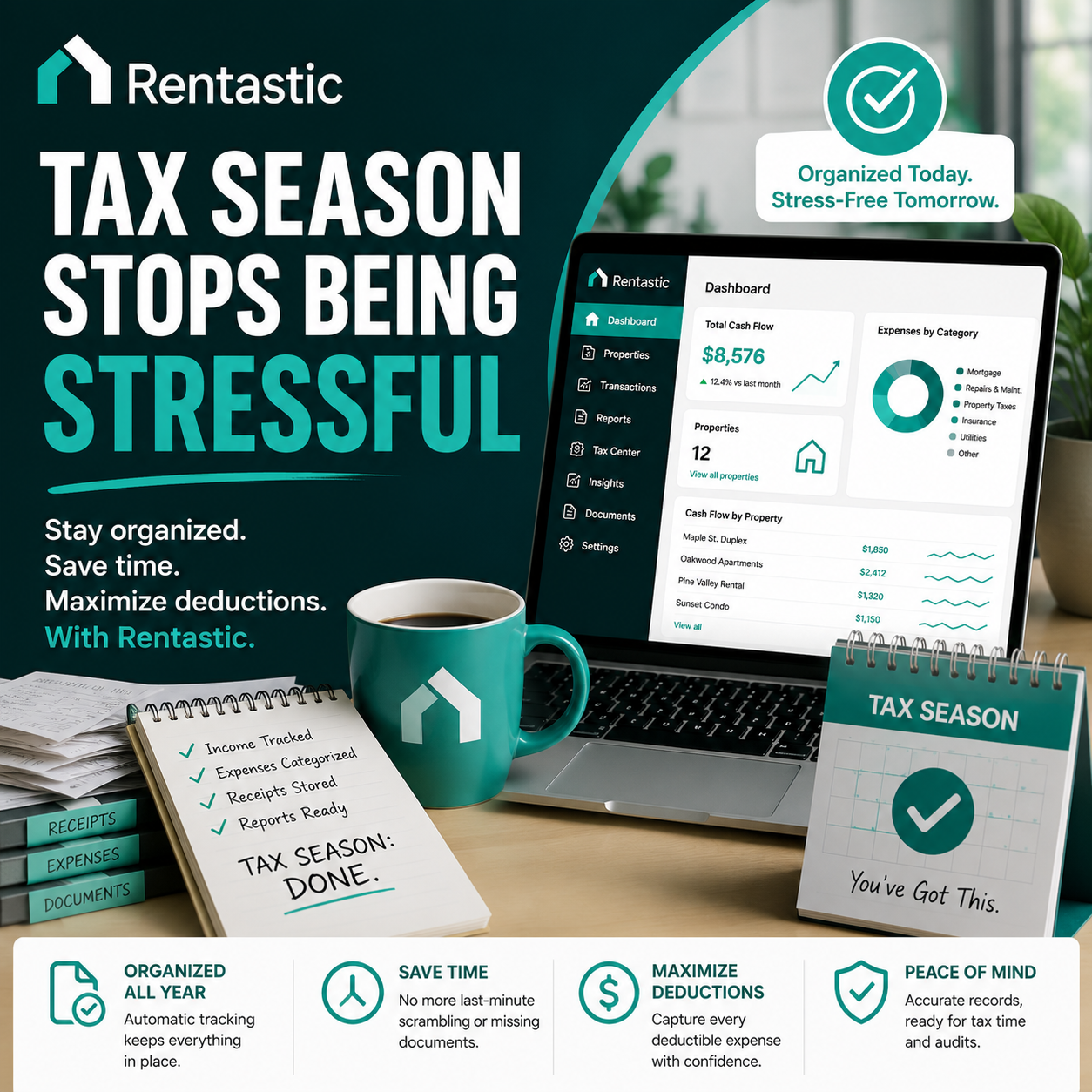
Tax season becomes much easier when your financial records are organized throughout the year. Whether you own one rental property or an entire portfolio, keeping accurate documentation helps your CPA prepare your tax return, maximize deductions, and reduce the risk of errors or audits.
Here's what every real estate investor should keep organized.
Your CPA needs a complete record of every dollar your rental properties generate. This includes more than just monthly rent payments.
Be sure to track:
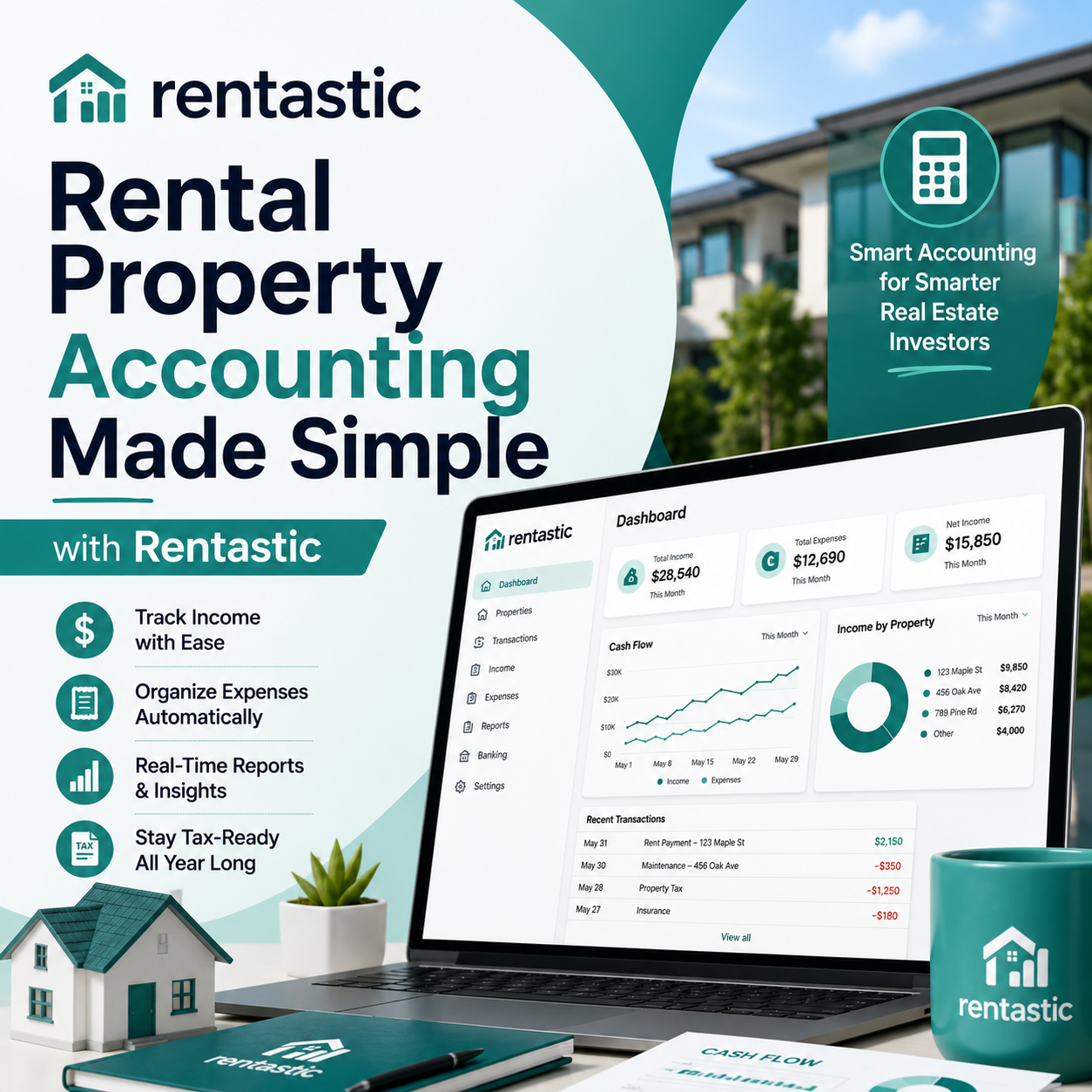
Using a dedicated rental property accounting system makes it much easier to categorize income by property and generate accurate reports.
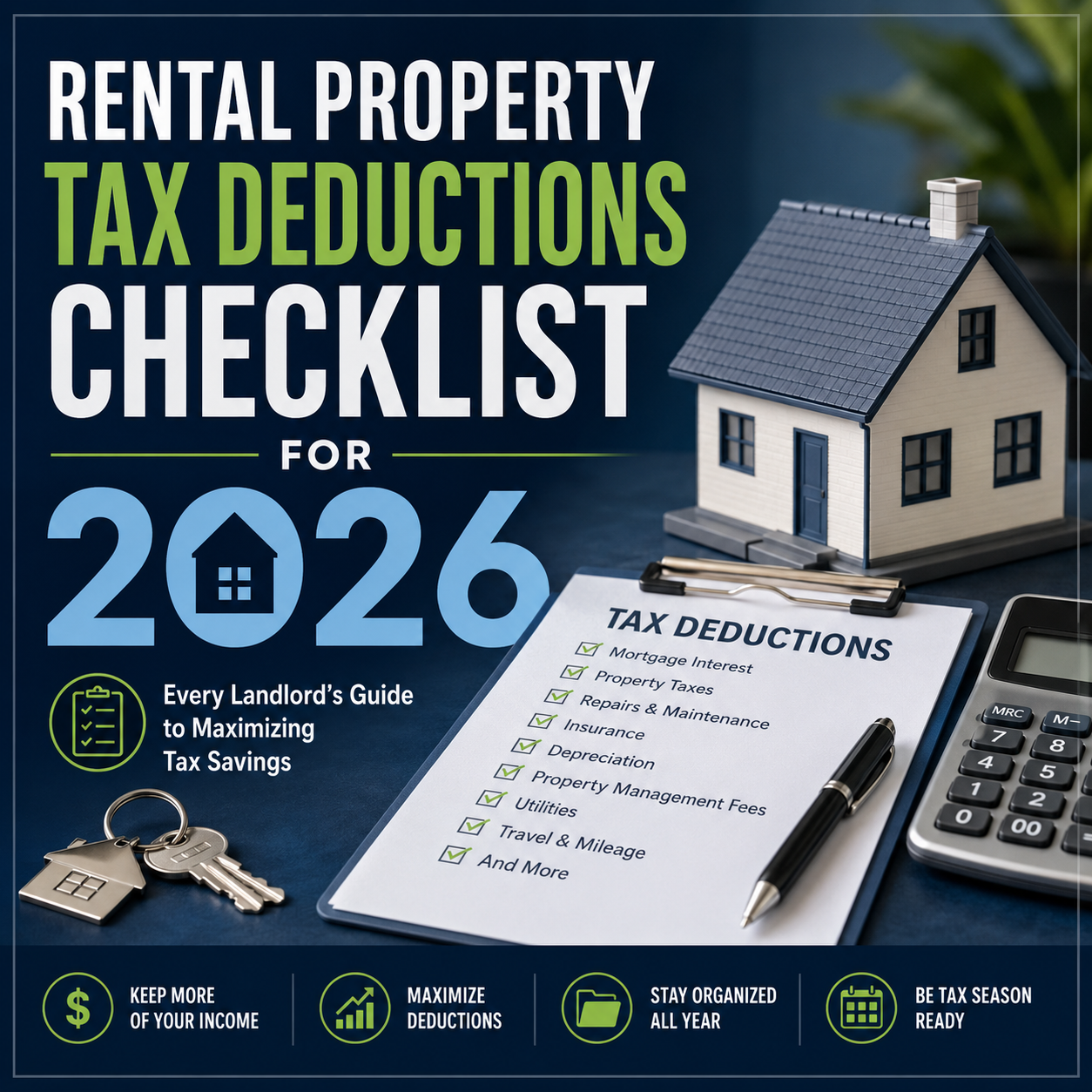
Every legitimate business expense should be documented with supporting records.
Common deductible expenses include:
Always save receipts, invoices, and payment confirmations whenever possible.
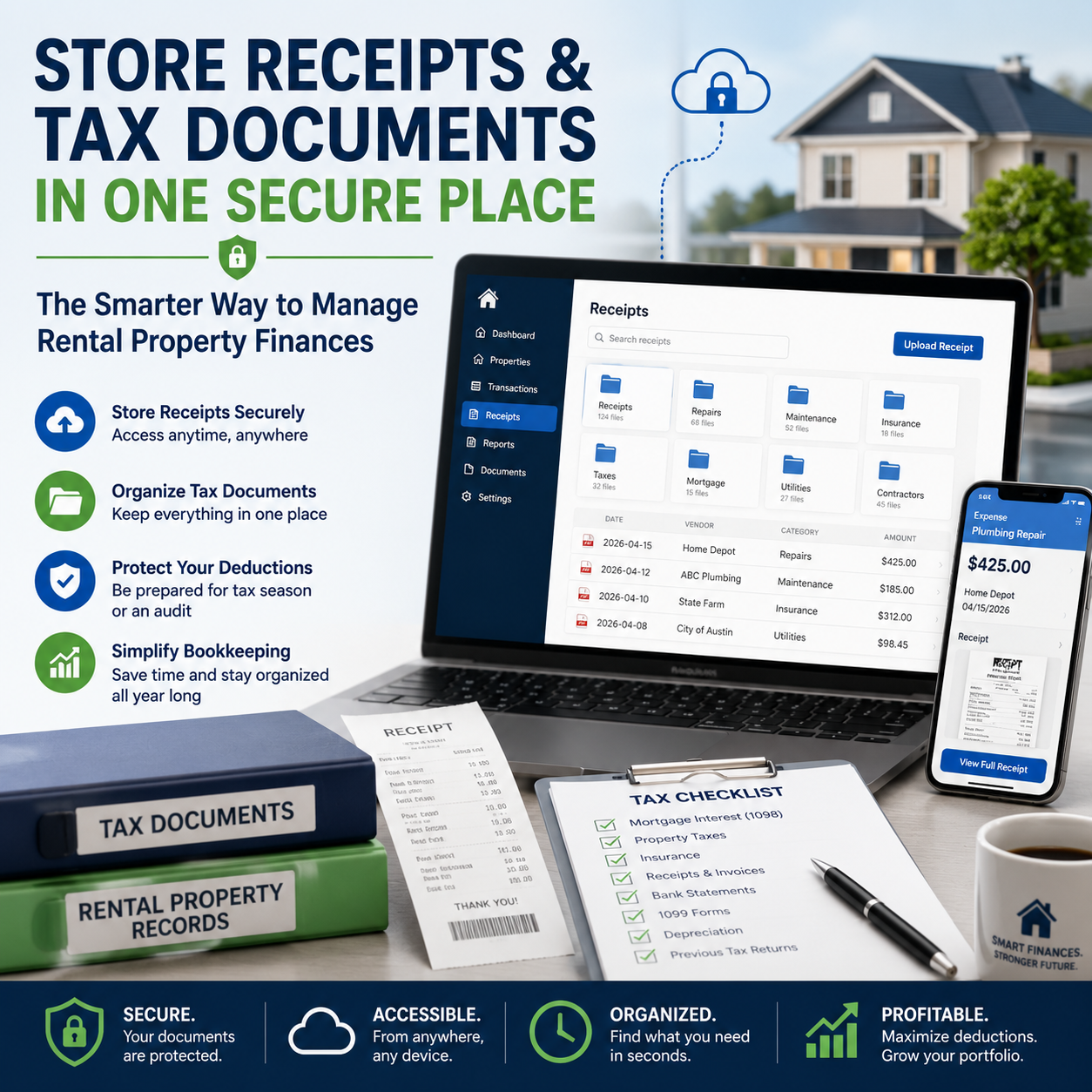
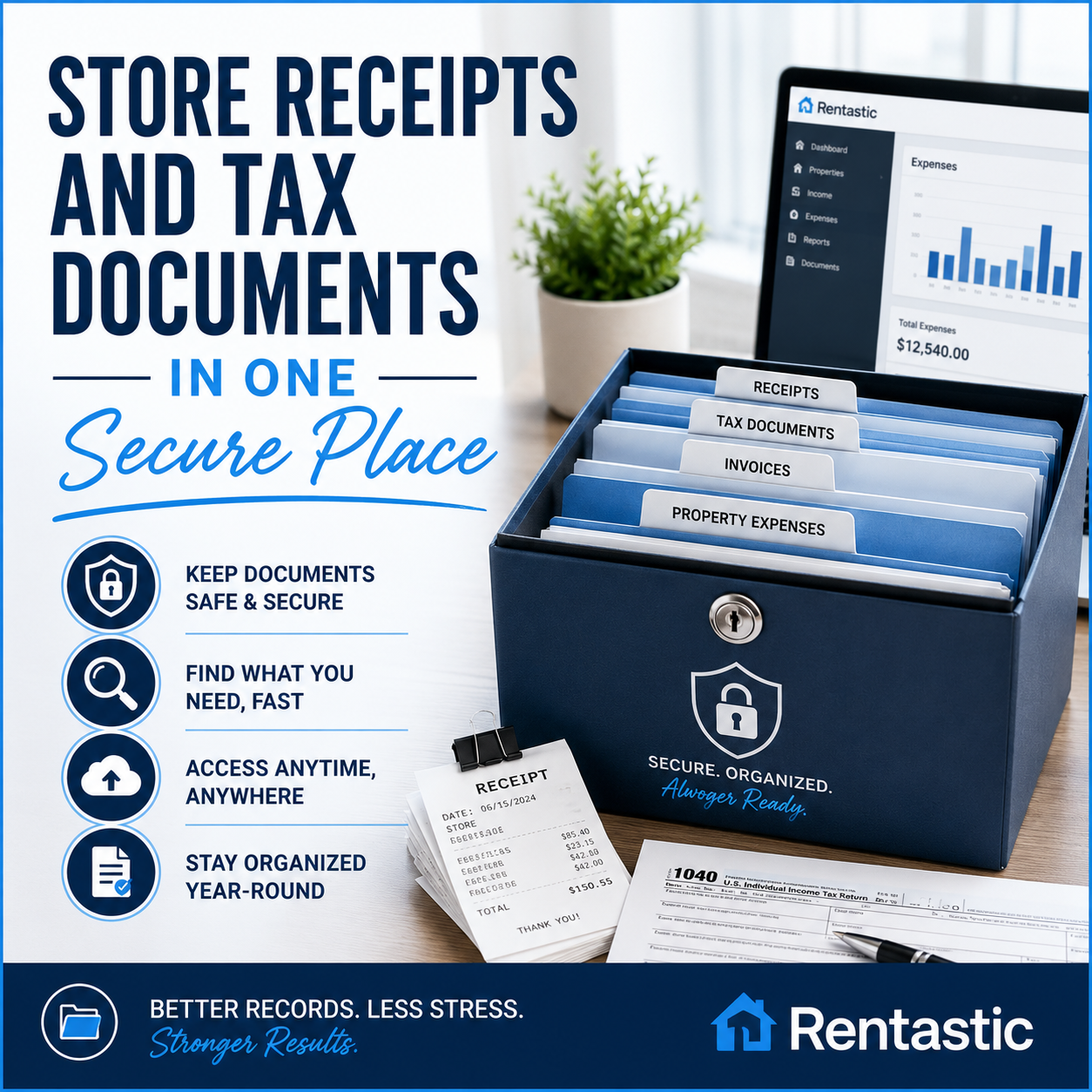
Paper receipts can easily be lost or damaged.
Instead, store digital copies of:
Keeping everything in one secure location saves your CPA valuable time.
One of the biggest bookkeeping mistakes landlords make is mixing personal and rental transactions.
Consider using:
This creates cleaner financial records and simplifies tax preparation.
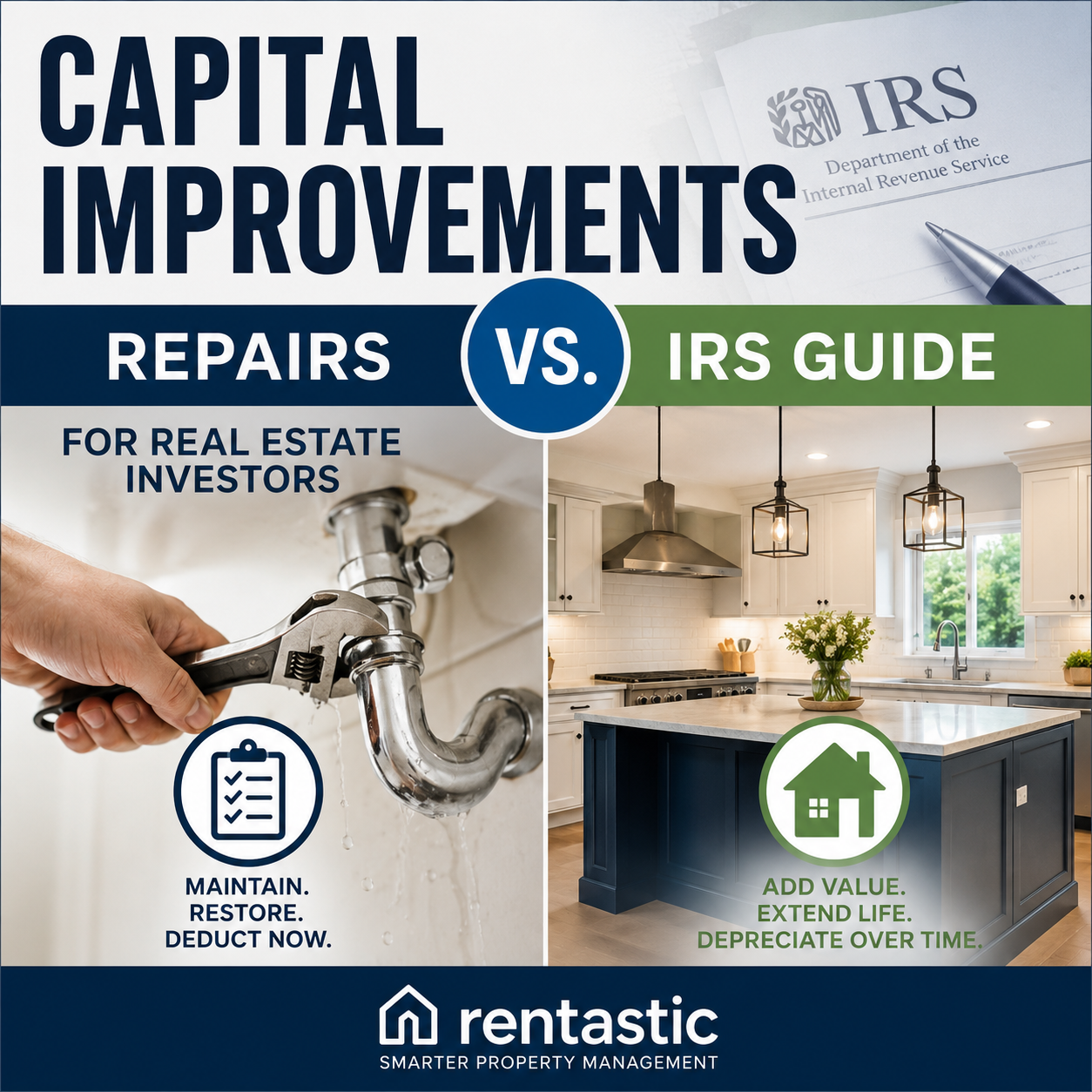
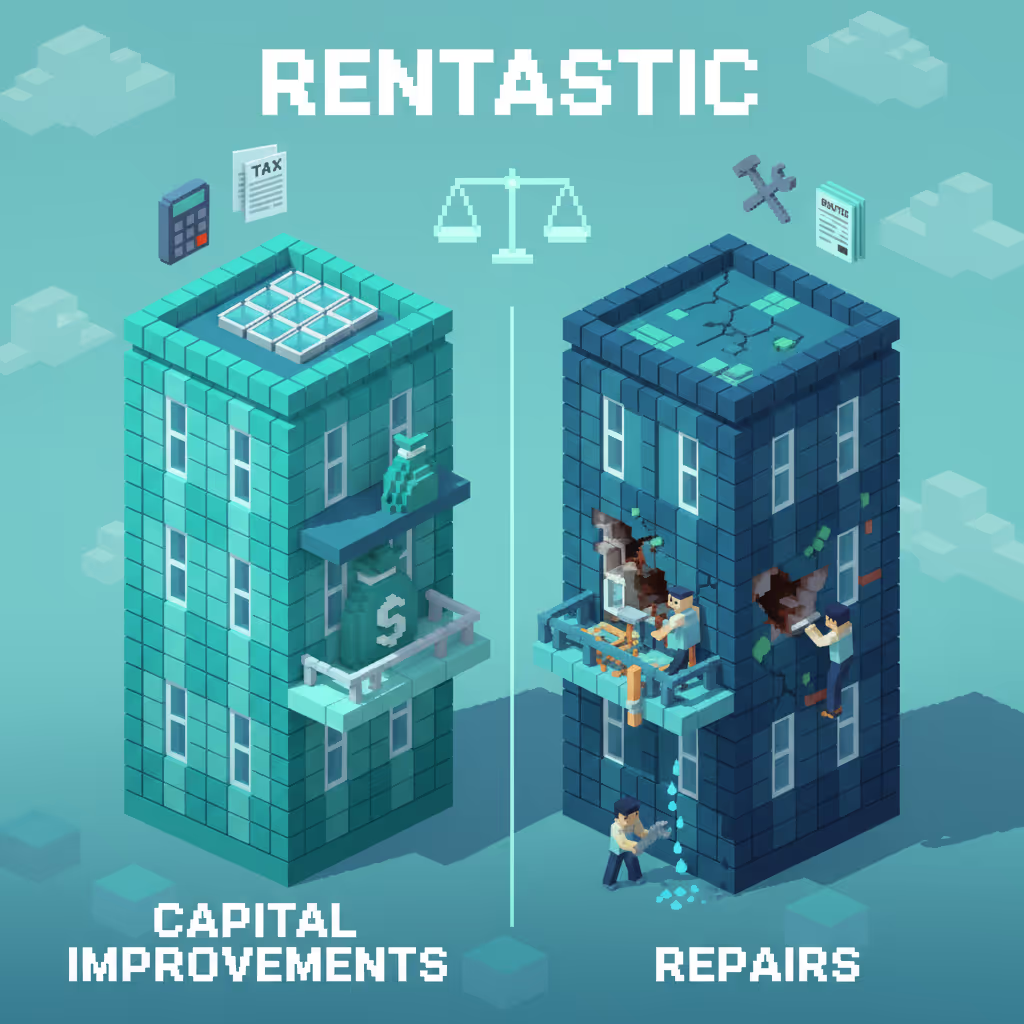
Not every property expense is treated the same for tax purposes.
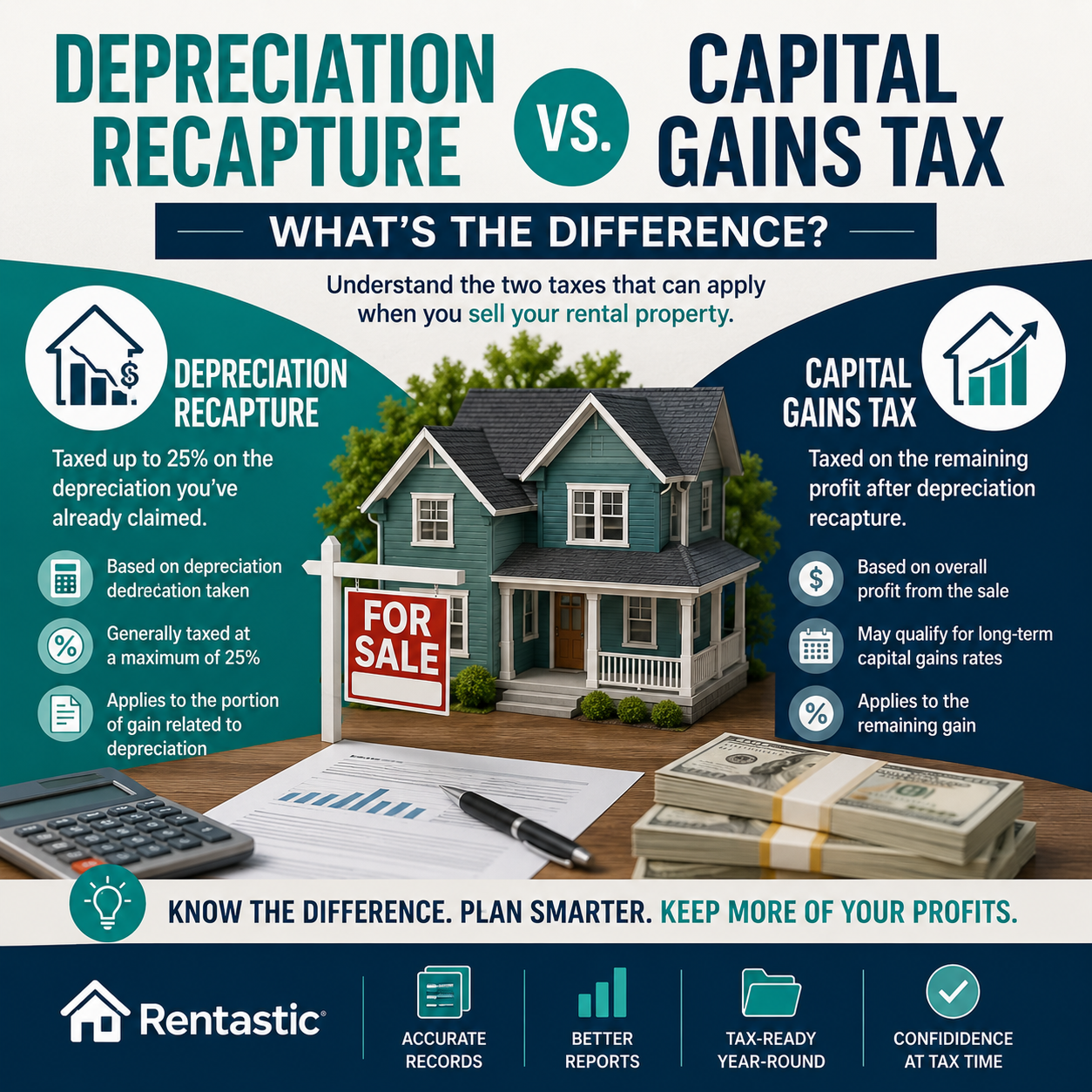
Repairs are often deductible in the current year, while capital improvements may need to be depreciated over time.
Examples of capital improvements include:
Keeping these expenses separate helps your CPA apply the correct tax treatment.
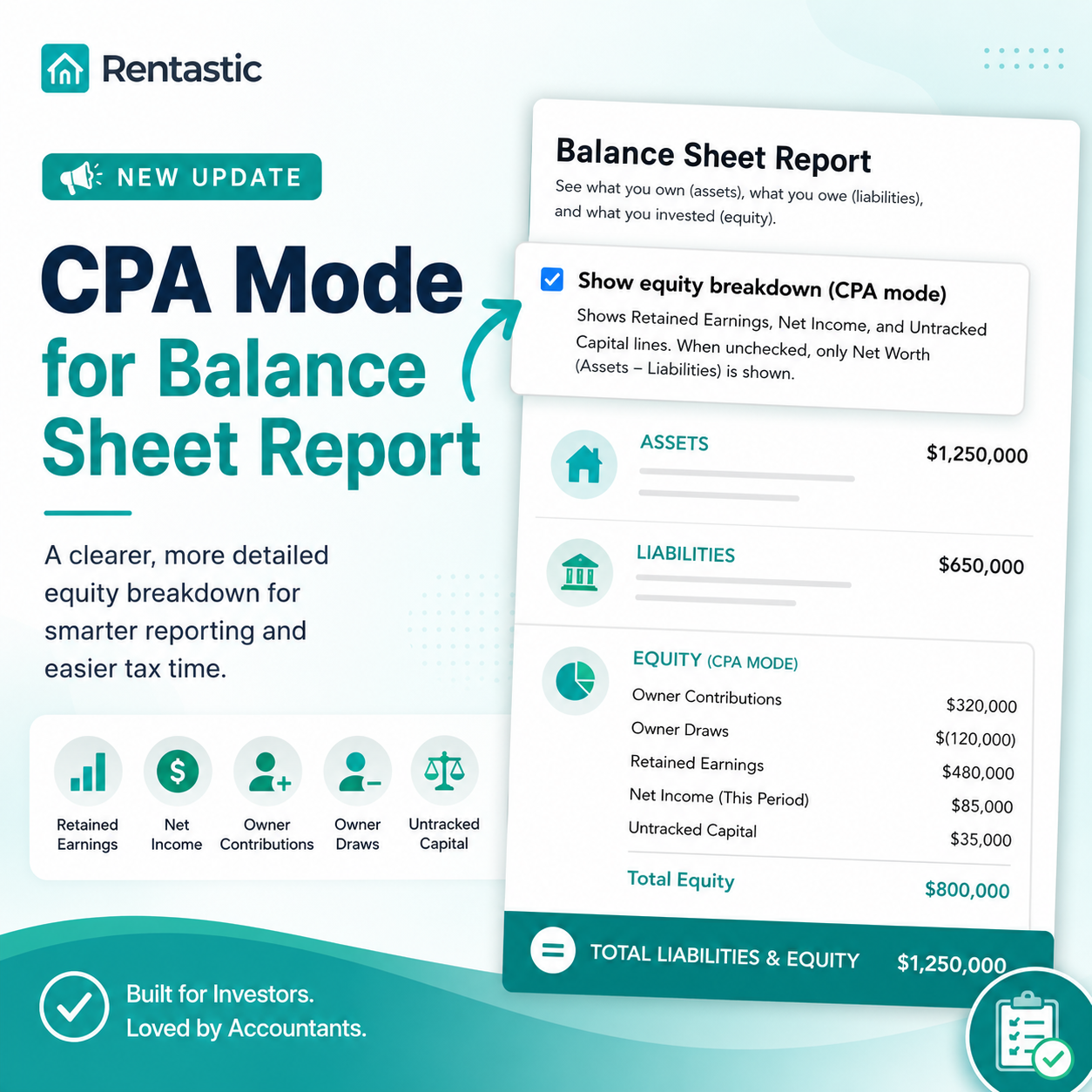
Your CPA will typically request summary reports that show your property's financial activity.
Helpful reports include:
Having these reports ready can significantly speed up tax preparation.
Trying to organize an entire year's worth of receipts and transactions at tax time is stressful and often leads to missed deductions.
Instead, make bookkeeping a monthly habit by:
A few minutes each month can save hours during tax season.
Good documentation benefits both you and your CPA. Organized financial records reduce back-and-forth questions, improve reporting accuracy, and help ensure you receive every deduction you're entitled to.
Whether you manage one rental or a growing portfolio, maintaining accurate records year-round makes tax preparation faster, easier, and far less stressful.
RECENT POSTS


© 2025 Rentastic
Rentastic is registered as a trademark. Terms and conditions, features, support, pricing, and service options subject to change without notice.










.png)





























.png)






























Comments