
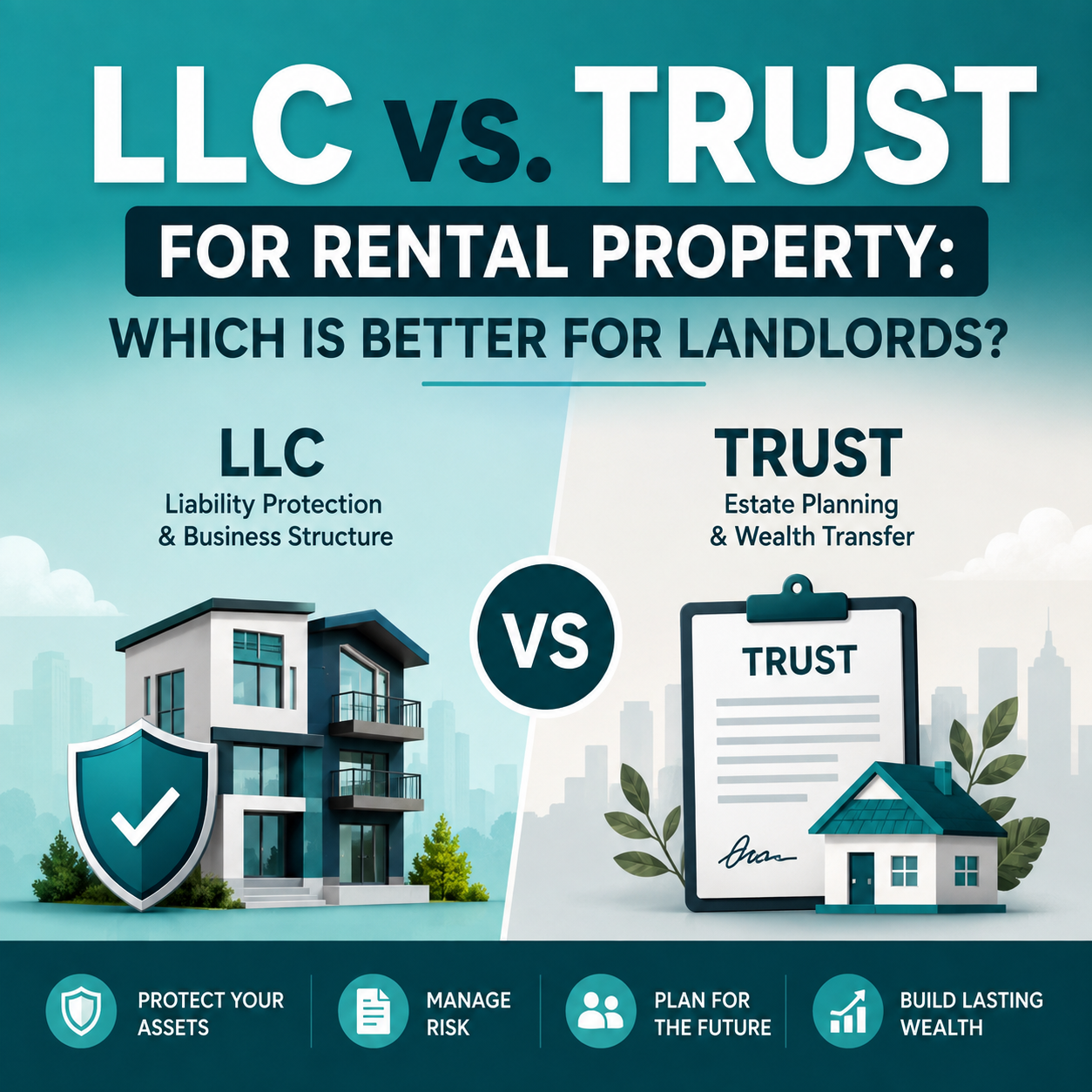
Owning rental property can be a powerful way to build long-term wealth, but deciding how to hold that property is just as important as choosing the investment itself.
Two common options landlords consider are a Limited Liability Company (LLC) and a trust. Both can play valuable roles in real estate ownership, but they serve different purposes.
So, when comparing an LLC vs. trust for rental property, which one is better?
The answer depends on whether your main priority is liability protection, estate planning, privacy, or a combination of these goals.
A Limited Liability Company (LLC) is a business structure that creates a legal separation between the company and its owners, known as members.
Real estate investors commonly use LLCs to own rental properties because they can help separate rental-related business liabilities from the owner's personal assets, provided the LLC is properly formed, maintained, and respected as a separate legal entity.
For example, if a tenant or visitor is injured at a rental property and files a lawsuit, holding the property in an LLC may help limit the owner's personal exposure. However, LLC protection is not absolute, and circumstances such as personal negligence, guarantees, or improper management can affect that protection.
An LLC can offer several potential advantages:
However, LLCs can also involve formation fees, annual state fees, filings, bookkeeping requirements, and other administrative responsibilities.
A trust is a legal arrangement in which assets are held and managed by a trustee for one or more beneficiaries.
There are many types of trusts, and their legal and tax effects can vary significantly.
For rental property owners, trusts are often associated with estate planning, inheritance, privacy, and transferring assets to beneficiaries.
One common example is a revocable living trust, which allows an owner to retain control over property during their lifetime while establishing instructions for how the property should be managed or distributed after death.
Depending on the type of trust and state law, potential benefits can include:
It's important to understand that a standard revocable living trust generally does not provide the same type of liability protection as an LLC. Because the person creating a revocable trust typically retains control over its assets, those assets may still be reachable by creditors.
The biggest difference comes down to purpose.
An LLC is primarily a business ownership and liability-management structure, while a trust is primarily an estate-planning and asset-management arrangement.
If you're mainly concerned about protecting personal assets from liabilities associated with operating a rental property, an LLC may be more appropriate.
If your main goal is making it easier to transfer the property to family members or beneficiaries, a trust may be more useful.
Neither structure automatically replaces the need for appropriate landlord and liability insurance.
Yes. For some real estate investors, the decision doesn't have to be LLC or trust.
It can be LLC and trust.
For example, a landlord may have an LLC own the rental property while a trust owns the landlord's membership interest in the LLC.
This type of arrangement can potentially combine the business and liability-management benefits of an LLC with the estate-planning benefits of a trust.
However, the exact structure matters. State laws, mortgages, insurance policies, tax considerations, and estate-planning goals can all affect whether this strategy makes sense.
Before transferring an existing mortgaged property into an LLC or trust, landlords should also review their loan documents and consult the appropriate professionals.
For many landlords actively operating rental properties, an LLC may be the more relevant starting point when the primary goal is separating business liabilities from personal assets.
A trust may be more appropriate when estate planning and transferring wealth are the primary concerns.
Landlords with larger portfolios or more complex estate-planning needs may benefit from using both.
There is no universal structure that is best for every investor. The right choice depends on factors such as:
Creating an LLC or trust doesn't eliminate the need for good insurance.
Landlords should consider appropriate property insurance and liability coverage based on their properties and risks. Some investors may also consider umbrella liability insurance for additional protection.
Think of legal entities and insurance as different layers of a broader risk-management strategy rather than substitutes for one another.
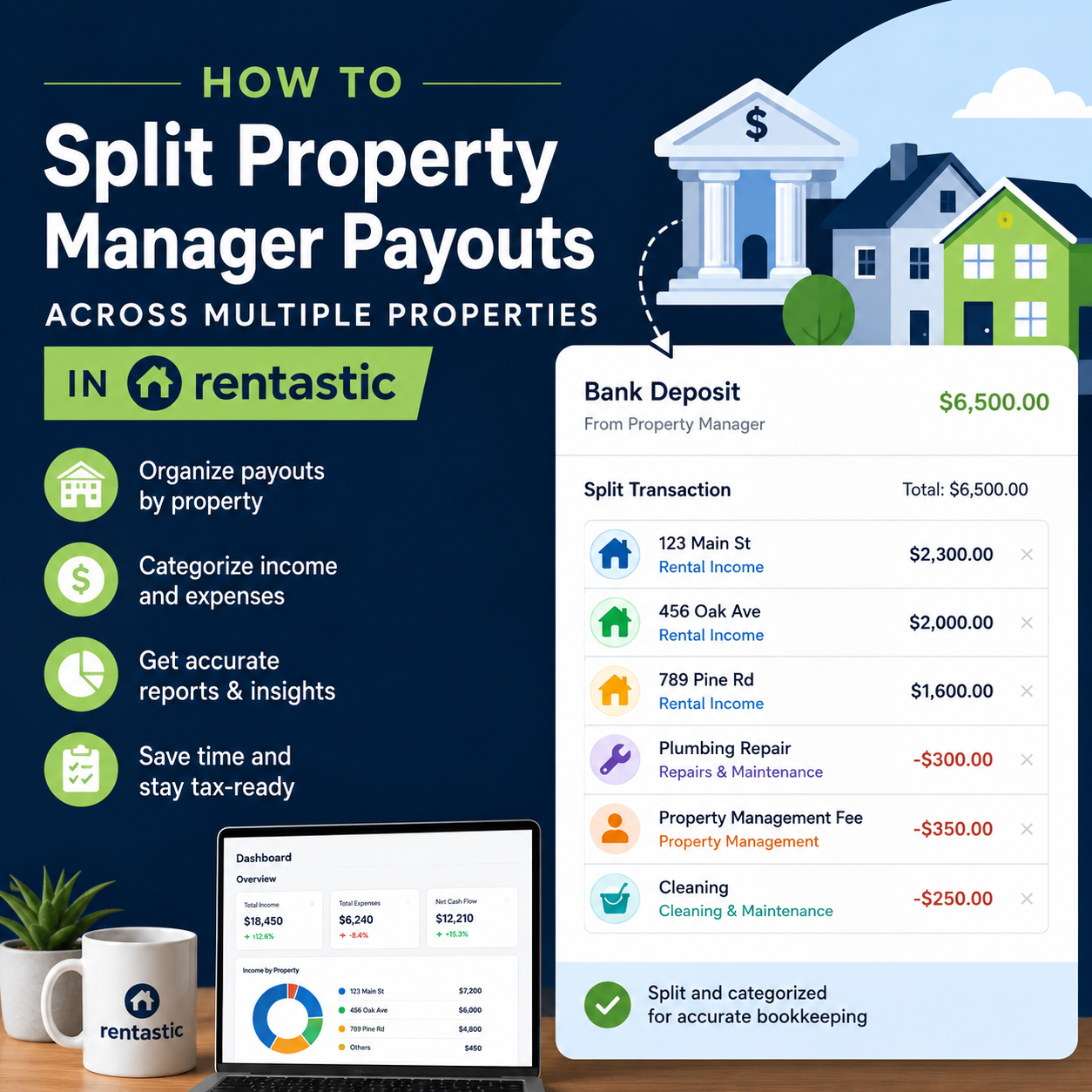
Regardless of whether you own rental property personally, through an LLC, or as part of a broader estate plan, maintaining accurate financial records is essential.
Keeping rental income and expenses properly categorized can make it easier to:
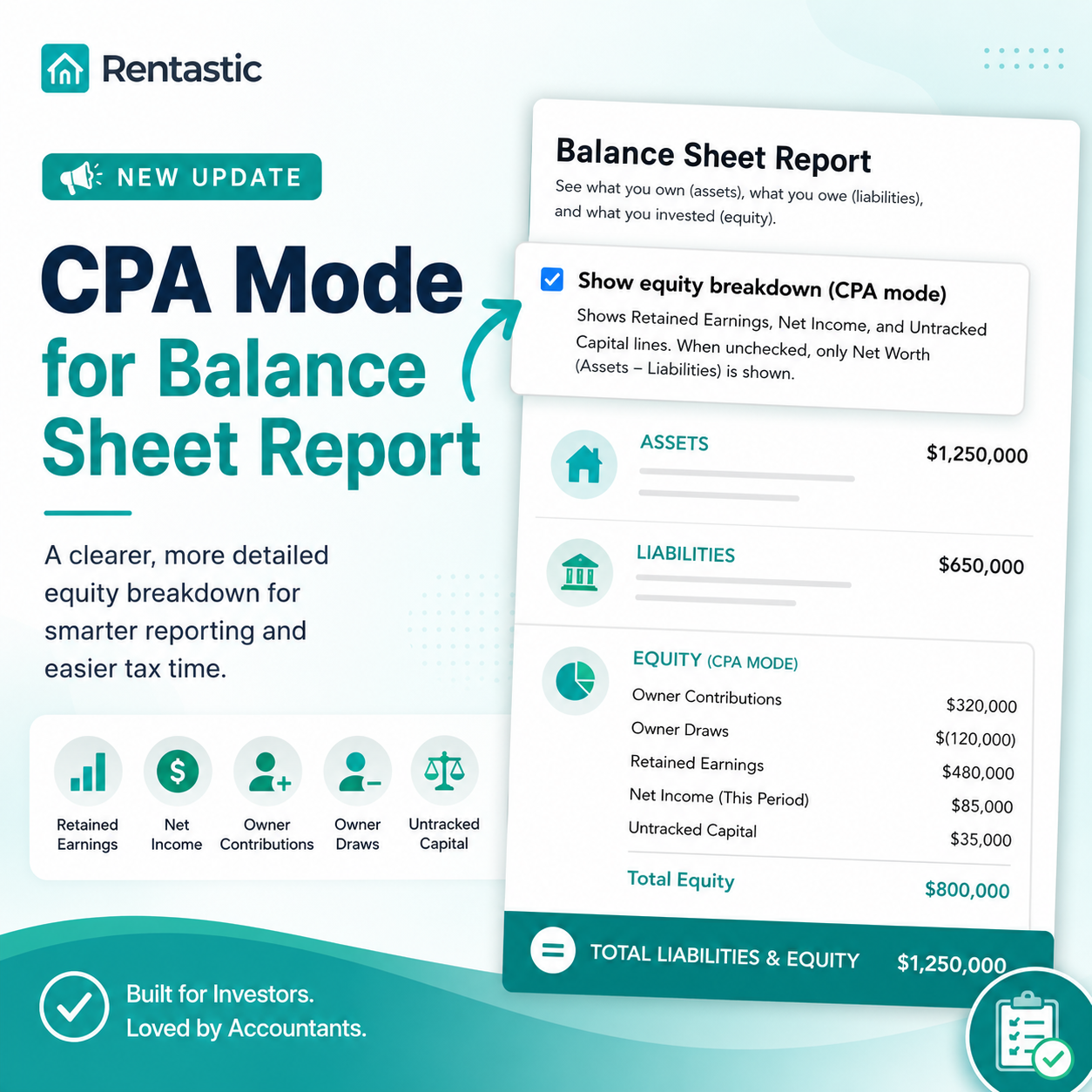
Rentastic helps rental property owners simplify bookkeeping by keeping income, expenses, transactions, receipts, and financial reports organized in one place.
When comparing an LLC vs. trust for rental property, remember that the two structures are designed to solve different problems.
An LLC is generally focused on business ownership and liability protection, while a trust is generally focused on estate planning and transferring assets.
For some landlords, an LLC may be enough. For others, a trust may be an important part of their estate plan. Investors with more complex portfolios may decide that using both provides the structure they need.
Before changing ownership of a rental property, speak with a qualified real estate attorney, tax professional, and financial or estate-planning professional who can evaluate your individual situation.
Disclaimer: This article is for general educational purposes only and should not be considered legal, tax, financial, or estate-planning advice. Laws and tax rules vary by jurisdiction and individual circumstances.
RECENT POSTS


© 2025 Rentastic
Rentastic is registered as a trademark. Terms and conditions, features, support, pricing, and service options subject to change without notice.
















.png)




























.png)






























Comments