
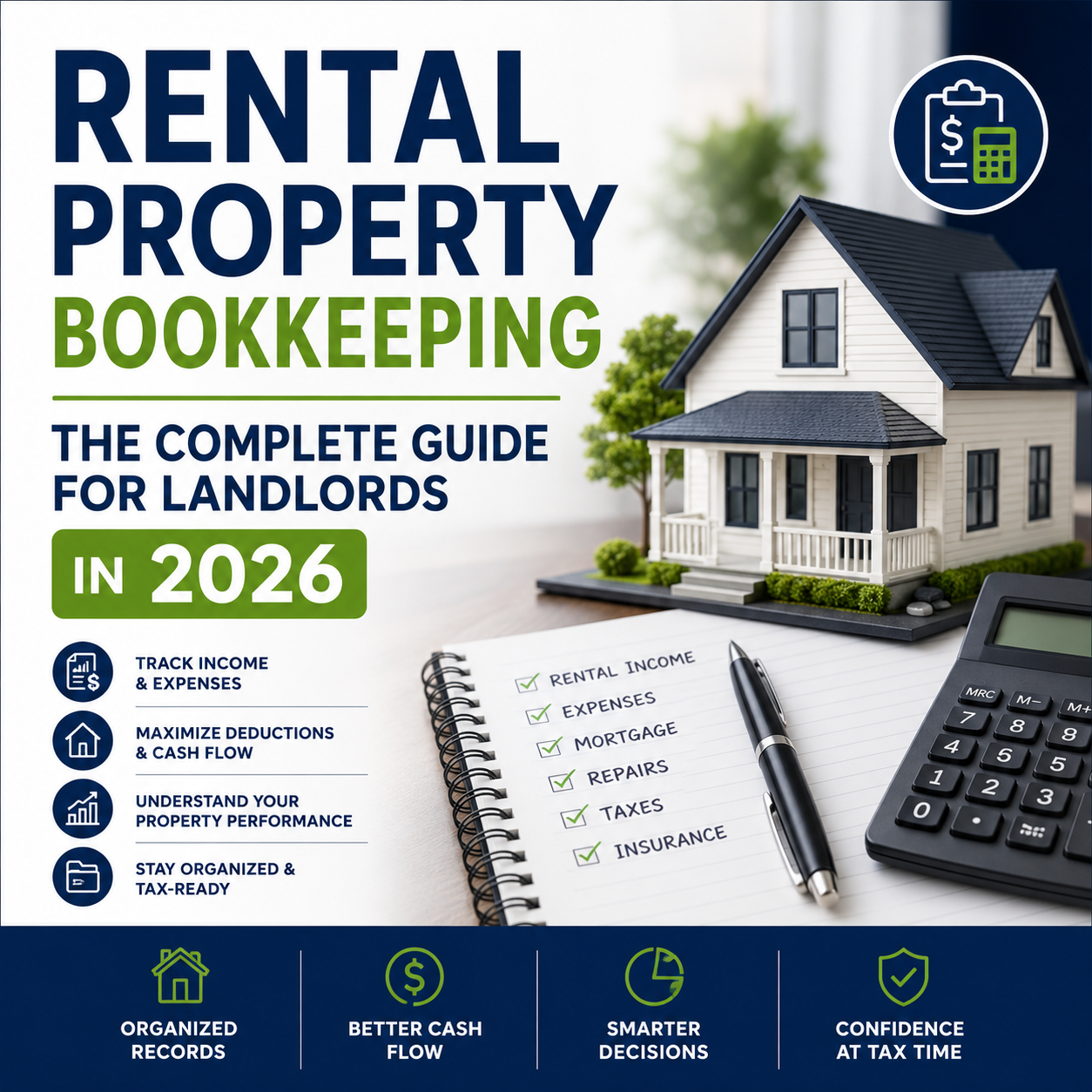
Managing rental properties involves more than collecting rent and paying bills. To understand whether your investments are actually profitable—and to make tax season easier—you need accurate, organized financial records.
Good rental property bookkeeping helps landlords track income, control expenses, monitor cash flow, prepare financial reports, and provide organized records to their CPA or tax professional.
Whether you own one rental property or a growing portfolio, this guide covers the fundamentals of rental property bookkeeping in 2026.
Rental property bookkeeping is the process of recording and organizing the financial activity associated with your rental properties.
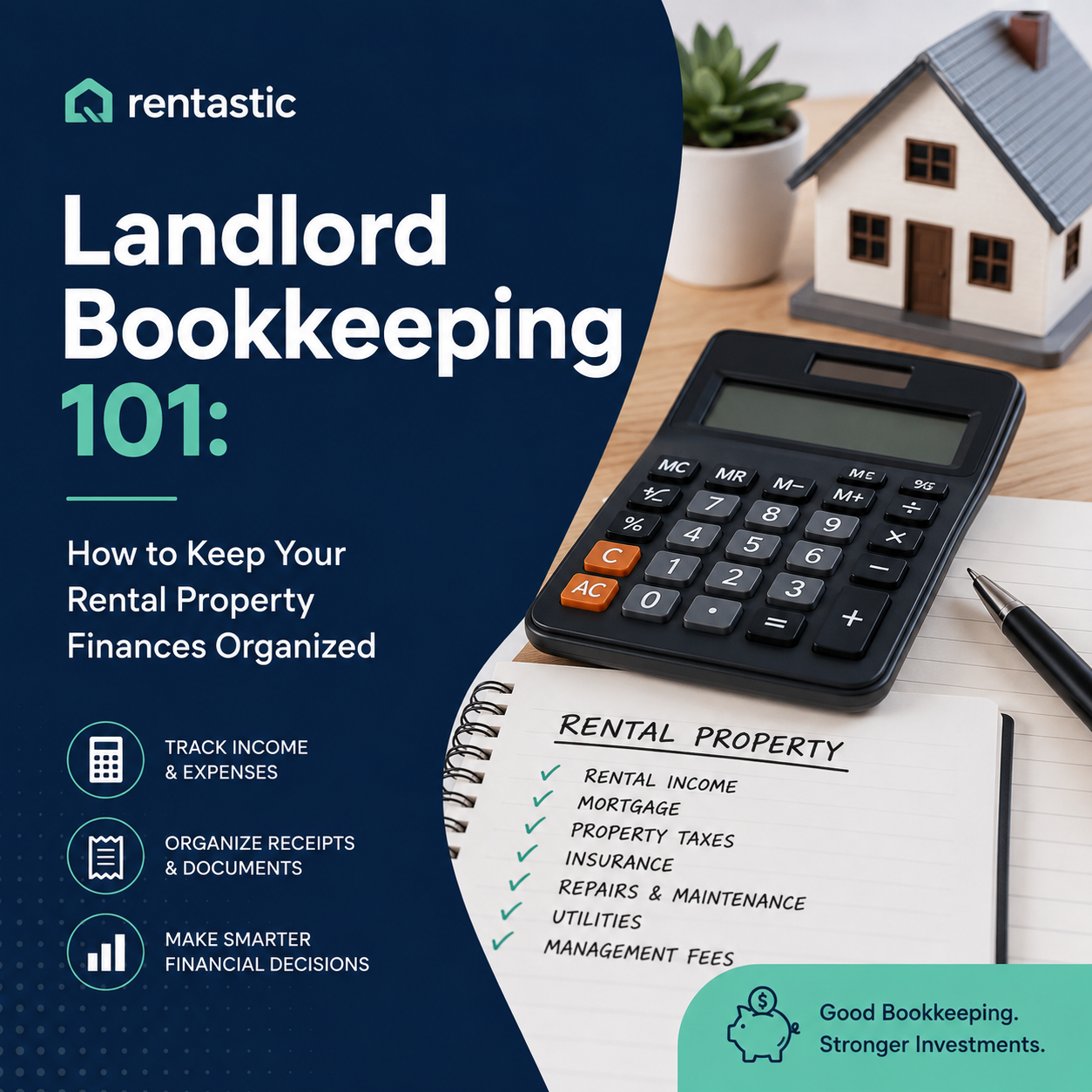
This typically includes:
The goal is to maintain a clear financial record for each property so you can understand where your money is coming from, where it's going, and how each investment is performing.
Accurate bookkeeping isn't just about keeping your records organized. It can directly affect your ability to manage your rental business effectively.
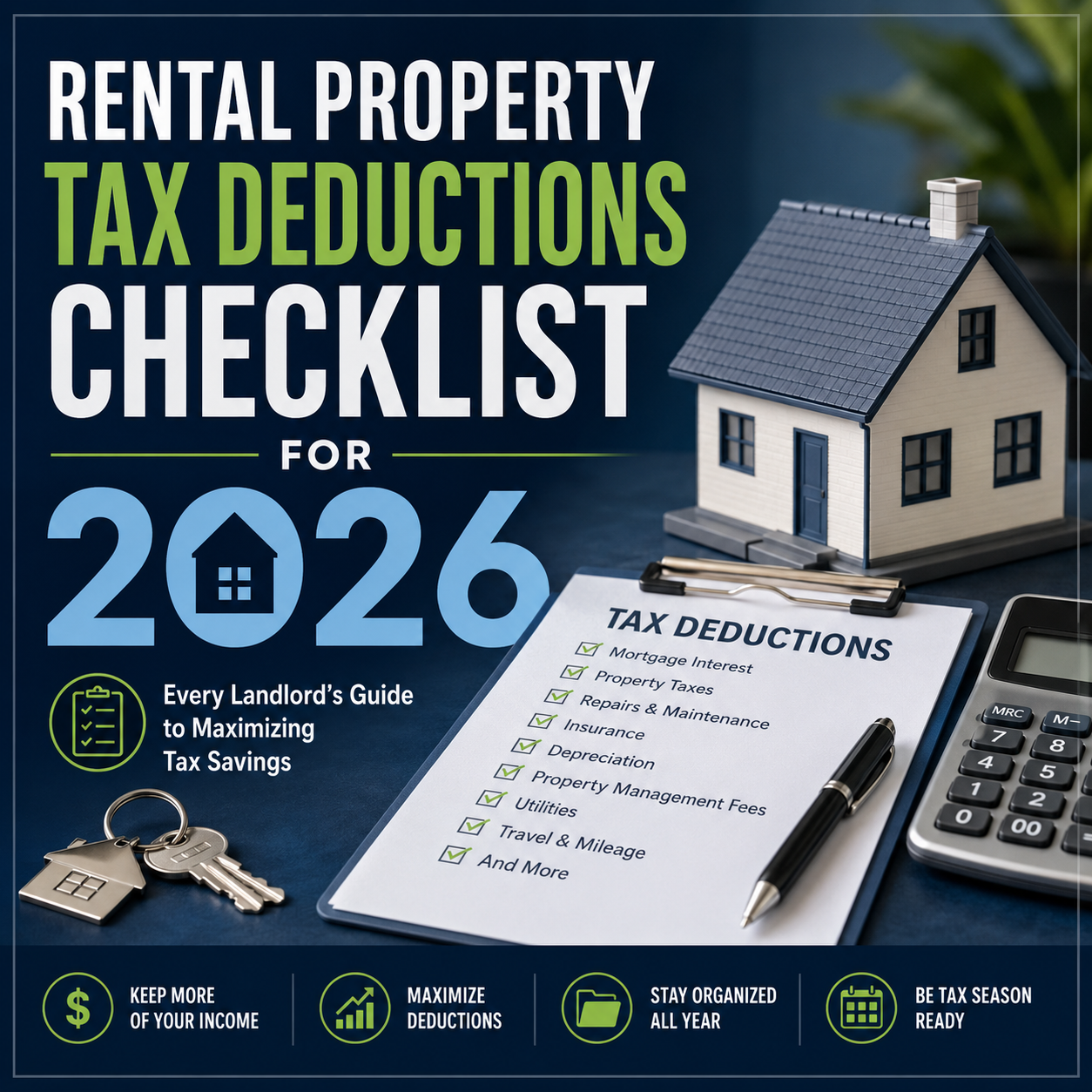
Rental property owners may be eligible to deduct many ordinary and necessary expenses associated with operating their properties.
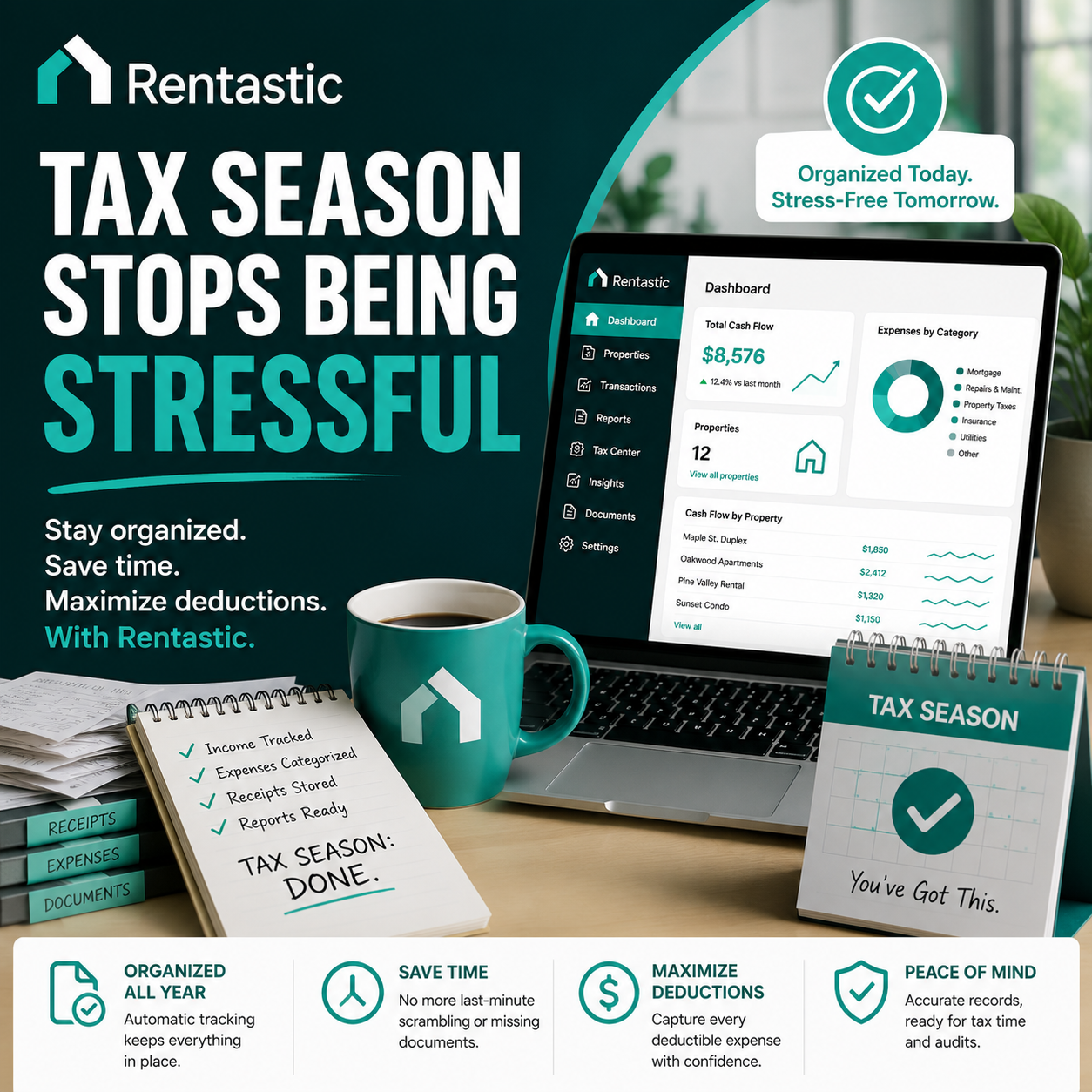
Keeping transactions categorized and supporting documents organized throughout the year can make preparing your tax return much easier.
Instead of sorting through hundreds of transactions at tax time, you can provide your CPA or tax professional with organized financial records.
A property can generate significant rental income while still producing weak cash flow.
Tracking income and expenses allows you to calculate:
Cash Flow = Rental Income − Operating Expenses − Debt Payments
Regularly reviewing cash flow can help you identify rising costs, unexpected expenses, or properties that may not be performing as expected.
If you own multiple rentals, your bookkeeping system should allow you to review each property individually.
For example, one property may generate strong cash flow while another experiences unusually high maintenance expenses.
Property-level bookkeeping makes these differences much easier to identify.
Accurate records can be useful when:
Rent is usually the largest source of income, but it isn't necessarily the only income associated with a rental property.
Depending on your situation, you may need to track:
Record income consistently and assign it to the correct property whenever possible.
This becomes especially important as your portfolio grows.
Landlords should also maintain detailed records of expenses related to operating their rental properties.
Common categories include:
Examples include plumbing repairs, HVAC servicing, appliance repairs, painting, landscaping, and routine maintenance.
If you use a property manager, keep records of management fees and other charges deducted from rental income.
Track landlord insurance and other property-related insurance premiums.
Maintain records of property tax payments for each rental.
Your mortgage payment contains both principal and interest. These components should be tracked appropriately rather than treating the entire mortgage payment as a single expense.
If you pay utilities such as water, electricity, gas, trash collection, or internet for a rental property, maintain records of those costs.
This can include payments to:
Keep track of expenses associated with finding tenants, such as rental advertisements, photography, signs, and other marketing expenses.
One of the most useful bookkeeping habits landlords can develop is keeping rental property finances separate from personal spending.
Consider using dedicated bank accounts and credit cards for your rental activity.
Separating finances can make it easier to:
Mixing personal and rental transactions can make bookkeeping significantly more complicated.
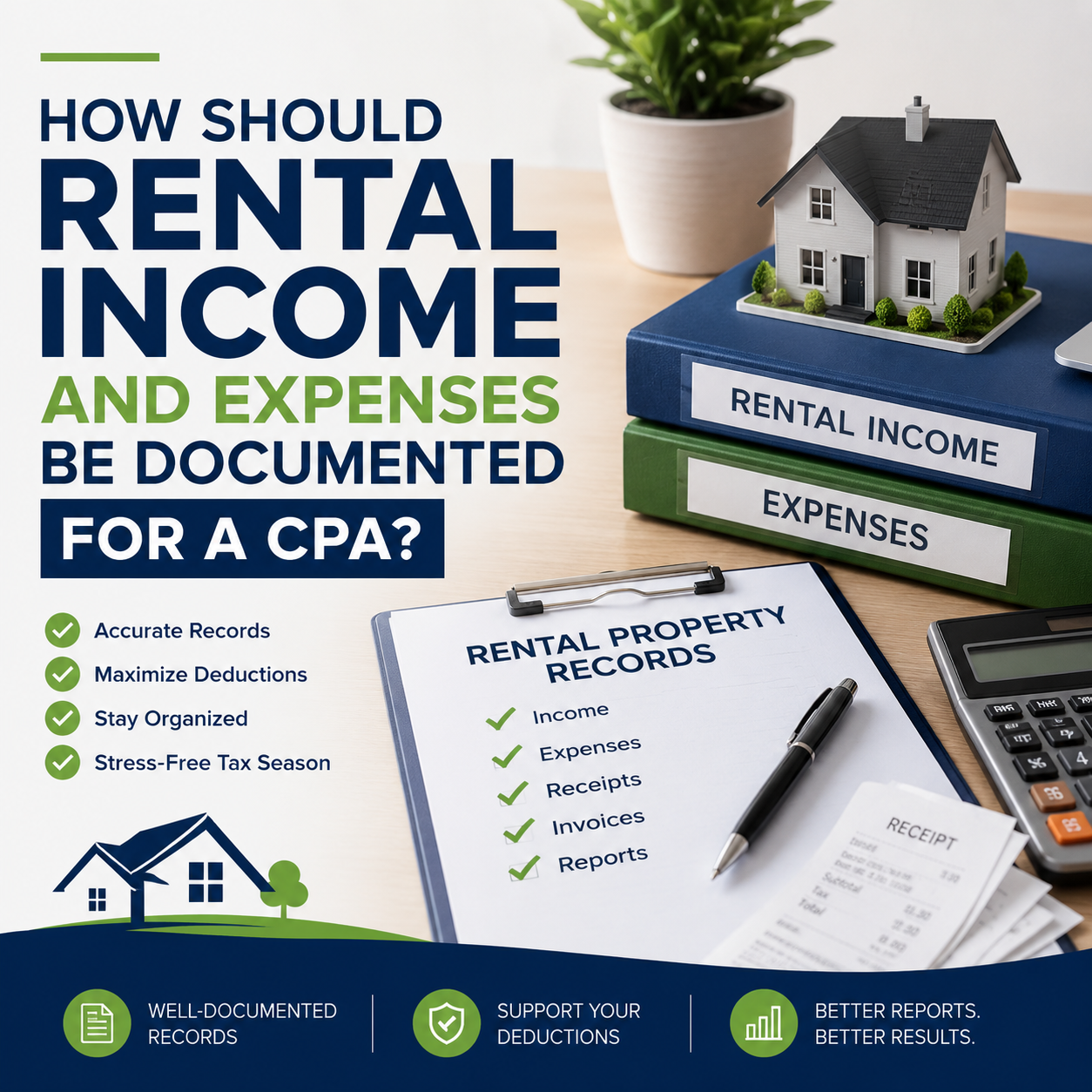
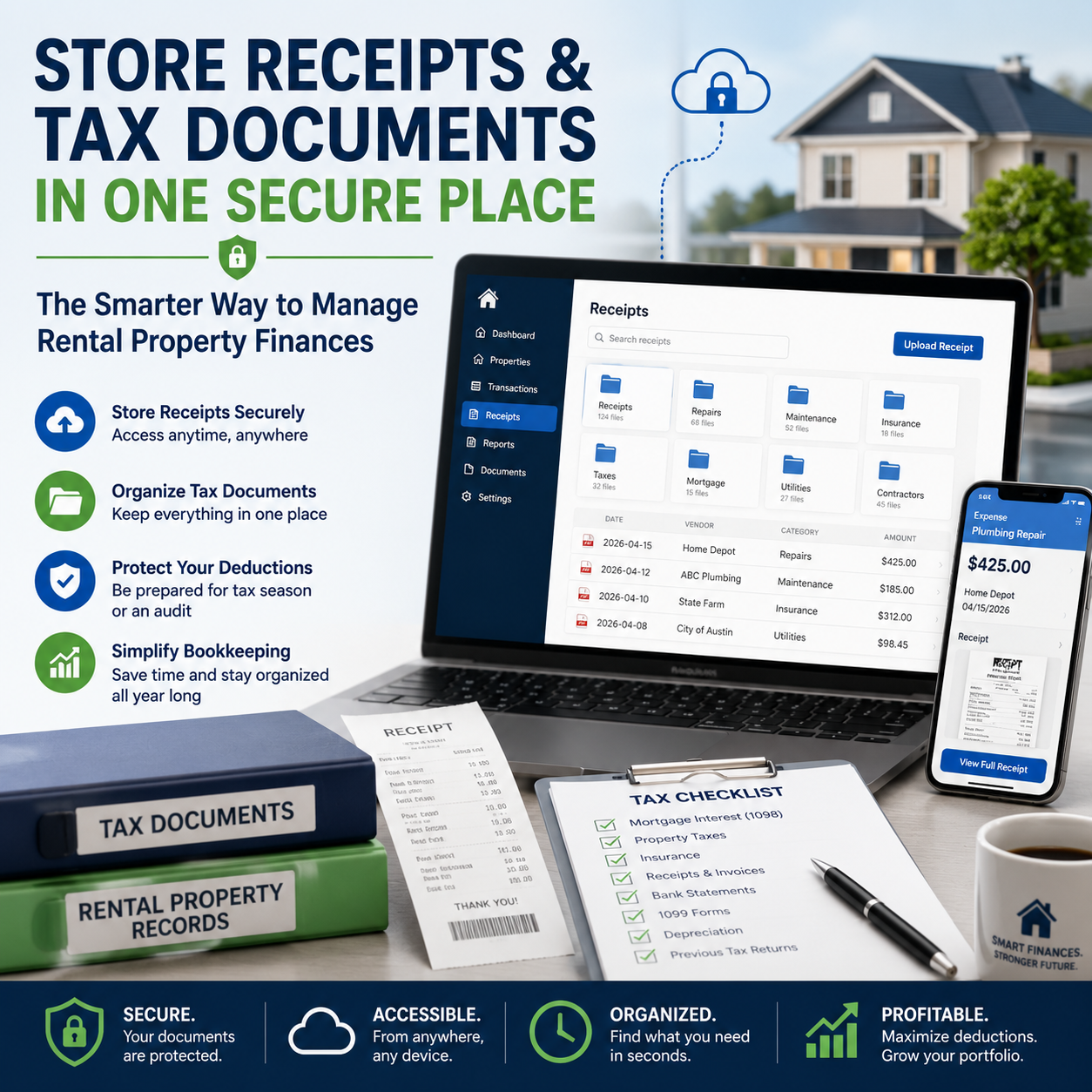
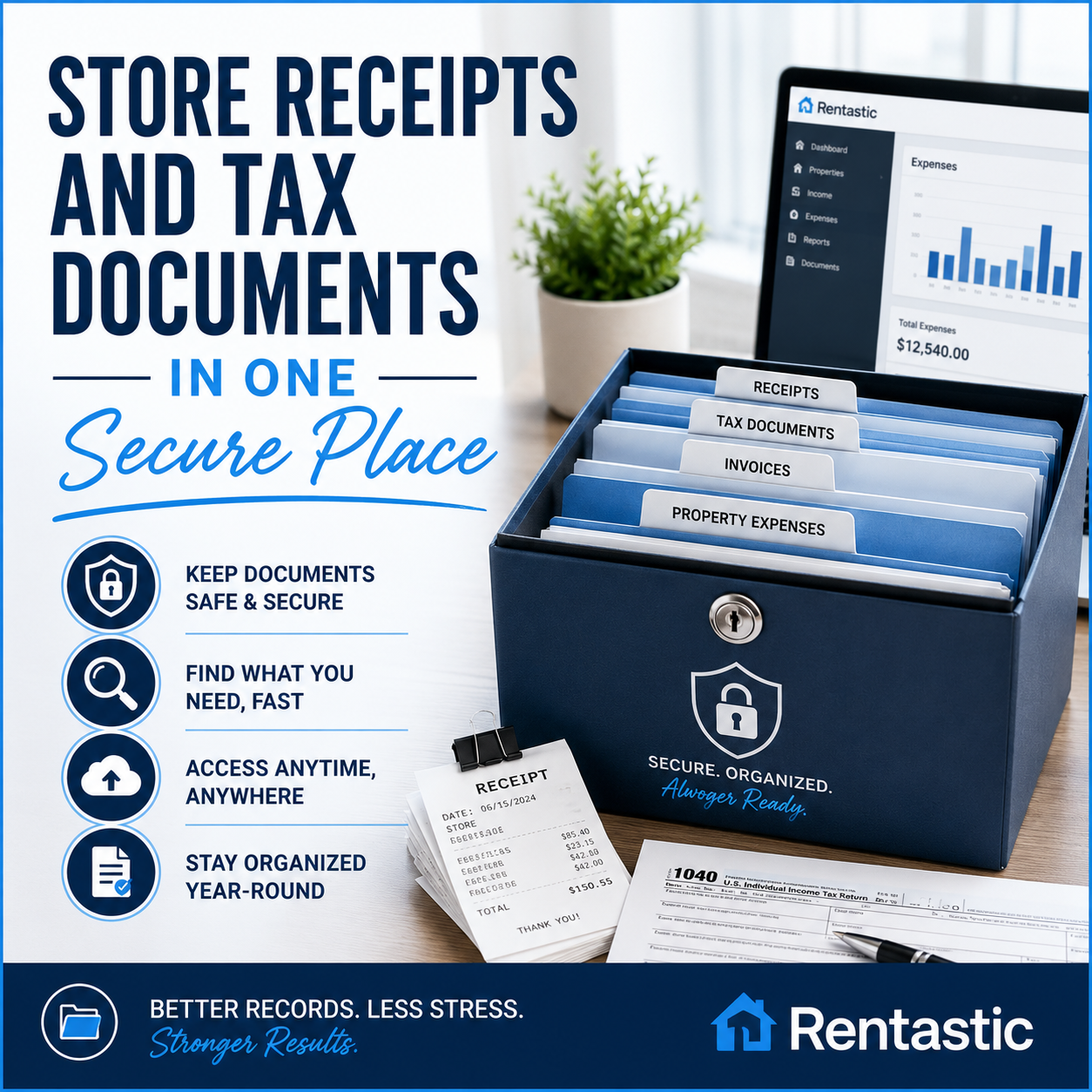
Recording a transaction is only part of good bookkeeping. You should also retain documentation supporting important expenses.
This may include:
Digital storage can make these documents easier to organize and retrieve later.
Rather than searching through paper receipts during tax season, landlords can maintain an organized digital record throughout the year.
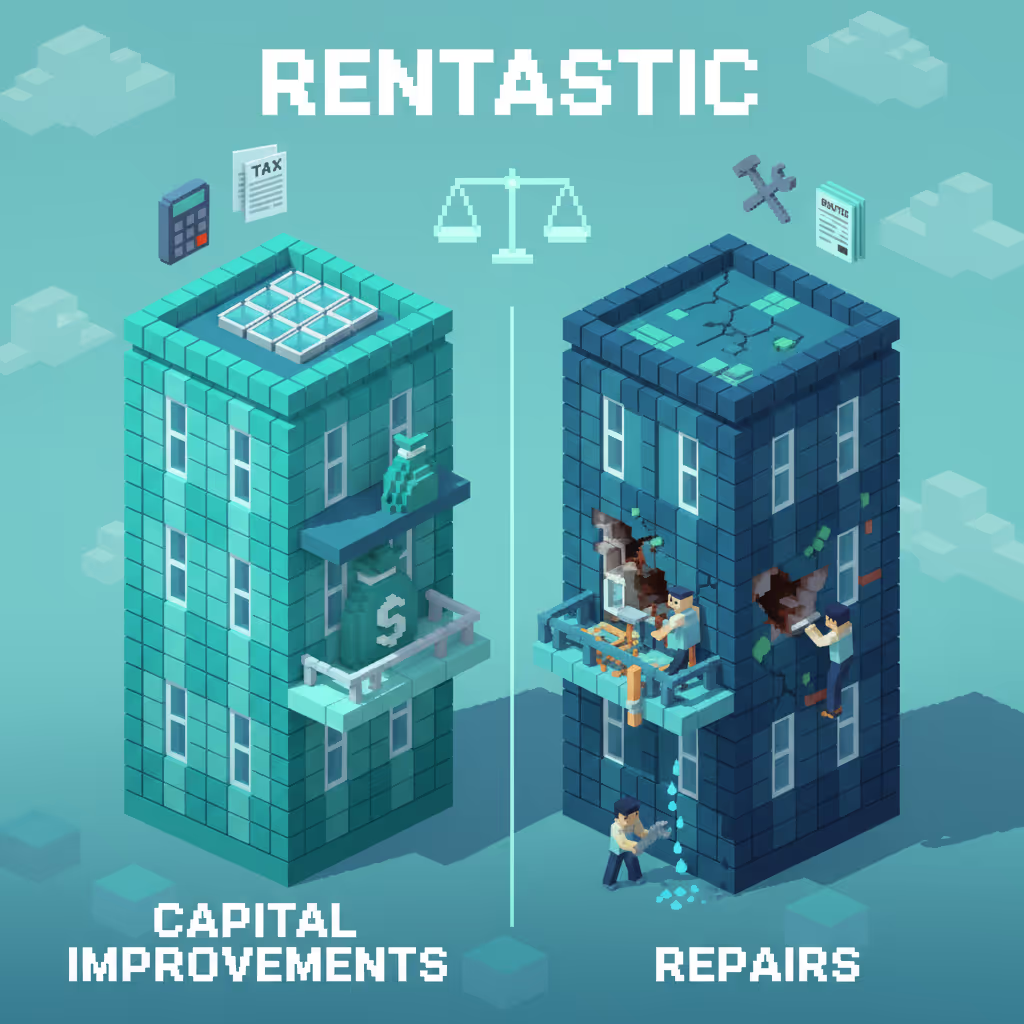
Not every property expense is treated the same way for tax purposes.
A repair generally keeps a property in its existing operating condition.
Examples might include fixing a leaking faucet or replacing a broken component.
A capital improvement, on the other hand, may add significant value, extend the property's useful life, or adapt it to a new use.
Examples may include major renovations, additions, or significant property upgrades.
The tax treatment can differ considerably, so expenses should be documented carefully and reviewed with a qualified tax professional when necessary.
If you own multiple properties, avoid treating your entire portfolio as one large bucket of income and expenses.
Assign transactions to individual properties whenever possible.
For example:
Property A
Property B
Even though Property B generates more revenue, Property A may be operating more efficiently.
Without property-level bookkeeping, that distinction can be difficult to see.
Bank reconciliation means comparing the transactions in your bookkeeping records with the transactions shown on your bank or credit card statements.
This can help identify:
Rather than waiting until the end of the year, consider reviewing and reconciling your accounts regularly.
A monthly bookkeeping routine can prevent small problems from turning into a major cleanup project during tax season.
Good bookkeeping should help you understand your business—not simply create a record of transactions.
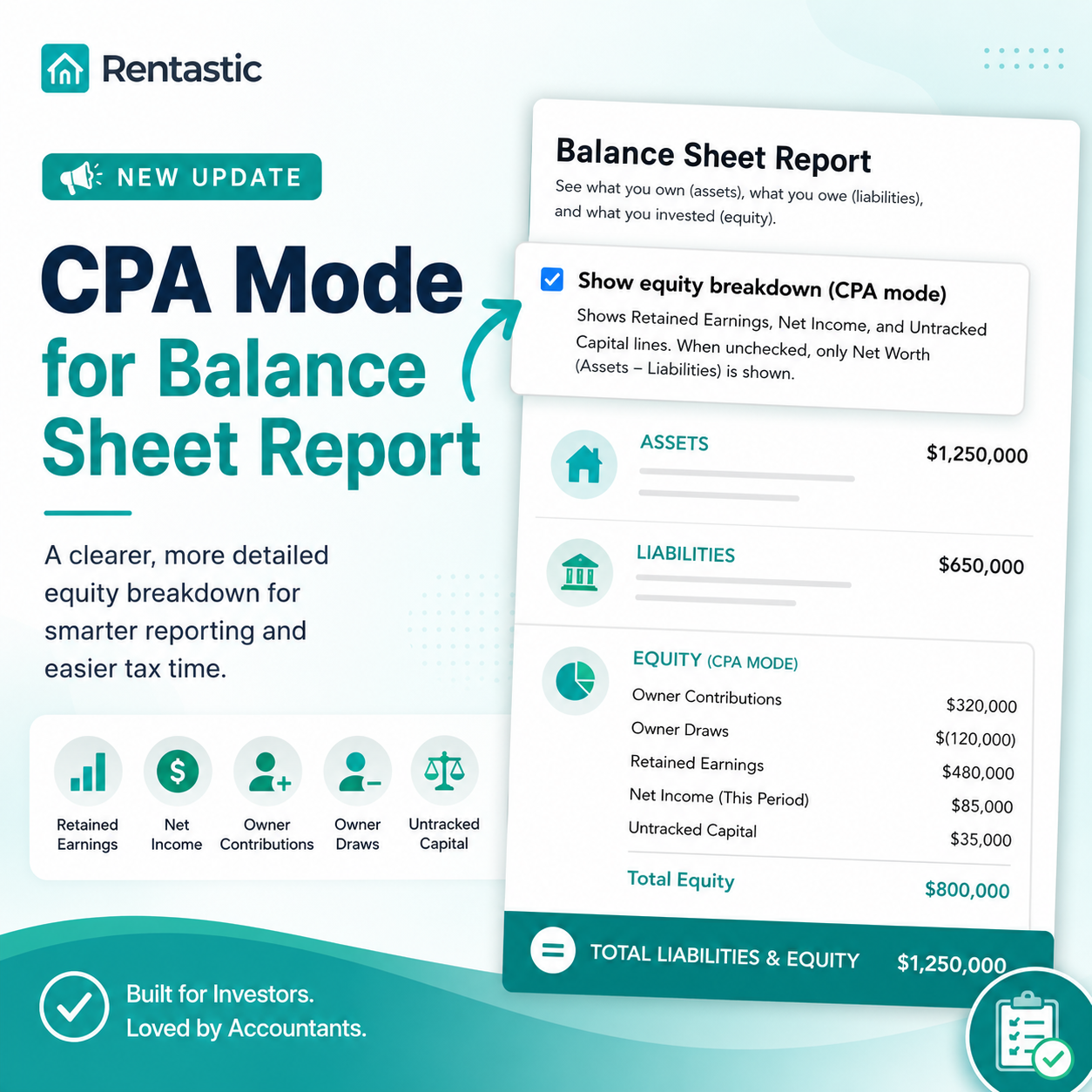
Useful financial reports may include:
Shows your income and expenses over a specific period and helps you understand profitability.
Provides a snapshot of assets, liabilities, and equity at a specific point in time.
Helps you understand how money is moving into and out of your rental business.
Allow you to compare individual properties and identify which rentals are performing well or experiencing higher costs.
You don't need to spend hours every week managing your books.
A simple monthly routine can include:
Consistency is more important than waiting until your records become overwhelming.
Even experienced landlords can develop bookkeeping problems if records aren't reviewed regularly.
Common mistakes include:
A consistent bookkeeping process can prevent many of these issues.
Spreadsheets can work for a small portfolio, but they become harder to maintain as the number of properties and transactions increases.
Rental property bookkeeping software can help automate much of the process.
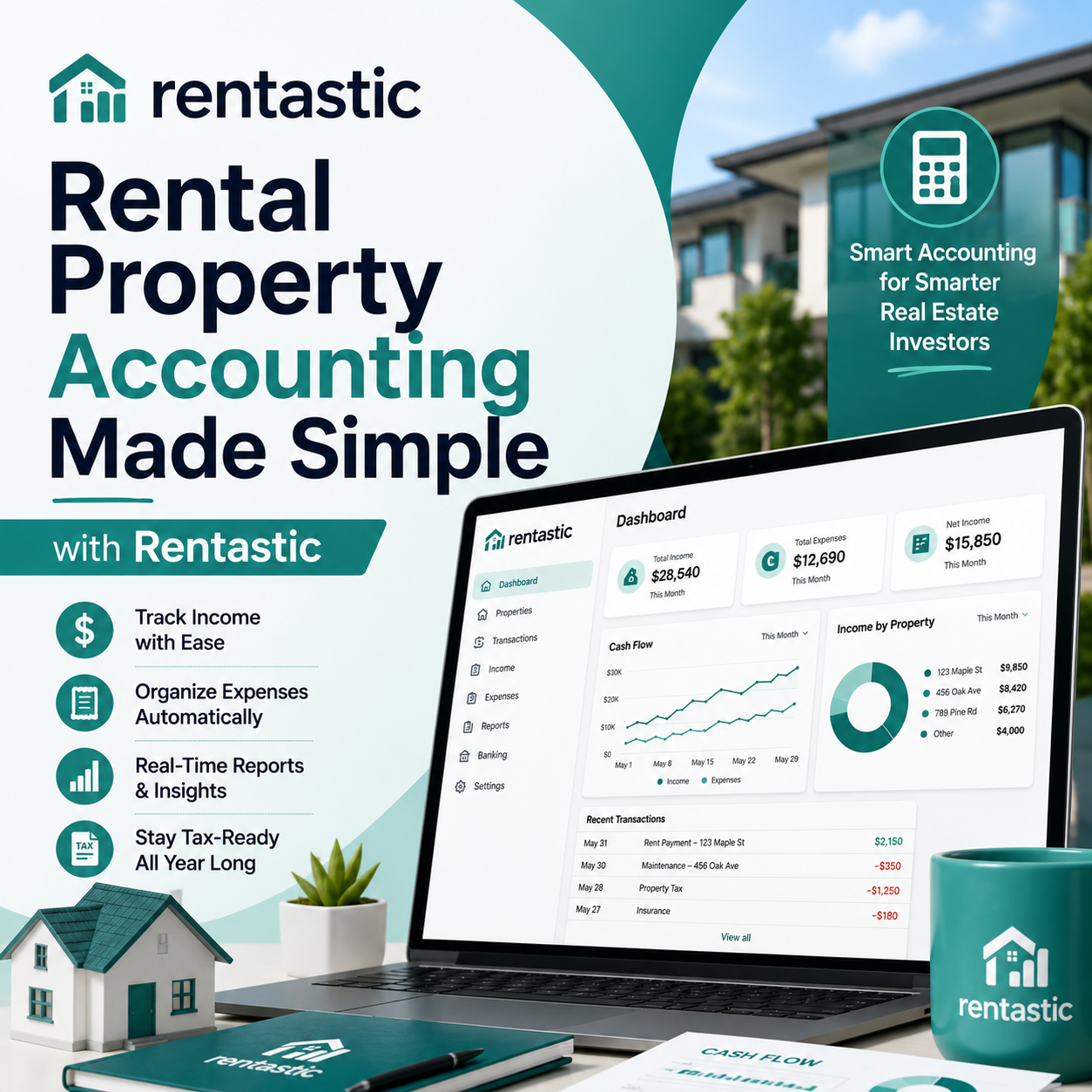
With Rentastic, landlords and real estate investors can organize their rental finances in one place by connecting financial accounts, tracking income and expenses, assigning transactions to properties, storing receipts, and generating financial reports.
Instead of manually updating spreadsheets throughout the year, landlords can maintain more organized financial records as transactions occur.
The best time to organize your rental property finances isn't a few weeks before your tax return is due.
It's throughout the year.
By consistently categorizing transactions, saving receipts, reconciling accounts, and reviewing property performance, you'll have much cleaner records when it's time to work with your CPA or tax professional.
This can save time, reduce bookkeeping mistakes, and make it easier to identify potentially deductible expenses.
Rental property bookkeeping doesn't have to be complicated.
The key is developing a consistent system for tracking income, categorizing expenses, storing supporting documents, and reviewing each property's financial performance.
As your portfolio grows, having accurate records becomes even more important.
A strong bookkeeping process gives you more than organized books—it gives you a clearer picture of how your rental properties are performing and the information you need to make better investment decisions.
Ready to simplify your rental property bookkeeping?
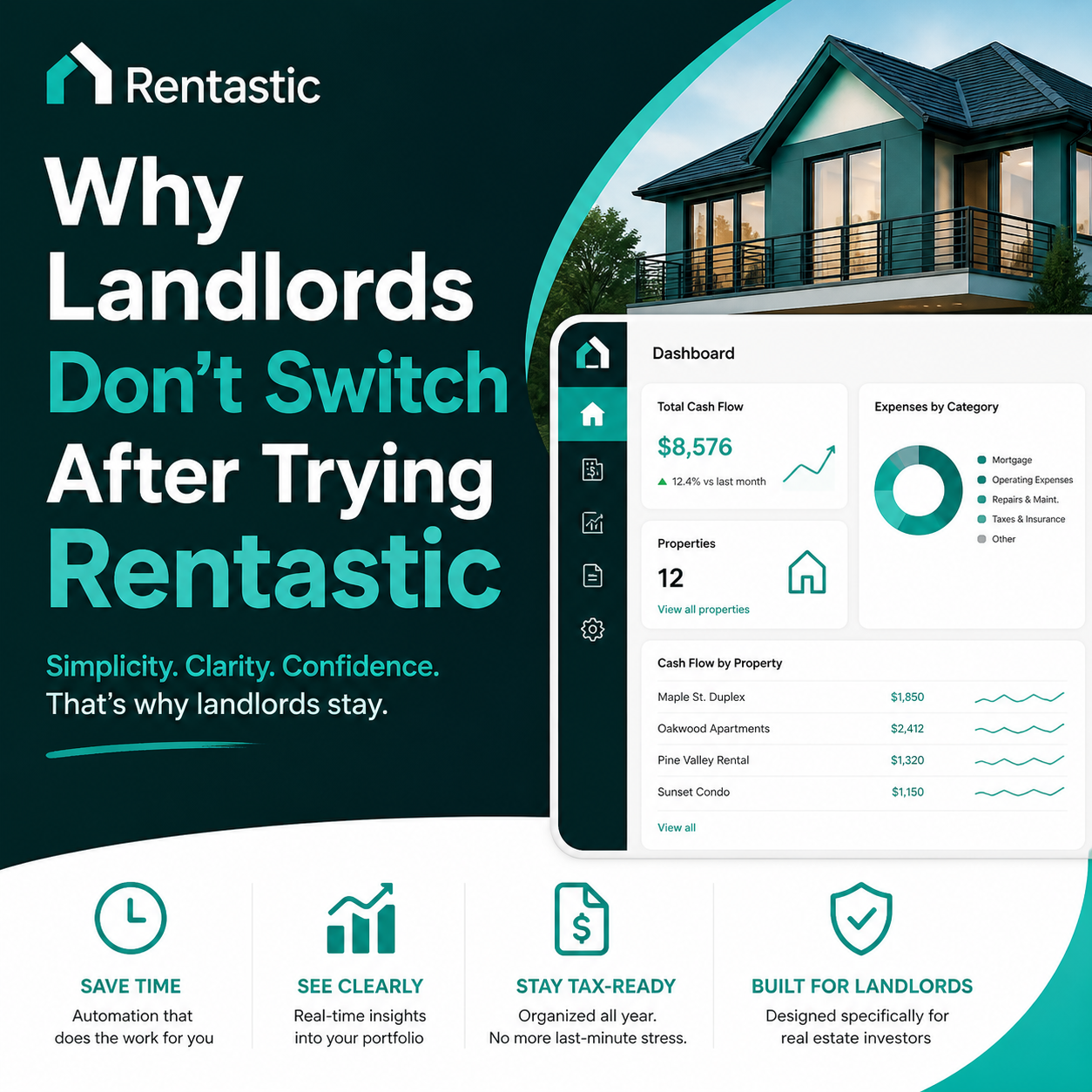
Rentastic helps landlords and real estate investors track rental income and expenses, organize transactions by property, store receipts, and generate financial reports—all in one place.
Start keeping cleaner rental property records today and make your 2026 bookkeeping easier.
RECENT POSTS


© 2025 Rentastic
Rentastic is registered as a trademark. Terms and conditions, features, support, pricing, and service options subject to change without notice.











.png)






























.png)






























Comments