

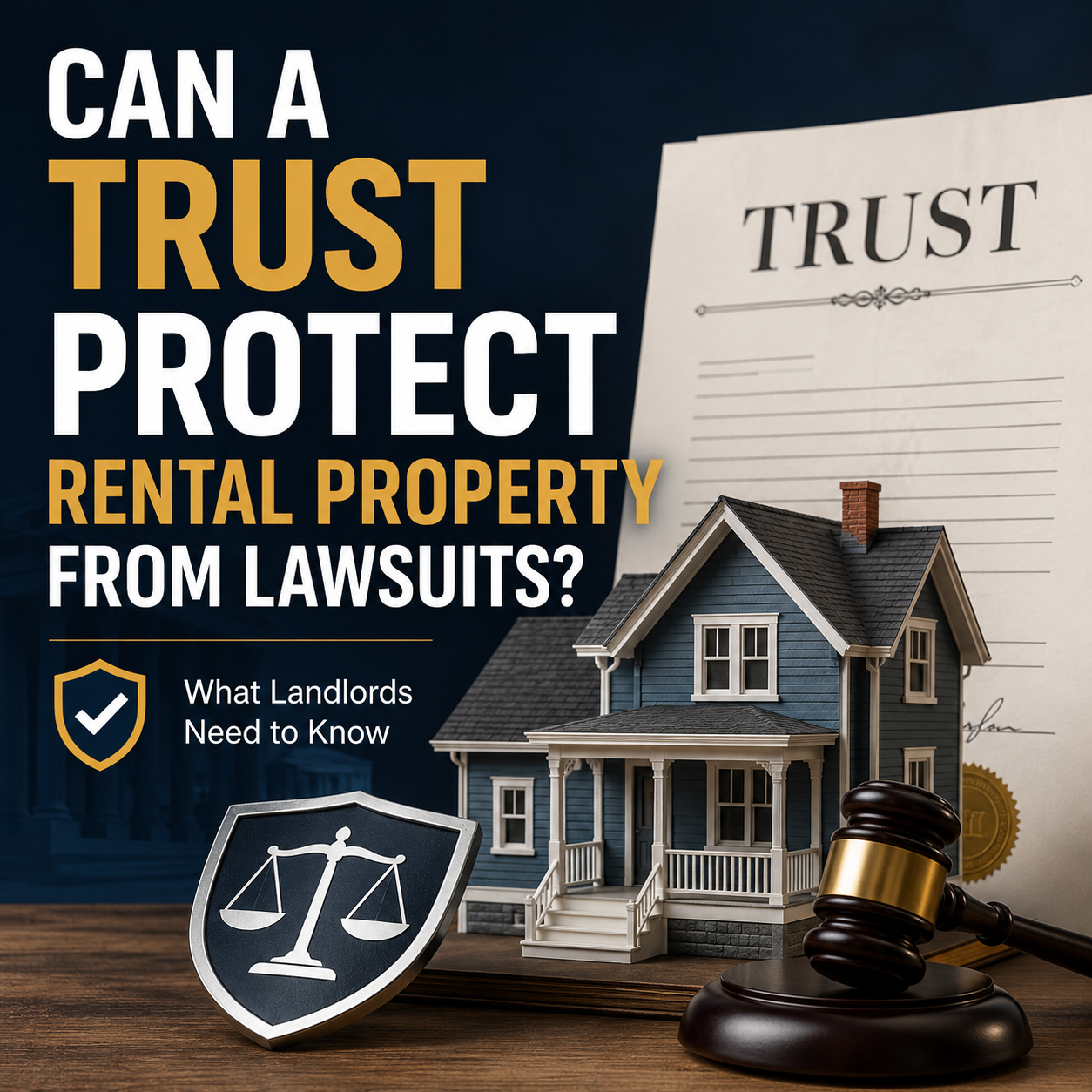
Owning rental property can be an excellent way to build long-term wealth, but it also comes with legal risks. If a tenant, contractor, or visitor files a lawsuit after an accident or dispute, many landlords wonder whether placing their rental property in a trust will shield it from liability.
The answer depends on the type of trust. While trusts offer valuable estate planning benefits, they are not always effective tools for protecting rental properties from lawsuits.
Here's what every real estate investor should know.
A trust is a legal arrangement that allows one party (the trustee) to hold and manage assets on behalf of beneficiaries.
Many real estate investors place rental properties into trusts to:
However, estate planning and asset protection are not the same thing.
In most cases, no.
A revocable living trust allows you to maintain complete control over your assets during your lifetime. Since you still own and control the property, creditors can generally pursue trust assets if you're found legally liable.
A revocable trust is excellent for:
But it typically does not provide lawsuit protection.
An irrevocable trust may provide stronger asset protection because ownership of the property is transferred to the trust.
Once assets are placed into an irrevocable trust:
However, irrevocable trusts come with trade-offs, including:
This type of trust should only be established with guidance from a qualified estate planning attorney.
Yes.
Even if your property is held in a trust, someone can still file a lawsuit after an injury or other legal dispute.
The trust itself does not prevent lawsuits from being filed.
Instead, the key question becomes whether the trust assets can be reached to satisfy a judgment.
The answer depends on:
For many rental property owners, an LLC (Limited Liability Company) offers more direct liability protection than a revocable trust.
An LLC may help:
Many experienced investors choose to own rental properties through an LLC while using a trust as part of their estate plan.
This combination can provide both:
No ownership structure replaces proper insurance coverage.
A strong landlord insurance policy may include:
An umbrella liability policy can provide additional protection if a claim exceeds the limits of your primary insurance policy.
Insurance is often your first line of defense against lawsuits.
Reducing your legal exposure starts with good property management.
Consider these best practices:
These steps can significantly reduce the likelihood of legal disputes.
If you ever face a legal claim, organized financial and property records can make the process much smoother.
Tracking:
helps demonstrate responsible property management while simplifying tax preparation.
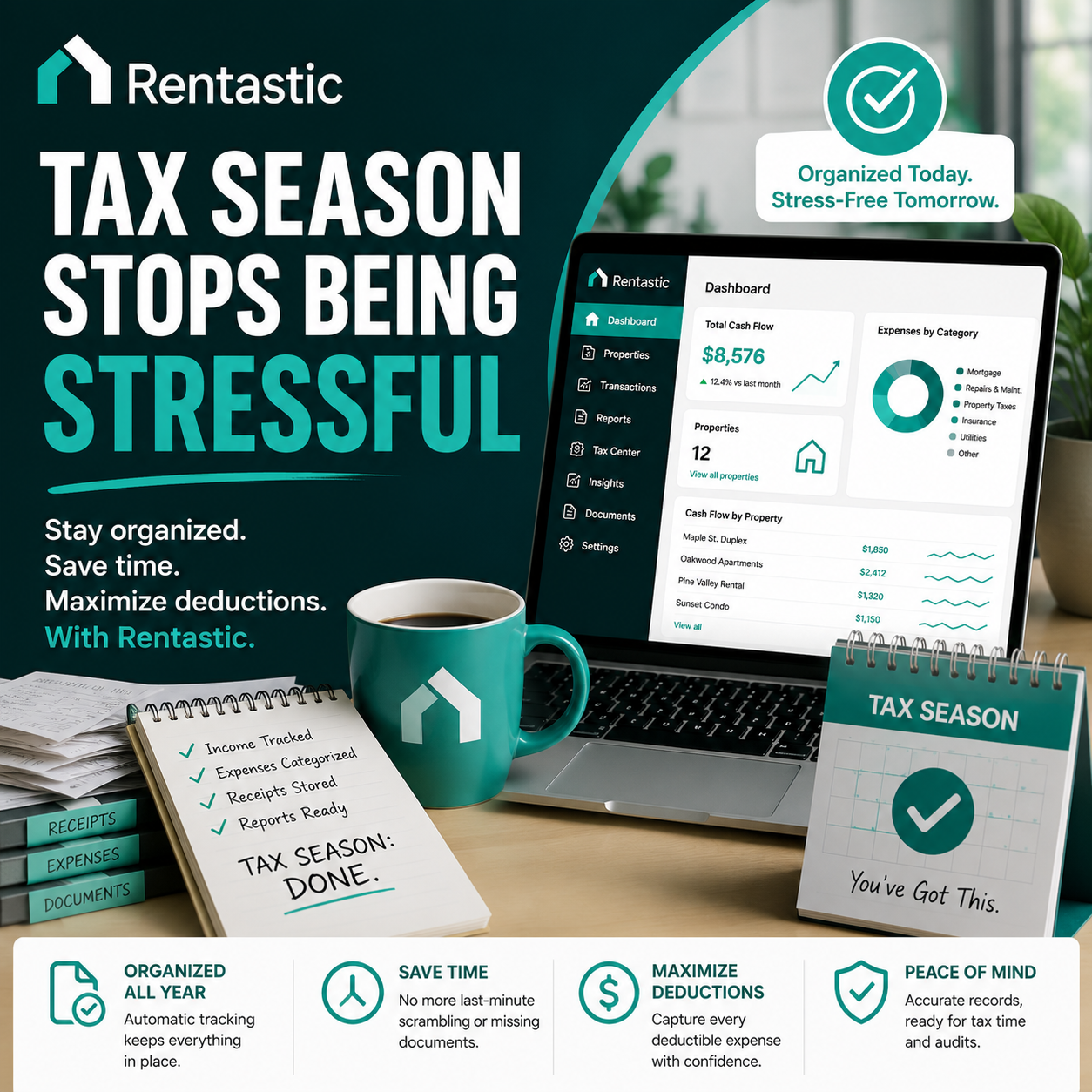
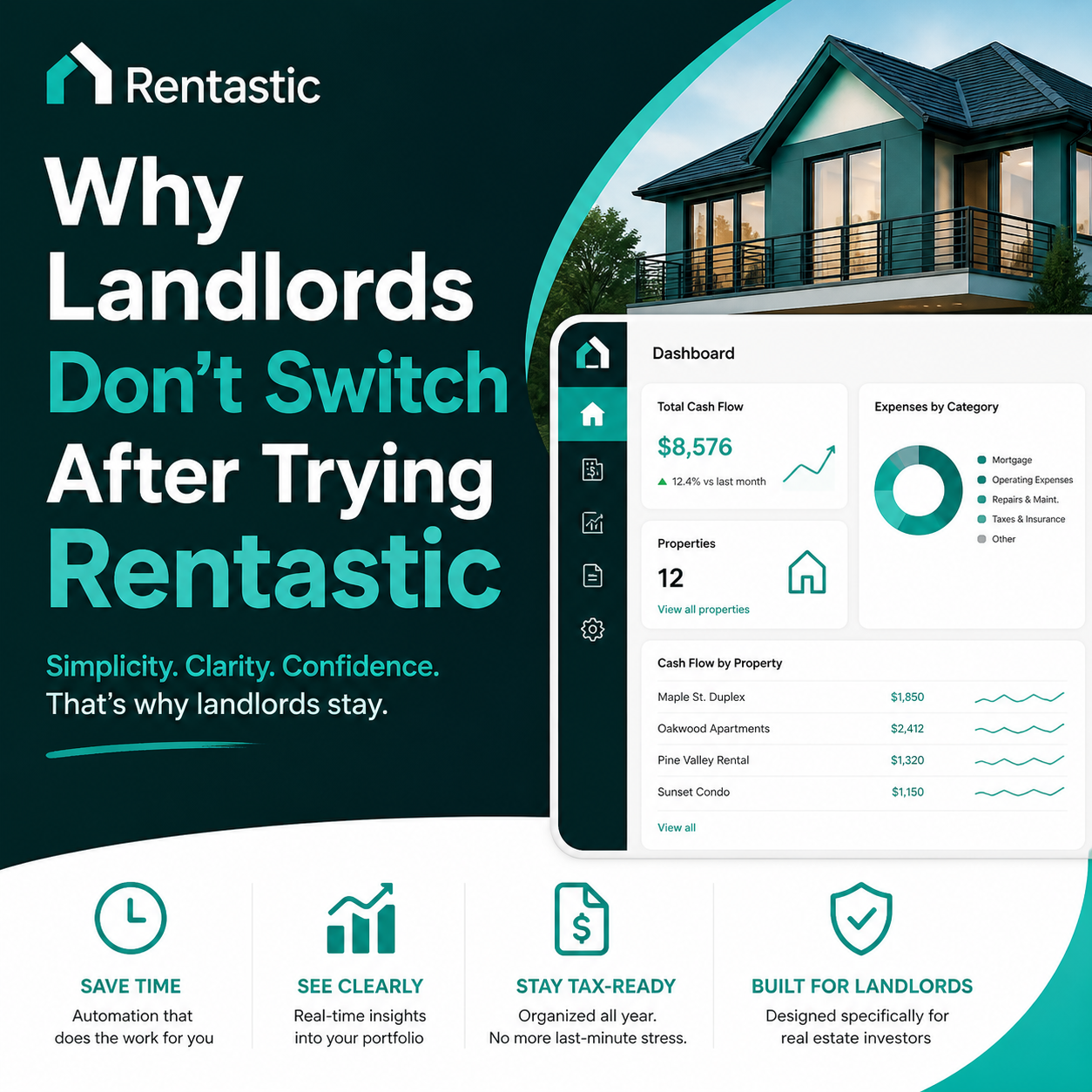
Using accounting software like Rentastic makes it easier to organize your rental property finances in one secure location, giving you quick access to the records you need when questions arise.
A trust can play an important role in your overall estate plan, but not all trusts protect rental properties from lawsuits.
A revocable living trust generally helps with probate avoidance and estate planning—not liability protection. Irrevocable trusts may offer stronger protection in some situations but involve significant legal and financial considerations.
For many landlords, the strongest protection comes from combining the right ownership structure, adequate insurance coverage, careful property management, and organized financial records.
Because every investor's situation is different, consult with an experienced estate planning attorney and tax professional before deciding how to structure your rental property ownership.
RECENT POSTS


© 2025 Rentastic
Rentastic is registered as a trademark. Terms and conditions, features, support, pricing, and service options subject to change without notice.











.png)






























.png)
































Comments