
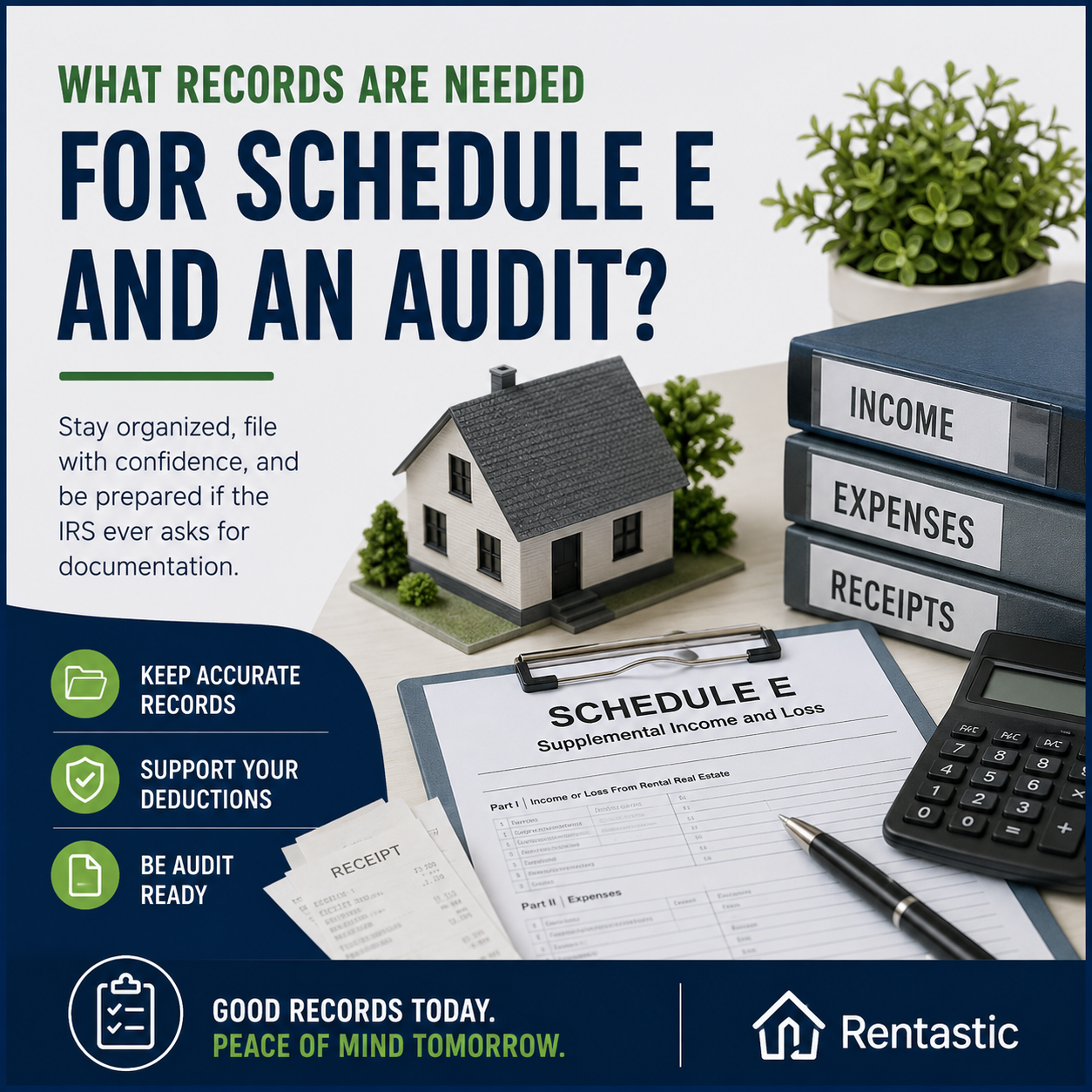
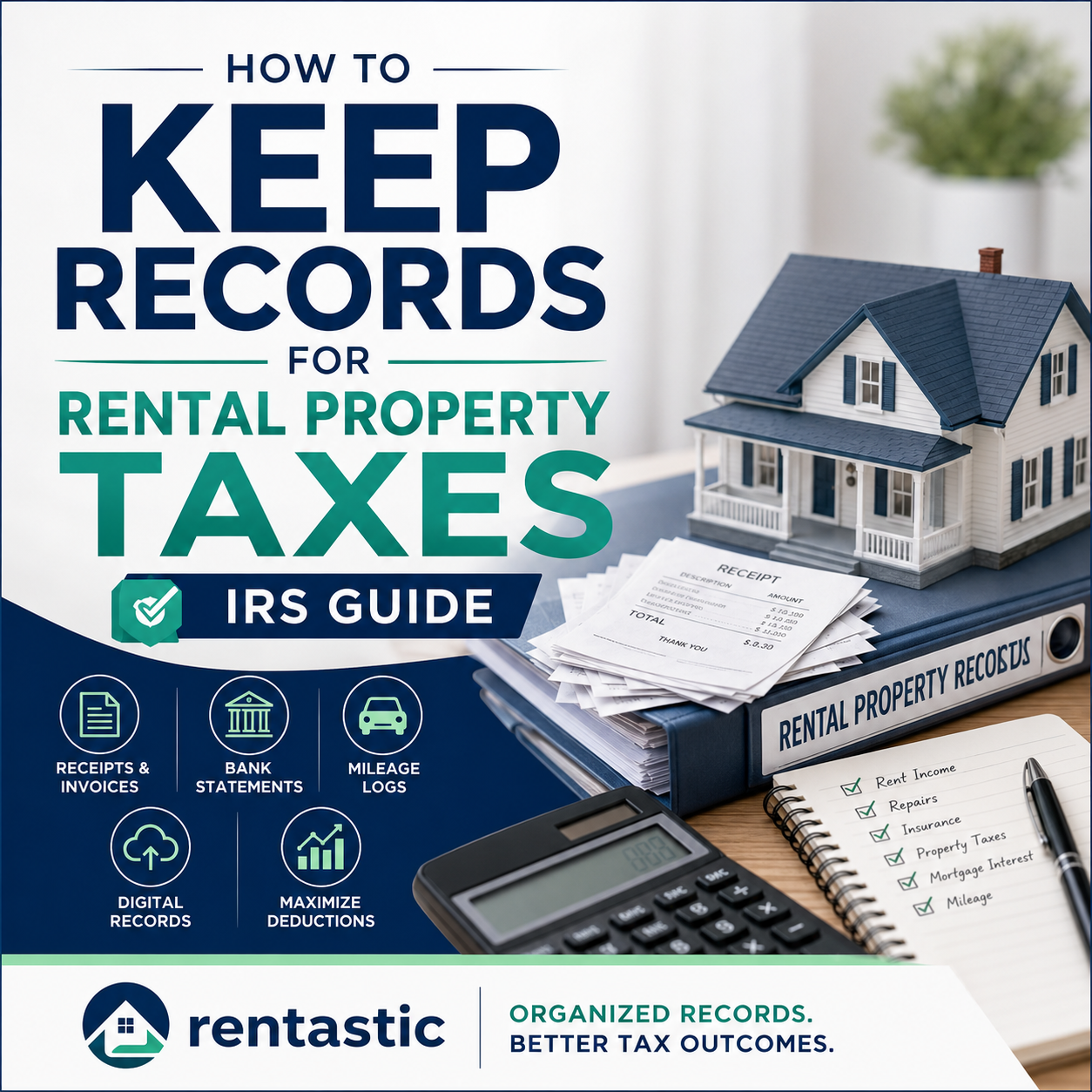
Managing rental properties comes with tax responsibilities, and one of the most important is accurately completing IRS Schedule E. Keeping organized records throughout the year not only makes tax filing easier but also prepares you in case the IRS ever requests documentation during an audit.
The good news? If you've maintained complete and accurate records, both tax season and an audit become much less stressful.
Schedule E (Supplemental Income and Loss) is the IRS form used by rental property owners to report:
Every number reported on Schedule E should be supported by documentation.
Maintain documentation for all income received, including:
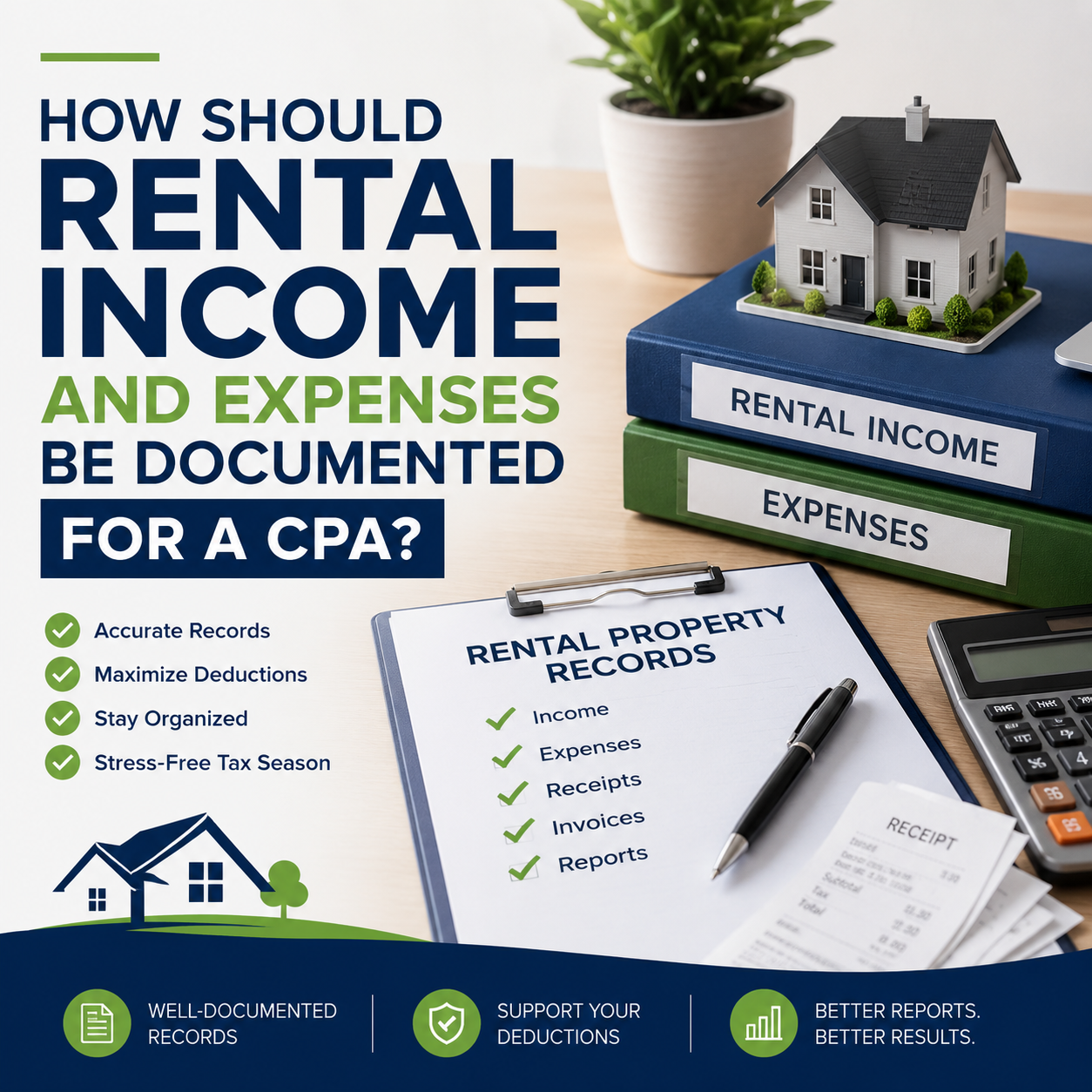
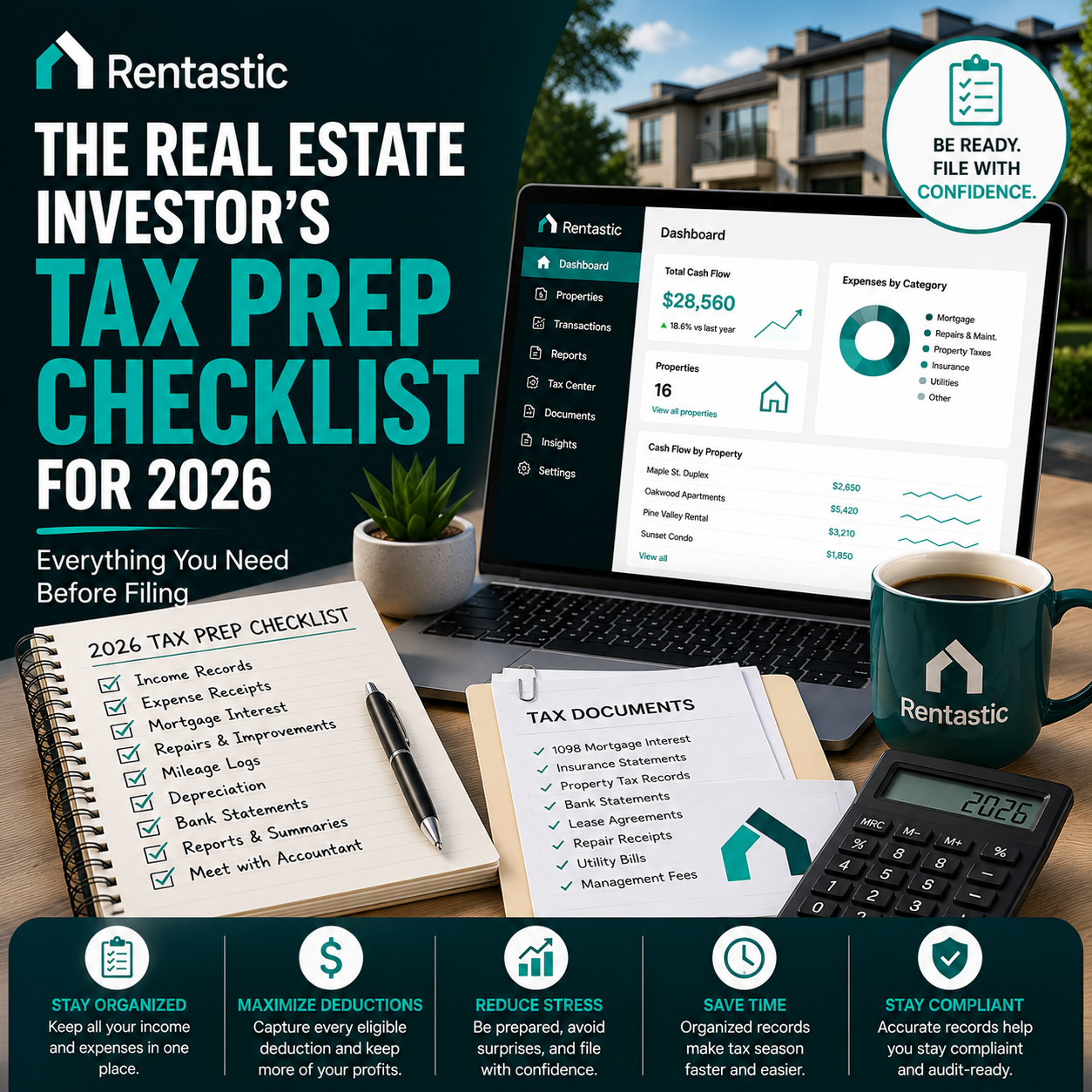
Helpful records include:
Keep receipts and invoices for deductible expenses such as:
Whenever possible, save both the receipt and proof of payment.
You'll typically need:
These help verify deductible mortgage interest and related expenses.
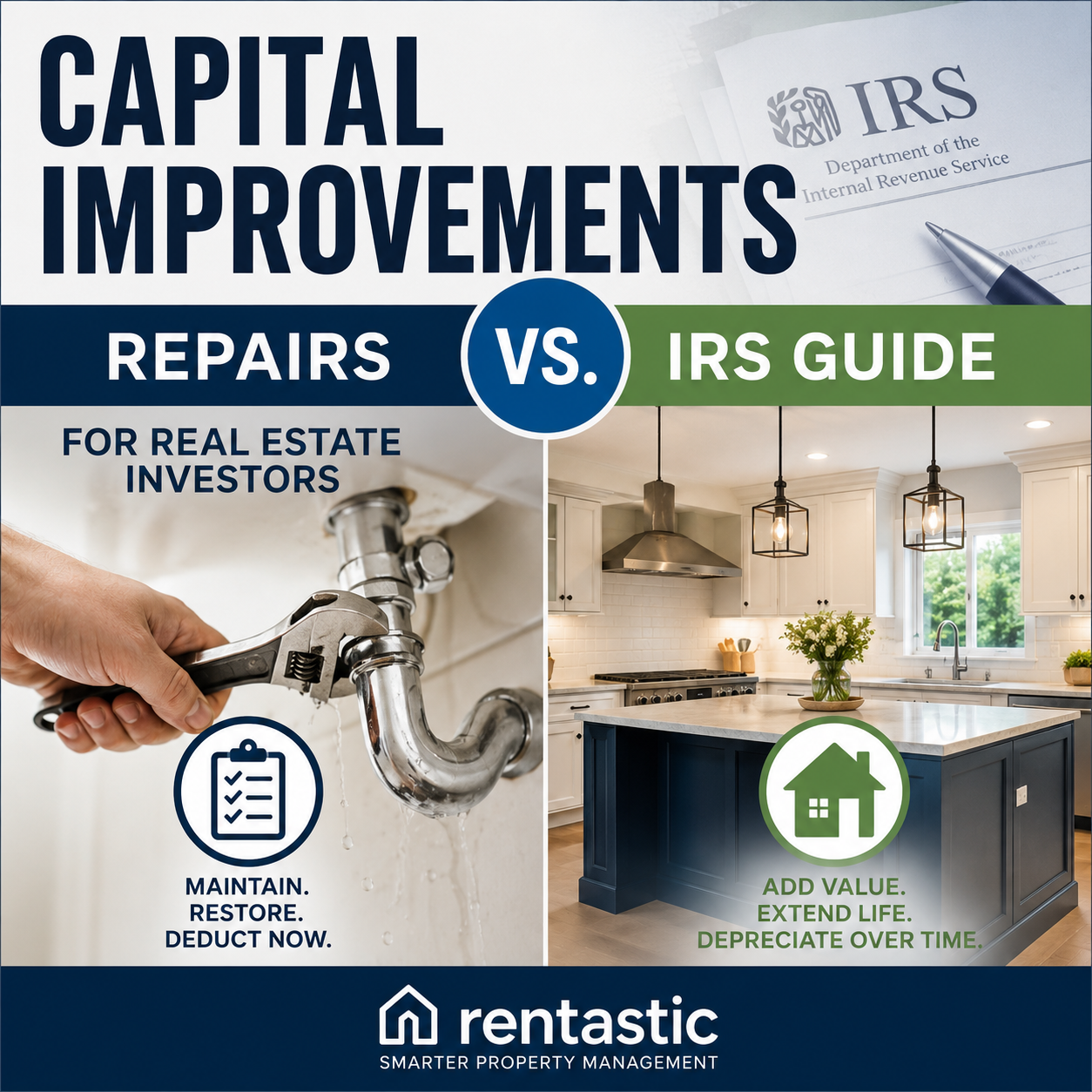
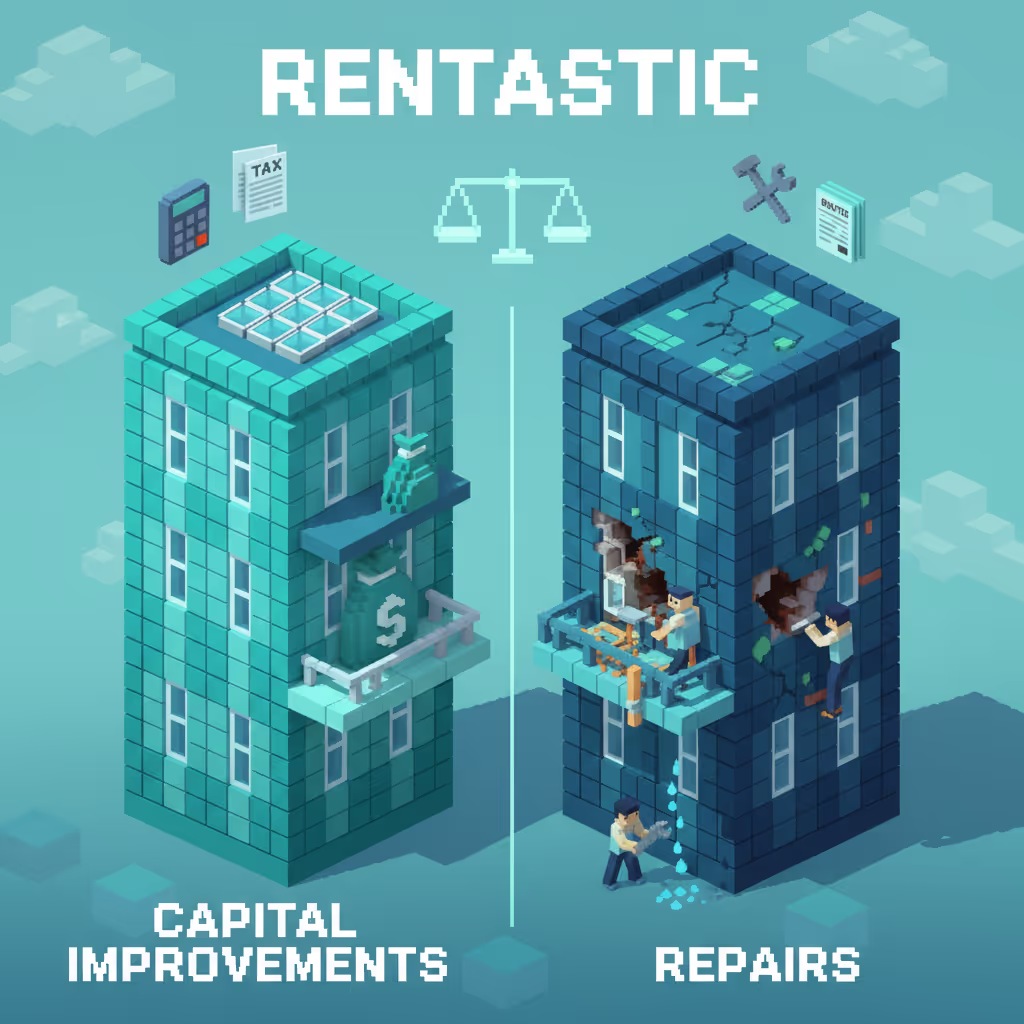
Improvements are treated differently than repairs, so keep detailed records of:
Include:
These records are important for calculating depreciation.
Depreciation is one of the largest tax deductions available to landlords.
Keep documentation showing:
If you travel for your rental business, maintain:
Good documentation makes these deductions much easier to support.
Save records related to the original purchase, including:
These documents establish your property's cost basis.
Financial statements help verify:
Using separate accounts for rental properties makes recordkeeping much simpler.
An IRS audit doesn't automatically mean you've done something wrong. The IRS may simply ask you to verify the amounts reported on your return.
You may be asked to provide:
Being organized allows you to respond quickly and confidently.
While record retention requirements can vary depending on your situation, many tax professionals recommend keeping supporting tax records for at least several years after filing your return, and keeping records related to property purchases and improvements for as long as you own the property (and often for a period after you sell it), since they affect your property's tax basis.
If you're unsure what applies to your situation, consult your CPA or tax advisor.
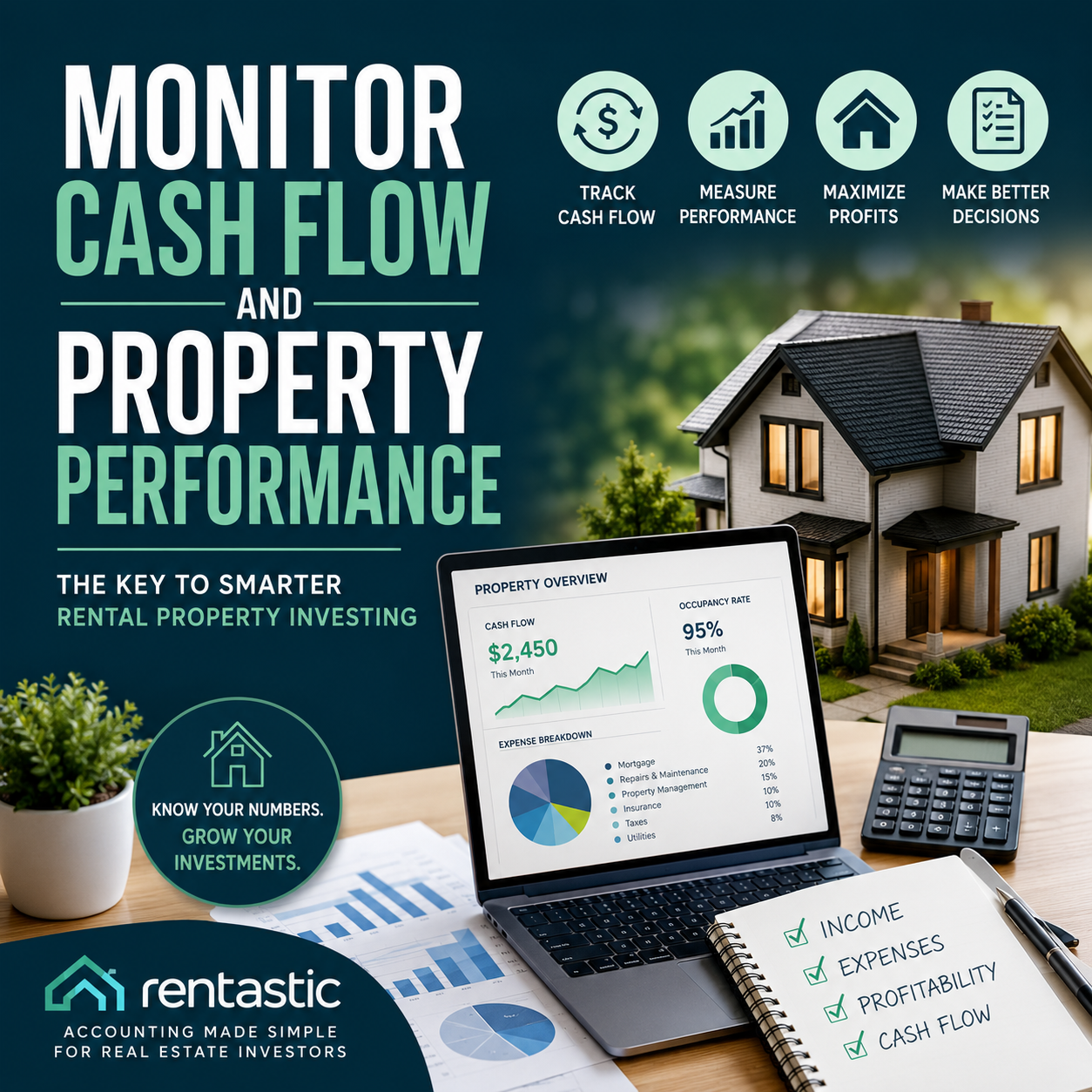
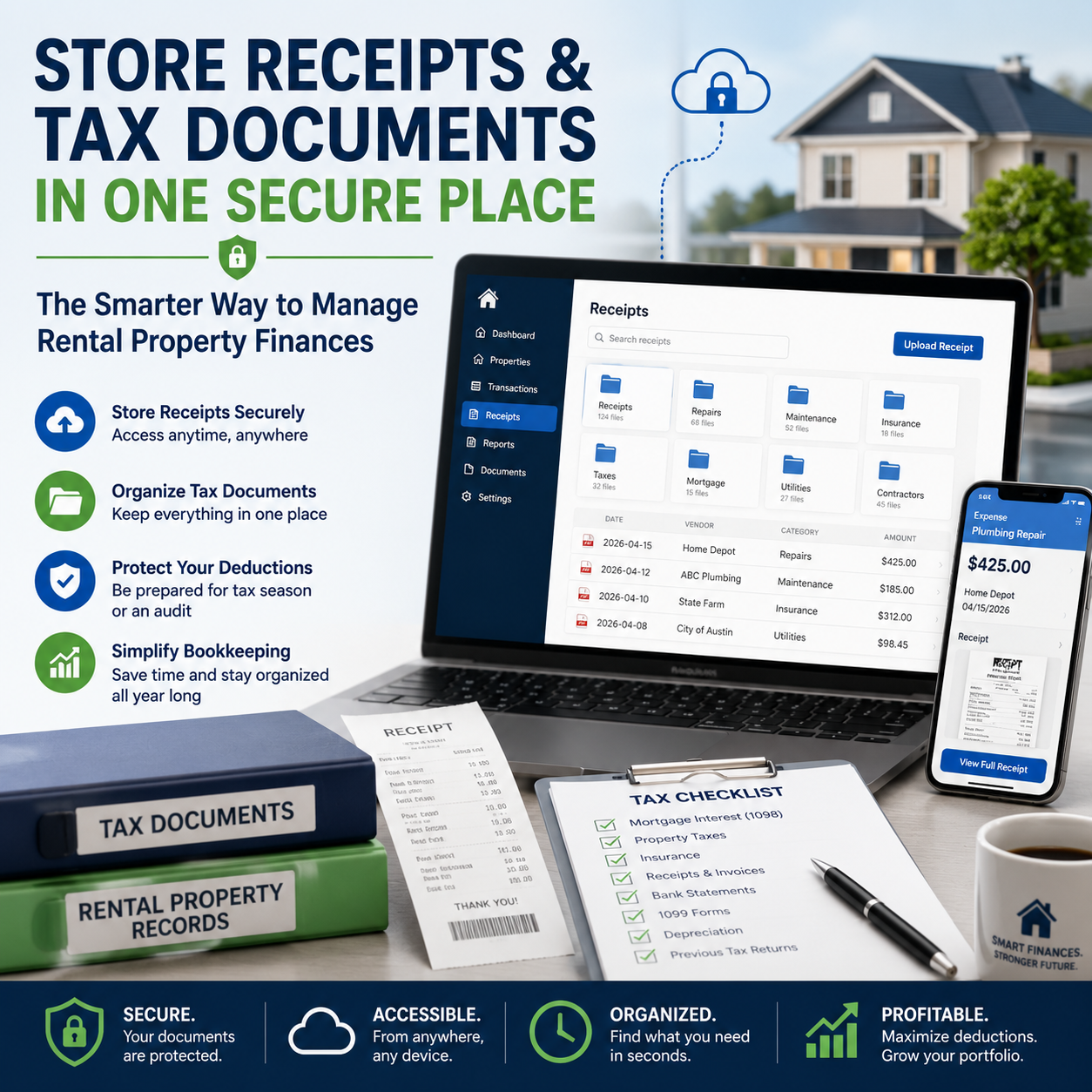
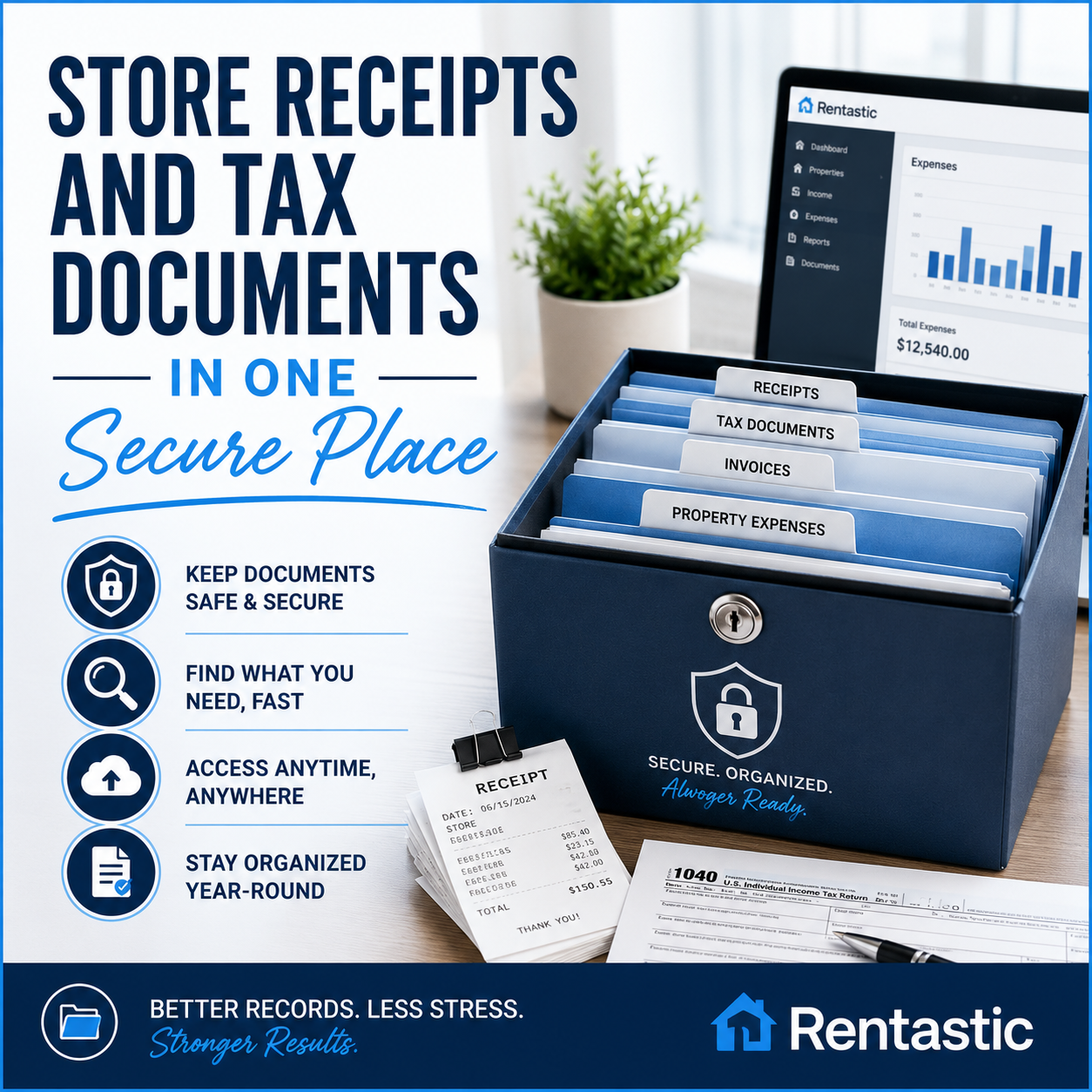
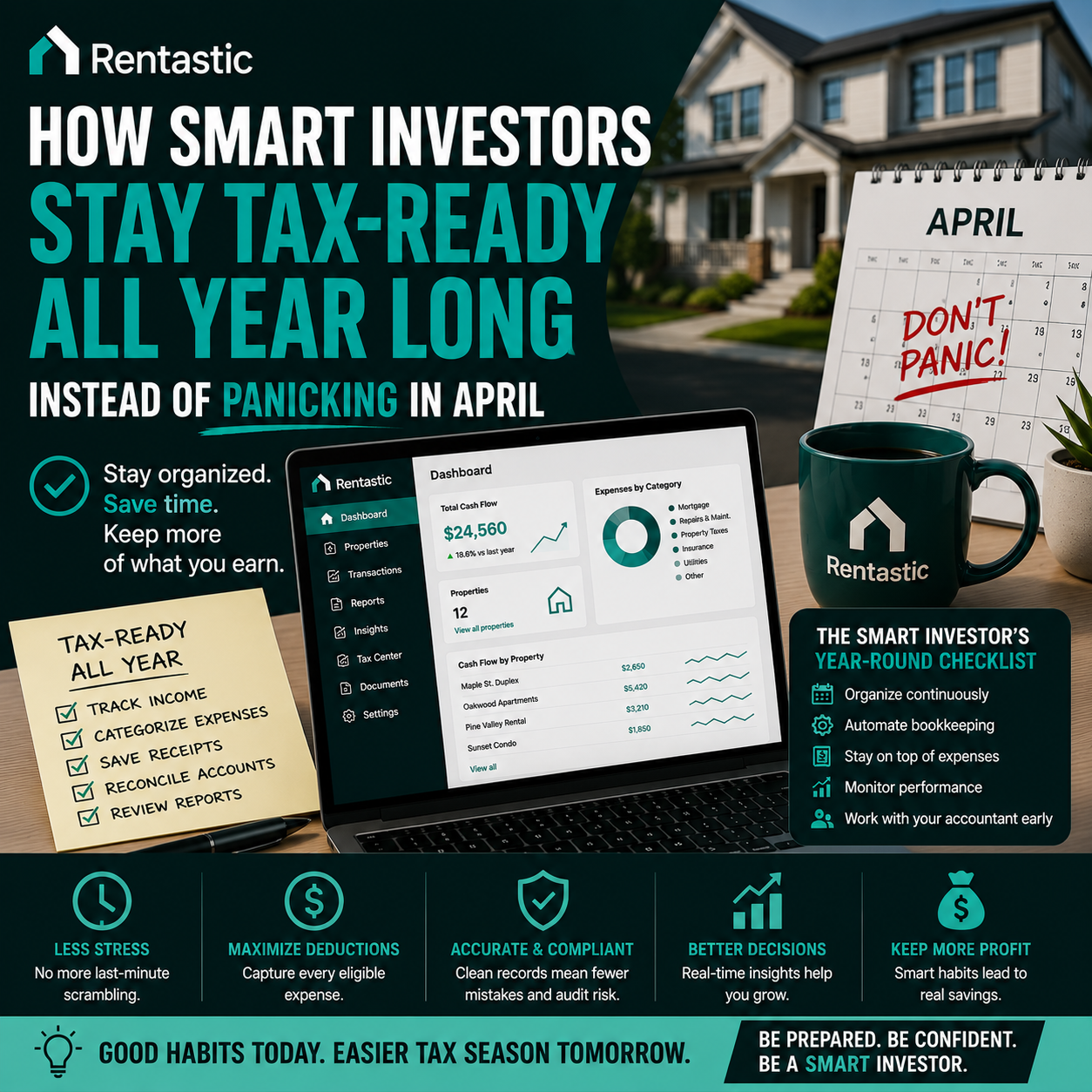
Instead of scrambling for paperwork at tax time, Rentastic helps landlords stay organized year-round by allowing you to:
Having everything in one place makes completing Schedule E—and responding to an audit—far less stressful.
Accurate records are the foundation of successful rental property bookkeeping. Whether you're filing your annual Schedule E or responding to an IRS audit, organized documentation helps ensure your tax return is accurate, supports your deductions, and saves valuable time.
The best strategy is simple: keep records as you go, rather than trying to recreate them when tax season arrives. Your CPA—and your future self—will thank you.
RECENT POSTS


© 2025 Rentastic
Rentastic is registered as a trademark. Terms and conditions, features, support, pricing, and service options subject to change without notice.








.png)






















.png)





























Comments