

Managing rental property involves more than collecting rent and paying the occasional repair bill. To understand how your investment is actually performing, you need a clear way to track every dollar coming in and going out.
One of the simplest ways to stay organized is to use a separate bank account for your rental property.
But is a separate account actually required? And should you have one account for every property you own?
Here’s what landlords and real estate investors should know.
For many individual landlords, there is generally no federal tax rule requiring a separate bank account simply because you own rental property personally.
However, that doesn't mean mixing rental and personal finances is a good idea.
Keeping rental activity separate can make it much easier to:
If your rental is owned through an LLC or another business entity, maintaining separate finances may be even more important. Mixing personal and business funds can create bookkeeping problems and may complicate the legal separation you intended to establish through the entity.
State laws and individual circumstances can vary, so landlords should consult an attorney or tax professional when determining the appropriate account structure.
Imagine using one checking account for your paycheck, groceries, mortgage, rental income, contractor payments, insurance, utilities, and personal subscriptions.
At the end of the year, you would need to review hundreds—or potentially thousands—of transactions to determine which ones belong to your rental business.
A separate account creates a much cleaner financial trail.
Ideally, rental income flows into the rental account while property-related expenses are paid from that same account.
For example:
Money coming in:
Money going out:
This structure makes it easier to see how the rental is performing without personal transactions getting in the way.
Not necessarily.
The right setup depends on the size and structure of your rental portfolio.
A landlord with one property might use one dedicated rental checking account. An investor with several properties may choose to use a single account while carefully assigning each transaction to the correct property in their bookkeeping system.
Other investors may prefer separate accounts for individual properties or LLCs.
For example, someone with five rentals could maintain one rental operating account while using accounting software to categorize income and expenses by property.
The important part is maintaining accurate property-level records, regardless of how many bank accounts you use.
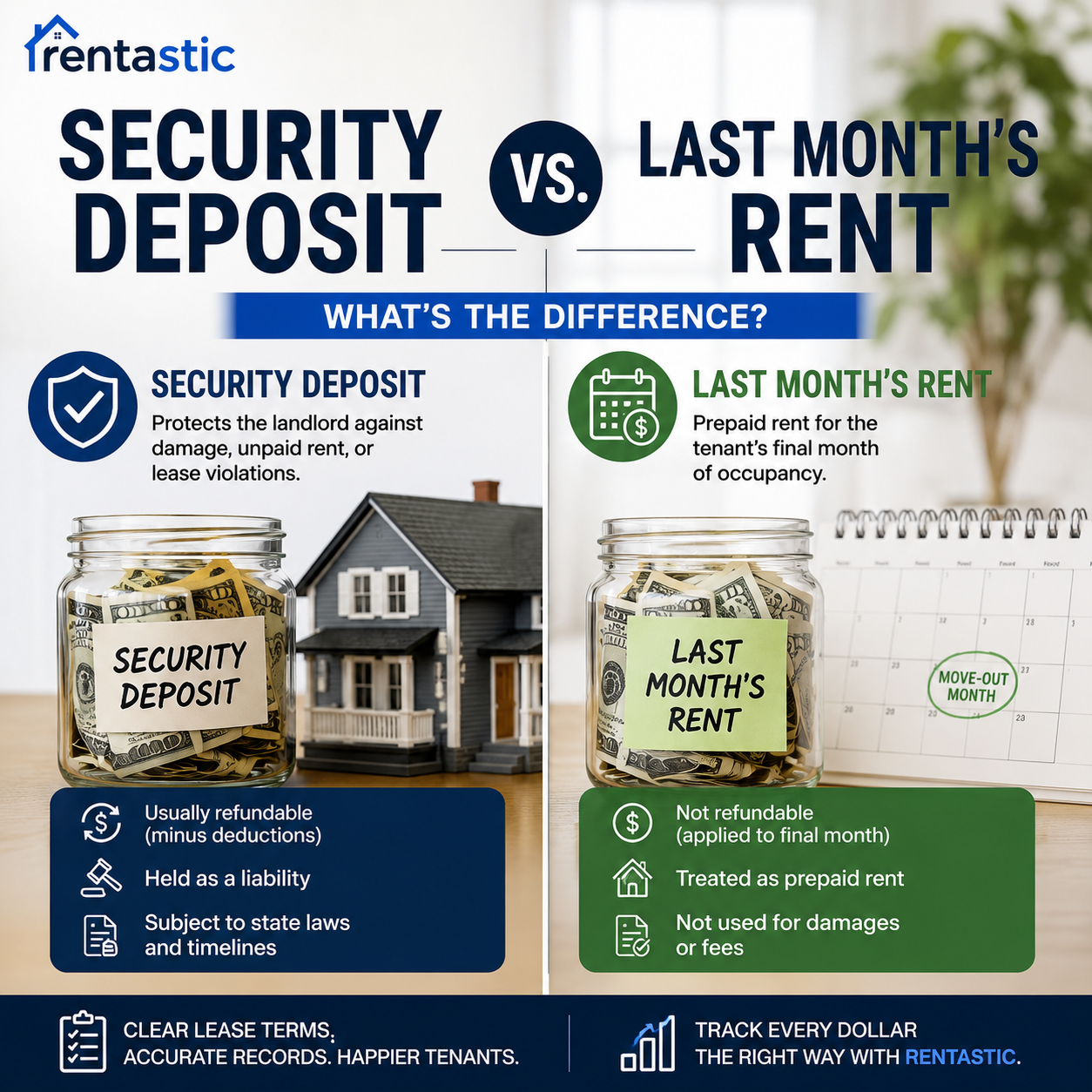
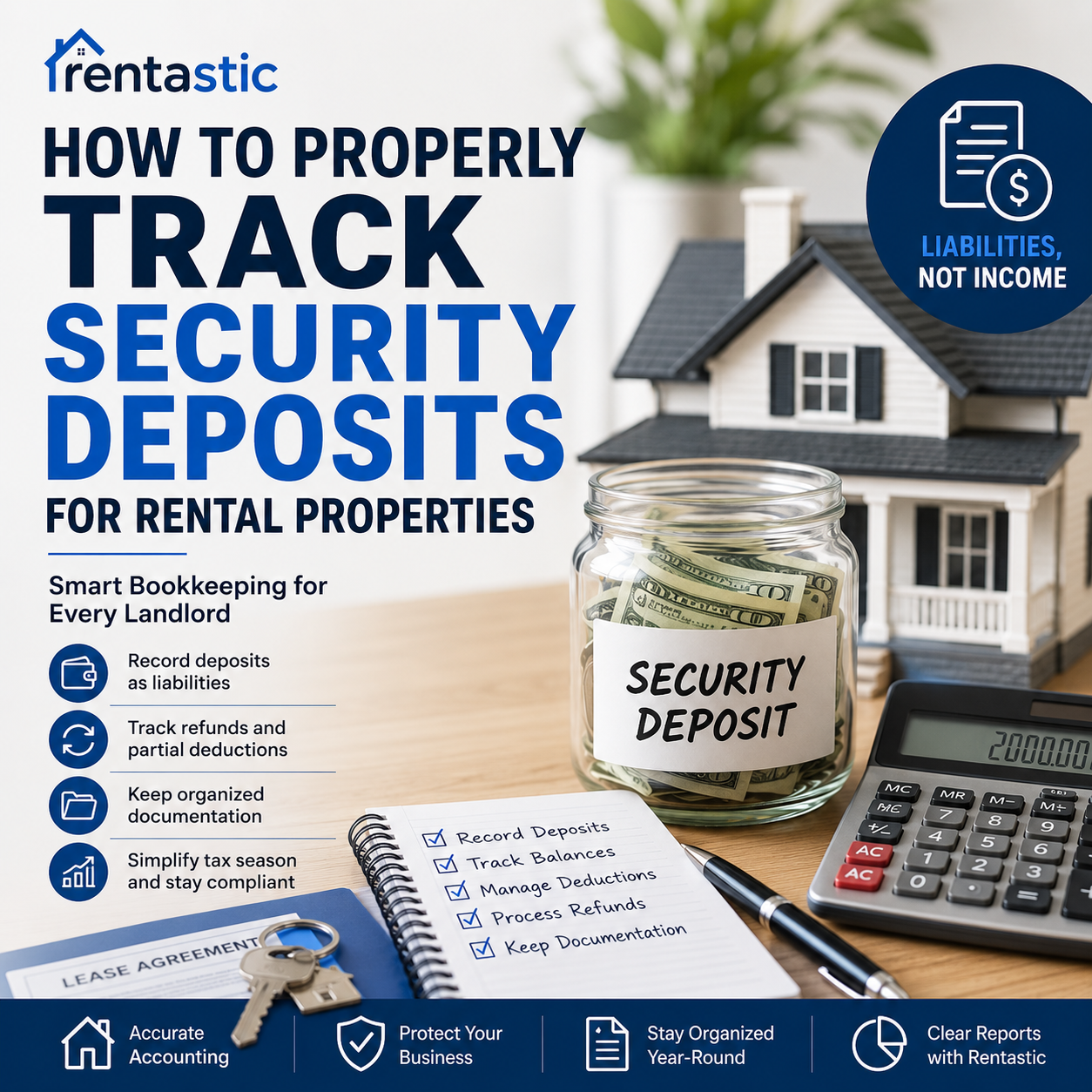
Security deposits require special attention.
Depending on state and local law, landlords may be required to keep tenant security deposits separate from personal or operating funds. Some jurisdictions also have specific requirements regarding where deposits are held, whether interest must be paid, and how funds must be returned.
Because these rules vary significantly by location, landlords should review the laws that apply to their rental properties before deciding how to handle security deposits.
Rental property owners typically need to report rental income and deductible expenses on their tax returns.
When personal and rental transactions are mixed together, tax preparation can become unnecessarily complicated.
Instead of sorting through every transaction and trying to remember whether a $450 payment from eight months ago was personal or rental-related, a dedicated rental account provides a much clearer starting point.
Good financial separation can also make it easier to organize common rental expenses such as:
Always consult a qualified tax professional regarding which expenses are deductible for your specific situation.
Opening a dedicated bank account is only part of the solution.
You still need to accurately categorize transactions and assign them to the correct rental property.
For example, seeing a $1,200 payment in your rental checking account doesn't automatically tell you whether it was for plumbing, roofing, appliances, landscaping, or another expense.
Your bookkeeping system should provide that additional context.
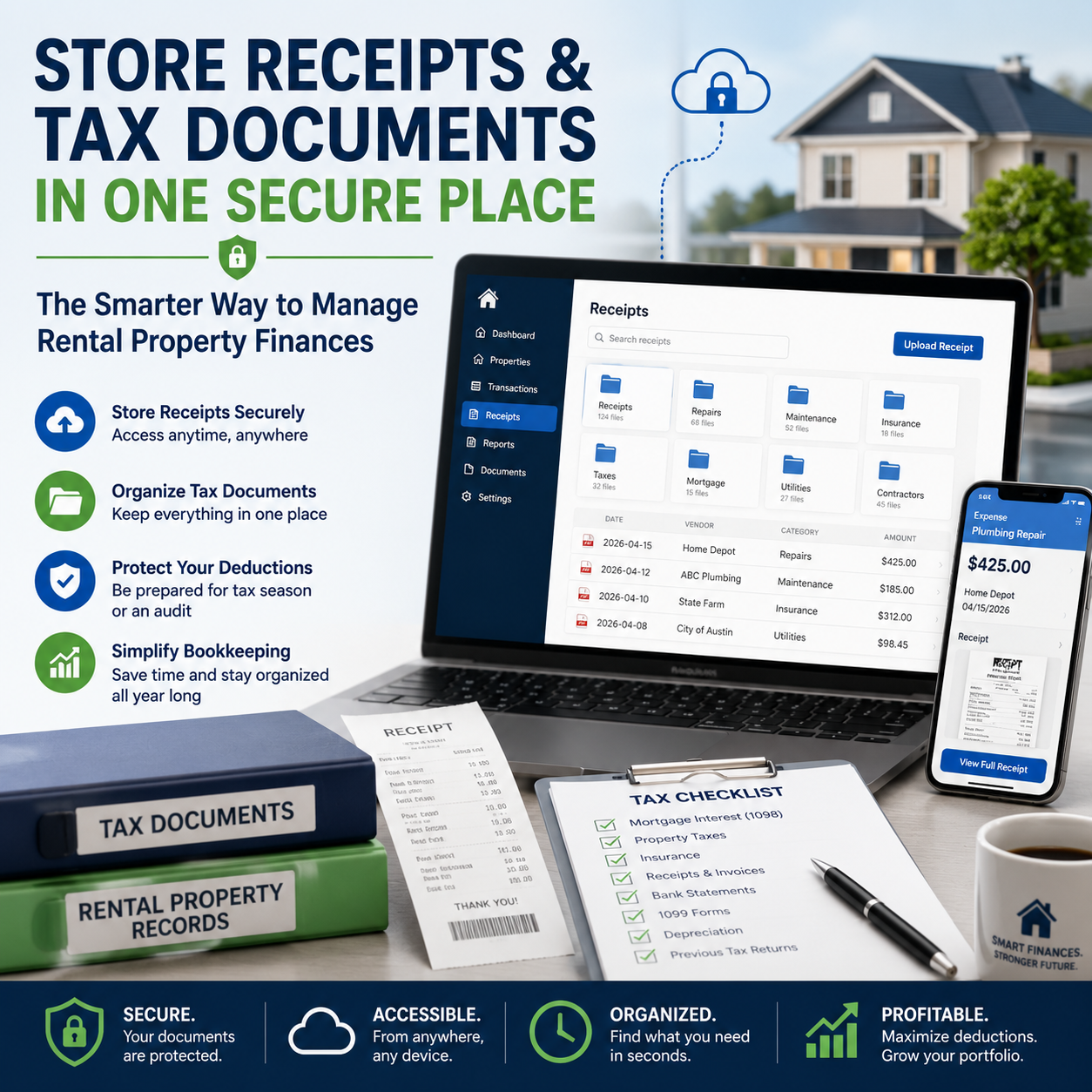
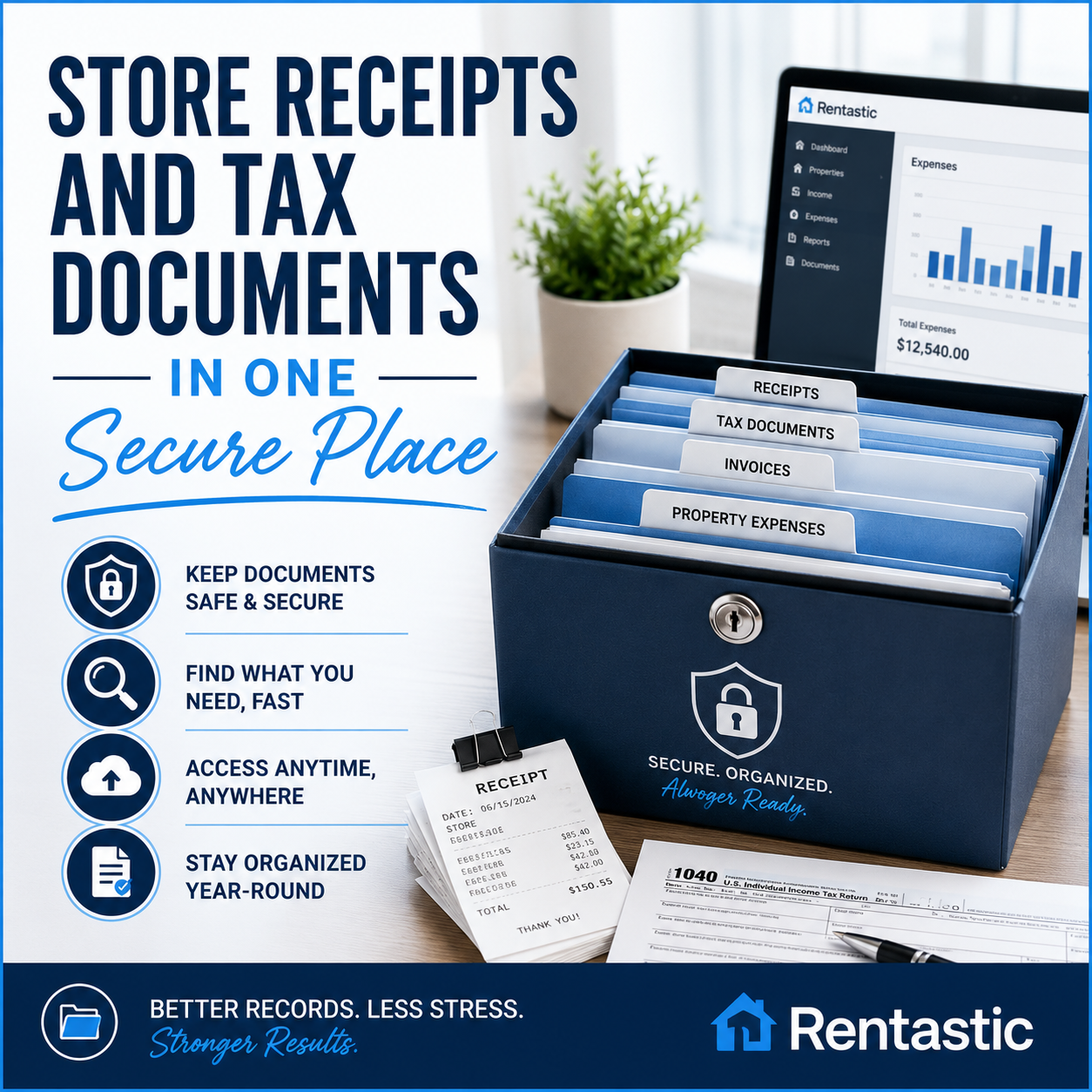
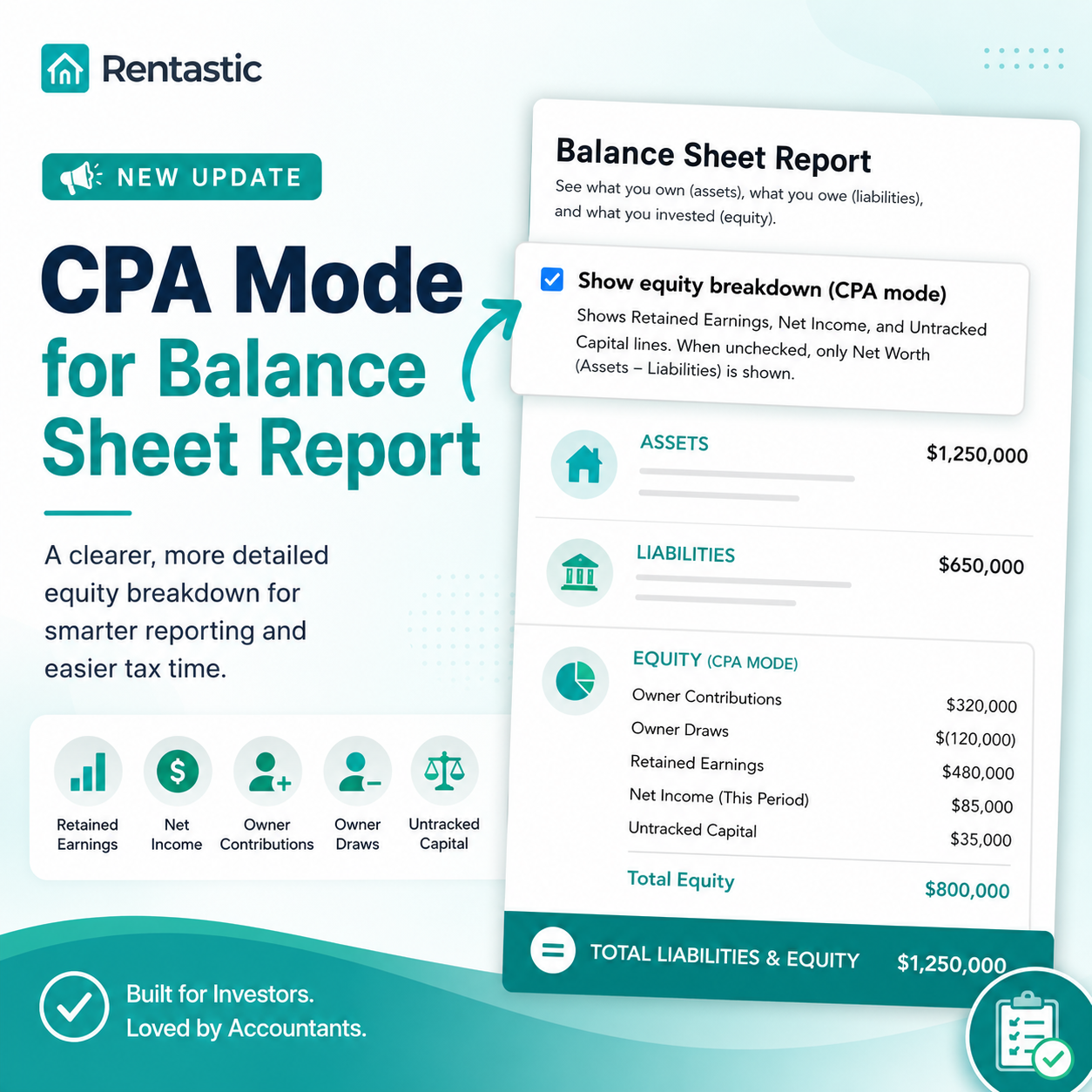
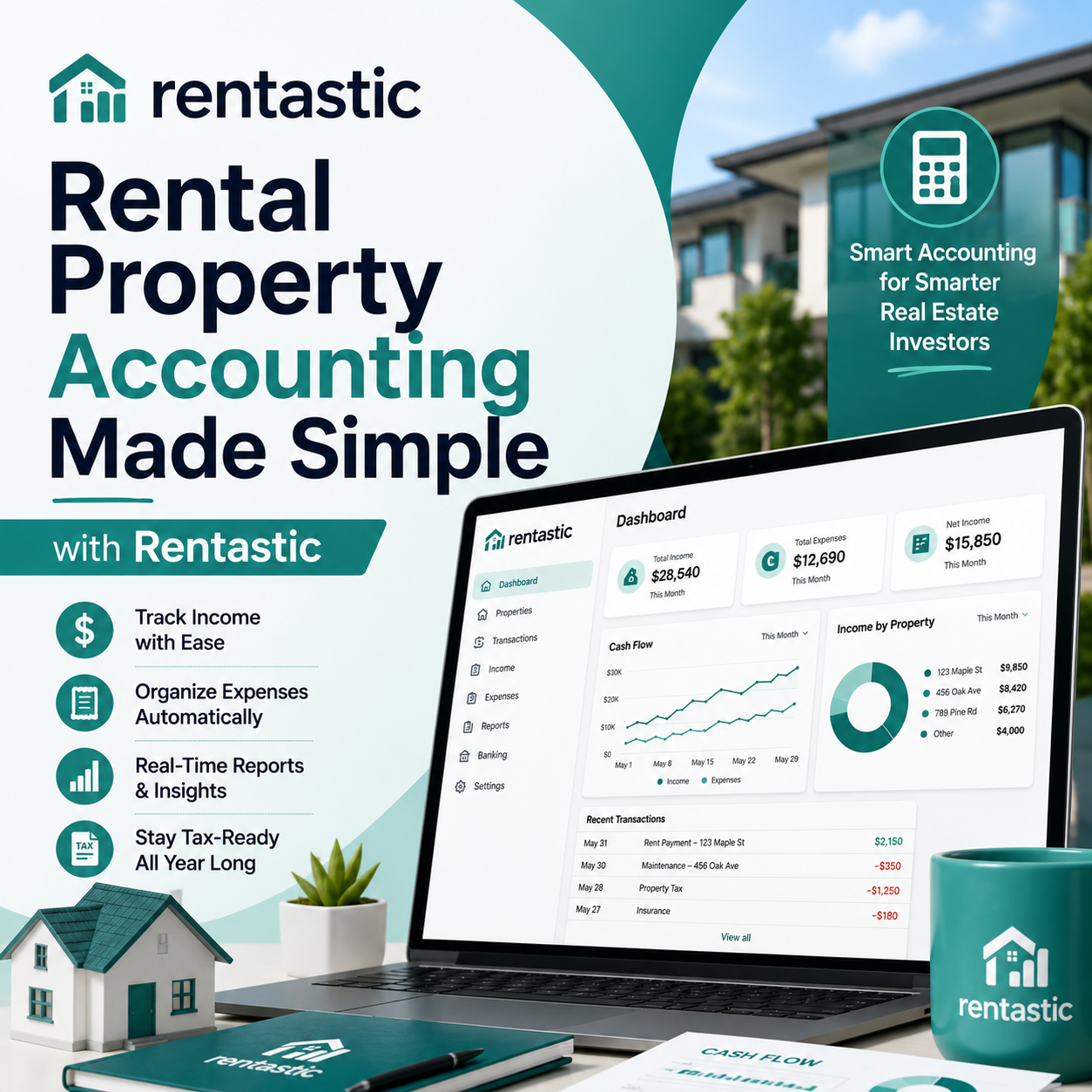
With Rentastic, landlords can connect bank accounts, track rental income and expenses, organize transactions by property, store receipts, and generate financial reports in one place.
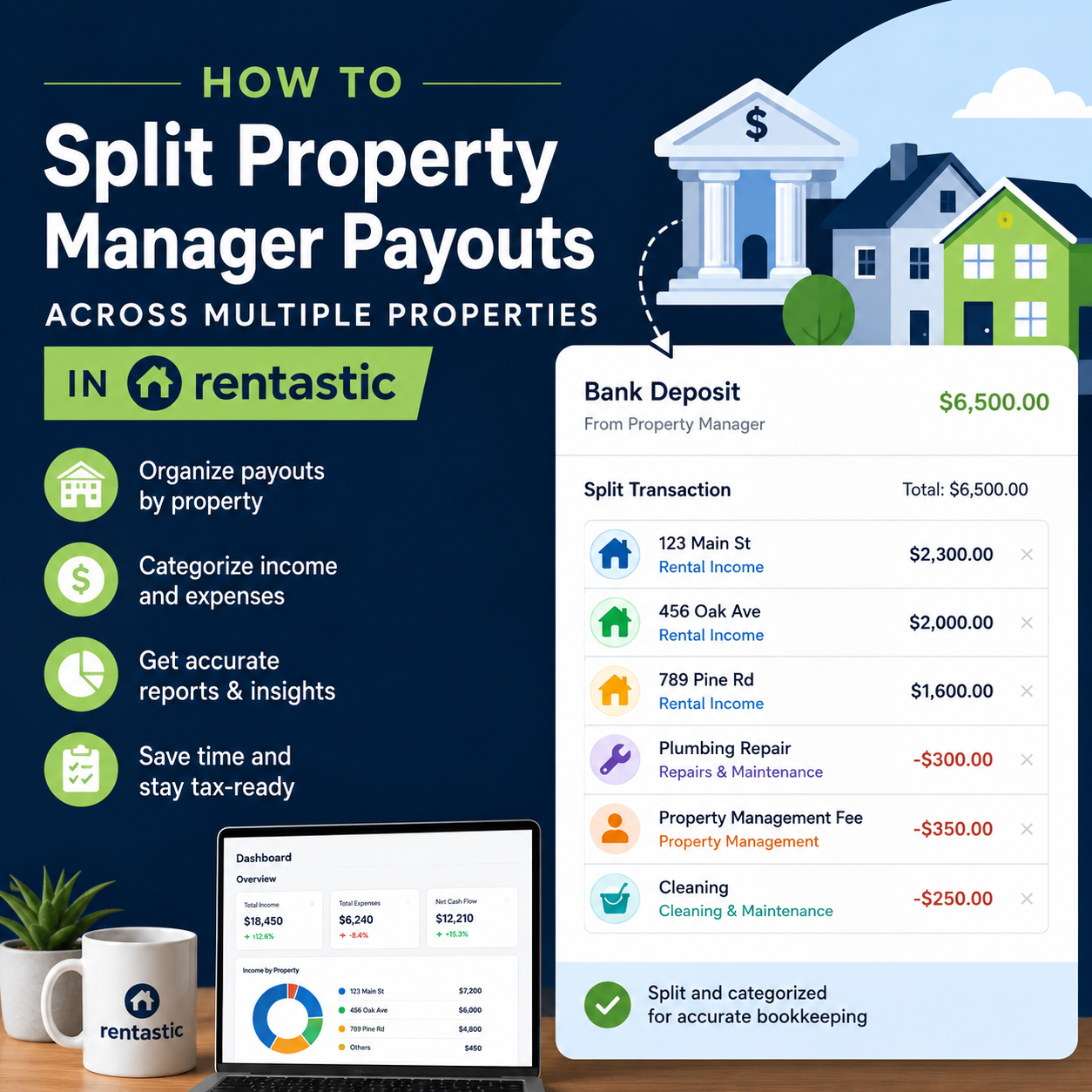
This can be especially useful for investors managing multiple properties through the same bank account because transactions can still be organized at the property level.
To keep your rental finances organized:
Don't panic—you can still improve your system.
Start by opening a dedicated rental account and using it for future rental activity. Then review your existing transactions and identify which income and expenses belong to your properties.
Once everything is properly categorized, maintaining separate finances going forward can significantly simplify your bookkeeping.
Landlords may not always be legally required to maintain a separate bank account for rental property, but doing so is generally a smart financial practice.
Separating rental and personal finances creates cleaner records, simplifies bookkeeping, makes tax preparation easier, and provides a clearer picture of how your investments are performing.
And remember: separate banking and property-level bookkeeping work best together.
A dedicated bank account helps separate rental activity from your personal finances, while a rental property accounting system like Rentastic helps you understand where the money came from, where it went, and which property it belongs to.
The cleaner your financial records are throughout the year, the easier it becomes to manage your properties, evaluate performance, and prepare for tax season.
RECENT POSTS


© 2025 Rentastic
Rentastic is registered as a trademark. Terms and conditions, features, support, pricing, and service options subject to change without notice.














.png)




























.png)




























Comments