

Nearly every dollar you spend on upgrades should translate into higher occupancy and stronger net operating income. In this guide, you’ll learn how amenities affect vacancy rates (and how Rentastic helps you prove it) by tying each feature back to clear ROI targets, tracking performance in real time, and prioritizing only the upgrades that move the needle.
Vacancy rates represent the percentage of rental units sitting empty, directly reducing your income. Even a 10% vacancy rate can cause significant financial loss depending on the gross scheduled income of your property Rentastic Blog. Conversely, occupancy rate shows the share of units filled, and small improvements here pay big dividends.
Each unoccupied day not only costs lost rent but also racks up ongoing bills and erodes property value. For a unit at \$1,200 per month, a 15-day vacancy means \$600 in missed rent alone. Over a large portfolio, even a 1% drop in vacancy could translate into thousands of dollars in additional annual rent income Rentastic.
Today’s renters expect more than four walls. In-unit laundry, high-speed internet, smart home features and communal workspaces can reduce time on market and boost tenant satisfaction. Research shows that implementing just three high-impact amenities can increase net operating income by about 10% within six months Rentastic.
Amenity creep, defined as the gradual addition of features like gym equipment and luxury finishes without tracking their return, can lead you to overspend on upgrades that don’t boost NOI over time Rentastic. To stay on budget, set clear ROI thresholds before you invest and revisit every cost line regularly. Learn more strategies in amenity creep is real: how landlords can avoid overspending on upgrades that don’t pay off.
Smart locks and connected living installations meet tenant expectations and deliver fast payback. Adding smart locks alone can accelerate vacancy filling by up to 20% thanks to automated self-showings Rentastic. These tech upgrades often have low installation costs and high perceived value.
In-unit laundry remains a top draw. Installations typically justify \$30 to \$50 in extra rent per month and may generate additional coin-operated revenue Rentastic. To compare costs and returns, check out from smart locks to in-unit laundry: how to track amenity costs vs. returns in one dashboard.
Small visual improvements—fresh paint, modern appliances, attractive common areas—can significantly boost tenant satisfaction and occupancy Rentastic. Offering varied lease lengths and short-term premium options also adapts to renter needs and curbs vacancies Rentastic. If you’re weighing shared amenities vs. in-unit upgrades, see shared amenities vs. in-unit upgrades: which delivers better returns for small landlords?.
Before any upgrade, define your ROI goal—industry best practice is around 8% to 12% annual return Rentastic. This threshold tells you when an investment will likely boost NOI within a year and prevents chasing low-return features.
Track baseline metrics—net operating income, occupancy shifts and tenant satisfaction—from day one. Rentastic dashboards consolidate these data points into a single view, so you spot downward trends before they turn into lost revenue Rentastic Blog.
Use scenario analysis tools to model multiple upgrade options. Forecast break-even timelines, internal rate of return and net present value so you invest only where data shows strong payback Rentastic. For a granular look at which features drive the highest returns, check which rental amenities actually increase ROI? track the real impact with Rentastic.
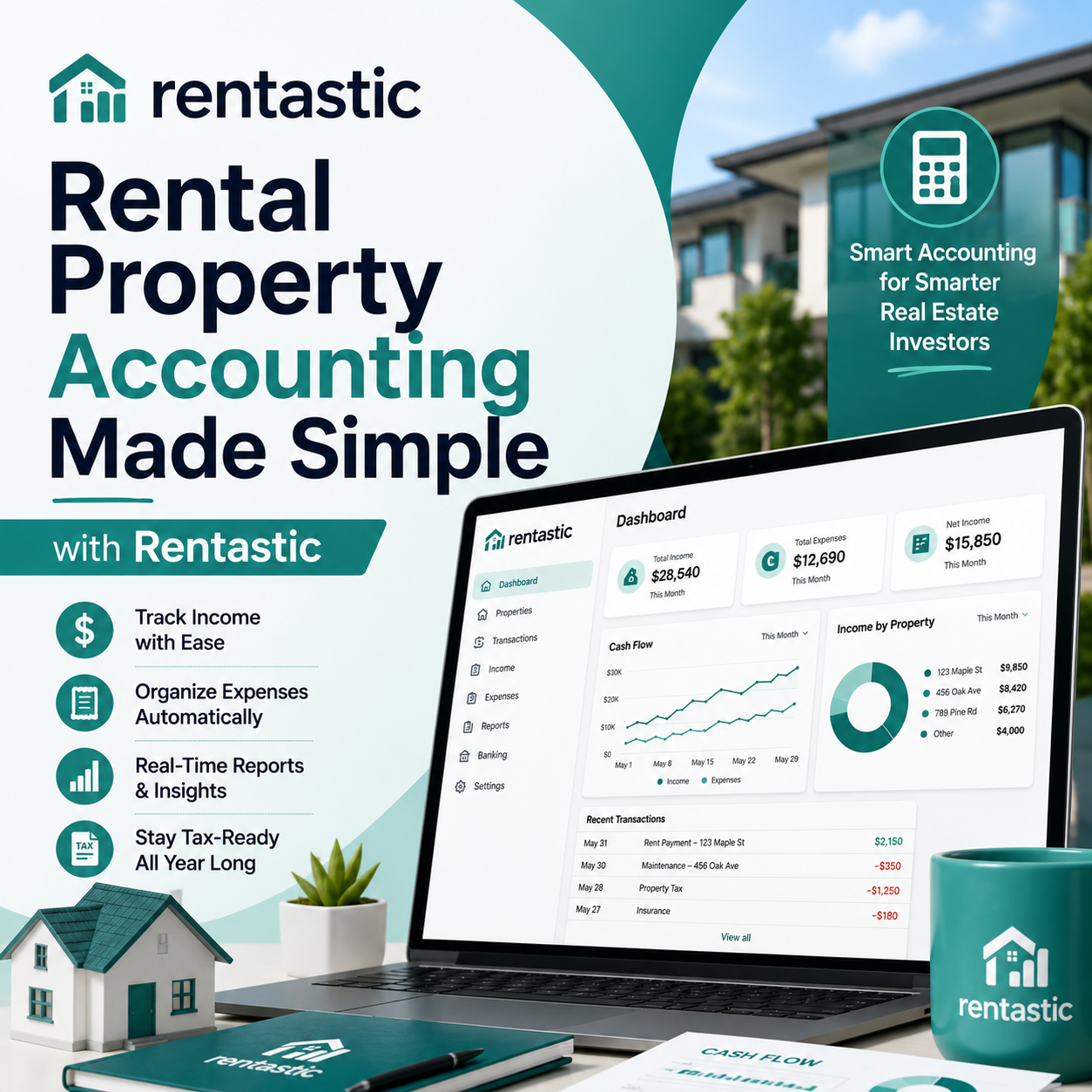
Rentastic unifies occupancy rate, vacancy loss and net operating income into real-time visualizations, removing the need for error-prone spreadsheets Rentastic Blog. You get automated bookkeeping and precise tracking of how each amenity impacts your bottom line.
With Deal Analyzer, input costs, financing terms, projected rent increases and occupancy shifts to compare upgrade scenarios side by side. See break-even points, IRR and NPV at a glance so you can rule out low-return investments before spending a dollar Rentastic.
Dynamic pricing tools let you update rental rates and promotions immediately based on occupancy data Rentastic Blog. Automate pro-rata lost rent calculations to quantify vacancy costs down to the day and protect your cash flow Rentastic.
By following these steps, you’ll see exactly how amenities affect vacancy rates—and use Rentastic to prove the impact in dollars and cents. Start your audit today, focus on high-value upgrades and let data drive your decisions. It’s time to fill more units, boost your NOI and make every amenity dollar count.
RECENT POSTS


© 2025 Rentastic
Rentastic is registered as a trademark. Terms and conditions, features, support, pricing, and service options subject to change without notice.









.png)
























.png)



























Comments