

1031 exchange tracking is one of the most overlooked components of a successful property swap. Without a robust system you risk missing deadlines that can disqualify the entire exchange and trigger immediate capital gains tax, wiping out your deferral benefits. In this guide you will learn what most investors get wrong about 1031 exchanges and how proper tracking saves you thousands.
Many investors focus on finding replacement properties but underestimate the strict IRS timing and documentation rules under Section 1031 of the Internal Revenue Code. Missing the 45-day identification window or the 180-day exchange period means your exchange collapses and you owe full tax liability on the sale proceeds (Rentastic). By building a clear tracking process you keep your exchange compliant, preserve your capital, and reduce stress.
Throughout this article you will get actionable steps on how to:
A 1031 exchange allows you to defer capital gains tax by selling an investment property and reinvesting the full proceeds into one or more like-kind properties. The IRS treats the sale and purchase as a single intertwined transaction, preserving your capital for reinvestment rather than immediate tax payments.
When you complete a qualifying exchange, you postpone your tax liability until you eventually sell the replacement property without reinvesting. This leverage lets you:
By reinvesting all sale proceeds, you accelerate the growth potential of your real estate holdings.
The IRS imposes two non-negotiable deadlines on every 1031 exchange. Careful tracking of these windows is vital to avoid disqualification.
You have 45 calendar days from the sale closing date to formally identify potential replacement properties. You may name up to three properties regardless of value, or more under the 200 percent rule—you can identify additional properties if their combined fair market value does not exceed 200 percent of the relinquished asset.
The 180 day clock starts on your sale closing date and runs through your tax return due date, including extensions. You must acquire at least one of the identified properties by that deadline or face immediate tax liability.
To prevent costly oversights:
Manual spreadsheets and sticky notes increase your risk of human error. Automation gives you peace of mind and frees you to focus on deal sourcing.
When evaluating platforms for 1031 exchange tracking, prioritize:
A reliable automated process ensures you never miss a critical date again.
If the IRS audits your exchange, you must provide clear evidence of compliance. Disorganized records can trigger red flags.
Store all exchange-related files in one secure hub. Include:
Good tracking platforms let you attach bank statements, wire confirmations, and closing statements directly to each exchange. That way you can prove funds never touched your personal accounts.
Implement consistent naming conventions by property name, date, and document type. A searchable database helps you retrieve evidence in seconds, not hours. Using automated tagging further streamlines audit preparation.
Internal linking reminder: learn more about advanced 1031 exchange tracking techniques on our tracking overview page.
Even with top tools, you need professional guidance to navigate complex regulations and avoid hidden traps.
IRS rules prohibit you from directly receiving sale proceeds. A qualified intermediary (QI):
A real estate tax specialist or CPA can:
By combining automation with expert oversight, you build a bullet-proof process.
Understanding typical mistakes helps you sidestep them in your own exchanges.
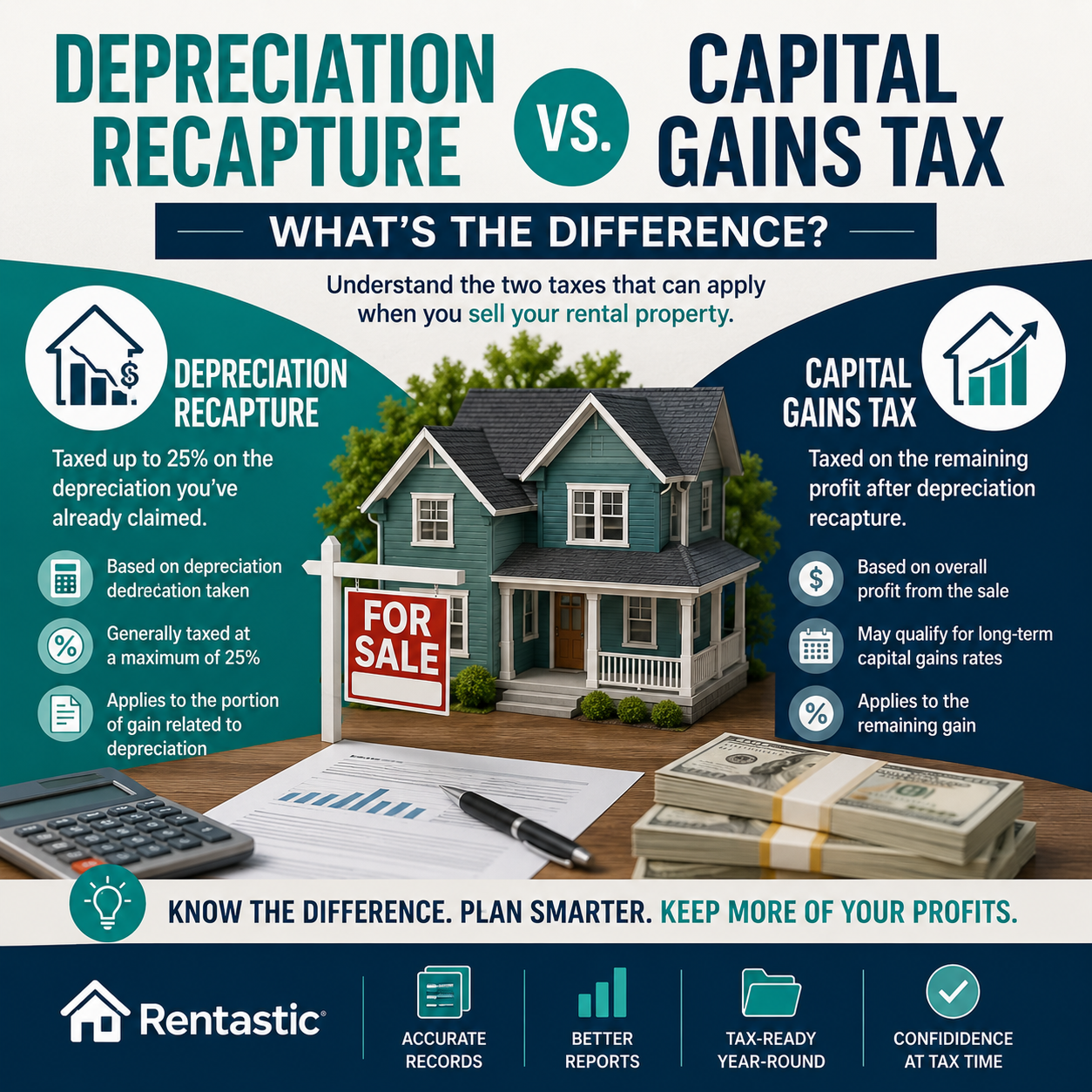
When you sell a property you must account for accumulated depreciation. If your replacement property structure differs, you can trigger recapture tax. Track your basis adjustments carefully and consult your QI to structure the deal.
If you invest less in the replacement property than your relinquished sale proceeds, the difference (“boot”) becomes taxable. Use tracking tools to monitor net equity and ensure you reinvest at least the same amount.
Only properties held for investment or productive use qualify. Quick-flip or inventory property transactions can disqualify your exchange. Document holding periods, rental income, and management activities to prove intent.
For deeper strategies on avoiding compliance issues, explore our guide to 1031 exchange tracking.
Proper tracking does more than keep you compliant, it helps you plan advanced strategies.
Consider chaining multiple exchanges over time to:
Accurate tracking ensures each leg closes within IRS windows.
Tax laws evolve—2025 updates may raise capital gains rates or alter eligibility rules. Regularly review trusted sources like the IRS website and financial news outlets to adjust your tracking process before new rules take effect.
A successful 1031 exchange hinges on precise timing and documentation. By understanding the exchange mechanics, identifying critical deadlines, automating your tracking, maintaining thorough records, and engaging qualified experts, you turn a risky process into a predictable path to growth. Proper 1031 exchange tracking not only preserves your deferral benefits, it saves you thousands in unexpected tax bills.
Ready to streamline your next exchange? Explore our advanced 1031 exchange tracking tools and take control of your tax-deferral strategy today.
RECENT POSTS


© 2025 Rentastic
Rentastic is registered as a trademark. Terms and conditions, features, support, pricing, and service options subject to change without notice.






.png)






























.png)




































Comments