

Your rental property’s bottom line depends on smart upgrades, not just shiny extras. If you’re asking yourself which rental amenities actually increase ROI? track the real impact with Rentastic from day one. By measuring net operating income, occupancy shifts, and tenant satisfaction, you’ll invest where it matters.
Rental ROI is your net operating income divided by total investment, expressed as a percentage. It shows how much return you get for each dollar you spend on upgrades or maintenance. A healthy rental property ROI benchmark for 2025 lies between 8% and 12% (Rentastic).
Well-chosen amenities can
Before you upgrade, establish baseline metrics for rent, expenses, and occupancy. Record these figures in Rentastic’s dashboards so you can see how each amenity shifts your NOI over time. Continuous monitoring helps you refine your strategy based on real ROI versus forecast.
Implementing three high-impact amenities can increase NOI by 10% within six months, as shown in Rentastic’s data-driven playbook for rental property upgrades (Rentastic). Focus on amenities with proven payback, install them quickly, and measure your results.
Tech upgrades like smart locks, thermostats, and security cameras deliver fast ROI. Vendors recommend scheduling installations within two weeks to capture early tenant interest and revenue gains. For a deeper look at tracking costs versus returns in one interface, see from smart locks to in-unit laundry: how to track amenity costs vs. returns in one dashboard.
Small cosmetic changes—fresh paint, modern lighting, updated fixtures—can significantly boost curb appeal and tenant interest. Rentastic data suggests completing these by month-end to maximize marketing momentum and early leasing rates.
Offering a mix of lease lengths, including premium short-term leases, lets you adapt to tenant needs and seasonal demand. Update your lease terms and run legal reviews within 10 days to capture higher cash flow quickly.
You need hard numbers to know if your investment is paying off. Rentastic provides tools to monitor each upgrade’s impact in real time, so you can pivot when necessary.
Rentastic’s Deal Analyzer lets you input cost, financing, projected rent increase, and occupancy change to estimate ROI before you commit. Use it to compare multiple upgrade scenarios side by side.
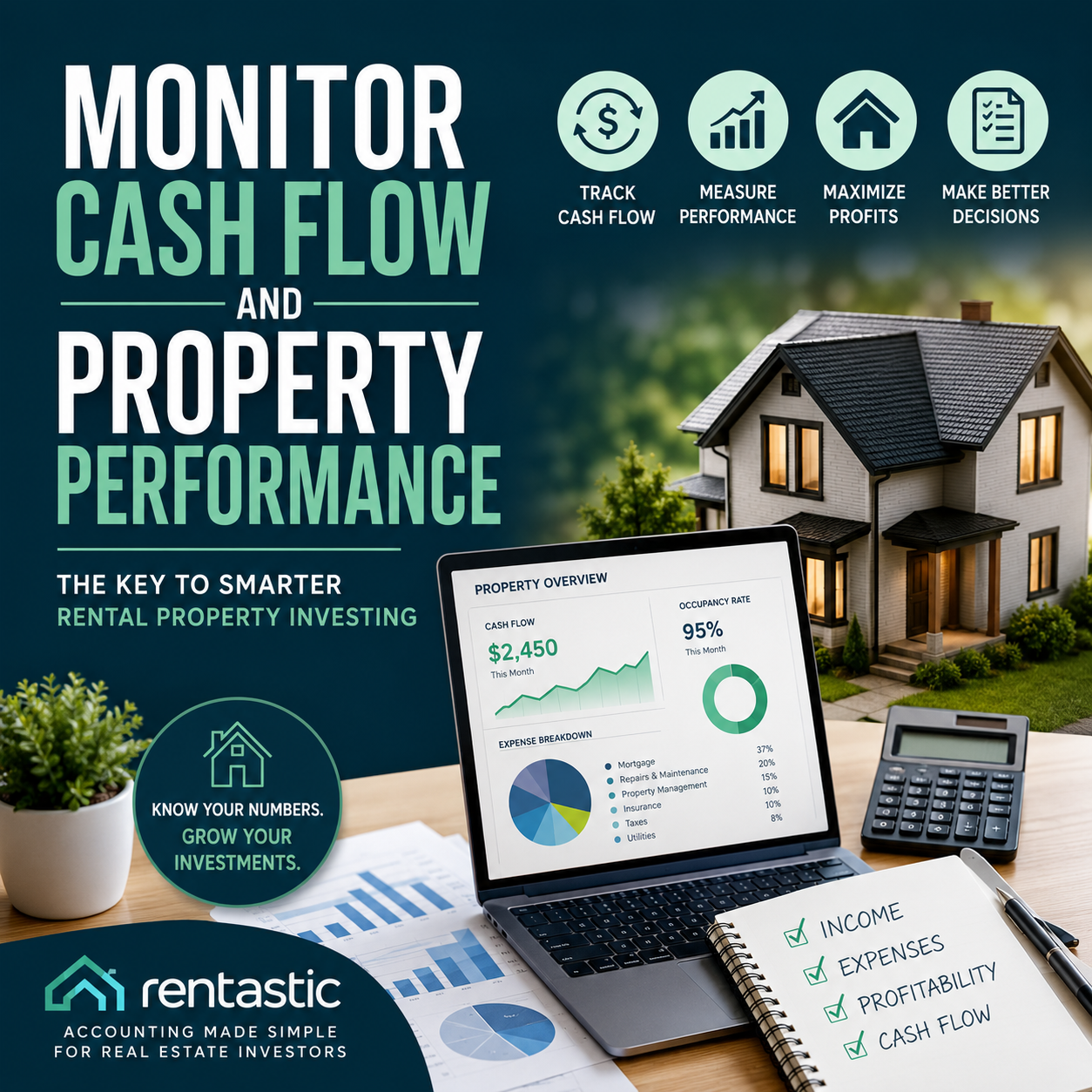
Customizable dashboards automate bookkeeping and integrate ROI calculations, giving you a clear snapshot of income, expenses, and profit forecasts at a glance. You can spot trends in weeks, not months.
Key metrics include
Tracking these metrics continuously ensures you invest in amenities that truly move the needle.
Setting clear targets and using the right tools helps you calculate ROI without guesswork.
Based on industry data, aim for an 8% to 12% ROI on any amenity upgrade. Benchmarks help you rank projects by potential impact and avoid low-return initiatives.
Rentastic’s rental property ROI calculator in 2025 converts complex price, renovation, financing, and income data into reliable ROI percentages within seconds (Rentastic). Feed it your cost estimates and projected rental income, then refine your plan until the numbers meet your benchmarks.
Manual spreadsheets leave room for error and slow down decision-making. Automation yields speed, accuracy, and peace of mind.
Rentastic’s comprehensive dashboards automate bookkeeping tasks, categorize expenses, and sync with your bank feeds. You’ll cut errors and free up time for strategy instead of data entry.
Automated reminders and customizable reports highlight the amenities and expenses driving profitability. You can schedule weekly or monthly summaries and share them with team members or investors effortlessly.
Even good amenities can become money drains if you’re not careful. Keep your upgrades targeted and cost-effective.
Amenity creep occurs when you keep adding features without tracking their ROI. Learn how to sidestep this trap in amenity creep is real: how landlords can avoid overspending on upgrades that don’t pay off.
Rank your proposed upgrades by projected ROI, installation speed, and tenant demand. Prioritize the top three projects that meet your ROI benchmarks before exploring additional options.
Getting rent right is as crucial as the upgrades themselves. Use data to adjust your pricing strategy.
Compare similar properties in your area, taking into account location, unit size, and amenities. Rentastic recommends adjusting rent within 5% of comparable units to stay competitive and maximize occupancy.
Test small rental increases on upgraded units while monitoring lease-up time. If a 3% rent bump doesn’t affect demand, you’ve unlocked additional income without losing tenants.
Amenity upgrades don’t just affect rent—they can shift vacancy rates and tenant retention.
Track occupancy before and after each upgrade. A 1% drop in vacancy can translate to thousands in annual rent gains on a large portfolio.
Quantify how each amenity correlates with faster leasing cycles or higher renewal rates. For detailed methods, explore how amenities affect vacancy rates (and how Rentastic helps you prove it).
Deciding between shared facilities and in-unit upgrades depends on scale, budget, and your tenant mix. Compare options side by side.
Dive deeper into this comparison in shared amenities vs. in-unit upgrades: which delivers better returns for small landlords?.
Once you know which upgrades to pursue, implementation speed matters.
Plan vendor selection and installation within two weeks of budget approval to capture tenant interest and start tracking ROI sooner (Rentastic).
Use Rentastic’s Profit and Loss Statement tool and dashboards to watch your NOI, occupancy, and ROI evolve in real time. Regularly compare actual performance to your projections and adjust your strategy as needed.
Your next step is simple: pick one high-impact amenity, plug the numbers into Rentastic’s Deal Analyzer, and start tracking the real impact with Rentastic today. By focusing on data-driven upgrades and automation, you’ll grow your rental income, minimize vacancy, and ensure every dollar you spend moves your ROI in the right direction.
RECENT POSTS


© 2025 Rentastic
Rentastic is registered as a trademark. Terms and conditions, features, support, pricing, and service options subject to change without notice.











.png)



























.png)



























Comments