

If you track your portfolio in rentastic or another real estate platform, you have probably noticed a pattern. The markets that keep showing healthy rent growth, solid cash flow, and lower volatility in 2026 are mostly in the Sun Belt.
You see it in your dashboards and profit and loss statements. Population keeps shifting to warmer, more affordable states. Jobs follow. Rents hold up. When you have real-time visibility into cash flow and ROI from a tool like rentastic, you can see which cities are quietly outperforming while others struggle.
In this guide, you will walk through why Sun Belt cities are dominating real estate investment in 2026, how to read the numbers using platforms like rentastic, and which local risks to watch before you buy your next property.
Before you look at specific Sun Belt cities, it helps to be clear about how you judge any market. The same metrics you see in your rentastic reports apply here.
When you compare cities side by side, focus on:
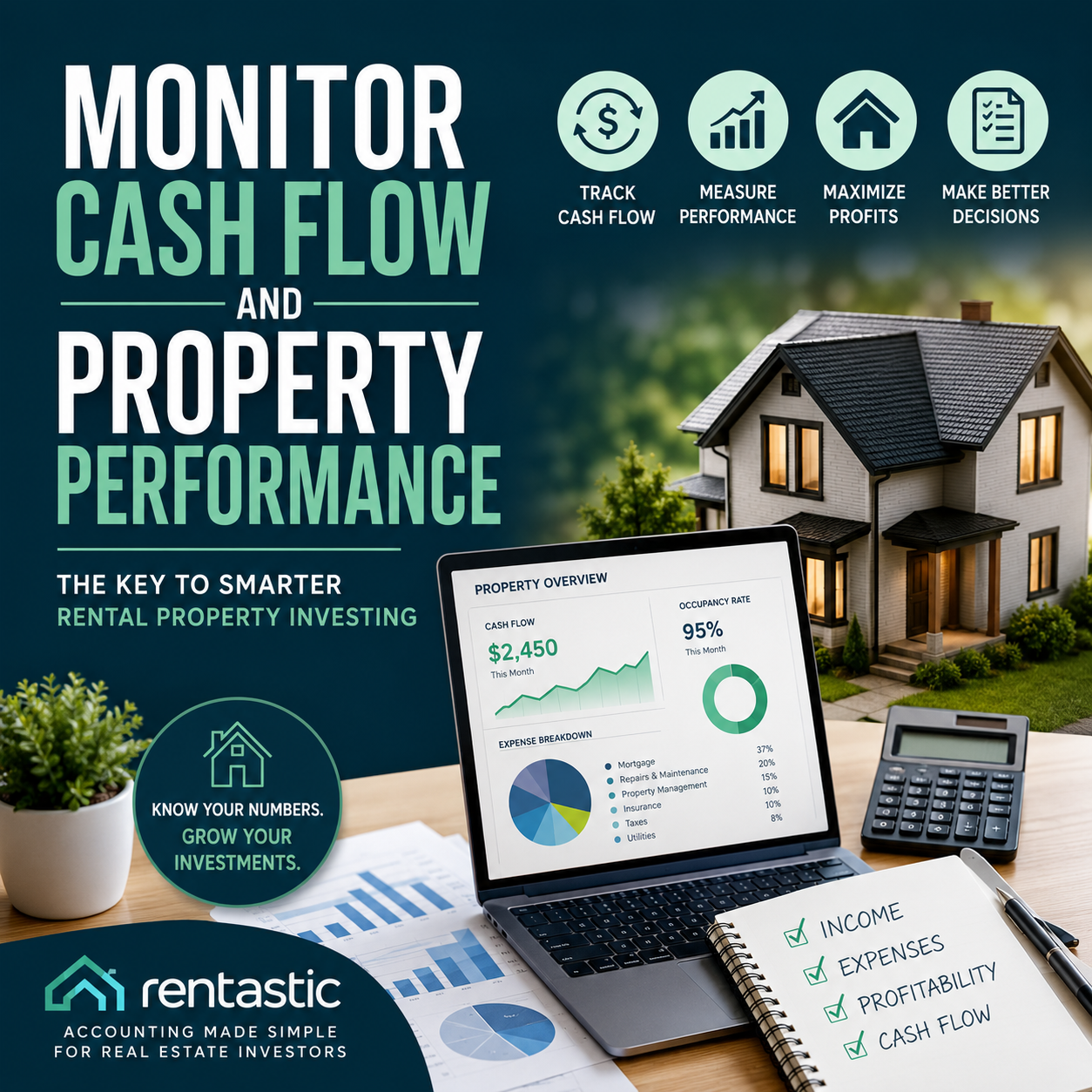
If your bank accounts are synced to rentastic, you already see how each market behaves in practice, not just on a spreadsheet. Rentastic automatically imports income and expenses and shows your true monthly cash flow so you can compare cities based on what you actually take home, not on guesses (Rentastic Blog).
In 2026, many Sun Belt markets have a unique mix you care about as an investor:
Platforms like rentastic make these trends visible in your portfolio. You can compare ROI and cash flow by city and state, then see which locations are quietly generating most of your returns (Rentastic).
You do not have to guess which Sun Belt city is best. Rentastic is built to give you that answer from your own numbers.
Rentastic connects to your bank accounts and captures income, mortgage payments, insurance, HOA fees, repairs, and taxes in real time. You can:
If you own in coastal Florida, Rentastic pulls in fluctuating insurance and HOA fees in places like Tampa Bay so you see your true monthly cash flow and how rising costs hit your bottom line (Rentastic Blog).
In 2025 and 2026, rentastic expanded portfolio wide analytics that let you:
If you own in Raleigh Durham, Austin, and Tampa, you can see which cluster actually delivers the highest return on equity, not just the highest rent (Rentastic Blog, Rentastic).
Your automated profit and loss statements in rentastic are more than tax paperwork. They are a live market sensor.
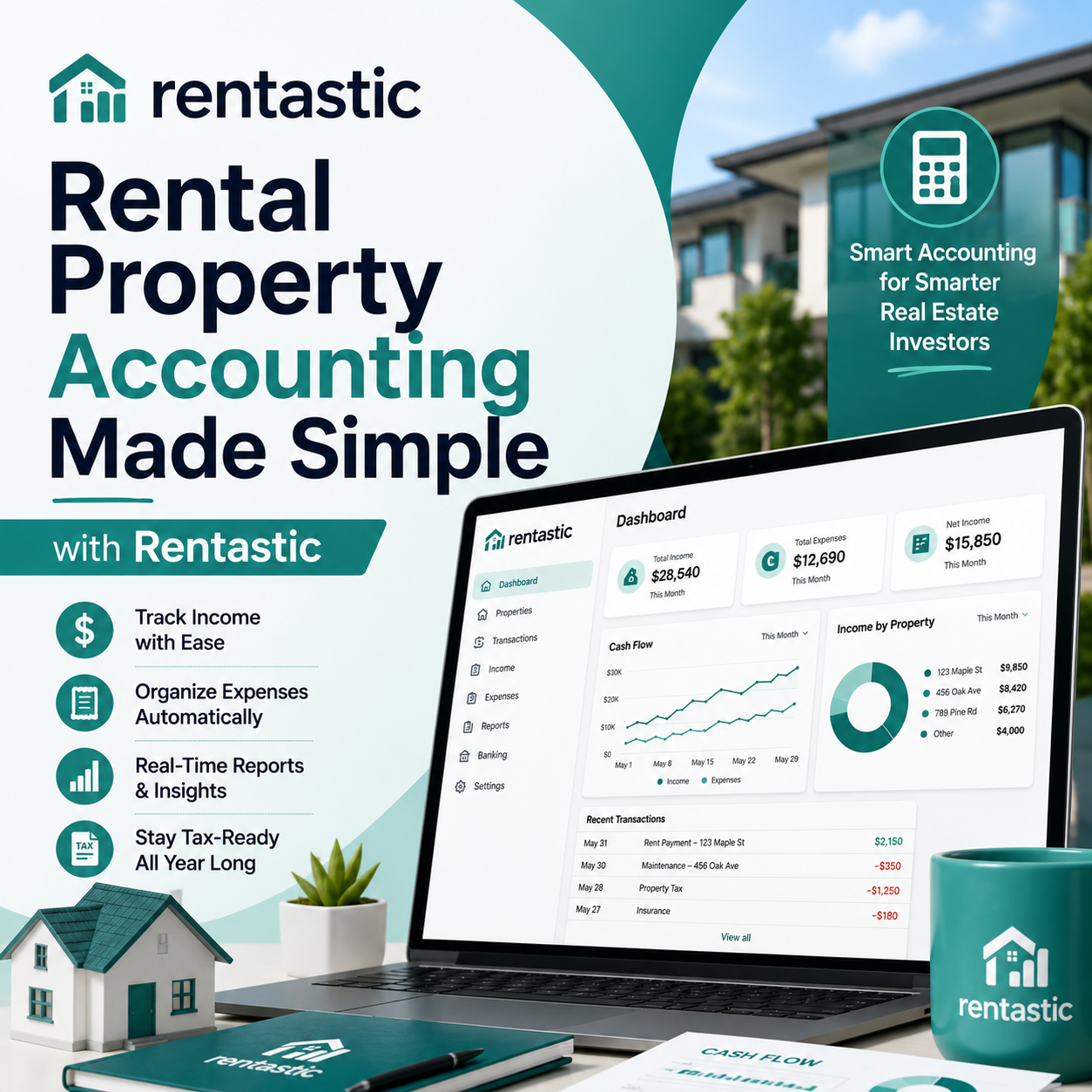
Rentastic generates P&L statements in seconds, pulls in expense categories automatically, and significantly cuts tax prep time for investors compared with older tools like QuickBooks (Rentastic). Those same reports help you:
Rentastic is already monitoring tens of millions in real estate assets and is used by thousands of landlords and investors who rely on its financial intelligence to make decisions (Rentastic, Rentastic).
Despite higher rates and shifting regulations, landlords are largely optimistic moving into 2026. According to a Rentastic report, 71 percent of landlords are positive about profits and use platforms like Rentastic to track cash flow, ROI, and tax metrics across their holdings (Rentastic Blog).
Successful landlords tend to:
Rentastic is highlighted as a leading example of this tech trend, making it easier for you to:
When you pair that live financial picture with the macro story of the Sun Belt, you get a clear roadmap for where to focus next.
Sun Belt markets are not identical. Phoenix is not Tampa, and Austin is not Raleigh. Still, a few shared themes matter for you as an investor.
For years, workers and families have been moving from high cost coastal metros to more affordable, warmer states. That shift supports:
Rentastic helps you turn that broad story into numbers. You can watch your occupancy, rent roll, and rent collection trends by city to see where this demand is strongest in your own portfolio.
In several Sun Belt metros, you still see:
When you use rentastic’s real time cash flow and ROI tracking, you can test whether that theory is actually true for your deals. You see the real effect of:
Across 2025 and 2026, Rentastic has been positioned as a tool that simplifies tracking all those moving pieces and helps you manage millions in property value with less manual work (Rentastic Blog).
Another reason Sun Belt cities dominate investment in 2026 is simple. You no longer have to live near your properties.
With platforms like Rentastic, you can:
That lets you chase the best returns instead of being locked into your local market.
You can use rentastic’s features to zero in on which Sun Belt markets are working best for you, and where you should look next.
In hot Sun Belt markets, it is easy to overspend on upgrades. Granite, smart locks, in unit laundry, pet amenities, high speed internet, the list grows fast.
Rentastic helps you manage this “amenity creep” by tracking:
In markets like Austin, investors use Rentastic to test whether specific improvements, such as smart locks or in unit laundry, truly move rent and NOI or just inflate expenses (Rentastic Blog). You can apply the same discipline to any Sun Belt city you invest in.
Not every Sun Belt market is low risk. Coastal cities, especially in Florida, bring:
Rentastic captures these fluctuating insurance and HOA costs and rolls them directly into your monthly cash flow analysis, so you can see if a market like Tampa Bay still meets your targets once those real world expenses are included (Rentastic Blog).
Portfolio analytics in Rentastic let you group properties and compare clusters. For example, you can:
Landlords in Raleigh Durham and other markets use these tools to monitor performance and generate tax ready reports that show depreciation and interest deductions clearly (Rentastic Blog). You can use the same view to guide where you buy your next property in 2026.
You can turn all of this into a simple, repeatable process before you write your next offer.
Start with the properties you already own. In rentastic, segment your units by metro or state, then compare:
You might find that a mid sized Sun Belt city you barely think about is doing more for your bottom line than your “trophy” market.
Using that same data, make three lists:
Rentastic’s portfolio wide analytics help you do this quickly because you can compare ROI and cash flow by city and state in one place (Rentastic).
Before you buy in a new city, plug realistic numbers into your model and then ask:
After you close, let Rentastic connect to your bank accounts so you can see how these assumptions hold up. The platform automatically imports income and expenses and helps you track those shifts without new spreadsheets (Rentastic Blog).
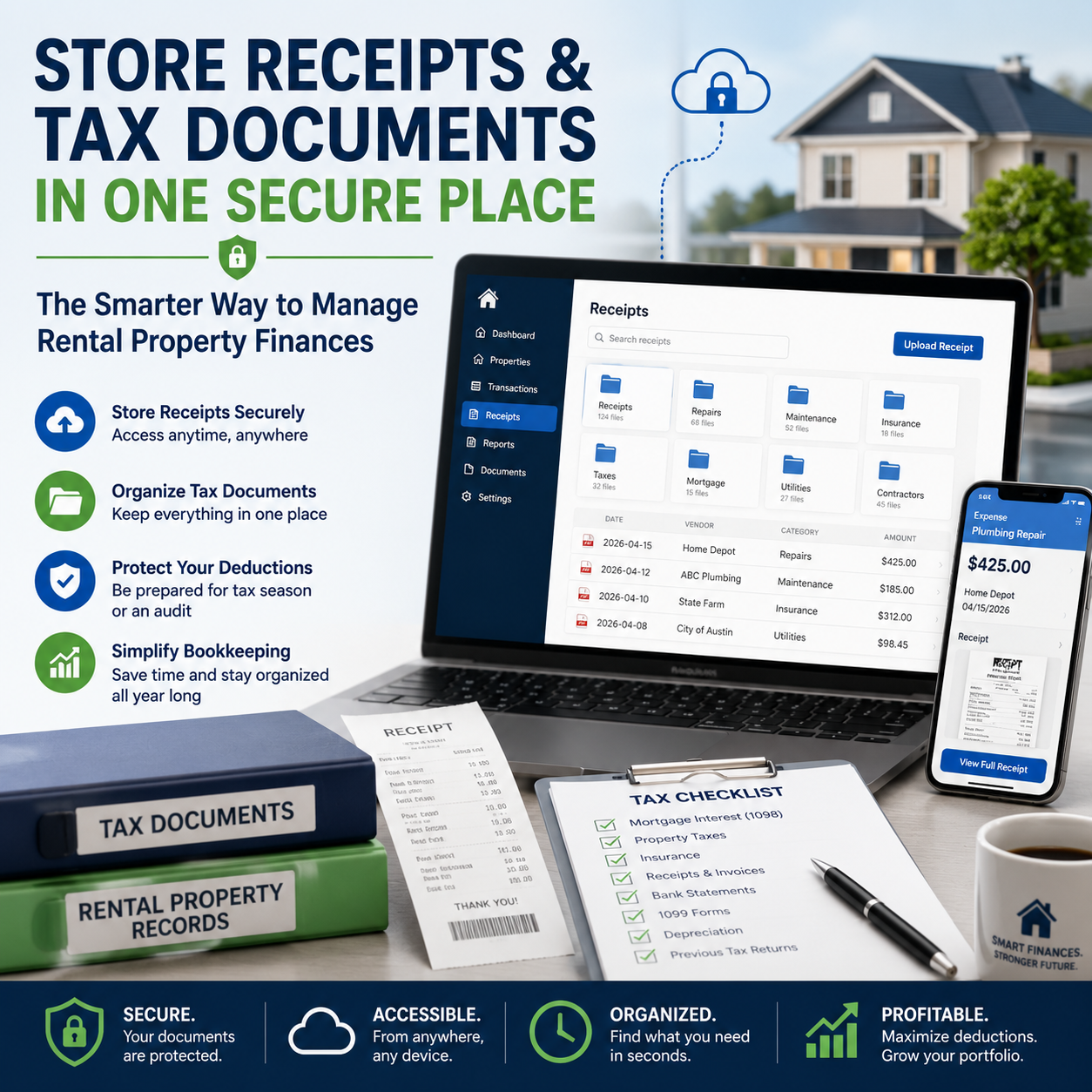
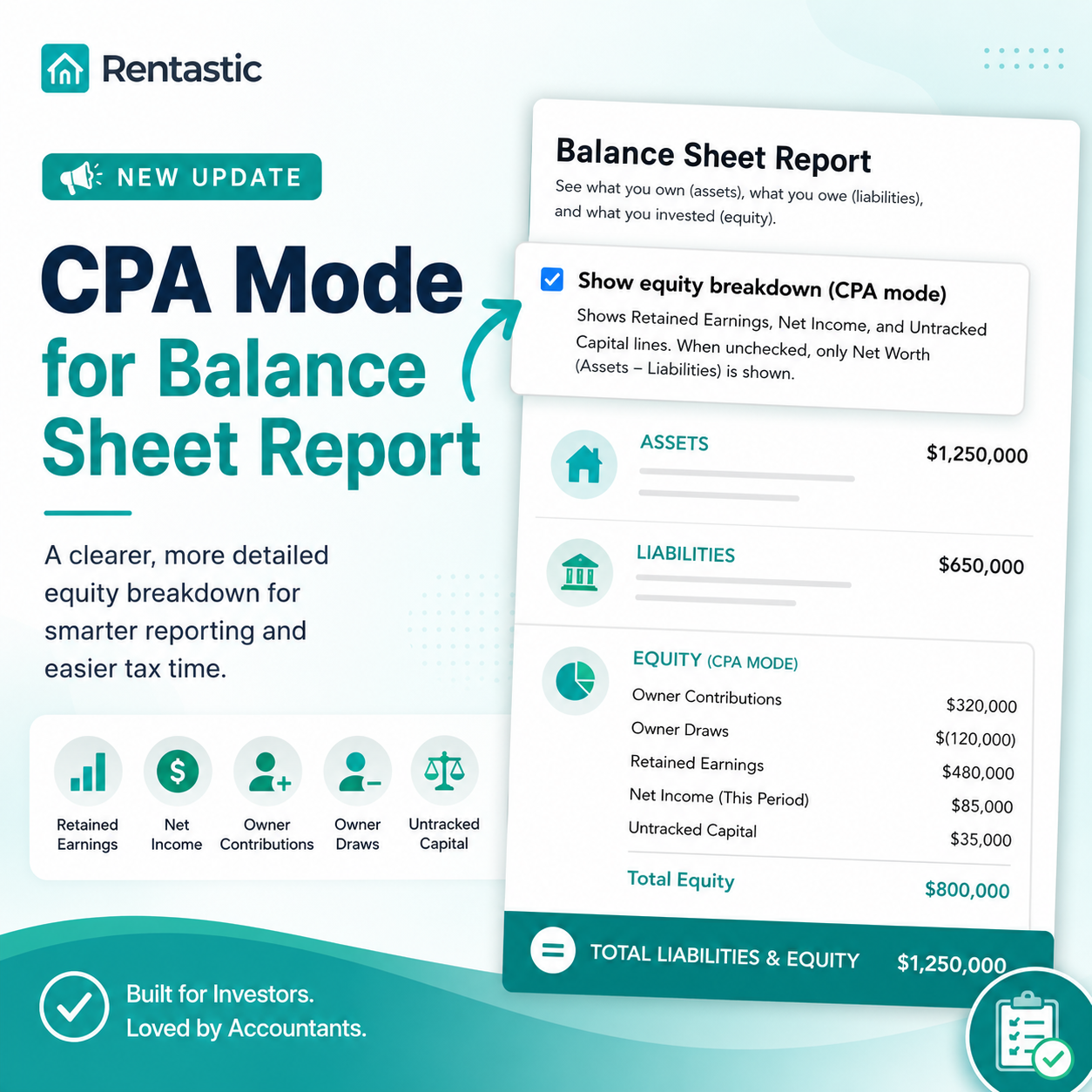
Rentastic’s automated P&L statements and tax reports are not just for April. Use them through the year to catch small problems while they are still fixable.
Look for patterns like:
Because rentastic cuts tax prep time from days to seconds and centralizes these numbers, you can review them more often without adding work (Rentastic).
Once you see the story clearly, you can make sharper calls:
Rentastic’s real time view of ROI across your rental property portfolio helps you see the impact of each refinancing decision and acquisition as you go (Rentastic).
Even the strongest markets can burn you if you skip the details. Sun Belt cities in 2026 offer opportunity, but they also come with traps you should plan for.
New investors sometimes focus on rent potential and forget:
Because rentastic imports transactions directly from your bank accounts and automates expense tracking, you can see whether your operating costs are creeping up in a particular city and adjust your underwriting for future deals (Rentastic Blog).
Amenity creep is real in competitive markets. If you add features without tracking their effect, you risk:
Use Rentastic to tag and track those upgrade expenses, then compare pre upgrade and post upgrade NOI. Investors in markets like Austin already do this to see which amenities actually move the needle (Rentastic Blog).
Pro forma numbers almost always look good at closing. The question is what your property does in month six, twelve, and twenty four.
Rentastic gives you real time cash flow analysis and ROI tracking based on actual bank transactions. That helps you:
Your decisions are only as good as the data behind them.
Technology is a big reason you see so much investor interest in the Sun Belt in 2026. Tools like rentastic make it simpler to manage more units in more places without losing control.
Rentastic is designed to save you time and mental bandwidth so you can focus on strategy:
This automation is already helping property owners manage millions in real estate assets with far less manual effort.
With rentastic, your own portfolio becomes a live map of Sun Belt performance. You can:
You are not just reading market headlines. You are watching how your cash flow, rent growth, and expenses change at the property level.
Because rentastic centralizes your data, you can say “yes” or “no” to opportunities faster. You see:
In competitive Sun Belt markets, being able to move quickly based on accurate numbers is a real edge.
Sun Belt cities are dominating real estate investment in 2026 because they combine strong fundamentals with investor friendly conditions. Migration and job growth keep rental demand solid. Prices in many metros still support workable cash flow. And modern tools give you the visibility you need to manage properties from anywhere.
Your next step is not to chase headlines. It is to:
If you lean on the data that rentastic surfaces for you, you will be able to pick Sun Belt markets that fit your risk tolerance, your time horizon, and your cash flow goals, and you will be ready to adjust quickly as the 2026 market evolves.
RECENT POSTS


© 2025 Rentastic
Rentastic is registered as a trademark. Terms and conditions, features, support, pricing, and service options subject to change without notice.











.png)



























.png)





























Comments