

When you weigh shared amenities vs. in-unit upgrades: which delivers better returns for small landlords? It’s a question that goes straight to your bottom line, influencing net operating income, vacancy rates, and tenant satisfaction. In this friendly guide you’ll learn how to benchmark ROI, pick high-impact features, avoid amenity creep, and track performance in real time so your next upgrade decision feels confident and data-driven.
Understand ROI benchmarks
Every dollar you invest in property upgrades should earn its keep. When you boost net operating income (NOI), you not only cover costs faster but also strengthen your borrowing power and resale value. Continuous occupancy tracking shows that even a 1% drop in vacancy can translate into thousands of dollars in additional annual rent, underscoring how small gains compound over time ( Rentastic ).
Renting ROI benchmarks for 2025 suggest aiming for an 8% to 12% return on amenity upgrades, helping you rank projects and avoid low-return initiatives ( Rentastic ). If you install three to five high-impact features, you could see your NOI jump by roughly 10% within six months, based on Rentastic’s data-driven playbook ( Rentastic ).
For a deeper dive on proven amenity ROI, check out which rental amenities actually increase ROI? track the real impact with rentastic.
Identify top-performing amenities
Shared amenities let you spread capital costs across multiple units. Community lounges, gyms, co-working spaces and rooftop decks can appeal to renters seeking lifestyle benefits without the full cost hitting any single unit. In smaller buildings shared features sometimes deliver higher returns at lower per-unit cost, making them a smart choice if you’re on a tight capital budget ( Rentastic ).
In-unit upgrades—like in-unit laundry, smart thermostats or security cameras—let you justify higher rent per apartment. While installation fees can be steeper, these features often drive stronger tenant loyalty and reduced turnover. According to 2025 analysis on Rentastic’s platform, in-unit laundry recoups costs in about nine months and then continues boosting NOI into year two ( Rentastic ).
Connected living upgrades such as smart locks, thermostats and security cameras typically have lower upfront costs and deliver payback in about four months ( Rentastic ). Quick to install—often within two weeks—these features not only drive immediate tenant interest but also give you real-time usage data to refine your strategy.
Compare cost and payback
When estimating capital expenditures, consider:
Smart locks and basic security cameras often require minimal wiring, trimming labor costs. In-unit laundry demands plumbing and venting, which raises upfront expenses. Shared facilities may need HVAC upgrades, specialized flooring or staffing, so scope can vary widely.
Use these ballpark figures to set expectations:
Knowing your payback window helps you compare projects side by side. If you need a quick boost to cash flow, smart connected features often win. For stronger NOI growth over the long haul, in-unit perks can pull ahead by year two.
Track performance closely
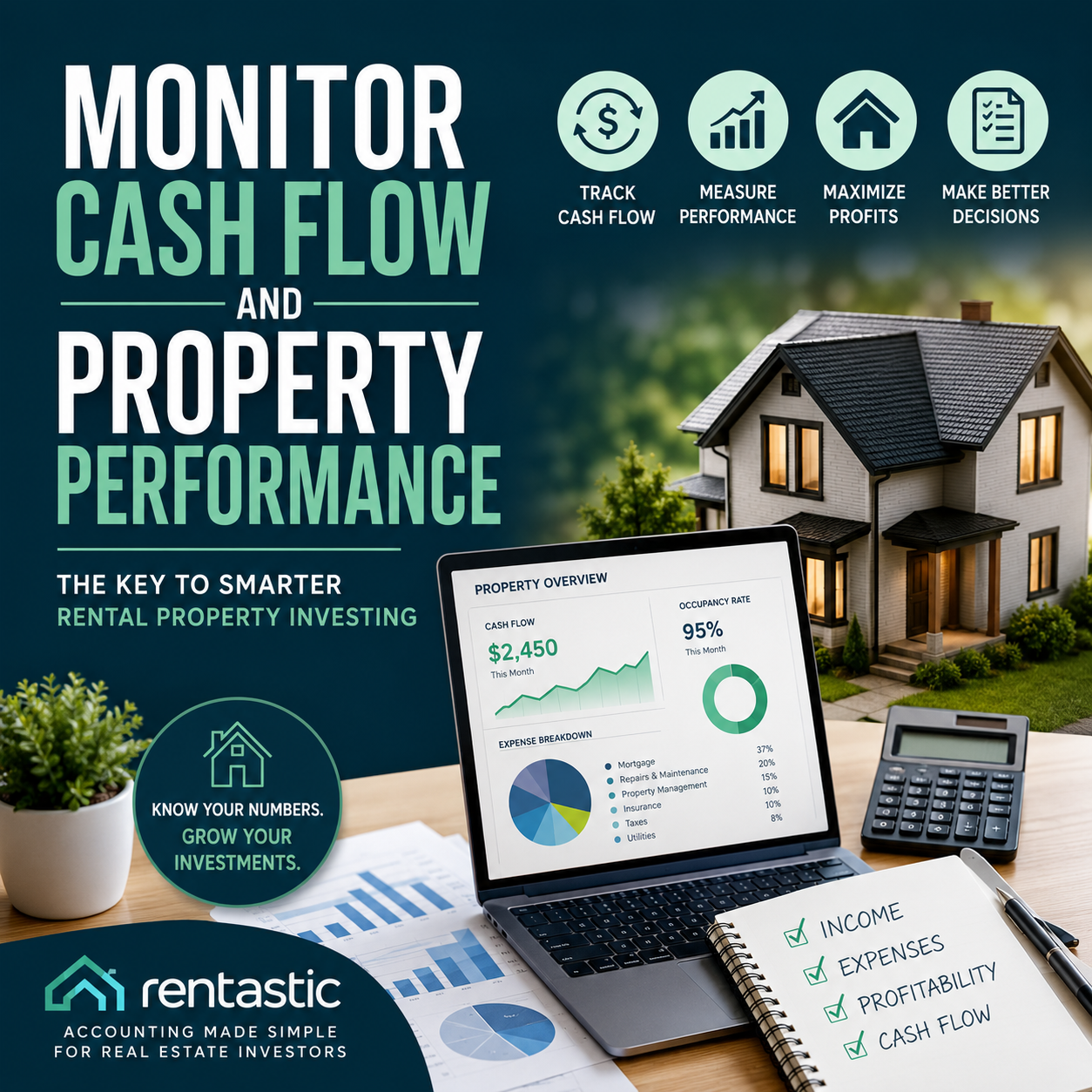
You can’t optimize what you don’t measure. A centralized dashboard lets you track ROI and occupancy rates weekly or monthly for each feature, spotting trends early and pivoting if something underperforms ( Rentastic ). With real-time cost and revenue data in one view, you’ll avoid nasty surprises and keep stakeholders aligned.
For a step-by-step on tracking costs versus returns, see from smart locks to in-unit laundry: how to track amenity costs vs. returns in one dashboard.
Run “what-if” models to compare shared versus in-unit options before you commit capital. Factor in variables like market rent fluctuations, installation cost changes and utility rates. Tools with sensitivity analysis help you see worst-case and best-case ROI, so you can hedge your bets and choose the upgrade mix that aligns with your risk tolerance.
Avoid amenity creep
Amenity creep happens when you keep adding features—luxury finishes, gym equipment, upscale tech—without tracking their return on investment. Gradually your capital outlay balloons, profit margins shrink and you end up with underused or undervalued amenities ( Rentastic ).
For more on preventing overspending, read amenity creep is real: how landlords can avoid overspending on upgrades that don’t pay off.
Make data-driven decisions
Start by capturing your current NOI, average vacancy rate and tenant turnover. If you haven’t already, explore how amenities affect vacancy rates (and how rentastic helps you prove it) to link feature performance directly to occupancy trends.
Create side-by-side comparisons of capital costs, rent premiums and maintenance expenses for shared versus in-unit options. Ask yourself:
After rollout, survey residents on feature satisfaction and usability. Combining qualitative feedback with hard data—like usage rates and rent upticks—gives you a full picture of each amenity’s impact. If a shared lounge stays empty or a smart thermostat frustrates users, you’ll know where to tweak or reallocate dollars.
Answer common questions
Smart connected features—locks, thermostats, cameras—often top the list for fastest payback. In-unit laundry and high-speed internet follow closely for driving rent premiums and reducing turnover. Community gyms and lounges can excel in buildings with at least 10 units to share costs.
Consider your scale and tenant mix. In smaller portfolios shared amenities may be more capital-efficient. If you manage multiple apartment buildings, in-unit perks let you standardize offerings and command consistent rent increases. Always run side-by-side models to see which approach fits your budget and goals.
If you need a quick ROI boost or want to stand out in a crowded market, smart locks and thermostats are low-hassle, high-impact. They’re also great pilots to build your data collection processes before tackling bigger in-unit or shared facility projects.
Conclusion
Balancing shared amenities vs. in-unit upgrades comes down to your portfolio size, capital budget and tenant preferences. By benchmarking ROI targets, focusing on high-impact features, avoiding amenity creep and tracking performance in real time, you’ll make upgrade decisions that boost NOI, cut vacancies and keep your tenants happy. Follow this guide’s steps, leverage data tools, and watch your rental returns grow.
RECENT POSTS


© 2025 Rentastic
Rentastic is registered as a trademark. Terms and conditions, features, support, pricing, and service options subject to change without notice.







.png)



















.png)




























Comments