

In today’s competitive rental market, it’s tempting to chase every new amenity trend. But amenity creep is real: how landlords can avoid overspending on upgrades that don’t pay off requires discipline, data and clear decision rules. In this guide, you’ll learn to:
By the end, you’ll have a step-by-step framework to keep amenity creep in check and boost net operating income (NOI).
Amenity creep refers to the gradual addition of features—gym equipment, luxury finishes, high-tech locks—without tracking whether those investments actually pay off. Each upgrade may feel small on its own, but over time your capital outlay can balloon, squeezing your margins and leaving you with underused or under-valued features (Rentastic).
When you don’t set clear thresholds for acceptable returns, you risk:
Without a disciplined process, each “nice-to-have” item chips away at your bottom line.
Before any upgrade, decide what return on investment you need to see. A common benchmark is 8 % to 12 % ROI within a year, but your goal may vary based on market rents, financing costs and tenant demographics. By agreeing on a minimum acceptable ROI up front, you’ll have a go/no-go rule that stops you from chasing every shiny new feature.
Data shows that amenities hitting an 8 % to 12 % annual return are most likely to boost your NOI without dragging on cash flow. If an upgrade can’t clear your threshold in a realistic timeframe, you can shelve it or negotiate better pricing on equipment and installation (Rentastic).
To avoid nasty surprises, break down each upgrade into:
Treat each item as a separate line in your budget. This level of detail helps you spot overruns before they happen.
Landlords often plan for device costs but forget wiring, mounting or monthly cloud-service charges. Build a contingency buffer—usually 10 % to 15 % of your total estimated spend—to cover unexpected expenses. If you find your contingency swelling, revisit your ROI benchmark before greenlighting the project.
Using spreadsheets, email threads and multiple apps makes it hard to see the big picture. Data fragmentation leads to:
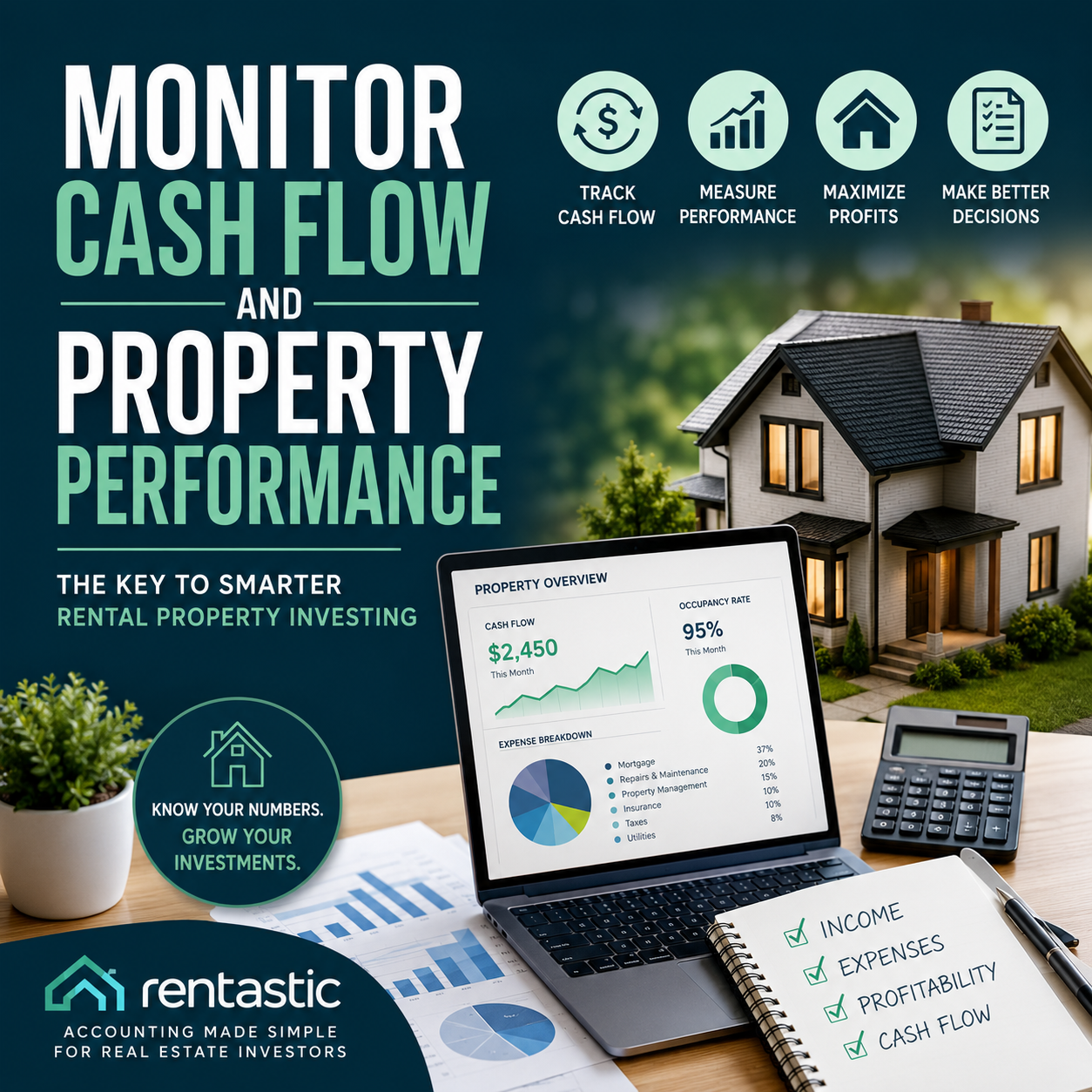
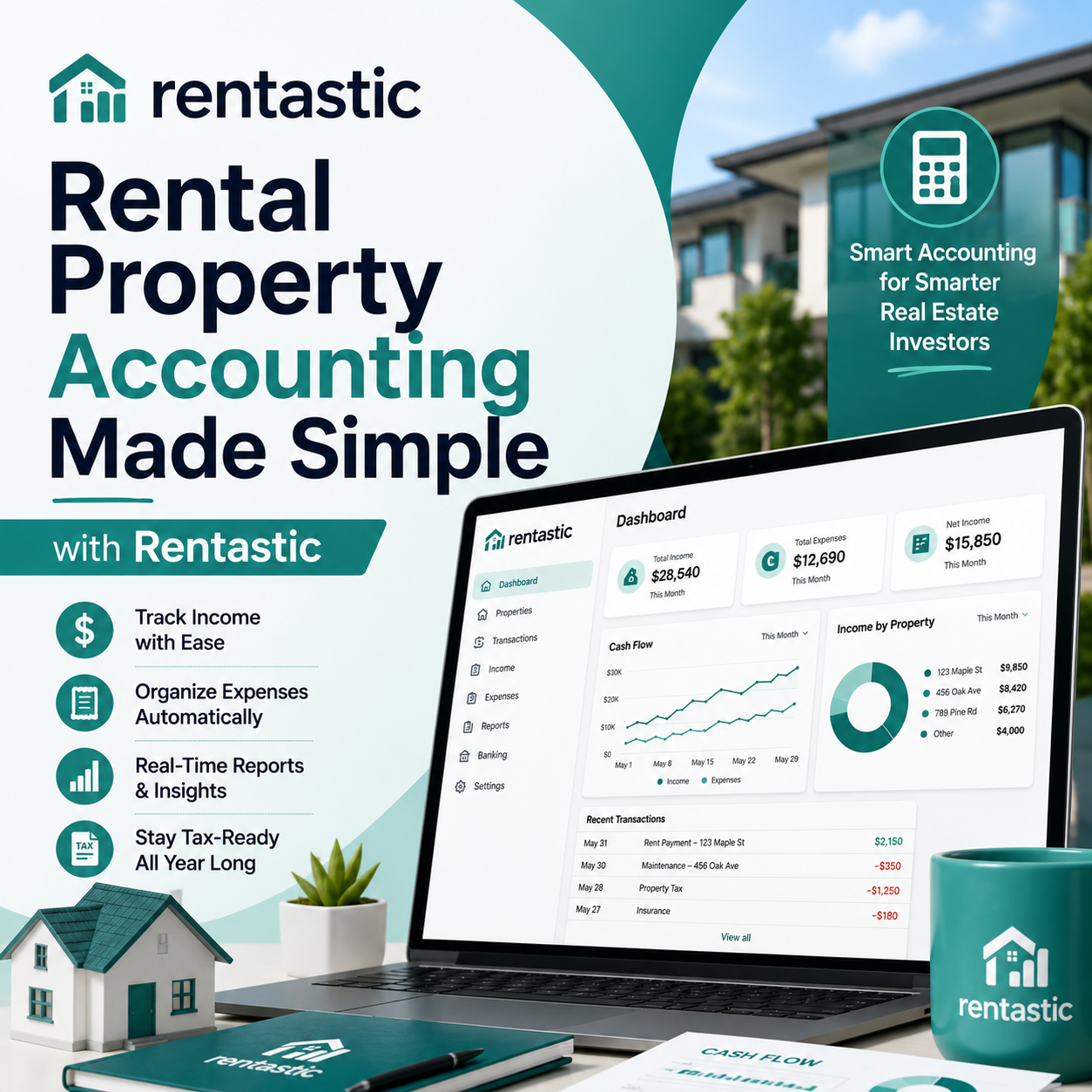
With everything in one place, you get a real-time snapshot of costs, revenues and performance for each amenity. A tool like Rentastic lets you track baseline metrics, compare actual NOI impact and spot downward trends instantly. Learn more in our guide on from smart locks to in-unit laundry: how to track amenity costs vs. returns in one dashboard (Rentastic).
Rather than committing to one upgrade, run side-by-side comparisons. Use a Deal Analyzer to input:
This lets you see which option hits your ROI targets fastest.
A good scenario model will calculate net present value (NPV), internal rate of return (IRR) and break-even timelines. If one option won’t pay back within your required window, you can rule it out before you invest another dollar (Rentastic).
Rather than spreading budget thin across many small upgrades, concentrate on the three to five features that drive the largest NOI lift. Research shows that implementing just three high-impact amenities can boost your NOI by 10 % within six months (Rentastic). For a full breakdown of what tends to deliver the best returns, see which rental amenities actually increase roi? track the real impact with rentastic.
Shared amenities—like a gym or lounge—can spread costs across multiple units, but in-unit features may allow for higher per-unit rent. To decide which approach fits your portfolio, weigh factors such as:
Keep a close eye on:
If an amenity underperforms, act quickly. You might:
Timely adjustments keep you aligned with tenant demand and protect your margins.
It’s easy to be tempted by niche upgrades—wine fridges in every unit, VR gaming rooms, designer furniture. Unless you can forecast the extra rent tenants will pay or the occupancy boost you’ll see, these custom features often sit unused.
Skipping your initial metrics is like flying blind. Without knowing where you started, you can’t calculate true ROI or spot downward trends before they drain profits.
With this framework, you can stop amenity creep in its tracks and focus on upgrades that truly pay off. Your next upgrade decision will be backed by hard data, clear ROI targets and a streamlined process—so every dollar works harder for your portfolio.
RECENT POSTS


© 2025 Rentastic
Rentastic is registered as a trademark. Terms and conditions, features, support, pricing, and service options subject to change without notice.











.png)
























.png)



























Comments